


11-Day Xi’an to Tibet Rail Tour: Silk Road Legacy & Roof of the World Landscapes
Tour Overview
Follow the ancient Silk Road from Xi’an to Tibet, where history unfolds in vivid layers. Stand before the silent Terracotta Warriors, walk atop ancient city walls, and be swept into the elegance of Tang music and dance.
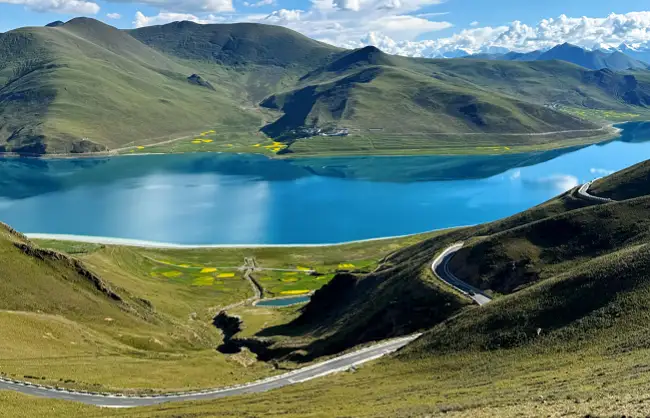
Board the legendary Qinghai–Tibet Railway, crossing vast grasslands and snow-capped mountains on the journey to Tibet, the Roof of the World. In Lhasa, explore the Potala Palace (the world’s highest palace), watch lively monk debates at Sera Monastery, and walk alongside pilgrims around Barkhor Street. The journey culminates at Yamdrok Lake, where turquoise waters shimmer beneath distant snow peaks and time seems to stand still…
Travel destinations: Xi’an, Tianshui, Lanzhou, Xining, Lhasa, Yamdrok Lake
Suitable for: History Buffs, Culture Explorers, Nature Lovers, Photographers
Tour type: Private
Tour at A Glance
|
Day
|
Destination
|
What to See & Do
|
|
1-3
|
Xi’an
|
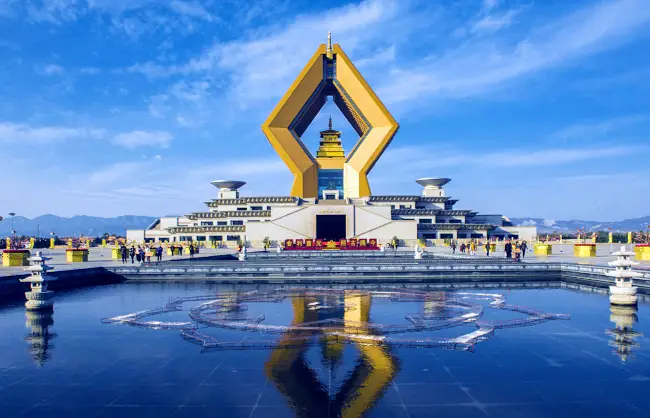
the Terracotta Warriors, the Finger Bone Relic at Famen Temple, Silk Road sculptures, and captivating Tang Dynasty music and dance
|
|
4-5
|
Tianshui & Lanzhou
|
Maijishan Grottoes, Yellow River Scenic Line, and local specialties
|
|
6
|
Xining
|
Three artistic treasures of Kumbum Monastery: butter sculptures, murals, and appliqué embroidery
|
|
7-9
|
Lhasa
|
Buddhist debates at Sera Monastery, Potala Palace, and Barkhor Street pilgrimage
|
|
10-11
|
Yamdrok Lake
|
Jade-like alpine lake framed by sweeping snow-capped peaks
|
Highlights of this tour
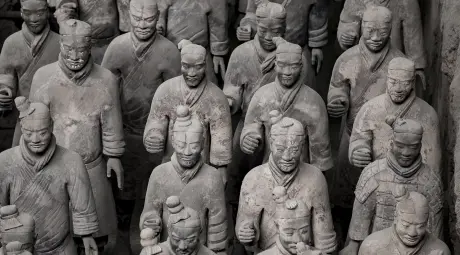
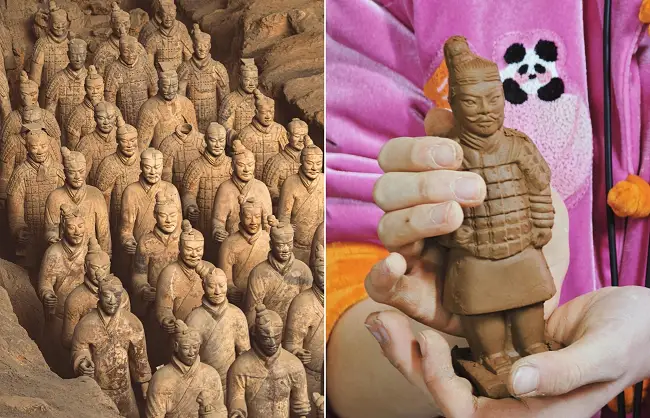
Heritage Craft: Marvel at thousands of life-sized Qin warriors, then craft a miniature warrior in a hands-on workshop.
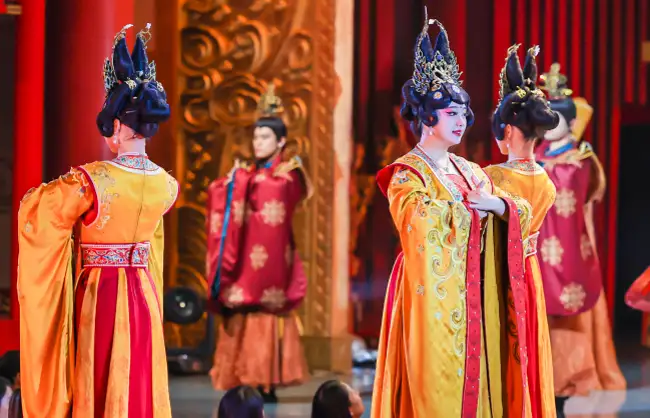
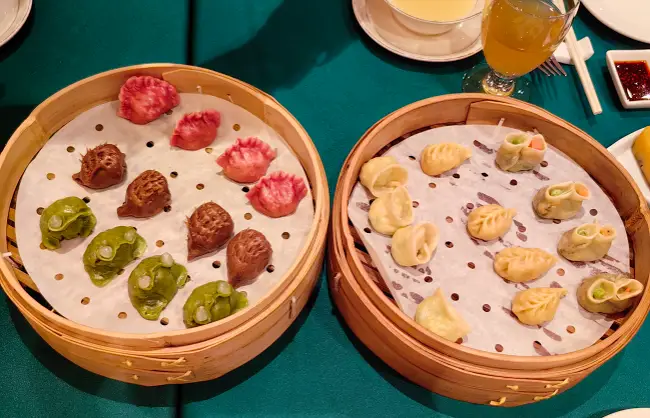
Tang Palace Banquet: Enjoy elegant Tang music and dance while savoring a traditional dumpling banquet in a royal-inspired setting.
Tibetan Culture Immersion: Admire Kumbum Monastery’s famous butter sculptures, murals, and intricate thangka art, and watch the lively Buddhist debates at Sera Monastery.

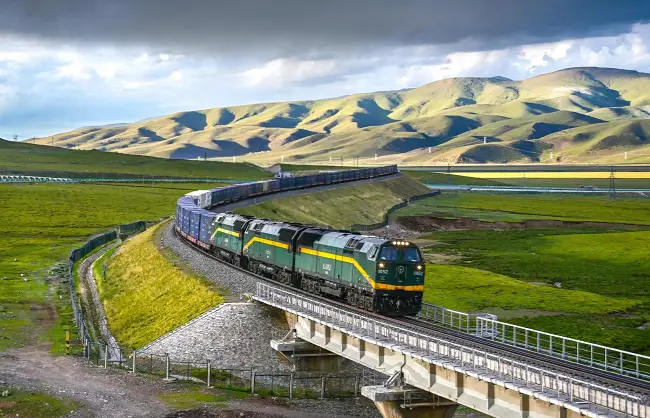
Legendary Sky Train: Cross the Roof of the World aboard the Qinghai–Tibet Railway, visit the iconic Potala Palace, and join local pilgrims circling Barkhor Street before savoring a cup of traditional Tibetan butter tea.
Turquoise Wonder: Stand above Yamdrok Lake as its dazzling turquoise waters unfold beneath endless Tibetan skies, framed by snow-capped peaks and creating one of the most spectacular panoramas on the plateau.
Day-by-day Itinerary
- Day 1: Arrival in Xi'an & Free TimeArrive in Xi'an and explore the ancient Silk Road city on your own
Welcome to Xi'an, the eastern gateway of the ancient Silk Road. Upon arrival, your English-speaking guide and driver will meet you at the airport or railway station and transfer you to your downtown hotel.
Enjoy the rest of the day at your leisure.
Free time ideas:
If you're interested in local specialties, explore Xi'an's famous Muslim Quarter. For a more distinctive local experience, skip the busy main street and head straight to Sajinqiao, a favorite dining area among locals. Recommended specialties include spicy beef meatball soup, cured beef roujiamo, and traditional zenggao (sticky rice cake).

Xi'an's most famous food - Roujiamo - Day 2: Exploration of Silk Road Relics in Xi'anDiscover Silk Road heritage and Tang Dynasty culture
This morning, visit the Silk Road Sculpture Group at the Kaiyuan Gate site, where statues of Tang travelers and Persian merchants vividly recall the glory of the ancient Silk Road.
About 1.5 hours from downtown Xi’an, Famen Temple was one of the most revered imperial temples during the Tang Dynasty. Walk along the Buddha Light Avenue, visit the Namaste Dagoba, and view the sacred Finger Bone Relic of the Buddha. The underground palace also houses remarkable Silk Road treasures, including ancient glassware and textiles.
The Namaste Dagoba at Famen Temple Step into Giant Wild Goose Pagoda Square, where echoes of ancient Chang'an meet the pulse of modern Xi'an. Admire Asia's largest musical fountain at the North Square, with the majestic seven-story pagoda in the background.
In the evening, stroll through Great Tang All Day Mall, where illuminated Tang-style buildings, cultural performances, and festive lanterns recreate the splendor of the Tang Dynasty.
Optional Activities:
Want to experience Xi’an like a local from a thousand years ago? Slip into a beautifully styled Hanfu and wander through the lit-up Great Tang All Day Mall.
Try Tang dynasty Hanfu, strolling Giant Wild Goose Pagoda Square - Day 3: Xi'an History DiscoveryExplore Xi'an's imperial legacy and legendary Terracotta Warriors
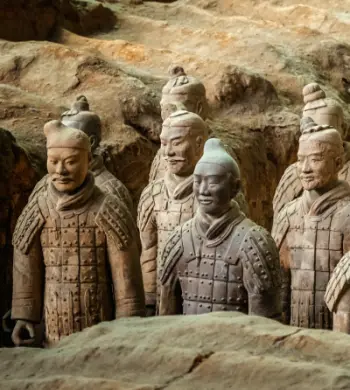
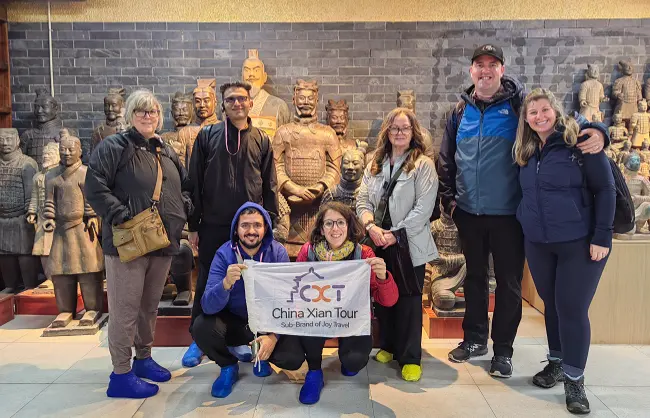
At the world-famous Terracotta Warriors, stand before more than 8,000 life-sized warriors unearthed from three vast excavation pits. Look closely at their faces, hairstyles, and expressions—no two are exactly alike. You can delve deeper into the story behind this underground army—why it was built and who built it.
Photo with life-sized Terra Cotta Warriors Continue to Huaqing Palace, once the royal bathing retreat of Chinese emperors. Stroll through elegant gardens and historic pavilions, then unwind with a traditional foot bath fed by the same natural hot springs enjoyed by royalty for centuries.
Back in the city, step onto Xi’an’s 600-year-old Ancient City Wall. Walk along its broad ramparts and enjoy sweeping views of old and new Xi’an. As your guide brings history to life, explore the gate tower, arrow tower, watchtowers, and defensive battlements.
In the evening, step into a palace-style setting for a memorable Tang Dynasty Dinner Show. Savor beautifully crafted dumplings while elegant dancers, flowing silk costumes, and ancient court music recreate the splendor of a royal celebration from over a thousand years ago.
Savor beautifully crafted dumplings Optional Activities:
- Make your own miniature Terracotta Warrior at a nearby workshop and take it home as a souvenir.
- Enjoy an optional traditional foot spa experience.
- Cycle atop the City Wall.
- Day 4: Xi'an - Tianshui - Lanzhou by High-speed TrainVisit the cliffside grottoes of Maijishan and travel to Lanzhou
Travel by high-speed train to Tianshui this morning.
* Suggested train: D2651 / 08:10–09:50
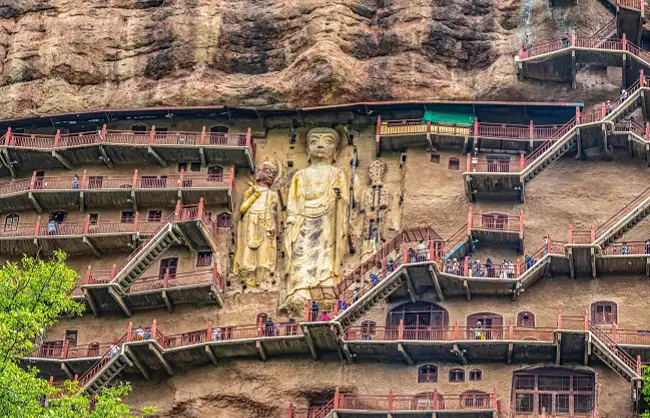
Begin your Tianshui exploration at the Maijishan Grottoes, one of China's finest Buddhist cave complexes. Admire the famed Buddha known as the "Mona Lisa of the East," the 16-meter cliff-carved Buddha, and the remarkably lifelike apsara sculptures. From Sanhua Pavilion, enjoy a panoramic view of the grottoes and the surrounding cliffs.
Maijishan Grottoes, one of China's finest Buddhist cave complexes Later, board another high-speed train to Lanzhou, the capital of Gansu Province.
* Suggested train: G1875 / 16:07–17:40
Optional Activities:
Stroll through Nanguan Night Market and Dazhong Alley Night Market, two local favorites near Zhongshan Bridge. Sample Lanzhou specialties such as sweet fermented rice with milk and egg, chao bola (stir-fried lamb and vegetables), and charcoal-grilled barbecue skewers.
- Day 5: Lanzhou to Xining by Private VehicleDiscover Silk Road treasures and the Yellow River culture
In ancient times, Lanzhou was a vital gateway linking Central China with the Western Regions and was known as the "throat" of the Silk Road.
Your guide will lead you through the Gansu Provincial Museum, one of the best places to explore the history of the Silk Road and the Yellow River civilization.
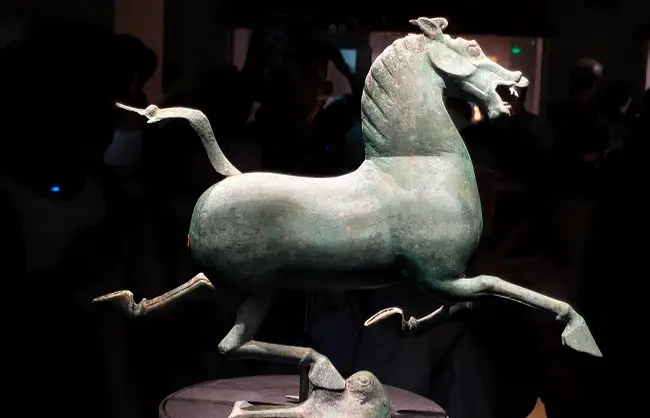
Admire exhibits ranging from prehistoric painted pottery to treasures of the Han and Tang dynasties. Highlights include the famous Bronze Galloping Horse (Flying Horse of Gansu), the museum's most iconic artifact and a symbol of Chinese tourism.
Bronze Galloping Horse in Gansu Provincial Museum Stroll along the Yellow River Scenic Line to admire the river and the city skyline. Visit the century-old Zhongshan Iron Bridge and take photos beside Lanzhou’s giant traditional wooden waterwheels.
After the tour, drive to Xining and check in at your hotel.
Optional Activities:
- Take a traditional sheepskin raft ride on the Yellow River (available April - October).
- Relax at a riverside tea stall near the bridge and enjoy a cup of Sanpaotai, a local favorite.
- Day 6: Xining to Lhasa by Overnight TrainAdmire Tibetan art and begin the scenic railway journey
Today, visit Kumbum Monastery, where rows of white stupas stand against golden rooftops and crimson walls, while the scent of yak butter and Tibetan incense fills the air. The monastery is best known for its "Three Artistic Wonders"—intricate butter sculptures, vibrant murals, and exquisite appliqué embroidery.
Appreciate intricate butter sculptures in After that, board an overnight train to Lhasa. One of the biggest advantages of this journey is its gradual altitude acclimatization. During the night, the train crosses the Tanggula Pass, the highest section of the route, while the carriages are continuously supplied with diffused oxygen.
* Suggested train: Z21 / 15:27–11:47 (+1 day)
Warm tips:
1. Please wear modest clothing, such as long pants or skirts below the knee. As a sacred site, photography is strictly prohibited inside the halls.
2. Dinner and breakfast will be taken on board. The dining car serves a selection of Chinese dishes, though you may wish to bring some of your favorite snacks or light meals.
3. For a more comfortable night's sleep, consider bringing earplugs, an eye mask, and disposable slippers. A high-capacity power bank is highly recommended, as charging outlets on the train are very limited.
- Day 7: Lhasa ArrivalCross the Tibetan Plateau and arrive in holy Lhasa
Spend the morning enjoying one of the world's most spectacular rail journeys into Tibet.
Gaze out at the majestic Kunlun Mountains, where snow-capped peaks rise high above the plateau. The train then crosses the vast wilderness of Hoh Xil, a remote land of sweeping plains and untamed beauty. As the rugged highlands gradually recede, the boundless green expanse of the Qiangtang Grasslands unfolds across the horizon, creating an ever-changing panorama outside your window.
Upon arrival in Lhasa, your local guide will greet you with a khata, a traditional Tibetan ceremonial scarf symbolizing good fortune and warm wishes. Afterwards, transfer to your hotel and enjoy the rest of the day at leisure.
Our customers were welcomed by Lhasa guide with white Hadas Travel tips:
1. Lhasa sits at an elevation of approximately 3,650 meters (11,975 ft). To help your body adjust to the altitude, avoid strenuous activities such as running, brisk walking, or climbing stairs too quickly.
2. Please avoid alcohol on your arrival day whenever possible, as it can increase the effects of altitude and place additional strain on the body.
- Day 8: Temple Visit in LhasaExperience Tibetan monastic life and famous monk debates
Begin your pilgrimage through Lhasa at Drepung Monastery, one of the largest monasteries in Tibetan Buddhism. Wander through its grand assembly halls, where intricately carved beams and richly decorated interiors reflect centuries of devotion. Visit the former residence of the Dalai Lama (Tibet's revered spiritual leader), then step outside to take in sweeping views of Lhasa, with the city and surrounding mountains stretching into the distance.
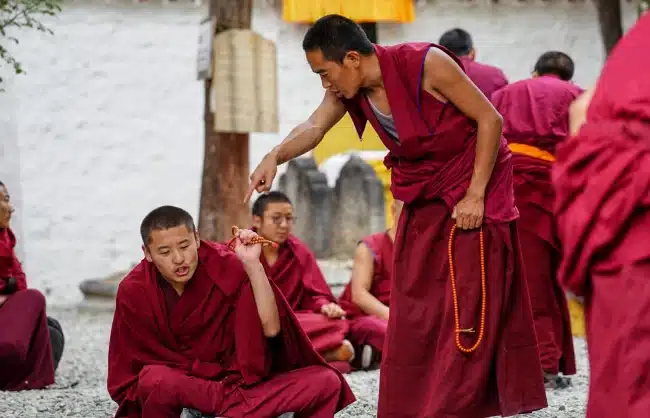
Continue to Sera Monastery, home to one of Tibet's most fascinating traditions. Between 3:00 and 5:00 PM, Monday through Saturday, the monastery's courtyard comes alive as monks in crimson robes engage in spirited philosophical debates. Sharp hand claps, animated gestures, and the rhythmic movement of prayer beads transform abstract ideas into a captivating public performance of Buddhist scholarship.
Debate at Sera Monastery At the end of the day, enjoy a traditional Tibetan welcome dinner, offering a warm introduction to local hospitality and culture.
Travel tips:
The debate courtyard allows photography with mobile phones. Please turn off the flash and shutter sound out of respect for the monks and the atmosphere of the monastery.
- Day 9: Lhasa's EssenceExplore Tibet's most sacred landmarks and pilgrimage traditions
Having spent two days adjusting to the altitude, you'll be better acclimatized and ready to explore the iconic Potala Palace today.
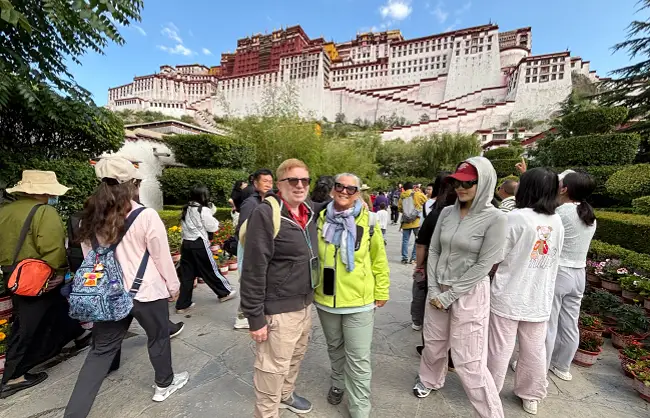
Rising dramatically above Lhasa from Red Hill, the Potala Palace dominates the skyline like a fortress in the clouds. Climb its winding stairways to explore gilded chapels, ancient murals, and the magnificent stupas of successive Dalai Lamas, while sweeping views of the city unfold below.
The highest-altitude palace in the world - Potala Palace This afternoon, visit the Jokhang Temple, the holiest sanctuary in Tibetan Buddhism. At its heart sits the revered 12-year-old Shakyamuni Buddha statue brought by Princess Wencheng over a millennium ago. Gaze upward at thousands of square meters of ancient murals that bring Buddhist tales to life.
Step outside and join the clockwise stream of pilgrims on Barkhor Street, the sacred pilgrimage route encircling the temple (a ritual believed to accumulate merit and blessings). As devotees spin prayer wheels and whisper mantras, the air fills with the rich aroma of yak butter, incense, and sweet tea.
Drinking butter tea on Barkhor Street Stroll past lively shops selling thangkas, Tibetan carpets, and ritual objects, then pause at a local teahouse to share a cup of traditional butter tea and experience the authentic rhythm of everyday life in old Lhasa.
Travel tips:
1. Photography is strictly prohibited inside Potala Palace. Reaching the upper levels requires climbing a considerable number of steps, so take your time and walk at a comfortable pace to avoid altitude-related discomfort.
2. Please respect local religious customs. When walking the Barkhor pilgrimage circuit, always move clockwise and avoid taking close-up photos of pilgrims without permission.
- Day 10: Lhasa to Yamdrok Lake by Private VehicleAdmire the breathtaking beauty of sacred Yamdrok Lake
Yamdrok Lake, one of Tibet's three sacred lakes, is known in Tibetan as the "Jade Lake."
Leaving Lhasa behind, you'll journey across the high plateau and climb to Kamba La Pass. After about two and a half hours on the road, the first glimpse of Yamdrok appears below—a vast ribbon of turquoise winding through the mountains.
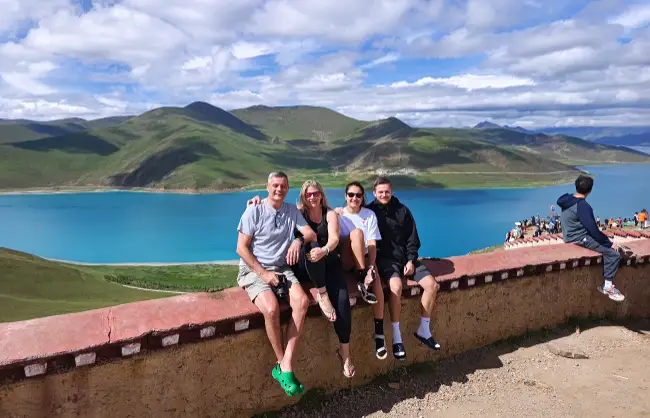
From the viewpoint, take in sweeping vistas of the lake's ever-changing shades of blue and green, shimmering beneath the sunlight and reflecting the snow-capped peaks beyond. The contrast between crystal-clear water, rugged mountains, and the immense Tibetan sky creates one of the most iconic landscapes in Tibet.
Enjoy sweeping vistas of the lake's ever-changing waters If weather permits, you may also enjoy a light picnic in a designated lakeside area, surrounded by the serenity of the sacred lake and the distant snow-covered mountains.
Travel tips:
1. Oxygen levels at Yamdrok Lake are noticeably lower than in Lhasa. At the viewpoint, which sits at nearly 5,000 meters (16,400 ft) above sea level, do not run, jump, or engage in strenuous activity. If you experience symptoms such as headache, palpitations, or shortness of breath, return to the vehicle immediately for oxygen support and descend to a lower elevation.
2. Ultraviolet radiation on the plateau is extremely strong and can be intensified by reflection from the lake's surface. Be sure to use adequate sun protection, including sunscreen, sunglasses, and a hat.
- Day 11: Lhasa DepartureDepart Lhasa with unforgettable Silk Road and Tibet memories
After breakfast, your driver will transfer you to the airport according to your flight schedule.
Your 11-day adventure from the ancient Silk Road to the Roof of the World comes to an unforgettable conclusion.
Travel Tips:
For travelers wishing to explore deeper into Tibet, customized extensions to destinations such as Everest Base Camp are available on request.





Tour Price Per Person
The price varies depending on the activity, number of people, travel date, and selected hotel. Please contact us for a specific price.
Accommodation For This 11-Day Xi'an to Tibet Rail Tour

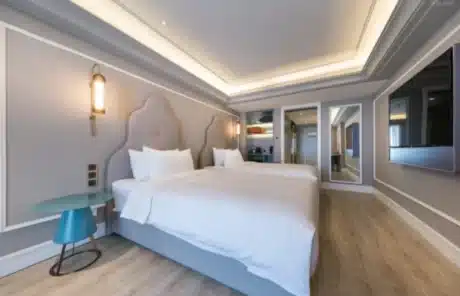


For your China private tour, the choice is in your hands: you can select luxury 5-star hotels for unparalleled comfort, cozy 4-star accommodations, or value-for-money 3-star options.
All our partner hotels are handpicked for their prime locations, conveniently situated near bustling commercial areas. Every room is equipped with standard amenities like air conditioning, hot water, 24-hour showers, reliable Wi-Fi, and windows for natural light.
In some hotels, there are English-speaking staff who are committed to providing attentive service. Should you have any special requests, feel free to ask - they are always ready to assist.


