


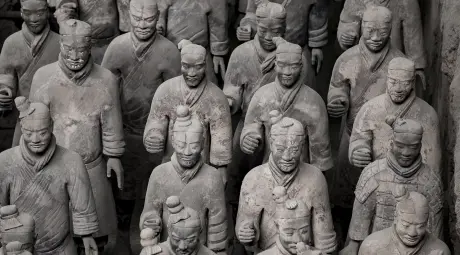


Winter gives Harbin a look you won’t find anywhere else, and a few good Harbin travel tips can make all the difference when planning a visit.
The Ice and Snow Festival may be what gets Harbin on your radar, but the city has plenty of character beyond its winter attractions. Take a walk through the old streets, and you’ll notice the Chinese and Russian influences in the architecture. Stop for a meal, and hearty Northeastern dishes give you another taste of local life. And with Yabuli and China Snow Town nearby, there’s every reason to spend a few extra days in this part of China.
A first trip to Harbin comes with a few things to figure out, especially in the middle of winter. These 10 Harbin travel tips cover the details you’ll want to know before setting off, from choosing when to visit and packing for the cold to keeping your spending in check. Sort out the basics beforehand, and you’ll have more room to enjoy everything the city has to offer.

Content Preview
- 1. Best Time to Visit
- 2. Harbin Ice and Snow Festival
- 3. More Things to Do
- 4. What to Wear
- 5. How to Get to Harbin
- 6. How to Get Around Harbin
- 7. Where to Stay
- 8. What International Visitors Should Know
- 9. Harbin Travel Costs
- 10. How Many Days
- Harbin Travel FAQ
1. Best Time to Visit Harbin: When the City Is at Its Best
Harbin feels like a different city from one season to the next, but winter is when most visitors want to be here, so December through February is the busiest stretch. The Ice and Snow Festival is in full swing, ski resorts are welcoming visitors, and China Snow Town is covered in thick, picture-perfect snow.
Just be ready for the cold: temperatures usually sit between -10°C (14°F) and -25°C (-13°F), and January tends to be the chilliest month. The Harbin International Ice and Snow Festival traditionally kicks off on January 5, although some ice and snow venues open as early as December. Dates and event schedules vary from year to year.

Summer, from June to August, is a whole different story. The weather is relatively cool, so you can take your time wandering Central Street, checking out Sun Island, or strolling along the Songhua River. Spring and fall see fewer visitors. They’re a good fit if you’d rather enjoy a slower-paced city break.
If you want a better idea of what the weather will be like during your visit, take a look at our Harbin weather guide.
2. Harbin Ice and Snow Festival: Where to See the City’s Winter Magic
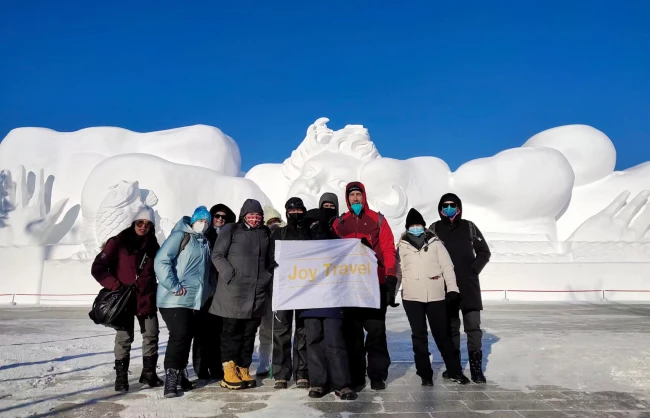
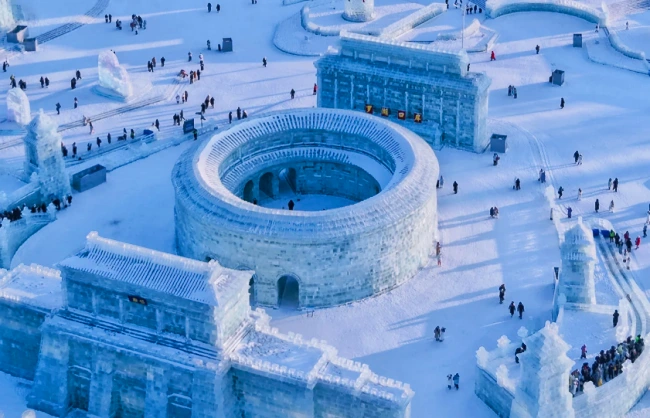
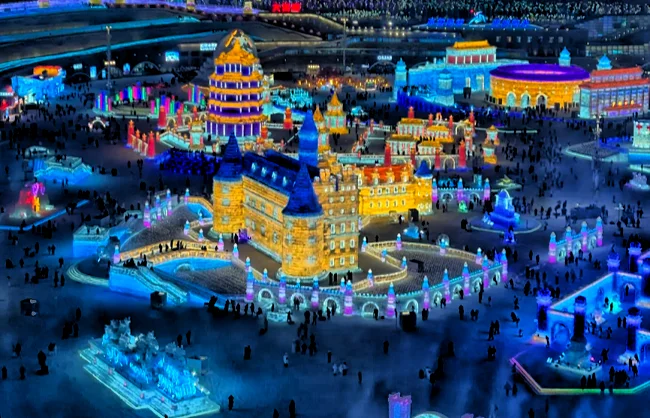
Come winter, Harbin takes ice and snow to a whole new level. We’re talking towering ice castles, enormous snow sculptures, and delicate ice lanterns that turn the city into something straight out of a winter wonderland. The Harbin Ice and Snow Festival is one of China’s best-known winter celebrations, and there are a few places where you can really get a feel for what makes it special.
Harbin Ice and Snow World
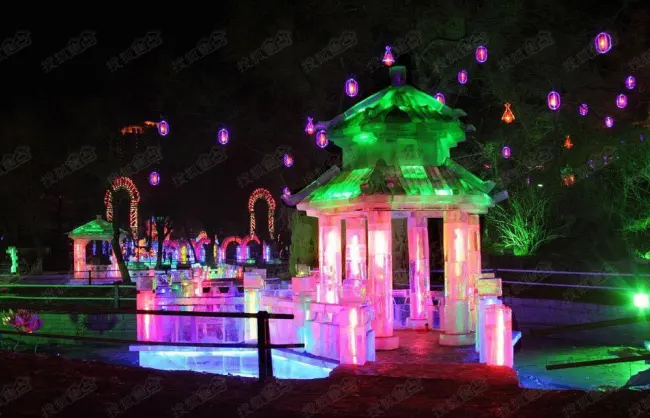
Harbin Ice and Snow World is hard to miss on any winter trip to Harbin. Imagine walking past giant ice castles and beautifully carved ice buildings, all glowing in brilliant colors after sunset. There’s plenty to look at during the day, too, and the giant ice slide adds more fun if you’re up for it.
A Little Tip: Don’t rush off before dark. Get there in the afternoon rather than waiting until evening, so that you can check out the sculptures in daylight, then watch the whole place light up as night falls. It’s like seeing two different parks in one visit.
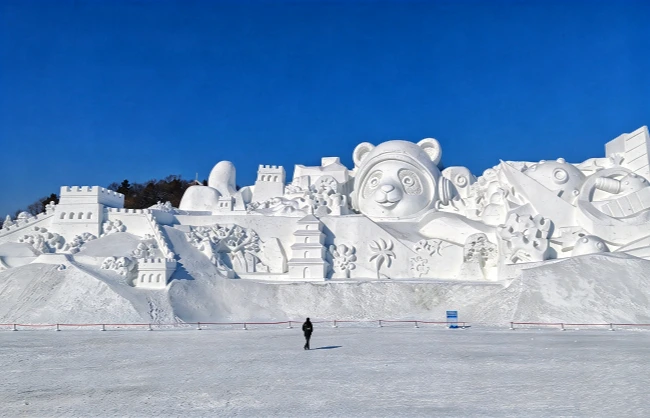
Sun Island Snow Sculpture Art Expo
Over at Sun Island, snow takes center stage. Artists turn enormous blocks of snow into detailed sculptures of people, animals, and buildings. Some are huge, but it’s the little details that really deserve a closer look. Take a leisurely walk around and you’ll find yourself browsing what feels like a giant open-air art exhibition. If you enjoy photography, this is one spot where you’ll want to keep your camera handy at all times.
Zhaolin Park Ice Lantern Fair
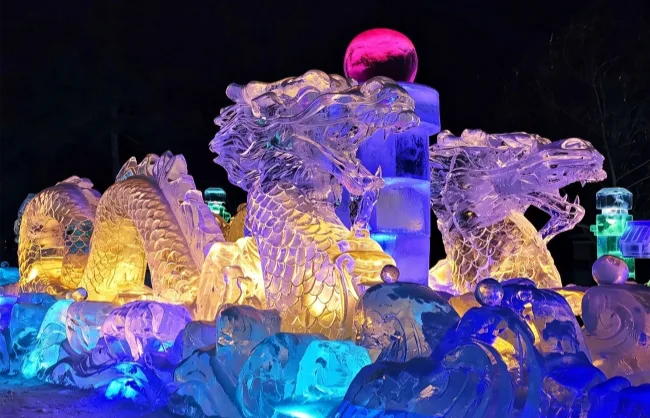
For something with a more traditional feel, make time for the Zhaolin Park Ice Lantern Fair. Zhaolin Park is one of the key places associated with Harbin’s traditional ice lantern art. Its delicate lanterns and ice sculptures offer another glimpse into the city’s long-standing winter art traditions.
3. Beyond the Ice Festival: More Things to Do in Harbin
The Ice and Snow Festival may be what brings you to Harbin, but don’t spend your whole trip looking at ice sculptures. The city has plenty more going on, ranging from old European-style streets and local comfort food to all kinds of winter fun along the Songhua River.
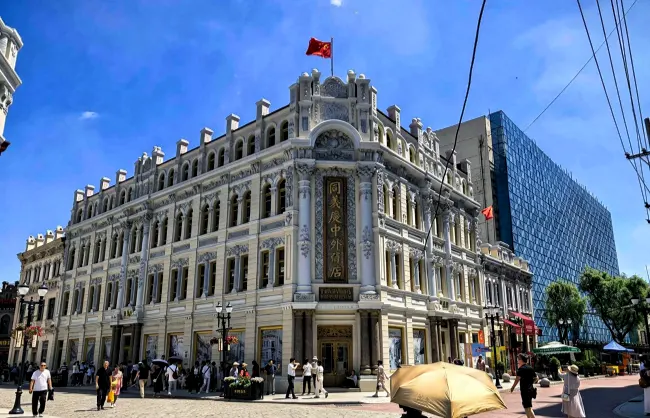
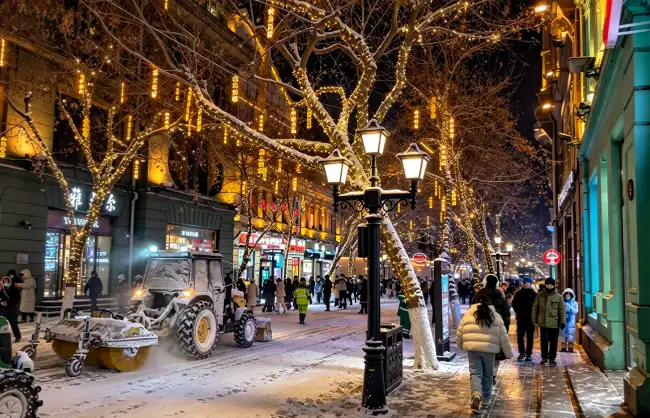
Take a Walk Down Central Street: Put on a comfortable pair of shoes and give yourself enough time to wander. Central Street is lined with European-style buildings, little shops, and plenty of places to stop for a bite. Don’t leave without trying Harbin red sausage, big bread loaves, or the famous Madieer ice cream. Yes, even when it’s freezing outside!
Stop by St. Sophia Cathedral: You don’t have to be an architecture buff to appreciate this one. The green domes and Byzantine-style details give St. Sophia Cathedral a look that really stands out in Harbin. The square in front is where most visitors stop for photos, and it’s worth taking a closer look at the building while you’re there. Beyond the astonishing architectural beauty, there’s a lot of the city’s history wrapped up in those walls.

Have Some Fun on the Songhua River: Once the Songhua River freezes over, it becomes one big winter playground. There’s no shortage of ways to have fun out on the ice. You might find yourself pedaling an ice bike one minute and flying down an ice slide the next. Snow tubing and ice bumper cars bring plenty of laughs, while hovercraft rides offer a different way to cruise across the frozen river. For a taste of traditional Northeastern winter fun, give an ice sled ride a try, too.

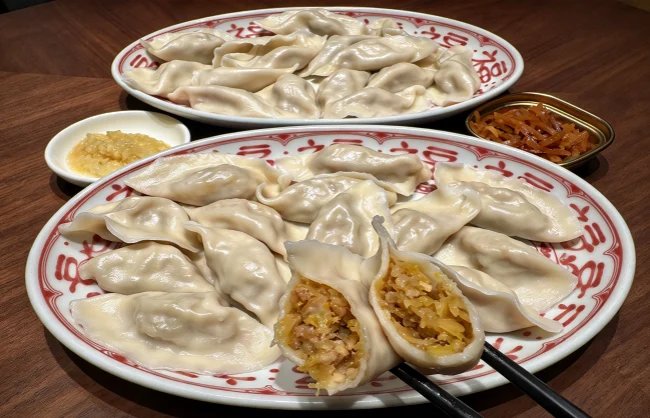
Eat Your Way Through Northeastern Chinese Cuisine: Come hungry. Harbin’s local dishes are hearty, full of flavor, and rarely skimpy on portions. Start with guobaorou (sweet-and-sour pork), try di san xian (potatoes, eggplant, and peppers), and share a pot of Northeastern-style stew. These are the kind of dishes that hit the spot on a cold winter day.

Spend a Day Skiing at Yabuli: Yabuli welcomes everyone from complete beginners to experienced skiers. If you are new to skiing, the gentler slopes give you room to learn at your own pace, while more confident skiers can try the steeper runs. Even on a short trip to Harbin, you can fit in a day on the slopes with our Yabuli one-day private skiing tour.

Visit China Snow Town: China Snow Town deserves more than a quick daytime visit. Thick snow covers the wooden rooftops, forming the village’s famous snow mushrooms. After dark, red lanterns light up the streets, giving you a whole new reason to spend the night. Check into a local guesthouse, where you can try sleeping on a traditional Northeastern heated kang bed and get a taste of village life. Take a look at our China Snow Town tour for trip ideas.

For more ideas on what to see and do around the city, check out our Harbin things to do guide.
4. What to Wear in Harbin in Winter: Stay Warm From Head to Toe
Harbin gets seriously cold in winter, especially from December through February. When you’re spending hours outside, a regular winter jacket just won’t cut it. Layering is your best bet: pile on the warm layers outdoors, then take one off when you step into a heated building. Here’s what to throw in your suitcase:
- Outerwear: A thick down jacket or a well-insulated winter coat.
- Tops: Thermal underwear, topped with a wool sweater or fleece.
- Pants: A pair of thermal leggings or long underwear under your regular pants makes a big difference. Top them with windproof pants to keep the cold out.
- Shoes: Good snow boots are a must in Harbin. Consider going for a warm, waterproof pair with solid grip. They’ll help you stay steady when sidewalks become icy and slippery after a snowfall.
- Accessories: Your ears, hands, and feet will feel the cold quickly, so don’t leave without a warm hat, scarf, thick gloves, and thermal socks. These are easy to overlook, but you’ll be glad you packed them
A few extras are worth tossing into your bag as well: hand warmers, sunglasses, moisturizer, and lip balm. The cold also drains phone and camera batteries faster than you’d expect, so bring a power bank and spare batteries for your devices.
A couple of small things to watch out for: glasses may fog up when you step into a warm room or wear a face mask. Icy sidewalks can be slippery, too, so take your time and watch your step. For more winter clothing and cold-weather advice, check out our Harbin winter clothing and warmth guide.

5. How to Get to Harbin: Flights, High-Speed Trains & Airport Transfers
By Air: Harbin Taiping International Airport
Harbin Taiping International Airport sits a little over 30 km from downtown. It has domestic flights and some international connections, so overseas visitors may fly straight in or change planes in Beijing or Shanghai. Once you’re off the plane and have your luggage, getting into town is pretty straightforward. Here are the main ways to make the trip:
- Airport Bus: Some routes run downtown, with fares of around CNY 20 (US$2.80) per person. The ride takes about 50–70 minutes.
- Taxi: A cab to Central Street or a downtown hotel generally runs CNY 100–150 (US$14–21). Expect the ride to take about 40–60 minutes, though traffic can make a difference.
- Private Airport Pickup: If you’re traveling with kids, a group, or more luggage than you’d like to handle on your own, booking a car ahead of time means you won’t have to look for a ride after landing. Your driver will be there to meet you.
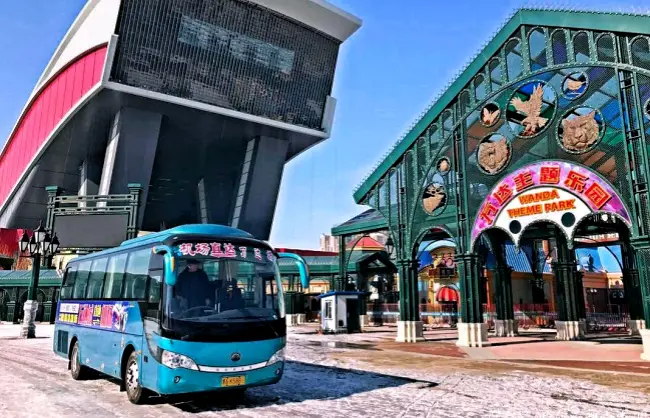
By High-Speed Train: Trains to Harbin from Beijing and Other Cities
High-speed rail is another easy way to reach Harbin, with trains running from Beijing, Changchun, and Shenyang. The ride from Beijing takes about 5–6 hours, which is quite manageable if you’re already traveling around China by train.
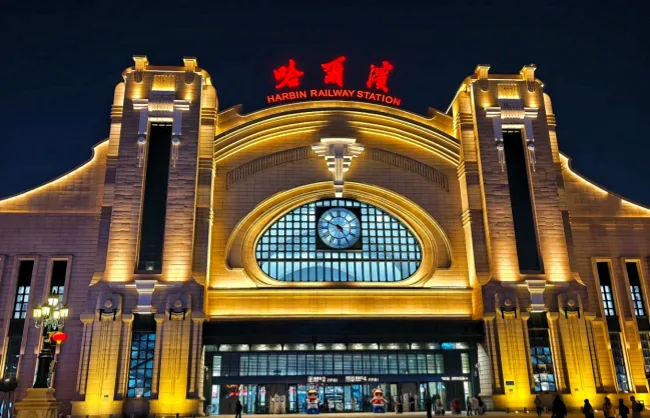
Once you arrive, pay attention to which station is on your ticket. Harbin has three main railway stations: Harbin Railway Station, Harbin West Railway Station, and Harbin East Railway Station. They’re not interchangeable, so it’s worth checking before you leave your hotel.
For those heading to Yabuli, the train will take you to Yabuli West Station. From there, just hop in a car and continue to your ski resort or hotel.
6. How to Get Around Harbin: Metro, Taxis & Private Cars
Getting around Harbin is rather easy. You’ve got the metro, buses, taxis, and ride-hailing apps to choose from. Just keep the winter weather in mind. A bus ride might be fine during warmer months, but standing around outside waiting for one in the middle of winter is another matter. The distance you’re covering and the day’s plans will help you decide which option to take.
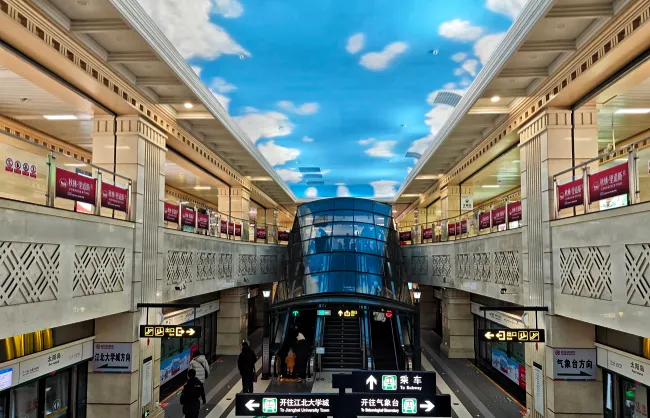
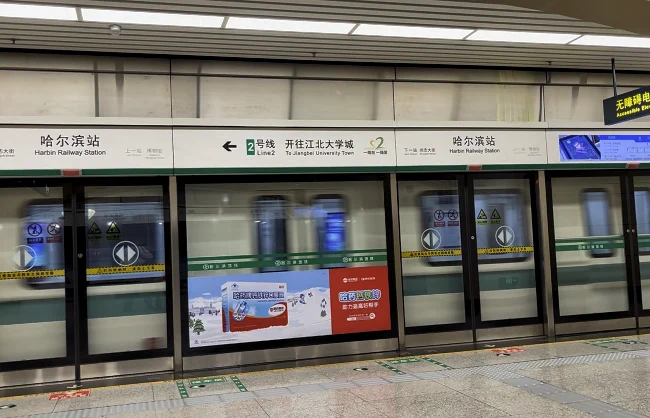
- Metro: Several of Harbin’s main attractions, including Central Street, Sun Island, and Harbin Ice and Snow World, are all on Line 2. You can use it to get between these popular spots without much fuss.
- Taxi and Didi: With either one, you’re free to come and go as you please, without having to work around a bus or metro schedule. The starting fare for a Harbin taxi is CNY 8 (about US$1.10) for the first 3 km, followed by CNY 1.9 (about US$0.27) per additional kilometer. Didi is popular here, too. Just enter your destination to see the estimated fare before confirming your ride. For a short trip, that’s often a lot more appealing than waiting outside in the cold.
- Private Car: When several people are traveling together or the day’s schedule includes multiple stops, having a car and driver takes some of the pressure off. Private transfers are also available for trips beyond the city, including Yabuli Ski Resort and China Snow Town.
Rather leave the driving and logistics to someone else? Email China Xian Tour to arrange a private car, hotel pickups and drop-offs, or transport to nearby destinations.
7. Where to Stay in Harbin: Pick an Area That Fits Your Plans
For your first time in Harbin, staying around Central Street will save you a lot of running around. Most of the main city sights, restaurants, and shops are close by. That said, the best spot depends on what’s bringing you to Harbin, especially if Harbin Ice and Snow World or a train trip to Yabuli is part of your plans:
- Central Street: For a first visit, it’s hard to beat this location. St. Sophia Cathedral, restaurants, and shopping streets are all within easy reach. You can spend much of the day exploring on foot without wearing yourself out.
- Harbin Ice and Snow World Area: Songbei District is the place to look when Harbin Ice and Snow World is high on your itinerary. Book a hotel nearby, and you’ll have a much shorter journey to the park and back.
- Harbin Railway Station Area: If you’re catching an early train or heading to Yabuli, a hotel near Harbin Railway Station saves you the extra trip across town before setting off.
For more details, check out our Where to Stay in Harbin Guide

8. What International Visitors Should Know Before Traveling to Harbin
Your first trip to China may come with a few unfamiliar things, from getting your payment apps set up to figuring out how to communicate in places where little English is spoken. Harbin is no exception. A little preparation before departure will make these everyday situations much easier to handle.
Visa and Entry
Visa rules depend on your passport. Some visitors can enter China visa-free, while eligible travelers may qualify for the 240-hour visa-free transit policy. Before you book your trip, check the latest entry requirements through the National Immigration Administration and make sure you meet the conditions.
Money and Payments
China uses the Chinese yuan (CNY). Alipay and WeChat Pay are used everywhere across the country, so it’s worth setting up one of these apps before your trip. International visitors may link eligible foreign bank cards, subject to each app’s requirements. Carry a little cash as well, just in case.

Internet and Connectivity
You have three main options for getting online: international roaming, a Chinese SIM card, or an eSIM. There’s one thing to check before you go: access to overseas apps. Google, WhatsApp, and some other familiar services may not work as usual in China, so look into your options ahead of time.
Language
Mandarin is the main language in Harbin, and you won’t find much English service in ordinary shops and neighborhoods. Keep a translation app on your phone, and save your hotel’s address in Chinese. That way, you can simply show the address to your driver instead of trying to explain where you’re going.
Safety
Harbin is generally safe for independent travelers, and the main tourist areas and attractions are orderly. The bigger concern in winter is the ice underfoot. Sidewalks can be slippery, so grippy shoes are a must, and always take care when walking. Dress warmly, too, especially when you plan to spend long periods outside.
Tipping
Tipping isn’t customary in China, and regular restaurants and taxi rides generally don’t require extra payment.
9. Harbin Travel Costs: What You’ll Spend on Food, Hotels & Transport
Eating out and getting around Harbin won’t usually take a big bite out of your budget. Everyday costs are relatively affordable compared with Beijing and Shanghai. Hotels are where things may get more expensive, especially during the Ice and Snow Festival. Here’s what typical expenses look like.
Food Costs
- A bowl of local dumplings costs around CNY 20 (US$2.80).
- A meal of Northeastern Chinese home-style dishes usually runs CNY 30–50 (US$4.20–7) per person.
- A meal of Northeastern-style iron pot stew for two costs around CNY 100–150 (US$14–21).
Accommodation Costs
- Budget hotels: around CNY 150–300 (US$21–42) per night.
- Four-star hotels in the low season: around CNY 300–500 (US$42–70) per night.
- Four-star hotels during the winter peak season: around CNY 600–1,000 (US$85–141) per night.
Hotel rates can jump quite a bit from late December through February, when demand is high. New Year’s Day and Chinese New Year are especially busy periods, so don’t leave your hotel booking until the last minute.
Transportation Costs
- Metro: around CNY 2–4 (US$0.30–56) per ride.
- Short taxi rides around the city: around CNY 15–30 (US$2.10–20).
- Private airport transfers: around CNY 200–300 (US$28–42) per vehicle, one way. For families or groups, splitting the fare makes this a convenient way to get from the airport to the city.
10. How Many Days to Spend in Harbin: From City Breaks to Winter Getaways
For a first visit focused on Harbin itself, 2–3 days should do the trick. That’s enough time to walk along Central Street, visit St. Sophia Cathedral, and enjoy the city’s famous ice and snow attractions without cramming everything into one day. Trips beyond the city call for a more generous schedule. Skiing at Yabuli or spending time in China Snow Town means adding a few more days, so 5–7 days or longer is a better timeframe.
The sample itineraries below cover different trip lengths, from a few days in Harbin to a longer journey through Northeast China.
3-Day Harbin Family Tour to Ice & Snow Festival and Volga Manor
4-Day Harbin Winter Tour: Ice & Snow World, Yabuli Skiing & China Snow Town
6-Day Harbin, Yabuli & China Snow Town Tour: Skiing, Ice & Snow Wonders
7-Day Northeast China Winter Tour to Harbin, Snow Town & Changbai Mountain

Harbin Travel FAQ: Tickets, Shopping, Food & More
Can You Buy Harbin Ice and Snow World Tickets Yourself? How Much Are They?
Sure! You can buy your ticket through the official WeChat account using your passport, or ask China Xian Tour to help arrange it. An adult ticket was around CNY 328 (US$46) for the 2025–2026 season. Prices may change from year to year, so check the latest official announcement before your visit.
Can You Buy Winter Clothes in Harbin?
You bet. Shopping malls and sporting goods stores around the city carry plenty of winter gear, from down jackets and thermal underwear to snow boots and gloves. Forgot to pack something warm? You can pick it up in Harbin.
Can You Use International Credit Cards in Harbin?
You can use Visa or Mastercard at some large hotels and shopping malls. For everyday purchases, though, Alipay and WeChat Pay are the usual go-to options.
Can You Find Western Food in Harbin?
You won’t have to stick to Chinese food for every meal. You can switch things up with pizza, burgers, or pasta around Central Street and in the city’s major shopping malls. Cafés are easy to find there, too.
Are There English-Speaking Tour Guides in Harbin?
Yes. Local travel agencies offer English-speaking guides and private tours. Just be sure to book ahead, especially during the busy winter season.
Can Foreigners Buy Train Tickets in China with a Passport?
Absolutely. A valid passport works for booking train tickets through the China Railway 12306 website or app. The booking steps may take a little getting used to. Prefer to have someone walk you through it? China Xian Tour can help check train schedules and arrange ticket bookings.
Plan Your Harbin Trip with China Xian Tour
With these Harbin travel tips under your belt, you should now have a pretty good idea of what to expect and how to plan your trip. Harbin Ice and Snow World may be the highlight of your visit, or you might want to add a ski day in Yabuli and an overnight in China Snow Town. Either way, there’s plenty to enjoy across Northeast China in winter. Contact China Xian Tour to tailor your Harbin trip and find a route that fits your travel plans.