

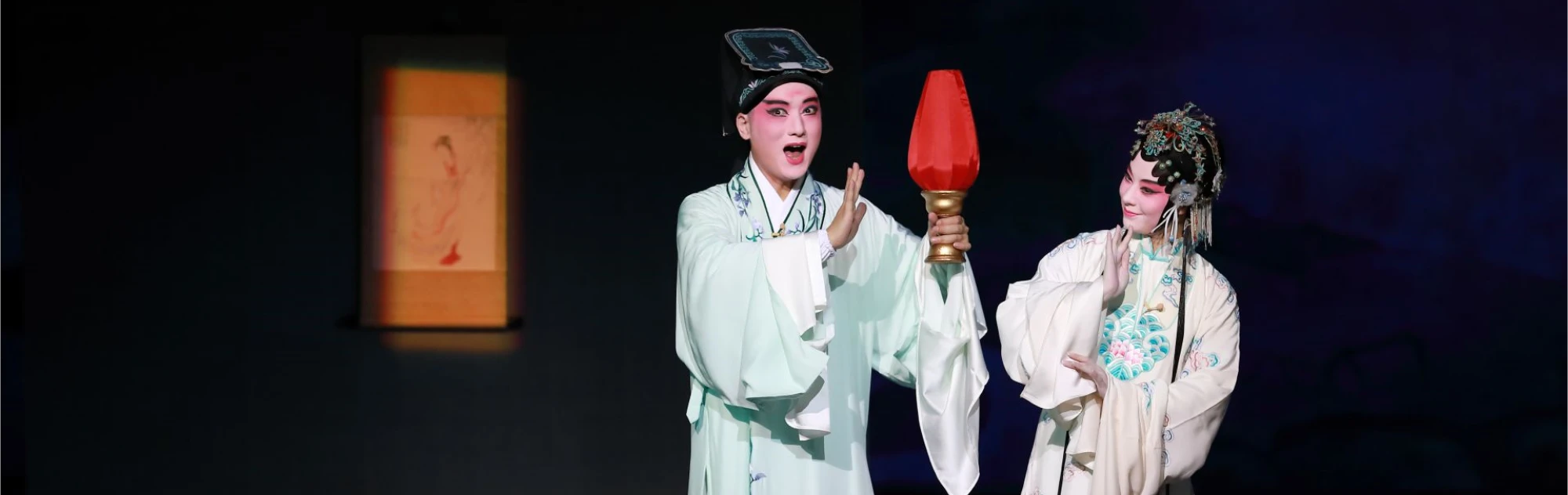
Kun Opera or Kunqu Opera, originally known as Kunshanqiang (abbreviated as Kunqiang), is one of the oldest genres in traditional Han Chinese opera, it is considered a cultural treasure in Chinese traditional arts. When planning a trip to Suzhou, never miss this traditional artistic performance during your tour of Suzhou.
Content Preview
- What is Kunqu Opera?
- History of Kunqu Opera
- Features of Kunqu Opera
- Main Types of Kunqu Opera Roles
- The Main Singing Tune of Kunqu Opera
- Where to Watch Kunqu Opera in Suzhou
- Key Things to Konw for Newcomers
- FAQs about Kunqu Opera
- Contact China Xian Tour to Customize a Suzhou Tour with Kunqu
What is Kunqu Opera?
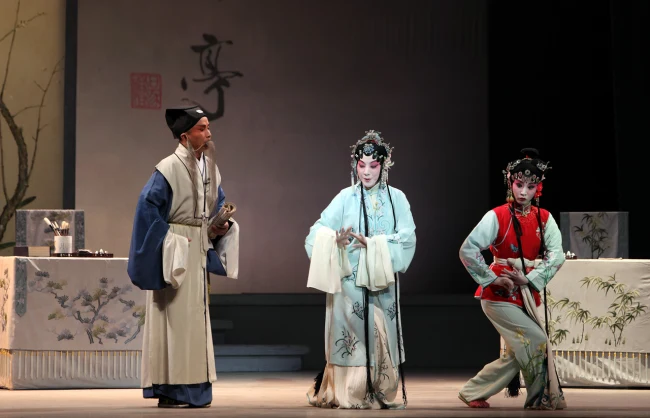
Being an important part of Chinese opera, Kunqu Opera is an ancient vocal style and theatrical genre in Chinese opera. It integrates singing, recitation, acting, dance, and martial arts, and is known for its elegant lyrics, graceful melodies, and delicate performances. Also, it is a genre within the Nanxi system of Chinese opera, and is reputed as “the mother of all Chinese operas.”
Besides, the rhythm of the performance in Kunqu is controlled by drums and clappers, with the main accompanying instruments being the dizi (bamboo flute) and the sanxian (three-stringed lute).
In recognition of its cultural value, UNESCO honored Kunqu Opera by enlisting it as a Masterpiece of the Oral and Intangible Heritage of Humanity in 2001. Among the illustrious repertoire of Kun Opera, notable works include The Peach Blossom Fan, The Palace of Eternal Life, and the ancient Chinese Kunqu Opera The Dream in Visiting the Garden, also known as The Peony Pavilion.
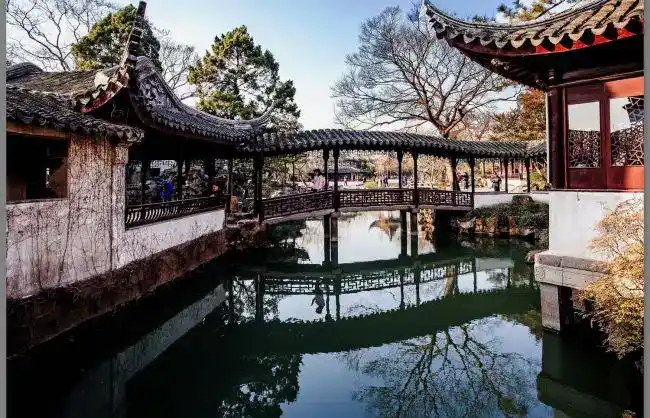
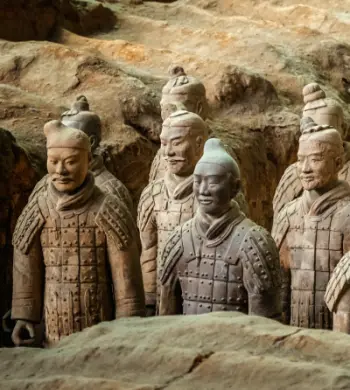
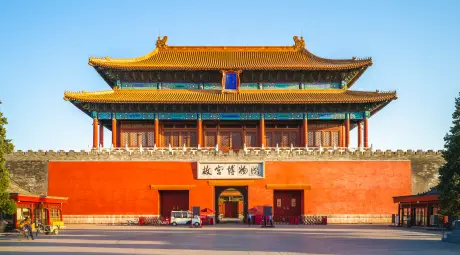
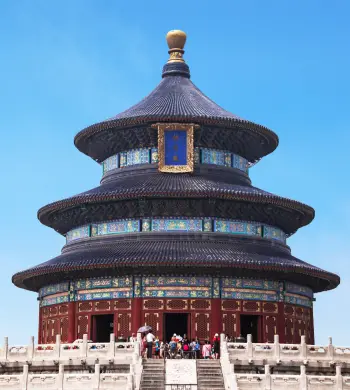
Kunqu Opera is another major highlight of Suzhou, alongside its gardens and silk. Below are some popular Suzhou tours. If you’d like to enjoy a Kunqu Opera performance during your visit, we can customize and add it to your itinerary.
History of Kunqu Opera
Kun Opera originated over 600 years ago and was first created by Gu Jian from Kunshan. During the Jiajing period of the Ming Dynasty, the outstanding Kunqu Opera musician and reformer Wei Liangfu boldly reformed the Kunshan vocal style. He incorporated elements from the popular Yuyao, Yiyang, and Haiyan vocal styles of the time, creating a new vocal system that became widely popular.
By the Wanli period of the Ming Dynasty, Kunqu Opera experienced explosive growth, leading to the creation of numerous outstanding scripts and a flourishing performance scene. There were thousands of professional Kun Opera actors in Suzhou alone according to the records, and performances took place in a variety of settings, including homes, villas, makeshift stages in rural areas, and even on boats in the water towns of Jiangnan.
Later on, in the competition of stage performances, the artistic elements of Kunqu Opera were absorbed by various regional theater styles, contributing to the flourishing of local dramas and the emergence of Peking Opera, which has become a dominant theatrical style in China.
Features of Kunqu Opera
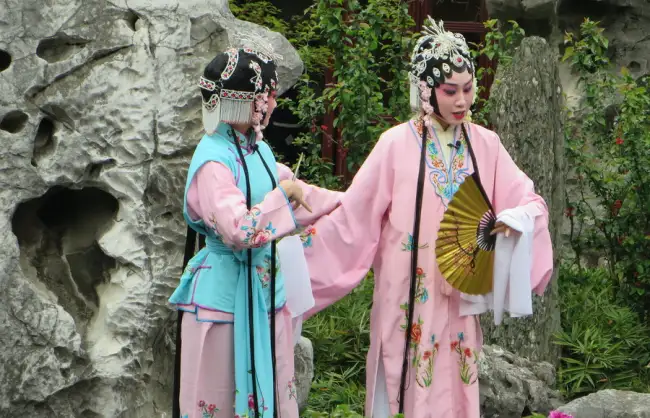
Being a comprehensive art form, Kun Opera integrates various performance elements, including singing, dancing, acting, and spoken dialogue. Below are the main features of it.
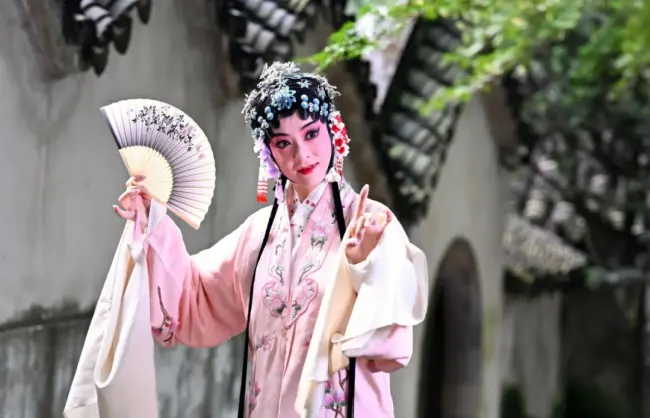
Firstly, the most distinctive features are the strong lyrical quality and delicate movements, which show a harmonious and skillful blend of singing and dance gestures.
Secondly, as for the singing technique, Kun Opera emphasizes precise control of the voice, the nuances of rhythm, and the meticulous articulation and pronunciation of each word.
Thirdly, Kunqu Opera’s theatrical dance draws extensively from and inherits the traditions of ancient folk and court dances. Through long-term stage performances, it has accumulated rich experience in closely integrating singing, recitation, and dance, leading to the creation of many dance sequences that emphasize descriptive elements.
Lastly, the spoken dialogue is also quite distinctive. Since Kunqu developed in the Suzhou region, its pronunciation carries the soft, melodic qualities characteristic of the Wu dialect.
Main Types of Kunqu Opera Roles
Category |
Subdivision |
Description |
Sheng (male characters in Kunqu Opera) |
Lao Sheng: portrays elderly male characters.
Guan Sheng: portrays adult male officials. Wu Sheng: represents young male characters skilled in martial arts. Jin Sheng: portrays young refined scholars, usually the male protagonists of love stories. Zhiwei Sheng: depicts male characters wearing pheasant feathers on their heads. Xiepi Sheng: portrays poor scholars. |
They typically have the simplest makeup and wear long robes and boots. |
Dan (female Characters) |
Lao Dan: portrays elderly female characters.
Zheng Dan: depicts brave, married females of integrity. Zuo Dan: represents young children. Cisha Dan: embodies females who take secretive actions to kill someone. Guimen Dan: depicts young girls who start contemplating love or newly married females. Tie Dan: portrays lively and frank girls from humble backgrounds, such as servant girls. Wu Dan: represents females who perform martial arts. |
They usually have elaborate makeup, costumes, and accessories to enhance their beauty. |
Jing (painted face) |
Da Mian: portrays powerful positive characters with their faces painted in various colors.
Bai Mian: depicts treacherous officials with fully white-painted faces. |
They often play heroic or powerful characters in Kunqu Opera. |
Mo (middle-aged or elderly male roles) |
Fu Mo: depicts secondary middle-aged or elderly characters.
Wai: portrays the eldest characters with white or gray beards. |
They often act as elder men with long beards. |
Chou (clowns) |
Fu Chou: represents characters of high social status but often does evil things secretly. They often wear pleated garments, palace robes, or long robes.
Chou: embodies male characters with a white patch on their noses, typically wearing shorter clothing. |
They typically play humorous or cunning characters. |
The Main Singing Tune of Kunqu Opera
The primary singing tune in Kunqu Opera is known as Shuimo Tune, also referred to as Kunshan Tune, characterized by slowing down the tempo and rhythm to allow for more decorative embellishments in the melody. Evolved from the folk music of southern China, this tune has incorporated elements of the ballads from the northern regions.
What’s more, recognized for its gentle, melodious, and lyrical characteristics, Shuimo Tune mainly features elongated syllables and ornate language. It shows a dynamic structure and melody by combining both sung and recited passages, alongside a sophisticated array of choreographic techniques, acrobatics, and symbolic gestures.
Where to Watch Kunqu Opera in Suzhou
Suzhou provides many venues where one can delight in the amazing performances of the Kunqu Opera. Below are some well-regarded places to go to enjoy this genre of opera.
1. Suzhou Kun Opera Theatre of Jiangsu Province
- Address: 9 Jiaochang Bridge Road, Gusu District, near Pingmen Gate
- Typical Performance Times: 14:00, 19:15 – 19:30
- Ticket Prices: CNY 80 – 120
Recognized as the largest professional Kunqu theater in China, it adheres to ancient traditional styles and authentic features, providing captivating performances, which should not be missed during your travel to Suzhou.
2. China Kunqu Opera Museum
- Address: 14, Zhongzhangjia Lane, Pingjiang Historic Block, Gusu District
- Typical Performance Times: 14:00
- Ticket Prices: CNY 50 – 88
China Kunqu Opera Museum in Suzhou is home to collections of various cultural relics and rare historic documents of the Chinese Kunqu Opera. Besides, it also holds classic performances mainly on Fridays, Saturdays, and Sundays.
3. Fuxi Guild Hall
- Address: 97 Pingjiang Road, Gusu District
- Typical Performance Times: about 19:30
- Ticket Prices: CNY 160
This ancient building also serves as a venue for regular Kunqu Opera performances, allowing visitors to immerse themselves in the cultural heritage of the art form.
4. Shantang Kunqu Opera House
- Address: 45 Lower Tonggui Bridge Alley of Shantang Street, Gusu District
- Typical Performance Times: 14:00, 19:45
- Ticket Prices: CNY 118 – 188
As a small theater, it offers excerpts from enchanting plays, providing an intimate setting for audiences to appreciate the artistry.
Key Things to Konw for Newcomers
- Every performance in the Lanyuan Theater in Suzhou Kun Opera Theatre of Jiangsu Province provides English subtitles. Shantang Kunqu Opera House offers English explanations on specific activities.
- As for seat, the front seats are usually recommended. Viewers can have an unobstructed view and may be able to see the expression of the performers clearly.
- The duration of the show is about 1.5 – 2 hours. But usually, it would be better to arrive 30 minutes earlier to collect the ticket, check the ticket and find your seat.
- There is no special requirement for dressing. But to show your respect to the actors and art, please do not wear overly casual clothes.
- Foods and drinks are not allowed to be taken into the theater. Please pay attention to it.
FAQs about Kunqu Opera
What are the characteristics of Kunqu opera?
The main features of Kunqu Opera are gentle and delicate singing techniques, elegant and profound lyrics and music, graceful movements and unique instruments.
When was Kunqu Opera recognized by UNESCO?
On May 18th, 2001, Kunqu Opera was recognized by UNESCO.
What major historical period saw the “Golden Age” of Kunqu?
From the Wanli period of Ming Dynasty to the Qianlong period of Qing Dynasty (about 16th to 18th centuries), Kunqu spread all over China.
What language or dialect is used in Kunqu performances?
The Kunqu Opera popular in the South China region has the characteristics of Suzhou dialect; whereas that popular in northern China more closely resembles Beijing dialect.
Contact China Xian Tour to Customize a Suzhou Tour with Kunqu
Kunqu Opera is an important component of Suzhou culture. Do you want to feel its charm on site? Contact with China Xian Tour. For foreign tourists, the biggest problem is which show to choose and whether there are English subtitles. Don’t worry. We will arrange the most classic show with English subtitles for you. Of course, we can customize a Suzhou tour with Kunqu based on your demands so that you can enjoy a more complete city tour. So contact us right now.