


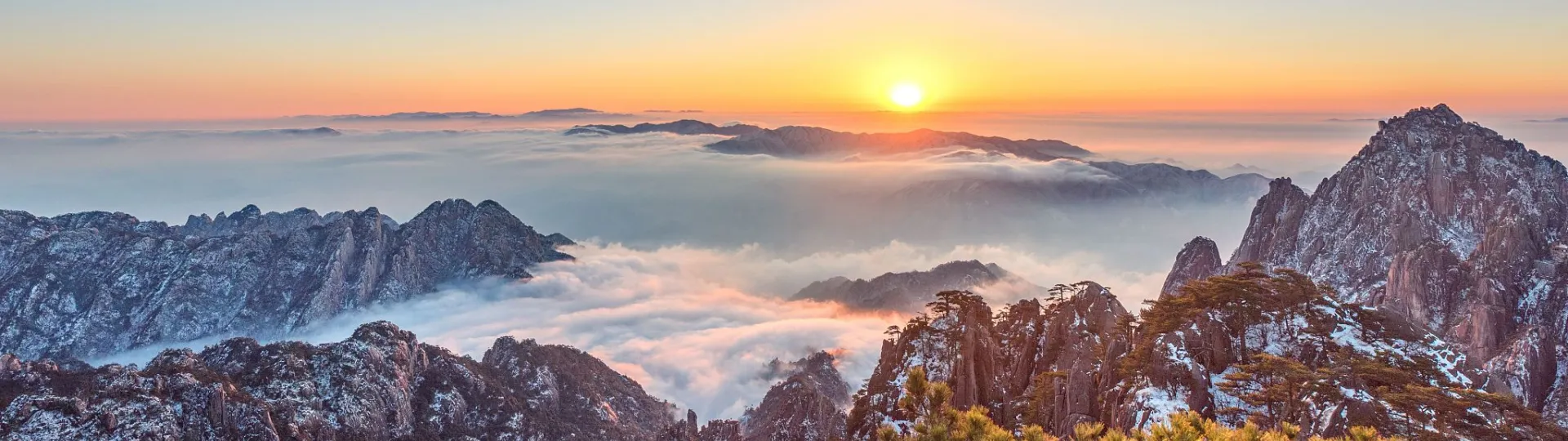
There are plenty of beautiful mountains in China. From mist-covered peaks to dramatic rock formations and snow-capped mountains, visitors can explore some of the world’s most spectacular mountain scenery across China’s vast landscape.
Below are the 10 most iconic mountains in China. We’ll introduce all the details about their highlights, best time to visit, transportation, and travel tips, so that you can easily find out which mountain to visit in your China tour.
Which Mountain in China Should You Visit?
Not sure which one to visit? Let’s first take a glance at the mountains that may fit your interests.
Travel Interest |
Best Mountains |
First trip to China |
Huangshan, Zhangjiajie |
Photography |
Huangshan, Meili Snow Mountain, Namcha Barwa, Zhangjiajie |
Hiking |
Mount Huashan, Zhangjiajie, Fanjingshan, Changbai Mountain |
Snow-capped scenery |
Mount Everest, Yulong Snow Mountain, Meili Snow Mountain |
Sunrise |
Mount Tai, Huangshan, Mount Huashan |
Autumn colors |
Huangshan, Changbai Mountain, Mount Tai |
Buddhist culture |
Mount Emei, Fanjingshan |
Adventure |
Mount Huashan, Everest Base Camp |
Content Preview
-
- 1. Huangshan (Yellow Mountain)
- 2. Zhangjiajie
- 3. Mount Huashan
- 4. Mount Emei
- 5. Mount Everest
- 6. Jade Dragon Snow Mountain
- 7. Meili Snow Mountain
- 8. Fanjingshan
- 9. Mount Tai
- 10. Changbai Mountain
- When Is the Best Time to Visit the Mountains?
- Explore China’s Most Beautiful Mountains with China Xian Tour
1. Huangshan (Yellow Mountain) – China’s Most Iconic Scenic Mountain
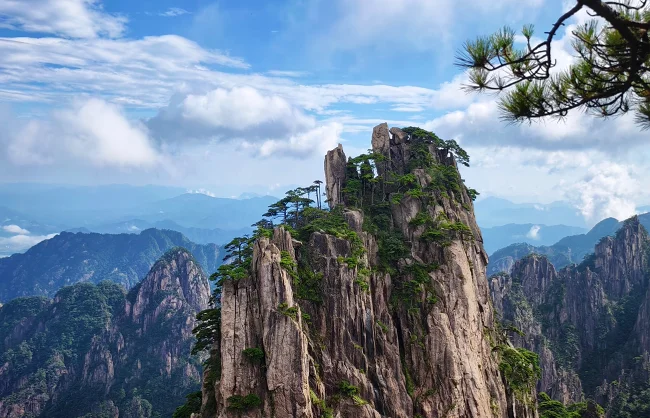
Many people would say Huangshan is the most beautiful mountain in China. If you’re visiting only one mountain in China or want to take a photography journey to China’s mountains, Huangshan is a top recommendation.
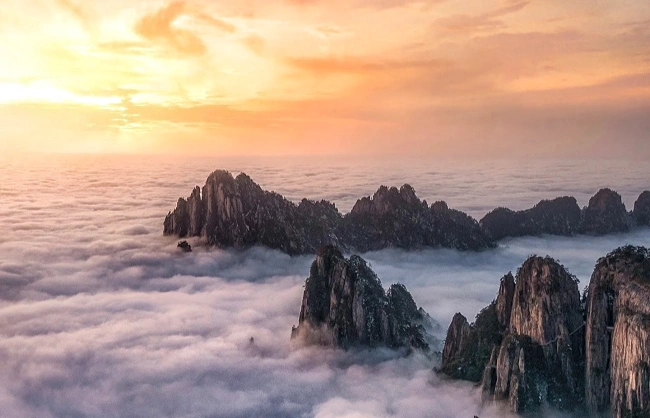
It is particularly famous for its twisted pine trees, granite peaks, spectacular sea of clouds, and winter snow scenery. These breathtaking views have also inspired countless Chinese paintings and poems for centuries.
Although Huangshan stands at only 1,864 meters (6,115 ft), it is widely regarded as China’s most iconic mountain.
Quick Facts about Huangshan (The Yellow Mountain)
Item |
Details |
Location |
Huangshan City, Anhui Province |
Highlights |
Sea of Clouds, Greeting Pine, Xihai Grand Canyon, spectacular sunrise and sunset views, winter rime, rocks, hot spring, and autumn foliage |
Best Time to Visit |
Apr–Jun: Great chances to see the famous sea of clouds.
Sep–Nov: Pleasant weather and vibrant autumn colors. Dec–Feb: Snow-covered peaks and breathtaking winter scenery. |
How to Get There |
Take a high-speed train to Huangshan North Railway Station. Transfer to a tourist shuttle bus. Reach the scenic area after about 1 hour. |
How to Explore Huangshan (The Yellow Mountain)
We recommend that you spend 2 days and 1 night in Huangshan. An overnight stay on the mountain allows you to catch both the sunset and sunrise.
-
-
- Day 1: Yungu Cable Car → White Goose Ridge → Begin-to-Believe Peak → Beihai Scenic Area → Paiyun Pavilion → Xihai Grand Canyon → Overnight at Baiyun Hotel → Sunset at Bright Summit (weather permitting).
- Day 2: Sunrise at Bright Summit → Lion Peak → Descend via the Yungu Cable Car.
-
Recommended Tours:
2 Days Classic Mount Huangshan Bus Tour
4-Day Classic Huangshan Tour with Tangyue Memorial Archways
2. Zhangjiajie — China’s Most Spectacular Sandstone Peaks
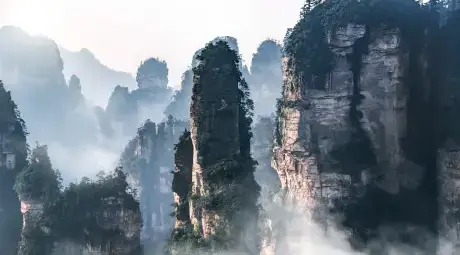
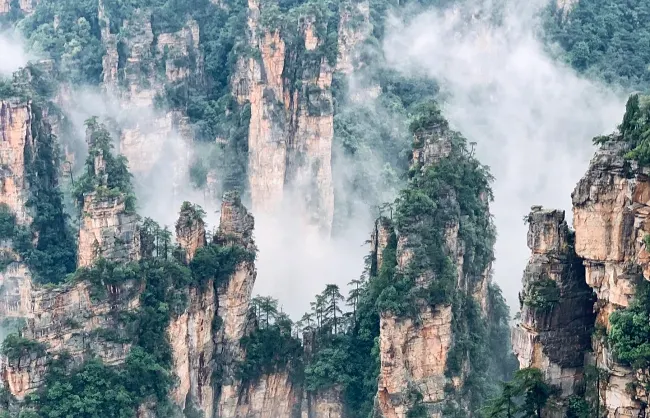
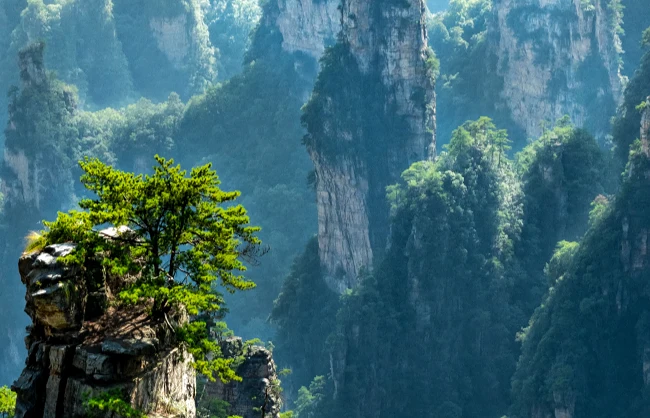
If you’ve ever been amazed by the floating mountains in Avatar, Zhangjiajie is certainly a scenic destination you cannot skip. Unlike traditional mountain landscapes, it has thousands of towering quartz sandstone pillars, which are extraordinary and truly unique.
As the inspiration for the Hallelujah Mountains in Avatar, Zhangjiajie has also been one of the most popular natural destinations in China for international travelers for a long time.
Quick Facts about Zhangjiajie
Item |
Details |
Location |
Zhangjiajie City, Hunan Province |
Highlights |
Yuanjiajie Scenic Area (the inspiration for the Avatar Mountains), Bailong Elevator, Tianzi Mountain, Tianmen Mountain, Glass Skywalk, and Tianmen Cave |
Best Time to Visit |
Apr–May: Mild weather, lush greenery, and frequent seas of clouds.
Sep–Nov: Pleasant temperatures. Excellent visibility for sightseeing and photography. |
How to Get There |
Option 1: Fly into Zhangjiajie Hehua International Airport. Drive about 1.5 hours to the Wulingyuan Scenic Area.
Option 2: Take a high-speed train to Zhangjiajie West Railway Station, also followed by a 30-minute drive. |
How to Explore Zhangjiajie
For first-time visitors and those who cannot spend too much time in Zhangjiajie, a 3-day itinerary is ideal. You’ll have enough time to explore both Zhangjiajie National Forest Park and Tianmen Mountain.
-
-
- Day 1: Visit Tianmen Mountain, including the Glass Skywalk and Tianmen Cave. Overnight in Zhangjiajie City.
- Day 2: Explore Zhangjiajie Grand Canyon, walk across the famous Glass Bridge, and hike along Golden Whip Stream in Zhangjiajie National Forest Park.
- Day 3: Take the cable car to Tianzi Mountain, visit Yuanjiajie, ride the Bailong Elevator, and end the trip at Baofeng Lake.
-
Recommended Tours:
3 Days Zhangjiajie Private Tour: China Avatar Discovery
6 Days Zhangjiajie Tour to Furong & Fenghuang Ancient Towns
3. Mount Huashan — China’s Most Thrilling Hiking Mountain
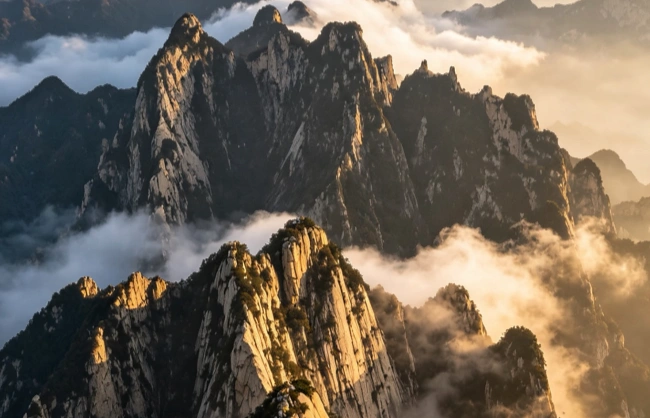
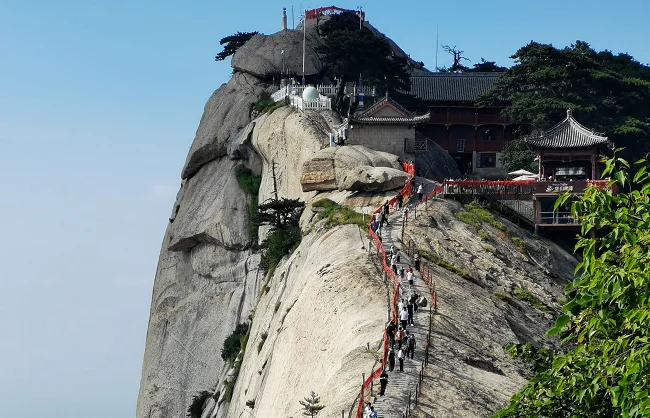
Mount Huashan is known for its steep cliffs, narrow mountain paths, and breathtaking summit views. It is widely regarded as one of China’s most thrilling and scenic hiking destinations.
As one of the Five Great Mountains of China, a journey to Mount Huashan allows you to enjoy spectacular scenery with centuries of Taoist culture. It is an ideal destination for adventurous travelers seeking a thrilling hiking experience.
Quick Facts about Mount Huashan
Item |
Details |
Location |
Huayin City, Shaanxi Province (about 120 km east of Xi’an) |
Highlights |
East Peak sunrise, the Plank Walk in the Sky, Hawk Turning Path, North and West Peak cable cars, and centuries-old Taoist temples |
Best Time to Visit |
Apr–May: Pleasant weather for hiking.
Sep–Oct: Cool temperatures and colorful autumn scenery (most comfortable) |
How to Get There |
Take a high-speed train from Xi’an North Railway Station to Huashan North Railway Station (30–40 minutes).
Transfer to a scenic shuttle bus, then travel for about 30 minutes. |
How to Explore Mount Huashan
You can explore Mount Huashan in one full day. Experienced hikers may prefer an overnight climb to watch the spectacular sunrise from the East Peak.
Option 1: West Peak Cable Car Round Trip (Easiest, 4–5 hours)
Take the West Peak Cable Car to the summit → Hike South Peak → East Peak → Central Peak → Return to West Peak and take the cable car down.
Option 2: Cross-Mountain Hike (Moderate, 4–6 hours)
Choose either of these two classic routes:
-
-
- Route 1: North Peak Cable Car Up → Central Peak → East Peak → South Peak → West Peak Cable Car Down (5–6 hours)
- Route 2: West Peak Cable Car Up → South Peak → East Peak → Central Peak → North Peak (4–5 hours)
-
One thing to keep in mind is that the second route involves a longer downhill hike, so you’ll need to wear proper hiking shoes and consider bringing knee supports to reduce strain on your knees.
For more information on visiting Mount Huashan, please see: Complete Guide to Exploring Mount Huashan of China
Recommended Tours:
Xi’an Mt. Huashan Adventure Day Tour
2 Days Xian Mt. Huashan Trekking Tour
4 Days Xian Classic Tour with Mt. Huashan
4. Mount Emei — China’s Most Perfect Blend of Nature and Buddhist Culture
As one of the Four Sacred Buddhist Mountains of China, Mount Emei is always a popular destination for foreign visitors. It has spectacular natural scenery and a profound religious heritage.
When visiting Mount Emei, you’ll travel all the way from the lush subtropical forests at the foot of the mountain to the breathtaking sea of clouds surrounding the Golden Summit.
If you’re looking for a beautiful mountain with Buddhist culture, Mount Emei can be your first pick.
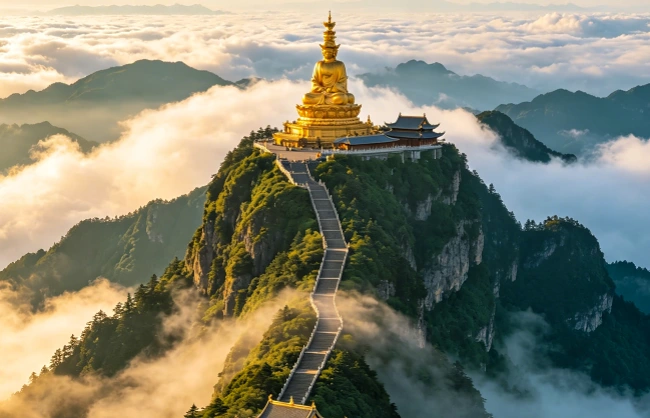
Quick Facts about Mount Emei
Item |
Details |
Highlights |
Golden Summit, sea of clouds, Baoguo Temple, Wannian Temple, and wild monkeys |
Best Time to Visit |
Apr–Jun: Blooming azaleas and pleasant hiking weather.
Oct–Nov: Cool temperatures and colorful autumn foliage. |
Location |
Emeishan City, Sichuan Province (about 1 hour by high-speed train from Chengdu) |
How to Get There |
Take a high-speed train from Chengdu to Emeishan Railway Station (about 1 hour). Transfer to a scenic shuttle bus to the mountain entrance. |
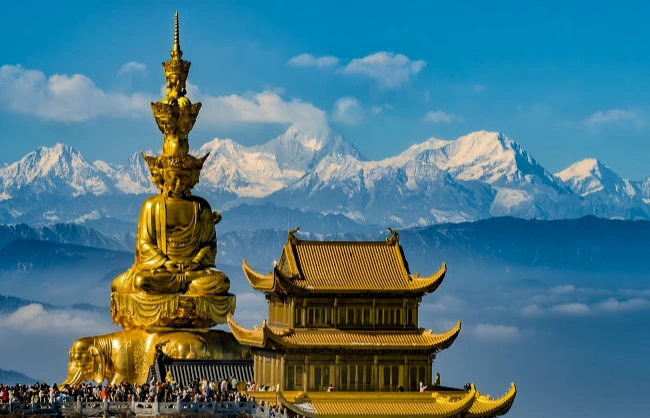
How to Explore Mount Emei
For a more relaxed visit, it is ideal to plan a 2-day itinerary. You can explore both the Golden Summit at sunrise and many of Mount Emei’s historic temples.
Option 1: 2-Day Classic Tour (Recommended)
-
-
- Day 1:Visit Baoguo Temple, Fuhu Temple, Qingyin Pavilion, and the Ecological Monkey Area. Stay overnight near Leidongping or at the foot of the mountain.
- Day 2: Take the scenic shuttle bus to Leidongping, walk to Jieyin Hall, ride the cable car to the Golden Summit, and enjoy panoramic views of the sea of clouds before returning.
-
Option 2: 1-Day Highlights Tour (6–7 hours)
Take the scenic shuttle bus to Leidongping → Walk to Jieyin Hall → Ride the cable car to the Golden Summit → Hike downhill via Wannian Temple and Qingyin Pavilion before returning.
Even though it only involves 6-7 hours, this route still covers Mount Emei’s iconic Golden Summit, sea of clouds, and several historic temples. It is an excellent choice for travelers with limited time.
Recommended Tours:
7-Day Sichuan Discovery Tour with Pandas, Mount Emei & Jiuzhaigou
8 Days Jiuzhaigou Huanglong Leshan and Mt. Emei Tour
5. Mount Everest — The Highest Mountain in China and the World
Have you ever thought about what the highest mountain in China is? Standing at 8,848.86 meters (29,031.7 ft), Mount Everest is the highest mountain in China, and also, the whole world.
Most travelers visit the Everest Base Camp (EBC) in Tibet to admire the spectacular snow-capped mountain peaks, while climbing itself is only reserved for the most experienced mountaineers.
If you’re particularly into snow mountain scenery, Namcha Barwa (one of China’s most beautiful snow mountains) and Mount Kailash (one of the most sacred mountains in Tibetan Buddhism) are also worth visiting.
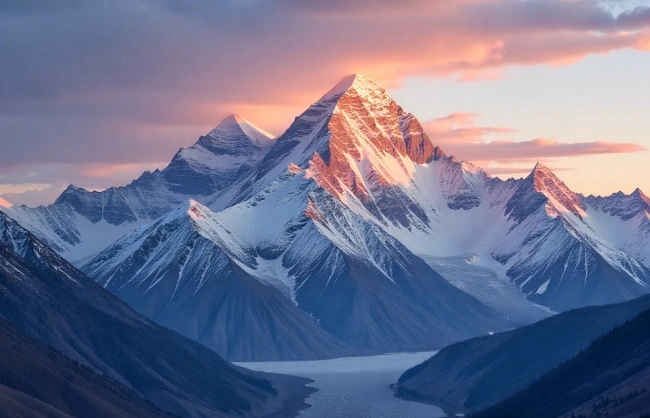
Quick Facts about Mount Everest
Item |
Details |
Highlights |
Sunrise over Mount Everest, Himalayan mountain views, Everest Base Camp, star-filled night skies, and endless snow-covered peaks |
Best Time to Visit |
Apr–Jun: Mild temperatures and clearer mountain views.
Sep–Oct: Stable weather with excellent visibility after the rainy season. |
Location |
Autonomous Region |
How to Get There |
Fly or take a train to Lhasa, then travel overland via Shigatse to Everest Base Camp. Typically takes two days. |

How to Explore Mount Everest
Usually, visitors will choose an 8-day Tibet itinerary to explore the Everest Base Camp. This plan allows time for you to acclimatize to the high altitude while exploring Lhasa and Shigatse.
Recommended Route
-
-
- Days 1–3: Explore Lhasa, including Potala Palace and Jokhang Temple, while acclimatizing.
- Days 4–6: Travel through Shigatse to Everest Base Camp, enjoying breathtaking Himalayan scenery along the way.
- Days 7–8: Watch the sunrise over Mount Everest before returning to Lhasa.
-
Travel Tips
-
-
- Everest Base Camp sits at an altitude of approximately 5,200 meters (17,060 ft). Before visiting it, give yourself enough time to acclimatize and be aware of the symptoms of altitude sickness.
- Independent travel is not permitted for foreign visitors in Tibet. You must join an organized tour and obtain a Tibet Travel Permit before entering the region.
- You can also contact us to customize a smooth trip.
-
Recommended Tour:
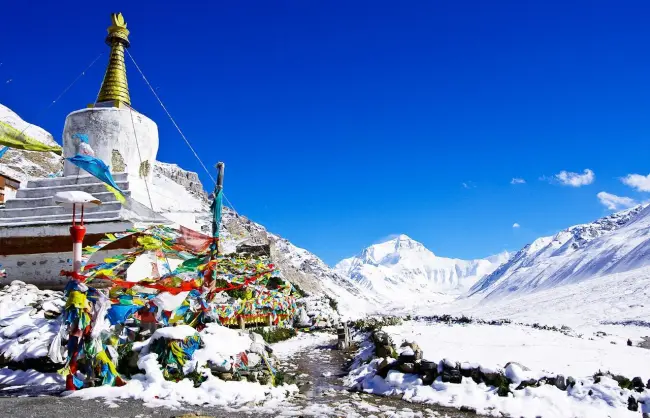
Travel from Lhasa to Everest Base Camp on this classic 8-day Tibet adventure featuring turquoise Yamdrok Lake, Karola Glacier, and the world's highest monastery at Rongbuk. Witness a glorious sunrise over Mount Everest.
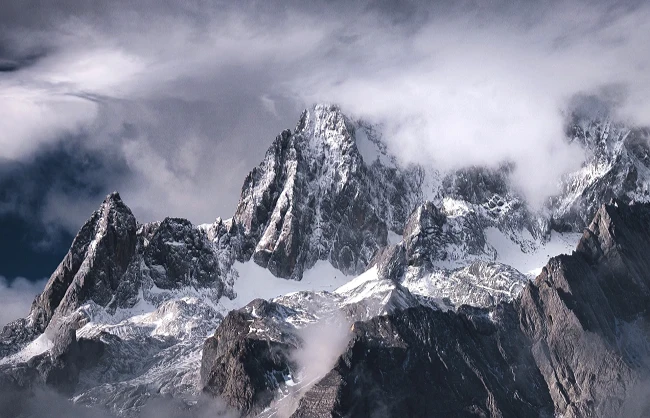
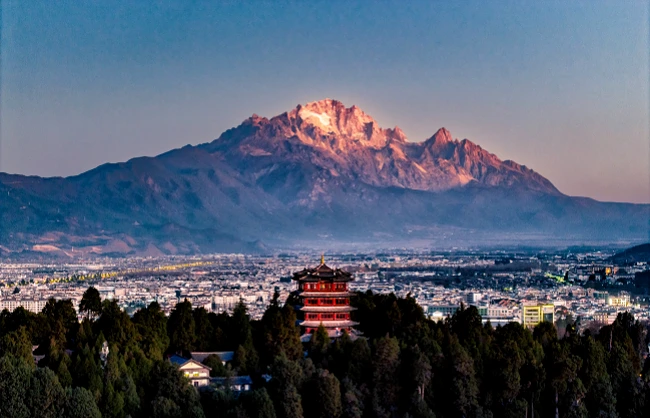
6. Jade Dragon Snow Mountain — China’s Most Accessible Snow Mountain
Jade Dragon Snow Mountain is only about 30 km away from Lijiang. It provides the best opportunity to explore the beauty of the snow-capped mountains in China.
There’s no need to take the long-distance trek to reach the viewing platform with an altitude of over 4,500 meters (14,760 ft); the trip can be easily completed via a cable-car ride.
Quick Facts about Jade Dragon Snow Mountain
Item |
Details |
Highlights |
Glacier Park, Blue Moon Valley, Spruce Meadow, Yak Meadow, and the outdoor performance Impression Lijiang |
Best Time to Visit |
Nov–Mar: Greater chance to see the “Golden sunrise on the snow mountain” (日照金山) phenomenon. |
Location |
Lijiang City, Yunnan Province |
How to Get There |
Travel by private car for about 1.5 hours from Lijiang Old Town to the Yulong Snow Mountain Scenic Area. |
How to Explore Jade Dragon Snow Mountain
A 1-day itinerary is enough to experience the highlights. Also, take time to acclimatize beforehand.
Classic Day Trip Route:
Ganhaizi → Glacier Park Grand Cable Car → Blue Moon Valley → Impression Lijiang Performance
Recommended Tours:
One-Day Jade Dragon Snow Mountain Tour: Glacier Park & Baisha Murals
7 Days Best Yunnan Tour to Dali Lijiang Shangri-La
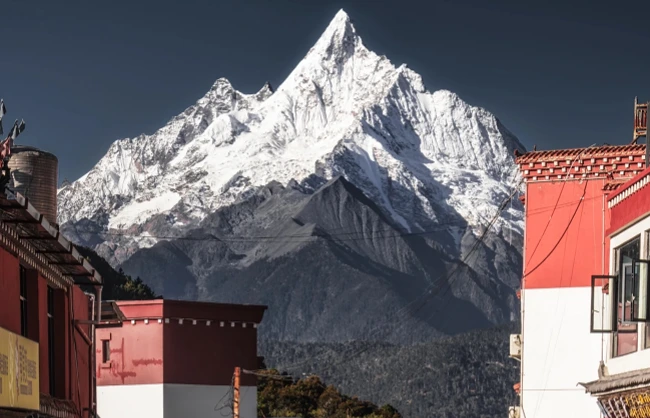
7. Meili Snow Mountain — China’s Most Photogenic Snow Mountain
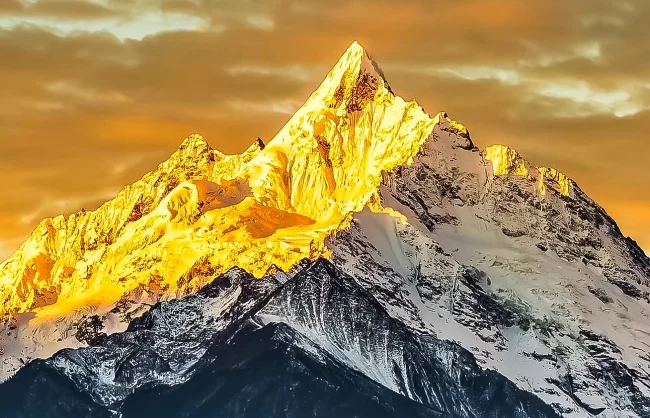
Meili Snow Mountain is famous for the most breathtaking “Golden sunrise on the snow mountain” phenomenon. Many visitors are also attracted by its mysterious atmosphere, since its main peak, Kawagarbo (6,740 meters), has never been successfully climbed.
Many photographers also consider it the most beautiful snow mountain in China.
Quick Facts about Meili Snow Mountain
Item |
Details |
Highlights |
Feilai Temple sunrise views, panoramic views of the Thirteen Peaks of Meili, Mingyong Glacier, and the hidden Yubeng Village |
Best Time to Visit |
Oct–Feb: Best chance to see Kawagarbo Peak and the famous “Golden sunrise on the snow mountain” scene. |
Location |
Near Shangri-La, Yunnan Province |
How to Get There |
Travel by private car for about 4 hours from Shangri-La. |
How to Explore Meili Snow Mountain
A 2-day itinerary is recommended. You may want to stay at least one night to wait for the sunrise over Kawagarbo Peak. If you enjoy hiking, consider extending the trip to include Yubeng Village, one of the most popular hiking destinations in China.
Classic Route:
-
-
- Day 1: Travel from Shangri-La to Meili Snow Mountain → Visit Feilai Temple viewpoint → Stay overnight and prepare for sunrise photography.
- Day 2: Watch the sunrise over Kawagarbo Peak → Visit nearby attractions such as Mingyong Glacier or continue to Yubeng Village for hiking.
-
Recommended Tours:
5 Days Yunnan Yubeng Village Hiking Tour
5 Days Shangri-La Tour with Meili Snow Mountain
8. Fanjingshan — China’s Most Mystical Mountain Above the Clouds
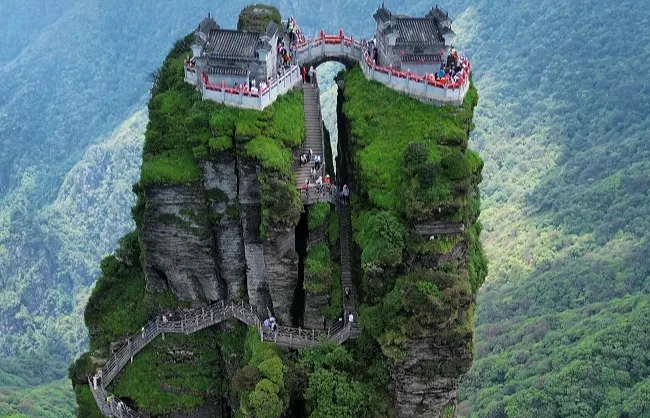
Fanjingshan has a history of more than 2,000 years. It is one of the most culturally significant mountains in China and a UNESCO World Heritage Site in Guizhou.
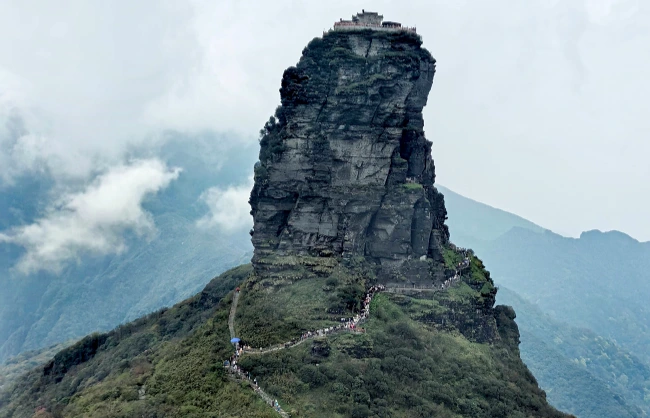
Its unique rock formations, especially the iconic Mushroom Rock and Red Cloud Golden Summit, have become symbols of Guizhou tourism.
Quick Facts about Fanjingshan Mountain
Item |
Details |
Highlights |
Red Cloud Golden Summit, Mushroom Rock, sea of clouds, ancient Buddhist temples, and unique mountain landscapes |
Best Time to Visit |
Apr–Jun: Rhododendrons bloom across the mountain. Colorful alpine scenery.
Jul–Aug: A great summer escape. Average temperatures are around 22°C (72°F) at the summit. Sep–Nov: Clear skies, vibrant autumn foliage, and a higher chance of seeing the sea of clouds. |
Location |
Tongren City, Guizhou Province |
How to Get There |
Take a high-speed train to Tongren Railway Station. Transfer to a scenic shuttle bus. The journey to Fanjingshan takes about 2 hours. |
How to Explore Fanjingshan Mountain
It is recommended to stay here for 1 day to visit the main highlights of Fanjingshan. The mountain involves many steep steps, so you can take the cable car to save energy and visiting time. 5-6 hours are enough for a fulfilling tour.
Recommended Route:
Enter from the East Gate → Take the sightseeing bus → Ride the cable car → Hike to Mushroom Rock and Red Cloud Golden Summit → Return by cable car.
Recommended Tours:
5 Days Guiyang – Huangguoshu – Fanjingshan Tour
8 Days Chengdu Guizhou Tour with Emei and Fanjing Mountains
9. Mount Tai — China’s Most Famous Sunrise Mountain
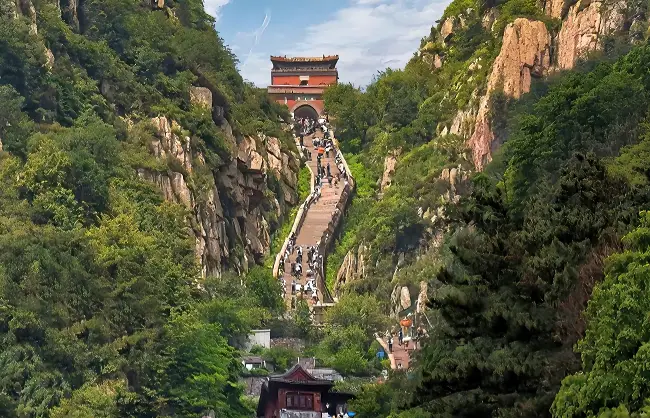
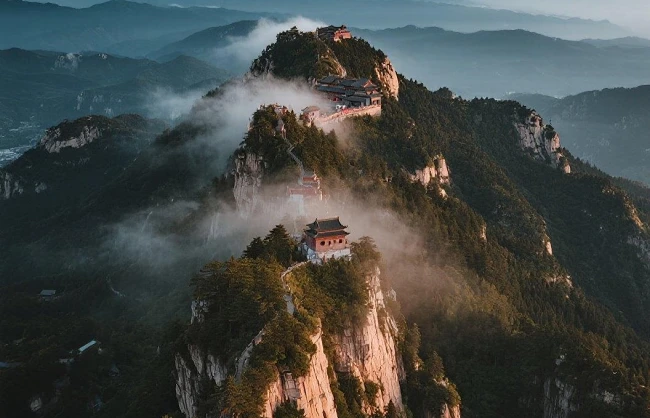
Mount Tai is the first World Heritage – Mixed Property, best known for its spectacular sunrise. It has also been regarded as one of China’s most sacred mountains.
For thousands of years, it has inspired emperors, poets, and pilgrims. So, in addition to appreciating its natural beauty, it is also recommended to explore the cultural heritage preserved here.
Quick Facts about Mount Tai
Item |
Details |
Highlights |
Riguan Peak (Sunrise Peak), Eighteen Bends, South Heaven Gate, and more than 2,000 ancient cliff inscriptions |
Best Time to Visit |
Apr–Jun: Mild temperatures and clear skies.
Sep–Nov: Comfortable weather with colorful autumn scenery. Excellent sunrise views. |
Location |
Tai’an City, Shandong Province |
How to Get There |
Take a high-speed train to Tai’an Railway Station. Drive or take a tourist bus for about 1 hour to the scenic area. |
How to Explore Mount Tai
Adventurous travelers can hike overnight (6-7 hours) to watch the famous sunrise. Other travelers can combine hiking with the cable car.
-
-
- For hiking beginners, start your hike at Hongmen Gate in the evening and climb through Doumu Palace, the Eighteen Bends, and South Heaven Gate to reach Riguan Peak in time for sunrise.
- For families or travelers needing an easy route, take a scenic shuttle bus from Tianwai Village to Zhongtian Gate, then continue by cable car or on foot to Jade Emperor Peak.
-
Recommended Tours:
One-Day Mount Tai Adventure Tour
13 Days Shanxi and Shandong Tour: Culture Exploration
10. Changbai Mountain—Most Beautiful Volcanic Mountain in China
Changbaishan has spectacular Heaven Lake (Tianchi), a crater lake, pristine forests, waterfalls, and hot springs, making it one of the most breathtaking mountains in China. Its autumn scenery is also stunning; the red and golden foliage has the magic to have people stop and watch.
Winter brings world-class skiing, rime ice, and snow-covered scenery. The mountain will be like a fairyland in the white snow.
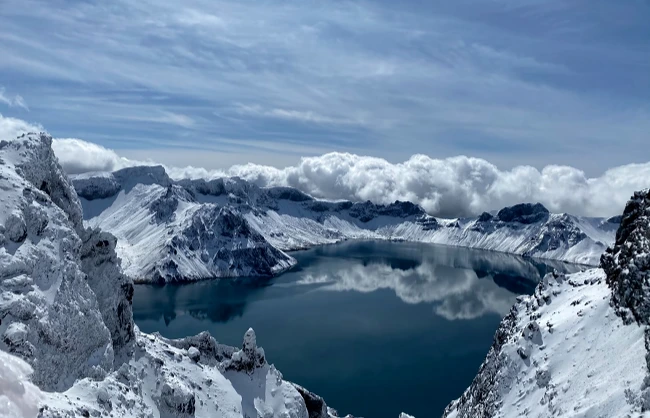
Quick Facts about Changbai Mountain
Item |
Details |
Highlights |
Heaven Lake (Tianchi), Changbai Waterfall, Julong Hot Springs, Green Abyss Pool, and the Underground Forest |
Best Time to Visit |
Jul–Sep: The best season to visit Heaven Lake. Pleasant temperatures are around 22°C (72°F).
Sep–Oct: Peak autumn foliage. Dec–Feb: Ideal for skiing, snow scenery, and rime ice. |
Location |
Near Yanji and Changchun, Jilin Province |
How to Get There |
Fly to Changbaishan Airport or take a high-speed train to Yanji. Transfer by car or shuttle bus for about 2.5 hours. |
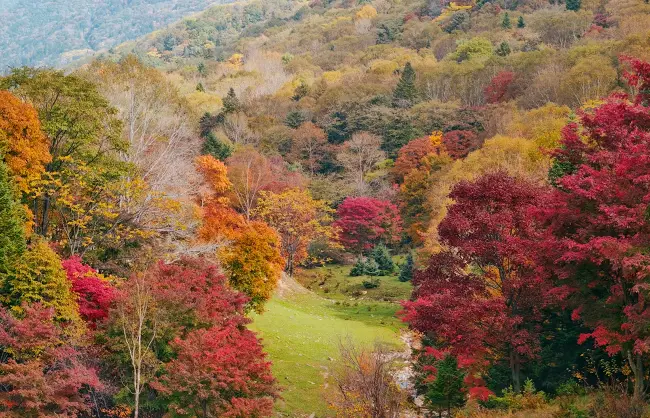
How to Explore Changbai Mountain
A 2-day itinerary is recommended. The North Slope is the most popular route for first-time visitors. The West Slope has longer hiking trails leading to panoramic views of Heaven Lake.
-
-
- Day 1: Arrive in Erdaobaihe Town → Relax in the area’s famous volcanic hot springs and stay overnight.
- Day 2: Take the eco-bus and shuttle to Heaven Lake → Visit Changbai Waterfall → Explore the Julong Hot Springs, Green Abyss Pool, and Underground Forest before returning.
-
Recommended Tours:
7 Days Harbin & Snow Town Tour with Changbai Mountain
Best 10 Days China Dongbei Tour for Winter Adventure
When Is the Best Time to Visit China’s Most Beautiful Mountains?
After learning about these stunning mountains in China, have you decided which one to visit in your China tour? If you haven’t made up your mind, don’t worry, here’s another list designed to help you make the best choice.
Season |
Best Mountains to Visit |
Spring (Mar–May) |
Huangshan, Mount Emei, and Fanjingshan for blooming flowers, fresh greenery, and pleasant hiking weather. |
Summer (Jun–Aug) |
Zhangjiajie, Changbai Mountain, and Mount Everest for cool mountain climates and clear alpine scenery. |
Autumn (Sep–Nov) |
Huangshan, Fanjingshan, Mount Tai, Mount Huashan, and Changbai Mountain for colorful fall foliage and crisp weather. |
Winter (Dec–Feb) |
Huangshan for snowy landscapes, Meili Snow Mountain and Yulong Snow Mountain for spectacular snow-capped peaks, and Namcha Barwa and Mount Kailash for unforgettable winter mountain scenery. |
Explore China’s Most Beautiful Mountains with China Xian Tour
China is home to a lot of majestic mountains. If you want to include some of them in your tour, it would take a long time to plan and make thoughtful arrangements. While it can be a bit challenging, China Xian Tour is more than happy to offer you help.
We can customize mountain-visit trips for you based on your interests in photography, hiking, or simply exploring natural and cultural heritage. We’ll take you to discover the best of these astonishing scenic mountains.


