


China is the third largest country in the world by area, only after Russia and Canada, and the second largest by population. It has an administrative division system that includes a total of 34 provincial level divisions. Each region has its own landscapes and culture.
Whether you’re planning a visit to China or simply wish to know more about its regional culture, you should learn about the basics of Chinese provinces. This article will introduce you to the top provinces of China ranked by size and population, as well as the best provinces to visit on a China tour.
Content Preview
- Understanding China’s Provincial Structure
- 10 Largest Provinces in China Ranked by Area
- Largest Provinces in China by Population
- Full List of Provincial Level Divisions in China
- Best Provinces to Visit in China
- FAQs about Provinces in China
- Explore China with China Xian Tour
Understanding China’s Provincial Structure
How Many Provinces Are There in China?
China has a total of 34 provincial level divisions, including 23 Provinces, 5 Autonomous Regions, 4 Municipalities, and 2 Special Administrative Regions. You will find the full list below.
Province vs. Municipality vs. Autonomous Region
Province, municipality, and autonomous region are all provincial level divisions in China. However, they differ in governing methods.
- Provincesare the standard units of regional administration and the most numerous. They each have a governor and a party secretary.
- Municipalitiesare large cities that are directly administered by the central government as opposed to being part of a province. They have the same administrative status as provinces. The most famous municipalities are Beijing and Shanghai.
- Autonomous Regionsare regions with large and concentrated minority populations that are given some level of legislative autonomy. They have certain rights to create their own legislations but are still govern by the central government.
10 Largest Provinces in China Ranked by Area
1. Xinjiang – 1.66 million square kilometers
- Population(2024): 26 million
- Provincial Capital: Urumqi
- Type of Division:Autonomous Region
Xinjiang Uygur Autonomous Region is the biggest province in China. In fact, it has an area that equals about 16% of the entire country. It is located in northwestern China surrounded by mountains and valleys. Many people travel to Xinjiang to witness its stunning landscapes, like alpine lakes, deserts, and grasslands.
The rich ethnic culture is another highlight. You can visit local bazaars of the Uyghur people, Tajik folk villages, and taste traditional Xinjiang foods. As an important part along the ancient Silk Road, the region also has many historical sites that preserve ruins and relics of regional cultures.
How to Visit
- Best time to go: June – October
- How long to stay: 7 – 10 days for Northern Xinjiang and 8 – 12 days for Southern Xinjiang
- Popular cities: Urumqi, Ili, Altay, Kashgar, Turpan
- Culinary experiences: Big plate chicken, baked buns, lamb kebabs, pilaf, mixed noodles, various fruits
- Top things to do: Visit local bazars, Silk Road relics, speed along Duku Highway, visit old towns and culture relics, watch local song and dance performances, ride a horse on grassland, cross the desert by driving

2. Tibet – 1.23 million square kilometers
- Population(2024): 7 million
- Provincial Capital: Lhasa
- Type of Division: Autonomous Region
Tibet is the second largest and the least populated province in China. It is known for being the roof of the world because it’s home to the highest peak on earth, Mount Everest. You can witness it with your own eyes when you travel to Tibet. Many other sacred mountains and lakes make the region a place of pilgrimage for many hikers and adventurers.
The unique culture of the Tibetan people involves many traditional customs and arts. Tibetan Buddhism is an important aspect of it. Visiting religious sites will allow you to better appreciate this beautiful culture as long as you remain respectful.
How to Visit
- Best time to go: May – October
- How long to stay: 7 – 12 days
- Popular cities: Lhasa, Nyingchi, Shigatse, Shannan, Ali
- Culinary experiences: Butter tea, sweet tea, yak meat, Tibetan pigs, tsampa, highland barley wine, yak yogurt
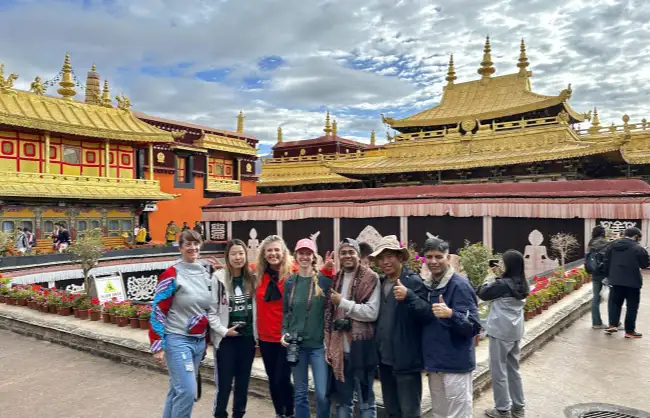
- Top things to do: feel local culture in Potala Palace and Jokhang Temple, take part in Tibetan festivals, appreciate Yamdrok Yumtso and Namtso lakes, adventure to EBC.
3. Inner Mongolia – 1.18 million square kilometers
- Population(2024): 23.9 million
- Provincial Capital: Hohhot
- Type of Division: Autonomous Region
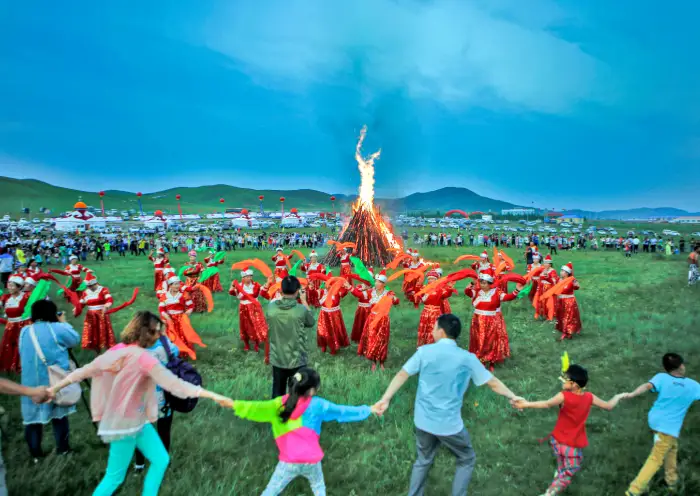
Inner Mongolia is another autonomous region with beautiful ethnic culture. Local Mongolian and Ewenki communities still preserve their nomadic lifestyle on the vast grasslands. Traveling to Inner Mongolia will allow you to get a taste of the freedom on horseback and under the stary sky. You can go horseback riding, stay in a yurt, join a bonfire party, and taste traditional Mongolian foods.
Some of the best grasslands in China and even the world are located here. The green and endless grasslands turn golden in the fall. Together the with winding rivers through them, they appeal to many photographers as well. Besides the grassland landscapes, you will also find other natural sceneries like deserts, wetlands, and forests.
How to Visit
- Best time to go: June – September
- How long to stay: 5 – 10 days
- Popular cities: Hulun Buir, Hohhot, Ordos, Alxa, Xilingol, Ulanqab
- Culinary experiences: Roasted whole lamb, hand-pulled meat, lamb hot pot, Mongolian milk tea, shao mai, various dairy products
- Top things to do: ride a horse, stay overnight in a traditional yurt, experience sand sliding and camel riding in desert, take part in Nadaam Festival
4. Qinghai – 0.72 million square kilometers
- Population(2024): 5.9 million
- Provincial Capital: Xining
- Type of Division: Province
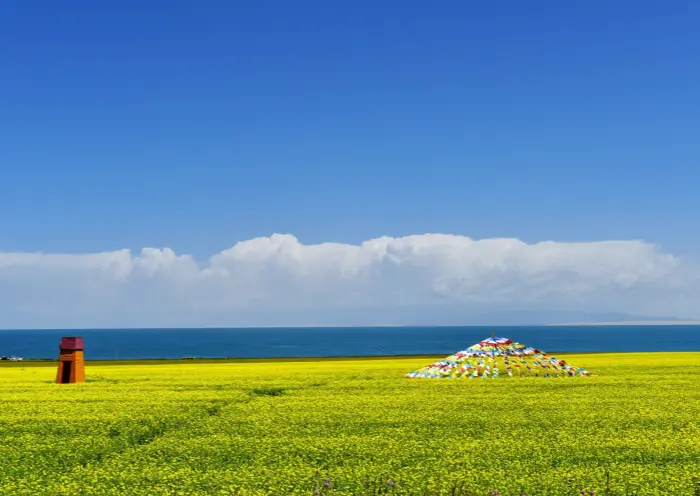
Qinghai is another important stop along the Silk Road. Situated on a plateau, it has a vast area of mountains and is the source of a number of major rivers in China. Thanks to its terrain, the gorgeous alpine sceneries attract many visitors. Qinghai Lake and Chaka Salt Lake are beautiful destinations with many outdoor activities like horseback riding and cycling. They are also the natural home to many wildlife species.
Other reasons for traveling to Qinghai include its rich ethnic minority culture. Experiencing local Buddhist heritage and authentic Tibetan culture will make your trip more fulfilling.
How to Visit
- Best time to go: May – October
- How long to stay: 5 – 10 days
- Popular cities and attractions: Xining, Menyuan, Qilian, Qinghai Lake, Chaka Salt Lake
- Culinary experiences: Qinghai liangpi, sweet barley or naked oats, Qinghai yogurt, hand-held mutton, yak meat, Qinghai traditional hot pot
- Top things to do: cycle around Qinghai Lake, take the photo of mirror of sky at Chaka Salt Lake, ride a horse in grassland in Qilian Mountain
5. Sichuan – 0.49 million square kilometers
- Population(2024): 6 million
- Provincial Capital: Chengdu
- Type of Division: Province
Sichuan is a more famous province on the list because it is home to two symbols of China, giant pandas and hotpot. Its capital city, Chengdu, is the hub of southwestern China. You can experience the authentic Chengdu lifestyle, taste traditional Sichuan cuisine known for its spices, and explore the city’s cultural heritage. Outside Chengdu, you will find some of the most stunning natural wonders of China.
Jiuzhaigou and Huanglong are known for their picturesque sceneries. They are popular destinations for photographers and nature lovers. Many hikers and mountaineers travel to Sichuan for its snow mountains like Daocheng Yading, Mount Siguniang, and Mount Emei. And hidden in the mountainous western Sichuan are many small Tibetan villages.
How to Visit
- Best time to go: March – November
- How long to stay: 5 – 10 days
- Popular cities: Chengdu, Aba, Leshan, Garzê
- Culinary experiences: Hot pot, skewed food served in hot pot, Dan Dan noodles, Chao Shou Wonton, spicy sliced pork lungs in Chili Sauce, Yibin Ranmian noodles, and various kinds of snacks
- Top things to do: watch lovely pandas in panda base, enjoy natural scenery in Jiuzhaigou and Huanglong Scenic Area, pilgrimage to the Leshan Giant Buddha and Mount Emei, experience face-changing show, taste authentic spicy hot pot


6. Heilongjiang – 0.47 million square kilometers
- Population(2024): 30.3 million
- Provincial Capital: Harbin
- Type of Division: Province
Heilongjiang is the most representative province of northern China. Due to its latitude, it has the coldest winter in the entire country. As a result, it is also the best place to for a winter trip to see the snowy scenes. Mostly famously, its capital city, Harbin, has the Ice and Snow Festival every year. Since the province itself is relatively rural, you will be able to discover many local traditions and authentic foods.
How to Visit
- Best time to go: December – February
- How long to stay: 5 – 10 days
- Popular cities: Harbin, Mohe, Yichun, Mudanjiang, Qiqihar
- Culinary experiences: several kinds of Northeast cuisines, Pan-fried pork, red sausage, iron pot stew pot, barbecue, Russian-style Western cuisine
- Top things to do: have fun in Ice and Snow World, watch ice waterfall or winter hunting, observe red-crowned cranes, appreciate Russian-style architecture
7. Gansu – 0.45 million square kilometers
- Population(2024): 24.6 million
- Provincial Capital: Lanzhou
- Type of Division: Province
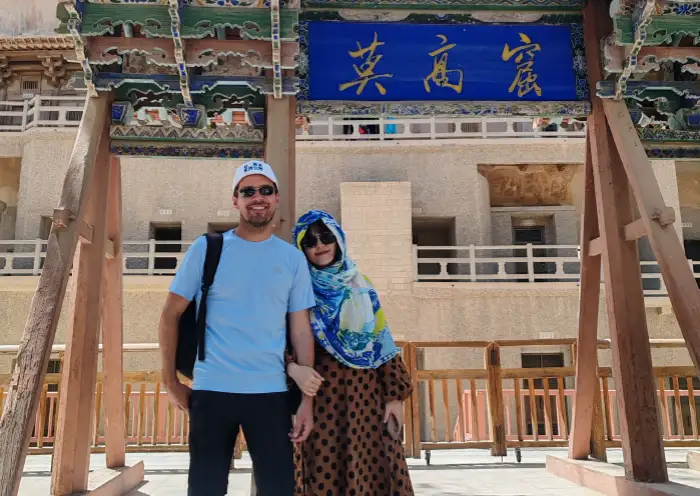
Gansu is a must-visit province on a Silk Road tour. It is considered the birthplace of Chinese civilization with many ancient caves, grottoes, and temples to explore. At these sites, you will discover the mysterious history of ancient China and the ingenuity of the people who lived on this land thousands of years ago. Traveling to Gansu will be a dream come true for history lovers.
Besides its heritage, Gansu also has signature western China landscapes. The unique Danxia landform of Zhangye Rainbow Mountains, Echoing-Sand Mountain and Crescent Lake of Dunhuang, and the grasslands of Gannan are all rare sights to see. You can also discover traditional Tibetan life in the beautiful mountains of Gannan.
How to Visit
- Best time to go: May – October
- How long to stay: 5 – 7 days
- Popular cities: Lanzhou, Dunhuang, Zhangye, Jiayuguan, Tianshui, Gannan
- Culinary experiences: Lanzhou beef noodles, Tianshui spicy hotchpotch, Dunhuang donkey meat yellow noodles, Jiayuguan grilled meat, hand-grabbed mutton and various noodles
- Top things to do: tour the Buddhist Mogao Caves, hear sand singing and watch sunset in Echo Sand Mountain, appreciate Danxia Landform, ascend Jiayuguan Port
8. Yunnan – 0.39 million square kilometers
- Population(2024): 46.6 million
- Provincial Capital: Kunming
- Type of Division: Province
Yunnan in southwestern China is known for its diversity across both landscapes and ethnic culture. You will find all kinds of natural sceneries from tropical rainforests to snow mountains. In fact, it has some of the best hiking trails in the world like the Tiger Leaping Gorges and Yubeng trails. They will take you through the snow mountains, deep gorges, glaciers, and Tibetan villages along the way.
Living on this beautiful land are over 25 ethnic minority groups. The Bai people of Dali, Naxi people of Lijiang, Dai people of Xishuangbanna, as well as Hani, Yi, and Tibetan people all have their own ways of living. When you travel to Yunnan. you will be able to visit many ancient towns with traditional architecture, see different styles of costumes, and join in on their ethnic festivals.
How to Visit
- Best time to go: March – May and September – November
- How long to stay: 5 – 10 days
- Popular cities: Kunming, Dali, Lijiang, Shangri-La, Xishuangbanna
- Culinary experiences: Cross-the-bridge Rice Noodles, wild mushrooms, steam pot chicken, Naxi grilled meat, Dai-style hand-grabbed rice, Xizhou crispy rice cakes, butter tea
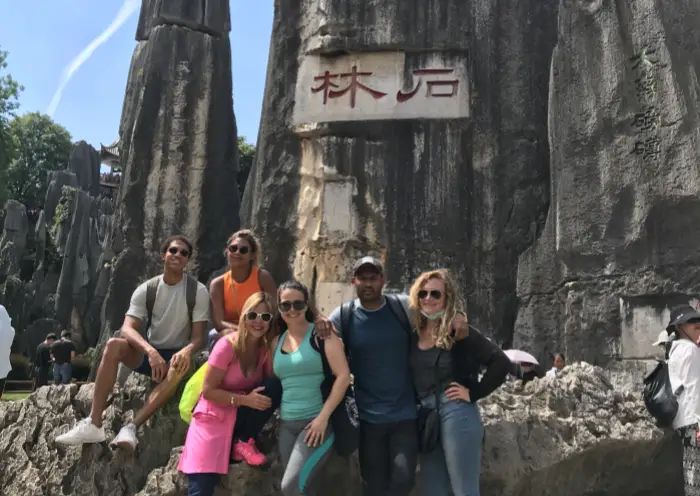
- Top things to do: cycle around Erhai Lake, catch golden snow peak of Jade Dragon Snow Mountain, experience Naxi culture in Lijiang Ancient Town, marvel at the Stone Forest, feel the Tibetan Buddhist culture in Songzanlin Monastery, adventure in rainforest in Xishuangbanna
9. Guangxi – 0.24 million square kilometers
- Population(2024): 50.1 million
- Provincial Capital: Nanning
- Type of Division: Autonomous Region
Guangxi is a mountainous region in southern China, the home of the Zhuang people. It is best known for the city of Guilin, one of the top destinations for people traveling to China for the first time. It is often tanked the most beautiful place in China for its unique karst landforms.
Thousands of strangely shaped peaks rise out of Li River which winds its way through and out of the city. On its banks, there are many wild caves with amazing rock formations that you can explore. They are the results of geological movements for hundreds of millions of years. You can also take a boat ride into the quiet countryside of Guilin.
Related reading: 15+ Fascinating Facts About Guangxi
How to Visit
- Best time to go: March – May and September – November
- How long to stay: 5 – 10 days
- Popular cities: Guilin, Yangshuo, Beihai, Nanning, Chongzuo
- Culinary experiences: Guilin rice noodles, Liuzhou river snail rice noodles, Nanning Old friend rice noodles, Yangshuo beer fish, Beihai seafood
- Top things to do: take a bamboo rafting or cruise along Li River, take photos of coloful Longji Rice Terrace, feel the grandeur of Detian Transnational Waterfall, play with water at Silver Beach

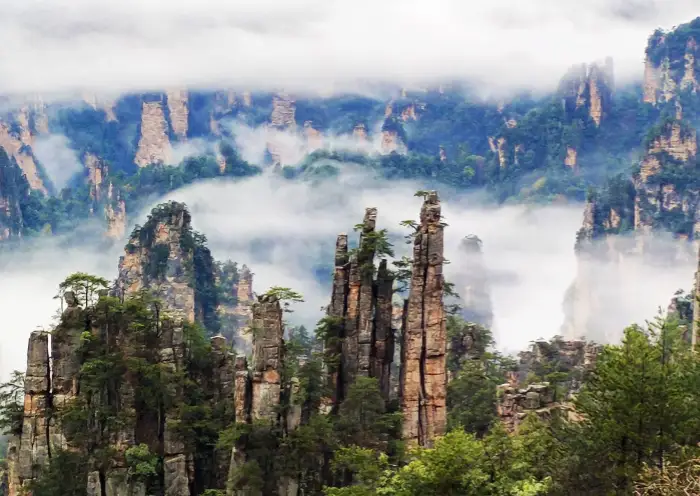
10. Hunan – 0.21 million square kilometers
- Population(2024): 65.4 million
- Provincial Capital: Changsha
- Type of Division: Province
Hunan is also a southern China province known for its mountains, especially those of Zhangjiajie. In recent years, Zhangjiajie has become a world-famous tourist destination because it is the inspiration for the floating mountains in the movie Avatar. The amazing peaks, Grand Canyon, and a variety of outdoor activities attract many nature lovers and photographers.
The capital of Hunan, Changsha, is the busiest city in the province. Here you can explore rich regional culture from its history to local foods. The city is closely associated with the life of Chairman Mao Zedong. And the street foods of Changsha are famous across the country.
How to Visit
- Best time to go: March – May and September – November
- How long to stay: 5 – 10 days
- Popular cities: Changsha, Zhangjiajie, Hengyang, Fenghuang Ancient Town
- Culinary experiences: spicy Hunan cuisine, steamed fish head with chopped chili, stinky tofu, glutinous rice cake with brown sugar, spicy crayfish
- Top things to do: enter the world of Avatar in Zhangjiajie National Forest Park, wander around Fenghuang Ancient Town, challenge Mount Heng, taste Hunan cuisine
Recommended Top China Tours:
- 4 Days Hohhot and Xilamuren Grassland Tour
- 7 Days Chengdu Natural Exploration Tour with Mt. Emei & Jiuzhaigou
- 8 Days Classic Yunnan Minority Tour of Kunming-Dali-Lijiang-Shangri-La
- 8 Days Lhasa to Everest Base Tour
Largest Provinces in China by Population
Here are the top 10 most populated provinces in China. This list is made with data from 2024 and includes all provincial level divisions.
Most Populous Province |
Population (Million) |
Most Populous City |
1. Guangdong Province |
128 |
Guangzhou |
2. Shandong Province |
101 |
Qingdao |
3. Henan Province |
98 |
Zhengzhou |
4. Jiangsu Province |
85 |
Suzhou |
5. Sichuan Province |
84 |
Chengdu |
6. Hebei Province |
74 |
Shijiazhuang |
7. Zhejiang Province |
67 |
Hangzhou |
8. Hunan Province |
65 |
Changsha |
9. Anhui Province |
61 |
Hefei |
10. Hubei Province |
58 |
Wuhan |
Full List of Provincial Level Divisions in China
Here is the full list of provincial level divisions in China in the order of area from largest to smallest. It is made with data from 2024.
Province Name |
Type of Division |
Abbreviation |
Provincial Capital |
Area (Thousand km²) |
Population (Million) |
1. Xinjiang |
Autonomous Region |
Xin |
Urumqi |
1,665 |
26 |
2. Tibet (Xizang) |
Autonomous Region |
Zang |
Lhasa |
1,228 |
4 |
3. Inner Mongolia |
Autonomous Region |
Meng |
Hohhot |
1,183 |
24 |
4. Qinghai |
Province |
Qing |
Xining |
722 |
6 |
5. Sichuan |
Province |
Chuan |
Chengdu |
486 |
84 |
6. Heilongjiang |
Province |
Hei |
Harbin |
455 |
30 |
7. Gansu |
Province |
Gan |
Lanzhou |
426 |
25 |
8. Yunnan |
Province |
Yun |
Kunming |
394 |
47 |
9. Guangxi |
Autonomous Region |
Gui |
Nanning |
238 |
50 |
10. Hunan |
Province |
Xiang |
Changsha |
212 |
65 |
11. Shaanxi |
Province |
Shan |
Xi’an |
206 |
40 |
12. Hebei |
Province |
Ji |
Shijiazhuang |
189 |
74 |
13. Jilin |
Province |
Ji |
Changchun |
187 |
23 |
14. Hubei |
Province |
E |
Wuhan |
186 |
58 |
15. Guangdong |
Province |
Yue |
Guangzhou |
180 |
128 |
16. Guizhou |
Province |
Gui |
Guiyang |
176 |
39 |
17. Henan |
Province |
Yu |
Zhengzhou |
167 |
98 |
18. Jiangxi |
Province |
Gan |
Nanchang |
167 |
45 |
19. Shandong |
Province |
Lu |
Jinan |
157 |
101 |
20. Shanxi |
Province |
Jin |
Taiyuan |
157 |
34 |
21. Liaoning |
Province |
Liao |
Shenyang |
148 |
42 |
22. Anhui |
Province |
Wan |
Hefei |
139 |
61 |
23. Fujian |
Province |
Min |
Fuzhou |
124 |
42 |
24. Jiangsu |
Province |
Su |
Nanjing |
103 |
85 |
25. Zhejiang |
Province |
Zhe |
Hangzhou |
102 |
67 |
26. Chongqing |
Municipality |
Yu |
Chongqing |
82 |
32 |
27. Ningxia |
Autonomous Region |
Ning |
Yinchuan |
66 |
7 |
28. Taiwan |
Province |
Tai |
Taipei |
36 |
23 |
29. Hainan |
Province |
Qiong |
Haikou |
35 |
10 |
30. Beijing |
Municipality |
Jing |
Beijing |
16 |
22 |
31. Tianjin |
Municipality |
Jin |
Tianjin |
12 |
14 |
32. Shanghai |
Municipality |
Hu |
Shanghai |
6 |
25 |
33. Hong Kong |
SAR |
Gang |
Hong Kong |
1 |
8 |
34. Macau |
SAR |
Ao |
Macau |
0.03 |
0.7 |
Related reading: Smallest Cities in China
Best Provinces to Visit in China
Here are some of the best provinces to visit on your China tour. They are grouped by location and travel theme for the best experience.
Beijing and Shaanxi
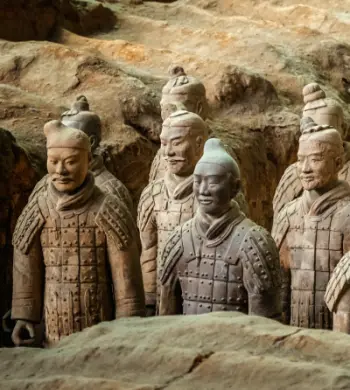
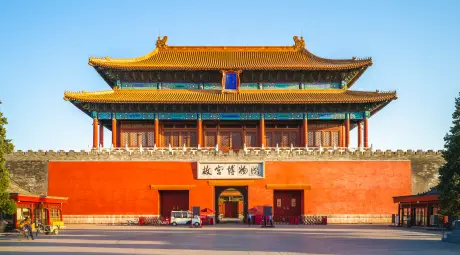
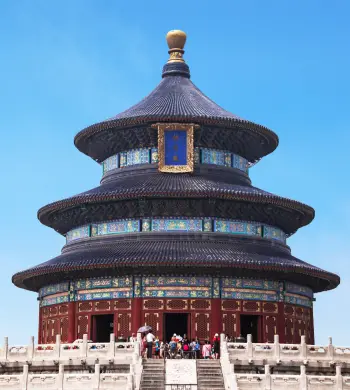
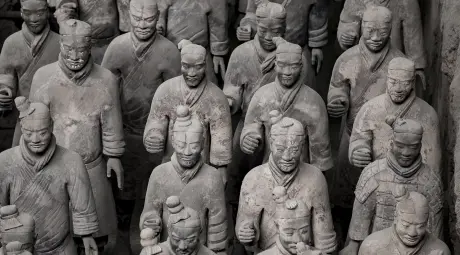
Beijing, together with the capital of Shaanxi, Xi’an, is the best place to learn about ancient Chinese history. They have both been the imperial capitals of the country, and there are many well-preserved historical sites to visit, including the Forbidden City and the Terracotta Warriors and Horses Museum. They are the top destinations for a first-time China tour.
Shanghai, Zhejiang, and Jiangsu
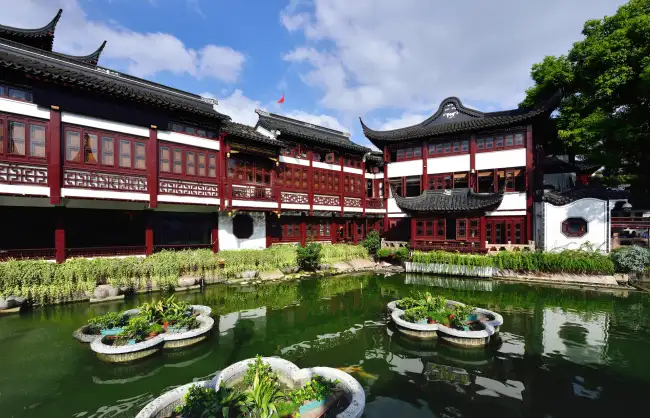
The area of Shanghai, Zhejiang, and Jiangsu are the most representative of Jiangnan culture. Jiangnan refers to the regions that are south of the lower reaches of the Yangtze River, and it is home to many things you’ve probably heard of about China, like silk and tea. Shanghai is an international metropolis and a transportation hub. You can extend your tour to Hangzhou and Suzhou to explore this beautiful region.
Hong Kong and Macau
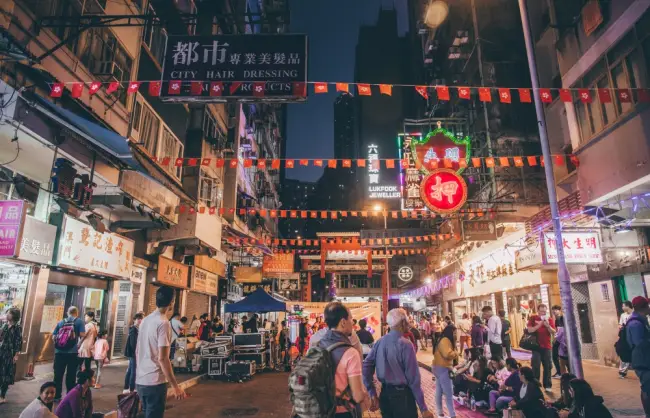
Hong Kong and Macau also showcase unique regional culture of southern China. These two coastal Special Administrative Regions enjoy unique economic policies and have become international hubs. However, locals still retain much of their traditions, and you can discover them in the many historical sites and villages.


FAQs about Provinces in China
Is Tibet a province of China?
Yes, Tibet Autonomous Region is a provincial level division of China.
Why are some Chinese cities like Beijing and Shanghai not part of a province?
Beijing, Shanghai, Tianjin, and Chongqing are the four Municipalities of China which are large cities directly administered by the central government and have the same administrative status as provinces. They are not part of a province but are also provincial level divisions.
What is the most populated province in China?
The most populated province in China is Guangdong Province with a population of 128 million people in 2024.
Explore China with China Xian Tour
After reading this article, have you found the province you are interested in? If not, we can give some recommendations. Just contact our travel consultant and tell her your preferences, then she will recommend you the most suitable province or city. We are also pleasant to send you some of our popular tour packages or customize an exclusive trip for you if needed. If travel with us, you can completely enjoy the tour, because we will help you book the hotels and tickets and arrange the meals for you. Just contact China Xian Tour now.