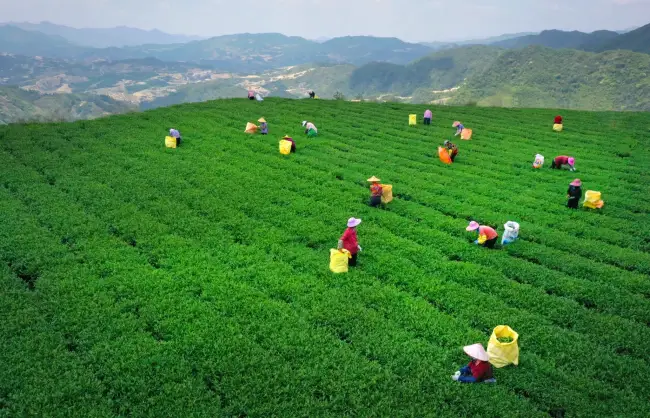


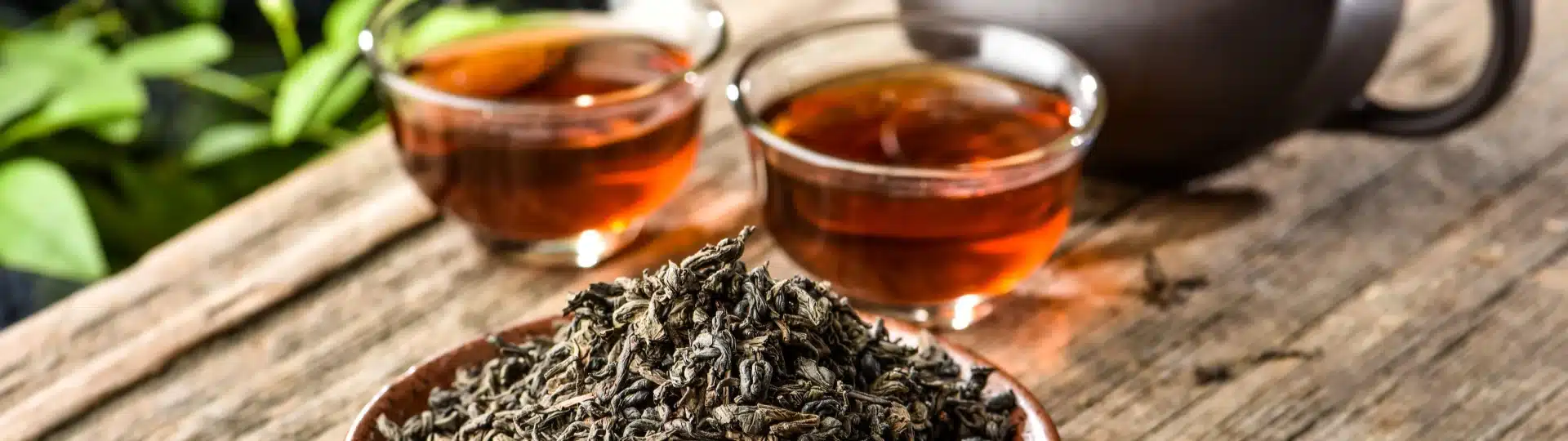
Tea (茶, chá) plays an important role in Chinese people’s life. Since ancient times, tea has woven its way with poetry, medicine, philosophy, and daily life. Now, tea is not just a beverage, it is also a symbol of culture and social connection.
Some of you may have heard the “10 Famous Chinese Teas”. They represent the traditional principles of Chinese tea and are the symbols of top Chinese tea artistry. Those teas enjoy meticulous processing, exquisite flavor, and historical significance.
Chinese tea is said to have its health benefits, including softening blood vessel, diminishing inflammation, and losing weight. Nowadays, people from all over the world are embracing famous Chinese tea. This guide invites you to enjoy 10 Famous Chinese Teas in detail.
Content Preview
- The 10 Famous Chinese Teas – Quick Glance
- The 10 Famous Chinese Teas
- FAQs about Chinese Tea
- Sip Authentic Chinese Tea with China Xian Tour
The 10 Famous Chinese Teas – Quick Glance
Let’s get a quick glace of 10 Famous Chinese Teas from the following table.
Chinese Tea Name |
Translated English Tea Name |
Place of Origin |
Type |
Best for |
|
1 |
Longjing Tea |
Dragon Well |
Hangzhou, Zhejiang Province |
Green Tea |
People who pursue classic and traditional tea. |
2 |
Biluochun Tea |
The Spring Spiral |
Dongting Mountain, Jiangsu Province |
Green Tea |
People who love floral and fruity aroma. |
3 |
Huangshan Maofeng Tea |
Yellow Mountain Fuzz Tip |
Huangshan (Yellow Mountain), Anhui Province |
Green Tea |
People who seek tranquility and purity. |
4 |
Tieguanyin Tea |
Iron Goddess of Mercy |
Anxi County, Fujian Province |
Oolong Tea |
People who want a long conservation with friends. |
5 |
Da Hong Pao Tea |
Big Red Robe |
Wuyi Mountain, Fujian Province |
Oolong Tea |
People who prefer a powerful, robust tea. |
6 |
Junshan Yinzhen Tea |
Junshan Silver Needle |
Junshan Island, Dongting Lake, Hunan Province |
Yellow Tea |
People who seek a unique flavor. |
7 |
Qimen Hong Tea |
Keemun Black Tea |
Qimen County, Anhui Province |
Black Tea |
People who crave a comfort black tea. |
8 |
Lu An Gua Pian |
Lu’an Melon Seed |
Lu’an, Anhui |
Green Tea |
People who prefer a bold green tea. |
9 |
Baihao Yinzhen |
Silver Needle White Tea |
Fuding, Fujian Province |
White Tea |
People who want a delicate and sweet flavor. |
10 |
Pu’er Tea |
Yunnan Province |
Dark Tea |
People who want a tea to savor. |
The 10 Famous Chinese Teas
Now, we go into details of origin, benefits, types, and flavors of the top 10 Chinese teas.
1. Longjing Tea (Dragon Well Tea) – The King of Chinese Green Tea
- Type: Green Tea
- Origin: Hangzhou, Zhejiang Province. This region is humid, misty, and enjoys fertile soil.
- Flavor Profile: Fresh, nutty, mellow.
Longjing Tea is featured by flat, straight, smooth and pointed leaves. The fresh aroma of beans and delicate fragrance are its representative fragrances. This famous Chinese tea is full of antioxidants, particularly catechins, which can promote metabolism. It is also rich in vitamins and amino acids, which can improve focus. Traditional Chinese Medicine believes that it can promote digestion and reduce internal heat.
Longjing Tea is often considered the best Chinese tea. It was granted “Gong Cha” or Tribute Tea in the Qing Dynasty. The finest Longjing, like Xihu Longjing, is still plucked by hand in early spring. The tea leaves plucked pre-Qing Ming (“Ming Qian”) are the most valuable.
So the best season to savor the tea is in spring, especially around the Qingming Festival. Its superior quality also relies on the exquisite production process. During pick-up, only one bud and one leaf or one bud and two leaves are chosen. To shape and fix the color, the experienced masters use ten major techniques to fry the tea and control the heat and force precisely based on their sense of touch completely.
How to Brew:
- Prepare a plain glass cup which can maintain the fresh and tender characteristics of tea leaves. Place 3-5 grams of leaves.
- A pot of pure water with a temperature ranging from 85 to 90°C. Pour the hot water over them. The taste and aroma of the tea are influenced by the water temperature.
- Have a sip directly from the glass. Longjing can be brewed 2-3 times. Each sip shows nuanced taste.
Suggested Hangzhou tours:
2 Days Hangzhou Tour: Tea Plantation, Bamboo Forest
3 Days Hangzhou City Tour to Wuzhen Water Town
2. Biluochun Tea – The Spring Spiral Tea
- Type: Green Tea
- Origin: Dongting Mountain, near Lake Tai in Jiangsu Province.
- Flavor Profile: Floral, fruity, smooth, sweet.
Biluochun Tea is a high-grade green tea. The rich antioxidants in it protect the cells from damage. If you have a greasy meal, you can drink Biluochun Tea to promote digestion. It also invigorates your mind and reduces fatigue.
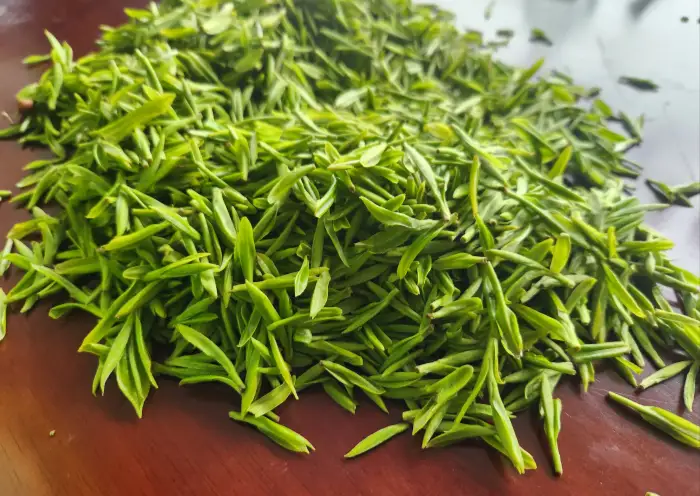
It is a famous Chinese tea for delicate spirals and floral aroma. The tiny and tender leaves are coiled into a spiral shape, like a snail’s shell. Its unique fragrance is not artificial. The tea bushes are surrounded by fruit trees, like peach and plum, which spread their fragrant blossoms to the tea leaves.
The best tea leaves are those plucked in spring, making it the best time to taste the tea. To ensure its quality, the picking standard is very strict and the leaves not meeting the standard are all removed. Then through green removing, rolling, balling and drying, the tea is made. It is said that 500 g top-grade Biluochun tea requires as many as 60,000 to 70,000 tender buds.
How to Brew:
- Use low-temperature water, between 75-80°C. The tender leaves will be destroyed if the water temperature is too high.
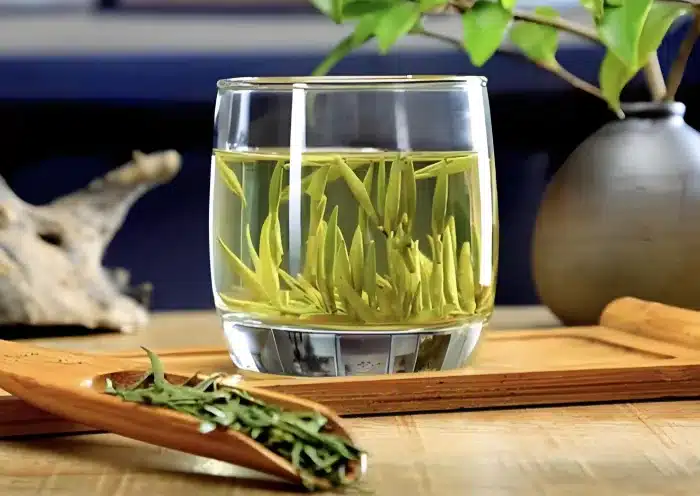
- Fill your glass with water and sprinkle the Biluochun leaves. You will see the dancing leaves.
- Biluochun can be brewed 2-3 times. The first cup is the most aromatic and the following ones are milder but sweeter. 1-2 minutes for every steeping is enough.
Suggested Jiangsu Tour with tea experience:

Discover the essence of Jiangsu province through Suzhou's classical gardens, Wuxi's lakeside scenery, and Nanjing's imperial heritage in five days.
3. Huangshan Maofeng Tea – Yellow Mountain Fuzz Tip
- Type: Green Tea
- Origin: Huangshan (Yellow Mountain), Anhui Province.
- Flavor Profile: Mellow, smooth, sweet, orchid-like floral fragrance.
Besides scenic Huangshan Mountain, don’t miss the Maofeng tea during your Huangshan tours. This famous Chinese tea is rich in antioxidants like catechins and vitamins, which strengthen the immune system. It can clear away the heat. The caffeine content is mild which can boost your energy without causing jitters.
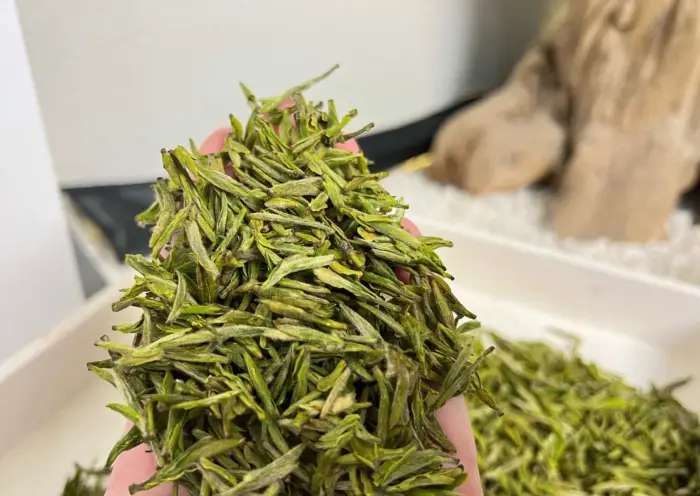
Huangshan Maofeng Tea is a light, fragrant green tea. The tea leaves are slightly curled with a hint of yellow color. The tea bushes grow on the steep, shaded slopes of Huangshan, nourished by mineral-rich spring water. The mist covers the tea bushes, protecting the leaves from harsh sunlight. It is an ideal environment for “hao”, the white down on the buds. In addition, orchids grow all over the mountain, so the picked tea often has a delicate orchid fragrance. The tea is usually processed within half a day after picking to maintain its freshness and is baked for two time to release the aroma completely.
How to Brew:
- The water temperature is 80-85°C.
- Place 3-5 grams of leaves in glass or Gaiwan and drop the water over them. This allows the leaves to release aroma thoroughly.
- Huangshan Maofeng Tea can be brewed 2-3 times. 1-2 minutes for every steeping.
Suggested Huangshan tours:

Hike the legendary granite peaks of Huangshan and wander through UNESCO-listed Hongcun and Xidi ancient villages.
4. Tieguanyin Tea (Iron Goddess of Mercy)
- Type: Oolong Tea
- Origin: Anxi County, Fujian Province
- Flavor Profile: Floral fragrance, creamy texture, sweet aftertaste (hui gan)
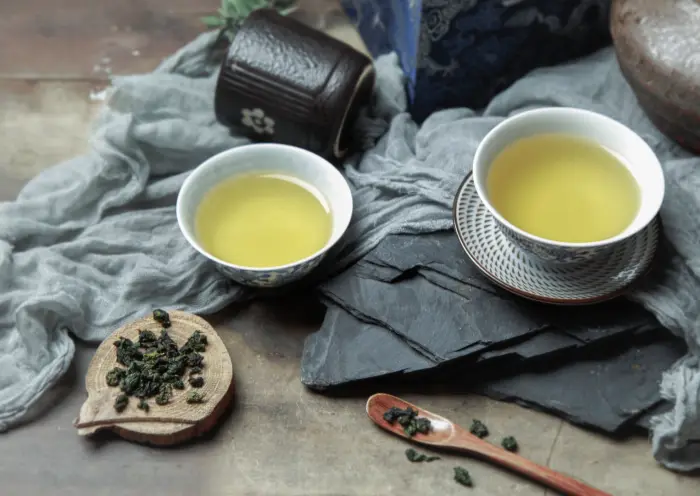
Tieguanyin Tea is a kind of semi-fermented tea, which combines the mellow sweetness of black tea with the delicate fragrance of green tea. It is shaped like a dragonfly’s head and boasts a natural orchid fragrance. Both spring and autumn are the best seasons to savor it. Rich in polyphenols and antioxidants, it helps metabolism and weight management. The moderate caffeine content offers mild and lasting energy. The L-Theanine in the tea helps you keep calm and stay focused.
Tieguanyin Tea is a famous Chinese tea from Fujian. Its name comes from a tale. In the tale, a poor farmer found a tea tree after dreaming of the Buddhist bodhisattva Guanyin.
It is popular in Chinese tea houses, especially in the Gongfu tea ceremony, because of its artistic processing.
How to Brew:
- Use water at 90-95°C. The high temperature can fully release the aroma and flavor of oolong leaves.
- Tieguanyin Tea is often brewed with the Gongfu tea method. It is highly recommended to use a small clay teapot or Gaiwan. The tea leaves should fill 1/3 of the pot. Steep the for 15-30 seconds after a quick rinse of the leaves to “awaken” them.
- Tieguanyin Tea can be brewed 7-10 times.
5. Da Hong Pao Tea (Big Red Robe)
- Type: Oolong Tea
- Origin: Wuyi Mountain, Fujian Province
- Flavor Profile: Sweet, fruity, deep.
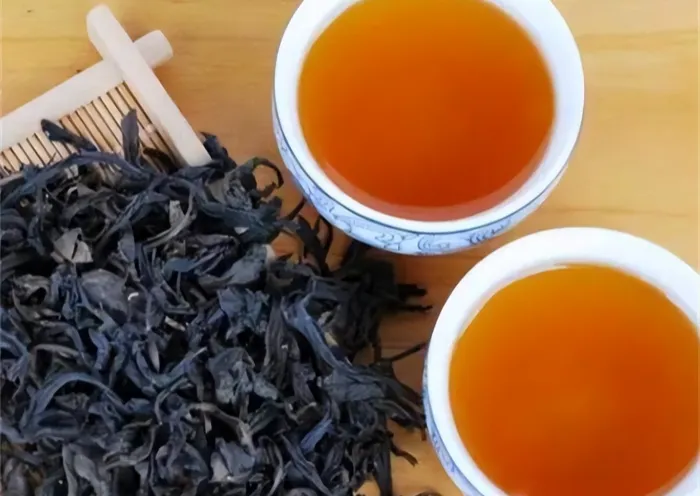
The tea bushes of Da Hong Pao grow in the rocks and absorb minerals from the rock constantly, forming a unique flavor. Besides, it also boasts an orchid fragrance. The tea leaves are plump and heavy with a dark color and a hint of green. The complex “semi-fermentation” process is the core of its superb quality. In spring and autumn, you can taste the best flavor. The high oxidation and the roasting process of the tea help warm your body. Its rich minerals and compounds reduce cholesterol and promote cardiovascular health.
Da Hong Pao is the best Chinese tea from Wuyi Mountains, a UNESCO World Heritage Site. Now, authentic Da Hong Pao Tea from the mother plants is rare and highly prized. Some reached astronomical prices at auction. Now most Da Hong Pao tea is cultivated from the cuttings of the mother plants. The flavor and aroma are still the king of Yan Cha.
How to Brew:
- Use boiling water at or near 100°C. The leaves can release its deep flavor only with hot water.
- The Gongfu method is used with a small Yixing clay teapot or a Gaiwan. Fill 1/3 of the pot wit tea leaves. Steep the for 15-20 seconds after a quick rinse of the leaves to “awaken” them.
- High-quality Da Hong Pao Tea can be brewed 8-12 times or more.
Recommended Fujiang Tea Tours:
9 Days Fujian Tour to Xiamen, Quanzhou, Wuyi Mountain
8 Days Fuzhou Tour with Tulou and Mount Wuyi
6. Junshan Yinzhen Tea – Chinese Yellow Tea Treasure
- Type: Yellow Tea
- Origin: Junshan Island, Dongting Lake, Hunan Province
- Flavor Profile: Mellow, smooth, and sweet.
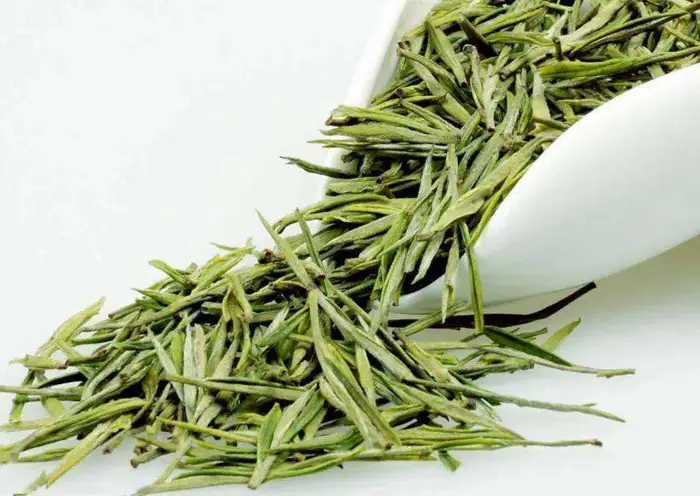
The dried leaves of Junshan Yinzhen Tea are like straight needles. It is in golden color and covered with white pekoe, thus renowned as the “gold inlaid with jade”. When brewing, the tea will slowly rise and fall in the glass for three times, just like dancing, so it is also called “dancing tea”.
Usually, the tea soup is bright orange-yellow and tastes fresh, mellow and sweet, with a distinct aftertaste. The gentle oxidation process of yellow tea can create compounds that are beneficial to the stomach. The antioxidants and digestive enzymes help a lot after a big meal.
This famous Chinese tea is one of the few authentic yellow teas. It goes through a unique and meticulous “men huang” process. In this process, the tea leaves turn yellow by the accumulation of moist heat after being pan-fried, rolled or initially baked. The needle-shaped buds slowly rise and fall in the glass.
How to Brew:
- Use water at 75-80°C. The buds are sensitive to high heat.
- Prepare a clear glass, put 3-5 grams of buds in it, and pour water slowly.
- Junshan Yinzhen Tea can only be brewed 2-3 times.
7. Qimen Hong Tea – Keemun Black Tea
- Type: Black Tea
- Origin: Qimen County, Anhui Province
- Flavor Profile: Fruity, flowery, sweet.
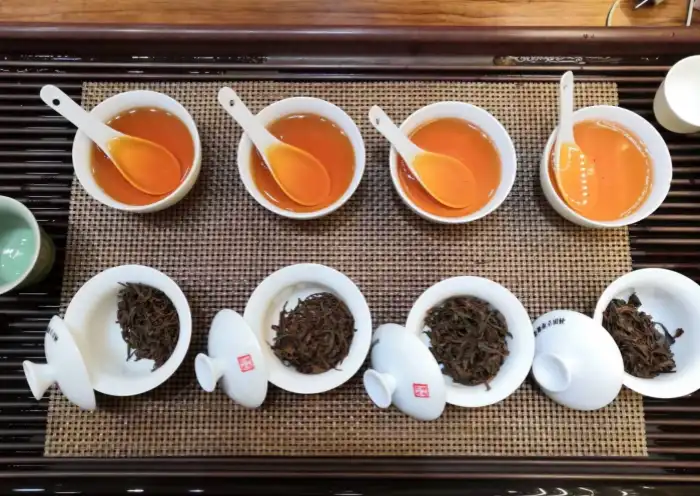
In the late 19th century, Qimen Hong Tea started its place in the export market and was beloved by the West. Now it is still exported widely to the West and is considered as one of the world’s top three high aroma black teas. The most famous and unique of the tea is its floral, wine-like aroma. It shows the elegant and aromatic side of black tea. Its texture is smooth and its taste is mellow and sweet. It is a fully oxidized tea. The flavonoids and other antioxidants are good for heart health. It also helps soothe the stomach.
The production process is composed of initial processing and refining processing. Over 10 procedures are included in the refining stage and require much efforts. So it is often called “Kungfu Black Tea”.
How to Brew:
- The water temperature should be at 90-95°C.
- You should pre-warm a teapot or cup. One spoon of tea leaves for 200 ml of water. Pour the water over the leaves and steep for 3-5 minutes.
- It can only be brewed 2 times.
8. Lu An Gua Pian – Lu’an Melon Seed Green Tea
- Type: Green Tea
- Origin: Lu’an City in Anhui Province
- Flavor Profile: Fresh, nutty, sweet, mild
Lu An Gua Pian is one unique Chinese green tea. It is the only tea made from the mature and fleshy leaves, unlike most green tea with buds and one or two leaves. So you can see it has flat green leaves resembling melon seeds.
The leaves are put on a pan and roasted over a charcoal fire for several times. This makes it have a mild and refreshing flavor and generate a unique “white frost” on the surface. Meanwhile, the tea is easier to preserve. Usually, the high-quality tea will also have a mellow aroma similar to that of roasted chestnuts.
Lu An Gua Pian is also rich in antioxidants like catechins. Traditional Chinese Medicine believes that its “cooling” properties can clear the excess heat in the body away.
How to Brew:
- Use water at 80-85°C.
- Place 3-5 grams of leaves in a glass or Gaiwan and pour hot water.
- It can be brewed 2-3 times.
9. Baihao Yinzhen (Silver Needle White Tea)
- Type: White Tea
- Origin: Fuding, Fujian Province
- Flavor Profile: Subtle, sweet, fresh
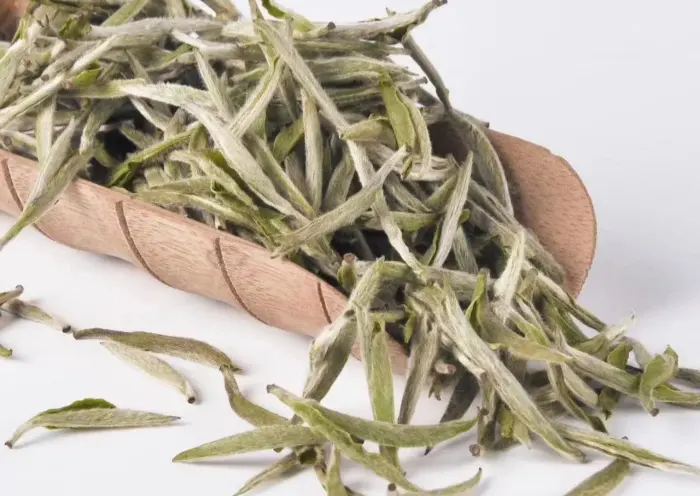
Baihao Yinzhen is the most premium Chinese white tea. It got the name because its appearance is like a needle and each bud is covered by dense, silvery-white down. After brewing, you will smell a delicate floral fragrance.
The tea is made from unopened buds in early spring. And its process just contains natural withering and drying. This indicates that the tea is delicate, light, and full of antioxidants.
The antioxidants, such as catechins and polyphenols, can boost immunity and help anti-aging. The low caffeine content gives it a property of mildness and calm.
How to Brew:
- The tea leaves are tender so the water temperature should be at 75-80°C.
- Place 3-5 grams of tea leaves in a glass or Gaiwan and power the water over the leaves.
- High-quality Baihao Yinzhen can be brewed 2-3 times.
Feel free to contact us to customize your Fujian tour with an opportunity to savor the treasured Baihao Yinzhen tea.
10. Pu’er Tea – The Aged Dark Tea of Yunnan
- Type: Dark Tea
- Origin: Yunnan Province
- Flavor Profile: Rich, earthy flavor
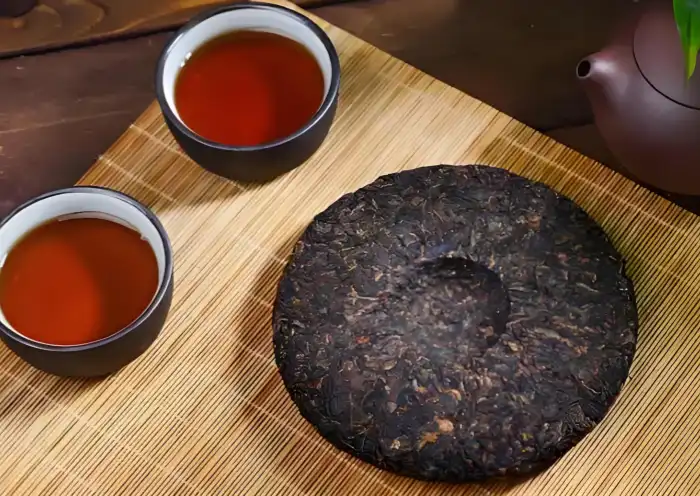
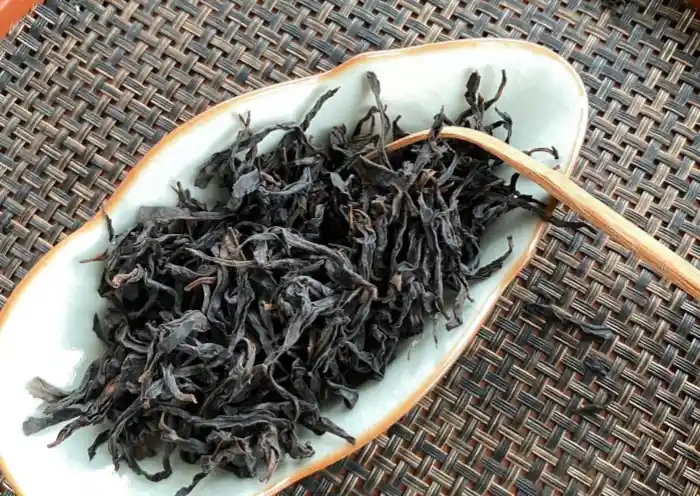
Pu’er Tea is a unique fermented dark tea and enjoys hundred years of history. It has two main forms: Sheng (Raw/Ripe) and Shou (Ripe/Cooked). The raw tea has a strong taste and an obvious sweet aftertaste, while the ripe tea has a mellow and rich taste. The common shapes are loose tea, cake tea, brick tea, etc. It also has a special characteristic, that is, the longer it is preserved, the better the quality is.
Pu’er Tea is a unique fermented dark tea and enjoys hundred years of history. It has two main forms: Sheng (Raw/Ripe) and Shou (Ripe/Cooked). It is known as a Chinese weight loss tea.
How to Brew:
- Use water at 100°C.
- Break off a piece of the tea cake and rinse it with boiling water for 1-2 seconds.
- Discard the water and steep those leaves for 5-20 seconds in a Gaiwan.
- Pu’er Tea can be brewed 10-15 times.
Recommended Yunnan Pu’er Tea Tour:
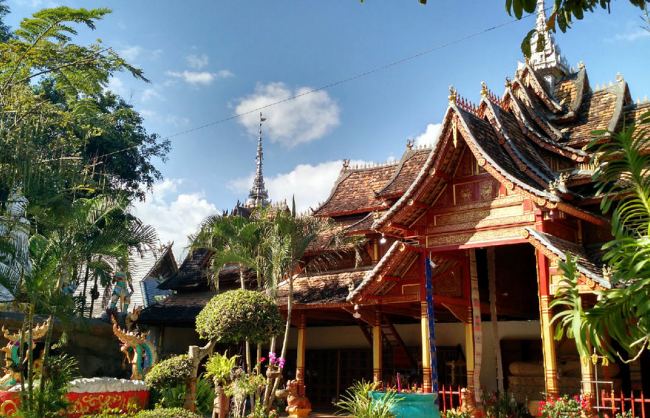
Sleep in a tree house surrounded by animals in Pu'er, explore the Tea-horse Ancient Road heritage, and learn coffee production at Xiaowazi Coffee Manor with your family.
FAQs about Chinese Tea
What is the most popular tea in China?
Longjing (Dragon Well) and Tieguanyin (Iron Goddess of Mercy) are beloved by Chinese because of both the excellent taste and the profound culture.
What is the most unique Chinese tea?
Pu’er Tea is the most unique. One reason is that it is unique to Yunnan Province. Another reason is its post-fermentation processing techniques and storability.
What is the most luxurious tea in China?
Pu’er Tea is the most unique. One reason is that it is unique to Yunnan Province. Another reason is its post-fermentation processing techniques and storability.
What is the significance of the “Six Classes of Chinese Tea” (六大茶类), and which classes contain the most luxurious varieties?
The teas are categorized by their level of oxidation and the type of processing in the “Six Classes of Chinese Tea”. It lays a foundation for people to understand Chinese tea.
The most luxurious varieties are
- OolongTea: Da Hong Pao, Phoenix Dan Cong
- White Tea: Baihao Yinzhen
- Dark Tea: Pu-erh Tea
What are the recommended specialized brewing methods for properly appreciating a luxury loose-leaf tea?
The most recommended method is the Gongfu Cha.
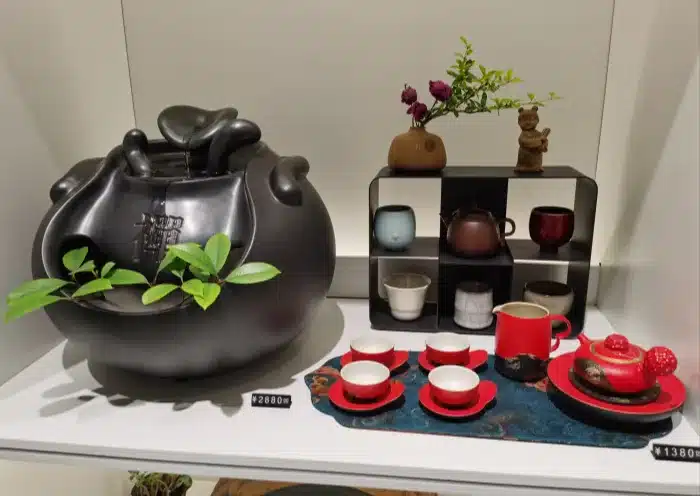
Teaware includes teapots, tea cups, a tea pitcher, and a tea tray.
The process of Gongfu Cha: Rinse the leaves → Steeping → Serving → Taste the tea.
Sip Authentic Chinese Tea with China Xian Tour
Contact us to start an immersive tea culture exploration in China. With over 20 years of expertise in crafting personalized China tours, our travel consultants can offer you visits to scenic tea plantations, or local tea factory and workshop. You can expect to learn and join the process of picking and making tea, see the authentic Chinese tea ceremonies. More than that, China Xian Tour can seamlessly combine a tea culture experience with many other local experiences based on your preferences and requirements. Don’t hesitate, start your memorable China trip now.