
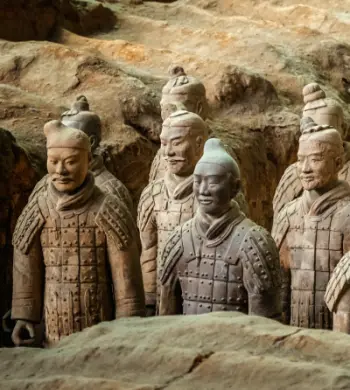



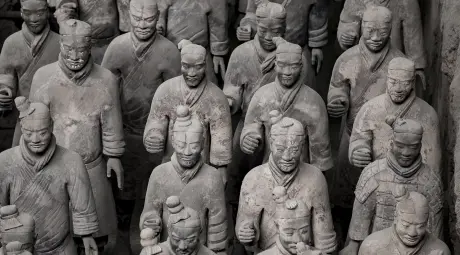

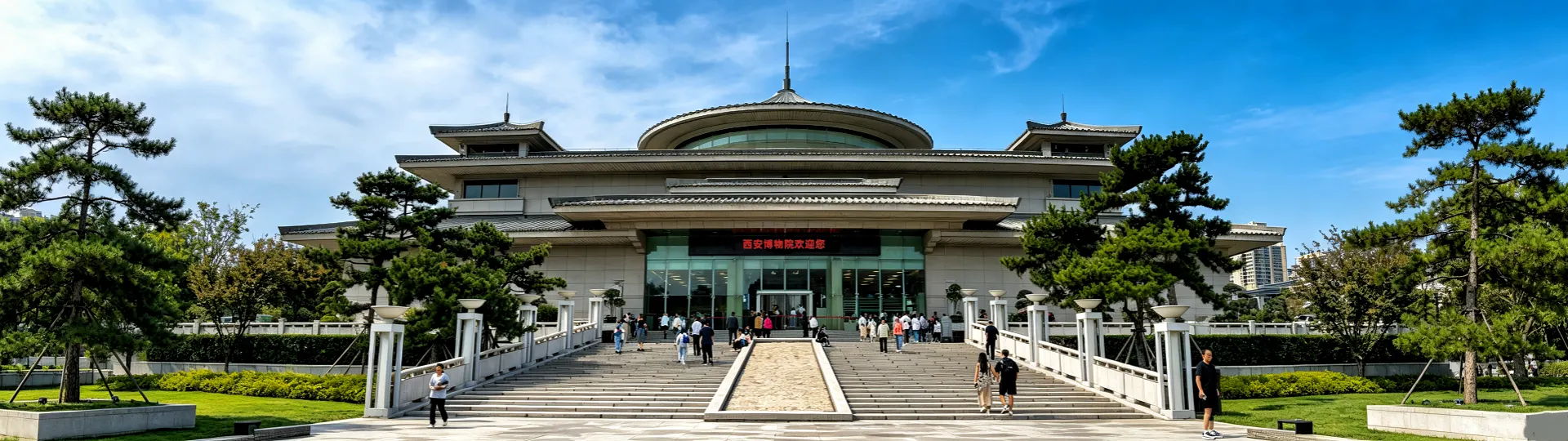
When people visit Xi’an for the first time, the Terracotta Army and City Wall usually top the list, while Xi’an Museum tends to get overlooked. But Xi’an Museum is well worth considering if you’re into history and want somewhere a little quieter to slow down and look around.
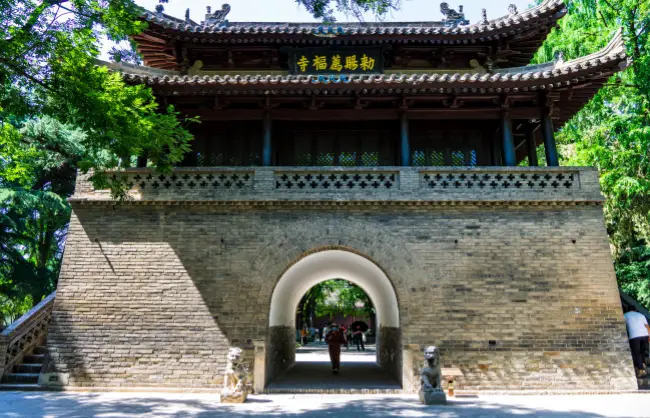
Besides, it also works as a convenient stop on a Xi’an trip. The museum, Small Wild Goose Pagoda, and Jianfu Temple are all in the same area, so you can see them together without spending half the afternoon in traffic.
A good way to do it is to visit Xi’an Museum and the pagoda in the afternoon, then make your way to Yongning Gate for the City Wall. It’s a simple half-day plan that leaves you plenty of time to enjoy each spot.

Content Preview
- Is Xi’an Museum Worth Visiting?
- What to See at Xi’an Museum
- How Long Do You Need at Xi’an Museum?
- Why Visit the Small Wild Goose Pagoda Together?
- Useful Information for Visiting Xi’an Museum
- Xi’an Museum vs. Shaanxi History Museum: What’s the Difference?
- Visit Xi’an Museum with China Xian Tour
Xi’an Museum at a Glance
Details |
Visitor Information |
English Name |
Xi’an Museum |
Chinese Name |
西安博物院 |
Admission |
Free; advance booking is currently required. Reservation dates and policies may change |
Opening Hours |
8:30–18:00; last entry at 17:00. Hours may change during summer and public holidays. |
Time Needed |
About 1.5–2 hours for Xi’an Museum; 2–3 hours with the Small Wild Goose Pagoda and Jianfu Temple |
Nearby Attractions |
Small Wild Goose Pagoda, Jianfu Temple |
Nearest Metro Station |
Nanshaomen Station |
Suggested Combination |
Xi’an Museum + Small Wild Goose Pagoda + Xi’an City Wall at Yongning Gate |
Is Xi’an Museum Worth Visiting?
Yes, especially if you want your experience in Xi’an centered around history and museums, or you simply plan to explore more of the city in a 2- to 3-day itinerary.
Xi’an Museum is quieter and easier to take at your own pace than some of the city’s more crowded sights. It is also easy to combine with nearby sights in the same area.
After visiting the museum, you can continue to the Small Wild Goose Pagoda and Jianfu Temple, and the gardens are all in the same area, so you can see all of them in one go. If you only have one day in Xi’an, we’d suggest putting the Terracotta Army and City Wall first. With 2–3 days, though, Xi’an Museum is an easy one to add to your second or third day.
If you haven’t decided how many days to stay in Xi’an and want to check more details, take a look at our Xi’an travel guide.
What to See at Xi’an Museum
You don’t have to see every single gallery at Xi’an Museum to get something out of your visit. If it’s your first time visiting Xi’an, take it easy and spend more time on the exhibits that truly catch your interest.
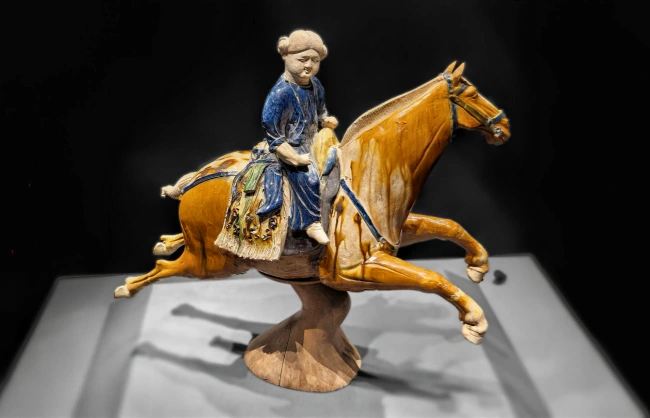
The museum houses a mix of pottery, porcelain, Buddhist statues, jade, calligraphy, and paintings. The Han and Tang Dynasty pieces are a good place to start. Beyond focusing on Qin Dynasty history, you’ll also get to know Chang’an during the Han and Tang periods and see how the city changed over the centuries.
Keep an eye out for the Buddhist art and exhibits related to everyday life in ancient Chang’an, too. If you’ve just been to the Terracotta Army, the museum is where you see a different side of the city’s history.
How Long Do You Need at Xi’an Museum?
For the museum itself, allow about 1.5–2 hours. If you also plan to visit the Small Wild Goose Pagoda and Jianfu Temple, give around 2–3 hours to this trip. That allows you enough time to look around without having to rush from one stop to the next.
Why Visit the Small Wild Goose Pagoda Together?
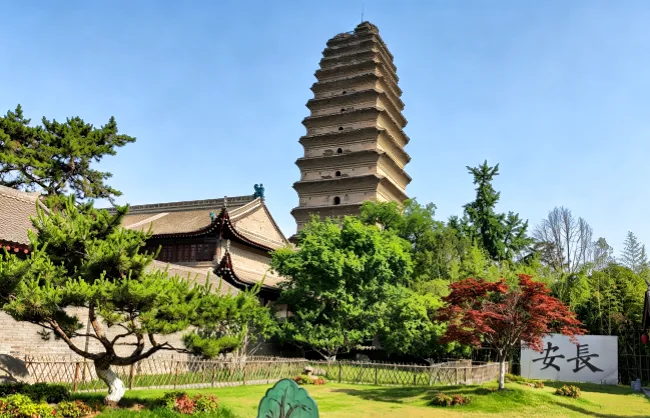
Many visitors pair the Small Wild Goose Pagoda with Xi’an Museum because the two are so close to each other. After having a museum visit, just outside, you’ll find a Tang Dynasty pagoda that has stood here for more than 1,300 years.
Start with the museum, then take your time walking around the pagoda and the courtyards. There’s no need to get back in a car or rush off to the next attraction.
A Tang Dynasty Landmark on the Silk Road
The Small Wild Goose Pagoda dates back to the Tang Dynasty, when Chang’an was an important city on the Silk Road. Merchants, envoys, and Buddhist monks came here from different places, bringing different cultures and ideas that shaped life in the city.
Today, the pagoda is part of the Silk Roads World Heritage Site. At more than 1,300 years old, it has also witnessed the long history of contact between Chang’an and the outside world.
The Small Wild Goose Pagoda has Survived Earthquakes
The pagoda has not survived untouched. The 1556 Huaxian earthquake once caused serious damage to the pagoda, including the loss of its top two levels. That’s why the pagoda you see today is not as tall as it was originally.
Historical records also mention cracks appearing in the pagoda and later closing again. This became known as “three cracks and three closures.” Once you know the story, it’s hard not to look a little closer when you are exploring the pagoda.
The Famous “Wild Goose Pagoda Morning Bell”
The morning bell is a defining memory of old Xi’an that still echoes in the city today.
You can’t climb the Small Wild Goose Pagoda today, but you can see it from the outside and walk around Jianfu Temple and the courtyards.
How to Combine Xi’an Museum With Xi’an City Wall
If you want to fit both spots into the same afternoon, a simple route is:
Xi’an Museum → Small Wild Goose Pagoda → Yongning Gate → Xi’an City Wall
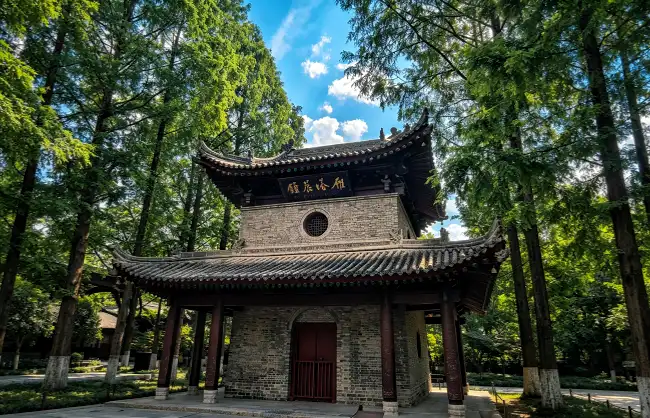
Start with the museum in the afternoon, then walk over to the Small Wild Goose Pagoda and Jianfu Temple. On a nice day, continue to Yongning Gate before evening and go up onto the City Wall. You can stay there through sunset and see the old city light up after dark.
If you’re not ready to call it a night, Xiangzimiao Street and Defu Alley are close to Yongning Gate. They’re good places to stop for a coffee or a meal after the City Wall.
If this is your first-time visiting Xi’an City Wall and you aren’t sure which gate to use or when to visit, see our Xi’an City Wall guide for more practical tips.

Useful Information for Visiting Xi’an Museum
Xi’an Museum Tickets and Booking for International Visitors
Xi’an Museum currently has no entrance fee, but advance booking is required. If you’re visiting from overseas, do have your passport information ready and check the latest booking process and entry hours before you go.
Weekends, public holidays, and the summer season tend to be busier, so it’s better not to leave your booking until the day of your visit.
If you travel with China Xian Tour, we can check the latest information and booking arrangements for Xi’an Museum and Small Wild Goose Pagoda in advance, then plan the day around your reservation time.
How to Get to Xi’an Museum
It’s quite easy to get to Xi’an Museum, since it’s right in the city. For independent travelers, taking the metro to Nanshaomen Station is a straightforward option, followed by a walk to the museum. If you’re staying around the Bell Tower or Yongning Gate, taking a taxi also works well.
One small tip here: save the Chinese names “西安博物院” and “小雁塔” on your phone before you go. They’ll come in handy when you’re getting a ride or asking for directions.

Xi’an Museum vs. Shaanxi History Museum: What’s the Difference?
Both museums offer a good look at Xi’an’s history, but they feel quite different once you’re there.
Generally speaking, Shaanxi History Museum is bigger and more famous, though getting a reservation on busy dates can be tough. Xi’an Museum is smaller, so it’s easier to take your time without feeling like you have to cover a huge space.
Another big plus of Xi’an Museum is the location. You can visit the museum, Small Wild Goose Pagoda, and Jianfu Temple in one go, then continue to the City Wall.
Already have a ticket for Shaanxi History Museum? Go with that; it’s certainly a nice place to visit. If you prefer a slower half-day and want to link a museum with a pagoda and the City Wall, Xi’an Museum is an easy choice.

Visit Xi’an Museum with China Xian Tour
Xi’an Museum fits easily into a half-day in central Xi’an, especially when paired with the Small Wild Goose Pagoda. There’s no need to give it a full day, and you’ll still get a rewarding experience.
China Xian Tour can work around your dates, where you’re staying, and what you want to see, so you don’t spend half the day doubling back.
If you have 2–3 days in Xi’an, Xi’an Museum and the Small Wild Goose Pagoda are well worth half a day for a quieter look at the city’s history beyond the Terracotta Army.


