

6-Day Xining to Lhasa Train Tour via the Qinghai-Tibet Railway
Tour Overview
Combining natural wonders, a scenic train trip and cultural landmarks, this 6-day Xining to Lhasa tour brings landscapes and sacred heritage of Xining and Lhasa.
Soothe your mind with the tranquil natural beauty of Qinghai Lake. On the train journey along the Qinghai-Tibet Railway, feast your eyes on the ever-changing landscapes of snow-covered peaks and grasslands, and encounter local wildlife.
In Xizang, delve into Tibetan culture at Potala Palace, Jokhang Temple and Sera Monastery as well as experience local life on Barkhor Street.
Travel destinations: Xining, Lhasa
Suitable for: Nature and Culture Lovers, First-Time Visitors to Tibet
Tour type: Private
Tour at A Glance
|
Day
|
Destination
|
What to See & Do
|
|
1-2
|
Xining
|
Breathtaking lake views of Qinghai Lake Erlangjian Scenic Area
|
|
3
|
Qinghai-Tibet Railway
|
A scenic train journey from Xining to Lhasa via Kekexili Nature Reserve
|
|
4-6
|
Lhasa
|
Tibetan cultural exploration at Potala Palace, Jokhang Temple & Sera Monastery and a taste of local life at Longwantan Park and Barkhor Street
|
Highlights of this tour
Stroll along the wooden plank boardwalks and take in the stunning views of lake, snowy mountains and sand dunes at Qinghai Lake Erlangjian Scenic Area.
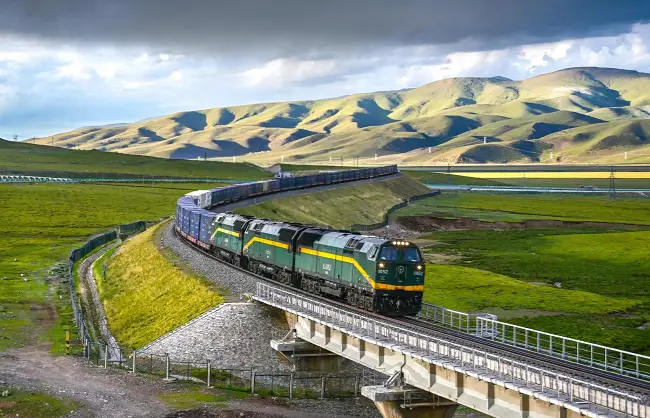
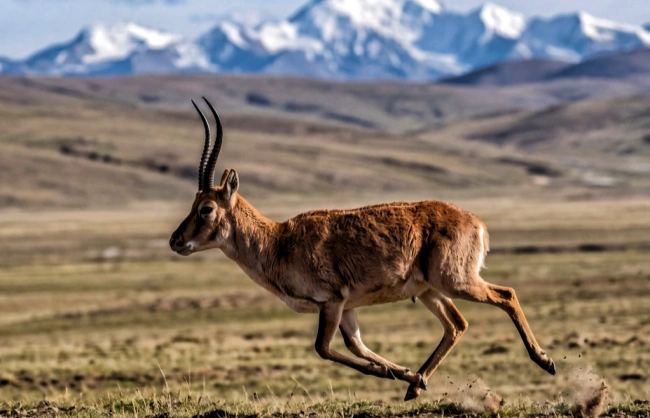
Enjoy the scenery of the Qinghai-Tibet Plateau and spot wildlife like Tibetan antelopes when travelling through Kekexili Nature Reserve during the scenic train journey from Xining to Lhasa.
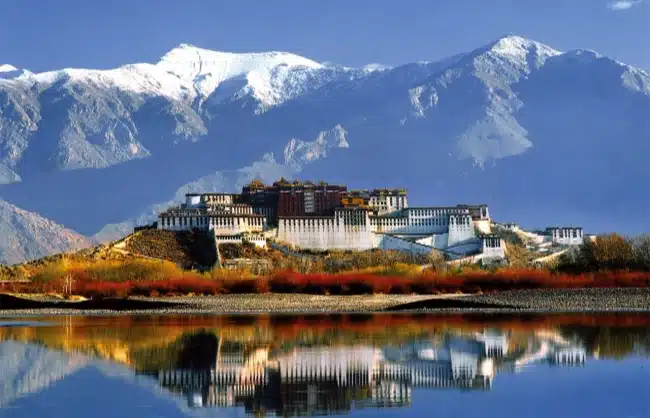
Discover the ancient murals, Buddha statues and Thangkas preserved in the sacred halls of the Potala Palace, a UNESCO World Heritage Site.
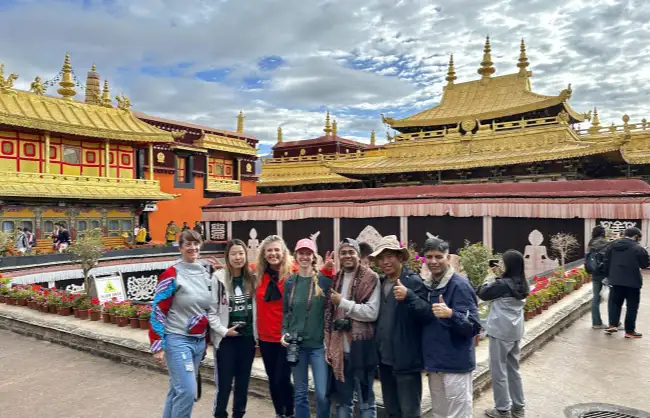
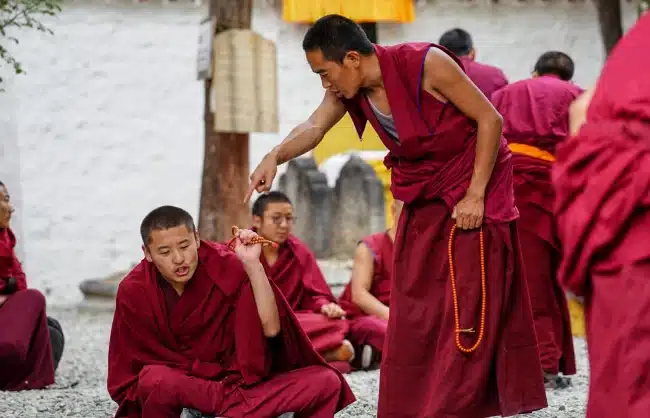
Witness the traditional monk debates at Sera Monastery and admire one of Tibet’s most sacred Buddhist sites — Jokhang Temple.
Day-by-day Itinerary
- Day 1: Xining Arrival
Xining, the capital of Qinghai Province, is the first stop of your 6-day Xining to Lhasa train tour. Upon arrival, the local guide and the driver will be waiting for you outside the arrivals hall and transfer you to your downtown hotel for check-in.
Transportation Tips: Xining Airport operates direct flights from key cities like Beijing, Shanghai, Xi’an, Chengdu, and Guangzhou. Visitors from nearby cities like Lanzhou, Xi’an, or Zhangye can also take a train to Xining.
Optional Night Activities:
Savor various snacks at Mojia Street Night Market and experience local food culture and laid-back city vibes. Niangpi Cold Noodles, Yak Yogurt, Sweet Fermented Highland Barley and Hand-Grabbed Lamb are all must-try specialties.
- Day 2: Xining to Qinghai Lake & Train to TibetImmerse Yourself in Picturesque Scenery of China’s Largest Inland Saltwater Lake
Depart Xining for the Erlangjian Scenic Area of Qinghai Lake after breakfast. The journey covers approximately 150 km and takes about 2.5 hours, passing through Huangyuan and Riyue Mountain along the way.
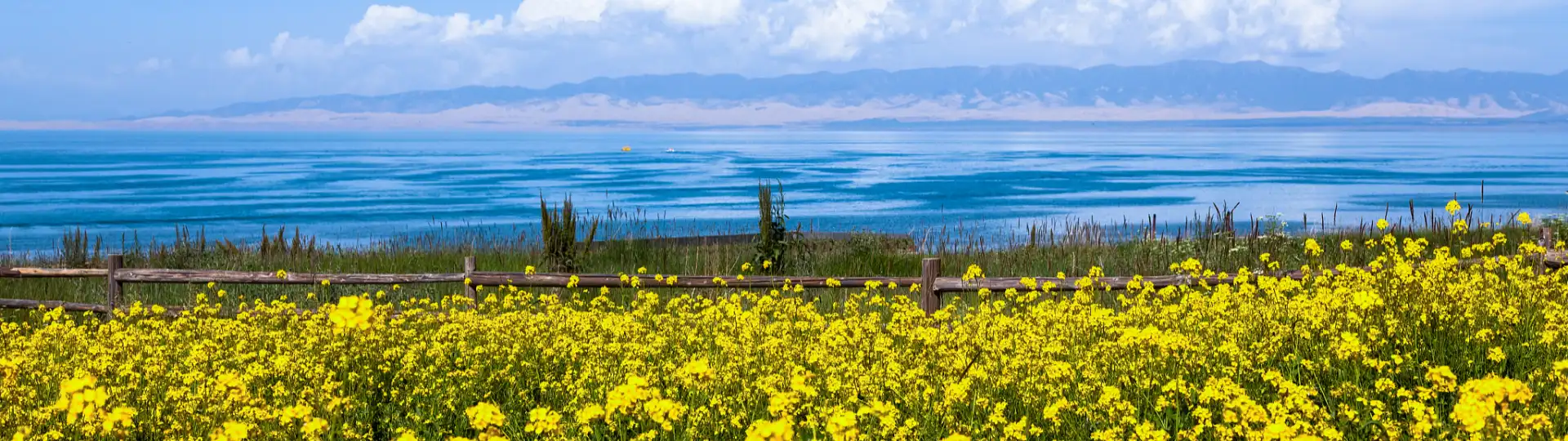
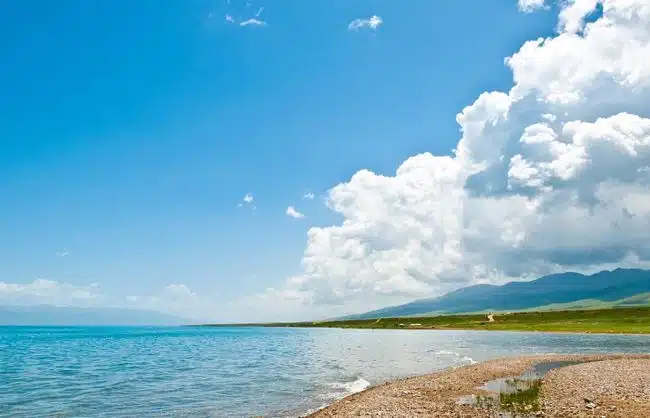
With an area of over 4,500 sq km, Qinghai Lake is China’s largest inland saltwater lake. Holding deep spiritual significance in Tibetan Buddhist culture, it also draws devotees to make a pilgrimage or perform a ritual circumambulation around the lake.
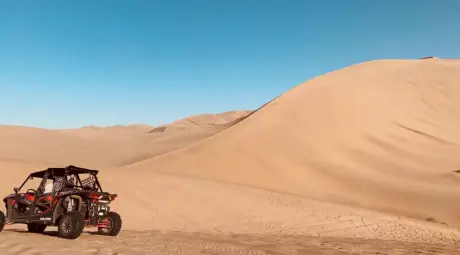
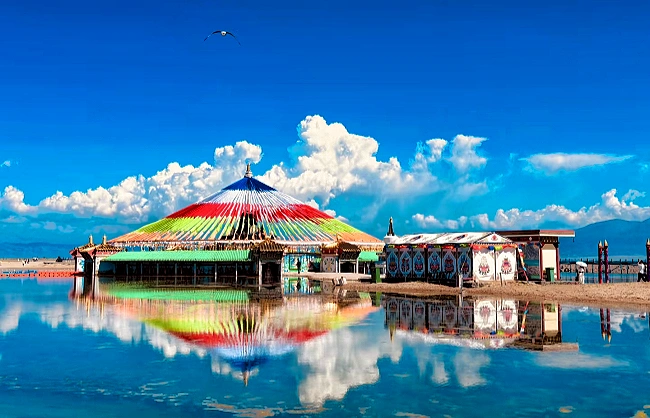
Erlangjian is one of the lake’s main scenic areas. Its long, narrow peninsula extends into the water, offering a prime point for lake views. Stroll along the wooden boardwalks and enjoy expansive lake, snow-capped mountains and sand dunes.

Qinghai Lake with blue waters and sky Travel Tips:
From the visitor center to the Erlangjian Peninsula, visitors need to take the internal shuttle. You can choose either a combination of boat and sightseeing bus, or the sightseeing bus for the entire journey. (Note: If boat service is suspended due to weather, only sightseeing bus is available for the entire round-trip.)
Return to Xining by car after the trip and board your overnight train to Lhasa in the evening.
Notes:
- Qinghai Lake is open year-round, but the most comfortable travel season is typically from May to October.
- The sun is very strong at Qinghai Lake, so remember to bring a hat, sunglasses, and sunscreen.
- The lake sits at an altitude of about 3,200 meters. Please avoid strenuous activities if it's your first time traveling to high-altitude areas.
- Day 3: Tibet Train Tour & Lhasa ArrivalEnjoy a Scenic Train Journey and Feast Your Eyes on Ever-Changing Landscapes
The train will pass through Delingha and Golmud overnight. As daylight breaks, the vast and breathtaking plateau scenery along the Qinghai-Tibet Railway gradually unfolds before your eyes.
Then, travel through the Kekexili Nature Reserve, a protected area renowned as the habitat for rare wildlife such as Tibetan antelopes, kiangs and yaks. You will have great opportunities to spot these animals.
Upon arrival at Lhasa Railway Station, meet your guide at the exit and take a private car to your hotel in the city center. No activities are scheduled for the rest of the day. We highly recommend you get some rest, allowing your body to gradually acclimate to the high altitude.
Tibetan antelopes in Kekexili Nature Reserve Health & Altitude Tips for Your Tibet Journey:
Oxygen supply facilities are available on the train. If you feel unwell during the trip, don't hesitate to seek assistance from the train staff.
After arriving in Lhasa, avoid strenuous activity, get plenty of rest, and keep warm.
If you experience significant or ongoing discomfort, please inform your guide immediately and seek medical attention.
- Day 4: Lhasa City HighlightsWalk Through Sacred Places and Step into a Vibrant Street
Your today's guided exploration of Lhasa begins at the Potala Palace. Originally commissioned by Songtsen Gampo in the 7th century, the existing architecture was largely built in the 17th century and was listed as a UNESCO World Heritage Site in 1994.
Perched on Marpo Ri (Red Hill), it consists of the White Palace and the Red Palace. Inside, there are several palaces, halls, and prayer rooms, housing a vast collection of murals, statues, and thangkas.
Take a short stroll in Longwantan Park, a beloved city park for locals to unwind. If you visit on a clear day, do not forget to capture the picturesque view of the Potala Palace and its reflection in the lake.
Continue your trip to the Jokhang Temple. Also dating back to the 7th century during the reign of Songtsen Gampo, the temple is closely tied to the introduction of Buddhism and the historic marriages of King Songtsen Gampo to Princess Wencheng of the Tang Dynasty and Princess Bhrikuti of Nepal.
The statue of the 12-year-old Sakyamuni Buddha enshrined here is the spiritual heart of Tibetan Buddhists and a primary pilgrimage destination for devotees visiting Lhasa.
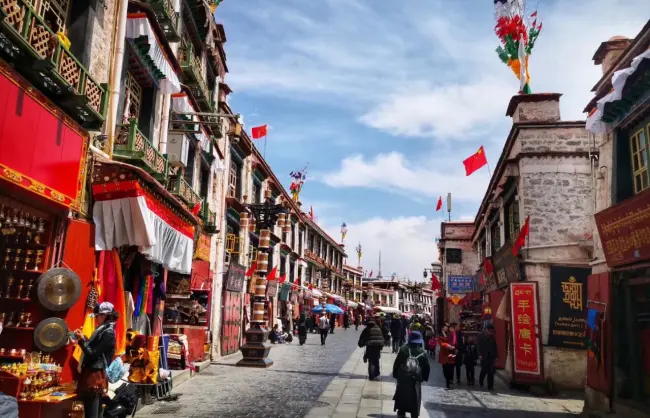
Bustling Barkhor Street with pilgrims and shops Barkhor Street, encircling the temple, is one of Lhasa's most important pilgrimage routes and a vibrant old town district. Shops here sell Tibetan incense, thangkas, jewelry, carpets, and religious artifacts. You'll witness devotees performing the ritual kora clockwise along the street.
Etiquette Tips:
- Lhasa has strong ultraviolet radiation; please remember to wear a hat and sunglasses outdoors.
- Remove your hat when entering temple halls and respect local religious customs.
- Taking photos is prohibited in most temple halls. Please follow signs and your guide's directions.
- Always keep your original passport with you during the tour.
- Day 5: Lhasa's Major Cultural SitesTrace Tibet's Living Heritage and Witness Centuries-old Monk Debates
As the largest comprehensive museum in the Tibet Autonomous Region, Tibet Museum houses an extensive collection, including thangkas, Buddhist statues, handwritten scriptures, textiles, and a variety of archaeological artifacts.
Proceed to Norbulingka Park. First built in the mid-18th century, it served as the summer palace of successive Dalai Lamas and is now a UNESCO World Cultural Heritage Site.
The park is an important venue for festive celebrations in Lhasa. During the annual Shoton Festival, it hosts traditional Tibetan opera performances.
Sera Monastery was founded in the 15th century and is one of the three great monasteries of the Gelug school of Tibetan Buddhism. It is renowned for its lively tradition of monk debates. (Note: The debate schedule is subject to change due to religious festivals or special ceremonies.)
Optional Night Activity: You can watch the large-scale outdoor spectacular live show Princess Wencheng at your own expense. It is usually performed during the warmer months. Exact dates and schedules vary by season, so please check the latest information in advance.
Traditional debate among monks at Sera Monastery, Tibet Tips:
Please keep quiet when visiting monasteries and respect the local rules and order.
Considering the dry climate in Lhasa, we recommend carrying enough drinking water at all times.
- Day 6: Lhasa Departure
Today is free for you with no scheduled group activities. The driver will pick you up at the hotel based on your flight or train schedule and escort you to Lhasa Gonggar Airport or Lhasa Railway Station. Your 6-day Xining to Lhasa tour comes to an end.
Departure Note: Both international and domestic flight schedules in Lhasa vary by season. If you wish to check the latest information, feel free to contact us at any time.
Tour Price Per Person
The price varies depending on the activity, number of people, travel date, and selected hotel. Please contact us for a specific price.
Accommodation for This 6-Day Xining to Lhasa Train Tour


For your China private tour, the choice is in your hands: you can select luxury 5-star hotels for unparalleled comfort, cozy 4-star accommodations, or value-for-money 3-star options.
All our partner hotels are handpicked for their prime locations, conveniently situated near bustling commercial areas. Every room is equipped with standard amenities like air conditioning, hot water, 24-hour showers, reliable Wi-Fi, and windows for natural light.
In some hotels, there are English-speaking staff who are committed to providing attentive service. Should you have any special requests, feel free to ask - they are always ready to assist.


