
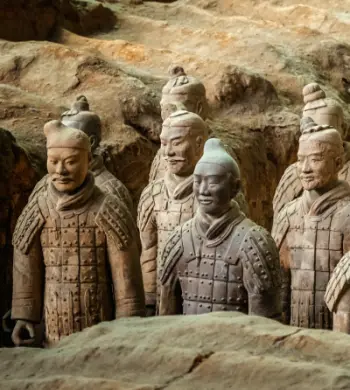


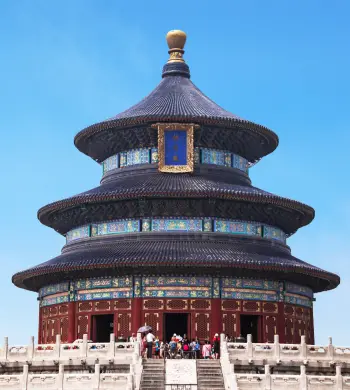
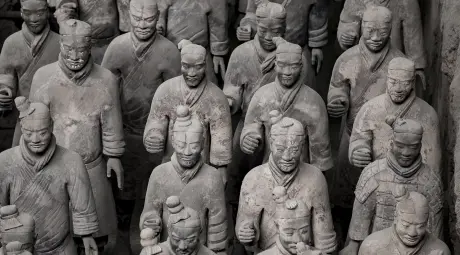


The best times to visit China are spring and autumn if you are seeking the balance of pleasant weather, stunning natural beauty and fewer crowds.
To be specific, late September to late October is the most preferred period when the extreme heat of summer and the typhoon period have completely eased, and autumn colors in northern China also come to peak.
April to May comes second, when temperatures are as comfortable as in autumn. Though there may be occasional dust storms or humidity, spring brings a remarkable vitality.
That said, there is never just one “best time” to embark on a China tour. You will find all seasons to be enjoyable in the diverse landscapes of China.

Content Preview
- When Is the Best Time to Visit China?
- What If Summer or Winter Is Your Only Option?
- Best Destinations in China by Season and Month
- Travel with China Xian Tour to Maximize Your China Journey
When Is the Best Time to Visit China?
When to Visit for Comfortable Weather and Scenic Beauty?
The exact answer may vary based on your travel destinations. But, April to May and September to October are generally the most comfortable times to visit most areas of China.
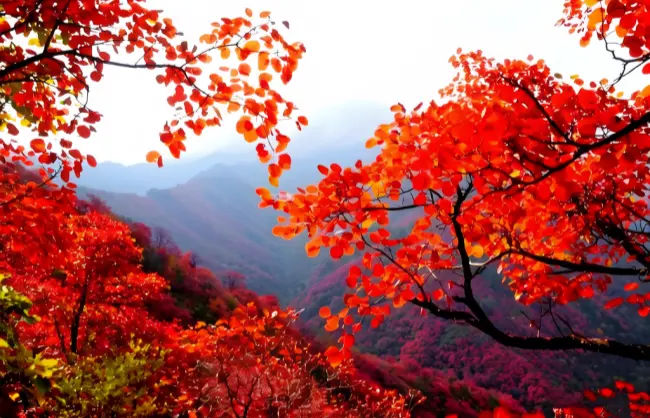
The autumn months from September to October offers the finest weather of the year in most areas. Temperatures typically range around 10–24°C and humidity remains at a comfortable level. The excellent visibility makes it the ideal time to enjoy the brilliant autumn foliage in Beijing, golden forests and colorful lakes in Xinjiang and Inner Mongolia, and refreshing landscapes in the Jiangnan area.
April to May is also charming. Temperatures gradually rise in most parts of the country (typically around 12–25°C), bringing blooming flowers and vibrant landscapes. Northern China sees more clear skies while southern China may experience occasional showers around the Qingming Festival.
Good to know:
It’s highly recommended to avoid the Labor Day Holiday (May 1-5) and National Day Holiday (October 1-7) when all attractions are crowded, and hotels and flights are at their most expensive.
Best Time to Visit Popular Destinations in China
As mentioned above, the best time to visit China may vary based on your destination. To help you plan your China trip more effectively, the following table just highlights the best times to visit specific destinations.
Destination |
Best Time |
Highlights |
Avoid |
Beijing |
Apr–May, Sep–Oct (top pick) |
. Blossoms . Autumn foliage . Low haze . Ideal for Great Wall hiking |
Jul–Aug, up to 38°C |
Xi’an |
Apr–May, Sep–Oct |
. Comfortable for City Wall cycling . Blossoms . Clear visibility |
. Early spring with more sand wind; . July to August up to 35°C+ |
Shanghai |
Apr–May, Oct–Nov |
. No sticky humidity
. Ideal for old town strolls and night views of the Bund . Temperatures range around 15–25°C |
. plum rain season from June–mid-July
. July–Aug extreme muggy heat |
Zhangjiajie |
Apr–Jun, Sep–Nov |
. More frequent cloud sea in spring
. Streams full of water . Clear weather in autumn . Comfortable hiking temperature |
July–Aug: more heavy rain |
Huangshan |
Late September–October, April–May, Winter special: Dec–Feb |
. Autumn: peak beauty with colorful forest against pines, low rainfall, frequent sea of clouds, moderate temperature
. Spring: Azalea wildflowers, fresh air . Winter: Rare rime ice & snow pines, sea of clouds are most frequent, quiet snowy peaks |
July–August: large crowds and high temperature |
Chengdu |
Mar–Apr, Oct–Nov |
. Giant pandas are more active outdoors
. Comfortable weather for explore city highlights and hiking surrounding Qingcheng Mountain and Dujiangyan.
|
Jul–Aug: sweltering humid heat |
Guilin |
Apr–May, Sep–Oct |
. Water level is perfect for cruise or bamboo rafting.
. Comfortable for cycling and hiking around |
June–August: More heavy rain |
Yunnan |
Varies by region |
. Dali, Lijiang, Kunming: March–May & September–November
. Shangri-La: June–October . Xishuangbanna: November–April (dry season) |
July–August: rainy season for northwest Yunnan |
Silk Road |
September–October, May–August |
. Dry, cool, low sandstorms in autumn
. Jun–Aug is ideal for visit northern Xinjiang for lush grassland |
Apr–May: occasional sandstorms in Gansu & desert areas
Nov–Mar: freezing cold in Xinjiang |
Tibet |
Jun–Sep, March–April |
. Summer: Highest oxygen content, comfortable temperature, roads fully open to Namtso & Everest Base Camp
. Mar – Apr: peak time for Nyingchi peach blossom |
Nov–Feb: cold, some mountain highways closed |
Hong Kong |
October – November, March – April |
mild temperatures, pleasant outdoor experiences, clear views from Victoria Peak, harbour cruises and hiking trails |
Jun – Sep: Extremely hot & humid, more thunderstorms and typhoon risks |

Marvel at Zhangjiajie's towering sandstone pillars that inspired Avatar and Guilin's iconic karst peaks along the Li River on this two-week scenic adventure.
When to Visit to Avoid Crowds?
A clever idea to avoid large crowds in China is to travel before or after all busy holidays.
The three quietest periods are:

- Late February to mid-March (after Chinese New Year): The Spring Festival travel rush has fully ended, and most domestic tourists have returned to work or school.
- November: Offers a great balance of low crowds and mild weather. Large crowds for autumn foliage has thinned out. Most parts of northern China are still not freezing, and southern China remains comfortable.
- Early December (before Christmas and New Year holidays): One of the quietest periods of the year, when some mountains and cultural sites are nearly empty.
Periods with moderately few crowds and mild weather:
- Late April – Late May (exclude May 1-5): Summer heat and school vacation haven’t arrived
- Mid-September – September 30: Far fewer people than the summer holiday and National Day Holiday. Offers crisp air.
- June: Less crowded and hot than July and August.
Good to know:
- You’d better avoid weekends of these periods as local crowds may rise slightly.
- Chinese New Year (late Jan–mid-Feb),Labor Day (May 1–5), National Day Golden Week (Oct 1–7), and July – August are the busiest times you should avoid to escape extreme crowds nationwide.
- Sanya, Xishuangbanna, Harbin and other destinations in Northeast China don’t align with the general best travel window. Their peak time usually falls between December and February for snowy landscapes or escaping winter cold.

When is the Cheapest Time to Go to China?
The cheapest time to visit most inland destinations, such as Beijing, Xi’an, Chengdu, Tibet, generally coincides with their low seasons, including Nov, Jan, late Feb–Mar.
The cheapest times to Harbin and other snow spots are Mar–Nov, but no snowy scenery.
Tropical southern cities like Hong Kong, Sanya and Xishuangbanna are more affordable in May–Sep. Just prepare for more rainy and hot days.

What If Summer or Winter Is Your Only Option?
For families with school-aged children, planning a holiday in spring or autumn is often less practical, as they need to work around the school summer or winter holidays. Below are some of our expert tips to beat the crowds and uncomfortable weather in these periods.
Tips to Beat the Summer Crowds & Heat
The long summer school holiday in China makes this season a busy travel time. In many cities, the temperatures can soar over 35°C during this time. So, to ensure a comfortable summer trip in China, always keep the following tips in mind:
1. Optimize Daily Schedule: Morning outdoors → Midday indoors → Evening strolls
Visit popular attractions between 6:30-10:00 for empty views and lower temperature (usually 8–12°C lower). Most tour groups arrive after 10:00. Arranging a City Wall cycling or Great Wall hiking in this period is a good idea.
Arrange indoor air-conditioned spots in the midday. Museums, shopping malls and amusement parks are all good options.
Enjoy your evening by leisurely strolling around local night markets or streets. It’s a good opportunity to experience authentic local food and life.
2. Choose Less-crowded Destinations
Qinghai, Gannan, Guizhou are known as “China’s Summer Capital,” offering cool air, vast grasslands and few tour groups in this period.
Western Sichuan, Tibet and Inner Mongolia see lush forests or grasslands and are less crowded than the popular destinations.
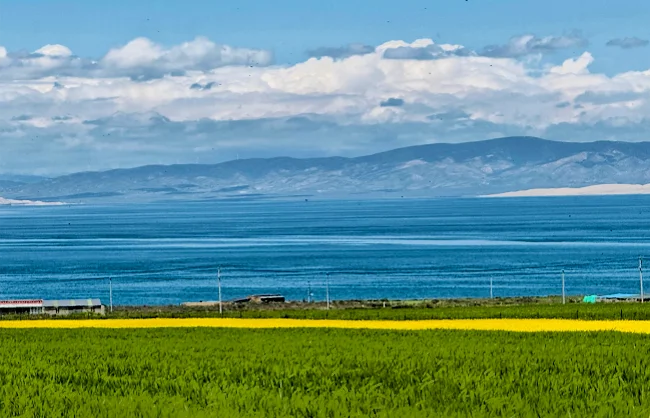
3. Visit during June to Early July or in Late August to Skip Peak Summer Crowds
From June to early July, most primary and secondary schools are still in session, although many universities have already started their summer break. June is more preferred when the temperatures have still not reached the highest.
Mid-July to mid-August is the peak of the busy summer travel season. Please strictly avoid this period and days around the Dragon Boat Festival.
4. On-Site Hacks to Skip Long Queues
- It is essential to book tickets online in advance to skip on-site ticket lines.
- Pick the less-famous branches or sections: Instead of the famous Badaling and Mutianyu Great Wall sections, you can hike the less popular Jinshanling and Simatai. North Bund offers similar skyline views with the central Bund, but sees almost no crowds. Lintong Museum in Xi’an not only displays many terracotta warriors from the Qin Dynasty but also offers hands-on experiences, such as artifact restoration and traditional ink rubbing.
- Visiting hot attractions with a right route also helps to avoid large crowds. For example, when visiting the Terracotta Army or Forbidden City, you go against the typical flow, start from the side halls or less-crowded pits.
- Consider visiting the Terracotta Army and the Forbidden City from 1:00 pm to 3:00 pm when these attractions are relatively less crowded as tour groups are having lunch.
- Arrange popular attractions on weekdays instead of weekends.

Experience nomadic life on Xilamuren Grassland with a Mongolian yurt stay, then tackle Kubuqi Desert with camel-riding, sand sliding, and zip-lining before exploring Hohhot's Dazhao Monastery and museums.
Tips to Enjoy a Perfect Winter Trip in China
- Beijing, Xi’an, Chengdu, Shanghai sees less visitors during the winter months, except for the Chinese New Year week. Early December, in particular, offers low airfares, discounted hotel rates and attraction tickets, as well as occasional snowy scenery.
- If you are keen on ice and snow activities, pick destinations in northeast China, especially Harbin and Snow Town. The giant ice sculptures, snow mushroom wooden houses, exciting snow and ice activities will never fail to wow you. Just make sure to dress in layers to cope with the freezing outdoor temperatures.
- Huangshan and Zhangjiajie also offer off-season tickets in winter months and will reward you with rime ice, snow-dusted pines, and more frequent sea of clouds.
- To escape northern frost, Guangzhou, Chaoshan and Hong Kong are more recommended than the crowded Sanya and Xishuangbanna.
- Strictly avoid the Chinese New Year week unless you really want to experience the festive atmosphere.
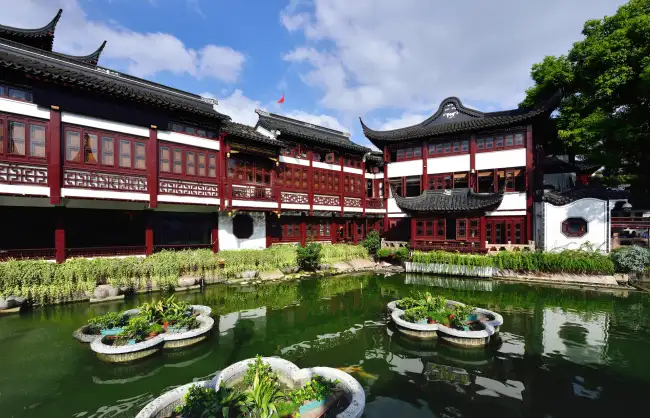
Blend Shanghai's Bund and Disneyland with Harbin's Ice and Snow World, Volga Manor, and the magical China Snow Town.
Best Destinations in China by Season and Month
Spring (March to May)
When the temperatures are gradually warming up and flora is undergoing a revival during this time. It is the perfect season for outdoor adventures and flower appreciation.
Late March to early April is particularly enchanting, when the flower blossoms are fully expanded, and the occasional misty rain makes the Jiangnan region more elegant and picturesque.
Still, you need to note that temperature fluctuations may still occur, and brief periods of rain and thunderstorms are not rare to see at this time.
Top recommended places to go in this season are:

Month |
Average Temperatures |
Recommended Places |
Why Recommend |
March |
3℃ – 15℃ |
Beijing, Luoping, Wuyuan, Guizhou, Nyingchi, and Hangzhou |
Vibrant scenery, blossom season, warmer weather, fewer crowds |
April |
9-20℃ |
Guilin, Chengdu, Beijing, Huangshan Mountain, Luoyang, Yunnan, Xi’an |
Mild weather in most iconic cities; more tourists than in March, but still not crowded |
May |
13-25℃ |
Xi’an, Beijing, Yangtze River Cruise, Jiuzhai Valley, Xiamen, Shanghai, Zhangjiajie, Yunnan, Silk Road, Guilin |
Most cities are comfortable, plateau regions get warmer |
Summer (June to August)
Summer in China means you can expect plenty of hot weather as well as rain, especially in July and August when daytime temperatures often exceed 30°C. Some inland areas may encounter extreme weather conditions, such as Turpan in Xinjiang, which may see temperatures reaching over 40°C.
Due to the influence of the monsoon, most regions of the country are well into the rainy season, especially in south coastal areas where frequent rainfall and the possibility of typhoon weather can occur.
July to August is the school holiday in China, marking it the peak tourist season. Traveling in June is a good choice to avoid the crowds. See top places to go in each summer month:

Month |
Average Temperatures |
Recommended Places |
Why Recommend |
June |
18-28℃ |
Xinjiang, Zhangjiajie, Qinghai, Inner Mongolia, Tibet |
Popular cities are still not that busy, plateau areas are cool, grasslands are lush |
July |
21-30℃ |
Guizhou, Inner Mongolia, Tibet, Qinghai, Xinjiang |
High-altitude regions stay cool, rich ethnic seasonal events, longer daylight hours |
August |
20-30℃ |
West Sichuan, Guizhou, Inner Mongolia, Xinjiang, Tibet, Changbai Mountain |
East China remains muggy; Guizhou, Xizang, Changbai Mountain stay cool |
Autumn (September – November)
Autumn is the harvest season in China, with temperatures gradually cooling and the rainy season starting to taper off.
In the north, bright days are common and daytime temperatures are cooler, with daytime temperatures hovering around 20-25°C in most places. Only occasional rain showers occur.
In the south, the temperatures decline slower than in the north, and days remain warm.
Month |
Average Temperatures |
Recommended Places |
Why Recommend |
September |
20 – 25°C |
Kanas in Xinjiang, Wuyuan in Jiangxi, Ejin Banner in Inner Mongolia, Jiuzhai Valley, Dunhuang, Zhangye |
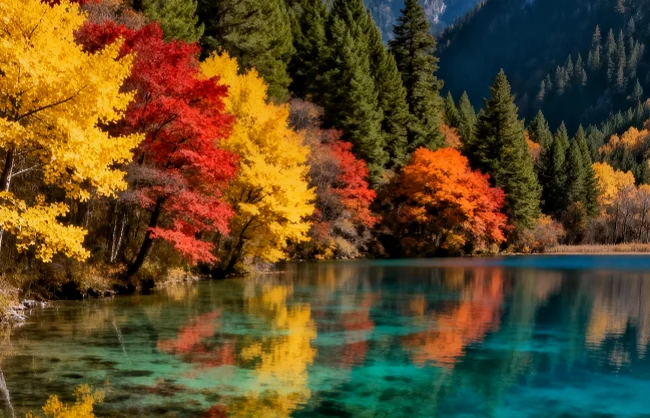
Low rainfall, clear skies, forests in northern China gradually turn golden, fewer tourists |
October |
15 – 20°C |
Jiuzhaigou, Huanglong, Beijing, Xi’an, Huangshan Mountain, Zhangjiajie, Guilin |
Most comfortable month, peak time for colorful autumn leaves |
November |
5-10℃ |
Beijing, Yunnan, Shanghai, Xi’an, Suzhou |
Minimal tourist crowds and discounted accommodation prices. Crisp weather in southern China, while northern China turns cold |
Winter (December – February)
Winter in China is a mixed bag in terms of weather. Most regions are characterized by low temperatures. The northern regions typically fall below freezing, the northeast areas, particularly, experience extreme lows in temperature and common snowfalls. Southern regions also experience drops in temperatures, yet generally remain above freezing.
Many places offer unique scenery in this season:

Month |
Average Temperatures |
Recommended Places |
Why Recommend |
December |
-2-7℃ |
Harbin, Jilin, Hainan, Yunnan |
Frequent snowfall in northern China, Ice and Snow Festival begins, fewer tourists in classic cities |
January |
-5-5℃ |
Harbin, Yunnan, Jilin, Hainan |
Southern tropical & Yunnan regions are sunny and mild, northeast China is dominated by snowy scenery |
February |
-2°C – 8°C |
Yuanyang, Luoping, Beijing, Hainan, Chaoshan, Changbai Mountain |
Rapeseed flower sea in the south, mirror-like Yuanyang Rice Terraces, fully decorated landmarks, beach holidays |
Travel with China Xian Tour to Maximize Your China Journey
With such a vast territory, China offers every tourist charming scenery no matter which season you come in. After reading the article, you may already have a rough idea about which cities to visit but do not know how to plan an ideal trip. China Xian Tour is glad to plan a trip for you based on the cities you would like to visit. You just need to tell us your travel ideas and schedule, we will customize your personalized itinerary totally based on your preferences. Transportation, hotels, and tickets booking can all be included to ensure you a hassle-free experience.


