




Given that China has one of the largest populations in the world, with over 1.4 billion citizens, it’s no surprise that the country is full of megacities, but which one is the largest by population?
As of now, Chongqing is the city with the largest population in China (based on the total resident population within its administrative area). At the end of 2025, Chongqing had around 31.87 million residents, followed by Shanghai, Beijing, and Chengdu, with populations of about 24.85 million, 21.8 million, and 21.53 million, respectively.
However, city size can vary depending on how it is measured. For example, Chongqing, indeed, has a very large administrative area, but if measured by continuous urban area or urban population, Shanghai will take the first place.
Therefore, this ranking of the largest cities in China by population in 2026 uses the latest officially released total resident population data as the main standard. You’ll see which of these megacities are truly worth visiting, what to do there, and how to combine them into an unforgettable China trip.
Content Preview
- Largest Cities in China by Population: 2026 Quick Facts
- 10 Most Populous Cities in China
- List of Top 50 Major Chinese Mainland Cities
- Which of China’s Largest Cities Are Best for Tourists?
- Get Around These Big Cities
- Plan a Trip Around these Cities
- Plan a Trip to China’s Largest Cities with China Xian Tour
Largest Cities in China by Population
China’s largest cities by population are mainly located along the eastern coast, the Yangtze River Economic Belt, and major provincial capitals. Here’s a list of the top 10 biggest cities in China:
Rank |
City |
Permanent Population at the End of 2025 |
Travel Highlights |
1 |
Chongqing |
31.8726 million |
8D Magic City, mountain city, hot pot, night views |
2 |
Shanghai |
24.8541 million |
The Bund, modern metropolis |
3 |
Beijing |
21.8000 million |
Great Wall, Forbidden City, capital city culture |
4 |
Chengdu |
21.5350 million |
Giant pandas, Sichuan cuisine |
5 |
Guangzhou |
19.1010 million |
Cantonese cuisine, Lingnan culture |
6 |
Shenzhen |
18.2485 million |
Modern city, technology |
7 |
Wuhan |
13.8619 million |
Yellow Crane Tower, East Lake |
8 |
Tianjin |
13.6300 million |
European-style buildings, Tianjin cuisine |
9 |
Xi’an |
13.2363 million |
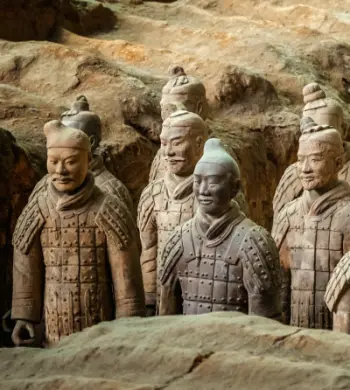
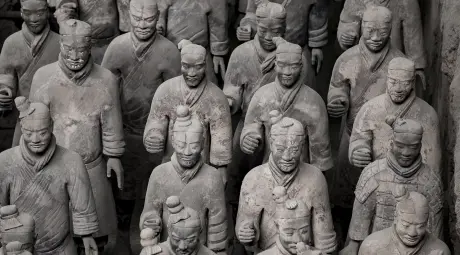
Terracotta Army, Ancient City Wall, ancient capital of 13 dynasties |
10 |
Zhengzhou |
13.1380 million |
Gateway to Henan travel |
10 Most Populous Cities in China
The 10 largest cities in China listed above are ranked by population, but their significance goes far beyond their population size. Many are also major economic, transportation, and cultural centers in China.
However, the population ranking shown on the list does not always reflect travel popularity.
For example, Xi’an is usually a higher priority than Tianjin and Wuhan for first-time travelers. Chengdu and Chongqing are also popular choices for food, local culture, and a more relaxed urban experience.
Therefore, besides comparing the population and economic size of these cities, this article will also highlight what each city has to offer and which ones are worth adding to your China travel itinerary.
Data Note: population and GDP data below are mainly based on the latest statistics released by each city in 2025 (the latest available data in 2026).
1. Chongqing (31.87 Million)
- Area: About 82,400 km²
- Population: 31.8726 million
- GDP per capita (2025): RMB 105,874 (about USD 14,800)

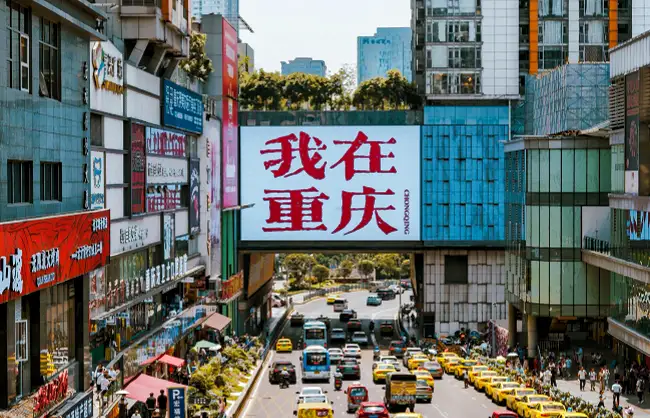
With about 31.87 million inhabitants, Chongqing is the biggest Chinese city by population. Unlike Shanghai or Beijing, Chongqing has an extremely large administrative area, which is composed of the famous downtown area, mountains, districts, counties, and rural areas.
For travelers, Chongqing is best known for its unique three-dimensional city landscape. Built among mountains and rivers, this most populated Chinese city features light rails passing through buildings, dramatic bridges, riverside views, Yangtze River Cruise from Chongqing, and spectacular night scenery.
Combined with spicy hot pot and local street food, Chongqing offers an experience that feels completely different from other Chinese megacities.
How to Explore the City:
- How Long to Stay: 2–3 days. 4 days if visiting Wulong or Dazu Rock Carvings.
- Best Time: March–May and October–November, when the weather is more comfortable. Summers can be very hot.
- Top Attractions: Hongya Cave, Jiefangbei, Yangtze River Cableway, Liziba light rail station, and mountain trails. Wulong and Dazu Rock Carvings if time allows.
- Top Food: Chongqing hot pot, Chongqing noodles, spicy chicken, hot and sour rice noodles.
- Where to Stay: Jiefangbei or Yuzhong District is the best for first-time visitors, with convenient transportation, attractions, and restaurants nearby.
Visit Wulong's Fairy Mountain alpine meadows and the karst wonder of Three Natural Bridges, then return to explore Chongqing's urban landmarks and vibrant nightlife.
2. Shanghai (24.8 million)
- Area: About 6,340 km²
- Population:8541 million
- GDP per capita (2025): About RMB 228,000 (about USD 31,900)
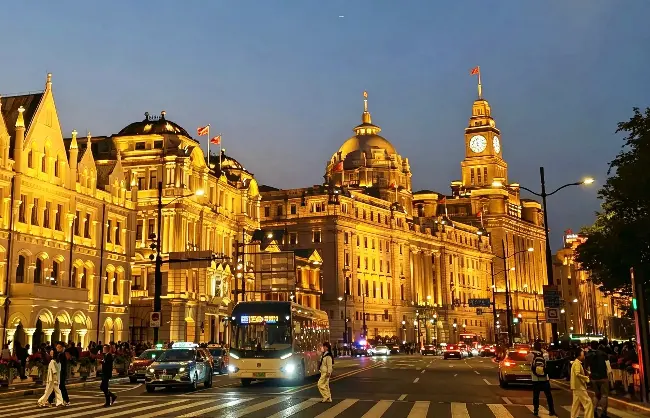
Shanghai is the second largest city in China by population. As one of China’s best-known cities, it’s also arguably one of the most cosmopolitan as well. With a 2025 GDP of RMB 5.67 trillion, it remains one of the country’s leading economic centers.
The city perfectly combines past history and futuristic visions. You can admire the stunning skyline of Lujiazui, walk along the historic buildings of the Bund, explore traditional neighborhoods, or relax in former French Concession streets.
Compared with Beijing, which is known for its imperial history, Shanghai offers a closer look at China’s modern urban lifestyle.
How to Visit:
- How Long to Stay: 2–3 days. 4–5 days if adding a visit to Zhujiajiao Water Town or nearby Suzhou and Hangzhou.
- Best Time: March–May and October–November. Weather is ideal for city walks.
- Top Attractions: The Bund, Yu Garden, Nanjing Road, Lujiazui, Shanghai Museum, and the Former French Concession.
- Top Food: Xiaolongbao, pan-fried pork buns, scallion oil noodles, Shanghai-style braised pork.
- Where to Stay: People’s Square and Nanjing Road for first-timers. Jing’an Temple area for travelers who enjoy cafes and neighborhood walks.
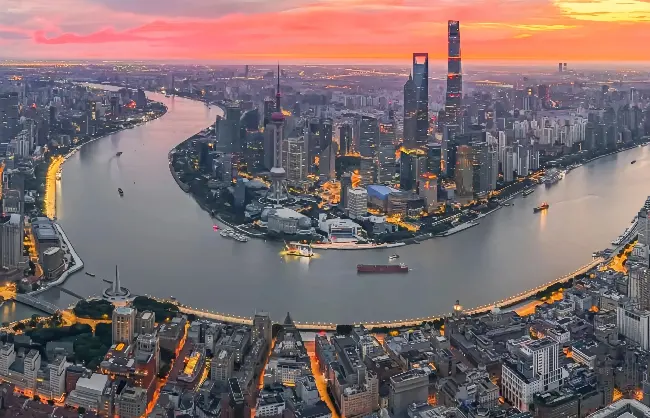
How to spend 3 days in Shanghai? This 3-day guided Shanghai tour shows you the exact way to catch the essence of this fascinating city.
3. Beijing (21.8 million)
- Area: About 16,410 km²
- Population: 8 million
- GDP per capita (2025): About RMB 239,000 (about USD 33,500)

The next city on our list is the capital of China, Beijing. It has a population of 21.80 million, making it the third-largest Chinese city.
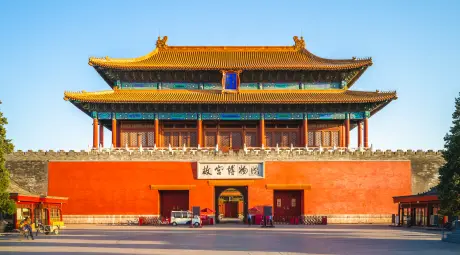
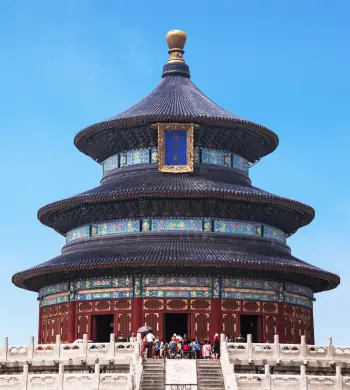
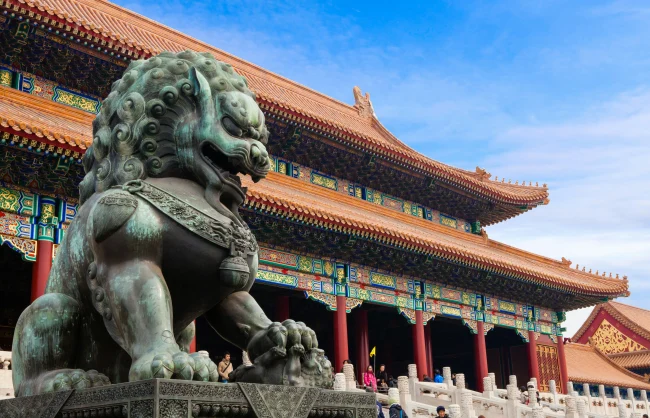
Beijing is one of the most important cities for first-time visitors, not only for its grand cityscape but also because it is home to many of China’s most iconic landmarks, like the Forbidden City, Great Wall, Temple of Heaven, and Summer Palace.
Compared with Shanghai, Beijing has an even larger urban area, which means attractions are more spread out. Therefore, it’s better to avoid trying to rush through the city in only one or two days.
How to Visit:
- How Long to Stay: At least 3 days. 4–5 days is recommended for first-time visitors.
- Best Time: April–May and September–October
- Top Attractions: The Forbidden City, Tiananmen Square, Temple of Heaven, Summer Palace, hutongs, and Mutianyu or Jinshanling Great Wall.
- Top Food: Peking duck, noodles with soybean paste, instant-boiled mutton, donkey rolls.
- Where to Stay: Dongcheng District and around Wangfujing, which have easy access to major attractions.

Cover all Beijing's essential sites including Badaling Great Wall, Forbidden City, Temple of Heaven, Summer Palace, and Beijing Zoo on this group tour.
4. Chengdu (21.53 Million)
- Area:14,335 km²
- Population:535 million
- GDP Per Capita (2026 Latest): RMB 115,155 (about USD 16,000)
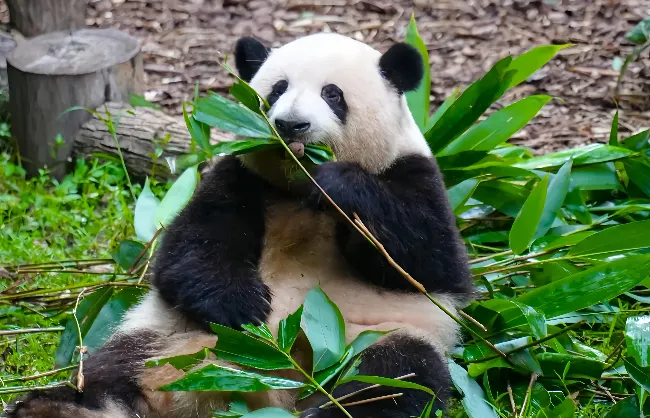
With a population of over 21.5 million, Chengdu is not only one of the country’s most populous cities but also an important economic and transportation hub in western China.
However, unlike other large Chinese cities such as Beijing or Shanghai, Chengdu does not give visitors a certain fast-paced pressure. Instead, it is known for its relaxed lifestyle, delicious Sichuan cuisine, and friendly atmosphere.
The lovely pandas are the city’s most famous icons. However, what truly makes visitors linger are the city’s unique teahouses, parks, and vibrant local life.
Chengdu is also a great gateway to nearby destinations such as Dujiangyan, Leshan Giant Buddha, Mount Emei, and western Sichuan, which are particularly valued by hiking lovers.
How to Visit:
- How Long to Stay:2–3 days for the city. 3–4 days if adding Dujiangyan or Leshan.
- Best Time to Visit: March–June, September–November.
- Top Attractions: Chengdu Research Base of Giant Panda Breeding, People’s Park, Wuhou Shrine, Jinli Street, Kuanzhai Alley; Dujiangyan is recommended for a nearby trip.
- Top Culinary Experiences: Sichuan hot pot, skewers, dandan noodles, Zhong dumplings, Mapo tofu.
- Where to Stay: Chunxi Road/Taikoo Li area is convenient for transportation, shopping, and dining. Kuanzhai Alley offers you a glimpse into Chengdu’s local life.

Discover Chengdu's giant pandas, ancient temples, and vibrant street life on a four-day private exploration of Sichuan's laid-back capital.
5. Guangzhou (19.10 Million)
- Area: 7,434 km²
- Population:101 million
- GDP Per Capita (2026 Latest): RMB 168,279 (about USD 23,400)
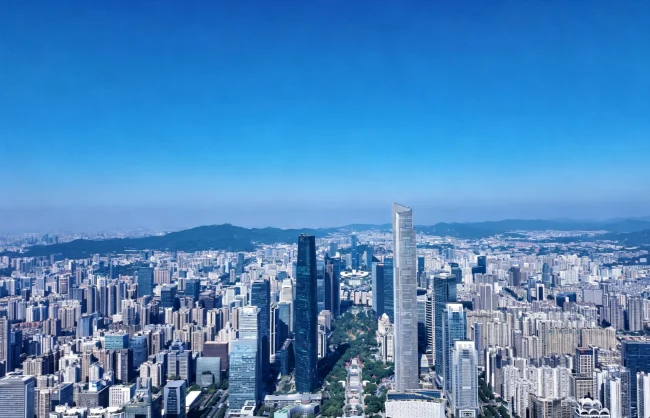
Guangzhou is the fifth-largest city by population in China, and it is also one of the oldest international trading cities in the country.
It has fewer concentrated major historical sites than Beijing and Xi’an, but it is an excellent choice for travelers who want to experience delicate food and local lifestyle in particular.
Cantonese morning tea, old arcade streets, Lingnan architecture, and Pearl River night views create Guangzhou’s unique charm. It is also an important transportation hub connecting Shenzhen, Hong Kong, and Macau.
How to Visit:
- How Long to Stay: 2 days are enough for the highlights. Food lovers can stay 3 days.
- Best Time: October–March next year
- Top Attractions: Chen Clan Ancestral Hall, Shamian Island, Yongqing Fang, Beijing Road, Canton Tower, Pearl River Night Cruise.
- Top Culinary Experiences: Cantonese morning tea, roasted goose, white-cut chicken, rice noodle rolls, wonton noodles, double-skin milk.
- Where to Stay: Yuexiu District is ideal for traditional culture and old-city exploration. Tianhe District is better for modern shopping and convenient transportation.
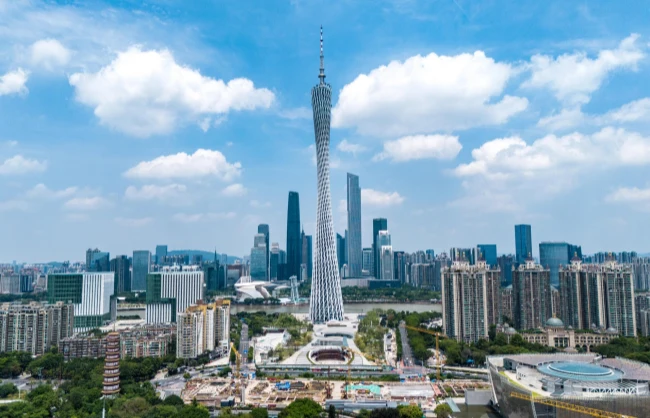
Discover 2,200 years of Guangzhou history through ancestral halls, ancient temples, modern skylines and authentic Cantonese cuisine.
6. Shenzhen (18.25 Million)
- Area:1,997 km²
- Population:2485 million
- GDP Per Capita (2026 Latest): RMB 213,763 (about USD 29,700)

Shenzhen is one of the best examples of China’s rapid urban development. In fact, if there’s a list of the most modern cities in China, Shenzhen would definitely be at the top.
Unlike Beijing or Xi’an, it is not famous for ancient landmarks. Instead, it offers visitors a glimpse into China’s technology, innovation, modern architecture, and dynamic urban lifestyle.
One of Shenzhen’s biggest advantages is its location. Sitting next to Hong Kong and connected with Guangzhou by high-speed rail, it is easy for visitors to include Shenzhen in a Greater Bay Area trip.
How to Visit:
- How Long to Stay: 1–2 days. Usually no need for a long stay.
- Best Time: October–March next year.
- Top Attractions: Lianhuashan Park, Shenzhen Bay Park, Nantou Ancient City, OCT, Window of the World.
- Top Culinary Experiences: Cantonese dim sum, roasted goose, seafood, coconut chicken hot pot.
- Where to Stay: Futian District is the most convenient, with excellent transportation and commercial facilities. This area is also a good choice if you plan to visit Hong Kong.

Travel from Guangzhou's ancient Lingnan roots to Shenzhen's futuristic skyline, bridging centuries of Cantonese tradition with China's most dynamic tech metropolis.
7. Wuhan (13.86 Million)
- Area: 8,569 km²
- Population:8619 million
- GDP Per Capita (2026 Latest): RMB 159,800 (about USD 22,200)

Located at the meeting point of the Yangtze River and Han River, Wuhan is not only a populous city but also one of the most important transportation hubs in central China.
The city features a long history, and it developed from three historic areas—Wuchang, Hankou, and Hanyang. As a result, its attractions are spread across different districts.
Wuhan is especially suitable for travelers interested in history, museums, and local food. The Hubei Provincial Museum is also one of the most worthwhile museums to visit in central China.
How to Visit:
- How Long to Stay: 1–2 days.
- Best Time: March–April, October–November. Summers can be very hot.
- Top Attractions: Yellow Crane Tower, Hubei Provincial Museum, East Lake, Wuhan Yangtze River Bridge, Jianghan Road.
- Top Culinary Experiences: Hot dry noodles, doupi, Wuchang fish, lotus root soup with pork ribs.
- Where to Stay: Jianghan Road is convenient for food and city experiences. Visitors focusing on Yellow Crane Tower, museums, and East Lake can stay in Wuchang District.

Cruise the Yangtze River from Chongqing to Wuhan through the magnificent Three Gorges, explore Fengdu Ghost City and Baidi City, and marvel at the world's largest hydroelectric project at Three Gorges Dam.
8. Tianjin (13.63 Million)
- Area: 11,966 km²
- Population:63 million
- GDP Per Capita (2026 Latest): RMB 135,972 (about USD 18,900)

Tianjin is quite close to Beijing with a convenient high-speed rail connection, so it’s one of the easiest cities to add to your itinerary as a side trip destination from Beijing.
The city preserves many buildings from the modern history period, and its European-style streets, Haihe River scenery, and local snacks create a laid-back vibe, which is a completely different atmosphere from Beijing.
How to Visit:
- How Long to Stay: 1 day is enough for highlights; 2 days for a deeper visit.
- Best Time: April–May, September–October.
- Top Things/Attractions: Five Great Avenues, Haihe River, Ancient Culture Street, Italian Style Town, Porcelain House.
- Top Culinary Experiences: Jianbing guozi, guobacai, steamed buns, mahua.
- Where to Stay: For an overnight stay, choose Heping District or near Five Great Avenues. If visiting from Beijing, there is no need to change hotels.
9. Xi’an (13.2 million)
- Area: 10,108 km²
- Population: 2363 million
- GDP Per Capita (2026 Latest): RMB 105,308 (about USD 14,600)
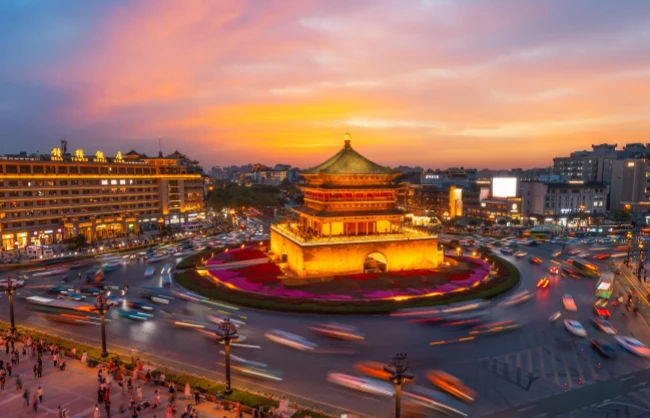
Although not as populated as other biggest cities in China, such as Chongqing and Shanghai, Xi’an should definitely rank among the best cities in China for first-time visitors.
As one of China’s most important ancient capitals, Xi’an offers travelers a chance to experience Chinese history in a relatively short time.
The city is home to world-famous attractions such as the Terracotta Warriors, the Ancient City Wall, and the Giant Wild Goose Pagoda, along with rich Tang Dynasty cultural heritage.
Besides, Xi’an is also an important high-speed rail hub connecting Beijing, Chengdu, Luoyang, and other popular destinations.
How to Visit:
- How Long to Stay: 2–3 days. 3–4 days if visitingMount Hua.
- Best Time: March–May, September–November.
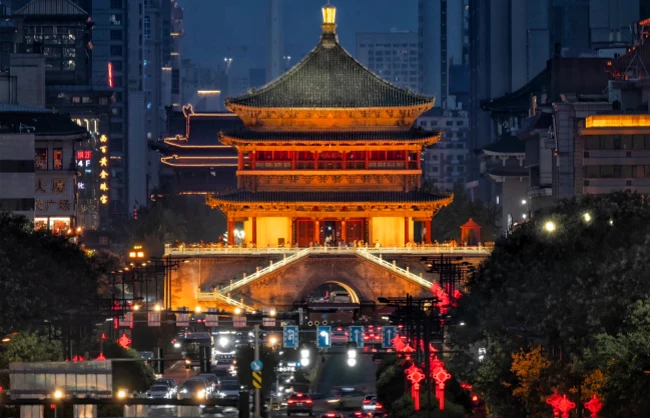
- Top Attractions: Terracotta Warriors, Xi’an Ancient City Wall, Giant Wild Goose Pagoda, Shaanxi History Museum, Bell Tower and Drum Tower, Muslim Quarter.
- Top Culinary Experiences: Roujiamo (Chinese hamburger), Yangrou Paomo (lamb soup with bread), Liangpi (cold noodles), Biang Biang noodles, soup dumplings.
- Where to Stay: Consider the Bell Tower or South Gate area if this is your first time in Xi’an. They provide easy access to many attractions, restaurants, and the historic city center.
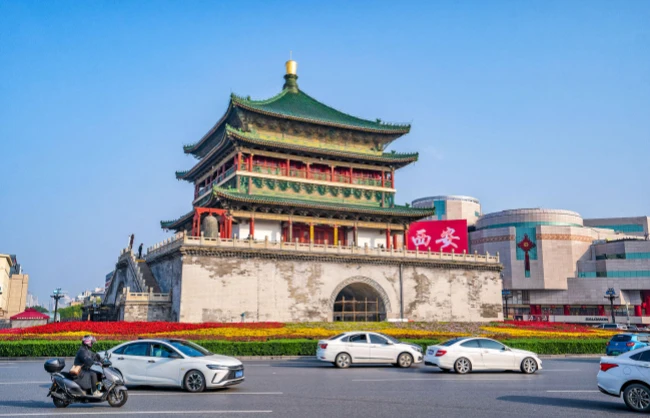
Savor Xi'an's legendary food scene from Hai Di Lao Hot Pot to dumpling-making lessons, combined with Terracotta Warriors and Big Wild Goose Pagoda visits.
10. Zhengzhou (13.1 million)
- Area:7,567 km²
- Population:138 million
- GDP Per Capita (2026 Latest): RMB 116,264 (about USD 16,100)
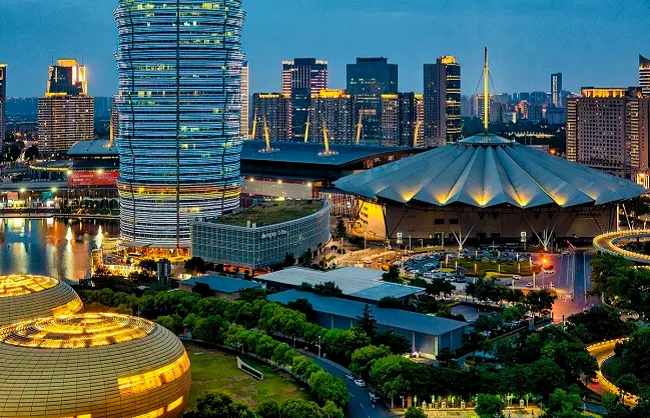
With a population of over 13 million, Zhengzhou is one of the most populous provincial capitals in China.
Zhengzhou is often more useful as a transportation hub than as a destination in itself, with convenient rail connections to many of Henan’s cultural destinations.
If you want to explore famous Henan attractions such as Shaolin Temple, Longmen Grottoes in Luoyang, and Kaifeng, Zhengzhou is a great starting point.
How to Visit:
- How Long to Stay: 1 day for Zhengzhou city. 3–5 days if you want to combine Shaolin Temple, Luoyang, and Kaifeng.
- Best Time: April–May, September–October.
- Top Attractions: Henan Museum. Also take a look at nearby highlights such as Shaolin Temple, Mount Song, Longmen Grottoes in Luoyang, and Kaifeng.
- Top Culinary Experiences: Henan braised noodles, Hulatang (pepper soup), soup dumplings, Menbing (braised pancake).
- Where to Stay: For city sightseeing, Erqi Square area is generally the best. If you plan to continue by high-speed rail to Luoyang, Xi’an, or other cities, staying near Zhengzhou East Railway Station can save time.
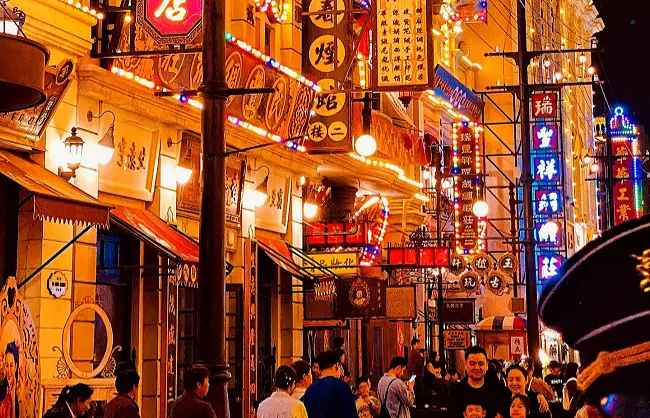
Journey through China's ancient heartland visiting UNESCO sites including Yin Ruins, Shaolin Temple, and Longmen Grottoes across Zhengzhou, Kaifeng, Dengfeng and Luoyang.
List of Top 50 Major Chinese Mainland Cities by Population
The data is collected from the latest population figures released on local government statistics websites. Be mindful that China’s 2026 national population census data is expected to be released in 2027, so the figures listed here are based on the latest available 2025 population data.
Rank |
City English Name |
Chinese Name |
Population (Million) |
Travel Highlights |
1 |
Chongqing |
重庆 |
31.87 |
Mountain city, hot pot |
2 |
Shanghai |
上海 |
24.85 |
The Bund |
3 |
Beijing |
北京 |
21.80 |
Great Wall, Forbidden City |
4 |
Chengdu |
成都 |
21.54 |
Giant pandas |
5 |
Guangzhou |
广州 |
19.10 |
Cantonese cuisine |
6 |
Shenzhen |
深圳 |
18.25 |
Modern city |
7 |
Wuhan |
武汉 |
13.86 |
Yellow Crane Tower |
8 |
Tianjin |
天津 |
13.63 |
Five Great Avenues |
9 |
Xi’an |
西安 |
13.24 |
Terracotta Warriors |
10 |
Zhengzhou |
郑州 |
13.14 |
Gateway to Henan |
11 |
Suzhou |
苏州 |
13.05 |
Classical gardens |
12 |
Hangzhou |
杭州 |
12.70 |
West Lake |
13 |
Shijiazhuang |
石家庄 |
11.25 |
Gateway to Hebei |
14 |
Dongguan |
东莞 |
10.80 |
Greater Bay Area |
15 |
Linyi |
临沂 |
10.76 |
Yimeng Mountains |
16 |
Changsha |
长沙 |
10.72 |
Local food |
17 |
Qingdao |
青岛 |
10.52 |
Coastal scenery |
18 |
Hefei |
合肥 |
10.00 |
Gateway to Anhui |
19 |
Wenzhou |
温州 |
9.90 |
Jiangxin Island |
20 |
Harbin |
哈尔滨 |
9.89 |
Ice and Snow World |
21 |
Ningbo |
宁波 |
9.83 |
Port city |
22 |
Foshan |
佛山 |
9.79 |
Lingnan culture |
23 |
Jinan |
济南 |
9.65 |
Springs |
24 |
Nanjing |
南京 |
9.64 |
Ming City Wall |
25 |
Nanyang |
南阳 |
9.40 |
Henan culture |
26 |
Shenyang |
沈阳 |
9.28 |
Shenyang Imperial Palace |
27 |
Weifang |
潍坊 |
9.27 |
Kites |
28 |
Handan |
邯郸 |
9.17 |
Historical culture |
29 |
Nanning |
南宁 |
9.02 |
Gateway to Guangxi |
30 |
Xuzhou |
徐州 |
8.97 |
Han culture |
31 |
Quanzhou |
泉州 |
8.90 |
Maritime Silk Road |
32 |
Kunming |
昆明 |
8.74 |
Gateway to Yunnan |
33 |
Fuzhou |
福州 |
8.52 |
Three Lanes and Seven Alleys |
34 |
Heze |
菏泽 |
8.51 |
Peonies |
35 |
Fuyang |
阜阳 |
8.04 |
Northern Anhui |
36 |
Tangshan |
唐山 |
7.72 |
Coastal Hebei |
37 |
Nantong |
南通 |
7.67 |
Yangtze River Estuary |
38 |
Dalian |
大连 |
7.56 |
Coastal scenery |
39 |
Wuxi |
无锡 |
7.54 |
Taihu Lake |
40 |
Baoding |
保定 |
7.35 |
Hebei history |
41 |
Luoyang |
洛阳 |
7.08 |
Longmen Grottoes, Peony culture |
42 |
Guiyang |
贵阳 |
6.67 |
Gateway to Guizhou |
43 |
Nanchang |
南昌 |
6.67 |
Gateway to Jiangxi |
44 |
Taiyuan |
太原 |
5.53 |
Gateway to Shanxi |
45 |
Xiamen |
厦门 |
5.37 |
Gulangyu Island |
46 |
Lanzhou |
兰州 |
4.45 |
Yellow River, beef noodles |
47 |
Urumqi |
乌鲁木齐 |
4.15 |
Gateway to Xinjiang |
48 |
Haikou |
海口 |
3.06 |
Gateway to Hainan |
49 |
Yinchuan |
银川 |
2.94 |
Ningxia culture |
50 |
Xining |
西宁 |
2.48 |
Qinghai-Tibet Plateau gateway |
Is Chongqing Really the Largest City in China?
Yes, if measured by total permanent resident population within the entire administrative area. Chongqing had 31.87 million residents at the end of 2025, making it the largest city in China by this standard.
However, the answer is not always the same in every discourse. It changes if you refer to the urban population or built-up area standard that is commonly used in international comparisons.
Chongqing covers an enormous area of about 82,400 km², so its population is not concentrated only in the downtown areas where you may get to visit, such as Jiefangbei and Hongyadong.

Which of China’s Largest Cities Are Best for Tourists?
For first-time visitors, Beijing, Xi’an, Shanghai, and Chengdu are often better choices because they each reveal a different side of China: ancient history, Chinese civilization, modern city life, and famous food culture.
However, many travelers have faced the same question: which one of the four cities is better for a first trip to China?
We’d say if you can only choose one, Beijing comes first for its iconic landmarks and historical importance. Choose Shanghai if you have a clear preference for modern China, or Chengdu if you want to focus more on pandas, Sichuan food, and a relaxed city atmosphere, or Xi’an if you are interested in ancient history, the Terracotta Army, and a taste of traditional Chinese culture.
By the way, when people talk about China’s “Four Major Cities”, they usually refer to Beijing, Shanghai, Guangzhou, and Shenzhen based on their economic importance and international influence.

What’s the Best Way to Get Around These Big Cities?
China’s largest cities usually have some of the most convenient public transportation systems in the country. Cities such as Beijing, Shanghai, Guangzhou, Shenzhen, Chengdu, Chongqing, Wuhan, and Xi’an all have extensive metro networks.
For most travelers exploring the city, the combination “metro + walking” is usually the most convenient way to get around. For travelers with luggage, families, or those returning to the hotel late at night, taxis or ride-hailing services are more practical.
One thing to remember: in China’s big cities, distance on the map can be misleading. A 10-kilometer journey may still take 40–60 minutes, especially during busy hours. In cities like Beijing and Chongqing, moving between different areas can take even longer, so it is better to arrange nearby attractions on the same day.
For traveling between cities, high-speed trains are usually the first choice for journeys of 2–5 hours.
Popular routes include Beijing–Xi’an, Shanghai–Hangzhou, Shanghai–Suzhou, Guangzhou–Shenzhen, and Chengdu–Chongqing.
If the train journey takes more than six hours, it is worth comparing train and flight options. However, remember to factor in airport transfers, check-in, security, and waiting time when comparing the total travel time.

How to Plan a China Trip Around Its Major Cities
How many cities should you visit in your first China trip? For first-time visitors, it is more comfortable to arrange 1–2 cities for a 7-day trip, 3 cities for 8–10 days, and 3–4 cities for 11–14 days.
If you visit too many places in a rather short itinerary, much of your time will be spent checking out, getting to train stations, traveling, and checking into a new hotel.
Trip Length |
Recommended City Combination |
5–7 Days |
Beijing + Xi’an |
8–10 Days |
Beijing + Xi’an + Shanghai |
11–14 Days |
Beijing + Xi’an + Chengdu/Zhangjiajie + Shanghai |
Food-Focused Trip |
Guangzhou + Chengdu + Chongqing |
Modern City Experience |
Shanghai + Hangzhou + Shenzhen + Guangzhou |
Plan a Trip to China’s Largest Cities with China Xian Tour
If you want to get first-hand experience with China’s vibrant, bustling megacities, there’s no better way than going with China Xian Tour. Offering both preset and custom tours all over China for all kinds of travellers, you’ll get the benefit of local knowledge to make sure you make the most of your travels. Whether you’re looking for a food tour, a tour of historic landmarks, a nature tour, or something else entirely, you’re sure to find exactly what you’re looking for with us.


