





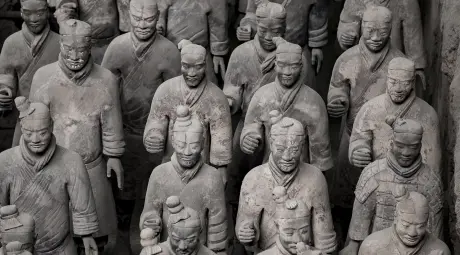


How much should you budget for a trip to China? For most international visitors, a realistic budget is around US$50–100 per person per day for budget independent travel, US$100–200 for a comfortable mid-range independent trip, or US$160–250+ for a private custom tour. And these estimates usually exclude international flights to and from China.
You have plenty of flexibility in how much you spend once you know where your money is going. The cost of your trip mainly depends on where you stay, how you travel between cities, when you visit, and what type of trip you prefer.
Below, we break down the main costs in this travel guide so you can get a clearer idea of how much to budget for your China trip.
Quick Answer: China Travel Costs at a Glance
Trip Duration |
Budget Independent Travel |
Mid-Range Independent Travel |
Private Custom Tour |
Per Person / Day |
US$50–100 |
US$100–200 |
US$160–250+ |
7 Days |
US$350–700 |
US$700–1,200 |
US$1,200–1,800 |
10 Days |
US$500–1,000 |
US$1,000–2,000 |
US$1,650–2,500+ |
14 Days |
US$700–1,400 |
US$1,400–2,800 |
US$2,300–3,500+ |
1 Month |
US$1,500–3,000 |
US$3,000–6,000 |
Depends on the itinerary |
Note: These are estimated costs for major expenses during your stay in China. Please be mindful that they do not include international round-trip flights, visa fees, or personal shopping. Actual costs vary by city, travel season, and hotel category.

Content Preview
- What to Expect in 2026–2027
- China Trip Cost by Length
- Where Does Your China Travel Budget Go?
- Cost Comparison
- China Travel Costs by Destination
- Cheapest Time to Visit China?
- How to Cut Your Travel Costs
- FAQs
- Travel to China with China Xian Tour
China Travel Costs: What to Expect in 2026–2027
Is China an expensive destination? For most travelers, not necessarily.
Local food, subway rides, and everyday expenses are generally easy on the wallet. Using public transportation and eating at local restaurants can help keep your overall travel costs down, even in major cities like Shanghai and Beijing.
The biggest increases in your budget usually come from nicer hotels, frequent domestic flights, private transportation, and paid experiences at major attractions.

Independent Budget Travel: US$50–100 Per Day
With US$50–100 to spend per day, you can expect at least these experiences to be covered:
- A hostel bed or budget hotel
- Local noodles, snacks, and casual restaurants
- Subways and buses
- Second-class high-speed trains
- Free attractions and a few paid ones
Budget rooms can often be found for around US$25–50 per night, and a simple local meal is usually far cheaper than a similar meal in major European or North American cities.

Independent Mid-Range China Travel: US$100–200 Per Day
A US$100–200 daily budget is enough for a comfortable trip. You can stay in a good 3- or 4-star hotel, visit the main paid attractions, take high-speed trains between cities, and hop in a taxi or use DiDi when you’re short on time or traveling late at night.
You will also have more freedom to choose where to eat rather than choosing restaurants based mainly on price.

Customized Private China Tours: US$160–250+ Per Day
For visitors planning private custom tours in China, the trip cost per person varies with the size of your group. A private tour for two is generally more expensive per person as fewer travelers share the cost of the guide and private vehicle.

China Trip Cost by Length: 7 Days, 10 Days, 2 Weeks, or 1 Month
Figuring out how long you stay is a good starting point for estimating your cost of a trip to China, but your route and the number of cities you decide to see matter just as much.
That means spending a week in Beijing and Xi’an can cost less than trying to squeeze Beijing, Xi’an, Chengdu, and Shanghai into the same seven days.
7-Day Trip to China Cost
- Budget Travel: US$350–700
- Mid-Range Travel: US$700–1,200
Seven days are ideal for 2–3 destinations, such as Beijing, Xi’an, and Shanghai.
For an independent one-week trip, a budget of around US$1,000 can usually cover an independent trip with 3-star hotels, high-speed trains, casual local meals, and you may even have some money left over.
However, US$1,000 may not be enough if you also need it to cover round-trip flights from Europe or North America.
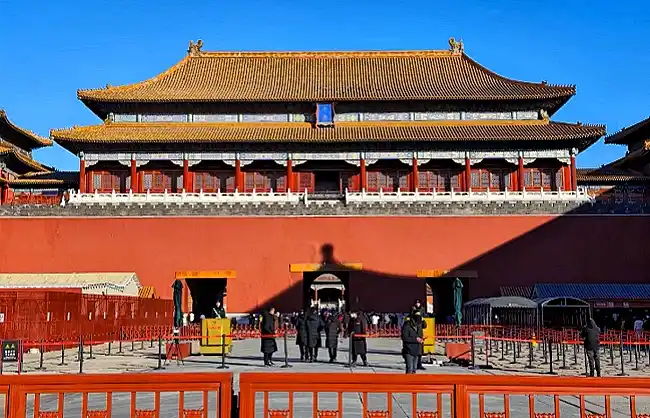
Visit China's golden triangle of Beijing, Xi'an and Shanghai, covering imperial palaces, ancient terracotta warriors, and futuristic skylines in just eight unforgettable days.
10-Day China Trip Cost
- Budget Travel: US$500–1,000
- Mid-Range Travel: US$1,000–2,000
Ten days works well for a route such as Beijing–Xi’an–Chengdu–Shanghai. Your total cost will increase if you add more cities, as you will need to spend more on high-speed trains or domestic flights.
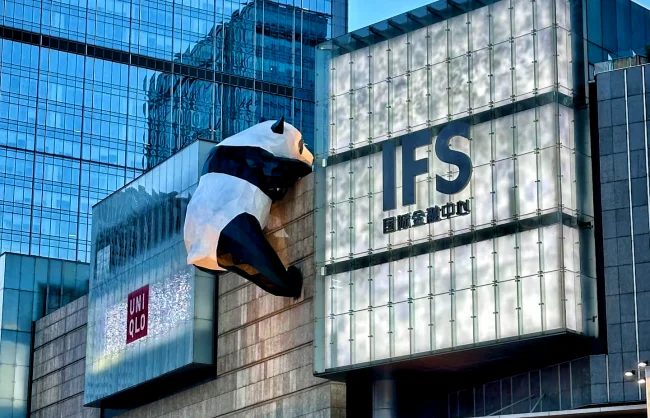
2-Week or 15-Day China Trip Cost
- 14 Days: US$700–2,800 per person
- 15 Days: US$800–3,000 per person
Two weeks is a good length for an in-depth trip. You can extend the 10-day route above and add more destinations such as Chongqing, Guilin, or Zhangjiajie to it without making the itinerary too rushed.

A comprehensive journey from Beijing's Forbidden City through Xi'an's warriors, Chengdu's pandas, Chongqing's stilted houses, Zhangjiajie's Avatar peaks to Shanghai's skyline.
One Month in China: What to Budget
- Budget Travel: US$1,500–3,000 per person
- Mid-Range Travel: US$3,000–6,000 per person
A longer trip can actually lower your average daily cost. You can stay longer in one hotel, reduce intercity travel, and explore beyond the major paid attractions, while international flights and visa fees remain fixed costs.

Where Does Your China Travel Budget Go?
When working out your travel expenses in China, don’t stop only at flights and hotels. A realistic budget should also cover food, transportation between cities, local transport, attraction tickets, visa fees, travel insurance, and mobile data.
Here is a rough idea of what you may spend:
- International Round-Trip Flight: US$600–2,000+
- Hostel / Budget Accommodation: US$25–50 per night
- Mid-Range Hotel: US$60–90 per night in second-tier cities; US$80–120+ in first-tier cities
- Casual Meals: US$3–15 per meal
- City Bus / Subway: Usually under US$1 to a few dollars
- High-Speed Train: Varies by route
- Attraction Tickets: Free to US$25+
- SIM / eSIM: Around US$10–40
- Travel Insurance: Depends on your country, age, and coverage
International Flight Costs
For many travelers, international airfare is the biggest part of their vacation cost in China. Round-trip economy flights from Europe or North America commonly run around US$600–2,000, depending on your departure city, whether you fly direct or have a connection, and the time of year.
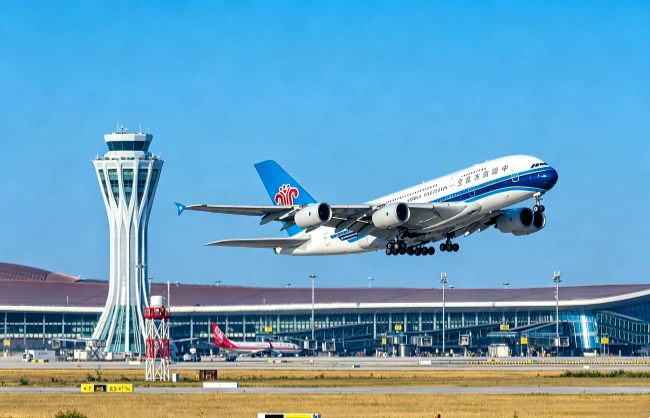
If you are watching your budget, don’t limit your search to one airport. Compare flights to major cities with more international connections like Beijing, Shanghai, Guangzhou, Shenzhen, and even Hong Kong to see which entry point gives you the best deal.
Hotel Costs
Accommodation in China covers everything from hostel beds to upscale hotels. If you are traveling on a backpacker budget, hostels and affordable hotel chains are easy ways to keep costs low.
For a mid-range trip, it is often worth paying a little more for a hotel in a convenient location rather than choosing the cheapest room you can find. After all, saving US$15 on a room doesn’t help much if you spend an extra US$20 a day getting around by taxi.

Food Costs
How much does food cost in China? Food usually does not take up a large part of most travelers’ daily budget, especially compared with many Western destinations. A local breakfast, a bowl of noodles, rice dishes, or snacks can cost just a few dollars. At a regular restaurant, a proper meal can generally be around US$5–15.
Eating on a budget in China does not mean missing out on the local experience, as small local restaurants is itself an important part of the travel experience.

China High-Speed Train Costs
High-speed trains are one of the easiest ways to travel between major Chinese cities. A second-class ticket from Beijing to Xi’an costs about CNY475–595 (around US$70–90), with the journey taking roughly 4–7 hours.
For journeys of more than 6–8 hours, it is worth checking domestic flights as well. A train is not automatically the better-value option.

Attraction Ticket Prices
Many regular attractions are reasonably priced, but large scenic areas and some mountain sights can cost more once you add the extras. You may need to pay separately for:
- Shuttle buses
- Cable cars
- Boat rides
- Shows
In places such as Zhangjiajie, Huangshan, and Jiuzhaigou, these additional costs can add up quickly, making the total cost much higher than the basic ticket price you see online. Setting aside US$20–50 per day for activities gives you some breathing room.

Visa, Insurance, and SIM Card Costs
Your China visa cost depends on your nationality and where you apply. For US citizens, the current regular visa fee is US$140, valid through December 31, 2026.
Some nationalities currently benefit from China’s visa-free policy, so check the latest requirements before your trip.
Travel insurance and SIM/eSIM vary depending on your country, coverage period, data allowance, and plan. Saving a few dollars here is rarely worth traveling without insurance.

Cost Comparison: Independent, Group, or Private China Travel
Independent travel is usually the cheapest option on paper, but it is not always the best deal once you factor in your time, convenience, and group size.
Travel Style |
Cost |
Flexibility |
Best For |
Budget Independent Travel |
★ |
★★★★★ |
Young, experienced travelers |
Mid-Range Independent Travel |
★★ |
★★★★★ |
Couples, friends |
Group Tour |
★★ |
★★ |
Solo travelers, budget-conscious travelers |
Private Tour |
★★★–★★★★ |
★★★★★ |
Families, seniors, first-time visitors |
A China group tour cost is usually lower than a private tour, but group tours generally run on fixed dates and follow a set itinerary. You cannot always add a place you like or skip an attraction you are not interested in.
A private China tour usually costs more, but you are paying for more than just a guide. You also save time on planning and getting between places.
For groups of 4–6, a private tour can offer surprisingly good value. With the cost of a private vehicle and guide shared among several people, the price per person may not be much higher than a group tour.
If you only have 7–10 days but want to see 3–4 cities, a private tour can also make better use of your time than spending hours working out every train, transfer, and connection yourself.
If you already have a plan for a China trip in mind, China Xian Tour can help you customize the tour around your own schedule and interests.

China Travel Costs by Destination → More Expensive / Better Value
More Expensive Destinations
Hong Kong, Macau, Shanghai, Beijing, Shenzhen, and Sanya tend to be pricier overall, particularly if you stay in central or popular tourist areas. Upscale international hotels in Beijing and Shanghai can be particularly expensive during peak season.
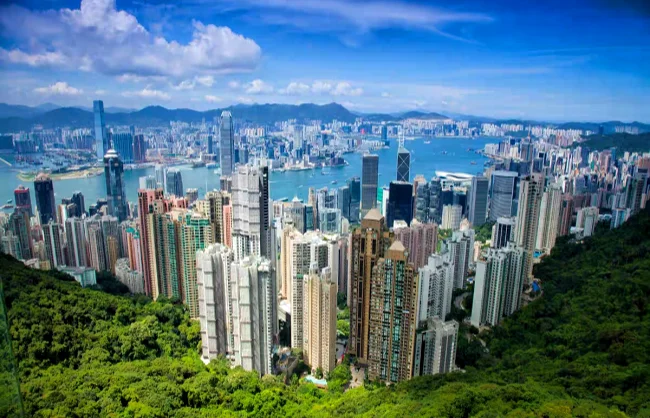
Travel visa-free from Beijing's Forbidden City and Great Wall through Datong's Buddhist grottoes and Xi'an's Terracotta Warriors to Hong Kong's dazzling Victoria Harbour skyline.
Better Value Destinations
Xi’an, Chengdu, Chongqing, Luoyang, and Guilin offer a good balance of comfortable hotels, convenient public transportation, and reasonably priced local food, making it easier to keep your China travel budget under control while not missing anything extraordinary.

Explore Beijing's Forbidden City and Mutianyu Great Wall, speed to Xi'an for Terracotta Warriors and Muslim Quarter food, then reach Chengdu for adorable pandas.
One thing to keep in mind: low local living costs do not always mean low travel costs.
Remote areas of Xizang (Tibet), Xinjiang, and Yunnan can be relatively affordable for food and everyday expenses. The catch is getting there: long distances may mean taking domestic flights, which may involve transfers, hiring a private car, or arranging other transportation.
Scenic areas such as Zhangjiajie and Huangshan cable cars and shuttles can also add to the bill, making the whole trip end up more expensive than a city break in Xi’an or Chengdu.
When Is the Cheapest Time to Visit China?
For budget travel in China, choosing the right time of year can save you more than simply booking the cheapest hotel.
March, late November to early December, and some non-holiday periods in winter tend to have better hotel and flight offers.
If you also want to travel in pleasant weather, April, late May, September, and late October can be good-value choices. Prices at popular attractions, however, may not be at their lowest during these months.
Rather than avoiding summer altogether, pay closer attention to the periods when domestic travelers are on the move:
- Chinese New Year: Usually late January to mid-February
- Labor Day: May 1–5
- National Day: October 1–7
During these public holidays, demand for high-speed trains, popular attractions, and hotels can rise significantly.
For international flights, there is no single cheapest month to fly to China that works for every departure city. Check fares from your own city and try to avoid Christmas, New Year, Chinese New Year, and the summer holiday period.
If your schedule is flexible, shifting your trip by 3–7 days earlier or later can also help.
Tip: For travel in 2027, check the officially announced holiday schedule before booking, rather than relying on unconfirmed dates.
10 Easy Ways to Cut Your China Travel Costs
Keeping your China travel costs down does not mean staying in the cheapest hostel or living on convenience-store food. The biggest savings usually come from planning your route well and avoiding peak-season prices.
Plan Your Route in a Logical Order.
Going Beijing → Xi’an → Chengdu → Shanghai is much more efficient than constantly doubling back between cities.
Take High-Speed Trains for 2–5 Hour Journeys.
You can save the time and hassle of getting to the airport, checking in, and waiting for your flight.
Compare Flights for Longer Journeys.
For very long routes, such as Beijing to Kunming or Shanghai to Xinjiang, flying may offer better value.
Choose Hotels Near the Subway.
A hotel that costs US$10–20 more can be the better deal if its location saves you money on taxis every day.
Check the Extra Costs Inside Scenic Areas.
Cable cars, shuttle buses, and boat rides can quickly push the final cost above the basic entrance ticket.
Mix in Free Experiences.
Places such as the Bund, West Lake, old neighborhoods, parks, and city walks can help keep your daily spending down.
Compare Private Tour Prices for Groups of 4–6.
If you are traveling as a family or small group, don’t assume that planning everything yourself will always be cheaper.
Change Hotels Less Often.
Every move means packing, storing luggage, and getting to the next hotel. Staying longer in one place can save both time and money.
Avoid Major Chinese Holidays.
It’s better to avoid them when trying to save on hotels and transportation.
Keep 10%–15% of Your Budget as a Buffer.
Leave some extra room for unexpected activities, a nicer meal, taxis, luggage costs, or last-minute changes to your plans.

FAQs about China Trip Cost
How Much Does an Average China Trip Cost?
For most travelers, US$100–200 per person per day is a reasonable amount to set aside for expenses within China. A private custom trip usually runs around US$160–250+ per day, with international flights on top.
How Much Should I Save for a China Trip?
For a comfortable 10-day trip, plan on US$1,000–2,000 per person. You will also need to factor in your international flights, visa fees, and an extra 10%–15% for unexpected expenses.
How Much Cash Should I Bring?
You do not need to carry your entire travel fund in cash. Alipay and WeChat Pay are widely used in Chinese cities, and foreign visitors can link eligible international bank cards to an account. It is still a good idea to keep a small amount of RMB on hand as a backup.

Travel to China with China Xian Tour
To make the best of your money and time, it’s recommended that you book your China tour with a reliable local agency.
China Xian Tour can ensure you a smooth and memorable journey with our affordable tour packages. What’s more, we are also able to customize a trip based on your needs. Just tell our consultant the cities you prefer and your demands for hotel, food, and guide, we will make every effort to meet them. So do not hesitate to contact us.


