

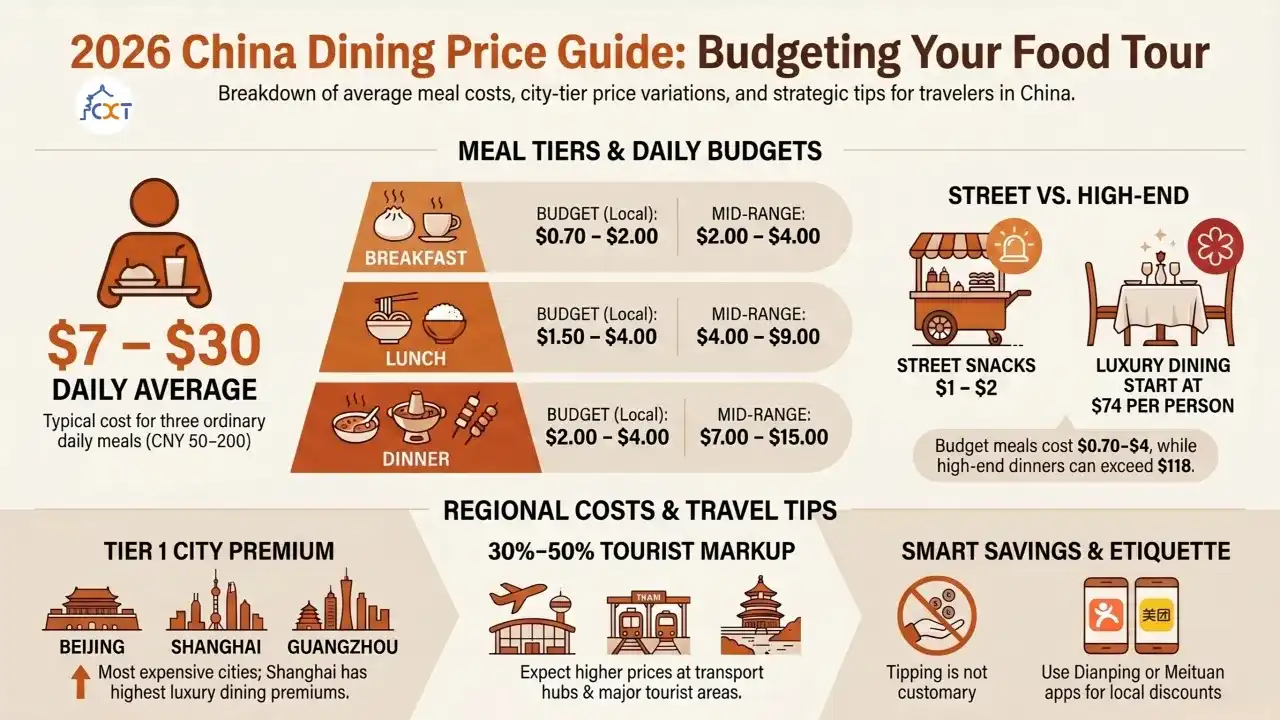
Wondering how much a meal really costs in China and how much money you should set aside for food when traveling in China? Chinese cuisine is incredibly varied and the prices can vary quite a bit depending on the city and whether you’re eating street food, dining at a mid-range spot, or visiting a high-end restaurant. Usually, the average cost of three ordinary meals per day is CNY 50 – 200/USD 7 – 30.
To help you plan according to your budget, this guide provides a breakdown of average meal costs across different meal categories, dining venues and cities.
Content Preview
- Quick Overview: Average Meal Costs in China
- Types of Meals and Their Costs in China
- Breakdown of Meal Costs by Meal Type
- Cost of Eating Out in Different Chinese Cities
- Useful Tips for Dining in China
- Plan Your China Food Tour with Us
- FAQs about Food Cost in China
Quick Overview: Average Meal Costs in China
Average Daily Food Cost in China
Type |
Budget (Street/Local) |
Mid-Range |
High-End |
breakfast |
CNY 5 – 12/USD 0.7 – 2 |
CNY 15 – 30/USD 2 – 4 |
CNY 50 – 150+/USD 7 – 22+ |
lunch |
CNY 10 – 25/USD 1.5 – 4 |
CNY 30 – 60/USD 4 – 9 |
CNY 100 – 300+/USD 15-44+ |
dinner |
CNY 15 – 30/USD 2 – 4 |
CNY 50 – 100/USD 7 – 15 |
CNY 200 – 800+/USD 29-118+ |
street food |
CNY 5 – 15/USD 0.7 – 2 |
CNY 15 – 30/USD 2 – 4 |
CNY 30 – 60+/USD 4 – 9 |
What Influences the Cost of Meals in China
- Regional differences: In general, the price of food in Tier 1 cities like Beijing, Shanghai and Guangzhou is higher than that in Tier 2 and 3 cities. And the hot tourism cities have higher prices than other cities.
- Type of restaurants: The price of street food is the lowest at about CNY 5 – 15/USD 0.7 – 2. While in fast food restaurants, mid-range and local restaurants, the cost is a little bit higher, which is about CNY 15 – 40/USD 2 – 6. The most expensive is the high-end restaurants and private home cuisine, which are over CNY 100/USD 15.
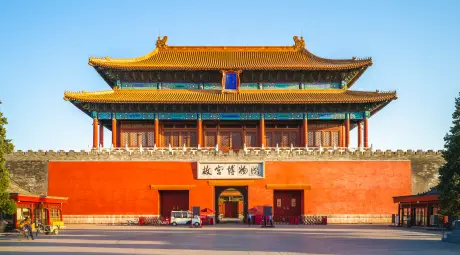
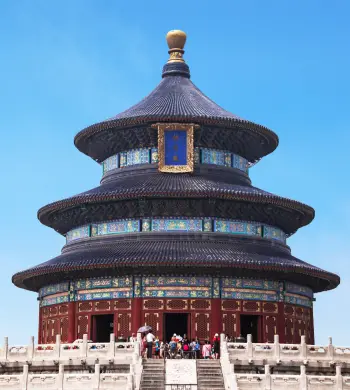
Visit the Forbidden City, Mutianyu Great Wall, and Temple of Heaven while tasting Peking Roast Duck, Zhajiangmian noodles, and halal specialties on Niujie Food Street.
Types of Meals and Their Costs in China
How Much Does Street Food Cost in China?
- Classic street food in China:
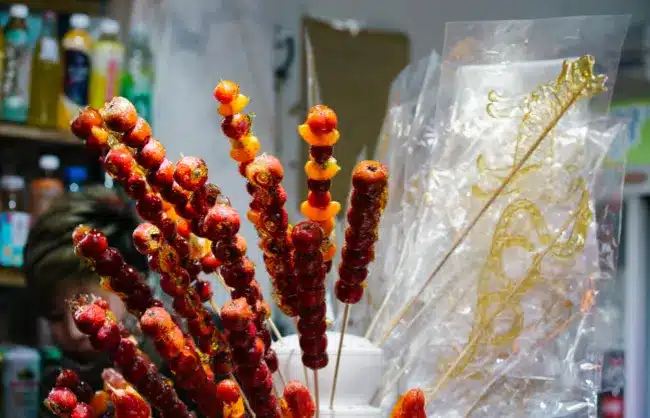
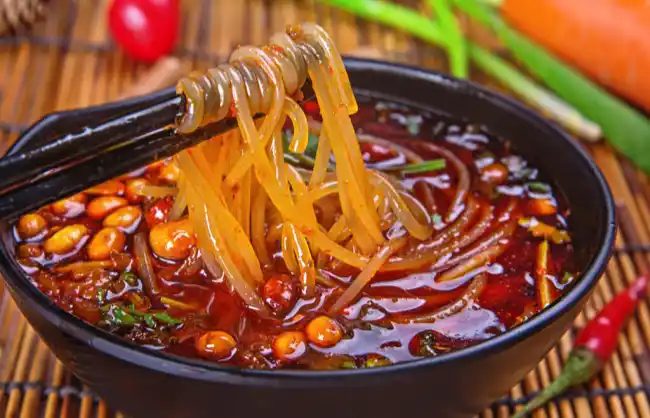
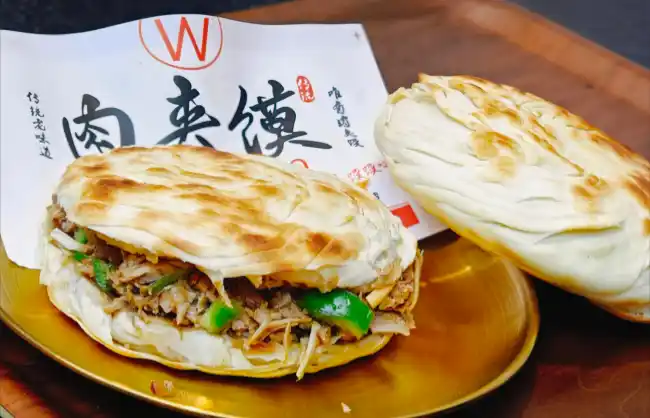
- Common food: Baozi, Jianbing, Roujiamo, dumplings, hot and sour rice noodles;
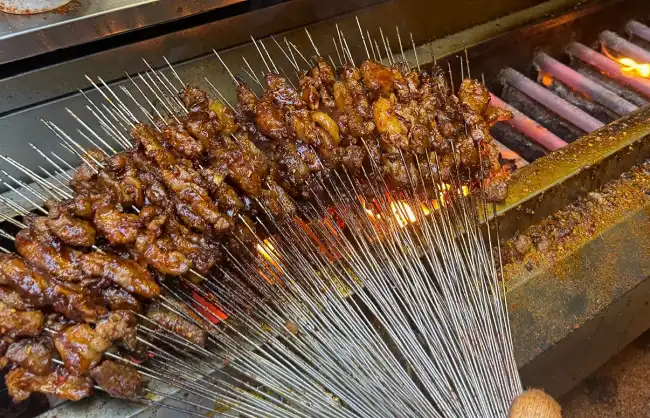
- Regional dishes: Wontons and small buns in the south and the skewered meats in the west
- Average cost: CNY 5 – 15/USD 1 – 2 per dish
- Features: Delicious, affordable and abundant choices
Fast Food and Chain Restaurants
- Popular restaurants:
- Chinese restaurants: Micunban Rice, Lao Xiang Ji, Kunfu and Country Style Cooking Restaurant;
- Western restaurants: KFC, McDonald’s, Pizza Hut, Yoshinoya
- Average cost: Chinese fast food: CNY 20 – 40/USD 3 – 6; Western fast food: CNY 30 – 100/USD 4 – 15
- Features: Cover both Chinese and foreign food, Chinese chains mainly offer stir-fried dishes served together with rice and feature a good value for money, while Western chains offer standard service and common Western fast food.
Traditional Chinese Restaurants
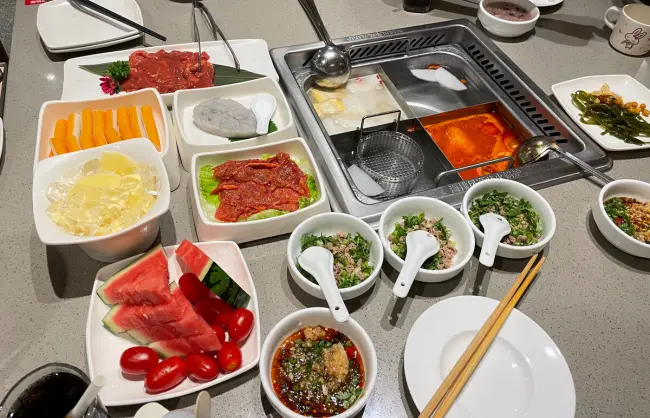
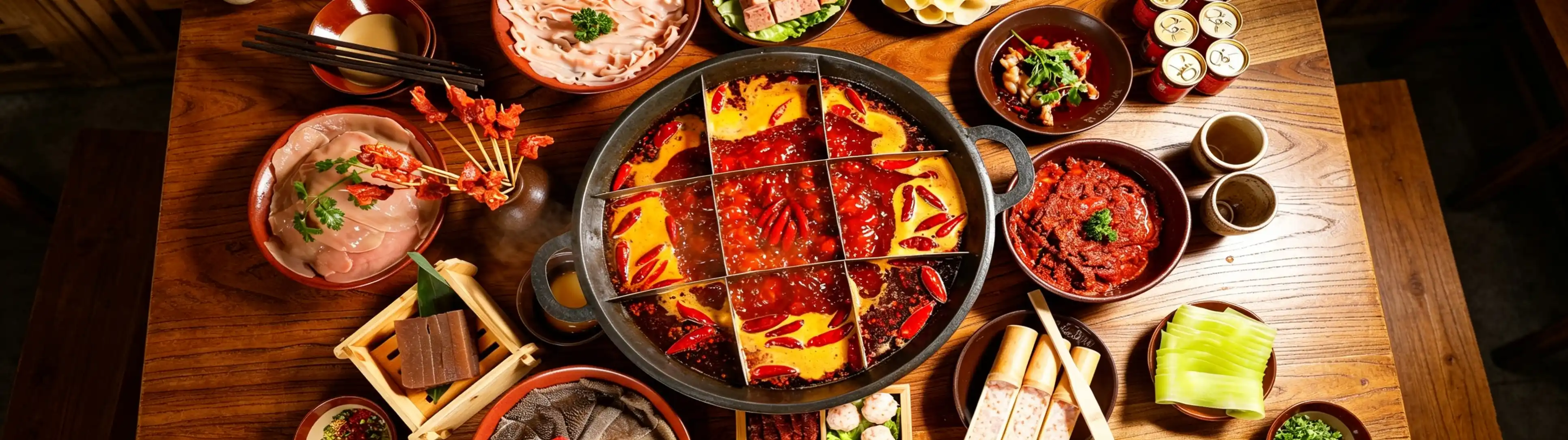
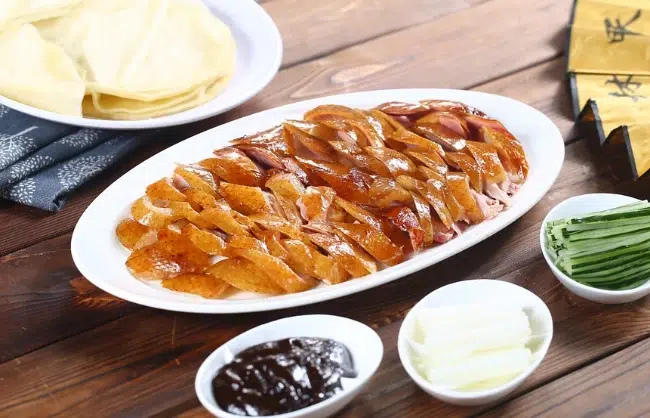
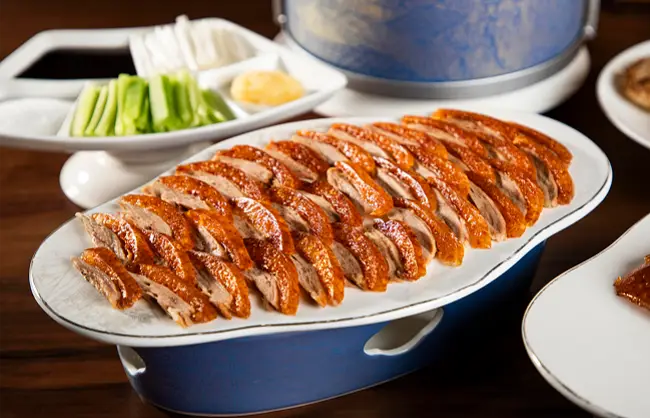
- Representative dishes: Beijing roast duck, copper pot hot pot, braised pork in brown sauce, including both royal and local cuisines.
- Average cost: CNY 50 – 500/USD 7 – 74, varies according to the types of restaurants
- Features: Emphasizes seasonality and regionality, cooked with local ingredients, and most restaurants are uniquely decorated with traditional elements
Dining at Buffets in China
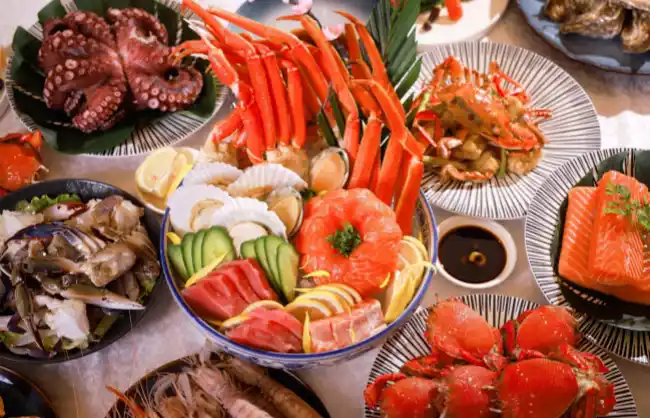
- Common buffets: Barbecue, skewers, seafood and hotpot, expanded to noodles, dumplings, desserts, pastries, western fast food, Japanese cuisines, and community canteen in recent years
- Average cost: CNY 30 – 200/USD 4 – 29, varies according to the types of restaurant
- Features: Abundant choices, including local specialties. The price is about 30% lower during lunchtime than dinner time in some restaurants.
Fine Dining and Specialty Dishes
- Main Types: Imperial cuisines, Michelin-starred restaurants, high-end regional cuisines, luxury famous dishes, cultural theme restaurants, and high-end buffets
- Average cost: the highest, CNY 500 – 5000+/USD 74 – 735+per meal
- Features: Better service and environments, each type has its own characteristics.
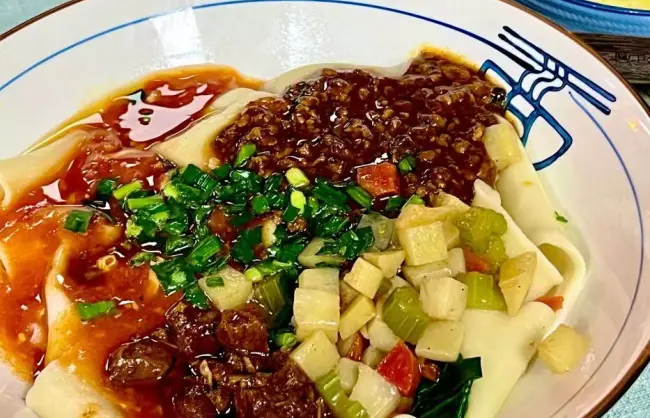
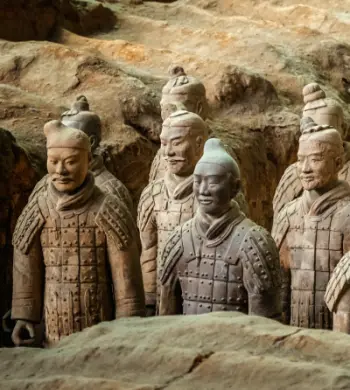
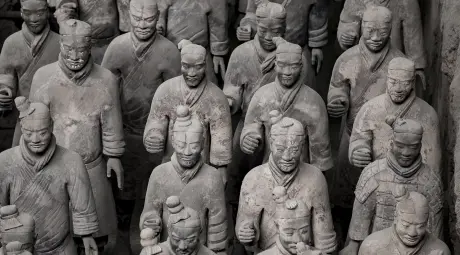
Feast on Xian's legendary street food while exploring Terracotta Warriors, the ancient City Wall, and vibrant night markets.
Breakdown of Meal Costs by Meal Type
Average Cost of Breakfast in China
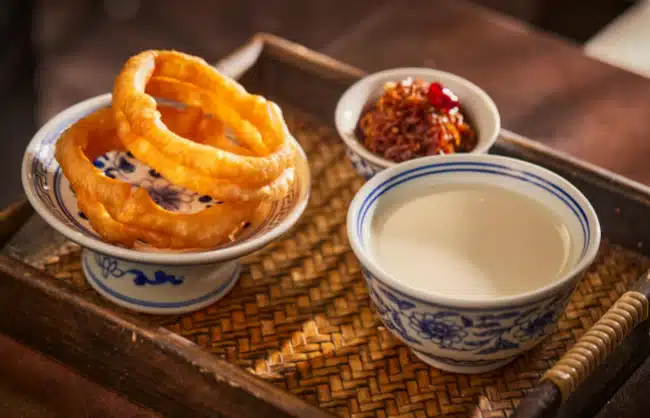
In the table below, the most common Chinese breakfast, local specialty breakfast and popular Western breakfast and their costs are all included. Among them, baozi and congee are the most classic combination. Baozi is especially popular because of its various kinds of stuffings from vegetables to meat. Congee, rice porridge, also has different types in different regions. The traditional ones include millet porridge, pumpkin porridge, eight-treasure porridge, etc.
Common Breakfast |
Cost |
Baozi |
CNY 1 – 4.5/USD 0.2 – 0.7 |
Youtiao (deep-fried dough stick) |
CNY 1 – 4/USD 0.2 – 0.6 |
Small steamed bun |
CNY 5 – 25/USD 0.7 – 4 |
Congee |
CNY 2 – 6/USD 0.3 – 0.9 |
Soybean milk |
CNY 2 – 7/USD 0.3 – 1 |
Bean curd jelly |
CNY 3 – 5/USD 0.4 – 0.7 |
Local Specialty Breakfast |
|
Roujiamo |
CNY 6 – 15/USD 0.9 – 2 |
Steamed vermicelli roll |
CNY 4 – 15/USD 0.6 – 2 |
Rice noodles |
CNY 7 – 15/USD 1 – 2 |
Western Breakfast |
|
Breads |
CNY 2 – 10/USD 0.3 – 1.5 |
Sandwiches |
CNY 5 – 15/USD 0.7 – 2 |
Milk |
CNY 3 – 10/USD 0.4 – 1.5 |
How Much is Lunch in China?
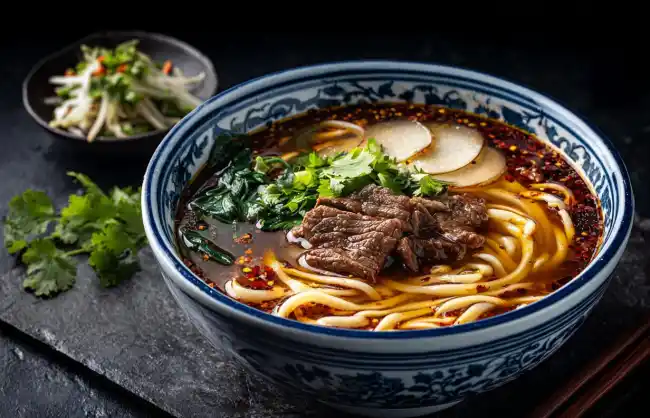
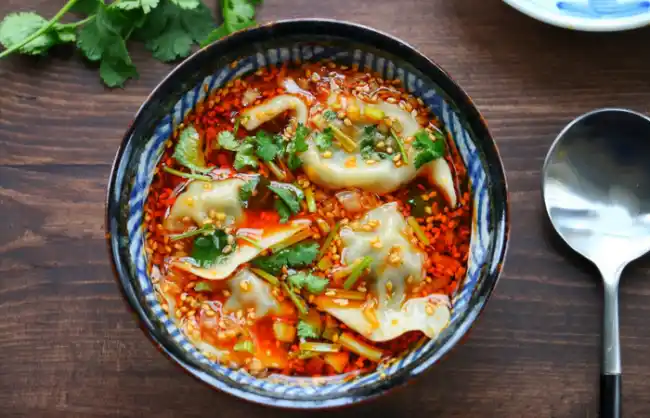
Lunch in China is the main meal and is enjoyed with a variety of staple foods, such as rice and steamed buns. Because of the convenience and abundance, the classic Chinese lunch, set meals, has been very popular. It often pairs rice or steamed buns with hot dishes including meal dishes and vegetable dishes to balance the diet. It is widely available in restaurants, food courts, and street stalls. Refer to the table below for the cost of set meals and other classic Chinese lunches.
Common Lunch |
Cost |
Set meals/bento boxes |
CNY 15 – 30/USD 2 – 4 |
Noodles |
CNY 10 – 25/USD 1.5 – 4 |
Dumplings |
CNY 10 – 35/USD 1.5- 5 |
Hot and sour soup |
CNY 5 – 15/USD 0.7 – 2 |
Wonton soup |
CNY 6 – 20/USD 0.9 – 3 |
Rice (a la carte) |
CNY 1 – 8/USD 0.2 – 1.2 |
Steamed buns (a la carte) |
CNY 0.5 – 4/USD 0.08 – 0.6 |
Dinner Prices: How Much Does a Dinner Cost in China
Dinner is more abundant in China. Locals prefer to have dinner at a street vendor or a small local restaurant to enjoy cost-effective meals, like noodles, fried rice, etc. The fast food and chain restaurants are also popular choices, since the taste of the dishes is better and the cost is not too high. Sometimes, a big dinner, such as hot pot, will also be enjoyed after a day of hard work.
Common Dinner |
Cost |
Fried rice |
CNY 10 – 50/USD 1.5 – 7 |
Fast food |
CNY 20 – 100/USD 3 – 15 |
Skewers |
CNY 40 – 80/USD 6 – 12 |
Hot pot |
CNY 50 – 100/USD 7 – 15 |
Seafood |
CNY 80 – 400/USD 12 – 59 |
International or fusion cuisine |
CNY 50 – 300/USD 7 – 44 |
Taste Beijing's hutong snacks and farmhouse meals, Xi'an's Muslim Quarter street food, and Shanghai's dim sum while visiting the Forbidden City, Terracotta Warriors, and Bund.
Beverage Prices
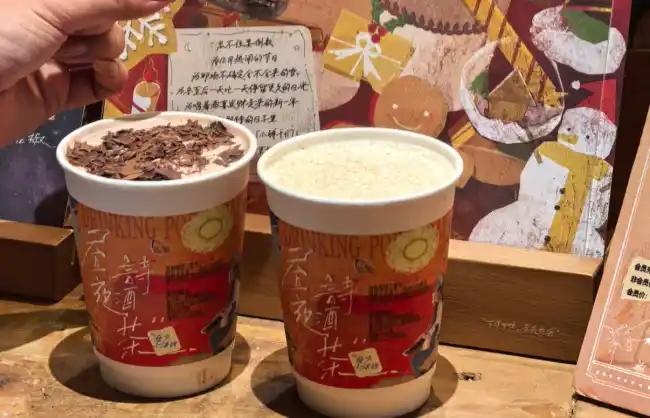
The beverage in China is quite abundant. And you can see the milk tea shops and cafes everywhere in tier 1 and 2 cities. Here are the costs of popular chain milk tea shops and cafes in China and regional characteristic tea beverages. The various kinds of milk tea are worth trying.
Popular Cafes and Milk Tea Shops |
Cost |
Cafes |
|
Luckin & Cotti |
CNY 10 – 25/USD 1.5 – 4 |
Starbucks & Tims |
CNY 25 – 45/USD 4 – 7 |
Manner & Arabica |
CNY 40 – 60/USD 6 – 9 |
Milk Tea Shops |
|
Mixue Ice Cream & Tea |
CNY 4 – 12/USD 0.6 – 2 |
Heytea |
CNY 15 – 28/USD 2 – 4 |
Nayuki’ Tea |
CNY 10 – 30/USD 1.5 – 4 |
Regional Characteristic Tea Beverages |
|
Cha Yan Yue Se (Changsha) |
CNY 15 – 30/USD 2 – 4 |
Cha Hua Nong (Xian) |
CNY 13 – 20/USD 2 – 3 |
Fang Ha (Lanzhou) |
CNY 10 – 20/USD 1.5 – 3 |

Cost of Eating Out in Different Chinese Cities
Hong Kong Food Price Guide
The type of food in Hong Kong is quite different from that in the Mainland of China. But it also covers street food, fast food and mid-range to high-end dining. For budget eats, classic snacks and staples, like Curry Fish Balls and Cart Noodles, cost about HKD 12 – 25/USD 1.5 – 3.
Cha Chaan Teng and fast food restaurants offer diverse dishes, like the classic Wonton Noodles and Char Siu Rice, making them popular local spots for dining. A meal ranges from HKD 50 to 150/USD 6 – 19.
In addition, the local specialty high-end restaurants feature signature dishes, such as the roast goose in Yung Kee Restaurant and dim sum in Tim Ho Wan, and a higher cost, about HKD 150 – 500 +/USD 19 – 64. Please note that in scenic areas such as Causeway Bay, main street in Tsim Sha Tsui, the price is generally higher.
Main Specialties and Its Price Range in Hong Kong
Specialties |
Price Range |
Curry Fish Balls |
HKD 7 – 13/USD 1 – 2 |
Stuffed “Three Treasures” |
HKD 1 – 8/USD 0.1 – 1 |
Egg Puffs |
HKD 15 – 15/USD 2 |
Cart Noodles |
HKD 30 – 80/USD 4 – 10 |
Char Siu Rice |
HKD 10 – 80/USD 1.3 – 10 |
Pork Chop Rice |
HKD 30 – 80/USD 4 – 10 |
Dim Sum in Tim Ho Wan |
HKD 23–40/USD 3 – 5 |
Tonkotsu ramen |
HKD 89 – 120/USD 11 – 15 |
Cost of Meals in Beijing, Shanghai, and Guangzhou
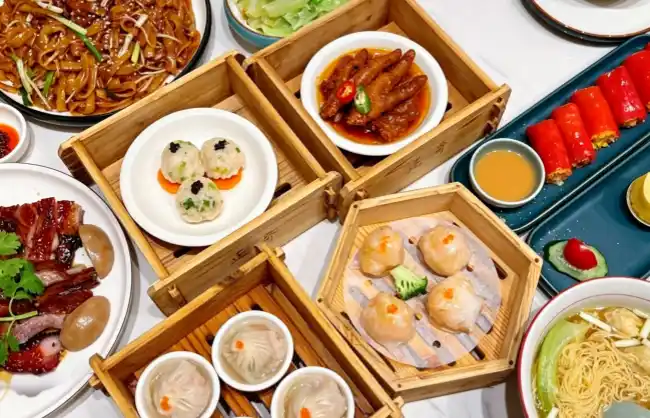
As tier 1 cities, the meal costs in Beijing, Shanghai and Guangzhou are higher than those in other cities. Among the three cities, the cost of common breakfast, lunch and dinner is quite similar. The major difference lies in their special breakfast and high-end dining experiences, as the table below.
Meals |
Beijing |
Shanghai |
Guangzhou |
Breakfast |
Common: CNY 5 – 8/USD 0.7 – 1.2
Special: Noodles with soybean paste: CNY 15 – 20/USD 2 – 3 |
Common: CNY 5 – 8/USD 0.7 – 1.2
Special: Sandwich and coffee: CNY 25+/USD 4+ |
Common: CNY 5 – 8/USD 0.7 – 1.2
Special: Morning tea: CNY 20 – 30/USD 3 – 4 |
Lunch |
CNY 15 – 35/USD 2 – 5 |
CNY 15 – 35/USD 2 – 5 |
CNY 15 – 35/USD 2 – 5 |
Dinner |
Casual: CNY 30 – 50/USD 4 – 7
Upscale: CNY 150 – 200/USD 22 – 29 |
Casual: CNY 30 – 50/USD 4 – 7
Upscale: CNY 500 – 2000/USD 74 – 294 |
Casual: CNY 30 – 50/USD 4 – 7
Upscale: CNY 400 – 600/USD 59 – 88 |
In consideration of price, Beijing is cost-effective, because it offers the largest portions and lower and relatively stable prices. Shanghai features the highest premium, which is driven by scenic river views and skyline dining experiences, especially in The Bund and Lujiazui. Guangzhou, as the gastronomic capital, offers rich specialties at reasonable prices.
Related reading: Top Food to Eat in Guangzhou
Main Specialties and Its Price Range in Beijing, Shanghai and Guangzhou
Cities |
Specialties |
Price Range |
Beijing |
Peking Roast Duck |
CNY 128-398/USD 19 – 59 |
Beijing |
Noodles with soybean paste |
CNY 18 – 30/USD 3 – 4 |
Beijing |
Fried chop rice cake |
CNY 5 – 10/USD 0.7 – 1.5 |
Beijing |
Luzhu huoshao |
CNY 25 – 35/USD 4 – 5 |
Shanghai |
Small Steamed Bun |
CNY 28 – 58/USD 4 – 9 |
Shanghai |
Pan-Fried Pork Buns |
CNY 15 – 25/USD 2 – 4 |
Shanghai |
Yanduxian |
CNY 58 – 88/USD 9 – 13 |
Shanghai |
Crab Roe Noodles |
CNY 88 – 168/USD 13 – 25 |
Guangzhou |
Rice Noodle Rolls |
CNY 12 – 25/USD 2 – 4 |
Guangzhou |
White Sliced Chicken |
CNY 48 – 88/USD 7 – 13 |
Guangzhou |
Claypot Rice |
CNY 35 – 65/USD 5 – 10 |
Guangzhou |
Har Gow |
CNY 28 – 38/USD 4 – 6 |
Guangzhou |
Milk Custard |
CNY 15 – 25/USD 2 – 4 |
How Much is Food in Xi’an and Other Tier 2 Cities?
Compared with Beijing, Shanghai and Guangzhou, the cost in Xian and other tier 2 cities is relatively lower. And among all tier 2 cities, the cost of a meal is basically the same.
For daily snacks and fast food, the cost for breakfast, lunch and dinner is CNY 5 – 15/USD 0.7 – 2, 25 – 45/USD 4 – 7 and 20 – 50/USD 3 – 7 per person separately. If you want to taste the special local cuisines, it will take about CNY 30 – 90/USD 4 – 13 in ordinary restaurants and CNY 80 – 120/USD 12 – 18 in high-end restaurants. The price in scenic areas is often higher in Tier 2 cities, but is acceptable.
Related reading: Top 8 Tips for a Gluten-Free Trip to China
Main Specialties and Its Price Range in Xian
Specialties |
Price Range |
Roujiamo |
CNY 12 – 18/USD 2 – 3 |
Mutton and Bread Pieces in Soup |
CNY 35 – 50/USD 5 – 7 |
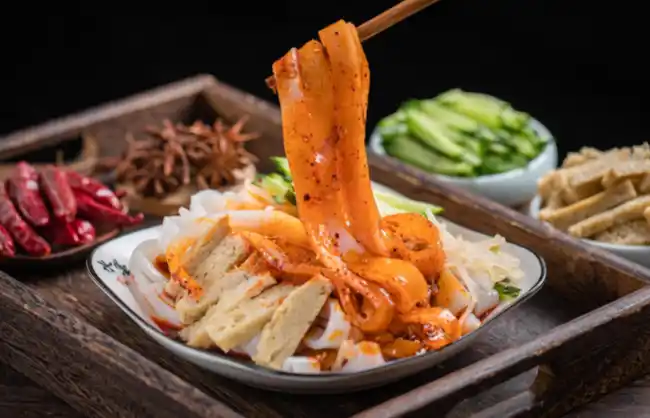
Cold Rice Noodles |
CNY 8 – 15/USD 1 -2 |
Spicy Pepper Soup |
CNY 8 – 12/USD 1 – 2 |
Jing Gao |
CNY 10 – 20/USD 1 – 3 |
Useful Tips for Dining in China
Tipping is not Customary in China
In the culture of China, it is wildly recognized that service charge has been included in the price of commodities, so tipping is not customary, and sometime it is may be interpreted as a questioning of the professionalism of the service provider. If you want to show your respect, you can praise their service directly, post good feedback on the platform or give a small gift instead. >> See more details about tipping culture and advice in Chinese Mainland, Hong Kong and Macau.
Where Food/Drink Costs More
- Tourist area: The food price there is usually 30% higher than other areas due to the high rent fee of shops.
- Train stations and airports: After security check, the choices of food are limited and passengers place more emphasis on efficiency and convenience, so the premium is obvious with 30 – 50% higher than normal situations.
- high-end restaurants: Due to the type of ingredients, brands, better environment and service, the price in high-end restaurants is about 3 – 7 folds of the ordinary ones.
How to Pay for Food and Drinks in China?
From the street stores to ordinary restaurants and high-end restaurants, almost all support the payment by Wechat, Alipay and cash. And some high-end restaurants also support pay by bank card and international credit cards.
Related reading: How to Pay in China As a Foreigner
Practical Tips to Save Money on Food in China
- Choose the local inexpensive restaurants, you can screen out the time-honored brands with a rating of 4.5 or above on the food ordering apps such as Dianping APP.
- You can also search and buy the groupon of the restaurant you want to go in advance in the Meituan App.
- Avoid tourist attractions, find out the food streets the locals prefer on the internet.
- Go to the streets next to universities, where the price is basically lower since there are almost students.
Plan Your China Food Tour with Us
If you want to taste various kinds of special during China travel, but do not know the specialties and cost of food, our travel agency is pleased to plan a food tour for you based on your preference and budget. You can follow our guide to taste the authentic local food and experience the extensive and profound food culture of China. So feel free to contact with us at any time.
FAQs about Food Cost in China
Q1: Are there hidden fees in China food pricing?
Some restaurants provide wet wipes, tissues and pre-meal snacks at an extra cost, which may be not mentioned when served. So confirm with the waiter in advance. Besides, in some mid-to-high-end restaurants, a service fee of 10% to 15% will be added to the bill.
Q2: How can I determine whether a restaurant offers reasonable prices?
The most direct way is to choose a restaurant with more locals. You can also check whether there are clearly marked prices on the menu. Be wary of dishes listed simply with market price or ambiguous pricing units, especially when ordering seafood. Another useful way is to check the average cost in advance on a local app for daily life, such as Meituan and Dianping.