


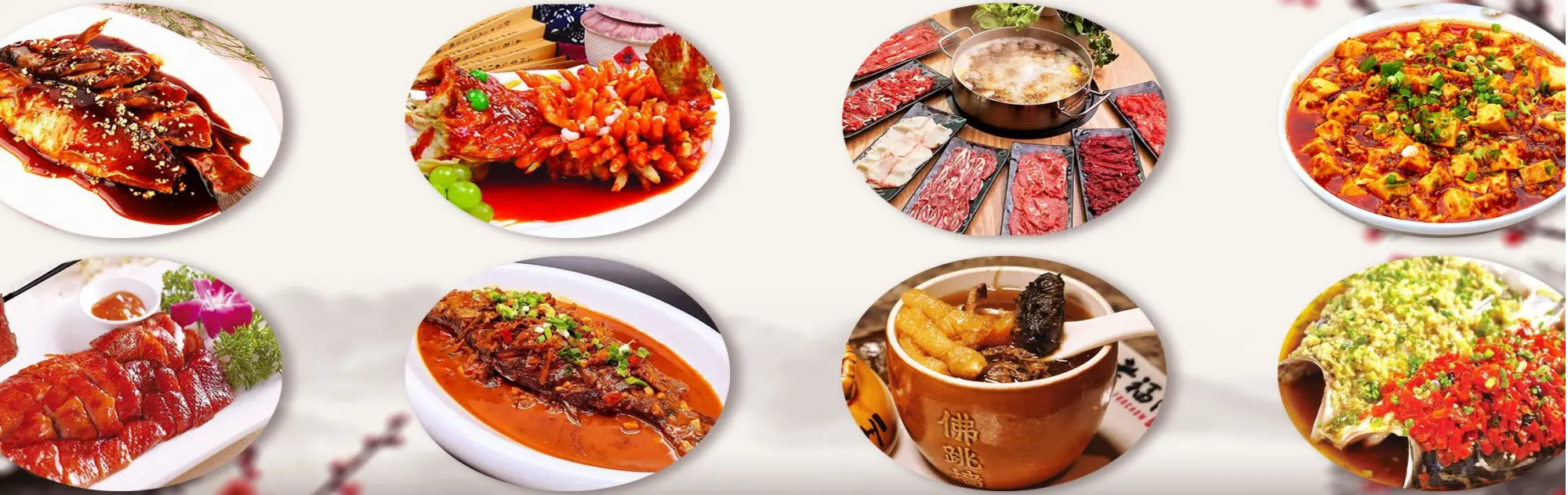
China’s thousands-years-old culinary legacy, shaped by diverse landscapes and traditions, centers in eight iconic regional cuisines: Shandong, Jiangsu, Zhejiang, Fujian, Cantonese, Sichuan, Hunan, and Anhui. Changing along with the flying time, all these cuisines have now evolved in response to local geography, climate, and cultural traditions.
Their most distinguishing feature lies in cooking methods — steaming, braising, stir-frying, and more — each shaped by the ingredients at hand. And ultimately, a region’s culinary evolution hinges on the diversity of its available ingredients. As you might’ve noticed, prosperous river regions (Yangtze Delta, Pearl River) historically developed more complex dishes thanks to abundant seafood and produce.
Where there are rivers and seas, there are aquatic products, which greatly enhances the options for cooking. Therefore, an important standard of being considered as a major Chinese cuisine is its dedication to offering seasonally varied dishes year-round. Embark on a China food tour or a Yangtze River cruise tour to experience the most authentic flavors of China.
Content Preview
- Quick Comparison of the Eight Major Cuisines
- 1. Shandong Cuisine: Thick and Rich
- 2. Jiangsu Cuisine: From the Land of Plenty
- 3. Zhejiang Cuisine: Fresh Water Delicacies
- 4. Fujian Cuisine: The Taste of the Coast
- 5. Cantonese Cuisine: The Art of Dim Sum
- 6. Sichuan Cuisine: A Fiery Journey
- 7. Hunan Cuisine: Spicy and Tender
- 8. Anhui Cuisine: Flavors of Central China
- Other Famous Regional Cuisines in China
- FAQs about Chinese Cuisine
- Experience the Real Flavors of China with China Xian Tour
- Read More about Chinese Food Culture
Quick Comparison of the Eight Major Cuisines
Cuisine |
Taste Features |
Main Cooking Methods |
Signature Dishes |
Shandong (Lu) |
Fresh, salty-umami, strong seafood flavor |
Stir-frying, deep-frying, braising |
Sweet and Sour Carp; Braised Sea Cucumber |
Jiangsu (Su) |
Mildly sweet, delicate, elegant presentation |
Stewing, braising, steaming |
Sweet & Sour Mandarin Fish; Nanjing Salted Duck |
Zhejiang (Zhe) |
Light, fresh, seasonal ingredients |
Stir-frying, steaming, simmering |
West Lake Fish in Vinegar; Longjing Shrimp |
Fujian (Min) |
Light, slightly sweet-sour, soup-based |
Braising, stewing, simmering |
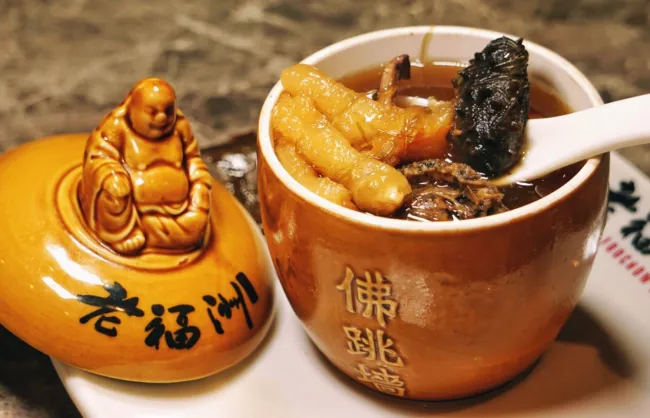
Buddha Jumping Wall; Lychee Pork |
Cantonese (Yue) |
Mild, fresh, natural taste |
Steaming, stir-frying, roasting |
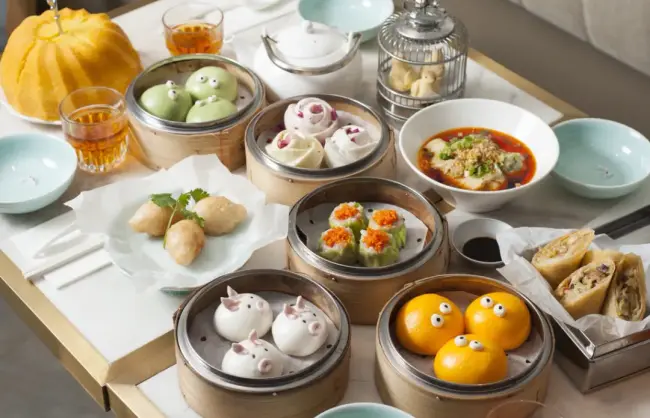
Dim Sum; Char Siu; White Cut Chicken |
Sichuan (Chuan) |
Spicy and numbing (málà) |
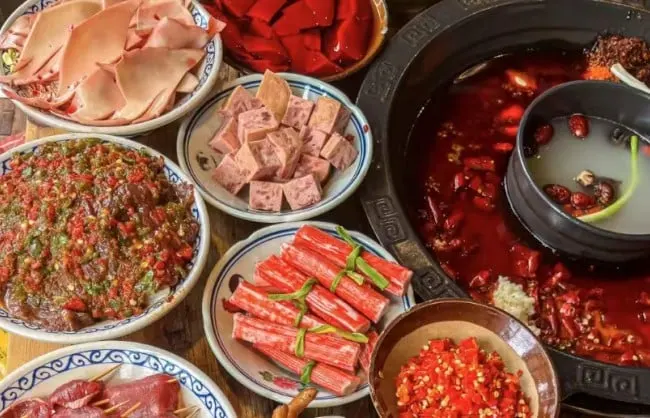
Stir-frying, braising, hot-pot |
Mapo Tofu; Twice-Cooked Pork |
Hunan (Xiang) |
Hot and sour, strong chili and garlic |
Stewing, braising, smoking |
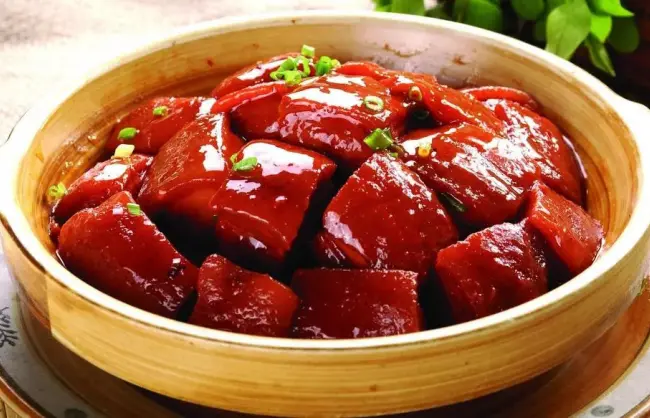
Chairman Mao’s Red-Braised Pork; Spicy Fish Head |
Anhui (Hui) |
Savory, rich, earthy mountain flavors |
Braising, stewing |
Stinky Mandarin Fish; Bamboo Shoots with Ham |
1. Shandong Cuisine: Thick and Rich
- Features: Bold savory flavors, Expert soup-making, Mastery of seafood, Precision in heat control
- Signature dishes: Braised Sea Cucumber with Scallion, Sweet and Sour Carp
Shandong Cuisine (鲁菜 / lǔ cài) is a signature of northern Chinese cuisine, famous for its heavy use of soy sauce and thick texture. It is the richest and the most difficult Chinese cuisine, as it is very particular about heat and seasoning, which take a lot of skills to master. It has been the most influential palace cuisine in Chinese history.
Shandong Cuisine is all about the quality of the raw materials. Relatively heavy on salt and other seasonings, it aims to bring out the original flavors of the ingredients. Prominent cooking methods are bao (stir-frying in high temperature) and basi (coating the ingredient with flour and stir-frying till crispy). Traditional dishes include Braised Intestines, Sea Cucumber with Scallions, and Sweet and Sour Carp.
Recommended Tour: 7 Days Shandong Tour of Qingdao, Qufu, Jinan
2. Jiangsu Cuisine: From the Land of Plenty
- Features: Diverse and fresh ingredients, Refined knife skills and techniques, Elegant presentation and balanced flavors
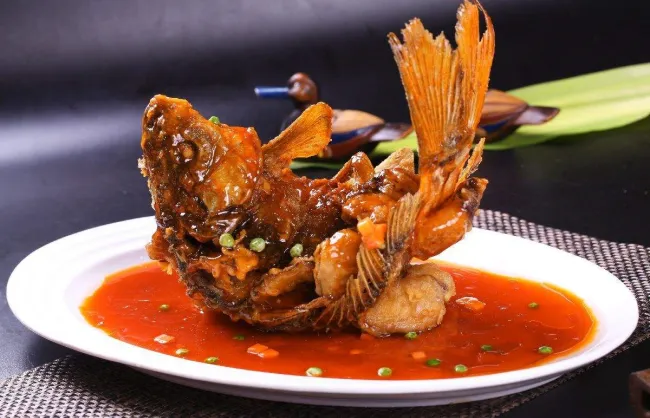
- Signature dishes: Sweet and Sour Mandarin Fish, Salted Duck
Jiangsu Cuisine (苏菜 / sū cài) includes traditional foods from four major cities: Suzhou, Yangzhou, Nanjing, and Zhenjiang. This cuisine is known for its well-balanced flavors, light texture, and delicacy. A fine and classic Jiangsu dish must be tasted intense but not greasy, light but not bland. The ultimate goal for cooking this type cuisine is to maintain the original flavors of the ingredients, however, it also sets a high requirement for the ingredients’ freshness.
Jiangsu cuisine emphasizes on soups. And most dishes would have a heavy use of soy sauce and cooking wine. They basically apply all different cooking methods, such as stewing, braising, steaming, stir-frying, and simmering. The texture of results can be either tender or crispy. Taste some of the best Chinese foods on a Jiangsu tour, such as Sweet and Sour Mandarin Fish, and Brine-Boiled Duck.
One thing unique about Jiangsu Cuisine is its extremely heavy focus on the presentation of dishes. And behind the delicate and beautifully presented dishes are exquisite knife skills. For example, the classic dish Wensi Tofu is the epitome of knife work in Chinese cuisine. The tofu is sliced into strings as thin as hair but remains attached in one piece. It stays intact in the broth but melts as soon as you put it in your mouth.
Recommended Tour: 3 Days Suzhou Tour with Classical Gardens
3. Zhejiang Cuisine: Fresh Water Delicacies
- Features: Rich history and variety, Distinct regional styles (Hangzhou, Ningbo, Shaoxing, and Wenzhou), Focus on ingredient quality and balanced nutrition, Refined cooking techniques
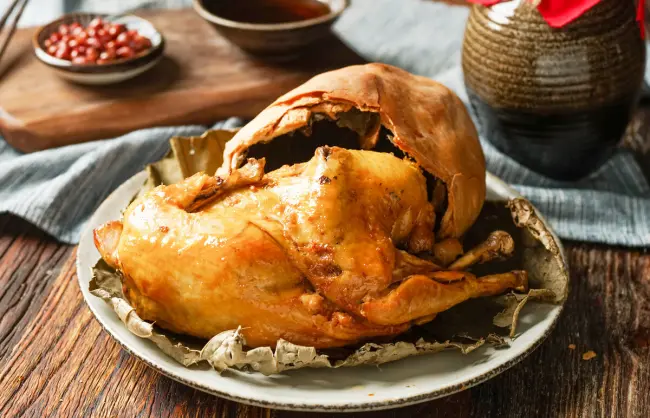
- Signature dishes: Longjing Shrimp, Beggar’s Chicken
Zhejiang Cuisine (浙菜 / zhè cài) is the cultural heritage of cities including Hangzhou, Ningbo, and Shaoxing. The region is home to many Jiangnan water towns. Winding rivers, lakes, and the grand canal allow access to many fresh water ingredients like fish and shrimp. The famous Longjing tea also originates in Hangzhou. All these ingredients are key to the flavors of Zhejiang, fragrant, crispy, tender, and fresh.
To complement the rich ingredients of Zhejiang Cuisine, people often cook with fresh bamboo shoots, ham, mushrooms, and green vegetables, together with scallions, ginger, garlic, Shaoxing cooking wine, vinegar, and other condiments, to get rid of the fishiness of raw materials while bringing out the richness of flavors.
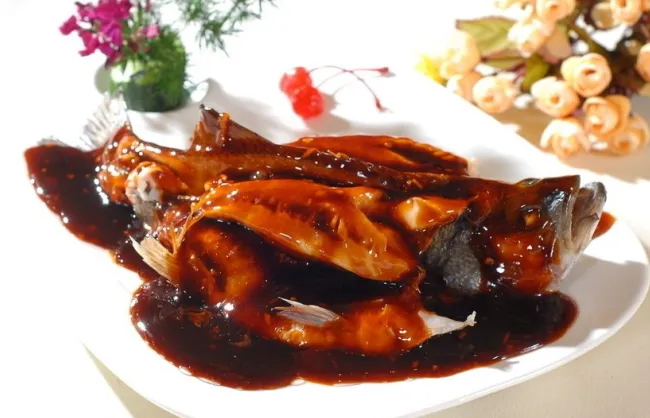
Go on a Hangzhou tour when you travel to China to taste the world famous West Lake Fish in Vinegar Gravy, Dongpo Pork, and Fried Shrimps with Longjing Tea.
Recommended Tour: 2 Days Hangzhou Essence Tour
4. Fujian Cuisine: The Taste of the Coast
- Features: Fresh, delicate flavors, abundant use of seafood and mountain delicacies, Diverse soups
- Signature dishes: Buddha skipping wall, Lychee pork
Fujian Cuisine (闽菜 / mǐn cài) developed from the culinary traditions of Fuzhou, Quanzhou, and Xiamen. Located on the southeast coast of China, Fujian has some of the best Chinese food, especially its nationally famous seafood. You’d be amazed at just how many different kinds of seafood are used in Fuijian dishes.
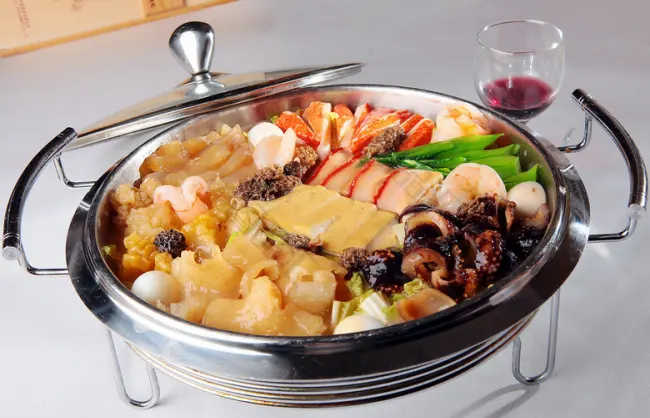
Although Fujian cuisine is rich in flavors, the ultimate pursuit of a fine dish is still the fresh and original taste of seafood itself. People will use sugar to de-fishy and vinegar to refresh the texture. One special and thing about cooking Fujian dishes is that people like to toss various ingredients into one pot and stew them together for a rich and complex flavor, like the renowned Buddha Jumping Wall.
Recommended Tour: 3 Days Best Xiamen Leisure Tour
5. Cantonese Cuisine: The Art of Dim Sum
- Features: Emphasis on Freshness, Wide Range of Ingredients, Light and Balanced Flavors, Focus on Soups
- Signature dishes: Har Gow, white cut chicken
As a style of cooking, Cantonese Cuisine (粤菜 / yuè cài) carries on the of Guangdong Province, especially of cities like Guangzhou and Chaozhou. People here apply a wide range of ingredients in their recipes. And the number of ways they used to cook chicken, ducks, and pork is beyond your imagination. Cantonese Cuisine is not heavy on seasoning and doesn’t require complicated cooking methods. Instead, they prefer to use the simplest methods to bring out and highlight the the ingredients’ original flavors.
Some would say a China tour won’t be completed without tasting Dim Sum, the bite-sized crown jewel of Cantonese cuisine, if your includes Guangzhou. Steamed or fried in bamboo baskets, these artful dishes turn meals into social events. Some of the most popular choices include Char Siu Bao (BBQ pork buns), Har Gow (shrimp dumplings), Siu Mai (dumplings filled with pork, shrimp, and mushroom).
Recommended Tours:
3 Days Guangzhou Historical and City Highlights Tour
3 Days Best Guangzhou Food Tour
6. Sichuan Cuisine: A Fiery Journey
- Features: Bold, spicy and Flavorful, Diverse Ingredients, Varied Cooking Techniques, Rich Variety of Dishes
- Signature dishes: Mapo tofu, twice-cooked pork, hot pot
Sichuan Cuisine (川菜 / chuān cài) is the oldest style of the eight Chinese cuisines with over 4,000 dishes in total. Best known for the food culture in Chengdu and Chongqing, it is characterized by bold and spicy flavors. With heavy use of chili peppers, peppers, and peppercorns, most dishes look, smell, and taste spicy! What’s special is that these Sichuan peppers are numbing as well.
Because of its location, Sichuan cuisine integrates the culinary traditions of southeast and northwest China. If you travel to China, make sure you try the famous Kung Pao Chicken, Mapo Tofu, and of course, the traditional Sichuan hotpot, and most popular Chongqing foods on your Sichuan tour.
Recommended Food Tour: 3 Days Chengdu City Tour with Food Exploration
7. Hunan Cuisine: Spicy and Tender
- Features: Meticulous preparation, Diverse ingredients, Rich colors, Soft and tender textures
- Signature dishes: steamed fish head with chopped chili, fried slice streaky pork with chili
Hunan Cuisine (湘菜 / xiāng cài) is even spicier than Sichuan cuisine without the numbing sensation of Sichuan peppers. It is heavy on the oil, salt, red chili peppers, garlic, and vinegar to offset some of the spice. Hunan cooking, compared to other Chinese foods, is humble and feels like home-cooking. Classic dishes include Steamed Fish Head with Diced Spicy Red Peppers, Chairman Mao’s Red Braised Pork.
Recommended Tour: 7 Days Hunan Tour from Changsha to Zhangjiajie
8. Anhui Cuisine: Flavors of Central China
- Features: Locally sourced and fresh ingredients, Mastery of heat control, Famous for braising and stewing, Focus on nourishment and natural flavors
- Signature dishes: Pickled fresh mandarin fish, Sanhe Crispy Duck
Anhui Cuisine (徽菜 / huī cài) is a representative style of central China. It uses local ingredients, is heavy on oil and coloring. Braising and stewing make the dishes thick and flavorful. Classic dishes include Stewed Turtle with Ham, Honeycomb Tofu, and Stinky Mandarin Fish.
Recommended Tour: 3 Days Huangshan Mountain and Hongcun Ancient Village Tour
Related reading: Discover Best Cities for Food in China
Other Famous Regional Cuisines in China
While the eight major cuisines often dominate discussions of Chinese gastronomy, China’s culinary landscape is way beyond than this. To acquire a full map of China’s food culture, one needs to explore wider and deeper in regional cuisines. They offer unique flavours shaped by distinct geography, ethnic groups and sometimes cultural histories.
Jing Cuisine (Beijing Cuisine)
Jing cuisine has been deeply affected by the Beijing’s vast history and culture. It centers on the capital region and reflects both imperial banquet traditions and northern plain produce. Its flavour tends to be salty and fresh, and techniques that open applied include roasting and quick-frying. Mutton and lamb are used more frequently which is not that usual in many southern cuisines.
Signature example: Peking Duck (北京烤鸭) — crisp skin, succulent meat, served with pancakes, scallions and sweet bean sauce.
Dongbei Cuisine (Northeast China Cuisine)
Dongbei cuisine refers to a flavor that lives in a lot of China’s northeastern provinces (Heilongjiang, Jilin, Liaoning). This type of cuisine is known as hearty and robust, which is shaped by cold weather and people can also taste the influences brought from Russia. Dishes tend to be rich-in-volume, salty, and local people are really good at using preservation methods like pickling.
Typical dishes: Guōbāoròu (锅包肉) – thin-sliced pork fried crisp and coated with sweet-sour sauce.
Yunnan Cuisine
Yunnan cuisine (滇菜 / Dian cuisine) is said to be one of the boldest and most diverse kind. It is influenced by the province’s vast biodiversity, multi-ethnic traditions and geographic variety and the types of its ingredients can be way beyond your imagination. Flavors are typically sour, spicy, aromatic.
Signature dish: Crossing-the-Bridge Rice Noodles (过桥米线) — a rich broth and separate toppings/ noodles served with a dramatic presentation.
Xinjiang Cuisine
Xinjiang cuisine (新疆菜) has a typical flavor influenced by Central Asian and many local ethnic groups like Uyghur, Kazakh and Hui. Their meals are heavily based on mutton, beef, dairy products, wheat-based breads and big-plate stews.
Signature examples: Lamb skewers with cumin & chilli; Big Plate Chicken (大盘鸡) served with potatoes and wide-noodles.
FAQs about Chinese Cuisine
Are there any vegetarian options in Chinese cuisine?
Yes, Chinese cuisine cooks with lots of tofu, mushrooms, and vegetables. There’re many different kinds of vegetables across different regions.
How important is tea in Chinese food culture?
Tea is served as a gesture of hospitality and helps cleanse the palate between dishes. It’s a common drink to have with Chinese meals. Read more about different types of tea and Chinese Tea Culture.
What are the main ingredients used in Chinese cuisine?
Chinese cuisine commonly uses ingredients like rice, wheat, soybeans, vegetables, pork, beef, chicken, fish, and various herbs and spices. Different cuisines cook with locally found ingredients in different seasons. Read about the 15 Most Popular Chinese Dishes.
What’s the difference between Sichuan and Hunan spice?
Although both traditions are known for spiciness, their spiciness are, indeed, different in the core. For example, Sichuan cuisine is known for its numbing-spicy sensation called málà (麻辣), which is created by a special local peppercorns. This type of heat is quite identical in Chongqing and Sichuan. Meanwhile, Hunan cuisine focuses on pure chilli-driven heat (often described as gān là 干辣 – “dry-spicy”), their bold flavors rely more on the work between chilly, garlic and oil but seldom uses the numbing peppercorns.
Why is Cantonese food so famous internationally?
Cantonese cuisine enjoys global renown because its tenderness is more easy to accept than other cuisines. It emphasizes fresh, high-quality ingredients, relatively mild but balanced flavous, and versatile cooking methods (steaming, roasting, stir-frying) which is rather simple and can translate well across cultures. Besides, the early overseas migration of Cantonese chefs have also helped spread its popularity.
Which cuisine shows the incredible knife skills?
If you are interested in knife skills, then you can look deeper into Jiangsu cuisine (particularly its Huaiyang sub-style), and it will surprise you with its elegance and exquisiteness. The cuisine emphasizes maintaining ingredient form and elegance in plating.
Experience the Real Flavors of China with China Xian Tour
China’s diverse and incredible flavors have been attracted tourists from all over the world, and to better enjoy the, you can join a China food tour with China Xian Tour. We’ take you to explore more than just the meals, but also the culture and history lying behind. While our professional guides can take take of everything for you along the journey, you can thus experience China’s rich culinary traditions up close and with full enjoyment.


