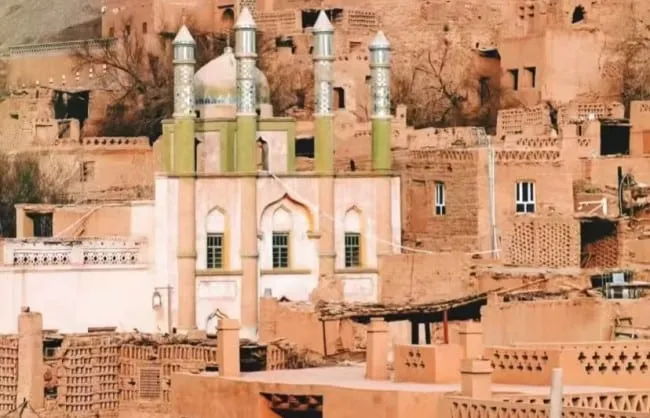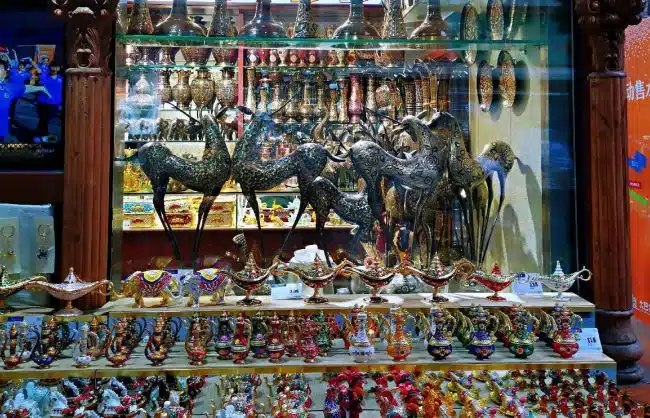


Xinjiang is a place drifting the aroma of carbs. Cities like Urumqi and Kashgar are filled with bustling markets and lively food stalls. Once you pass across places like Xinjiang Grand Bazaar and Hetian Second Street, you will never simply walk away until you’re full with gourmet Xinjiang cuisine. The streets are narrow, lined with shopkeepers calling out in their distinct accents.
Along the way, the scent of freshly baked bread mingles with the sweetness of ripe fruit and the sizzling aroma of lamb roasting over an open flame. Isn’t this what makes life beautiful? When the skies darken, you can stroll through the night market, watching the world pass by. Music flows in the air, with the sizzle of grills and the rhythm of chopping-an overture to something delicious.
Content Preview
- Top 10 Xinjiang Dishes You Must Try
- Desserts in Xinjiang
- Where to Enjoy Xinjiang Cuisine
- Vegetarian Options in Xinjiang Cuisine
- Tips for Dining in Xinjiang
- FAQs about Xinjiang Food
- Discover Xinjiang’s Best Flavors with China Xian Tour
Top 10 Xinjiang Dishes You Must Try
Dish name (English / local) |
Main ingredients |
Taste |
Typical price range (per serving, CNY) |
|
1 |
Lamb Kebabs / Kawap (羊肉串) |
Lamb cubes, cumin, chili, salt, skewers |
Smoky, savory, spicy |
~ ¥5 – ¥15 per skewer |
2 |
Pilaf / Polo (手抓饭) |
Rice, lamb, carrots, onions, raisins/raisins optional |
Rich, aromatic, slightly sweet |
~ ¥30 – ¥50 for typical meal |
3 |
Laghman (Hand-pulled noodles / 拉面) |
Wheat noodles, meat (lamb/beef) or vegetables, garlic, peppers |
Chewy noodles, savory, umami |
~ ¥25 – ¥40 |
4 |
Big Plate Chicken / Dapanji (大盘鸡) |
Chicken, potatoes, peppers, chili, wide noodles or rice |
Spicy, hearty, saucy |
~ ¥60 – ¥120 (shared portion) |
5 |
Naan (Xinjiang bread / 馕) |
Wheat flour, sesame seeds/onion topping |
Crisp outside, soft inside, bready |
~ ¥3 – ¥10 per piece |
6 |
Samsa (Baked pastry / 萨姆萨) |
Flour pastry, lamb & onion filling (or vegetable variant) |
Flaky pastry, savory (or mildly sweet) |
~ ¥3 – ¥20 |
7 |
Stuffed Lamb Intestine |
Lamb intestine, rice, lamb mince, onions, spices |
Chewy casing, savory & aromatic |
~ ¥30 – ¥80 |
8 |
Gangzirou (Meat in a jar / 缸子肉) |
Lamb chunks, lamb fat, slow-stewed in clay pot |
Tender, deeply lamb-flavorful |
~ ¥30 – ¥100 per person share |
9 |
Xinjiang Homemade Ice Cream |
Local milk, cream, sugar, nuts/dried fruit |
Creamy, fresh, mildly sweet |
~ ¥8 – ¥30 per cup/serving |
10 |
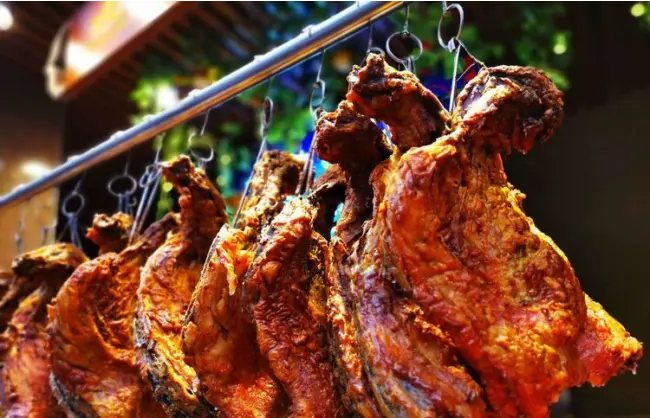
Roast Whole Lamb / BBQ Whole Lamb (烤全羊) |
Whole lamb, regional spices, charcoal roasted |
Juicy, intensely lamby, smoky |
~ ¥800 – ¥1,500 for whole lamb group meal |
Lamb Kebabs
Lamb Kebabs are a mouthwatering delight. In Uyghur, it is called “Kawap”. Many say, “Lamb kebabs are not only fragrant, but even more delicious when devoured.” The secret to the amazing taste of Xinjiang lamb kebabs lies in their ingredients—herb-fed lamb raised freely on the prairie. Feeding on wild herbs and drinking mountain spring water in Xinjiang, the meat develops an incredibly rich and aromatic flavor. Dusted with golden-brown seasoning powder-usually cumin, chili and other magical spices, their glistening and glossy appearance is just irresistible.
If you savor them piece by piece, with each bite, the fragrance seems to rise through your nose. And just imagine taking sips of Sprite along your bites! The combination is exhilarating-it’s pure satisfaction! When you walk way home, you many still want to lick the lingering taste from your lips, lost in the aftertaste. But a word of caution to my friends: Xinjiang cuisines are amazing, but don’t eat too many in one go!
Pilaf (Polo)
Xinjiang’s Pilaf, known by locals as “Polo”, “Palaw” in Persian, and “Pilav” in Turkish, is an influential Silk Road cuisine. It is a nutritious and flavorful dish with medical benefits. As we already know, lamb is a staple ingredient in Xinjiang cuisine and despite kebabs, they pairs perfectly with rice and veggies. Carrots and onions are especially essential in Xinjiang pilaf, typically diced on sliced thin to enhance both color and texture. For added depth of flavor, cumin powder, Sichuan peppercorns, ginger, and other spices can be incorporated based on personal taste. Some families also like to mix in raisins, which introduce a subtle sweetness and a delightful contrast in its taste.
The history of Xinjiang pilaf can be traced back to around 500 BCE. Due to the unique geographical location and extreme weather of Xinjiang, food resources are limited, hence people had to rely on their intelligence and creativity to survive. Pilaf emerged originally a simple wartime ration of grains and meat.
There is also a legend which credits its creation to Ibn Sina, who, in poor health, tried numerous medicines and switched to dietary therapy. He simmered lamb, carrots, onions, sheep fat, and rice into a healing dish. His recovery popularized the recipe, evolving into today’s Uyghur-style pilaf. Nowadays, Pilaf is among the most famous Xinjiang cuisines while you can find this delight-of-the-day in common local restaurants.
Hand-pulled Noodles
Xinjiang hand-pulled noodles, also called Laghman, originated in originated in the Hexi Corridor, the throat of the Silk Road. As people from the Hexi Corridor gradually migrated to northern Xinjiang, they brought their noodle-making traditions with them. This stretchy, saucy marvel has been fueling Silk Road travelers and modern foodies for centuries.
Born in the windswept Hexi Corridor, this noodle wizardry traveled west with migrating communities who knew a good carb fix when they tasted one. But here’s the plot twist – when these dough masters hit Xinjiang’s meat-loving turf, magic happened. Picture this: hand-pulled noodles doing the tango with juicy lamb chunks in a sauce that’ll make your taste buds write home. This magical Xinjiang dish comes in many optional flavors-spicy, sour or sweet. The toppings are diverse, incorporating nearly every vegetable available in local markets, such as cabbage, chives, chili peppers, eggplant, green beans, mushrooms, celery, and garlic sprouts.
Related reading: Doing A Silk Road Tour? Check out These Tasty Foods Made of Flour
Big Plate Chicken (Dapanji)
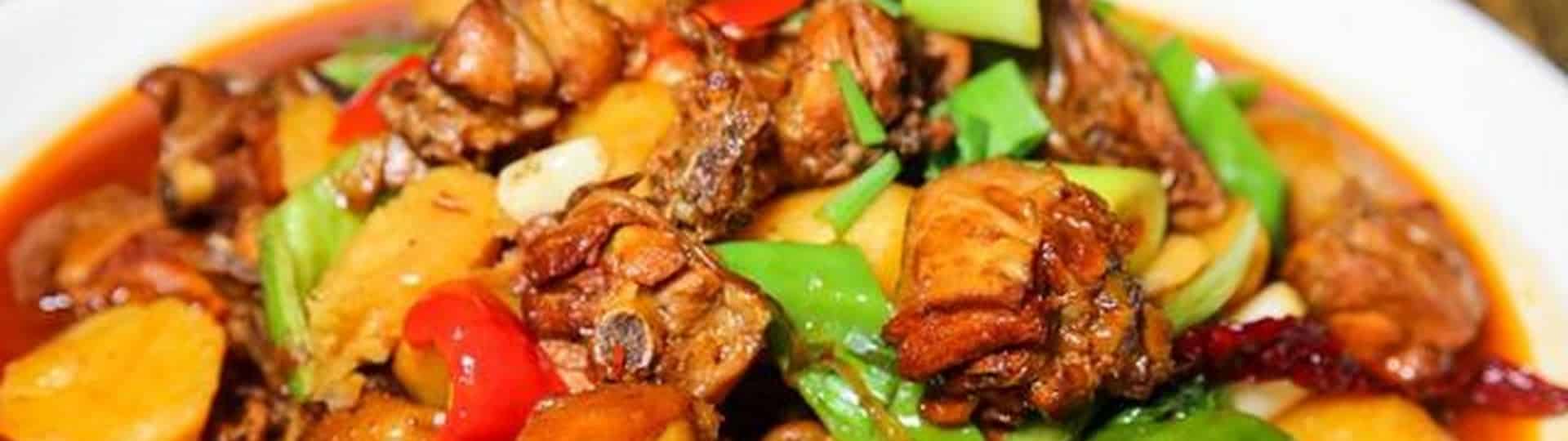
Dapanji, or Big Plate Chicken is a famous Xinjiang Muslim food. This isn’t just a dish—it’s a full-on flavor explosion that’ll make you question every chicken meal you’ve ever had! Imagine tender chunks of chicken, slow-cooked with golden potatoes and crisp bell peppers in a sauce so flavorful, you’ll literally forget your table manner.
Born in the 1980s in Shawan City, this humble Xinjiang cuisine quickly became a regional legend. Today, it’s served with chewy hand-pulled noodles, thick belt noodles, or steamed rice—each option a perfect mix of spicy, savory, and downright addictive. Whether you go classic or try upgrades like Mushroom Chicken, one taste and you’ll understand why it’s Xinjiang’s ultimate comfort food.
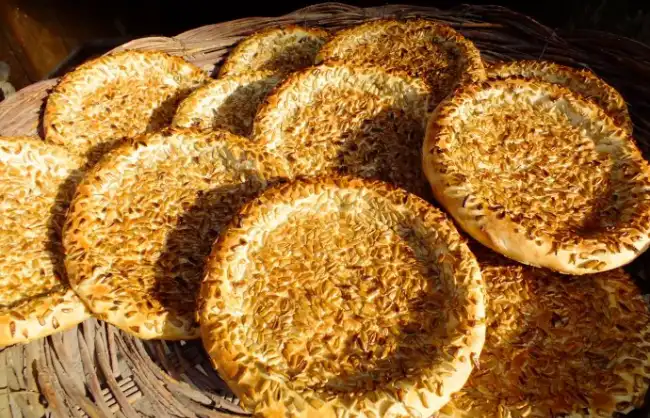
Xinjiang Naan
For generations, people living in Xinjiang, especially around the Tarim Basin, have relied on naan as an essential food throughout their lives, from infancy to old age. In every Xinjiang household, naan is commonly baked at home, also served to guests and travelers who would take large naan on their journeys, as it can be preserved for months due to Xinjiang’s dry weather, and could be eaten by just soaking it in hot water. Naan is made from locally sourced flour, with Kucha (库车) flour being considered the best. Today, naan comes in many varieties, such as sesame, spicy, rose, walnut, and peanut naan, offering a wide range of flavors.
Samsa | Kao Baozi
Samsa, known as Kao Baozi, is a really famous snack that best made in Xinjiang. It’s a type of baked pastries with crispy layers and savory fillings. Traditionally, the fillings are mainly lamb and onion, but nowadays, people have made lots of creative twists, so that even if you’re not a fan of lamb, you’ll still find a version that suits your taste.
Stuffed Lamb Intestine
This dish is a true local delicacy, and it’s mostly enjoyed at festive gatherings. In deed, the preparation process can be said as quite time-consuming. First, it requires people to clean the lamb intestines carefully and stuffed them with a mixture of rice, lamb, onions, and spices bit by bit. Then steam or roast the stuffed intestines until they become tender. And eventually you’ll get a flavorful and satisfying combination of chewy texture and aromatic stuffing.
Xinjiang Fruits
With it’s unique weather conditions, Xinjiang is famous for its abundance of fresh and high-quility fruits. Grapes, melons, figs, pomegranates, and especially Hami melons planted in this land are world-renowned.
Gangzirou (缸子肉)
Gangzirou, literally means “meat in a jar,” is a traditional Uyghur dish. Although the preparation process isn’t that complicated compares to may other dishes (you just need to stew the chunks of lamb in clay pots until they got tender), it really tests the quality of the ingredients and the chef’s patience. Time would lock the lamb’s sweet and fresh flavor in the jar, so that every bite of the meat will juicy and rich.
Xinjiang Ice Cream
Xinjiang is also a paradise for dairy lovers. And among all the best products, the handmade ice cream is definitely one of the most unique treats. It’s made of local milk and cream, lightly sweetened and infused with nuts or dried fruits, standing out with its natural taste and refreshing texture.
Desserts in Xinjiang
Xinjiang Ice Cream
- Main ingredients: local fresh milk and cream, light sweetener, sometimeswith nuts or dried fruit as toppings.
- Taste: richand refreshing chill.
- Pairing tip: Well, you can basically have it whenever you want, after a heavy meat-based meal,or just while walking through a market.
- Thiskind of ice cream is a specialty in Xinjiang’s summer markets, and it’s a rather direct and common way to take a glimpse of the pastoral dairy traditions and natural flavorings.
Baklava (巴克拉瓦)
- Main ingredients: layers of thin pastry, chopped nuts, syrup or honey.
- Taste: crunchyand rich, sweet and satisfying.
- This pastry still keeps the influence of Central Asian and Middle Eastern traditionsin its heart, and it will show you in a sweet way. And you can have it alongside dried fruits, nuts and tea at bazaars or festive gatherings.
Nawat (娜帕里勇)
- Main ingredients: pastry layers, filled with yogurt or mild cheese, oftenwith dried fruit or nuts.
- Taste: milky and rich, softly sweet-savory
- Also called the “Napoleon cake of Xinjiang”, it’s a festive pastry signifying hospitality and celebration in local Uyghur culture.
Qatiq (卡提克) with Honey
- Main ingredients: thick yogurt (qatiq), drizzled with honey.
- Taste: tangy-creamy from the yogurt, sweetened by honey,a lighter dessert option.
- Often enjoyed after a heavy meal or in summer. It’s both refreshing and easy to digest.
Samsa (萨姆萨) — dessert version
Many people would be more familiar with its savory version, the lamb-filled Samsa. However, there’s also a vegetable/fruit sweet version that can serve as dessert.
Main ingredients: pastry shell filled with pumpkin or potato or fruit, possibly with light sweetener or served with yoghurt.
Taste: buttery-flaky pastry, modestly sweet and slightly savory – a distinct snack-style dessert.
This shows that the local snacks are so diverse and even the boundary between meal and treat can be crossed, and all travelers can expect to find their preferred taste
Where to Enjoy Xinjiang Cuisine
Below are major cities in Xinjiang which are also known for their distinct cuisine and flavors. While enjoying the incredible tastes in restaurants or streets, try to also spend some time in explore the cities’ incredible cultural vibe.
Urumqi
Travel vibe: Urumqi is the region’s capital and a also merging point of Han, Uyghur and other ethnic food cultures. While traveling here, you’ll feel this city is so lively, especially at night markets where the aroma of kebabs and breads fills the air. In the nearby International Grand Bazaar you can also enjoy street food amid landmark Islamic architecture.
Food-highlight: Try the giant skewers, naan bread from street ovens, and leisurely tea in the evening.
Urumqi Zhongqiao Third Alley(中桥三街)
This is a true local hangout—hardly any tourists in sight. Highlights are Giant skewers of grilled gluten – Just 3 CNY per skewer, crispy outside, coated in fragrant spices; Cold salad wrap(凉菜卷饼)– A mix of fresh salads and meat wrapped in a thick, saucy pancake—all for just 9 CNY; and Fresh milk tea – Many small shops sell it for 6 CNY.
Urumqi Mashi Alley 马市街
This is a Uyghur residential area with authentic local street food, small shops, and a mosque at the end of the alley. Even the drinks in convenience stores have a unique Xinjiang twist!Here, you can find  Babuna Sweets – tempting cakes priced at 15-20 CNY per piece.
Recommended tour
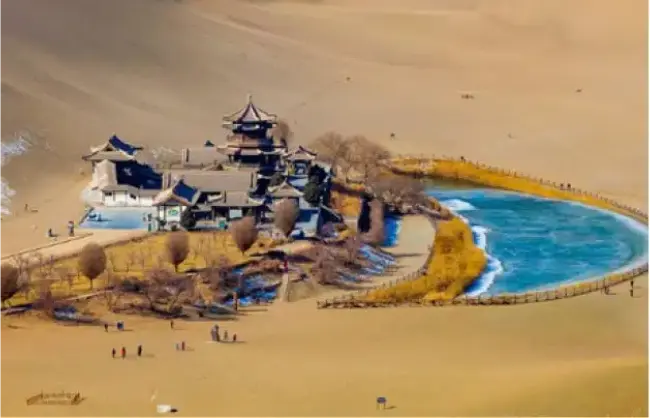
A 2-day round-trip from Urumqi to Dunhuang by 4.5-hour high-speed train, visiting Mogao Grottoes Buddhist art, Echo Sand Mountain dunes, Crescent Spring, and Shazhou Night Market.
Kashgar
Kashgar carries strong Silk-Road heritage, and here, lively bazaars (especially the Sunday livestock/dried-fruit bazaar) and architecture have never stopped evoking the old memories of Central Asia.
Food-highlight: Authentic Xinjiang Muslim food, generous portions, dramatic presentation. For example, at the Palace you’ll find spicy chicken mixed with naan pieces.
Travel vibe: Old-city charm, powerful market life, a sense of historic trading routes alive today.
For market culture, you’ll find the mix of food stalls, dried fruit sellers and meat skewers in open air.
Kashgar Nurkan Meiquan Palace 努尔康美泉宫
This was a bit far from the Kashgar Old City, but absolutely worth it! It feels like stepping into the world of One Thousand and One Nights. The decor is extremely extravagant. Here you can find authentic Xinjiang cuisines. We recommend soup and fried chicken. The spicy chicken had small, crispy pieces of nang mixed in—just delicious! The portions are generous.
Kashgar Bazaars
The Sunday Bazaar in Kashgar is one of the largest and most famous markets in Central Asia. It’s a fascinating place to shop for local goods. Dried fruits here are incredibly cheap! If you’re looking for Xinjiang food specialties, this is the place to buy, as it’s much cheaper than in Urumqi. But if you miss it, don’t worry! You can visit other nearby bazaars. Here are the opening times of renowned bazaars.
Recommended tour

An in-depth 4-day Kashgar tour driving to Tashkurgan, featuring Old Town bazaars, Karakuri Lake's alpine scenery, and the 2,000-year-old Stone City ruins on the Pamir Plateau.
- Monday: Yingwustang Town
- Tuesday: Yapuquan Town
- Wednesday: Awati Township
- Thursday: Baheqi Township
- Friday: Mush Town
- Saturday: Boshikeranmu Town
- Sunday: Livestock Bazaar
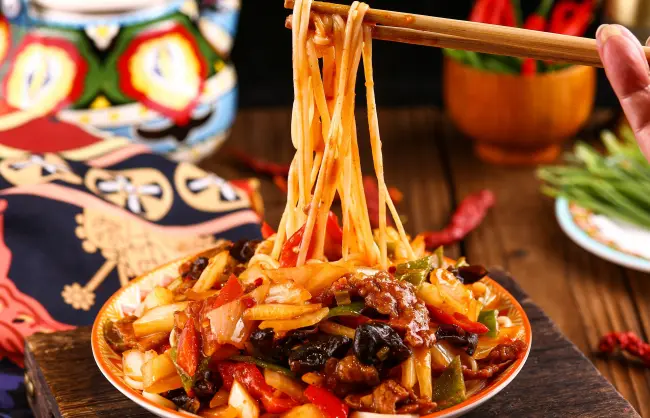
Turpan
Food-highlight: Turpan is famous for its fruits like grapes and melons, and its Uyghur-snack culture also has a strong characteristic. In the old city you’ll find kebabs, naan, baked dumplings and grape products.
Travel vibe: This city is set in the Turpan Depression, and it’s literally an oasis offers desert-scenery, ancient irrigation (karez) systems and fruit-vine tunnels. A foodie can spend some best time in local fruit markets as well as meat-centric street food.
Typical dishes: roasted dumplings, hand-pulled noodles, “rice eaten by hand” (zhua fan) featuring mutton, carrots and rice.
Suggested stop-in: Guanghui Street snack zone in Turpan where local snacks and fruit products meet.
Recommended tour
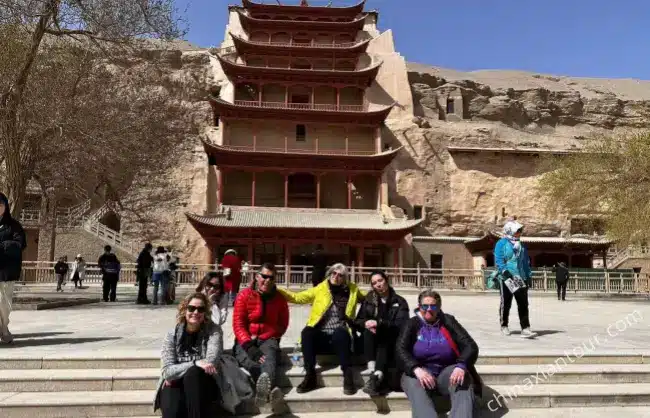
Trace the Silk Road from Dunhuang's Mogao Grottoes and Yumen Pass to Turpan's Bezeklik Caves, Jiaohe Ruins, and Tuyoq Valley.
Ili
Food-highlight: The Ili region still carries Kazakh and pastoral influence, as a result, you can expect a lot of dairy-based foods, nomadic-style meat dishes and breads.
Travel vibe: Some highlights of this place are wide grasslands, fewer crowds, ethnic diversity (Kazakh, Uyghur, Han) and scenic interplay of rivers and plains. And you can take a good break here from the busier cities.
Suggested stop-in: Yining (Ghulja) county food streets, e.g., Liuxing Food Street, where you can taste lamb skewers, yogurt and local teas in a less touristy setting.
Recommended tour
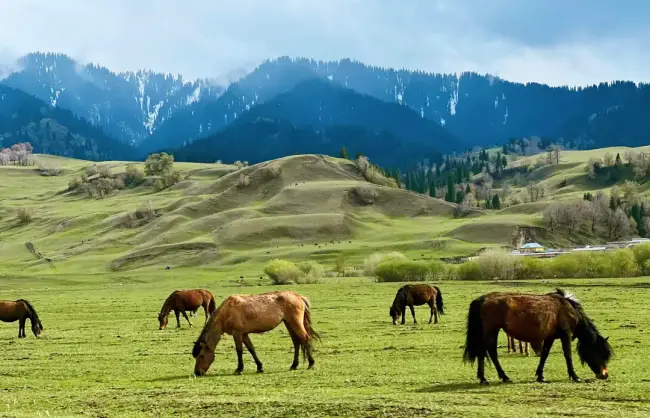
An 8-day private hiking tour exploring western Xinjiang's hidden gems including Nalati Grassland, Kalajun Prairie, Qiongkushitai village, and the stunning Sayram Lake.
Altay
Food-highlight: In the northernmost reaches, Altay delivers mountain-region specialties: cold-water fish, lamb from Altay sheep (a local specialty), and hearty breads.
Travel vibe: Remote wild landscapes, ethnic minority cultures (Kazakh, Mongol), cooler climate—here the food complements the ruggedness.
Suggested stop-in: In Altay Prefecture you’ll find local restaurants specialising in grilled lamb and fish in more pastoral contexts.
Recommended tour

Horseback ride through Altay Mountains' meadows and birch forests to stunning Kanas Lake, then trek to Black Lake where crystal waters reflect surrounding peaks and blue skies.
Vegetarian Options in Xinjiang Cuisine
Although Xinjiang cuisine is renowned for its meat-centric dishes like kebabs and lamb pilaf, there are also many delightful vegetarian options. Many Uyghur and Muslim dishes incorporate fresh vegetables, grains, and legumes and they’re happy to remove meat for your special needs. Common vegetarian-friendly dishes include:
- Laghman: Hand-pulled noodles, typically served with a stir-fry of vegetables such as bell peppers, tomatoes, and onions.
- Samsa: They are made of flour, and can be filled with pumpkin, potato, or other vegetables instead of meat. You can enjoy them with yogurt dips.
- Polo (Vegetarian Version): Rice pilaf can be made with carrots, onions, raisins and other veggies.
When dining out, we recommend you to specify your dietary preferences, as many Xinjiang food may traditionally include meat.
Related reading: Vegetarian Chinese Food Culture & Top 10 Famous Vegetarian Dishes in China
Tips for Dining in Xinjiang
Etiquette: If you have plan to dine with locals, it’s polite to wait for the host to start eating. Also, in most part of Xinjiang, pork is strictly avoided due to Islamic dietary laws; please pay attention to “halal 清真” labels when dining.
- Language Barrier: Locals in Xinjiang usually do not understand English. Learning a few basic phrases in Mandarin can be helpful, or you may write or type down what you need in advance.
- Seasonal Dishes: You can plan your trip according to seasonal variations. In summer, you can enjoy refreshing dishes like chilled yogurt or fruit-based desserts. In winter, opt for hearty stews and soups.
- Festive Specialties: During festivals like Chinese New Year, special dishes like dumplings, pilaf, and sweet pastries are widely available. Don’t miss the chance to try these festive treats.
FAQs about Xinjiang Food
What is the most famous Uyghur food?
For most people, the answer will always go for lamb kebabs (“Kawap”), it’s complex flavor reflects Xinjiang cuisine’s essence, which is the mastery of heat control, the use of ingredients, and signature local spices.
What is Xinjiang food style?
Xinjiang food is hearty, mostly use lamb and beef as its base, and always being perfectly flavored with cumin, chili, and onions. It combines traditional Chinese cooking style with influences of Central Asia and the Middle East that once came in through Silk Road.
Is the food in Xinjiang predominantly halal?
Yes. Most Uyghur cuisine follows Islamic halal dietary laws, so that you’ll rarely find pork dishes in this area. Lamb, beef, dairy, and bread are staples in people’s life.
Is Xinjiang food more similar to Central Asian or Han Chinese cuisine?
Indeed, it’s closer to Central Asian cuisine when focusing on its flavors and cooking style. However, you can still catch the trace of traditional Han Chinese cuisine in terms of details like ingredient combination.
Discover Xinjiang’s Best Flavors with China Xian Tour
Xinjiang is a place with rich and profound history of food, and you can also taste the region’s diverse culture while tasting different local specialties. Join a customized food tour organized by China Xian Tour can help you to make most of this trip. Our professional guide will take you to taste all the iconic Xinjiang cuisines that you may expect and introduce their hidden stories and cultural significance to you. We’re looking forward to provide you am entirely hustle-free and relaxing Xinjiang journey, so contact us now and start your wonderful exploration.