
Situated on the northwestern frontier of China, Xinjiang Uyghur Autonomous Region is known worldwide for its expansive lands, diverse and exotic cultures, and awe-inspiring natural marvels. It covers an immense area of 1.66 million square kilometers, which is about one-sixth of China’s total area.
Featuring a distinct topographical feature of “three mountains flanking two basins”, this enchanting territory is habitually divided into two parts: North Xinjiang and South Xinjiang. Though belong to the same region, each of these two parts displays distinct characteristics in natural landscapes, cultural diversities, historical narratives, etc.
When planning a travel to Xinjiang, some common questions are frequently asked. How to choose between South and North Xinjiang? And what are the differences between South and North Xinjiang? This article is here to answer your questions. As we will delve deep into the highlights of each part and cover distinct differences between these two parts.
Content Preview
- Divide of North and South Xinjiang
- Main Places in North and South Xinjiang
- Different Landscapes & Highlights
- Top Attractions in Northern Xinjiang
- Top Attractions in Southern Xinjiang
- Climate Contrasts & Best Times to Visit
- North vs. South Xinjiang — Quick Comparison
- Transportation Considerations
- How Many Days Needed: Northern, Southern, or Full Xinjiang
- FAQs — North vs. South Xinjiang
- Travel with China Xian Tour for an Enjoyable Xinjiang Exploration
Divide of North and South Xinjiang
The division of North and South Xinjiang is based on geographical differences, with the Tianshan Mountain Range as its demarcation line. Areas situated north of the Tianshan Mountain belong to North Xinjiang, while the areas south of it belong to South Xinjiang.
To delineate the two parts by city, then Korla and Turpan mark the demarcation line. That means places south of Korla and Turpan belong to South Xinjiang, and north of them belong to North Xinjiang.
Given the sheer scale and diversity of Xinjiang, exploring both South Xinjiang and North Xinjiang in a limited time should be a hard job. And it is recommended to travel to either the North or the South if you are short on time. To cover both parts, planning over 2 weeks for your Xinjiang tour is advisable.
Recommended In-depth Xinjiang Tours:
- 12 Days Xinjiang Silk Road Tour for Nature and Culture Tracing
- 14 Days Best Xinjiang Silk Road Tour of Ethnic Experience
Main Places in North and South Xinjiang
North Xinjiang: It occupies about one-third of Xinjiang’s total area. Mainly includes Ili Kazakh Autonomous Prefecture, Altay region, Tacheng region, Changji Hui Autonomous Prefecture, Urumqi City, and Bortala Mongol Autonomous Prefecture, etc. Boasts a relatively more diverse range of ethnic groups, with Kazakh, Han, Mongol and Hui peoples as the majority.
South Xinjiang: Makes up about two-thirds of Xinjiang’s total area. Mainly encompasses Kashgar, Hotan, Aksu, Bayingolin Mongol Autonomous Prefecture, and Kizilsu Kirghiz Autonomous Prefecture. Predominantly inhabited by the Uyghur people and other minority groups like Kirghiz and Tajik people.
Different Landscapes & Highlights
North Xinjiang:
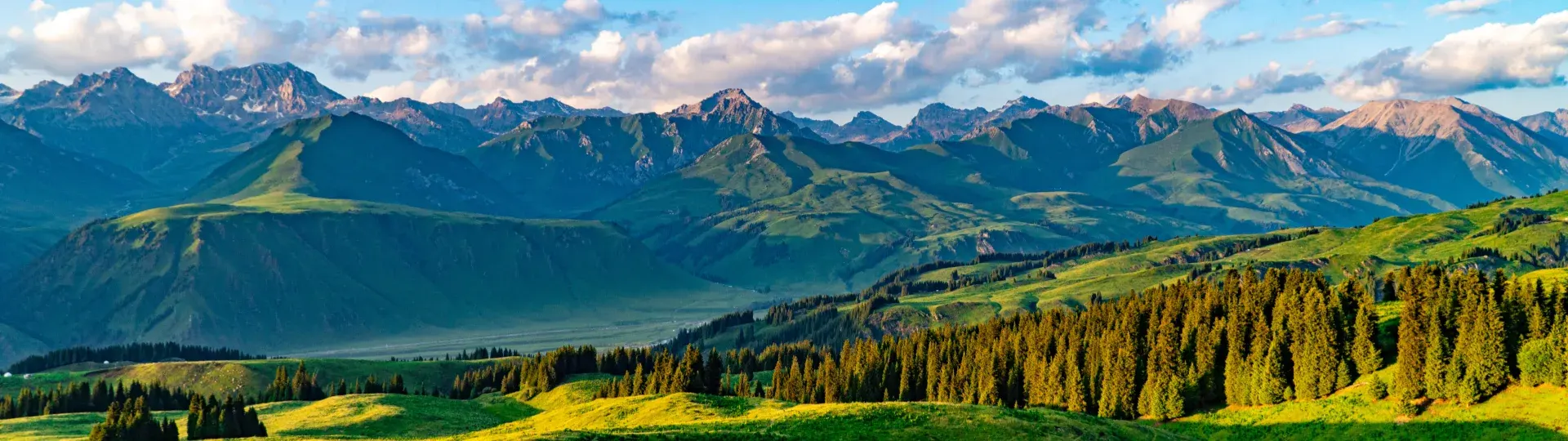
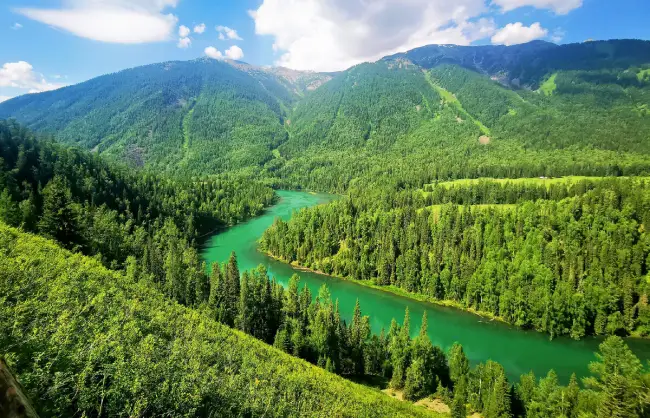
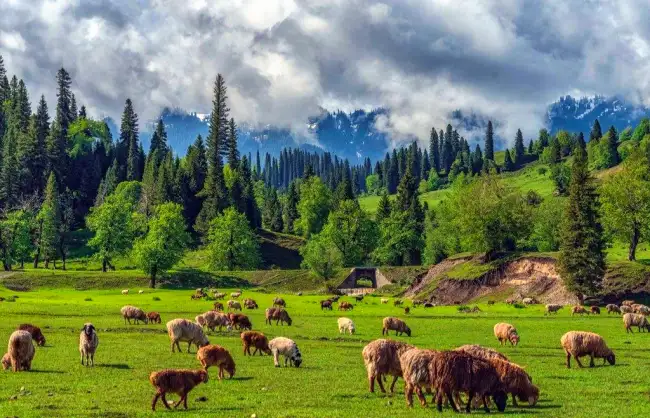
The northern part of Xinjiang is characterized by its magnificent natural landscapes, being home to stunning forests, lush grasslands, plateau lakes, snow-capped mountains, etc. Some of the top tourist attractions in North Xinjiang include Kanas Lake, Ili Grasslands, Nalati and Bayinbuluk grasslands, and the nomadic lifestyle in the Altay region. Each of them offers quintessential views and changing seasonal beauties. You’ll love it if you seek breathtaking natural beauty and great photo opportunities.

South Xinjiang:
The southern part of Xinjiang is dominated by rich historic relics, immersive ethnic cultural experiences, and rugged natural landscapes. As home to widespread deserts and gobis, Southern Xinjiang features more wild natural landscapes, epitomized by the Taklamakan Desert and the Populus euphratica forests.
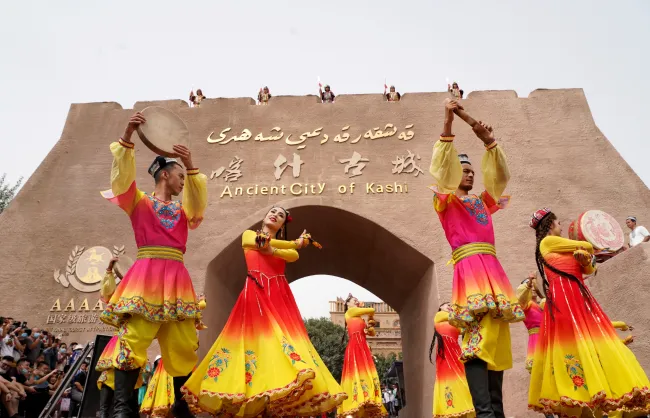
Regarding the cultural landscapes, Kashgar Ancient Town and Hotan are the two best destinations to look into a wealth of heritage from the ancient Silk Road and experience the intense ethnic customs and activities of Uyghurs and other minority ethnic groups.
Related reading: Top Ethnic Groups in Xinjiang
Related reading:
Top Attractions in Northern Xinjiang
- Heavenly Lakeon Tianshan Mountain: About 1,900 meters above sea level; features crystal-clear waters being decorated by lush spruce trees and snow-capped peaks.
- Koktokay National Geopark: The first national geological park in China; famous for typical mineral deposits and mining heritage sites, peculiar seismic fault zones, charming lakes, forested mountains, etc.
- Colorful Beach (Wucaitan): Features vibrant colors and varied shapes on the almost barren riverbanks.
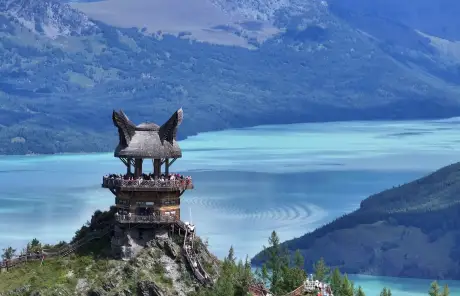
- Kanas Lake: Known for its breathtaking alpine vistas and the legendary “lake monster”; showcases ever-changing scenery in different seasons.
- Karamay Urho Ghost City: A collection of yardang landforms; showcases otherworldly landscape.
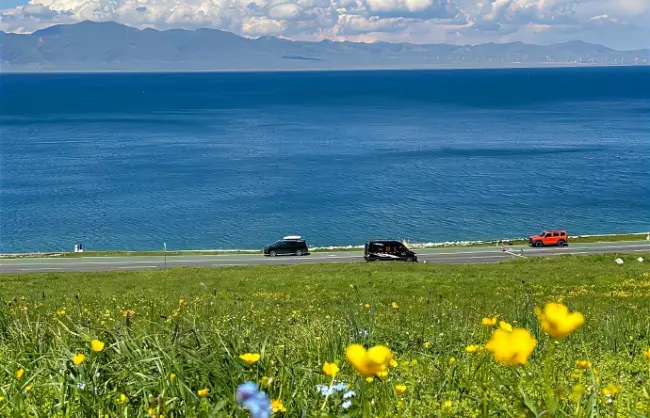
- Sayram Lake: A stunning alpine lake (the highest one in Xinjiang); features stunning water body, majestic snow-capped peaks and vast grasslands.
- Qiongkushitai Village: A hidden paradise surrounded by alpine forests and grasslands; where you can see pure wooden houses and the simple life of the Kazakh people.
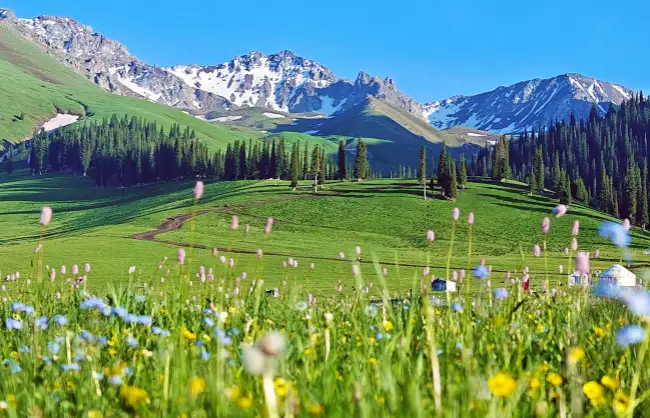
- Nalati Grassland:Hailed as one of the world’s four great high-mountain valley grasslands; with towering snow mountains as background; a place to experience Kazakh culture.
- Bayinbuluke Prairie: The second-largest grassland in China; impressive for the “Nine Curves and Eighteen Bends” scenery formed by snow-fed rivers; offers lush grass, rolling hills, great hiking and stunning sunset.
- Duku Highway: Stretches 561 kilometers from Dushanzi to Kuqa; links north and south Xinjiang; displayschanging sceneries along the way, from snow-capped mountains and grasslands to canyons and deserts.
Best Northern Xinjiang Tours:
Top Attractions in Southern Xinjiang
- Kashgar Old City: The heart of Kashgar City; boasts over 2000 years of history; gain deep insights into Uyghur culture and life by immersing yourself in narrow alleys, exquisite mud-brick buildings, bustling bazaars, traditional teahouses, etc.
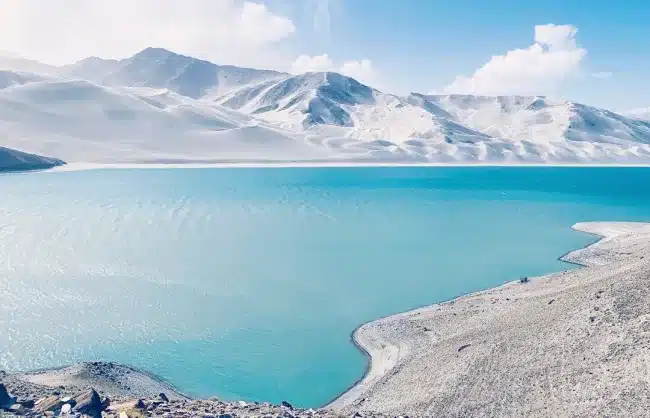
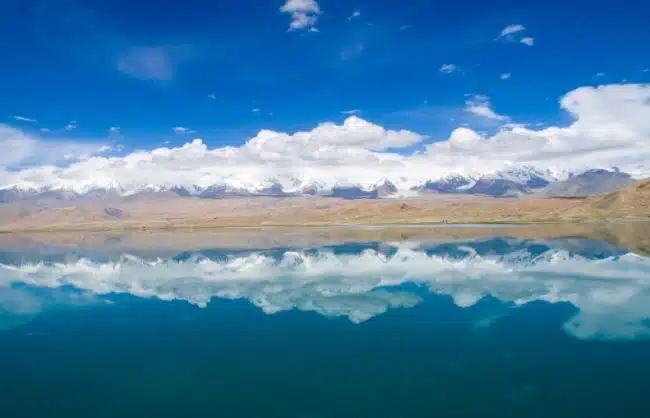
- Karakul Lake: An alpine gem surrounded by three highest peaks of the Pamir Mountains; about 3,652 above sea level; easily reached from Kashgar; features azure waters and a mixing view of dunes, oases, and snow-capped mountains.
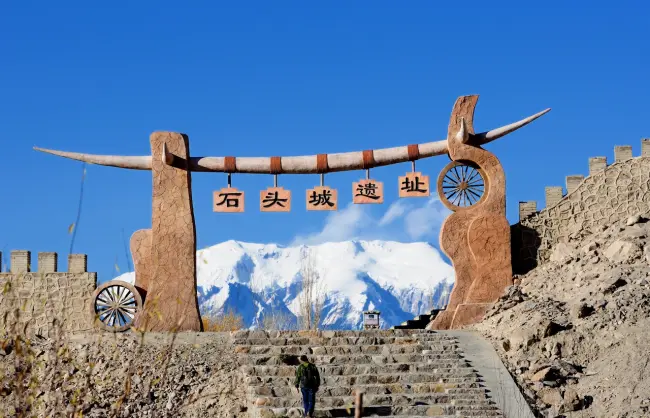
- Stone City in Tashkurgan: one of the highest towns in the world; with an altitude of 3,700 meters above sea level; local Tajik ethnic groups still preserve their simple folkways.
- Tarim Poplar Forests: Tarim River Basin boasts the world’s largest inland river system, with the incredible Populus euphratica trees spanning across this area; shows stunning views in autumn when the leaves of Populus euphratica trees all turn into golden yellow.
Recommended Southern Xinjiang Tours:
Climate Contrasts & Best Times to Visit
Both North and South Xinjiang feature a large temperature variation between day and night and different seasons. While, still, these two parts show several distinct climate patterns:
North Xinjiang: The warm and moist air currents from the West Siberian region bless this part with relatively higher humidity and more precipitation (still less than most other places of China), especially in the mountainous areas.
Moreover, it experiences four distinct seasons, featuring cool summers, cold winters, and outstanding natural landscapes in springs and autumns. The best time for a North Xinjiang trip usually falls between April to February the next year.
South Xinjiang: The lower latitude and enclosed topography result in a drier climate and longer sunshine hours in South Xinjiang. It usually experiences arid conditions year-round, and features very hot summers and relatively mild winters. March to November is the best time for a South Xinjiang tour.
North vs. South Xinjiang — Quick Comparison
Aspect |
North Xinjiang |
South Xinjiang |
Typical landscapes / natural scenery |
Mountains, alpine lakes, forests, grasslands, lush valleys, snowcapped peaks — e.g. Kanas Lake, alpine meadows, forests. |
Desert basins, arid plateaus, oases, desertedge poplar forests, plains — e.g. the Taklamakan Desert, oasis towns, Populus euphratica forests. |
Cultural / humanlandscape focus |
More mixed ethnic groups (Kazakh, Mongol, Hui, Han, etc.), nomadic and pastoral traditions, grassland/forestbased lifestyle. |
Rich Silk Road legacy, historical oasis towns, unique Uyghur (and other minority) traditions, old cities, bazaars, deserttown cultures. |
Climate & Weather Patterns |
More humid (relatively), with four distinct seasons — mild/green summers, snowy winters, more precipitation (though still modest compared to many places) thanks to moist airflow. |
Arid or semiarid climate, hot summers (especially in desert basins), mild to cold winters, low precipitation, high sunshine, large daily temperature swings, intense dryness. |
Accessibility & Travel Infrastructure |
More developed — easier access to main cities and attractions via flights, trains, roads; better for firsttime or comfortable travel. |
Transportation exists (flights, trains, buses) but many destinations are remote: travel between major spots may be long and timeconsuming; logistics more challenging. |
Type of Travel Experience |
Naturefocused: forests, lakes, grasslands, mountains, pastoral and alpine landscapes; more comfortable climates outside summer heat; good for hiking / photography / experiencing pastoral and alpine scenery. |
Culture and historyfocused: deserts, oases, Silk Road heritage, desert adventures, ethnic culture, ancient towns — unique but more climatic extremes and harsher conditions. |
Transportation Considerations
Generally, North Xinjiang is easier to reach considering its more convenient and developed transportation system compared to South Xinjiang. See detailed information below:
North Xinjiang
Thanks to the earlier development in northern Xinjiang, this part offers more diverse and convenient transportation options for both air and land travel.
The major places like Urumqi, Yining, and Altay can all be reached by flights and high-speed trains. Moreover, the good conditions of highways and national roads make it easy to drive to remote attractions like Kanas and Ili Grasslands.
Intercity buses and direct tourist buses to popular attractions usually run frequently during the peak tourist season, this also contributes to your easy land transfer in Northern Xinjiang.
Recommended tour
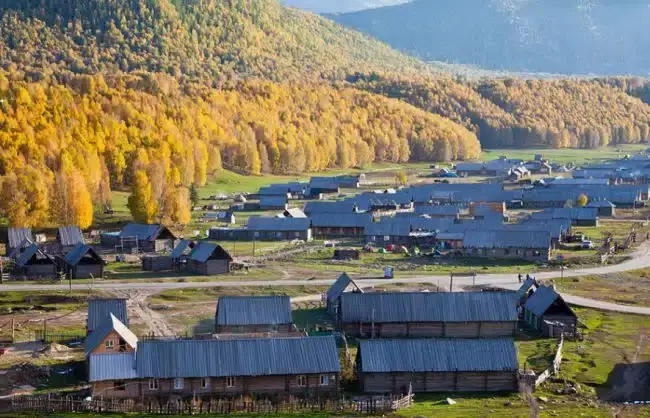
Journey through northern Xinjiang's breathtaking landscapes from Urumqi to Kanas Lake, featuring Hemu Village, colorful rock formations, and Tianshan alpine scenery.
South Xinjiang
Though not as developed as North Xinjiang, the transportation network of South Xinjiang is also comprehensive. Visitors can reach its major destinations like Kashgar and Hotan by flights, trains, and buses. While most cities in South Xinjiang are more distant, making it more expensive to reach by flights and time-consuming by buses and trains.
How Many Days Needed: Northern, Southern, or Full Xinjiang
Well, considering Xinjiang’s enormously large area, even if you just want to explore Northern Xinjiang, it may still take you at least 7–10 days to just cover the main highlights. And in Northern part, your journey should be focusing on nature views.
If you plan on visiting Southern Xinjiang only, then it would probably take a little longer time, and 8–12 days should work well. And during this journey, you can focus more on cultural sites, desert/oasis landscapes, Silk Road–era towns, and you may try to travel between more distant destinations.
For those who want a full Xinjiang experience (exploring both North and South), you would need least 12–15 days to be on the road, and it’s better if you can have more than 15 days. This longer duration allows you to explore basically all the highlights.
For more information of the itinerary, please see
A thirteen-day small group photography tour through Northern Xinjiang, covering Kanas, Hemu Village, Sayram Lake, Nalati Grassland, Bayinbuluk, and the ancient Silk Road city of Turpan.
FAQs — North vs. South Xinjiang
Is Southern Xinjiang high altitude?
Most of Southern Xinjiang is sitting in an altitude between 500–1,300 m. However, since Xinjiang is such a large place, this figure would change and go higher as you travel to plateau and mountain areas, especially near the Pamirs.
What are the main cities to visit in Southern Xinjiang?
The most widely visited cities include Kashgar, Hotan, Korla, Kuqa, and Tashkurgan. They are quite popular since no matter what you’re interested about Xinjiang, you can all find in these destinations.
What are some traditional Uyghur customs and festivals in Southern Xinjiang?
Uyghur culture includes traditional music, dance, crafts, local cuisine, and teahouses. Major festivals include Eid al-Fitr, Eid al-Adha, and local harvest celebrations.
What are the top natural attractions in Northern Xinjiang?
Northern Xinjiang is known for its incredible natural views. To find the most beautiful spots, you can consider visit Kanas Lake, Hemu Village, Nalati Grassland, Bayinbuluke Prairie, and Sayram Lake.
What are the main ethnic groups in Northern vs. Southern Xinjiang?
North: Han, Kazakh, Mongol, Hui and others; South: predominantly Uyghur, with Kirghiz, Tajik, and other minorities.
Which region is more suitable for first-time travelers to Xinjiang?
Northern Xinjiang should be easier. This area has better transportation system and milder weather. With these two major advantages, the natural attractions can also be more immersive. Southern Xinjiang is rewarding but it’s more remote and culturally immersive, which means you’ll need to plan more carefully or travel with tour guides for the best experiences.
What types of landscapes dominate the North and South of Xinjiang?
North: forests, alpine lakes, mountains, grasslands.
South: deserts, oasis towns, desert-edge forests, and plateau or mountains
Travel with China Xian Tour for an Enjoyable Xinjiang Exploration
Indeed, Xinjiang is such an incredible place that is suitable for all types of visitors. No matter what you’re interested in, cultural heritage or natural views, Xinjiang is surely able to fulfill all your expectations. However, since it has so many highlights to explore, planning a tour to Xinjiang can also be overwhelming. and travel with China Xian Tour can easily solve this. With our private guide services and customized itineraries, you’ll get to explore Xinjiang smoothly. While all the details will be arranged by us, you can just enjoy yourself and make unforgettable memories in this beautiful land.