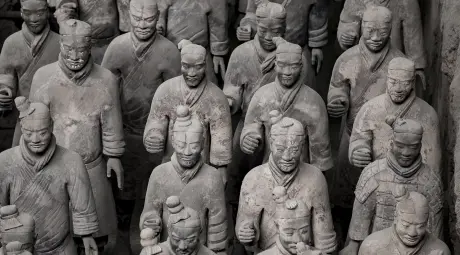
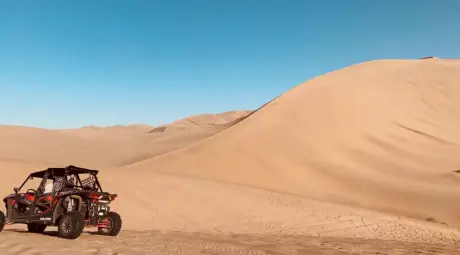

Xinjiang, also known as the Xinjiang Uygur Autonomous Region, is located in the northwestern region of China. It is a provincial-level administrative region with the largest land area in China, occupying an area of 1.6649 million square kilometers. For centuries, Xinjiang served as a crucial hub along the ancient Silk Road, making it a melting pot of cultures, goods, minds and traditions from different regions and ethnic groups.
Now, Xinjiang is the home to over 13 ethnic groups, including the Uyghur, Han, Kazakh, Hui, and Kyrgyz. The rich minorities here form its unique but diverse charm and characters. Each Xinjiang ethnic minority makes a contribution to this diverse and exotic culture scene. The Uyghur enjoys mesmerizing traditional music, Muqam, while the Kazakhd boasts its hearty dairy products. They maintain friendly, harmonious relations while preserving their unique languages and religious traditions.
For your better understanding of Xinjiang’s ethnic groups and their unique customs, this article will introduce you to over 10 major minorities here, including the culture, lifestyle, arts and religions. It also shares captivating life and diverse culture and art you can experience during your Xinjiang tour.
Content Preview
- Quick Overview: Facts About Xinjiang & Its People
- 1. Uyghur Minority – The Heart of Xinjiang’s Culture
- 2. Kazakh Minority – Nomads of the Northern Grasslands
- 3. Kyrgyz Minority – People of the Mountains
- 4. Tajik Minority – The Pamir Highlanders
- 5. Hui Minority – The Traders of the Silk Road
- 6. Mongol & Tatar Minorities – Steppe Warriors and Musicians
- 7. Xibe, Uzbek, Tuvan & Other Minorities
- Cultural Festivals of Xinjiang’s Minorities
- Cultural Experiences for Travelers
- Practical Cultural Travel Tips in Xinjiang
- FAQs about Xinjiang Minorities
- Start Your Epic Xinjiang Tour with China Xian Tour
Quick Overview: Facts About Xinjiang & Its People
Xinjiang is known to have a big land area as well as cultural diversity. It was one of the main points of the Silk Road, which is situated between Eastern and Central Asian cultures. It is currently inhabited by more than 13 ethnic groups. This place is a colorful homeland due to the unique languages, customs, and ways of life.
The following is a table listing facts about Xinjiang and its people, offering you a quick overview of this rich and multifaceted cultural landscape.
Category |
Details |
Total Population |
Approximately 26 million (as of the latest census in 2024) |
Major Ethnic Groups |
Uyghur, Han, Kazakh, Hui, Kyrgyz, Mongol, Tajik, Xibe, and others. |
Official Languages |
Mandarin Chinese (Putonghua) |
Major Minority Languages |
Uyghur, Kazakh, Kyrgyz, and others using primarily the Arabic and Cyrillic scripts. |
May to October. You can enjoy mild temperature, blooming landscape, and abundant fruit (like grapes and melons) during this period. |
|
Key Cultural Traits |
Diversity in unity
A diversity of crafts, cuisine, music, and art. Many religions, such as Islam, Buddhism, Taoism, Christianity, and others. Skilled animal husbandry and equestrian skills in groups like the Kazakhs. |
1. Uyghur Minority – The Heart of Xinjiang’s Culture
- Language: Uyghur
- Primary Religion: Islam
- Music and Dance: Muqam (recognized by UNESCO), Sama
- Main Areas of Residence: Kashgar, Hotan, Aksu, Kucha, Turpan.
- Signature Dishes: Polo, Laghman, Samsa, and Naan.
- Population Size: Approximately 11-12 million, the largest Xinjiang ethnic minority, nearly half of the region’s total population.
The Uyghur is one of China’s 56 officially recognized ethnic groups. It is also the largest Chinese Muslim minority in Xinjiang, an important cultural cornerstone of this place. The history of the Uyghur is woven deeply with the Silk Road and its culture is influenced by the Turkic, Persian, and Central Asian areas. Traditionally, the Uyghur is centered with oasis farming. But now it has grown up with urban and agricultural life. People show great passion for crafts, commerce, music and celebration.
To really feel the life of the Uyghur, one may walk along the mazes of alleys of the Old City of Kashgar, which is a living museum of Uyghur architecture and everyday life. The Hotan Night Market can also give you an unforgettable experience with the scent of spices, the colorful textiles and the exquisite handicrafts. The Uyghur show their ingenuity in harnessing the desert in Turpan. You can explore the ancient Flaming Mountains and the Karez water system there.
Recommended Xinjiang tours for Uyghur culture experiences:


2. Kazakh Minority – Nomads of the Northern Grasslands
- Language: Kazakh
- Primary Religion: Islam
- Music and Dance: Dombra, Aytes, Kara Zhorga
- Main Areas of Residence: Ili Kazakh Autonomous Prefecture, Altay Prefecture, and the surrounding areas of Kanas Lake.
- Traditional Lifestyle: Semi-nomadic
- Signature Dishes: Beshbarmak, Kazy, Kumis, and Baqtawar.
- Population Size: Approximately 1.5 million primarily in the northern Xinjiang.
The Kazakh, a Turkic nation, has a deep root in nomadic tradition. People primarily live in the grasslands and mountain ranges of northern Xinjiang. Therefore, their culture is closely connected with horses and open landscapes, with spirits of freedom and resilience. They live a life of seasonal migration (transhumance) and move their herds between summer and winter.
Tourists can travel to the Kanas Lake area and the Nalati Grassland in Ili to feel the Kazakh culture. A family-run yurt is waiting for you. Local festivals like Aken (folk poetry contest) are interesting and of their unique characteristics.
Recommended tours:
3. Kyrgyz Minority – People of the Mountains
- Language: Kyrgyz
- Primary Religion: Islam
- Music and Dance: Kömüz, Epic of Manas
- Main Areas of Residence: Kizilsu Kirghiz Autonomous Prefecture
- Traditional Lifestyle: High-altitude, Semi-nomadic.
- Culture Activities: Eagle training and hunting, Kok-boru
- Signature Dishes: Beshbarmak, Jarma, and Kurut.
- Population Size: Approximately 171,200.
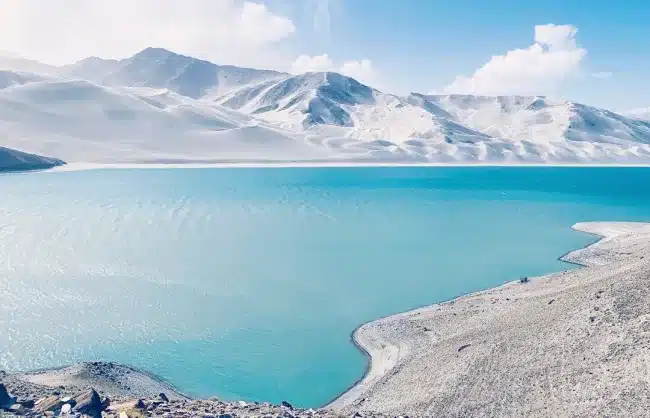
- Travel Idea: Karakul Lake and Tashkurgan route.
The Kyrgyz is a Turkic nation and resides in mountain peaks and valleys of the Tian Shan and Pamir mountains in a high altitude. That is why they are also referred to as People of the Mountains. The lifestyle they lead is animal husbandry with semi-nomad and this is what makes them adapt well in an extreme environment. Kyrgyz is also an eagle trainer who has very strong respect to the eagle which is a symbol of power and freedom.
You may take a trip to Kizilsu Kirghiz Autonomous Prefecture to have a glimpse of the Kyrgyz life. Yurts can be seen in a pasture near Lake Karakul and in the Taxkorgan area. Families milk the yaks, make dairy products, and enjoy their life there. Nowruz is a traditional festival of the Kyrgyz. It symbolizes the start of the New Year, natural revival, and the victory of light over dark. You are welcome to attend the local festival for lively folk performances.
Suggested tour: 12 Days Southern Xinjiang Silk Road Tour for Cultural Expedition


4. Tajik Minority – The Pamir Highlanders
- Language: Pamir language
- Primary Religion: Islam
- Music and Dance: Tambur (a long-necked lute), Eagle Flute (a reed flute), and Eagle Dance.
- Main Areas of Residence: Taxkorgan Tajik Autonomous County in the Kashgar Prefecture, Pamir Plateau.
- Traditional Lifestyle: High-altitude
- Signature Dishes: Naan with Butter, Xurog, and Sukute.
- Population Size: Approximately 50,000.
- Travel Idea: Homestay in a Tajik family.
The Tajik lives in the high-altitude environment of the Pamir Mountains. Their culture is influenced by the Zoroastrian and later Islamic traditions. They settle down in the thin air of the highlands, skilled in terrace farming and animal husbandry. The eagle for them is a symbol of purity and power. The Tajik family is often decorated with intricate and exquisite textiles.
Taxkorgan Tajik Autonomous County is a perfect choice for understanding the life of the Tajik. It borders Pakistan, Afghanistan, and Tajikistan. You can have a homestay try in a village at Tashkurgan, living in a traditional Tajik stone and clay house. The Qurban Festival and the Ploughman’s Festival present eagle dancing and Buzkashi (a traditional game on horseback).
Suggested tour: 7 Days Southern Xinjiang Tour
5. Hui Minority – The Traders of the Silk Road
- Language: Mandarin Chinese
- Primary Religion: Islam
- Music and Dance: Hua’er.
- Main Areas of Residence: Urumqi, Changji, Yining (Gulja), and Turpan.
- Signature Dishes: Lamian, Yangrou Paomo, halal pastries.
- Population Size: Approximately 1,000,000.
The Hui is a unique Muslim ethnic group in China. They are the descendants of Central Asian, Persian, and Arab traders who settled down along the Silk Road and married the local Han people. Their language and culture are integrated with the Han while the faith and dietary habits are Muslim. You can see the halal food industry almost everywhere in China.
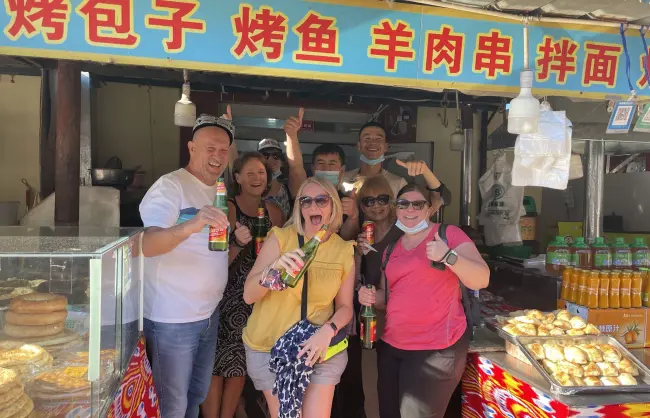
Urumqi is the center of the Hui, filled with the scents of lamb skewers and beef pancakes. The Old Town of Yining (Gulja) provides a rich cultural experience. You can see a blend of Chinese and Islamic architectural styles in the mosques.
Suggested tour: 6 Days Silk Road Tour from Urumqi to Dunhuang


6. Mongol & Tatar Minorities – Steppe Warriors and Musicians
- Language: Mongolian/ Tatar language
- Primary Religion: Tibetan Buddhism/ Islam
- Music and Dance: Mongol: Khoomei and Morin khuur. Tatar: Accordion
- Main Areas of Residence: Mongol: Bortala Mongol Autonomous Prefecture and Bayanbulak.
Tatar: Urumqi, Tacheng, and Yining. - Signature Dishes: Mongol: Khouvtog and Boodog. Tatar: Çäkçäk and Peremech
- Population Size: Mongol: Approximately 150,000. Tatar: Approximately 3,000-5,000.
The Mongol is the descendant of nomads, deeply rooted in the vast grasslands of Dzungaria. They maintain a traditional pastoral lifestyle, centered with Five Snouts – horses, camels, cattle, sheep, and goats. The Tatar is a much smaller Turkic group migrated from the Volga-Ural region. They are renowned as the musicians and educators of the north, considering highly of crafts, choral music, and a unique cuisine.
A travel to the grassland is a must. You can stay in a Mongol yurt in the Bayanbulak Grasslands and the Nalati Grassland. Horse racing, wrestling, and archery can be seen in the Nadam Festival. Tatar culture can be experienced in the Tatar Mosque in Urumqi. You can participate in major festivals like Sabantuy or Nowruz.
7. Xibe, Uzbek, Tuvan & Other Minorities
Category |
Xibe |
Uzbek |
Tuvan |
Language |
Xibe |
Uzbek |
Tuvan |
Primary Religion |
Tibetan Buddhism, Shamanism |
Islam |
Tibetan Buddhism |
Music & Dance |
Bei Lun, Dong Bu Er |
Dutar |
Khoomei (throat singing), Igil |
Main Areas of Residence |
Qapqal Xibe Autonomous County |
Kashgar, Yining, and Urumqi. |
Altay Prefecture |
Signature Dishes |
Giyose, Sorho Miso |
Plov, Samsa, and Shashlik |
Khoitpak, Bodaa |
Population Size |
About 30,000 in Xinjiang |
About 10,000 in Xinjiang |
About 2,000 in Xinjiang |
The Xibe is famous for master archers and garrison troops. They maintain their own language and also use Chinese, Uyghur and Kazakh. The Uzbek originates from an ancient nomad in the 14th century AD and the Tuvan, the smallest group, is famous for the throat singing.
You can experience the Xibe culture in the Qapqal Xibe Autonomous County near Yining and the Uzbek life in Kashgar. Tuvan culture can be observed in Altay Prefecture (e.g. Hemu Village).
Suggested tours:
12 Days In-depth Northern Xinjiang Adventure Tour
7 Days Scenic Northern Xinjiang Tour


Cultural Festivals of Xinjiang’s Minorities
The diverse minorities in Xinjiang produce colorful festivals that are integrated with religious beliefs and ancient traditions. Each festival is an expression of their identity as ethnic minorities. The tourists can immerse themselves into the unparalleled music, dance, and cuisine.
Festival Name |
Ethnic Group |
Time |
Highlights |
Recommended Places |
Eid al-Fitr |
Uyghur / Hui / Uzbek |
September 29 or 30 |
Morning prayers at grand mosques, wearing new clothes, and enjoying special sweets. |
Id Kah Mosque in Kashgar, Hui Quarter in Urumqi. |
Nowruz |
Kazakh / Kyrgyz |
March 20-22 |
Bonfires, street performances, and eating “Nowruz Koje” (a special porridge). |
Nalati Grassland, Kanas Lake area. |
Nadam Festival |
Kazakh / Mongol / Kyrgyz |
Late July |
Horse racing, wrestling, and archery |
Bayanbulak Grasslands, Altay Prefecture. |
Corban Festival |
Uyghur / Kazakh / Hui / Kyrgyz / Uzbek / Tajik |
June 6 |
Morning prayers, the ritual sacrifice of livestock, and wearing new clothes. |
Id Kah Mosque (Kashgar), Hui Quarter (Urumqi), Nalati Grassland |
Eagle Festival |
Kazakh / Kyrgyz |
Autumn |
Eagle hunting competitions and horseback races. |
Bayanbulak Grasslands, Kanas Lake area, Altay Prefecture. |
Tuvan Folk Festival |
Tuvan |
Summer |
Khoomei (throat singing) and Igil (horse-head fiddle) |
Kanas Lake area, Hemu Village in Altay Prefecture. |
Where to Experience Minority Cultures in Xinjiang
The ethnic minorities are scattered in Xinjiang. If you want to truly experience their life, it is important to put your focus on the ancient cities, the remote mountain, and the wooded valleys. The most authentic experiences comes from a homestay in the local families. The table provides best places to meet ethnic minorities in Xinjiang.
Destination |
Ethnic Focus |
Experience |
Kashgar |
Uyghur |
Exploring the old towns and valleys and the traditional crafts. |
Kashgar Sunday Bazaar |
Uyghur, Tajik, Uzbek |
The largest and most vibrant market in Asia, a true Xinjiang ethnic minority trading hub. |
Kanas Lake Area |
Kazakh, Tuvan, Mongol |
Staying in a log cabin or a family yurt, enjoying horseback riding and the unique throat-singing. |
Nalati Grassland |
Kazakh |
A yurt homestay, Nadam Festival. |
Turpan |
Uyghur |
The ancient Karez water systems, the sweetest grapes. |
Yining |
Hui, Uyghur, Kazakh |
The Hui Old Town, diverse halal foods. |

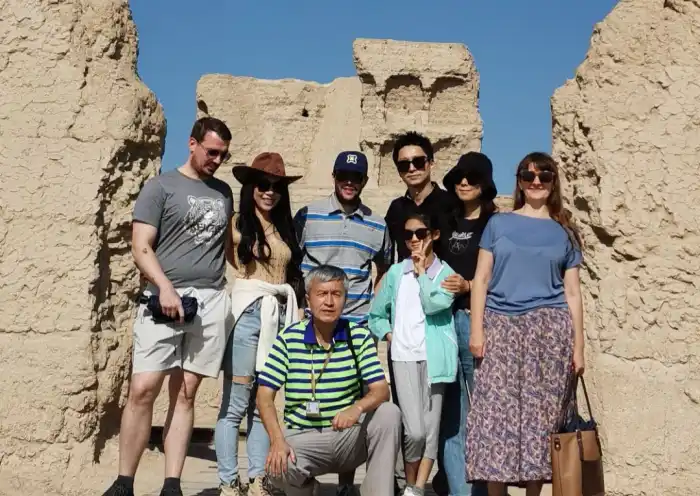
Cultural Experiences for Travelers
Uyghur Music, Dance, and Workshops
In the old city of Kashgar with thousand years of history, you can visit the potters who shape exquisite vessels from clay with ancient techniques. Rawap luthiers make impromptu performance in a musical workshop and the Uyghur dance around them. In this old city, you can feel the Uyghur’s love for their traditions.
Nomad Life with Kazakh Families
Staying in a traditional yurt on the Nalati Grassland, you wake up with the sound of grazing livestock. You can help milk the mares when living with the Kazakh family. Garthering around the hearth, people share their stories, play the dombra, and dance together.
Market Photography in Kashgar
The Sunday Bazaar in Kashgar is always vibrant and colorful. Local photography guides can capture the beautiful scenes in the market, a spice merchant weighing saffron, a master craftsman polishing traditional knives, and an old man leading the donkey. The photography reveals the real life of the Xinjiang minorities.
The Nowruz Festival
In Kizilsu Kirghiz Autonomous Prefecture, you can attend the bonfire party, jumping over the bonfires, singing and dancing. It is a symbol of good luck, purity, and health. You are surrounded by the lively circle dances, komuz lutes and children’s laughter.


Practical Cultural Travel Tips in Xinjiang
- Dress modestly in Islamic regions and cover shoulders and knees.
- Ask before taking photos, especially before photographing people,
- Support local artisans.
- Learn basic greetings such as As-salamu alaykum – Muslim greeting and Yahximusiz? – How are you in Uyghur.
- Accept the tea with both hands.
- Take off your shoes before entering homes.
FAQs about Xinjiang Minorities
How many ethnic groups are there in Xinjiang?
47.
What is the largest minority group in Xinjiang?
The Uyghur.
Where can I meet local minorities?
- Turpan Basin and Kashgar Old City – the Uyghur
- Nalati Grassland – the Kazakh
- Taxkorgan County – Tajik
- Kanas Lake Area – the Tuvan and Mongol
When is the best time to visit Xinjiang?
May–October
Are there cultural tours available?
Sure.
- Ethnic homestay.
- The China Silk Road tour.
- The yurt stays for nomadic culture.
- Festival-Based Tours like Nowruz and Nadam Festival.
Start Your Epic Xinjiang Tour with China Xian Tour
The diverse and colorful life of Xinjiang minorities makes Xinjiang of great charm. The sound of the Uyghur dap drums, the scent of lamb skewers, and the melody of Kazakh dombra are inviting you for a Xinjiang tour. We strongly encourage you to travel with an experienced travel agency, like China Xian Tour, to ensure a truly immersive and comprehensive understanding of Xinjiang’s splendid culture and arts.
Start your journey with us. We promise in-depth experience, including homestay and yurt stays, family and local market visit, etc. Whether you join a small group tour or customize your personalized trip, our experienced tour guides and drivers are waiting for you.