


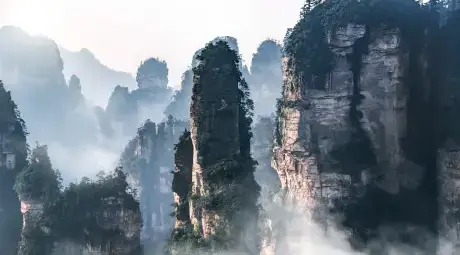



Xinjiang makes up about 1/6 of the entire land size of China. From Altay Mountains to Taklamakan Desert, Ili Grasslands to Kashgar Old Town, Xinjiang weather in different regions can vary dramatically because of the sheer size of the area.
Overall, Xinjiang experiences little rainfall, lots of daylight, and low humidity throughout the year. The biggest characteristics are the great temperature difference between night and day and a change in climate from north to south. Northern Xinjiang has cool summers and colorful autumns, while southern Xinjiang tends to be hotter and drier. It’s best to visit it in spring and autumn.
If your Xinjiang itinerary involves going to different parts like Urumqi, Kanas, Hemu, and Kashgar, you should look into regional weather conditions to plan for your trip.
Content Preview
- 1. Xinjiang Weather & the Best Time to Visit
- 2. Xinjiang Monthly Weather & What to Do
- 3. Weather in Different Parts of Xinjiang
- 4. What to Wear in Different Seasons
- 5. FAQs about Xinjiang Weather
1. Xinjiang Weather & the Best Time to Visit
There is not an absolute best time to visit Xinjiang because different seasons bring entirely different sceneries.
But considering Xinjiang weather and the overall views, May to October is the most recommended time for traveling to Xinjiang with June to September being the most popular among travelers.
Here are the main characteristics of Xinjiang weather:
- Dry with little rainfall throughout the year: Most regions in Xinjiang experience little rainfall even in the summer.
- Great temperature difference throughout the day: The temperatures in many places can get to 30℃ in the day but it may only be 10℃ at night.
- Strong UV rays: Xinjiang sees lots of daylight across the year. Make sure you’re protected against the sun especially in the summer.
- Large differences across regions: The temperature in northern Xinjiang tends to be lower than in southern Xinjiang. Local climates also vary across mountainous, lake, and desert areas.
Best Months to Visit Xinjiang
You will have different travel experiences visiting Xinjiang in different times of the year.
Month |
Recommended Rate |
Best Experiences |
April |
★★★★☆ |
Ili Apricot Valley, spring sceneries on Pamir Plateau |
May |
★★★★★ |
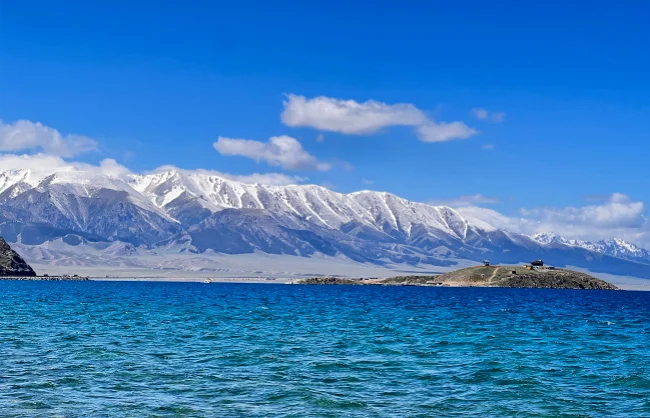
Lush green grasslands, Sayram Lake |
June |
★★★★★ |
Naraty Grassland, Duku Highway opening |
July |
★★★★★ |
North Xinjiang grasslands, cool forest retreat |
August |
★★★★★ |
Lake, forest, ripe fruits |
September |
★★★★★ |
Kanas, Hemu fall sceneries |
October |
★★★★★ |
Tarim Populus Euphratica Forest, Kashgar |
November to March |
★★★★☆ |
Altay skiing, Hemu snow scenery |
If it should be your only time to visit Xinjiang:
- For natural sceneries: travel to northern Xinjiang between June and September
- For photography and autumn sceneries: visit between late September and early October
- For poplar forests and cultural landscapes: travel to southern Xinjiang between September and October
- For snowy landscapes: travel to Altay and Hemu between December and February
Recommended Xinjiang Tours:
- 9 Days Southern Xinjiang Adventure Tour
- 7 Days Scenic Northern Xinjiang Tour
- 11 Days Northern Xinjiang Group Tour with Nalati Grassland
2. Xinjiang Monthly Weather & What to Do
Xinjiang weather goes through significant changes across seasons. Sceneries are different in almost each month. Here are Xinjiang’s monthly weather conditions, average temperatures, and things to do.
Month |
Average Temperature of Urumqi |
Characteristics |
Recommended Experiences |
January |
-16~-7℃ |
extremely cold with heavy snowfall |
Altay skiing, snowy Hemu Village |
February |
-13~-4℃ |
continuous ice and snow |
Kanas winter sceneries |
March |
-2~7℃ |
beginning to warm up |
|
April |
7~18℃ |
Apricot blossoms |
Ili Apricot Valley |
May |
12~23℃ |
grasslands turning green |
Naraty Grassland, Sayram Lake |
June |
17~27℃ |
comfortable weather |
Duku Highway, Ili Grasslands |
July |
20~30℃ |
summer peak season |
Kanas, Hemu |
August |
18~28℃ |
stable weather |
lake, forest, pastureland |
September |
12~23℃ |
clear and cool |
Kanas fall sceneries |
October |
4~13℃ |
golden Populus Euphratica |
Kashgar, Tarim |
November |
-4~3℃ |
first snow |
Altay snowy scenes |
December |
-12~-5℃ |
winter Wonderland |
Hemu, Heavenly Lake of Tianshan Mountain |
Note: The average temperatures listed above are of Urumqi, the capital of Xinjiang. They can vary significantly across different regions.
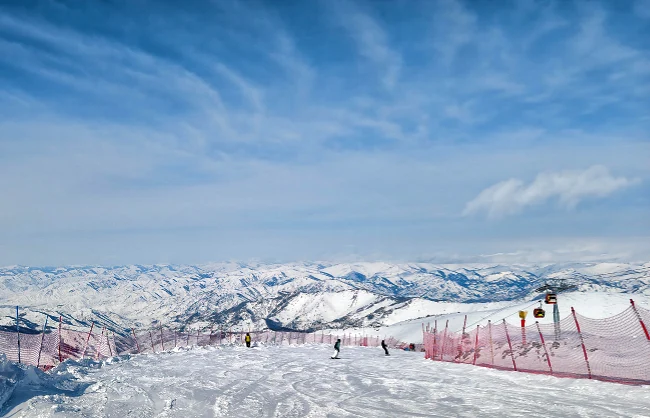
January to March: Winter Wonderland
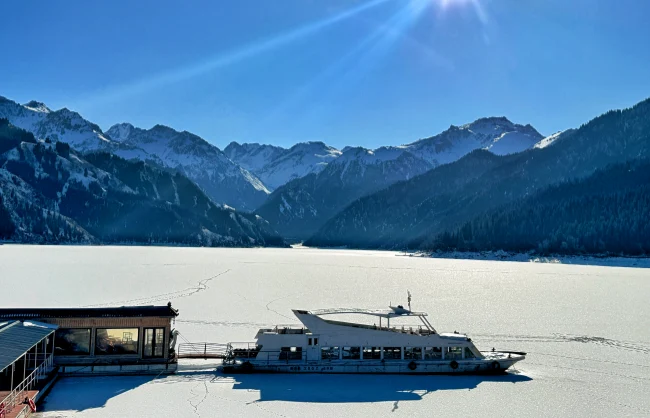
Winter can be quite long in Xinjiang. The lowest temperature in many places of North Xinjiang can drop below -20℃. However, Xinjiang is still definitely worth visiting in the winter. It may be cold, but it’s also the best time for skiing, photographing the snow, and experiencing a wintery Hemu Village.
Compared with summer, there tends to be fewer visitors in the winter. You will have a more tranquil travel experience with better prices on accommodations.
A couple of things to be aware of visiting Xinjiang in the winter:
- Mountain roads may be temporarily closed due to snowfall.
- With less daylight during the winter, plan your Xinjiang trip accordingly.
April: The Beginning of Spring
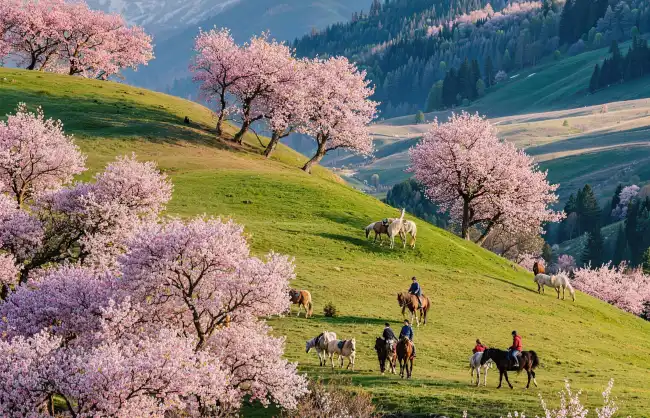
It starts to warm back up again in April. The Apricot Valley of Ili sees its most romantic time of the year. Enjoy and photograph the apricot blossoms at the foot of the Pamir Plateau. But keep in mind that some mountainous areas may still be quite cold.
Recommended Xinjiang Spring Tour
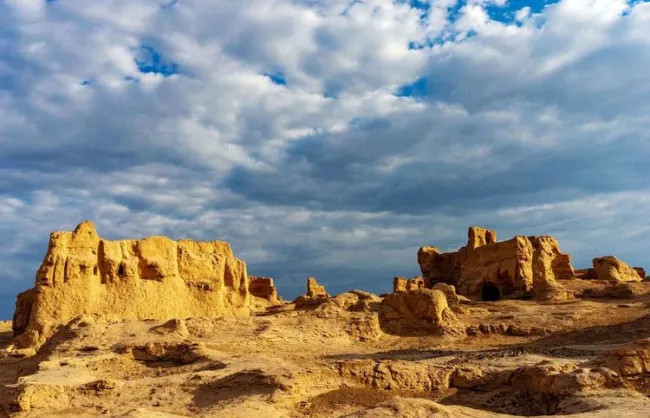
Witness Xinjiang's largest wild apricot forest in Tuergen Valley during April, complemented by Sayram Lake wildflowers and Nalati Grassland's sweeping scenery.
May: One of the Most Comfortable Months
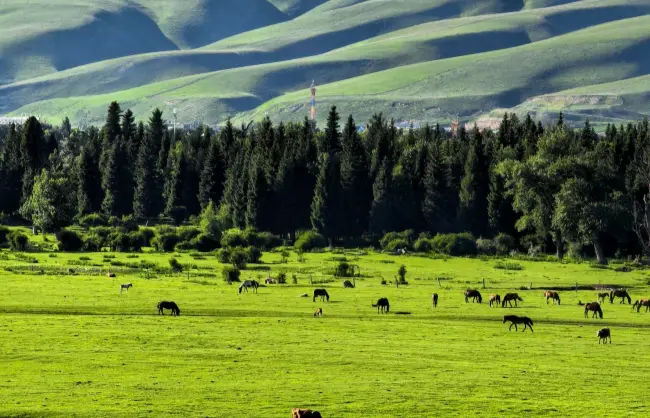
May is the most comfortable time of year to visit Xinjiang for many travelers. The temperature is mild. Grasslands start to turn green again. Sayram Lake appears azure. Naraty Grassland begins to enter its most beautiful season. While the tourism volume will not yet reach its peak.
June: The Golden Season of North Xinjiang
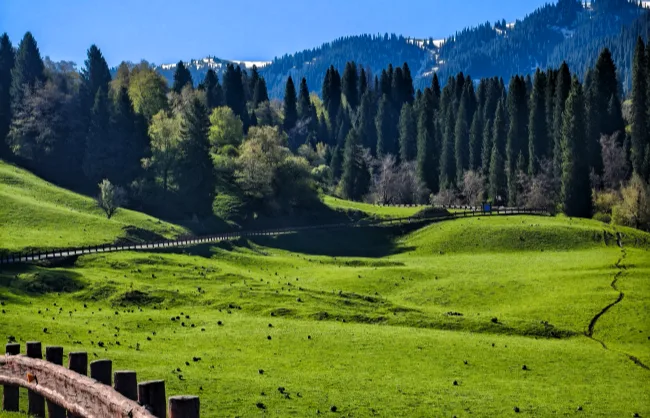
June is the season when Xinjiang meets almost everyone’s expectations, lush green grasslands, colorful wildflowers, and the snow on mountaintops has not yet completely thawed. The Duku Highway usually reopens at this time of year making it one of the most popular months for road trips in Xinjiang.
July to August: Peak Travel Season
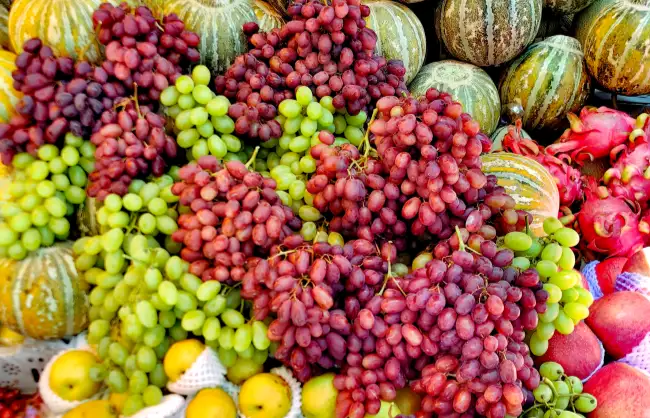
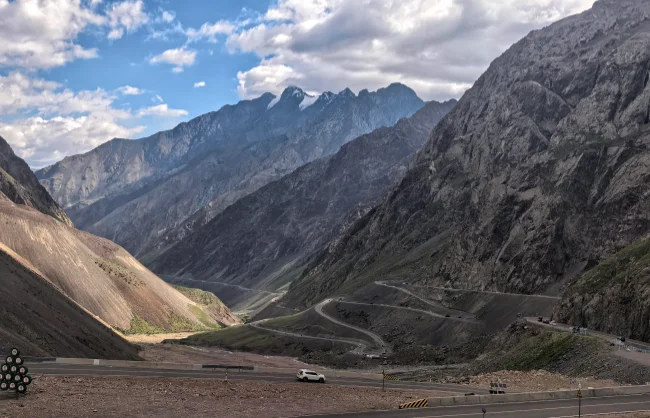
July and August are the hottest months in Xinjiang as well as the busiest with tourists. Although places like Turpan and Hami have relatively high temperatures, other regions with higher altitudes or latitudes like Kanas, Hemu, and Ili remain pretty cool. They are great destinations to escape the heat. At the same time, it’s the season for ripe and fresh fruits. You should try local specialties like Hami melons, grapes, and watermelons.
Recommended Xinjiang Tour
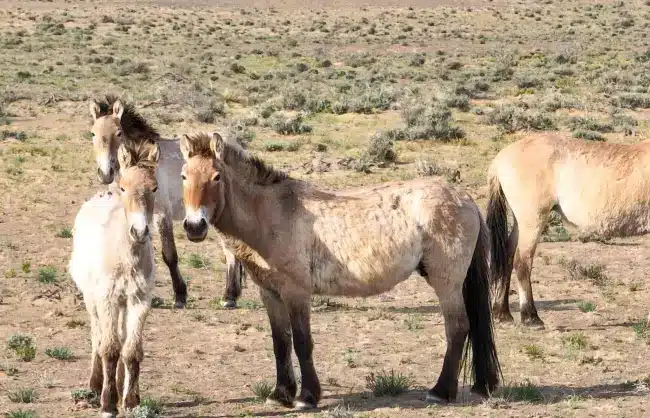
A 10-day Northern Xinjiang tour covering Kanas Lake's shifting blues, Hemu Village golden birch forests, Urho Ghost City, Sayram Lake, and Nalaty Prairie wildflower seas under snowy peaks.
September: Xinjiang’s Most Beautiful Autumn Month
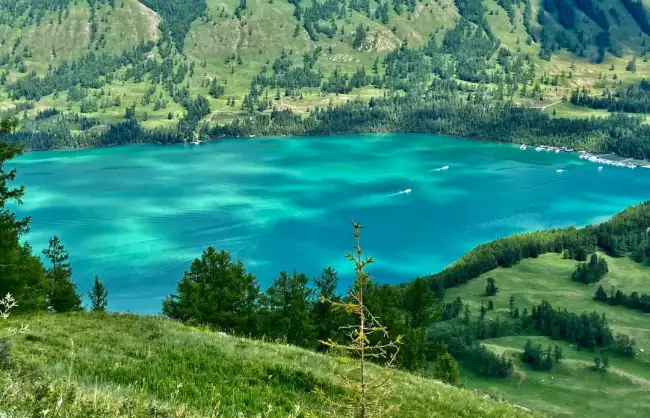
The best month for photographers to capture Xinjiang is undoubtedly September. Kanas, Hemu, and Haba begin to enter the golden time of fall. White birch and coniferous forests start to turn yellow, making a colorful autumnal painting together with the blue lakes and snowy mountains.
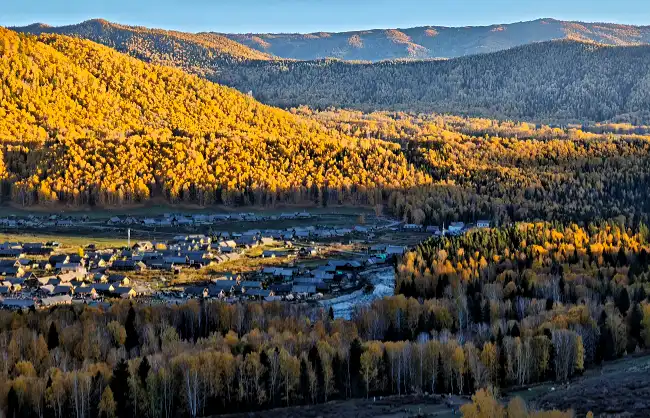
October: Best Time to Travel to South Xinjiang
Xinjiang weather in October is cool and comfortable. The Tarim Populus Euphratica Forest turns golden. Kashgar Old Town, Pamir Plateau, and the deserts all welcome their best sightseeing season. It’s the best month to experience the natural and cultural landscapes of southern Xinjiang.
Recommended Xinjiang Autumn Tour
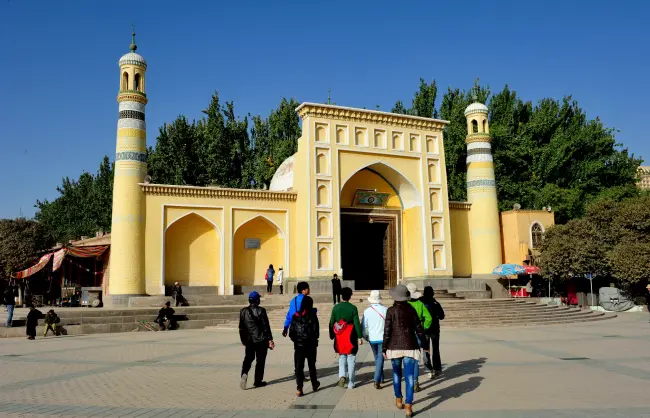
An in-depth 4-day Kashgar tour driving to Tashkurgan, featuring Old Town bazaars, Karakuri Lake's alpine scenery, and the 2,000-year-old Stone City ruins on the Pamir Plateau.
3. Weather in Different Parts of Xinjiang
Xinjiang spans about 2,000 kilometers from east to west. The differences in climates from the northern forests to the southern deserts may be greater than you expect. On the same day, it may only be 15℃ in Kanas, but in Turpan, it can be over 35℃. So when you look into Xinjiang weather, we highly recommend looking up specific destinations like Urumqi, Kanas, or South Xinjiang, so you can be better prepared with your itinerary and outfits.
Here are the major characteristics of regional weather in Xinjiang.
Region |
Characteristics of Regional Weather |
Best Time to Visit |
Urumqi |
four distinct seasons, dry with little rainfall, large temperature difference between night and day |
May to October |
Kanas, Hemu |
cool summers, colorful autumns, long winters with heavy snow |
June to September, December to February |
South Xinjiang (Kashgar, Hotan, Kuqa) |
drier, hotter, very little rain |
April to May, September to October |
Ili |
mild and wet, often called “Jiangnan beyond the Great Wall” |
April to August |
Urumqi Weather
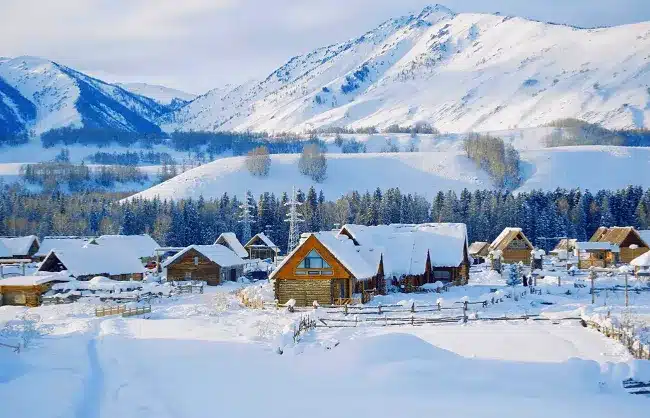
Urumqi is the first stop in Xinjiang for many travelers as well as an important transportation hub in North Xinjiang. Its summer temperature in the day usually fluctuates between 25 and 32℃. It tends to be dry and more comfortable than cities in southern Xinjiang. It can get pretty cold in the winter with the lowest temperature dropping to around -15℃. The weather conditions are stable during spring and fall making it a great starting point for a Xinjiang tour.
You can contact us for specific weather information in different parts of Xinjiang.
4. What to Wear in Different Seasons
What may be easy to neglect on a Xinjiang trip is not the weather itself, but the temperature difference between day and night.
Many travelers bring a lot of T-shirts when visiting Xinjiang in the summer but only to find that it was so cold at night in Kanas and Hemu that they could use a winter coat.
So no matter the season you visit Xinjiang in, we recommend that you pack layers of clothing, so you can adjust according to the real-time condition.
Spring (March to May)
Xinjiang in spring experiences rapid fluctuation in temperature. Especially in April, mountainous regions might see snow.
What to Pack: outdoor windproof jackets, light puffer jacket, long sleeve shirts underneath, waterproof sneakers
Summer (June to August)
Many places can get pretty hot in the summer, but it’s still pretty cool at night or in mountainous areas.
What to Pack: T-shirts, fast-dry clothing, sun-protection wear, fleece jacket, trousers, hats, and sunglasses
If you plan to visit high altitude regions like Kanas and Hemu, we recommend bringing a light puffer coat.
Autumn (September to October)
The fluctuation of temperature throughout the day becomes greater. It’s important to keep warm in the morning and at night.
What to Pack: sweatshirts, windproof jacket, winter vest or light puffer coat, warm trousers, hiking shoes
Winter (November to February)
The temperature in northern Xinjiang drops pretty low in the winter. Winter gear is essential.
What to Pack: warm winter coat, thermal underwear, non-slip winter boots, gloves, scarves, headwear, heating pads.
Things to Bring Year Round
- Sunscreen SPF 50+
- ChapStick
- Facial moisturizer
- Sunglasses
- Vacuum flask
Xinjiang can be very dry, and even in the winter UV ray can be pretty strong. Thus, it’s equally important to stay moisturized and be protected against the sun.
5. FAQs about Xinjiang Weather
Is it safe to visit Xinjiang in the winter?
It is safe overall, but be aware of extreme Xinjiang weather conditions, snow on the road, and temporary control of traffic in mountainous areas. Stay informed of the weather condition beforehand whether you travel independently or with an agency.
Is altitude sickness common for travelers in Xinjiang?
You’re not likely to experience altitude sickness on most of the common tourism routes. However, it’s important to monitor your health when traveling to specific high-altitude regions like Pamir Plateau in South Xinjiang where some parts can be over 3,300 to 4,000 meters, areas nearby Tashkurgan, and parts of Tianshan Mountain.
Can travelers from Singapore go to Xinjiang?
Yes, travelers from Singapore who are eligible for the latest visa-free travel policy of China can go to Xinjiang. If the policy were to be adjusted, travelers will need to apply for a visa before the trip. We recommend looking up the updated entry policy before your journey.


