





When you think of a trip to Hong Kong, what springs to mind first? The night view of Victoria Harbour? Or the bustling streets? Either way, there is one thing that is definitely worth setting aside time for—the famous food and restaurants in Hong Kong.
Hong Kong cuisine features a perfect blend of traditional Cantonese and Western flavors, which comes through in many classic dishes, from the shrimp dumplings and siu mai in teahouses to the egg waffles made fresh on the streets, and milk tea served in Cha Chaan Teng (Hong Kong-style café). Beyond the plate, the culinary culture of Hong Kong is equally appealing. If you are a first-time visitor, you might want to start exploring Hong Kong from its food.
Content Preview
- Hong Kong Food at a Glance: Find Your Favorite Food Easily
- What Should First-Time Visitors Eat in Hong Kong: 15 Dishes You Must Try
- Hong Kong Restaurant Guide: Top 8 Picks
- 6 Best Local Food Areas in Hong Kong & Recommended Ways to Explore
- Where to Eat Street Food in Hong Kong?
- What Is the Average Meal Price in Hong Kong?
- A Practical Guide for Foreigners Dining in Hong Kong
- How to Fit Food Stops Into Your Hong Kong Itinerary?
Hong Kong Food at a Glance: Find Your Favorite Food Easily
Name |
Type |
Where to Eat |
Roast Goose |
Roast meat |
Yat Lok Restaurant, Kam’s Roast Goose, Sham Tseng Village |
Char Siu / BBQ Pork |
Roast meat |
Yung Kee Restaurant, Yat Lok Restaurant |
Wonton Noodles |
Staple |
Mak’s Noodle, Tsim Chai Kee Noodle |
Hong Kong Milk Tea |
Drink |
Lan Fong Yuen |
Egg Waffles |
Street food |
Street food stalls in Mong Kok and Causeway Bay |
Curry Fish Balls |
Street food |
Night markets in Mong Kok |
Pineapple Bun With Butter |
Baked bun |
Kam Wah Café, Lan Fong Yuen, Waso Café |
Har Gow / Shrimp Dumplings |
Dim sum |
Lin Heung Tea House, Tim Ho Wan |
Siu Mai |
Dim sum |
Lin Heung Tea House, Tim Ho Wan |
What Should First-Time Visitors Eat in Hong Kong: 15 Dishes You Must Try
To know a city, start from its tastes. Hong Kong food is a balance between Chinese traditions and Western influences rooted in the colonial period. The dishes are not merely must-tries for visitors to check off, but also a snapshot of locals’ life. The following 15 characteristic foods, categorized into dim sum, roast meats, street snacks and Hong Kong-style desserts, are well worth trying during your trip to Hong Kong.
1. Classic Hong Kong Dim Sum
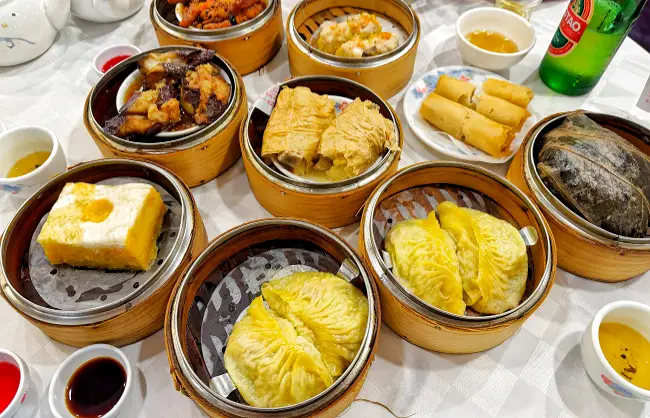
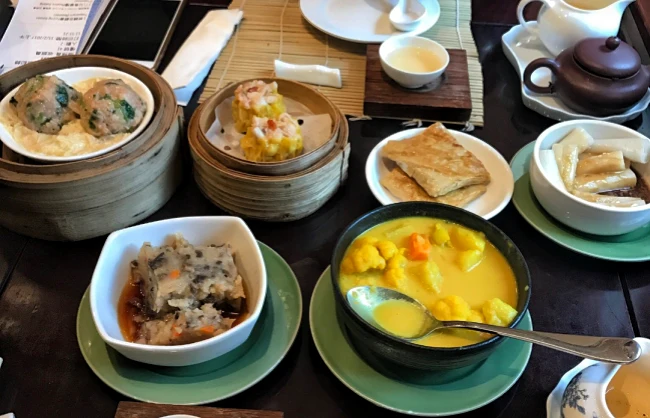
Steamed shrimp dumplings, siu mai, BBQ pork buns, and rice noodle rolls are always the bestsellers in Hong Kong’s teahouses. Order a pot of tea, pair it with a few baskets of dim sum in different flavors, and linger over them while listening to the locals catching up. That’s exactly what the yum cha culture in Hong Kong is like.

2. Traditional Roast Meats & Local Staples
Roast goose and char siu (BBQ pork) are signature Cantonese roast meats. Wonton noodles are renowned for the amazing combination of shrimp-filled wontons and chewy noodles. Clay pot rice is rice cooked and served in a clay pot. The crunchy, savory rice stuck to the bottom of the pot is a foodie favorite.

3. Hong Kong Street Food
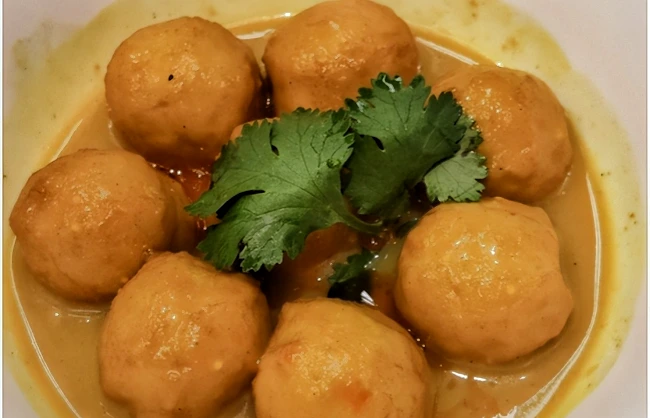
Egg waffles are crispy on the outside and tender on the inside, while curry fish balls taste chewy and spicy. Stuffed three treasures, made by filling eggplant, green peppers, and tofu with fish paste, then pan-frying them, is another common street food in Hong Kong.
4. Desserts & Drinks
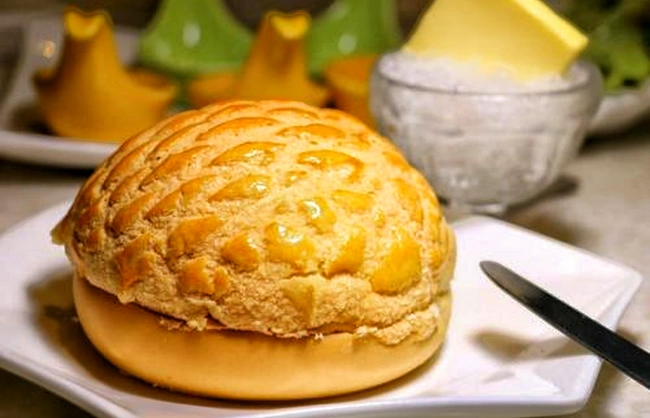
Pineapple bun with butter is a classic pastry at cha chaan tengs in Hong Kong, named for its crackly top, which looks like a pineapple. Egg tarts, with either a flaky, crispy crust or a cookie-style crust, are also very popular. Whenever you visit a Cha Chaan Teng, don’t miss the Hong Kong-style milk tea, the signature drink. Mango pomelo sago has a sweet and refreshing fruit flavor, especially suitable for kids.
If it’s your first visit, we strongly recommend experiencing Hong Kong food culture by sampling shrimp dumplings, roast goose, wonton noodles, egg waffles, pineapple buns with butter, and Hong Kong-style milk tea.
Hong Kong Restaurant Guide: Top 8 Picks
When visiting Hong Kong, don’t just rush between scenic spots—dining is an integral part of your itinerary. Dim sum teahouses, roast meat shops, seafood restaurants, traditional Cha Chaan Teng, and street food stalls each offer their own Hong Kong flavor. They are not just places to eat, but also a quick way to get to know the city. The eight restaurants below, catering to different tastes, are our top recommendations for you.
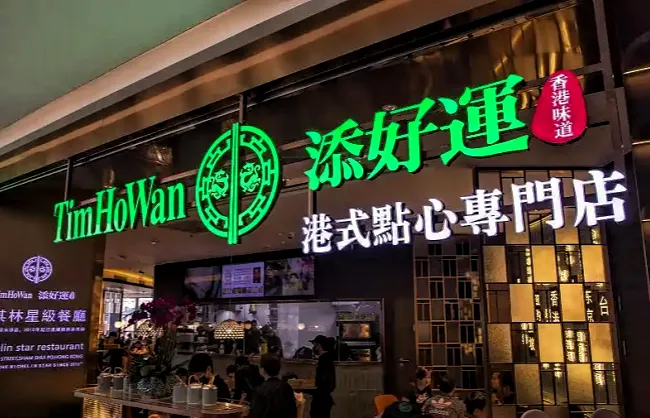
Tim Ho Wan — Hong Kong Dim Sum
Tim Ho Wan made its name as the world’s cheapest Michelin-starred restaurant, and you can still enjoy Michelin-caliber dim sum at street prices. It’s best known for the crispy baked BBQ pork buns. The shrimp dumplings, siu mai, and fried radish cakes are also excellent. The branch at Hong Kong Station (MTR) is easily accessible, making it a great stop when you tour around Central or take the Airport Express.
Address: Shop HOK 12A & 12B, Level 1, MTR Hong Kong Station.
Yung Kee Restaurant — Traditional Cantonese Roast Goose
Established in 1942, Yung Kee is a legendary Cantonese restaurant in Hong Kong. The signature dish is absolutely the charcoal-roasted goose, which has golden, crispy skin and juicy, tender meat. If you want to enjoy a fancy roast meat dinner, don’t hesitate to choose Yung Kee.
Address: 32-40 Wellington Street, Central.
Yat Lok Restaurant — Authentic Roast Goose Rice
This long-standing eatery in Central is particularly popular for its traditional roast meats such as roast goose, crispy roast pork, and char siu. It doesn’t look as grand as Yung Kee, but is more budget-friendly. The top recommendation is the roast goose paired with a bowl of rice or rice noodles. Even though it’s a simple meal, you can taste the most authentic Hong Kong flavors.
Address: Ground Floor, Conwell House, 34-38 Stanley Street, Central.
Lan Fong Yuen — Hong Kong-Style Milk Tea
Listed among the most time-honored cha chaan tengs in Hong Kong, Lan Fong Yuen is renowned for its silk-stocking milk tea. The pork chop buns and yuenyeung (coffee mixed with milk tea) are also unique specialties worth a try. Standing on Gage Street, it’s perfect for a stop during your visits to Central and the Mid-Levels Escalator.
Address: 2 Gage Street, Central.
Australia Dairy Company — Classic Hong Kong Breakfast
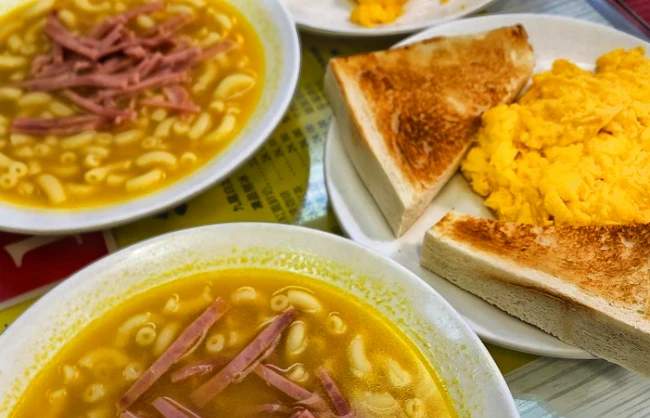
Located in Jordan, this restaurant is famed for its silky scrambled eggs, thick-cut buttered toast, ham macaroni soup, and steamed milk pudding. Another highlight is the quick service—you can order and eat in minutes. We highly recommend their scrambled eggs on toast for a traditional Hong Kong breakfast experience.
Address: 47 Parkes Street, Jordan, Kowloon.
Kam Wah Café — Pineapple Bun With Butter
For many people, Kam Wah Café ranks first in Hong Kong for its freshly baked pineapple buns and the butter-filled version. The crispy and warm pineapple bun, with a slice of butter sandwiched in the middle, has a rich, creamy texture. It goes well with a cup of Hong Kong-style milk tea—a classic pairing for afternoon tea in Hong Kong.
Address: 45-47 Bute Street, Mong Kok, Kowloon.
Very Good Seafood Restaurant — Cantonese-Style Seafood
It’s a time-honored restaurant in Tsim Sha Tsui that specializes in Cantonese cuisine, dim sum and seafood dishes. Guests can order freshly steamed seafood and dim sum based on its daily menu and share dishes with family and friends.
Address: Basement, Burlington House, 90-94 Nathan Road, Tsim Sha Tsui, Kowloon.
LockCha Tea House — Chinese Tea & Vegetarian Dim Sum
Located at Tai Kwun, Central, LockCha Tea House is a wonderful place to slow down and take a sip of traditional Chinese tea. It’s also a vegetarian restaurant famous for snacks to go with tea. If you are a vegetarian or prefer light meals, it will be a perfect option for you.
Address: G06-07, Block 01, Tai Kwun, 10 Hollywood Road, Central.
6 Best Local Food Areas in Hong Kong & Recommended Ways to Explore
When planning your trip to Hong Kong, it’s essential to design a reasonable itinerary that combines food exploration with shopping and sightseeing. The following are six of the best areas in Hong Kong for a food tour, each offering unique specialties. You can choose based on your daily itinerary.
1. Central — Roast Goose and Cha Chaan Teng
Taste the roast goose at Yung Kee or Yat Lok, and the milk tea at Lan Fong Yuen. You can stop by these restaurants when touring around the Central neighbourhood, Man Mo Temple, and the Mid-Levels Escalator.
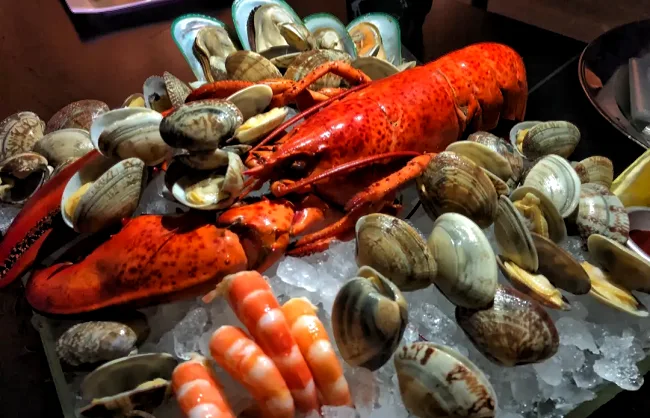
2. Tsim Sha Tsui — Cantonese Cuisine and Seafood
Tsim Sha Tsui has a wide selection of restaurants and is a great place to try dim sum and seafood. You might want to grab a bite nearby after visiting the Avenue of Stars and Victoria Harbour.
3. Mong Kok — Street Snacks
The right way to explore the food in Mong Kok is not sitting around a table and waiting to be served. Instead, grab a snack—curry fish balls, egg waffles, pineapple buns with butter, or whatever you like—and eat on the go. You can also enjoy afternoon tea at Kam Wah Café and then walk to Ladies’ Market and Sneaker Street.
4. Jordan & Yau Ma Tei — Breakfast & Night Market Eats
The perfect plan is to enjoy a Hong Kong-style breakfast at Australia Dairy Company in the morning, and wander around Temple Street for the clay pot rice and street food in the evening.
5. Sham Shui Po — Authentic Local Snacks
Sham Shui Po is often described as the locals’ canteen. You can find a variety of affordable traditional snacks here, such as rice noodle rolls, siu mai, and tofu pudding. It’s also a great place for browsing local markets.
6. Causeway Bay — Desserts and Shopping
Causeway Bay is the first choice for shopping in Hong Kong, with both high-end malls and open-air markets. If you go shopping there, don’t forget to factor in a lunch or afternoon tea stop. The dim sum, desserts, and tea snacks are worth trying.
Where to Eat Street Food in Hong Kong?
To hunt for the most authentic food in Hong Kong, you can explore the streets in Mong Kok, Yau Ma Tei, and Sham Shui Po. In addition, we list some long-established shops and eateries below.
Mong Kok & Prince Edward
You can find egg waffles, curry fish balls, and siu mai on the streets. Of course, you can also pay a visit to Kam Wah Café to try the pineapple buns with butter.
Jordan & Yau Ma Tei
In the evening, you can try clay pot rice and braised beef offal while hanging out at Temple Street. Tung Tat Food Shop at 48 Pitt Street, Yau Ma Tei, is recommended.
Sham Shui Po
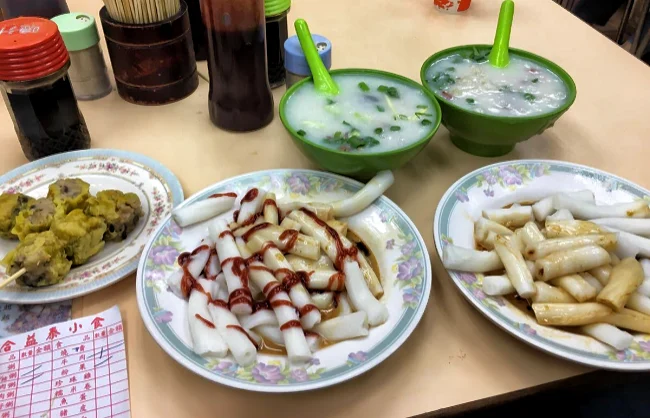
It’s recommended to taste the freshly made rice noodle rolls and other Hong Kong snacks at Hop Yik Tai Restaurant at 121 Kweilin Street. If time permits, stroll around the local markets to snap up a bargain.
Tai Kok Tsui
Tung Hing Snack Shop is a hidden gem in Tai Kok Tsui, with pan-fried stuffed three treasures being its signature dish. Address: A4, G/F, 43-59 Tai Tsun Street.
Note: Choose clean and well-maintained shops that sell food made fresh on the spot. Some small shops may only accept cash, so it’s best to keep a small amount of Hong Kong dollars with you.
What Is the Average Meal Price in Hong Kong?
Hong Kong offers a wide range of dining options catering to every budget, from cheap eats to fancy dining. You can arrange meals flexibly according to your travel budget:
- Street snacks: Approximately HK$15-50 per serving.
- Cha Chaan Teng: Approximately HK$40-100 per person.
- Ordinary restaurant: Approximately HK$80-180 per person.
- Dim sum teahouse: HK$100-250 per person.
- High-end Cantonese cuisine and seafood: Over HK$300 per person.
Stick to cha chaan tengs, traditional noodle shops, and street snacks if you want to spend less on food. Plan a proper sit-down meal if you want to savor authentic Cantonese cuisine. When dining in a group, it’s recommended to order different dishes to share, rather than everyone ordering their own. This way, you can try as many dishes as possible.
Last but not least, some Chinese restaurants may charge a tea fee, and some may add a service charge to the bill (usually 10%), subject to the restaurant’s rules. Large restaurants often accept payment by credit cards, but some small shops may prefer cash.
A Practical Guide for Foreigners Dining in Hong Kong
Q1: Is It Convenient to Order Food at a Hong Kong Restaurant if I Don’t Speak Chinese?
Yes, it is. Many tourist areas and large restaurants offer English menus, while traditional small shops may only have Chinese menus, but you can still order conveniently with the assistance of mobile translation apps.
Q2: What if I Have Food Allergies or Special Dietary Needs?
If you have food allergies, vegetarian or halal dietary needs, please tell the waiter before ordering and confirm the ingredients and cooking methods. Those who follow a halal diet should look for halal-certified restaurants.
Q3: Do Hong Kong Restaurants Require Reservations? Can I Use a Credit Card?
It’s recommended to make a reservation in advance for some packed Cantonese restaurants, especially if your visit coincides with weekends and holidays. Generally speaking, credit cards are accepted at large restaurants, but some small eateries may only accept cash. Therefore, it’s necessary to keep some cash with you.
How to Fit Food Stops Into Your Hong Kong Itinerary?
It would be perfect if you could naturally weave Hong Kong food stops into your daily itinerary, saving you the hassle of spending all day looking for restaurants. If you want to combine food exploration with sightseeing, please refer to the following tour packages:
Classic Hong Kong Private Tour
It’s best for visitors who wish to flexibly arrange their sightseeing, dining, and shopping time. You can string together Victoria Peak, Central, Victoria Harbour and local-flavor restaurants into a one-day or multi-day itinerary.
Best Hong Kong Tours & Hong Kong Tour Packages 2026
2 Days Hong Kong and Macau Tour
You can catch a glimpse of the urban scenery of Hong Kong and the historical neighborhoods of Macau where Chinese and Western cultures blend within two days. This itinerary especially suits travelers who are short on time but want to cover both cities.

Ascend Victoria Peak by tram, explore Aberdeen Fishing Village, then take a high-speed ferry to Macau for UNESCO heritage sites.
4 Days Hong Kong and Shenzhen Tour
Extend your trip from Hong Kong to Shenzhen, experiencing the city culture of Hong Kong and modern life in Shenzhen. It is a great fit for visitors who wish to explore two distinctive cities in the Greater Bay Area.
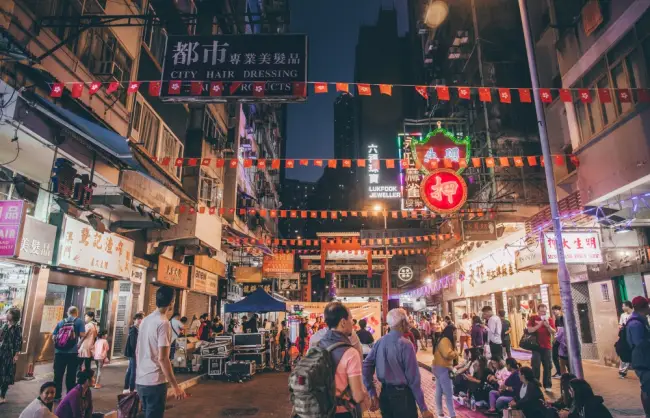
Ride the Peak Tram and Star Ferry through Hong Kong's layered neighborhoods, then hop a 15-minute bullet train to Shenzhen for skyscraper decks, art districts, and a crash course in China's ethnic cultures.
If you focus more on culinary experiences, please check our 2 Days Hong Kong Food Tour. You will explore the city’s landmarks and traditional markets and enjoy Cantonese dim sum and street food. Over this two-day trip, you can eat your way through different neighborhoods.
Your food tour in Hong Kong goes far beyond just tasting a few signature dishes. As you walk into the time-honored brands in Central, the street shops in Mong Kok, or the bustling stalls at Temple Street Night Market, you may fully soak up the food culture of Hong Kong. Seeking out local flavors in different neighborhoods is also a great way to get a feel for daily life in the city.


