


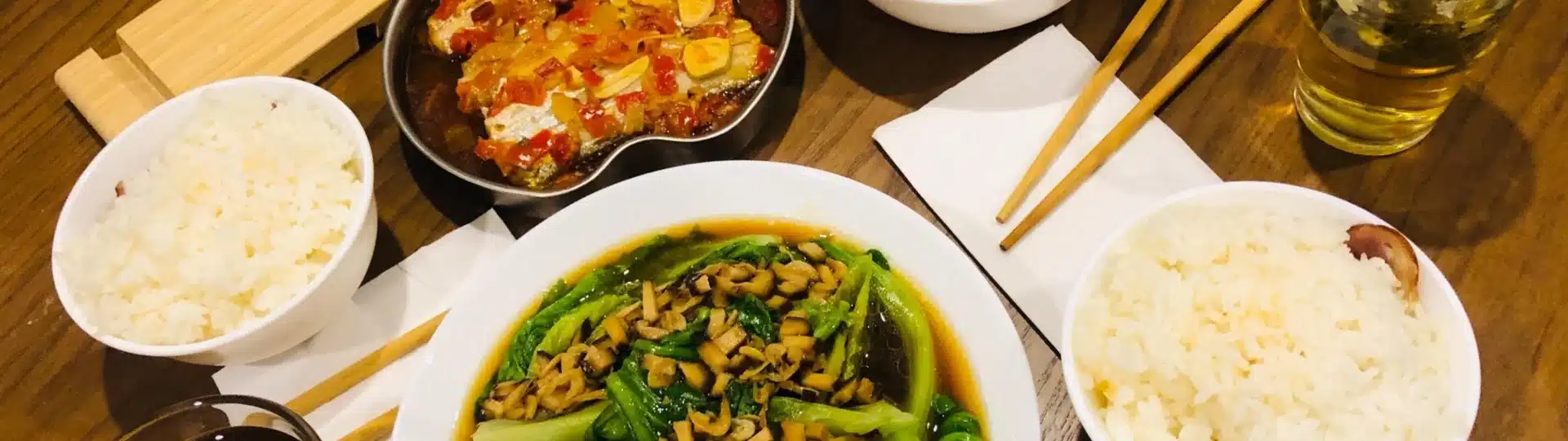
Chinese food culture is one of the best in the world – there’s a reason why it’s so easy to find Chinese restaurants no matter where you go. If you’ve got a craving and are looking for Chinese lunch ideas or just want to understand a bit better just how Chinese people live, you’re in the perfect place. This list covers all of the most popular Chinese lunch food, from well-known dishes like dumplings to things you may never have heard of like maocai.
So what are you waiting for? Read on to discover the diverse, delicious, and nutritious world of Chinese lunch food.
Content Preview
- Top 10 Most Popular Chinese Lunch dishes
- Other Popular Chinese Lunch Dishes
- Common Chinese Lunch Dishes: at Home vs. Restaurants
- Chinese Lunch Culture
- How Chinese Lunch Differs from Western Lunch
- Easy Chinese Lunch Recipes to Try at Home
- Discover all the delicacies China has to offer with China Xian Tour!
Top 10 Most Popular Chinese Lunch dishes
1. Stir-Fried Dishes + Rice (家常炒菜米饭): A Nutritious Tradition
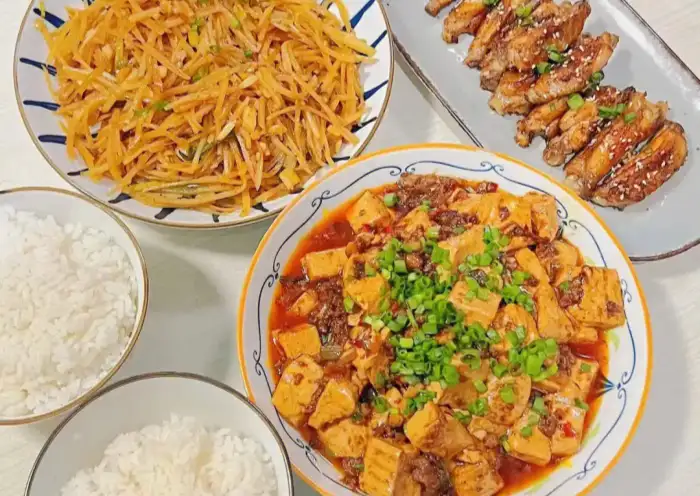
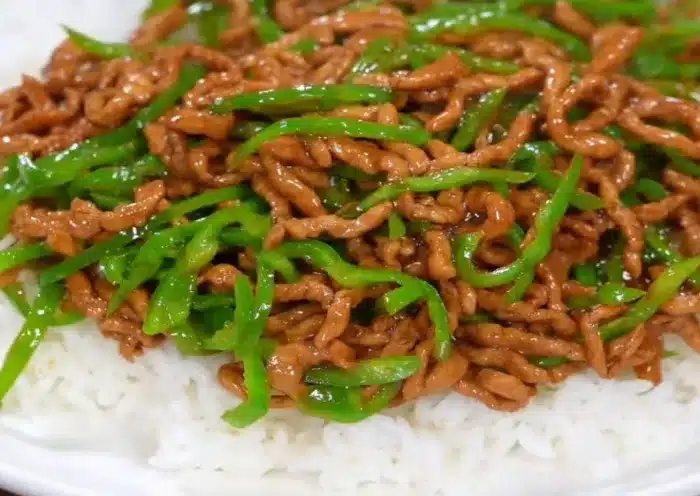
Just as noodles are the heart of Italian dishes, rice is the star of Chinese food. The most traditional Chinese lunch is rice with a variety of stir-fried dishes. Some common stir-fry pairings include tomato and eggs, green pepper and pork, mapo tofu, hot and sour shredded potato, Kung Pao chicken, and more. Thanks to the wide variety of pairings possible, these kinds of meals are a great way to get a variety of nutrients from different foodstuffs.
These kinds of dishes are especially convenient for sharing among family and friends. Restaurants will typically provide menus where everyone can pick a few of their favourite dishes, each costing between 20-50 CNY, and then serve them on a lazy Susan so everyone has a chance to take a little bit of each dish.
Even when not going out for a meal, though, this is a popular Chinese lunch food. Those in need of quick convenience can pick up a stir-fry dish and rice lunch box, which normally offers 2-3 stir-fried dishes for around 10-20 CNY. Most often, though, Chinese workers will simply bring food made from home.
2. Covered Rice (盖饭): A Quick and Easy Option
In some ways, covered rice is quite similar to rice with stir-fried dishes. After all, it consists of rice plus some kind of stir-fry. The difference here, however, is the way the dishes are served. Rather than having multiple side dishes, the stir-fried food is poured directly on top of the rice in covered rice. Not only does this mean the flavour of the stir-fry soaks into the rice, it’s also an extremely convenient food for those not looking to share. Its main draws are how fast and delicious it is, though the price is very good too, typically ranging from 10-15 CNY at a typical small shop.
3. Dumplings (饺子): The Most Famous
Who doesn’t love dumplings? Not only are dumplings a popular Chinese lunch dish, they’re also well-known abroad. Made by wrapping fillings in a thin dough wrapper, dumplings can be boiled, steamed, or fried. Given how diverse Chinese cuisine is, it shouldn’t come as a surprise that fillings vary a lot, with northerners preferring hearty pork and cabbage while southerners prefer more delicate shrimp and vegetables.
While dumplings are homemade and represent “reunion” during the Spring Festival, office workers normally choose to buy frozen or takeout dumplings for their convenience. Offering a good mix of carbs and protein, dumplings are another relatively healthy “fast food” option.
4. Noodles (面条): Convenience and Variety
Noodles are another common Chinese lunch dish popular for how convenient and cheap they are, costing around 10-20 CNY. With a history of over 4000 years in the country, it shouldn’t come as a surprise that there are many varieties of noodles in China. Some examples include:
- Northern Noodles – Thick and chewy, these high-protein noodles are a perfect energy boost. Some of the most popular include Lanzhou beef noodles and Shanxisliced noodles.
- Southern Noodles – These noodles focus more on the soup base and toppings, making them amazingly flavourful. Guangzhou wonton noodles and Su-style three shrimp noodles are among the most famous. Shanghai-style noodles are also worth a try.
- Sichuan/Chongqing Noodles: Do I need to say these are spicy? If you try Chongqing noodles or Dandan noodles, don’t say you weren’t warned!
5. Stir-Fried Rice (炒饭)
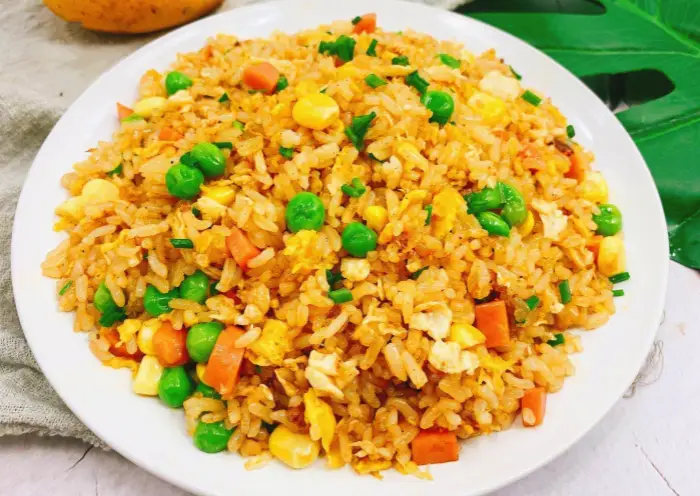
If you have leftover rice, there’s only one thing to do! This popular Chinese lunch dish fries eggs, vegetables, meat, and day-old rice over high heat until it’s golden and flavourful. Office workers love this food because it’s both quick to make at home and cheap to buy on the go while still being a nutritious option.
There are three classic variations on the dish. Egg-fried rice is the simplest, with eggs and green onion. Yangzhou fried rice adds meats like ham and shrimp as well as beans. Finally, there’s sausage fried rice, which renders the fat from the meat and adds corn and peas for a perfect mix of salty and sweet.
6. Maocai (冒菜): Hot Pot for One
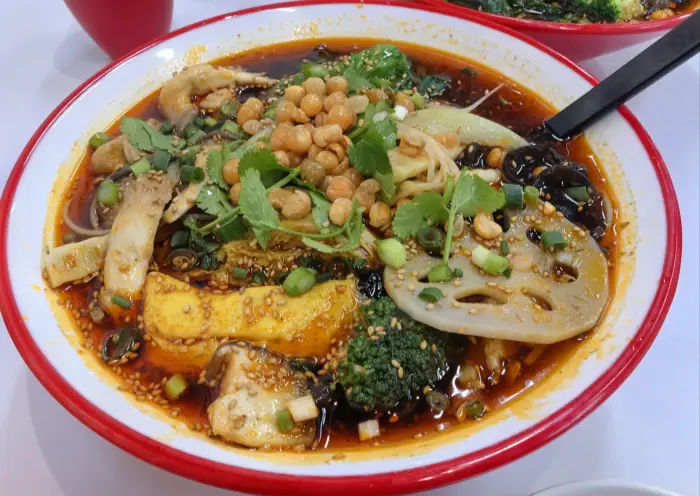
Another favourite for Chinese lunch, maocai got its start in Sichuan. The word is made of “mao”, meaning “put into” (a broth in this case) and “cai”, meaning dishes. To make maocai, you select a variety of ingredients and put them together in a bamboo basket and then submerge everything in a spicy soup base.
There are many possible ingredients, ranging from meats to vegetables to soy products and more. Depending on how luxurious your tastes are, a typical maocai will cost between 10 and 20 CNY.
7. Shaguo (砂锅): A Unique Cooking Method
Shaguo refers to a way of slow-cooking food in a clay pot. As you can imagine, this is a hard one for students and workers to prepare in advance, so shaguo is normally ordered either in a restaurant or over a delivery app. The most common variations of this Chinese lunch dish include rice with chicken, tofu, vegetables, and more. Because of how warm the dish is, it’s a popular choice during winter. One serving typically costs between 20-40 CNY.
8. Roujiamo (肉夹馍): Chinese Hamburgers
That’s right, China has hamburgers too! Roujiamo are sandwiches made of crispy flatbread stuffed with pork stewed in spices, though other variations have other meats and even vegetables mixed in. It’s a primarily Chinese lunch for people on the go, as the bread is difficult to make at home. Savoury and oily, roujiamo might not be the healthiest lunch choice, but it makes for a nice occasional treat that’s very affordable at about 8-15 CNY.
9. Liangpi (凉皮): Perfect for Vegetarians (and Summer!)
Liangpi is a Chinese lunch food that’s definitely best suited to summer given that “liang” name literally means “cold”. Consisting of soft, chewy noodles, this dish is typically served with seitan and various vegetables as well as a fragrant sauce. Most people either buy this dish in restaurants or buy frozen liangpi noodles and prepare it at home. With a price of only 8-12 CNY per dish, it’s a very affordable and healthy dish that’s perfect for summer.
10. Stir-Fried Noodles (炒面): An Alternative to Fried Rice
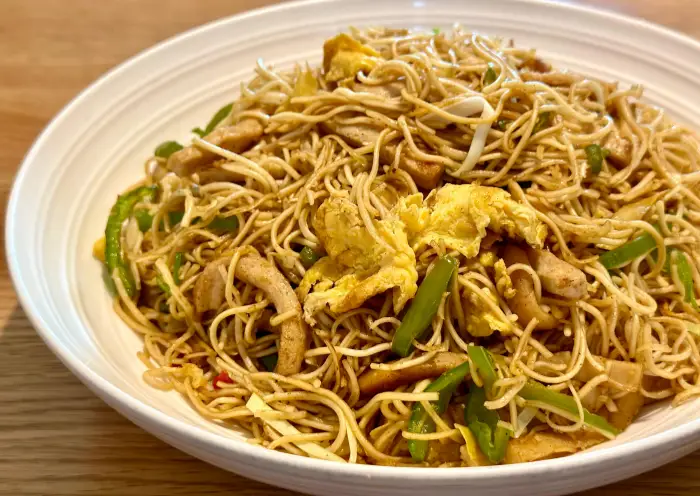
Stir-fried noodles are a bit hard to define as a dish, if only because there are so many variations of them. Easy to make at home, this Chinese lunch food consists of noodles and a variety of meat and vegetable toppings stir-fried together, sometimes accompanied with a sauce as well. The dish is easy to make at home while also being affordable to order in, with prices ranging from 10-25 CNY depending on the toppings. If you’re looking for something easy and comforting to make for lunch, stir-fried noodles are hard to beat.
Related reading: How Much to Spend on Food in China
Other Popular Chinese Lunch Dishes
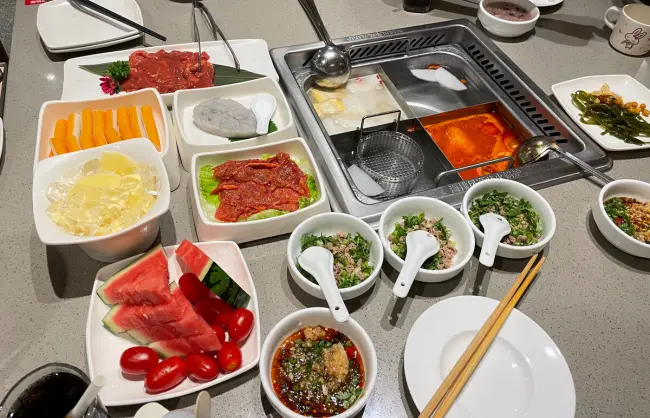
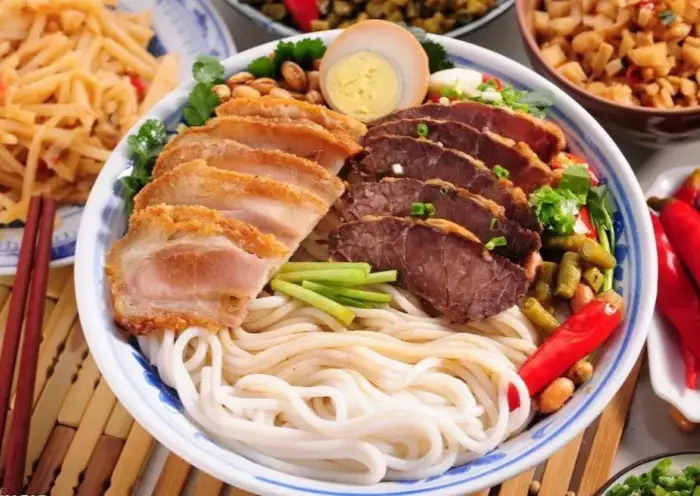
While those are the most popular Chinese lunch options, they’re far from the only ones. Hotpot, for example, is more suited for dinner as it often requires 1-2 hours to eat, but it’s a common lunch choice when coworkers go out to eat together for team-building. Other common choices include:
- Chinese savoury pancakes
- Yunnan rice noodles
- “Healthy meals” consisting of a protein and a variety of vegetables with a salad or mixed-grain base
- Regional specialties like stewed meat and bread (paomo) from Xian, Guilin rice noodles, Taiwanese minced pork rice, and more.
Common Chinese Lunch Dishes: at Home vs. Restaurants
Top Lunch Dishes at Home
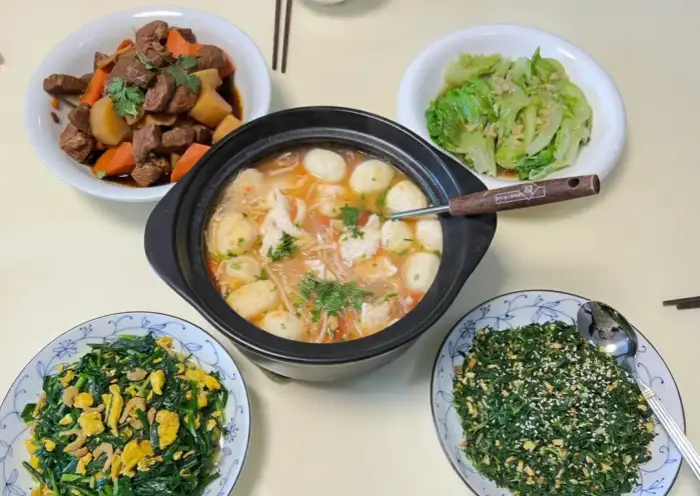
A family lunch often features a common combination of “one meat, one vegetable, one rice, one soup”. Quick options are more preferred. Some common options or combinations include:
- Stir-fried tomato with egg (meat/protein), stir-fried spinach (vegetable) + rice + seaweed and egg drop soup. Can be ready in half an hour.
- Noodles, dumplings, or braised noodles, paired with cold dishes. More preferred by northern families.
- Common stir-fries: stir-fried tomato with egg, garlic greens, and shredded pork with bell peppers. Each can be prepared in around 10 minutes.
Popular Lunch Dishes at Restaurants
Restaurant or takeout lunches offer diverse options and are great for saving time. Some of the popular types include:
- Fast food boxed meals: You can choose 2-4 dishes based on your preference, such as the set of two meat + one vegetable, two vegetable + one meat, or two vegetable + two meat.
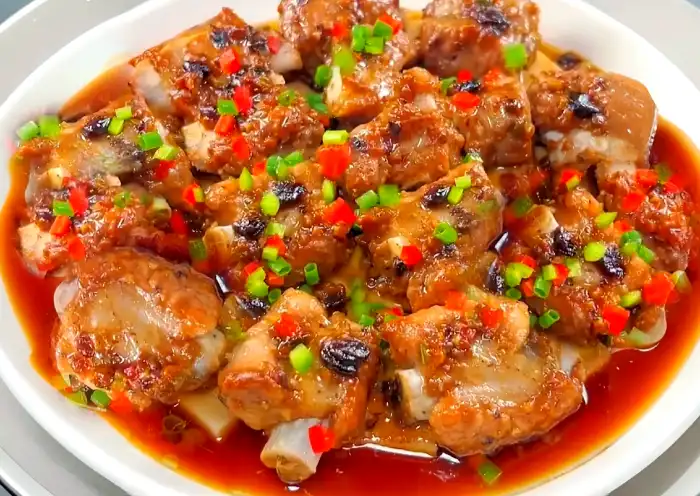
- Top dishes in Cantonese tea restaurants: Steamed spare ribs with black bean sauce, blanched shrimp, and claypot rice.
- Restaurants in Sichuan or Hunan: Mapo tofu and spicy chicken with rice.
- Western-style fast food stores: Pizza, hamburgers, and pasta (costing between 30-50 RMB).

Chinese Lunch Culture
How to Say “Lunch” in Chinese
Before mentioning Chinese lunch culture, let’s learn some Chinese words and phrase about “lunch”:
- 午饭 (wǔ fàn): The most common term in China, referring to the midday meal.
- 吃午饭 (chī wǔ fàn): Means “to eat or have lunch”. e.g. “我们 12点吃午饭” (We eat/have lunch at 12 o’clock)
- 午餐 (wǔ cān): The formal term of lunch. You may see it in office notices, like “午餐时间 12:00-13:00” (Lunch Time 12:00-13:00).
Tips: Saying “午饭” or “吃午饭” won’t go wrong when chatting casually.
What Time is Lunch in China?
Lunch time is not absolutely fixed in China, but there is a general pattern which is listed below:
- The most common lunch time for office workers is from 12:00 PM to 1:00 PM. To avoid peaks, some companies adjust the lunch time to 12:30 PM to 1:30 PM.
- Primary schools eat lunch as early as 11:30 AM, while middle schools and universities generally follow a schedule similar to office workers.
- Small differences also occur between different regions. For example, in most northern cities, lunch time usually strictly adheres to the 12:00 PM – 1:00 PM window. But in some southern cities, like Guangdong and Fujian, it often starts between 12:30 PM and 1:30 PM or even later.
Chinese Lunch Customs
There’s an old saying about how to eat three meals a day in China: “早餐吃好,午餐吃饱,晚餐吃少 (zǎo cān chī hǎo, wǔ cān chī bǎo, wǎn cān chī shǎo).” It means people should have a nutritious and high-quality breakfast, eat until you’re full at noon, and eat less in the evening. In traditional Chinese culture, most people believe that lunch should provide roughly half (40%) of a person’s daily energy and physical strength. They value lunch and eat heartily and do not take it lightly.
Related reading: Top 8 Tips for a Gluten-Free Trip to China
Lunch Differences: At Home, Work, and School in China
The ingredients and methods for lunch may differ a lot among different locations. Below is a breakdown of how lunch typically works at home, work and schools:
Location |
Dining Style |
Containers & Payment |
Common Dishes/Options |
Atmosphere / Experience |
At Home |
Mostly freshly cooked and eaten immediately. |
Generally use bowls and plates; rarely use lunch boxes |
Hot, home-cooked dishes. |
The feeling of a family gathered around a table to eat together. |
At Work |
High reliance on takeout, nearby restaurants, company cafeterias, or bringing lunch from home |
Disposable plastic lunch boxes for takeout; card swipe at company cafeterias; reusable lunch boxes for homemade meals. |
Takeout, various canteen food at cafeteria windows, rice with toppings, noodles from nearby restaurants, homemade meals |
Busy, often quick meals; a mix of convenience and choice. |
At School |
Primary/Middle School: Meals provided by cafeteria or delivery company. |
Primary students often bring their own lunch boxes (饭盒). Students typically pay by card in university cafeterias. |
Standard set meals: e.g. two meat/protein dishes and one vegetable + rice/staple foods. University students have more choices in their cafeterias. |
Primary/Middle School: Structured, uniform meals. University: More freedom, similar to company cafeterias. |
How Chinese Lunch Differs from Western Lunch
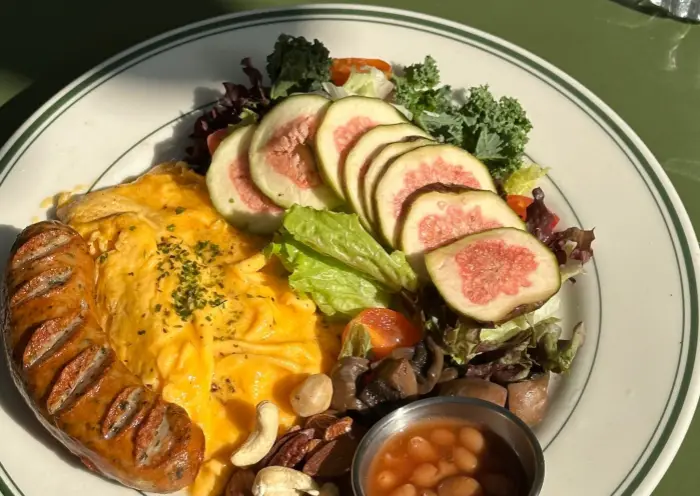
There are two main ways that Chinese lunches distinguish themselves from Western lunches: portion size and balance. Chinese lunch dishes tend to come as small, shareable plates rather than one single-plate meal per person. They also put a strong focus on balance, making sure to include a healthy mix of carbs, veggies, and protein.
Easy Chinese Lunch Recipes to Try at Home
Fried Rice
Fried rice is one of the easiest dishes to make. Just take day old rice, a neutral oil, and whatever proteins and vegetables you have laying around and fry them up together. If you want to go a step further, add eggs and some extra flavouring like soy sauce. You’ll have a delicious and nutritious dish in no time!
Tomato and Egg Stir-Fry
Stir-fried tomato and eggs is arguably even easier than fried rice. First, roughly chop some tomatoes and mix up some eggs. Then, using a neutral oil, fry them together until the tomatoes are soft. Note that depending on how much you’re making, it might be a good idea to soften the tomatoes first and then add the eggs to avoid dry eggs.
Recommended Chinese Cooking Tours:
- 3-Hour Hotpot Dinner and Sichuan Opera Show Night Tour
- 3-Hour Cooking Class Tour in Beijing Hutong
- 3-Day Chengdu Food Tour with Cooking Class Experience
Discover all the delicacies China has to offer with China Xian Tour!
If this list has left you hungry and craving for more, you’re in luck — China Xian Tour offers Chinese food tours that will satisfy any foodies’ appetite with a perfect pairing of delicious food, beautiful places, and unforgettable cultural experiences.
Even if you aren’t specifically looking for a food tour, though, you can rest assured that China Xian Tour can organize authentic food experiences no matter what the main goal of your trip is. Whether you want to see a specific place, take a deep dive into history, or something else, we’ve got you covered.
So what are you waiting for! Book a preset or custom tour with us today!