




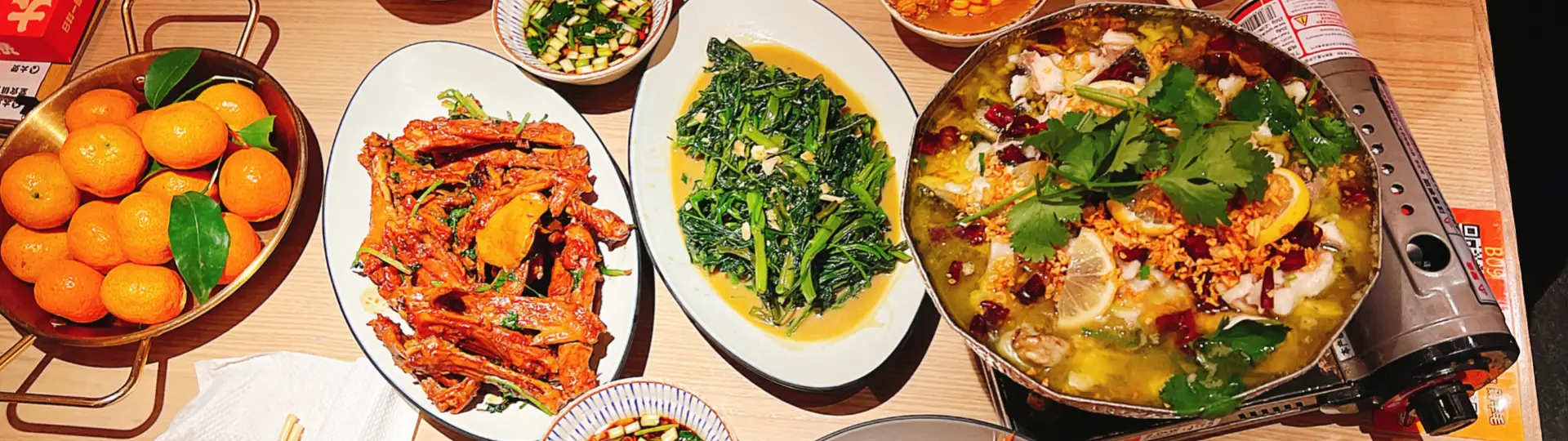
For many foreign travelers, it may seem quite intimidating to sit down in a Chinese restaurant and order food from a multi-page menu that only has unknown food names written in unknown characters. While items on the menu will also change by regions and restaurants, ordering the right meal can be as difficult as unveiling a mystery to many people.
However, the fact is you don’t really need to worry too much about it, making a basic preparation can help a lot. And thus, this guide is just written to help you understand Chinese restaurant menus. After a full reading of this, you’ll learn how to navigate menu sections confidently like a local.
Content Preview
- How Chinese Restaurant Menus Are Organized
- Popular Chinese Menu Items You Must Know
- Types of Chinese Restaurant Menus You’ll Encounter
- Pro Tips: How to Read and Order from Any Chinese Menu
- FAQs about Chinese Menus
- Travel with China Xian Tour to Taste Authentic Chinese Cuisines
How Chinese Restaurant Menus Are Organized
Things will be much easier after you get an initial understanding of how a menu is structured. While dish styles may vary, most menus would still follow a similar layout.
Common Sections You’ll Find
- Appetizers (前菜 / 小吃)– Light snacks or cold dishes.
- Soups (汤类)– You’ll encounter with a large variety of soup in China especially if you’re traveling in the southern region. Soups are always hearty and full of nutrition.
- Main Dishes (主菜)– The essence of any Chinese meal. You’ll encounter different ingredients and cooking methods in different regions.
- Noodles (面类)– Usually stir-fried or in soup. And basically every region has its signature version of noodles.
- Rice (饭类) – Fried rice, clay pot rice, or plain steamed rice.
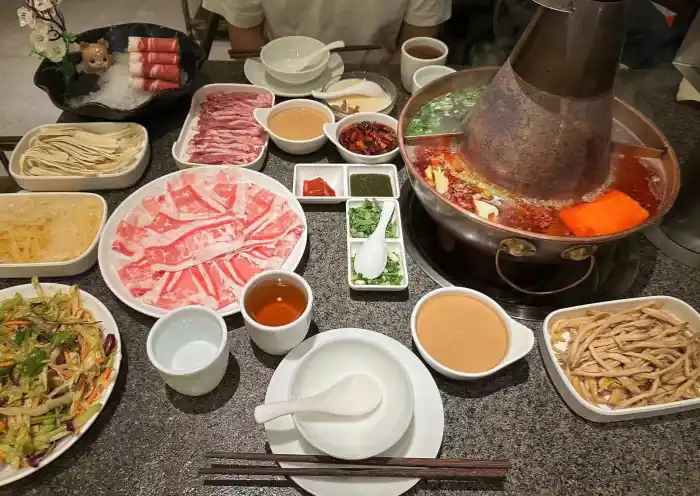
- Hot Pot (火锅) – A shared pot of simmering broth where diners cook everything in it.
- Desserts (甜品)– Sweet soups, sticky rice balls, egg tarts, or fresh fruits.
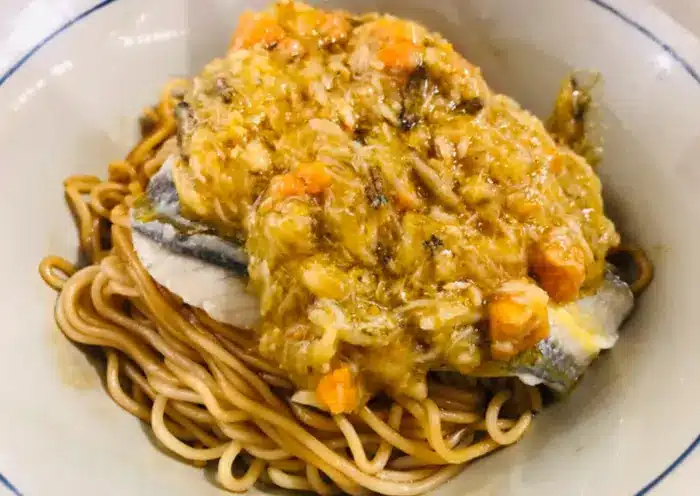
Chinese Set Menus & Banquet Menus
When dining with family or friends in some large restaurants, you can ask the server whether they can provide set or banquet menus made for group sharing. These menus are thoughtfully arranged to include the restaurant’s most iconic dishes which can present a mix of flavors and textures. So that with this menu, you can easily have a balanced meal for everyone at the table without spending too much effort in ordering foods.
Traditional vs. Modern Menus
- Some of the traditional Chinese restaurant menus may still follow a handwritten style, or you’ll also see those printed in full Chinese characters without any photos. Dishes are usually categorized by cooking style (e.g., stir-fried, steamed, or braised) or by main ingredient (e. g., pork or chicken). Such insistencetells that many traditional restaurants are still pursuing the authenticity of local flavors.
- Modern Chinese menus, especially in large restaurants in big cities, are much more visual and tourist-friendly. There wouldusually be photos and sometimes even English translations to describe the dishes. Some would have “chef’s recommendations”, and this can help people a lot in choosing their ideal flavors. Nowadays, it is more and more common for restaurants to provide digital or QR-code menus, simply scan the code at your table and you’ll then get to browse dishes and finish the order online.
Popular Chinese Menu Items You Must Know
Dim Sum Menu
English |
Chinese |
Pronunciation |
Characters |
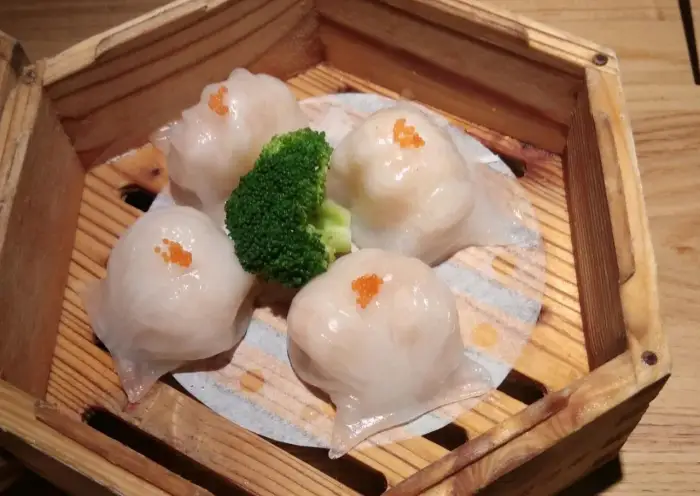
Shrimp Dumplings |
Har Gow |
hah gow |
虾饺 |
BBQ Pork Buns |
Cha Siu Bao |
cha see-oo bow |
叉烧包 |
Siu Mai (Pork Dumplings) |
Siu Mai |
shoo-my |
烧卖 |
Egg Tarts |
Dan Tat |
dahn taht |
蛋挞 |
For more information, please see: Cantonese Food: The Most Widespread Cuisine of China
Noodles and Rice Dishes
English |
Chinese |
Pronunciation |
Characters |
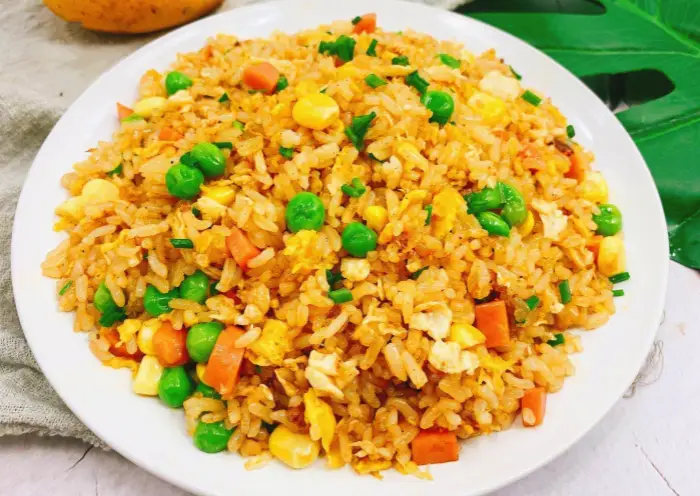
Fried Rice |
Chao Fan |
chow fan |
炒饭 |
Lo Mein |
Lao Mian / Lo Mein |
loh mein |
捞面 / 撈麵 |
Chow Mein |
Chao Mian |
chow mien |
炒面 |
Biang Biang Noodles |
Biang Biang Mian |
bye-ang bye-ang meen |
辫子面 / 油泼扯面 |
For more information, please see: Chinese Noodles: Types and Top 10 Famous Noodle Dishes
Signature Dishes
English |
Chinese |
Pronunciation |
Characters |
Peking Duck |
Beijing Kao Ya |
bay-jing cow-ya |
北京烤鸭 |
Kung Pao Chicken |
Gong Bao Ji Ding |
gong bow ji ding |
宫保鸡丁 |
Tomato & Egg Stir-fry |
Fanqie Chao Dan |
fan-chye chow dan |
番茄炒蛋 |
Mapo Tofu |
Mapo Doufu |
ma-po doe-foo |
麻婆豆腐 |
Sweet and Sour Pork |
Tangcu Liji |
tahng-tsoo lee-jee |
糖醋里脊 / 咕噜肉 |
For more information, please see: The 18 Most Popular Chinese Dishes
Chinese Vegetarian Menu Options
English |
Chinese |
Pronunciation |
Characters |
Braised Tofu |
Hongshao Doufu |
hong-shao doe-foo |
红烧豆腐 |
Stir-fried Seasonal Vegetables |
Chao Shishu |
chow shi-shoo |
炒时蔬 |
Buddha’s Delight (vegetarian) |
Luohan Zhai |
luo-han zhai |
罗汉斋 |
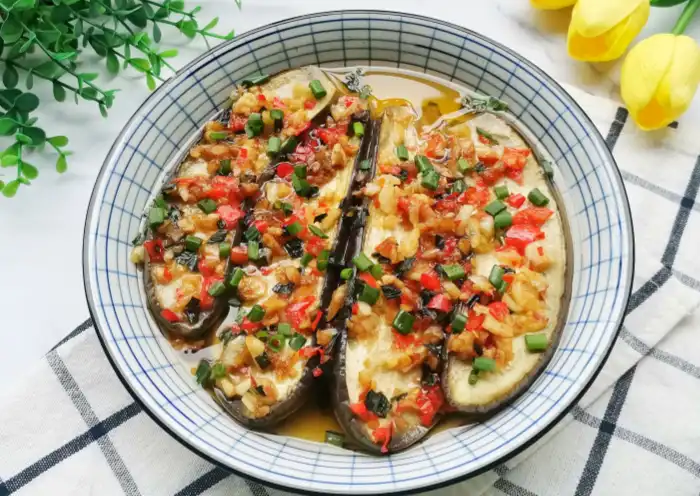
Steamed Eggplant with Garlic |
Zheng Qiezi |
jung chieh-zi |
蒸茄子 |
For more information, please see: Vegetarian Chinese Food Culture & Top 10 Famous Vegetarian Dishes in China
Chinese Breakfast
English |
Chinese |
Pronunciation |
Characters |
Fried Dough Stick |
Youtiao |
yo-tyow |
油条 |
Soy Milk |
Doujiang |
doe-jyang |
豆浆 |
Wonton |
Huntun / Wonton |
hoon-tun / won-ton |
馄饨 |
Steamed Bun |
Baozi |
bao-zee |
包子 |
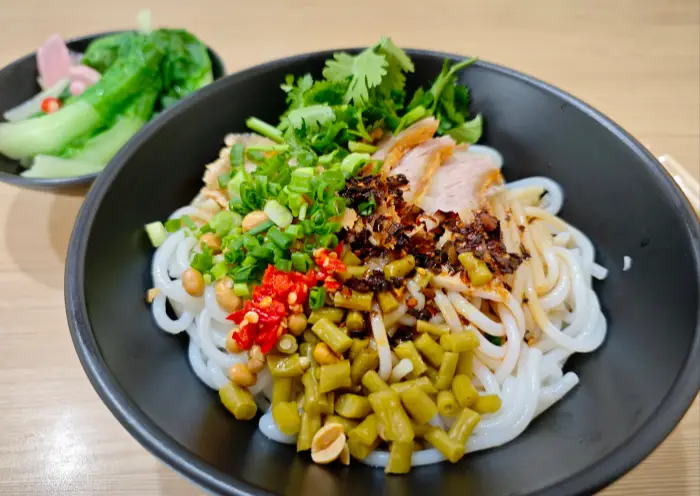
Rice Noodles |
Mifen |
mee-fen |
米粉 |
For more information, please see: Chinese Breakfast Foods: What Do Chinese People Eat for Breakfast
Drinks
English |
Chinese |
Pronunciation |
Characters |
Mineral Water |
Kuangquan Shui |
kwahng-chwen shway |
矿泉水 |
Coke |
Kele |
kuh-luh |
可乐 |
Sprite |
Xuebi |
shweh-bee |
雪碧 |
Beer |
Pijiu |
pee-jee-oh |
啤酒 |
Red Wine |
Hongjiu |
hong-jee-oh |
红酒 |
Types of Chinese Restaurant Menus You’ll Encounter
Chinese Takeout Menu
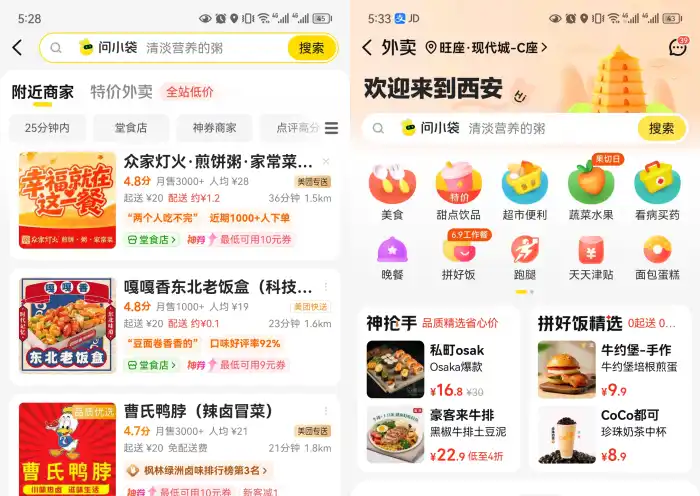
The Chinese takeout menu may somehow make you feel a little familiar if you have ever ordered Chinese takeout in your home country. Quick and popular dishes are most widely picked, as many people who order deliveries will need their food to be simple, flavorful, and easy to pack. Now some restaurants would also post their menus online via some apps so that you can browse the options before ordering.
Related reading: How to Order a Meal Online in China: Guide for Travelers & Expats
Chinese Buffet Menu
You’ll be able to find food from all regions and even countries on buffet menu. For those who may find it challenging to have traditional Chinese food all the time, eating buffet would be a good choice, as there will be many Western-inspired food options. While buffet food is usually less authentic, it’s still a great way to try many flavors at once.
Street Food & Casual Dining Menus
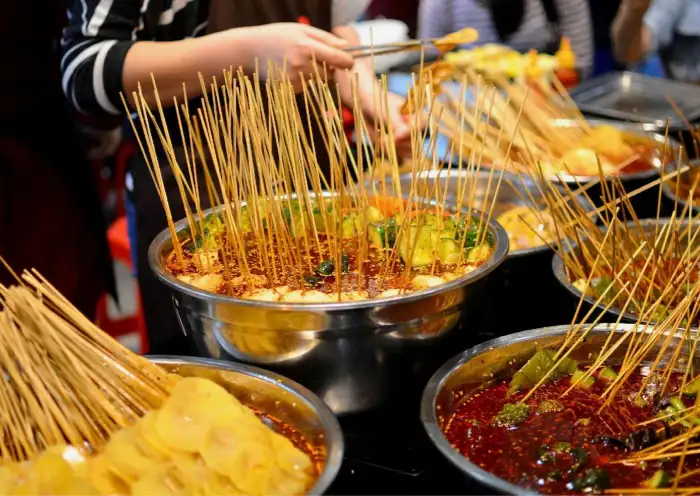
Street food menus are usually short but full of flavors. There will be choices like grilled skewers, hand-pulled noodles, fried rice, and local snacks like jianbing (savory crepes), baozi (steamed buns), or roujiamo (Chinese burgers).
Many casual restaurants use handwritten menus on the wall, or they allow diners to scan a QR code on the table to view a menu with photos and prices on their phones.
Special Dietary Menus
- Halal Chinese restaurant menu: Regions like Xi’an, Lanzhou, and Urumqiare full of these restaurants. Other regions also have them but it needs you to spend some time to find them in the streets.
- Gluten-free Chinese menu: If traveling in the northern region, this would probably only be available in some international or high-end restaurants, most restaurants won’t offer gluten-free dishes.In southern places, it would be easier to find gluten-free meals.
- Food allergies: Always inform your server before ordering. You can say “wǒ duì … guòmǐn” (我对…过敏), which means “I’m allergic to…”.
Pro Tips: How to Read and Order from Any Chinese Menu
Key Chinese Menu Characters and Translations
For people who know nothing about Chinese, ordering food here can look intimidating in the beginning. But once you can recognize a few key characters, this will become much easier.
- 鸡 (jī) – chicken
- 牛 (niú) – beef
- 猪 (zhū) – pork
- 鱼 (yú) – fish
- 虾 (xiā) – shrimp
- 饭 (fàn) – rice
- 面 (miàn) – noodles
- 汤 (tāng) – soup
- 辣 (là) – spicy
- 素 (sù) – vegetarian
Knowing these words is just a starting point. There are still some special cases you need to be mindful of. For example, you will see some poetic or regional names, such as “Fish-Fragrant Eggplant” (Yuxiang Qiezi 鱼香茄子). This phrase, “Yuxiang (fish-fragrant),” even though it includes the common word “fish,” is actually used to describe the taste of sauce (Yuxiang) rather than the ingredient. So that if you are not sure about it, don’t hesitate to ask the waiter for more details. Or if possible, take a quick look online for translations.
Using Technology: Online Menus and Translation Apps
Technology can make your exploration of Chinese food much easier. Most restaurants now have QR codes on tables, scan it and you’ll get a digital menu with photos and English translations showing all the details.
However, if the restaurant doesn’t provide digital menu, don’t worry, apps like Google Lens can provide you with real-time translation service. Besides, Pleco and Papago are also able to help with identifying unfamiliar characters or ingredients.
FAQs about Chinese Menus
What are the key Chinese characters to look for that indicate meat (e.g., pork, beef, chicken) on a menu?
- Pork: 猪 (zhū)
- Beef: 牛 (niú)
- Chicken: 鸡 (jī)
- Fish: 鱼 (yú)
- Lamb: 羊 (yáng)
How are traditional Chinese menus typically organized?
Usually by cooking style or ingredient type.
What do the common sections like 汤类 (Soups), 海鲜 (Seafood), or 饭类 (Rice Dishes) generally contain?
- 汤类 (Soups): hot broths, vegetables and southern regions will have their special soup ingredients.
- 海鲜 (Seafood): fish, shrimp, crab dishes.
- 饭类 (Rice Dishes): fried rice, rice with toppings, or set meals.
How can I order a balanced family meal?
Try to include a good balance of proteins, vegetables, and one staple like rice or noodles. Also, go for the dishes with a gentle but rich flavor to satisfy everyone’s taste.
What are the common phrases for asking about spiciness or ingredients?
- “Is this spicy?” 这辣吗? (Zhè là ma?)
- “No spicy, please.” 不要辣 (Bú yào là)
- “Does this have peanuts?” 有花生吗? (Yǒu huāshēng ma?)
Travel with China Xian Tour to Taste Authentic Chinese Cuisines
China’s vast land has given birth to a rich and diverse food culture that varies by regions. To better enjoy the infinite charm of Chinese foods, consider joining a fully customized China food tour with China Xian Tour. Our professional guides will lead you to explore the very heart of Chinese culture through various flavor, and they’ll also be there for you 24/7 to provide everything you may need. So that all you need to do along the way will just be enjoy your best time and create unforgettable memories.