


As a country with numerous delicious food, China has great appealing to foreign tourists. But for tourists who are allergy to gluten, they may worry about their safety when ordering food since plenty of foods contain gluten in China.
So many foreign tourists wonder “if a gluten free trip in China is possible?” The answer of the question is promising. Because the southern regions in China with a profound rice culture naturally meet the gluten-free requirements. And tier 1 cities like Beijing, Shanghai, Guangzhou and Shenzhen usually offer gluten-free menus. Now, follow this article to learn more about the gluten free Chinese food.
Content Preview
- Is China Gluten-Free Friendly?
- Understanding Gluten-Free in China
- Gluten-Free Chinese Food Options You Can Try
- How to Order Gluten-Free in China
- Travel-Friendly Gluten-Free Survival Guide
- FAQs about Gluten-Free trip in China
- Gluten-Free trip with Chinaxiantour
Is China Gluten-Free Friendly?
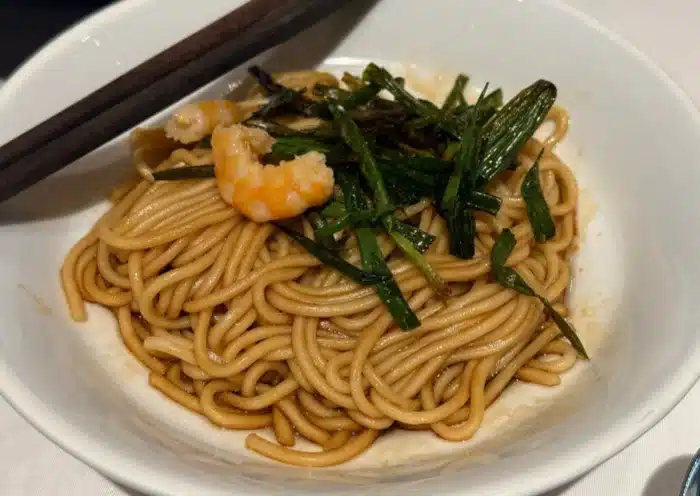
Actually, gluten is commonly seen in various kinds of Chinese food, even in condiments and sauces, such as the mostly used soy sauce. Besides, the main staple food like noodles, dumplings and steamed buns also have gluten. Some processed food use the gluten as additives.
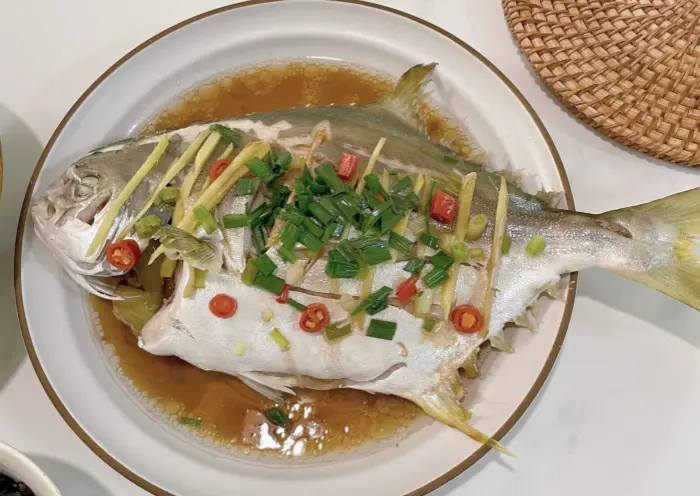
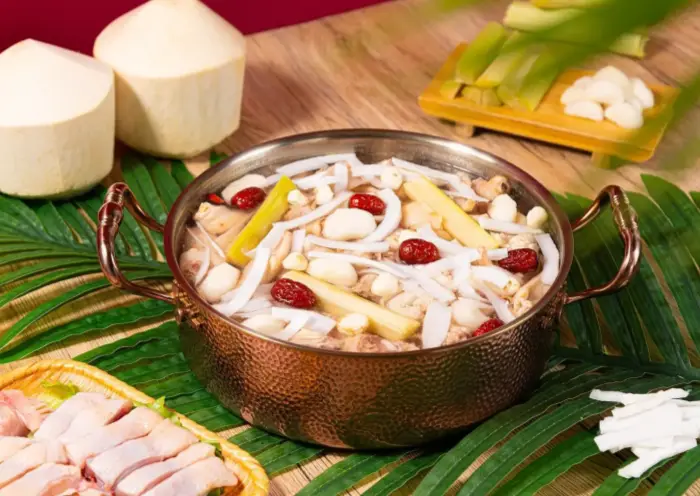
But in southern China, you can find gluten free Chinese food, because rice are the main staple food there. And the traditional cuisines like steamed fish, white sliced chicken, coconut chicken, stir-fried seasonal vegetables are naturally GF dishes. In addition, some five-star hotels and international chain restaurants in cities like Beijing and Shanghai offer gluten free choices. So a gluten free trip in China is possible, and the recommended provinces are Guangdong, Guangxi, Yunnan, Guizhou and Fujian, etc.
Understanding Gluten-Free in China
What Does Gluten-Free Mean in Chinese Context?
According to the international regulation, gluten-free food refers to food that does not contain ingredients such as wheat, rye, and barley, and its gluten content does not exceed 20mg/kg. China also adopts this standard, but most people have misunderstandings about this or lack enough knowledge. Since gluten can not be directly seen in some Chinese dishes, so for celiac travelers, it is quite important to determine the ingredients of food.
Gluten is used in almost all kinds of common foods and pastries in China, such as dumplings, and steamed buns. Other easily overlooked situations include the seasonings like soy sauce and many compound sauce, which use raw materials containing gluten during production. And during cooking, the mixed-use of cook also lead to cross contamination.
Common Gluten-Containing Foods in China
In Chinese food, gluten is widely present in a variety of staple foods, condiments and processed items, posing a potential health risk to people allergic to gluten or with celiac disease. Many staple dishes are made using wheat flour, which contains gluten. Besides, fried foods is also unsafe, because it is usually coated with wheat-based batter.
Condiments are of great hidden risk, since seasonings and sauces are widely used in China, but most of them are made with wheat as a base and can not be distinguished easily. In processed foods, gluten is usually used as a stabilizer or thickener. So for your safety, here are some gluten foods to avoid in China.
Type |
Main food |
Staple Foods and Pastries |
Noodles, dumplings, steamed stuffed buns, steamed buns, sesame cakes, fried dough sticks, pancakes, wonton wrappers, bread, cakes, cookies, mooncakes |
Condiments and Sauces |
Soy sauce, broad bean paste, sweet bean paste, oyster sauce, fermented soybeans, hot pot base, barbecue seasoning, salad dressing, ketchup |
Processed Foods and Beverages |
Processed meat products, sausages, ham, meatballs, puffed snacks, instant noodles, frozen snacks, beer, barley tea |
Safe Gluten-Free Grains and Ingredients in China
Since there are so many gluten-containing food in China, then what are the gluten-free Chinese food? Here are some common gluten-free grains that are widely available for you to enjoy: rice and its derivatives, corn, millet, buckwheat, and quinoa.
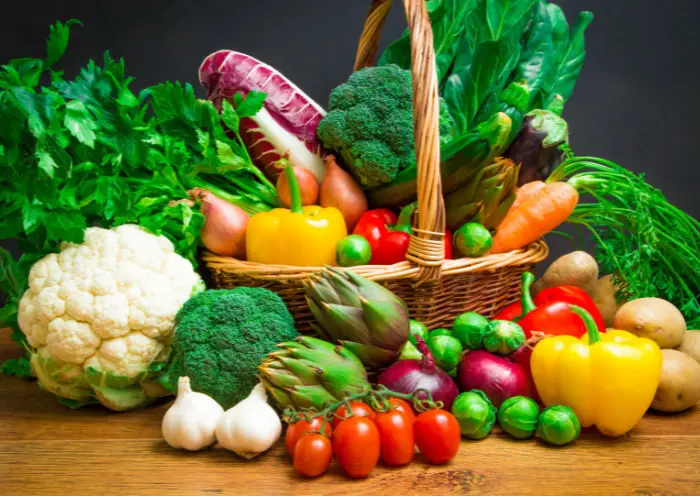
Some other traditional gluten-free foods include rice noodles, sweet potatoes, yams, pumpkins, fresh vegetables and fruits, uncontaminated sea food and meat, tofu and bean products, and nuts.
As for ingredients, iodine-free salt, garlic, five spice powders, pepper, ginger, cumin powder, chili powder are gluten-free, so the taste of dishes can be ensured even without gluten-containing sauces. When it comes to hot pot, you should be careful, choose clear soup hot pot and order fresh meat and vegetables. Use minced garlic, sesame oil and salt instead of gluten-containing sauce as the dipping sauce.
Gluten-Free Grains |
rice and its derivatives, corn, millet, buckwheat, quinoa |
Traditional Gluten-Free Foods |
ice noodles, sweet potatoes, yams, pumpkins, fresh vegetables and fruits, uncontaminated sea food and meat, tofu and bean products, and nuts |
Gluten-Free Ingredients |
iodine-free salt, garlic, five spice powders, pepper, ginger, cumin powder, chili powder |
Gluten-Free Chinese Food Options You Can Try
Naturally Gluten-Free Chinese Dishes
Gluten-free Chinese food covers a wide variety, including soup, seafood, meat, vegetables, and some specialties. As long as you are mindful of certain ingredients and preparation methods, these dishes will be perfect choice for you. The representative gluten-free dishes and important risk warnings are listed below.
Type of Dishes |
Representative Dishes |
Risk Warnings |
Soups |
Hot and Sour Soup, Egg Drop Soup |
Confirm the soup doesn’t contain wheat-based seasonings. |
Seafood/Meat Dishes |
Steamed Fish, White Sliced Chicken, Salt-Baked Shrimp |
Avoid soy sauce and oyster sauce in dipping sauce. |
Vegetables |
Blanched Choy Sum, Stir-Fried Seasonal Vegetables with Garlic |
Ensure they are cooked separately in different pans. |
Specialties |
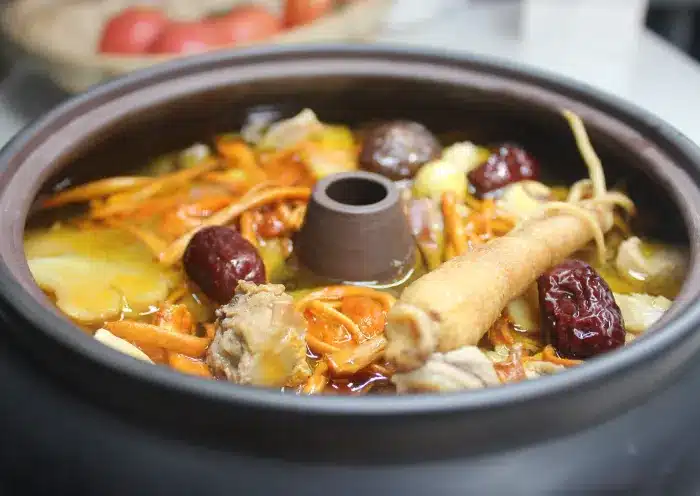
Peking Duck (without pancakes), Steam Pot Chicken |
Keep sauce separate and use your own gluten-free dipping sauce. |
Hot Pot |
Clear Broth, Vegetables, Rice Noodles |
Use separate dipping sauce (garlic + sesame oil), avoid sharing the skimmer. |
Recommended tour

A family-oriented 5-day Beijing tour featuring the Forbidden City, Great Wall hiking, and interactive cultural activities designed for children and parents alike.
Regional Gluten-Free Friendly Cuisines
The styles of cuisines in northern and southern China are different significantly, the main food of each are noodles and rice respectively. So the southern cuisines will provide more safe choices for celiac travelers with rice-based dishes being naturally gluten-free. For example, Sichuan dishes is often served with rice, Hunan spicy stir-fries use fresh vegetables and gluten-free ingredients, and Cantonese dim sum can be customized to avoid gluten.
If you are travel in northern China, it is recommended to substitute traditional wheat-based staple foods with millet porridge, quinoa rice, corn tortillas. Here are some cuisines recommended for travelers in different region of China.
Provinces |
Dishes |
Sichuan |
Mapo Tofu, Garlic Pork Slices |
Hunan |
Stir-Fried Pork with Chili, Chopped Chili Fish Head |
Guangdong |
Steamed Pork Ribs, Radish Cake |
Yunnan |
Crossing-the-Bridge Noodles, Steamed Fish with Lime and Herbs |
Xinjiang |
Grilled Lamb Skewers, Stir-Fried Vegetables with Tofu |
Recommended tour:
3 Days Chaozhou and Shantou Food & Cultural Tour
7 Days Best Yunnan Tour to Dali Lijiang Shangri-La
6 Days Best Zhangjiajie-Fenghuang-Changsha Experience Tour
Gluten-Free Snacks in China
Snacks are an essential part of Chinese food, so tourists cannot miss tasting local snacks. Then what are gluten-free snacks in China? Whether you are in food streets or markets, there are plenty of delicious food for you to choose. The safe street snacks include jellied tofu, baked sweet potato, roasted chestnuts, fresh fruit, and boiled corn, etc. If you wanna buy packaged foods, rice cakes, freeze-dried fruit, original nuts, konjak jelly and vegetable chips are good choices.

How to Order Gluten-Free in China
Key Phrases in Mandarin:
“Wǒ bùnéng chī xiǎomà – 我不能吃小麦” (I can’t eat wheat)
“Wǒ duì fūzhì guòmǐn, bùnéng chī xiǎomài, dàmài hé hēimài zhìpǐn – 我对麸质过敏,不能吃小麦、大麦和黑麦制成的产品” (I am allergic to gluten and cannot eat products made from wheat, barley, and rye. )
“Zhè lǐmiàn yǒu xiǎomài fěn ma? – 这里面有小麦粉吗?” (Does this contain wheat flour?)
“Tiáoliào lǐ yǒu xiǎomài ma? – 调味料里有小麦吗?” (Does the seasoning contain wheat?)
“Yǒu méiyǒu wú fūzhì zhǔshí? – 有没有无麸质主食?” (Are there any gluten-free staple foods?)
“Qǐng gàosù chúfáng bùyào jiā rènhé jiàngliào – 请告诉厨房不要添加任何酱料” (Please tell your kitchen not to add any sauce)
“Xiè xiè nǐ de bāng zhù – 谢谢你的帮助” (Thank you for your help)
Restaurant Tips:
- When choosing restaurants, stick to dedicated GF restaurants, high-end hotels and international restaurants, which providesgluten free men
- Another useful method is to prepare a gluten-free dining card in advance and show it to the restaurants when ordering.
- If you travel with us, tell our travel consultant and guide directly, we will arrange gluten free food for you throughout the tour.
Travel-Friendly Gluten-Free Survival Guide
Bring Gluten-Free Essentials With You
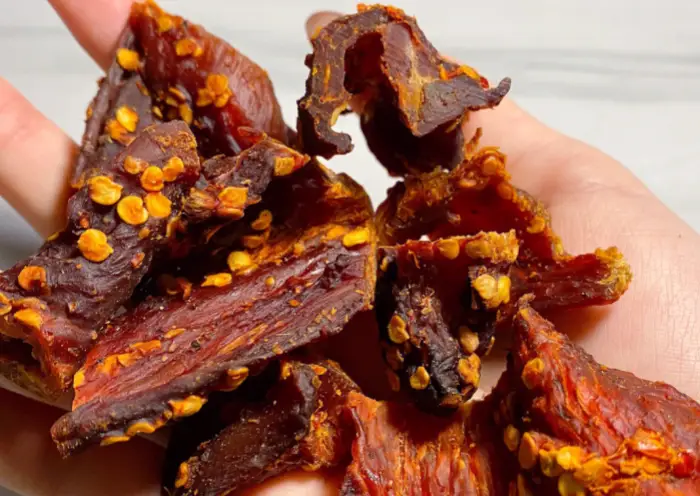
To ensure your safety and enough nutrition intake during the China tour, it is highly recommended to pack some food with you, such as instant grains, instant meal cups, and some snacks, such as beef jerky, protein bars, nuts, dried fruits, ready-to-eat fruits and vegetables. Since a majority of soy sauce in China contains gluten, bringing gluten-free soy sauce is also necessary to avoid hidden gluten.
To prevent cross contamination, it is also advised to bring foldable cutlery set, silicone baking bags, portable test strips and food-grade disinfecting wipes with you. The most important is to take some anti-allergic drug in your pocket all the time in case of emergency. Another useful tip is to prepare a multilingual card stating the allergy information. All these will be very helpful for long train trips or remote areas.
Apps, Communities, and Resources
Before your tour in China, remember to downtown a translation app, so that you can convey your needs to the restaurant directly. Or find gluten-free restaurants via expat communities and celiac forums. The easiest way is to travel with travel groups who can arrange the gluten free cuisines according to your needs.
Related reading: Essential APPS for Traveling in China
Best Cities in China for Gluten-Free Eating
The best cities providing gluten free food in China are mainly tier 1 cities, including Beijing, Shanghai, Guangzhou and Shenzhen. All these cities boasts plenty of high-end restaurants and international restaurants which provide gluten-free menus. And there are also large import supermarkets supply certified gluten-free ingredients and food. In these cities, chefs have more knowledge about gluten allergy, thus paying more attention to it. As for tier 2 cities, the options are relatively limited, and you can choose rice-based local food for your safety.
FAQs about Gluten-Free trip in China
Is it safe to eat at street food stalls for celiac travelers?
For celiac travelers, street food stalls are high risk places, so it is strongly not recommended. Because the space in the food stalls are usually limited, so mixed use of kitchenware are common, resulting in contamination by gluten-containing foods. And used raw materials, common seasonings and additives usually contain gluten.
Are gluten-free meals available on domestic flights or trains?
In general, the fights from main airlines such as Air China, Shenzhen Airlines and China Southern Airlines usually offer gluten-free meals, but you need to make a reservation at least 24 – 48 hours in advance. While trains do not provide the gluten-free meals, but some light meals can be substitutes for you.
Are rice noodles and rice dishes always safe?
Rice is generally regarded as a gluten-free, natural and safe food. Pure rice contains no gluten protein, so it is suitable for people with gluten allergies. But the situation of rice noodles is different. Traditional rice noodles are made of rice and water, which is safe theoretically. But nowadays, to reduce cost and improve taste, additives with gluten are usually added during production. So it is advised to make sure rice noodles is gluten-free certified.
What should I do if I accidentally ingest gluten?
The first action is to stop eating the suspected food, and rinse your mouth with clear water to reduce carryover. If your symptoms are mild, take the anti-allergic drugs and observe whether it is getting worse for 1 – 2 hours. If not, have a rest at home. If you are in moderate and severe condition, use epinephrine auto-injector immediately and call 120. After arriving at the hospital, remember to tell the doctor about your allergy history so that he can judge your situation accurately, and also ask for medicines you might need.
Do Chinese chefs take food allergies seriously?
Chefs in high-end hotels and international chain restaurants generally receive training on allergen management, thus attaching more importance to it. While in small and medium-sized restaurants, the chefs lack knowledge about food allergy, so tourists should pay attention to themselves by emphasizing that you can’t consume food containing gluten.
Gluten-Free trip with Chinaxiantour
If you worry about the health concerns during your China food tour, we are glad to offer you help. We can change the cuisines in the itinerary according to your needs. Also, our guides are professional and experienced, so in case of problems, he can solve immediately to ensure your safety. So contact us now to plan your gluten-free tour in China.