
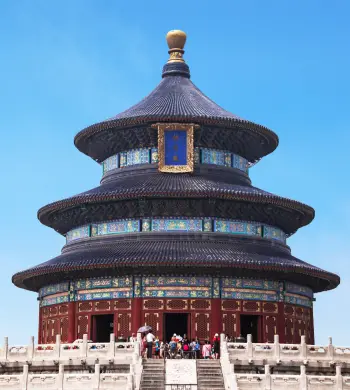

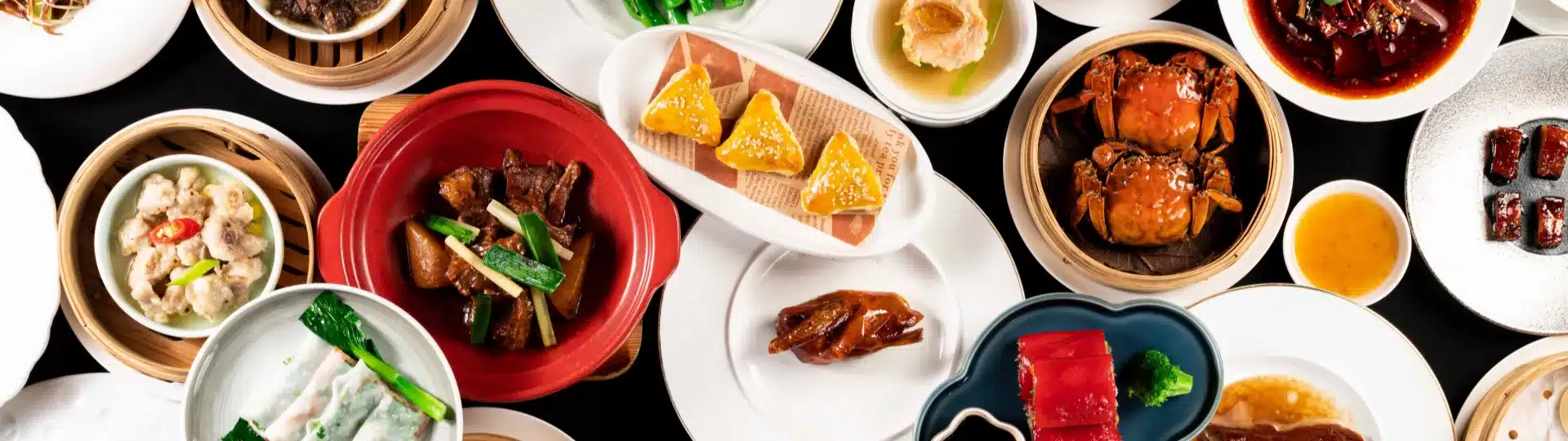
For travelers planning an in-depth trip to China, the Chinese eating time would be worth to study, as it provides a glimpse into local lifestyle and culture. While there are traditional patterns of mealtimes in China which is shaped and influenced by work schedules or school routines, they are not as rigid as many might assume. Indeed, eating hours are much depended on personal preference.
For travelers who are expecting to taste authentic cuisine and explore what Chinese people eat in their daily life, learning about China meal times would be a great starting point. So that this guide will include all the details of mealtimes in China which can help you experience local food in the way locals people do.
Content Preview
- Why Chinese Mealtimes Matter for Travelers
- Traditional Chinese Mealtime for Breakfast – 7:00 to 9:00 AM
- Traditional Chinese Mealtime for Lunch – 11:30 AM to 2:00 PM
- Traditional Chinese Mealtime for Dinner – 5:00 to 8:00 PM
- What and How Do Chinese People Eat Daily? Meal-by-Meal Breakdown
- Lunch Is More Varied but Still Fast (11:30 AM–2:00 PM)
- Big and Relaxing Dinner (6:00–8:00 PM)
- Regional Differences on Mealtimes
- Basic Dining Etiquette and Table Manners in China
- Visit China with Us
Why Chinese Mealtimes Matter for Travelers
In China, food is not just about eating, it carries meanings as large as cultural significance and as detailed as a sense of community, health, and the rhythm of daily life. For example, dinner is always a main bonding time for families especially during festivals like Chinese New Year and Mid-Autumn festival, while schools and workplaces would also structure their breaks around standard China meal times. So do many restaurants and small eateries, they also follow these patterns, and schedule their preparation around the peak hours.
For travelers, this first means adjusting to local dining habits is important. If you try to grab lunch at 3:30 pm, you might find that many neighborhood restaurants are having their midday rest (however, some may still provide service), while breakfast items often sell out if you arrive too late in the morning.
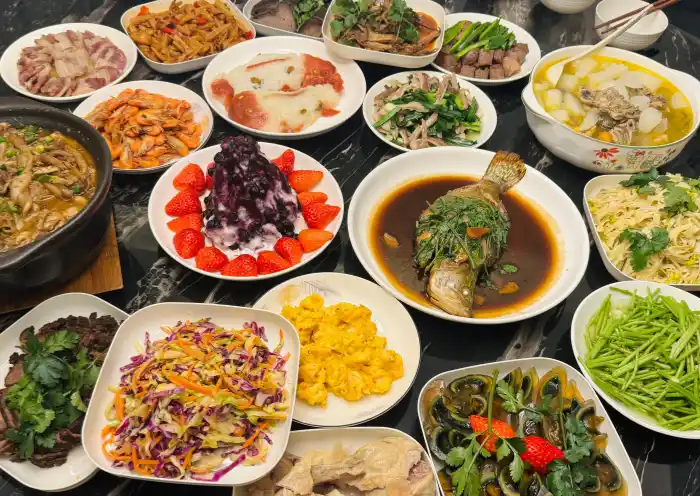

Being aware of some typical Chinese eating time means you can first save yourself time, avoid frustrations for missing your dream food, and also get chance to enjoy meals alongside locals, which would probably allow you to learn the most authentic way of having some special dishes. So understanding the food time can help you better explore Chinese culture and understand how meals gradually shape social life in China.
Read more:
Traditional Chinese Mealtime for Breakfast – 7:00 to 9:00 AM
Breakfast in China is usually early, simple but with rich variety, and practical. As most schools begin around 7:30–8:00 am and offices start at 8:30–9:00 am, so it is quite necessary for students and workers to grab their breakfast before heading out to start their busy day. Accordingly, this makes breakfast an often quick meal in the daily schedule that should provide enough energy to support a half-day work.
Most breakfast stalls (including hotels) would serve food between 7:00 and 9:30 am, while some may extend to 6:00 to 10:00 am. However, the breakfast choices will become more limited later in the morning since popular dishes can be sold out very quickly.
For travelers, if you want to experience the most traditional and freshly-made Chinese breakfast (such as soy milk, steamed buns, noodles or savory pancakes and more) you’d better get up a bit early than you may have planned and follow the locals to rush into the best local breakfast shops. In cities like Beijing or Shanghai, famous stalls can even have long queues before 8:00 am.
Traditional Chinese Mealtime for Lunch – 11:30 AM to 2:00 PM
Lunchtime in China usually falls between 11:30 am and 2:00 pm. While students would eat during scheduled school breaks (in schools’ dining hall), the office workers often rush to nearby restaurants or order deliveries. To most Chinese people, although lunch is usually quick, it’s an essential meal that provides enough energy for the second half of the day, and the following short break also makes it even more expected.
Restaurants are at their busiest between 12:00 and 1:30 pm, especially those offering set meals or fast, filling options like noodles, dumplings, or rice with both meat and vegetables. If a stall can provide fast, nourishing and even tasty choices, then it’ll definitely be packed even a bit earlier than the lunchtime. And smaller eateries often close after 2:00 pm to prepare for dinner service, So remember that timing is always the key to join local for lunch.
Traditional Chinese Mealtime for Dinner – 5:00 to 8:00 PM
For most Chinese people, dinner is always the most important meal of the day. It is usually enjoyed between 5:00 and 8:00 pm, when most people finish their busy and tired day and return home where their families or friends are waiting. And in rural areas, people are likely to have an earlier dinner since the day’s getting dark and they’ll then be free from farm work. Unlike the rather rushed pace of breakfast or lunch, while having dinner, people usually spend a longer time on the table to share stories and reconnect with their loved ones and enjoy a hearty spread of food.
A traditional Chinese dinner typically includes soup, rice, and a variety of dishes made with meat, seafood, and seasonal vegetables. Families would share several plates together, so that everyone can have a balanced and communal dining experience. For those who prefer to eat out, restaurants are going to be at their busiest from around 7:00 pm, and you can get all kinds dishes you want. Most restaurants would close by 10:00 pm, but in most cities, the dining scene continues to stay opened till late into the night.
In popular snack streets, small stalls and night markets come alive after dark, the varieties of food here will go beyond your imagination. And these are, indeed, the best places to see the soul of a city. With such a thriving evening food culture, the importance of sharing meals in the end of the day become evident. It’s never just about the food itself, it’s more of a social activity and a chance to connect with your family or friends.
Read more: Chinese Food Culture: Culinary History, Traditions & Regional Flavors
What and How Do Chinese People Eat Daily? Meal-by-Meal Breakdown
Breakfasts Are Usually Simple (7:00–9:00 AM)
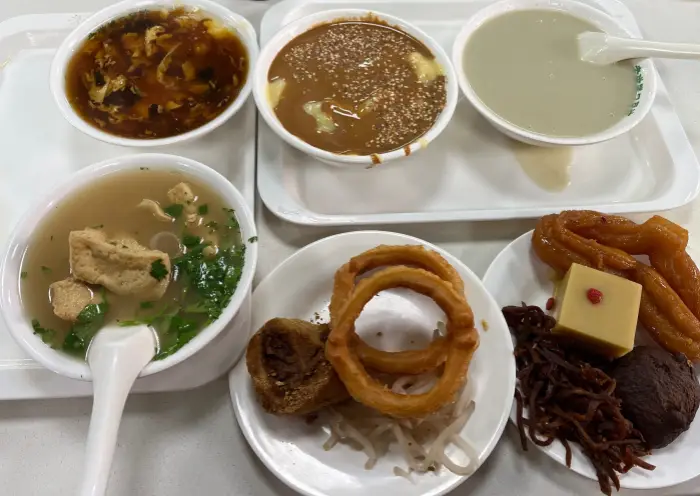
For most Chinese people, a preferable breakfast should be quickly served, simple but not boring in taste, and being able to prepare energy that’s enough for one to survive the morning. However, since people are often rushed (to school and office) in the morning, breakfast at home usually consists of easy-to-prepare foods. Common options include boiled eggs, steamed buns, soy milk, porridge, or other home-made meals.
Breakfast stalls and street vendors can be found everywhere in cities, where you can find either convenient takeaway foods such as fried dough sticks (油条), savory pancakes (煎饼), or some more rich-flavored options like noodles and wonton soup.
Typical Chinese Breakfast Foods & Prices
Food Item |
Description |
Approx. Price (RMB) |
Soy milk & fried dough stick |
Classic combo, quick and filling |
5–10 RMB |
Steamed buns (baozi) |
Stuffed with meat or vegetables |
2–5 RMB each |
Rice porridge (congee) |
Often eaten with pickles or eggs |
5–12 RMB |
Jianbing (savory pancake) |
Egg, dough, sauce, and crispy filling |
8–15 RMB |
Wonton or noodle soup |
Light and warm, easy to digest |
10–20 RMB |
Related reading: How Much to Spend on Food in China
Lunch Is More Varied but Still Fast (11:30 AM–2:00 PM)
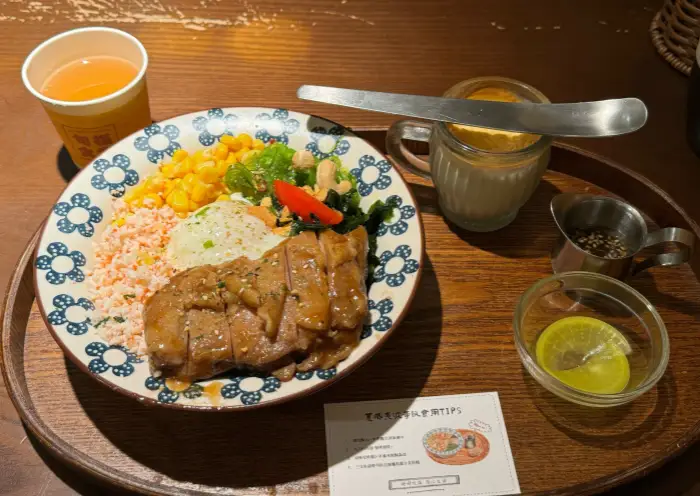
The importance of lunch is needless to mention, so that it should be more filling and varied than breakfast. A typical set includes carbs (rice or noodles) and a mix of meat and vegetables for balanced nutrition. For office workers, nearby restaurants or deliveries are their best choices, while students would have meals in school cafeterias (some may also have their parents bringing them food to school).
Although lunch is important, people normally finish it quickly so that they can take a short nap afterward.
Typical Chinese Lunch Foods & Prices
Food Item |
Description |
Approx. Price (RMB) |
Rice with 2–3 side dishes |
Standard set meal in canteens or small shops |
15–30 RMB |
Dumplings (jiaozi) |
Often boiled or pan-fried, served with vinegar |
15–35 RMB |
Noodle dishes |
From beef noodles to spicy Sichuan noodles |
15–40 RMB |
Stir-fried vegetables + meat |
Balanced and quick, with rice |
20–40 RMB |
Fast food lunch box |
Packed meal with rice, meat, and veggies |
20–35 RMB |
Big and Relaxing Dinner (6:00–8:00 PM)
In China, dinner is definitely the most important and enjoyable meal of the day. It should be nourishing but not heavy, and easy for digestion. It’s the time to slow down, to put the stress aside and share stories that happen in the daytime with loved ones.
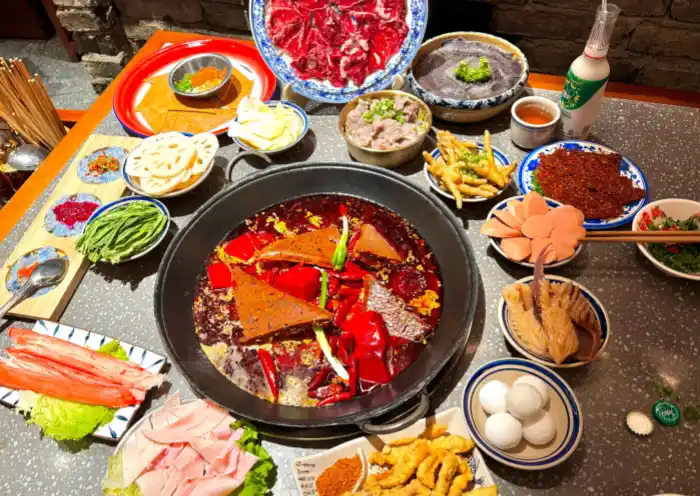
A home-made traditional Chinese dinner often includes rice, soup, stir-fried dishes, all served in a simple and warm family-style. If dining out, the most popular choices include hot pot, barbecue, or regional specialties, which are particularly suitable for a group of people to share.
Typical Chinese Dinner Foods & Prices
Food Item |
Description |
Approx. Price (RMB) |
Home-style stir-fry dishes |
Shared plates with rice, vegetables, meat |
25–60 RMB per dish |
Hot pot |
Communal dining with soup base + ingredients |
80–200 RMB per person |
Barbecue skewers (chuan’r) |
Grilled meat/vegetable skewers, night market |
2–5 RMB per skewer |
Dumplings & noodles |
Still popular as late-night snacks |
15–40 RMB |
Traditional banquet dishes |
Served for family gatherings or celebrations |
150–500 RMB total |
Related reading: Discover Best Cities for Food in China

Regional Differences on Mealtimes
There’s a rather fixed general pattern for mealtime customs, however, there are also some noticeable regional differences that you probably need to know if your destinations stretch over several regions in China.
In northern cities (e.g. Beijing, Harbin, and Shenyang), dinner time will be set a bit earlier, especially in winter, when daylight becoming shorter and temperatures getting lower. In contrast, southern regions (e.g, Guangzhou or Shanghai) you’ll probably see locals going into restaurants or starting making meals at home in a slightly later time. And this custom is influenced by factors like warmer weather, a quicker lifestyle pace, and the deeply rooted local habits.
As a result, if you’re traveling to Northeast China, it is common for you to see families having dinner around 5:30–6:00 pm, while in the south, many people would prefer to eat closer to 7:00–7:30 pm.
Read more:
- The Ultimate Guide to the Most Popular Beijing Food
- Cantonese Food
- Top 10 Shanghai Dishes You Must Eat
Basic Dining Etiquette and Table Manners in China
When dining in China, it is better for you to be aware of some common table manners which are as important as the food itself. These understandings can help you avoid cultural misunderstandings and leave a good impression to people who’s dining together with you.
Key Chinese table manners include:
- Don’t pick up your chopsticksuntil the host start eating.
- Use serving spoons or chopsticks to takefood from shared dishes (especially when dining in restaurants).
- Do not stick chopsticks upright into a bowl of rice, as it resembles a funeral offeringwhich is quite disrespectful to people sitting together with you.
- Adjust your eating speed, avoid finishing everything too quickly, as in some cases, this behavior is a suggestion thatthe host did not serve the guests well
Visit China with Us
Experiencing traditional Chinese meals is one of the best ways to understand the country’s culture and it’s definitely something that you’ll be unwilling to miss. No matter where you go, food would a direct and charming window into Chinese daily life.
Join one of our specially designed China tours or a guided Food Tour to taste authentic regional dishes, while also exploring iconic landmarks across China. With help from our local travel experts, you can leave all the preparation to us and just focusing on enjoy your food and days.