
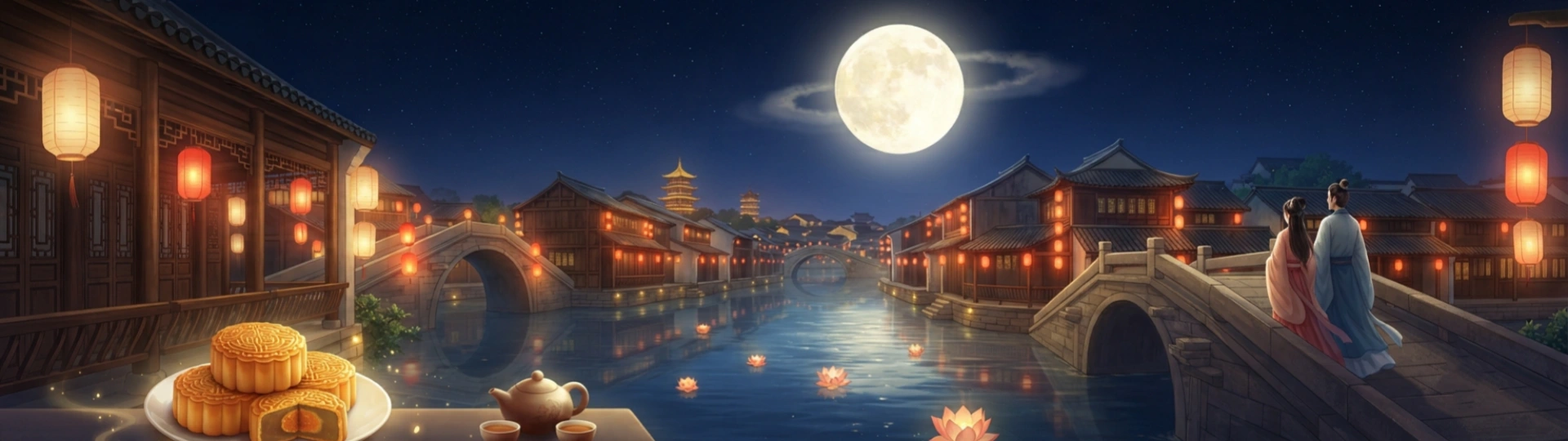
The Mid-Autumn Festival, aka Moon Festival or Mooncake Festival, is the second most important festival in China after the Chinese New Year.
The festival falls on the 15th day of the 8th lunar month, typically in September or early October. In 2026, the festival will happen on September 25. A 1-day public holiday will be observed in the mainland of China.
🥮 2026 Mooncake Festival At a Glance
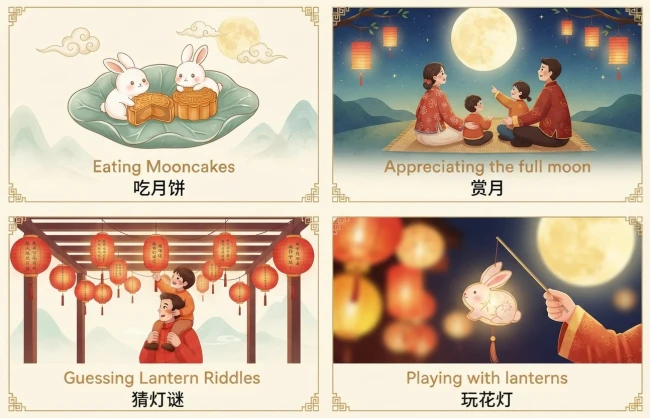
Traditionally, the Mid-Autumn Festival is a time for family reunions, gathering with friends, worshiping the moon, eating moon cakes and seasonal delicacies, carrying paper lanterns and attending lantern shows or other cultural events. In 2006, it was listed as a national intangible cultural heritage.
Different regions in China also feature different celebrations. If you travel to China during this period, get inspiration for where and how to celebrate the Mid-Autumn Festival in this article.
Content Preview
- When is the Mid-Autumn Festival?
- How People Celebrate Mid-Autumn Festival
- Best Places to Celebrate Mid-Autumn Festival
- Moon Festival Wishes & Greetings
- Ancient Myths & History Behind the Festival
- More Facts about the Mid-Autumn Festival
- Plan Your Custom China Tour with Us
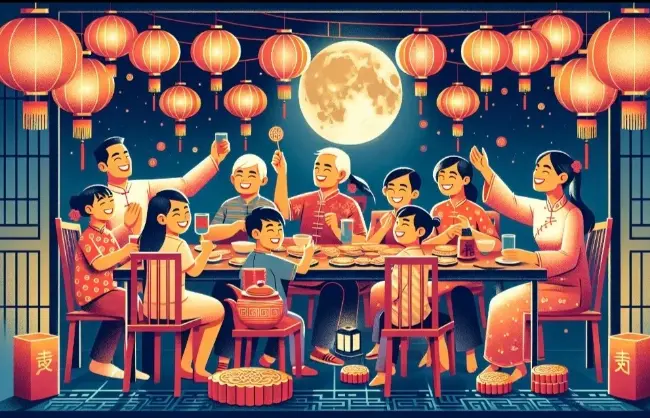
Family Reunion and Dinner During the Mooncake Festival
When is the Mid-Autumn Festival? Is It a Good Time for Travel in China?
The date of the Mid-Autumn Festival falls on the 15th day of the eighth month of the lunar calendar, from mid-September to early October in the Gregorian calendar. Since 2008, the Mid-Autumn Festival has been designated as a public holiday in the Mainland of China.
In 2026, the festival will be celebrated on September 25. As it is on Friday, it automatically creates a three-day break with the following Saturday and Sunday. No compensatory make-up work day will be required. In 2027, it will be observed on September 15. See the dates and holiday schedules for the following three years:
Year |
Date |
Holiday Schedule |
2026 |
September 25 |
September 25-27 (three-day break with the following Saturday and Sunday) |
2027 |
September 15 |
September 15 |
2028 |
October 3 |
October 1-8 (8-day combined holiday for Mid-Autumn & National Day) |
Is Mid-Autumn Festival a Good Time for Travel in China?
It depends.
Your actual travel experience will vary greatly depending on whether the festival overlaps with the National Day Holiday.
When the Mid-Autumn Festival comes several days before the National Day, it is usually a one or 3-day public holiday, such as in 2026 and 2027. Rather than taking long-distance trips, most Chinese people return home for family reunions. You can thus experience local celebrations and popular attractions with relatively fewer crowds than the National Day Holiday.
In some years, when the festival overlaps with the National Day Holiday, there will be an 8-day public holiday. It is not recommended to travel during this time, as China enters one of the busiest travel seasons. Popular attractions can be extremely crowded, and hotel and flight fares also rise significantly.
How People Celebrate Mid-Autumn Festival
1. Family Reunion
Family reunion is the core spirit of the Mid-Autumn Festival. The public holiday allows people to take a break from work and return home to reunite with their families. From ancient times to the present day, the family reunion dinner remains the most common way for Chinese people to celebrate the festival. Seasonal delicacies and fruits are usually prepared for the gathering.
People who can’t be together with their family typically enjoy dinner or spend time with their close friends.
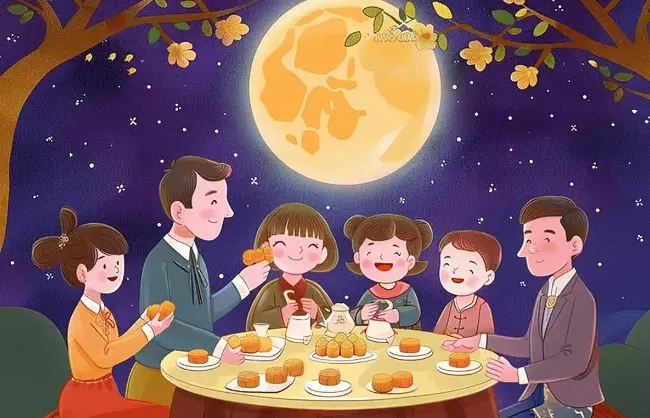
Families Gathering for a Moon Festival Reunion
2. Appreciating the Moon
The moon appears especially full and bright as the festival is on the 15th day in the lunar calendar. In the Chinese mind, the round moon has long been associated with family reunion. People often admire the full moon in their courtyards or by the riverside as night falls. In families with children, parents often share some stories and legends related to the moon or the Moon Festival.
3. Eating Mooncakes
As the most iconic Mid-Autumn Festival food, mooncakes symbolize reunion and happiness. Eating mooncakes or sharing mooncakes with family members is a can’t-miss activity while celebrating the festival. Different regions have different ways of flavoring mooncakes, and they thus come in various flavors and fillings, including lotus seed paste, red bean paste, mixed nuts, etc.
Other Mid-Autumn Festival food:
- Hairy Crab: Autumn is peak season for rich, fat hairy crabs in eastern China.
- Ciba (Glutinous Rice Cakes): Popular in Sichuan and Chongqing, served with brown sugar syrup.
- Taro & Pomelo: Symbolizing luck and family blessings in southern dialects.
4. Moon Worship
In ancient times, people usually pray to the Moon Goddess for blessings, good harvest, and health on the festival night. This ancient custom has been maintained to this day. In Guangdong, Yunnan, Guangxi, and many other regions, people still set up offering tables and prepare food and seasonal fruits and nuts to worship the moon.
5. Lantern Lighting
On the night of the festival, people tie the lanterns to the top of bamboo poles and then raise them near eaves, balconies or treetops. This activity is called “Shu Zhongqiu”. In the Jiangnan regions, people also make lantern boats and watch the boats drift along in the water. They believe the lanterns will carry their best wishes to distant places. In some regions, people often decorate lantern crafts with various characters and shapes and hang them under trees.
6. Tea Drinking
When Chinese tea culture intersects with the traditional Mid-Autumn Festival, the festival experience is further enhanced. The custom of drinking tea during the Moon Festival can be traced back to the Tang Dynasty. On the night of the festival, people would brew and drink “tuancha”, which is in a full moon shape, symbolizing reunion and completeness. Today, people still preserve this tradition while admiring the moon. The fragrance of tea pairs well with the sweetness of mooncakes.
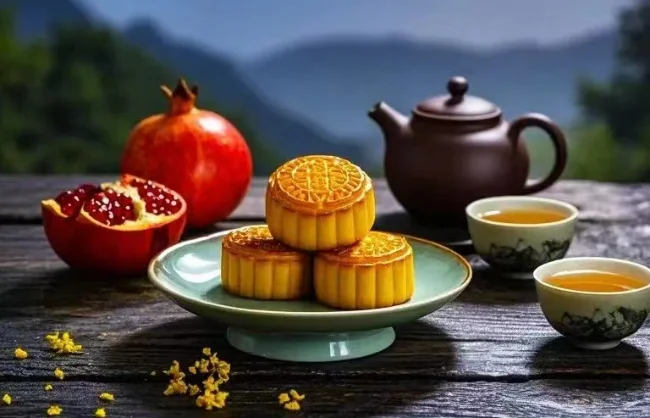
Enjoying Tea and Mooncakes Under the Full Moon
Best Places to Celebrate Mid-Autumn Festival
Besides the common traditional celebrations, many regions have their unique folk activities to celebrate the festival. Below are our recommended places to enjoy the authentic festival atmosphere while also avoiding the crowds.
Hangzhou
West Lake Moon Worship is one of Hangzhou’s most iconic Mid-Autumn traditions. During the festival, dozens of “moon boats” will be lit up and sail across West Lake and blessing ceremonies will be held at Chenghuang Pavilion.
Good to know: Enjoying the festive atmosphere from a quieter lakeside spot during off-peak hours is more recommended to avoid the large crowds.
Other less crowded festival activities in Hangzhou:
- Enjoy puppet shows such as Wu Song Fights the Tiger and Chinese-style music performances at Gongchen Bridge and the surrounding area.
- See colorful lanterns, cute fish-shaped lanterns, and moon-themed installations at Qiaoxi Historic District.
- Take part in special cultural activities at Hangzhou Museum.
- Visit quieter tea village / temple areas.
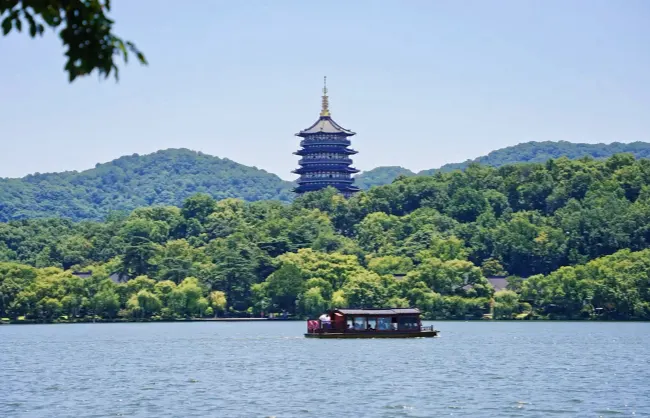
A 2-day Hangzhou essence tour covering the poetic West Lake, Lingyin Temple, the China National Tea Museum at Meijiawu, Leifeng Pagoda, and the scenic Bamboo-lined Path at Yunqi.
Zhujiajiao Water Town in Shanghai
Zhujiajiao Water Town will transform into an immersive cultural and artistic space during holidays, especially on the Mid-Autumn Festival. Shows will be held in traditional gardens, ancient residences, and historic bridges throughout the town.
- Festival activities: immersive performances, traditional handicraft activities (making Song brocade folding fans, flower lanterns), light displays, DIY mooncake making(near Daqing Post Office).
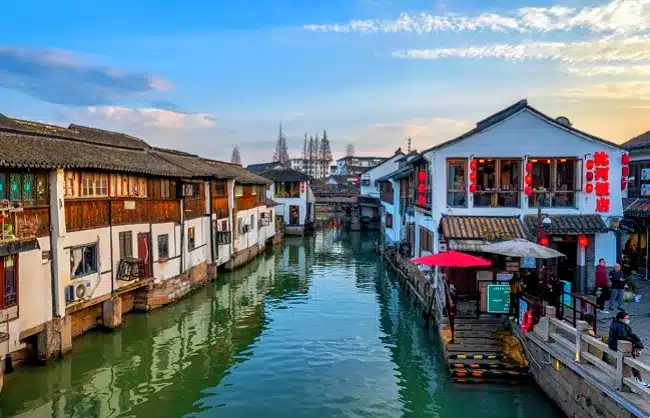
Drift through Zhujiajiao's thousand-year-old canals on a hand-rowed boat, then return to the city to lose yourself in Yu Garden's classical rockeries and pavilions before rising 546 meters above Shanghai's glittering skyline at Shanghai Tower.
Quanzhou
As a UNESCO World Heritage city, Quanzhou is known for its well-preserved historic sites, diverse cultural heritage, and excellent local cuisine. Visiting Quanzhou during the Mid-Autumn Festival will give you a chance to experience some of the most authentic Mid-Autumn traditions in southern Fujian, such as:
- Play Bo Bing (Mooncake Dice Game) to win prizes. This is a unique Minnan Mid-Autumn Festival tradition.
- Burn tile towers (Shao Ta Zi) for luck.
- Experience traditional moon worship in old courtyard houses.
- Enjoy lantern-lit streets and Nanyin music.
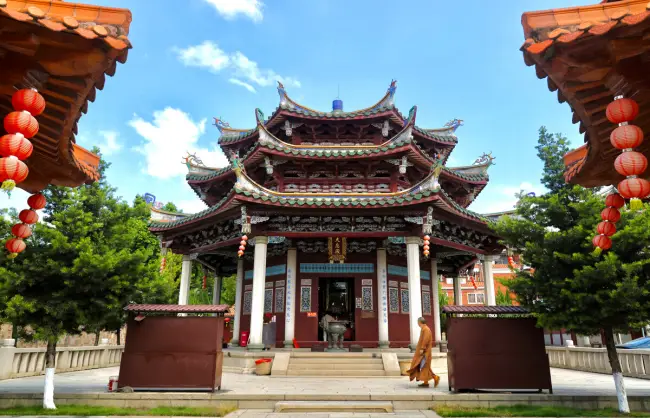
Discover Quanzhou maritime heritage at Kaiyuan Temple and Overseas Transportation Museum, experience Anxi Tieguanyin tea-making, and visit Xunpu Fishing Village flower-haired women.
Foshan
Mid-Autumn Festival in Lingnan/Cantonese culture is very food-focused. You can enjoy local mooncakes, or explore old neighborhood.
A less crowded place to experience traditional Lingnan folk activities, Foshan offers:
- Fire Dragon Dance (usually held in Dajiang Village in Zhangcha, Chancheng District, and Shangyuan Village in Nanzhuang Town)
- Burning Pagoda (expresses wishes for prosperity)
- Tapo Temple Fair
- Qiandeng Lake Lantern Festival
- Lantern displays in parks, such as Yingyue Lake Park and Wenhan Lake Park
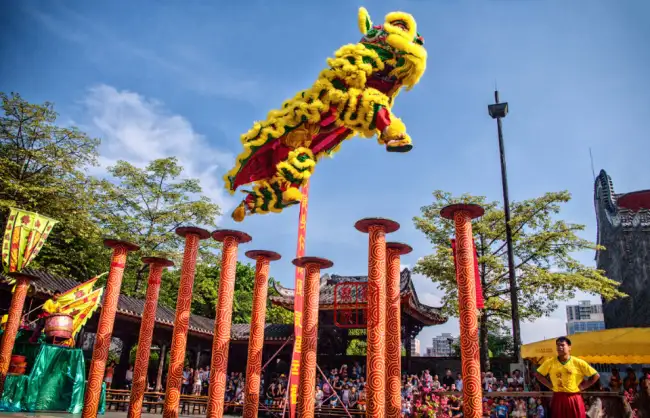
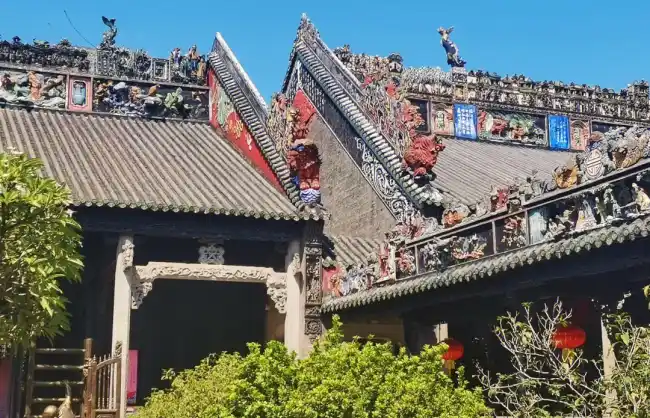
Discover Guangzhou's Lingnan heritage at Chen Clan Ancestral Hall and Shamian Island, then experience Foshan's lion dance, martial arts, pottery making and paper cutting.
Jianshui Ancient Town in Yunnan
Compared to the popular Dali and Lijiang, Jianshui receives far fewer visitors and offers a more authentic experience of Mid-autumn Festival culture. Here you can:
- Stay in an old courtyard residence, and admire the moon in a traditional setting.
- Try local grilled tofu.
- Hop on a nostalgic meter-gauge railway train through the countryside.

Discover Jianshui's ancient Confucian Temple, Zhu Family Garden, and Tuanshan Village, then witness the breathtaking sunrise at Duoyishu and sunset at Bada over Yuanyang Hani rice terraces.
Wuyuan in Jiangxi
The traditional Qiushai activity in Wuyuan usually begins from mid-September. During this period, Wuyuan will turn into a world of colors when locals dry corn, hot pepper, pumpkin and other crops on the roofs. By high-speed train, you can easily reach Wuyuan within 1 hour from Jingdezhen and Huangshan, and 2-4 hours from Hangzhou and Shanghai.
More than a sightseeing getaway, a Mid-autumn Festival trip to Wuyuan will also reward you with:
- Straw Dragon Dance (Caolong) & incense lantern parade
- Molten iron fireworks
- The Huohu (Fire Pot) – a national intangible cultural heritage
- Fish lantern parade
- Traditional moon worship ceremony
Top places in Wuyuan to experience the festival include Xiangao Ancient City, Likeng Scenic Area, Wunüzhou Resort, and Hongguan Village.
Travel Advice: Because the Mid-Autumn Festival is a national holiday, high-speed train tickets, flights, and popular hotels sell out quickly. Book your transport and attraction tickets well in advance!
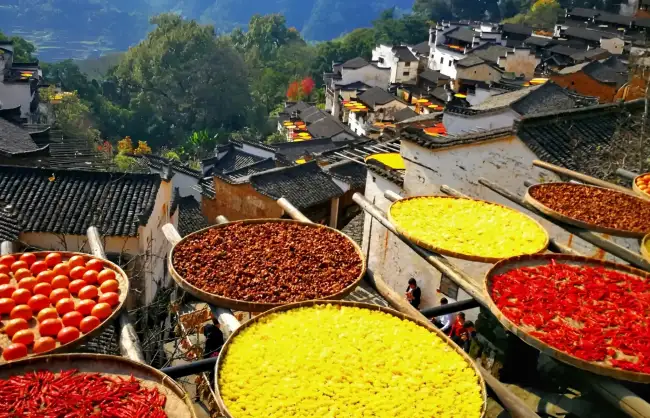
Capture Wuyuan's stunning autumn harvest scenes with drying crops on rooftops and explore Jingdezhen's ancient kilns and ceramic art heritage.
Moon Festival Wishes & Greetings
Send these popular Chinese phrases to friends and colleagues during the holiday:
- 中秋节快乐! (Zhōngqiūjié kuàilè!) — Happy Mid-Autumn Festival!
- 祝您阖家团圆! (Zhù nín héjiā tuányuán!) — Wishing you and your family a joyful reunion!
- 月圆人圆事事圆满! (Yuè yuán rén yuán shì shì yuánmǎn!) — May the full moon bring your family happiness and fulfillment in all things!
- 但愿人长久,千里共婵娟。(Dàn yuàn rén chángjiǔ, qiānlǐ gòng chánjuān.) — “May we live long and share the beauty of the moon, even if miles apart.” (Famous poem by Su Shi)
Ancient Myths & History Behind the Festival
Mid-Autumn Festival Origin & History
The history of the Moon Festival spans over 3,000 years, evolving from ancient royal worship to a nationwide folk celebration:
- Zhou Dynasty (1046–256 BC): Emperors practiced autumn moon worship to give thanks for the harvest.
- Han Dynasty (202 BC – 220 AD): Besides moon worship and rituals, it is popular among the common people to honor and care for the elderly and give “Xiongcu Cake” in the Mid-autumn or the beginning of autumn.
- Tang Dynasty (618–907 AD): Moon gazing became wildly popular among poets, scholars, and common citizens in the capital Chang’an (modern-day Xi’an). Legendary tales like Chang’e Flying to the Moon flourished during this era.
- Song Dynasty (960–1279 AD): The 15th day of the 8th lunar month was officially designated as the Mid-Autumn Festival. Family reunions overall became a significant aspect of the festival celebration.
- Ming & Qing Dynasties: Mooncakes became the central festive food, and the tradition solidified into one of China’s top four national festivals.
Famous Mid-Autumn Festival Myths & Legends
1. Chang’e Flying to the Moon (嫦娥奔月)
According to legend, ten suns once scorched the Earth. The hero archer Hou Yi shot down nine suns and was rewarded with an elixir of immortality. To keep it safe from a villainous apprentice, his beloved wife Chang’e swallowed the elixir and floated up to the moon. Heartbroken, Hou Yi displayed her favorite fruits under the full moon every year, beginning the moon worship tradition.
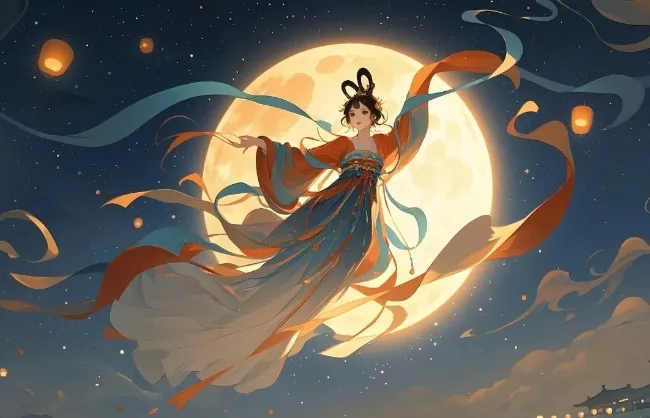
Chang’e Floating to the Moon Palace
2. The Jade Rabbit Grinding Medicine (玉兔捣药)
The Jade Rabbit lives in the Moon Palace alongside Chang’e, continuously pounding herbal medicines in a mortar to create the elixir of life. In Chinese culture, the Jade Rabbit symbolizes selflessness and purity.
3. Wu Gang Chopping the Laurel Tree (吴刚伐桂)
Wu Gang was banished to the moon and tasked with chopping down a giant, self-healing laurel tree. Because the tree healed instantly after every strike, his task became eternal, leading people to nickname the moon the “Laurel Moon”.
More Facts about the Mid-Autumn Festival
Other Names of the Mid-Autumn Festival
In Chinese, the festival is called Zhongqiu Jie (中秋节). Because it centers around the full moon and festive pastries, international travelers and overseas communities know it by several names:
- Mooncake Festival: The most popular name across Singapore, Malaysia, and Southeast Asia due to the iconic pastry.
- Moon Festival / Moon-Viewing Festival: Referring to the ancient custom of gazing at the full moon.
- Harvest Moon Festival: Celebrating the autumn harvest season.
- Reunion Festival: Highlighting the core value of family togetherness.
How Other Countries/Regions Celebrate the Festival
- Hong Kong: Fire Dragon Dance, lantern exhibition, playing with lanterns, eating pomelos, and making pomelo lanterns.
- Macau: Popular traditional celebrations include lantern exhibitions, lion dance performances, moon gazing. Unique modern celebrations are mid-autumn concerts, food exhibitions, light parties, and fairs offering traditional snacks, crafts, and lantern riddles.
- Taiwan: Moon gazing, eating mooncakes, enjoying pomelos, and barbecuing.
- Japan: Called “Tsukimi” (月見), meaning “moon viewing festival”. Traditional activities include holding banquets while gazing at the moon, and enjoying “Kangetsusai”. Iconic festival food in Japan is “Tsukimi Dango”, a kind of glutinous rice dumpling.
- Singapore: Eating mooncakes, carrying lanterns, moon gazing, and many other festive activities, such as boating riding on the river, and lion dance performances.
Plan Your Custom China Tour with China Xian Tour
Experiencing the Mooncake Festival in person is one of the most memorable ways to immerse yourself in authentic Chinese culture. At China Xian Tour, our local travel consultants design customized private tours featuring festival light shows, mooncake-making workshops, and seamless transportation.
Want to Experience the 2026 Mooncake Festival in China?
Let our travel specialists create a personalized autumn itinerary tailored to your pace and interests.