

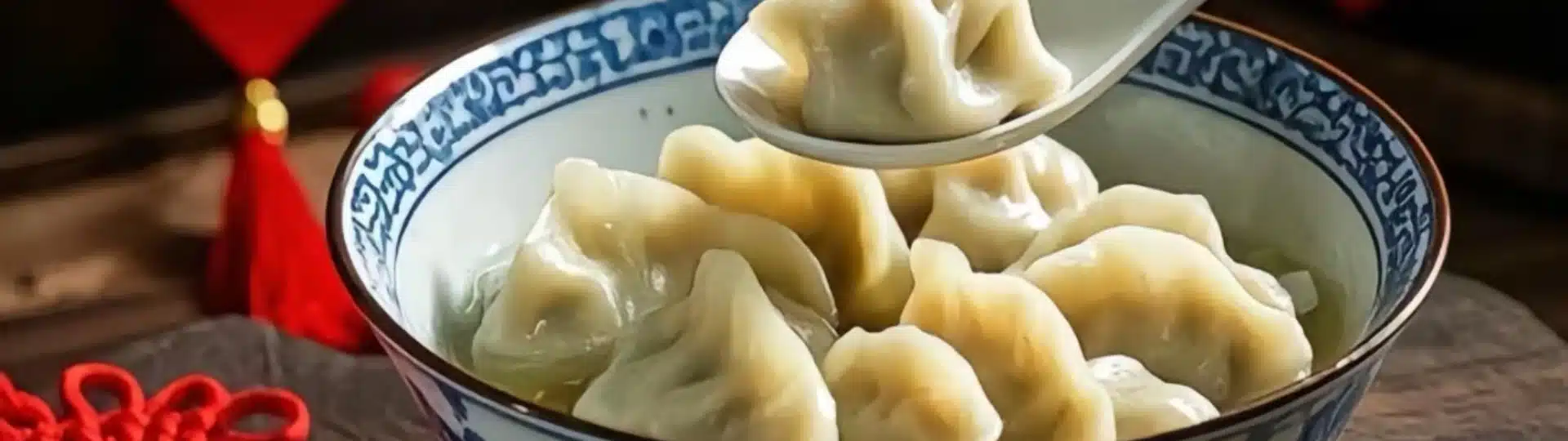
Chinese New Year is the biggest holiday in China. You can think of it as the equivalent of Christmas: it’s a time for getting together with family, exchanging gifts, and, of course, eating delicious food. Whether you’re planning a menu for your own celebration or just curious about what you might see served during a Lunar New Year dinner, we’ve got you covered. Here’s our list of the 13 best foods to eat during Chinese New Year and what they represent.
Content Preview
- 1. Laba Congee/Porridge (腊八粥) – Completeness and Abundance
- 2. Buddha’s Delight (罗汉斋) – Purify Body
- 3. Spring Rolls (春卷) – Invite Wealth and Prosperity
- 4. Dumplings (饺子) – Make More Money
- 5. Noodles (长寿面) – Enjoy a Long Life
- 6. Fish (鱼) – Have Abundance Every Year
- 7. Chicken (鸡) – Auspiciousness
- 8. Pork Belly (五花肉) – Wealth and Abundance
- 9. Vegetables with Special Meanings – Growth and New Life
- 10. Eight Treasure Rice (八宝饭) – Wealth
- 11. Sticky Rice Cake (年糕) – Growth in Study or Profession
- 12. Tangyuan (汤圆) – Reunion
- 13. Good Fortune Fruit – Fullness and Wealth
- 14. Poon Choi (盆菜) – Reunion and Better Life and Work
- 15. Steamed Flower Bun
- Tips for Visiting China During Spring Festival
- FAQs about Lucky Food in Chinese New Year
- Experience Chinese New Year with China Xian Tour
1. Laba Congee/Porridge (腊八粥) – Completeness and Abundance
Did you know that celebrations for Chinese New Year begin before the holiday actually starts? While the Lunar New Year starts on the first day of the lunar calendar, Laba Festival, which takes place about three weeks earlier, is considered the beginning of the holiday.
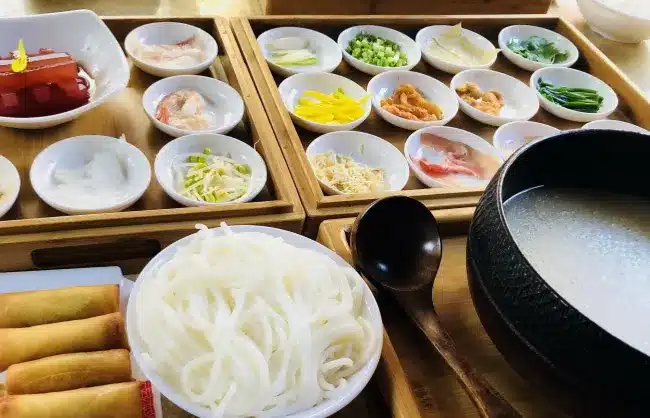
Originally, the festival was used to wish for luck in the new year by making sacrifices to gods and ancestors, and as Buddhism gained influence in the country, it also became a celebration of the Buddha reaching enlightenment.
These days, many people celebrate the festival by eating congee, a kind of rice porridge. Chinese people don’t eat just any old congee on Laba Festival, however. They eat “eight-treasures” congee, which typically has at least 8 kinds of grains, beans, nuts, and dried fruit mixed in.
2. Buddha’s Delight (罗汉斋) – Purify Body
Traditionally served on Chinese New Year’s Eve, Buddha’s delight is a vegetarian dish commonly enjoyed by, you guessed it, Buddhist monks. It is a renowned Cantonese dish. Because there used to be a superstition that eating a vegetarian diet during the first few days of the Lunar New Year could purify your body, though, it’s now become a traditional dish for many households regardless of their beliefs.
Buddha’s delight typically consists of a variety of vegetables mixed with fried tofu in a soy-sauce based dish. If you’re celebrating Spring Festival with any vegetarians or vegans, this is the best dish to have on the table.
3. Spring Rolls (春卷) – Invite Wealth and Prosperity
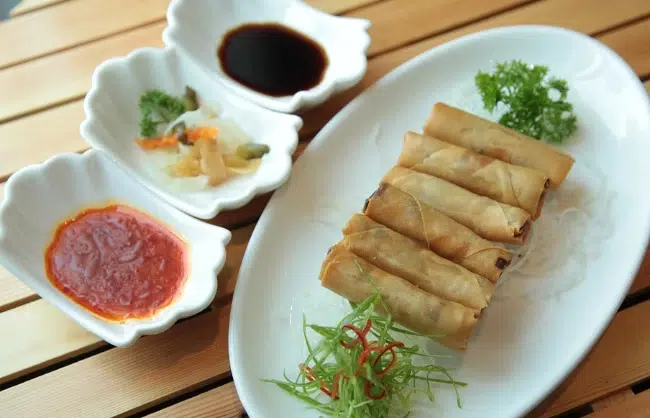
Everybody knows spring rolls, but did you know that they got their name because they’re a traditional food eaten during Chinese New Year? It makes sense when you think about it: the holiday is also called “Spring Festival”! Stuffed with vegetables and meat and then fried to a mouth-watering golden brown, spring rolls are meant to look like gold bars and invite wealth and prosperity in the new year.
4. Dumplings (饺子) – Make More Money
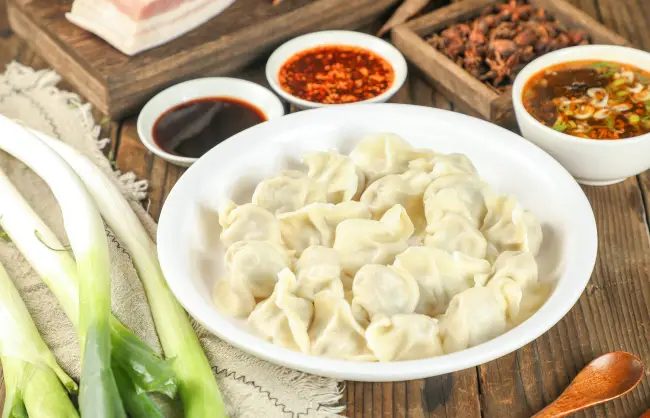
To be fair, dumplings aren’t served exclusively during Chinese New Year, but they do take on an extra special meaning during the holiday. While nostalgic memories of wrapping dumplings together with your loved ones definitely plays a large part in the dish’s popularity, dumplings also resemble the gold and silver ingots of ancient China.
As you’ve probably guessed, then, they’re also meant to symbolise wealth. It’s said that the more dumplings you eat during Spring Festival, the more money you’ll make in the coming year, so be sure to show up to dinner with an empty stomach!
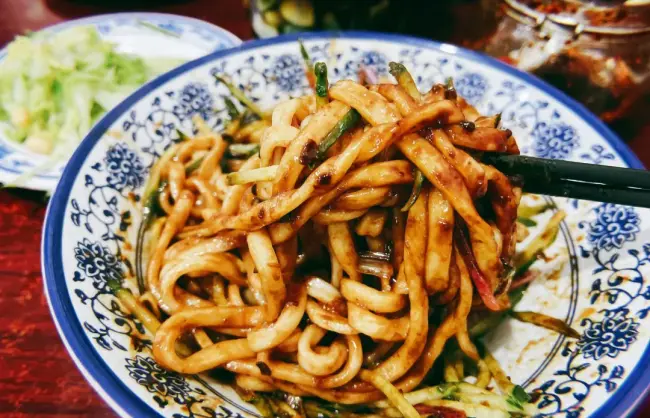
5. Noodles (长寿面) – Enjoy a Long Life
Imagine slurping a noodle that never ends… That’s the goal of the traditional Lunar New Year food called chángshòumiàn, which translates to longevity noodles. Also commonly eaten on birthdays, this dish consists of extremely long noodles that symbolise the long life of whoever eats them. Tradition holds that not only is the chef not allowed to cut the noodles, but also that whoever eats them has to eat them whole, which makes this dish a fun challenge for the holidays.
6. Fish (鱼) – Have Abundance Every Year
There’s a common phrase used to wish someone luck in Chinese: “nián nián yǒu yú” (年年有余), which means “may you have abundance every year”… But since the word for abundance (余) and the word fish (鱼) are both pronounced yú in Chinese, some people will write “may you have fish every year” instead! That’s why fish is such a popular food for Chinese New Year – it’s meant to represent abundance in the coming year.
While the kind of fish and method of preparation can vary somewhat, however, one thing is almost always the same: the fish is served whole, bones and head included. If you’re sensitive enough to find that shocking, you might not like this next one…
Different kinds of fish also have different symbolic meanings. Below is the detailed information.
- Carp:Good luck and wealth, and success in study and work
- Whitefish:Continuous and never-ending wealth and good luck
- Crucian Carp:Great luck and prosperity
- Catfish: Annual surplus
- Mandarin Fish: Wealth and abundance
- Green Fish:Good fortune and health
- Perch:Homesickness and the pursuit of fine food
- Goldfish: Wealth, prosperity, and offspring
7. Chicken (鸡) – Auspiciousness
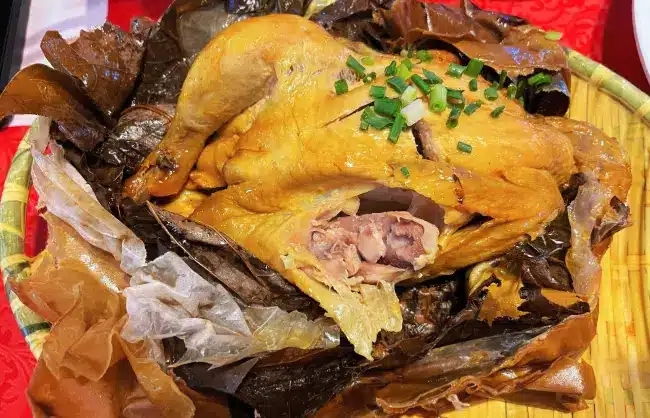
That’s right, fish isn’t the only Spring Festival dish served whole: chicken is too. The reason for chicken’s popularity is due to another play on words: the word for chicken (jī/鸡) in Chinese sounds similar to a word for luck (jí/吉). As for why the dishes are served whole, that’s because they represent the fact that Chinese New Year is a time for coming together and being one as a family.
8. Pork Belly (五花肉) – Wealth and Abundance
Another common sight on tables during the holiday, the rich fattiness of pork belly is unsurprisingly used to symbolise wealth and abundance. Also known as wǔhuāròu or “five-flower meat” in honour of its layered appearance, the dish is can also be seen as representative of the layered nature of wealth. Typically roasted and braised with a sticky sweet sauce, pork belly is a can’t-miss dish during Spring Festival.
9. Vegetables with Special Meanings – Growth and New Life
Not everything can be a main dish, of course, which brings us to vegetables. They’re a common food for Chinese New Year for a variety of reasons. Not only do they make for a healthy addition to any meal, they also symbolise the feeling of growth and new life that comes with spring. Some vegetables also get a special meaning as well. Lettuce, for example, is said to represent wealth because it’s pronounced similarly to the word for fortune. Regardless of whether or not the vegetables you serve have a special meaning, though, they’re still a must-have for a balanced meal.
10. Eight Treasure Rice (八宝饭) – Wealth
Now that we have a balanced meal… It’s time to move onto dessert! One of the more popular desserts to eat during Chinese New Year is eight treasure rice. You might be noticing a theme by now: this dish is also meant to represent wealth during the new year. Eight treasure rice typically consists of sticky rice, a sugar syrup, and eight “treasures” that vary from recipe to recipe. Some common add-ins include lotus seeds, dried fruits, red bean paste, and more.
11. Sticky Rice Cake (年糕) – Growth in Study or Profession
Another common food eaten for dessert during Chinese New Year is niángāo, a kind of rice cake. The name of the dish sounds similar to the words “year” and “high”, so the dish is often used to symbolise growth in one’s studies or profession in the coming year. As with many dishes on this list, there are a variety of recipes and means of preparation, so it’s a good dish for anyone looking for flexibility and choice in their Lunar New Year menu.
12. Tangyuan (汤圆) – Reunion
Tangyuan are small filled glutinous rice balls that are served in a hot broth or syrup that are often eaten during Chinese New Year, the Lantern Festival, and the winter solstice. With a pronunciation similar to a word that means “reunion”, it’s no surprise that the dish is such a popular choice for a holiday spent with family. Common fillings include black sesame, crushed peanuts, lotus seed paste, red bean paste, and more.

13. Good Fortune Fruit – Fullness and Wealth
What better way to wrap things up than a healthy dessert option? Fruits of all kinds are enjoyed for dessert in China, but yellow and orange citruses are especially common during Chinese New Year thanks to their round shape and bright colour that symbolise fullness and wealth. Furthermore, among those fruits, oranges and tangerines are the most popular choices as their pronunciations in Chinese sound similar to the words for “success” and “luck” respectively.
14. Poon Choi (盆菜) – Reunion and Better Life and Work
Poon Choi is composed of various kinds of food in this one dish, and each kind of food has an auspicious meaning. These foods are not just stewed together. Each one is cooked separately to ensure its best taste and unique flavor. When putting them in the pot, the bottom is vegetables that can be boiled for a long time, the middle layer is ingredients that easily soak up the flavors and the top layer is precious foods like balone, prawns, and roasted meat.
Usually, the family will sit around one table to enjoy it together, vividly embodying the meaning of reunion. And when eating, you will feel like digging for treasures layer by layer, which means your life and work will become better and better.
Related reading: Chinese Restaurant Menus
15. Steamed Flower Bun
The characteristic of the Flower Bun is its various shapes. And the symbolic meaning varies according to the shapes. For example, fish means having abundance every year and ingot means wealth. Besides, the process of making the buns is also endowed with auspicious meanings. The fermentation process symbolizes “getting rich and prosperous”, and the steaming process represents “thriving and flourishing”. After steaming, one or more red dots are often dotted on the top, which means you will have a lucky strike.
Tips for Visiting China During Spring Festival
- Book the hotel and train or airplane tickets in advance, because most Chinese will go home or plan a trip in this holiday.
- Check the opening status of the scenic spots, some may be closed for a few hours or days during the festival.
- Considering the high possibility of traffic jams and the longer queuing time, leave more time than usual no matter you go to the airport, train station or scenic spot.
- Check the weather at your destinations. Different cities have different weather in winter. It will determine what you will pack.
- Search for the special festival activities of the city included in your itinerary, and try to join in and feel the strong atmosphere.
FAQs about Lucky Food in Chinese New Year
What kind of foods are traditionally eaten on the 15th and final day of the festival (Lantern Festival)?
Usually, people will eat Tangyuan in the Lantern Festival.
Why do many people eat vegetables/greens that are long or uncut during the celebration?
Because it symbolizes endless abundance of food, long-lasting relationships and a wish for the health and longevity of family members.
Are there regional differences in the main festive foods eaten in Northern versus Southern China?
Yes. Northern China eats dumplings and flower buns more and Southern China prefers rice glue balls and sticky rice cake.
What do the seeds, nuts, and candies in the “Tray of Togetherness” symbolize?
They usually symbolize more offsprings, reunion, wealth, harmony and a sweet life.
What is the significance of the leftovers from the New Year’s Eve dinner?
The core meaning of the leftovers is having abundance every year.
Experience Chinese New Year with China Xian Tour
Do you want to feel the happy and enthusiastic atmosphere of this grand festival? Just contact China Xian Tour, we can customize a trip based on the cities or activities you prefer and include the special activities in the itinerary so that you can immerse in the festival completely. Besides, you do not have to worry about the tickets and hotels, we will arrange them well. So contact us right now.