


The Chinese New Year, also known as the Spring Festival, is the most significant festival in China. Since it can be traced back to more than 4,000 years ago, it boasts a wide range of traditions, histories and cultures. You may feel confused and ask questions. Why the date of New Year is different each year? Why do Chinese people must have a family reunion dinner on New Year’s Eve? Why each year is given to an animal sign? If you want to find an answer, traveling to China and personally celebrating this festival is definitely a nice choice. Or, you can find your answers right here in this article.
Content Preview
- Understanding the Chinese New Year Calendar
- Chinese New Year Calendar 2026: Key Dates & Celebrations
- Chinese New Year Dates for Future Years: 2026, 2027, 2028…
- Beyond the Dates: Rich Traditions of Chinese New Year
- Experience Chinese New Year with China Xian Tour
Understanding the Chinese New Year Calendar
The Chinese New Year refers to the first day of the first lunar month, but the traditional celebration generally begins with the twenty-third/twenty-four of the twelfth lunar month and ends on the fifteen of the first lunar month. The cultural meaning is to bid farewell to the old and usher in the new. To welcome the Chinese New Year, there are long-standing customs handed down from Chinese ancestors, such as having a family reunion dinner, staying up late or all night on New Year’s Eve, and offering sacrifices to ancestors and gods, etc.
The Chinese Lunar New Year is heavily dependent on family ethics to integrate nature worship and humanistic spirit. It not only keeps Chinese culture alive but also creates a cultural symbol bringing together all Chinese people around the world. In 2025, the Chinese New Year has been listed as the UNESCO intangible cultural heritage of humanity and imposed a far-reaching influence abroad.

Why Is It Called “Spring Festival” in China?
The name of Spring Festival derives from Chinese calendar system, cultural tradition and historical changes. The Spring Festival originally refers to the beginning of spring. It reflects the admiration of agricultural civilization for the growth in spring and the maturity in summer. Before the Qin dynasty and in the Han dynasty, the 1st day of the first lunar month was described as the “yuán rì” and “zhēng dàn”. In 1914, the 1st day of the first lunar month was officially established as the “Spring Festival”.
Why Does the Chinese New Year Date Shift Annually?
The Chinese Lunar New Year hardly falls on the same day each year in the Gregorian calendar, which mainly results from two astronomical calendars.
The lunar calendar is dominated by the lunar phase. Each month contains 29.53 days on average and the whole year adds up to 354 days. It has 11 days fewer than the Gregorian calendar. To match the period that the earth revolves around the sun, the lunar calendar makes up the time difference by adding leap month.
The Gregorian calendar centers on the movement of the earth around the sun, namely 365.24 days. It has a leap year which refers to a year when an extra day is added to the calendar to help with accuracy over time.
The date change of Spring Festival essentially integrates the lunar calendar with the Gregorian calendar, which not only maintains Chinese traditional festivals like the Mid-autumn Festival and the Lantern Festival but also synchronizes solar terms with farming season.
The 60-Year Cycle and Its Significance
The Chinese 60-year cycle, also named the sexagenary cycle or the stem-branch cycle, is developed from the combinations of a cycle of ten heavenly stems and twelve earthly branches. The Year of Jia Zi marks the origination of the sexagenary cycle because Jia and Zi are the first place of the heavenly and the earthly branches respectively.
The 60-year cycle, as a civilization imprint of time order, integrates astronomical calendar, mathematic rules and human spirit. Also, it has a big role to play in guiding farming season, adding a little spice to life, and providing a reference framework for economic cycle.
Do Other Countries Follow This Chinese New Year Calendar?
As the Spring Festival has a greater influence around the world, many countries will grandly hold celebration events and more than 20 countries have taken the Spring Festival as a statutory holiday. In European and American countries, governments will take the lead in celebrating the Spring Festival. The Asian-Pacific regions prefer to follow Chinese traditional customs, such as lucky money. Countries in Africa and Latin America hold temple fairs. Since China boasts a vast territory, the holidays during the Spring Festival vary from place to place. Here is a comparison among Chinese Mainland, Taiwan, Hong Kong and Macau.
Chinese New Year Calendar 2026: Key Dates & Celebrations
According to the Chinese New Year 2026 calendar, the key dates are the Chinese New Year’s Eve (February 16, 2026), Lunar New Year’s Day (February 17, 2026) and the Lantern Festival (March 3, 2026).
Although the Spring Festival is the first day of the first lunar month, the celebrations generally continue until the fifth day.
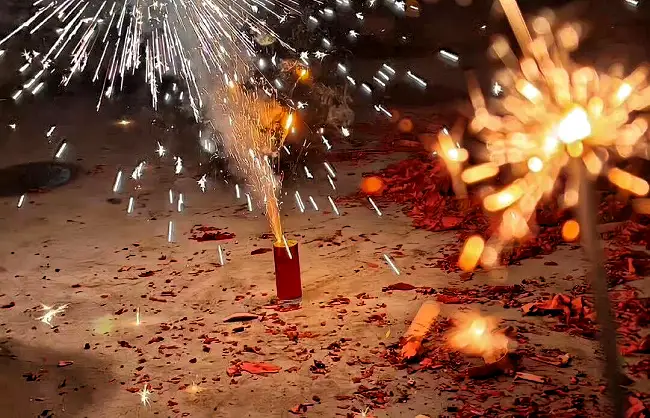
- On the first day, people will wear new clothes, set off firecracker, and pay a New Year visit each other.
- On the second day, people will offer sacrifices to the God of Wealth. The married daughter and son-in-law will visit the parental home.
- On the third day, people will worship ancestors.
- On the fourth day, people will welcome the God of Wealth.
- On the fifth day, people will send away the God of Poverty.
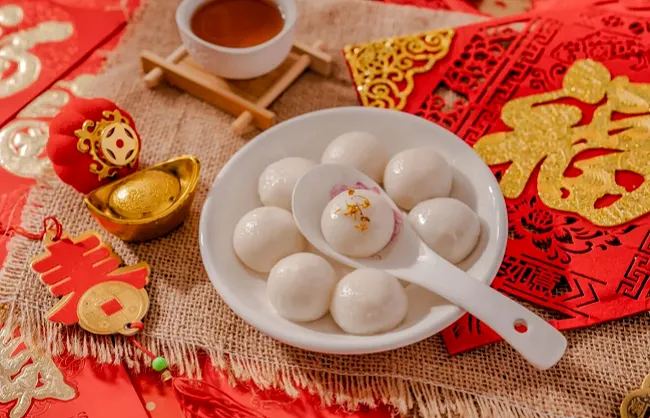
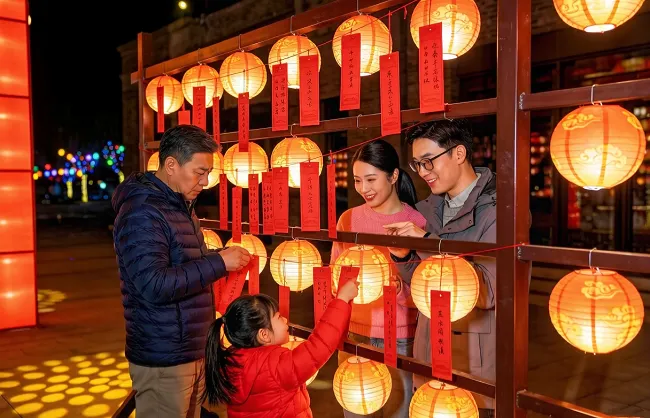
- On the Lantern Festival, people will get together to enjoy beautiful lanterns, guess lantern riddles and eat glutinous rice balls. The Chinese New Year ends here.
When is Chinese New Year 2026? Date and Animal Sign
The Chinese New Year 2026 falls on February 17 and the corresponding zodiac sign is horse. The Chinese zodiac signs refer to a repeating 12-year cycle of animal signs based on the lunar calendar. According to the stem and branch chronology method that is a combination of heavenly stems and earthly branches in a fixed order, there is a corresponding relationship between years and zodiac signs. One heavenly stem and one earthly branch will form a year that is represented by an animal sign.
How Long is the Chinese New Year Holiday & Celebration Duration
The celebration of the Spring Festival extends up to 16 days, from New Year’s Eve to the Lantern Festival. However, China’s statutory leave is four days, typically from the last day of the 12th lunar month to the third day of the first lunar month.
In practice, weekends before and after the holiday are usually shifted to combine with these statutory days, aiming to create a longer holiday of 7 or 8 days for people to travel home for Spring Festival gatherings or go on vacation. That’s to say, if you plan a China tour during this period, you’re more likely to encounter large crowds at popular attractions and experience busy transportation. But the rich celebrations and festive atmosphere make the experience really rewarding.
Chinese New Year 2026: The 16-Day Celebration Breakdown
Chinese people get used to making preparation before the Chinese New Year’s Eve, such as cleaning, putting up Spring Festival couplets and paper-cut for window decoration, making offerings to deities, visiting friends and relatives, and exchanging Chinese New Year gifts to families and loved ones. Below is a breakdown of the celebration from Chinese New Year’s Eve to the Lantern Festival based on the 2026 Chinese Lunar New Year calendar.
Solar Date |
Lunar Date |
Celebrations |
February 16 |
The 29th day of the 12th lunar month (The New Year’s Eve) |
Put up Spring Festival couplets, paste up the character of Fu, set off fireworks, have the New Year’s Eve dinner, and receive lucky money |
February 17 |
The 1st day of the first lunar month (The New Year’s Day) |
Wear new clothes, set off firecrackers, give New Year’s greetings, and worship Gods |
February 18 |
The 2nd day |
Visit the parental home by the married daughter and her husband, and offer sacrifices to the God of Wealth |
February 19 |
The 3rd day |
Visit family relatives |
February 20 |
The 4th day |
Welcome the Kitchen God |
February 21 |
The 5th day |
Welcome the God of Wealth, and open after a cessation of business |
February 22 |
The 6th day |
Send away the Ghost of Poverty |
February 23 |
The 7th day |
Make pancakes and eat the seven precious thick soup |
February 24 |
The 8th day |
Release creatures to pray for blessings |
February 25 |
The 9th day |
Hold the grand ceremony for the Jade Emperor’s heavenly birthday |
February 26 |
The 10th day |
Give thanks to sacred stones |
February 27 |
The 11th day |
Pay homage to Zigu, the Toilet Goddess |
February 28 |
The 12th day |
Put up a shed for lanterns |
March 1 |
The 13th day |
Produce Chinese lanterns |
March 2 |
The 14th day |
Guess lantern riddles |
March 3 |
The 15th day (The Lantern Festival) |
Watch lanterns and eat glutinous rice balls |
Key Dates before the Chinese New Year
There is a saying in China, “After the Laba Festival comes the New Year”. And the Laba Festival is on lunar December 8th. So in fact, the preparations for the Spring Festival start as early as the Dec 8th. From this day, every Chinese will begin to clean the house and buy goods for the coming new year. Below are the important days during this period.
Lunar Calendar Date |
Traditional Name |
Main Customs and Meanings |
Dec. 8 |
Laba Festival |
Cook Laba porridge (symbolizing good luck and reunion), make Laba vinegar or Laba garlic. |
Dec. 21 – 24 |
Sweeping Dust Days |
Year-end cleaning (sweeping and dusting), symbolizing “removing the old and welcoming the new,” driving away bad luck. |
Dec. 23 (Northern China)/Dec. 24 (Southern China) |
Little New Year |
Worship the Kitchen God (offer sweet foods like sugar melons to the Kitchen God, praying for good things from heaven), eat dumplings (Northern China) or rice cake (Southern China), begin pasting window paper cuts and other decorations. |
Dec. 25 – New Year’s Eve |
Preparing for the New Year |
25th: Make tofu.
26th: Buy meat. 27th: Slaughter chicken, go to the market. 28th: Prepare dough and steam buns, paste Spring Festival couplets and window flowers. 29th: Worship ancestors, prepare the New Year’s Eve dinner. |
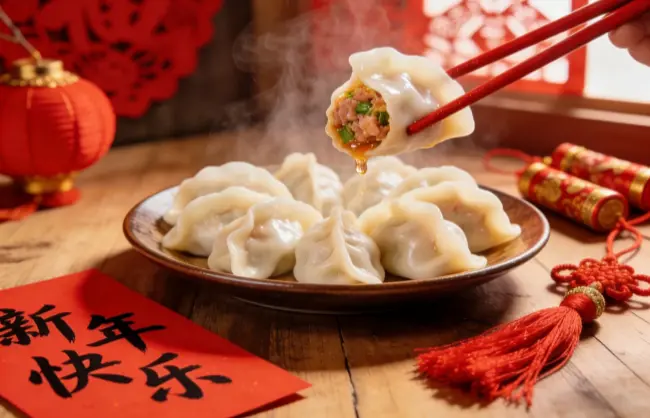
Chinese New Year Dates for Future Years: 2026, 2027, 2028…
The following table show the date of Chinese New Year and corresponding animal sign in the 12 years to come. You can check the official notification each year to learn the specific date of vacation.
Year |
Date of Chinese New Year |
Animal Sign |
2026 |
February 17 |
Horse |
2027 |
February 6 |
Goat |
2028 |
January 26 |
Monkey |
2029 |
February 13 |
Rooster |
2030 |
February 3 |
Dog |
2031 |
January 23 |
Pig |
2032 |
February 11 |
Mouse |
2033 |
January 31 |
Ox |
2034 |
February 19 |
Tiger |
2035 |
February 8 |
Rabbit |
2036 |
January 28 |
Loong |
2037 |
February 15 |
Snake |
Chinese Lunar New Year Holiday in 2026
Region |
The Spring Festival Holiday in 2026 |
Remarks |
Chinese Mainland |
February 15 – 23, 9 days |
Five-day legal holidays and four days off in lieu during the week |
Taiwan |
February 16-20, 5 days |
Three-day legal holidays and two days off in lieu during the week |
Hong Kong |
February 17-19, 3 days |
Three-day legal holidays |
Macau |
February 17-19, 3 days |
Three-day legal holidays |
Beyond the Dates: Rich Traditions of Chinese New Year
Here are rich traditions to celebrate the Chinese New Year.
Staying up on Chinese Lunar New Year’s Eve
As early as the Qin dynasty, Chinese people will have their houses illuminated throughout the night to avoid evil spirits on New Year’s Eve. Today people still insist on staying up late on New Year’s Eve as a way to be out with the old and in with new. Family members and friends will send blessings each other to pray for lucky and success in the coming year.
Family Reunion Dinners
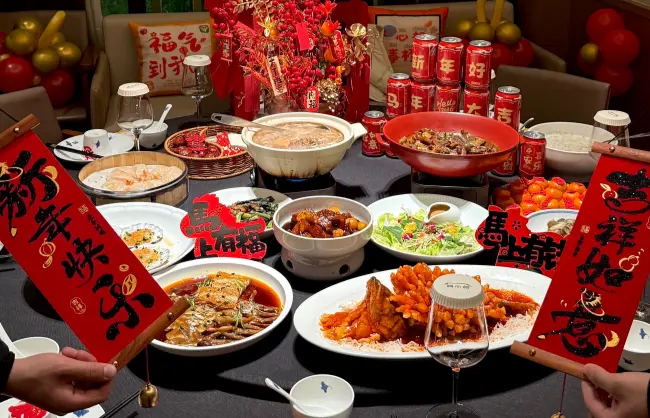
The dinner on Chinese New Year’s Eve, also known as family reunion dinner, is the most important ceremony during the Spring Festival. During the dinner, people can expect to be served many lucky food for Chinese New Year, such as dumplings (symbolize wealth), fish (symbolize abundance in the coming year), chicken (symbolize luck), etc.
The purpose of dinner on Chinese New Year’s Eve originally is to drive out evil spirits by means of hubbub and pray for peace. As time goes by, the form of dinners on this day have been changed, but the core culture of family reunion remains unchanged. The value of gathering dinners has surpassed the food itself and developed into a carrier of Chinese culture.
Chinese New Year Red Envelopes
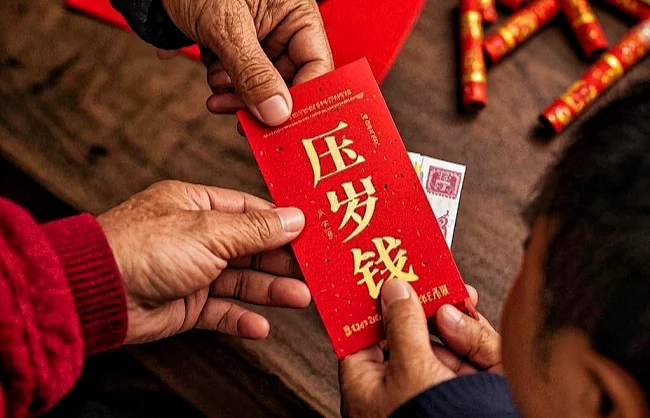
Handing out red envelopes is a symbolic custom of the Spring Festival. It is a long-standing historical belief, emotional expression and cultural heritage in China. As early as the Han dynasty, legend has it that the devil named suì will attack children on the New Year’s Eve but the red envelop can protect children against the monster. With the social advancement, red envelopes turn into a form of blessing. Elders will distribute red envelopes to younger people as a way to express their expectations and wishes.
Other Celebrations and Customs during the Spring Festival
In addition to that, there are full and varied activities, such as Loong dancing, lion dancing, striking iron flower, stilt walking, land boat dancing, Yangko dancing and so on. If you travel to more than one region in China during the Spring Festival, you will find a wide range of celebration activities that are in vogue in one place but rare in another place due to regional differences. Get to our Top 10 Chinese New Year Traditions and Customs page to learn more details.
Experience Chinese New Year with China Xian Tour
Chinese New Year is the festival every Chinese values most. During the days, various kinds of celebration activities will be held all over China. For tourists interested in Chinese culture, you can not miss the Chinese New Year. Follow China Xian Tour, we can tailor a China tour for you to include the hot tourist cities and the special activities of the festival. Besides, we will book the hotels and tickets of scenic spots and trains in advance to ensure a smooth trip. Do not hesitate to contact us.