

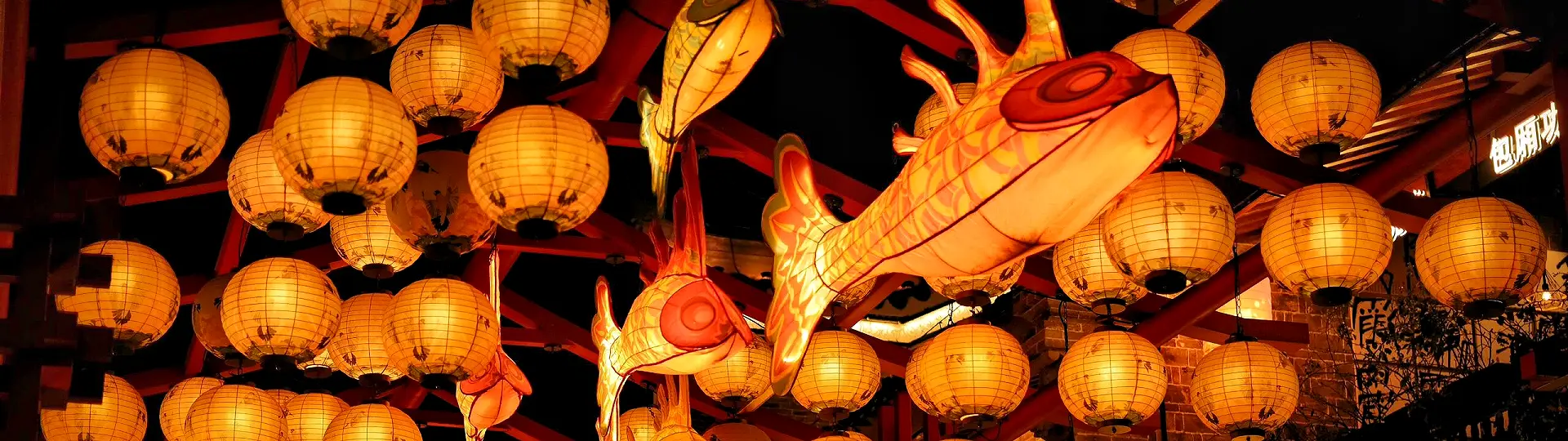
The Spring Festival originates from primitive faith and nature worship of human beings. It used to be a religious ceremony at the beginning of the year in an effort to pray for a bumper grain harvest and a growing family in the next year. As time goes by, this sacrifice has been developed into celebration activities. The Spring Festival therefore comes into being. In this article, we will introduce the celebrations of the Chinese New Year in a day-by-day breakdown, so you can fully appreciate the rich traditions.
Content Preview
- What is Chinese Lunar New Year and Why is it Celebrated?
- When is Chinese Lunar New Year Celebrated in 2026?
- Day-by-Day Chinese New Year Celebration Timeline
- Pre-Chinese New Year: The Build-up to Celebration
- Traditions and Activities on Chinese New Year’s Eve
- Day 1: New Year’s Day
- Day 2: Daughter’s Day (初二 – Chū’èr)
- Day 3: Red Dog Day (初三 – Chūsān)
- Mid-festival from Day 4 – Day 7 (Continued Feasting & Gathering)
- Day15: Lantern Festival (February 3, 2026)
- How to Celebrate Chinese New Year
- Regional & Cultural Variations
- Cultural Etiquette & Do’s and Don’ts
- FAQs about Chinese New Year Celebrations
- Experience Chinese New Year with China Xian Tour
What is Chinese Lunar New Year and Why is it Celebrated?
Chinese Lunar New Year is the most important traditional festival of Chinese nation. It starts from the first day of the first lunar month.
There are three reasons that Chinese people grandly celebrate the Chinese New Year. It is to keep agricultural civilization alive. The Spring Festival marks the end of the freezing winter and the start of spring plough. It is the faith to drive out evil spirits and receive blessings. At last, it is to maintain family ethics and emotional bonds.
When is Chinese Lunar New Year Celebrated in 2026?
The Chinese New Year falls on February 17 in 2026. The celebration activities generally last from the eighth day of the twelfth lunar month to the Lantern Festival.
How Long is Chinese New Year Celebrated?
The celebration of Chinese New Year in China mainly lasts 15 days from the first day of the first lunar month (the lunar New Year’s Day) to the Lantern Festival. This is to emphasize agricultural cycle and family reunion.
Chinatown abroad mostly follows this tradition. The Christmas Island in Australia will conduct 15-dasy celebration.
But, some regions are different. Chinatown in Toronto and New York only conduct 2-day celebration, including lion dance, writing Spring Festival couplets by hand, and grand parade. Chinatown in Sydney conducts 26-day celebration, including temple fair, lantern displays and street parties.

Day-by-Day Chinese New Year Celebration Timeline
Day |
Traditional Name |
Main activities and customs |
Chinese New Year’s Eve |
除夕 (chú xī) |
Put up Spring Festival couplets, paste up the character of Fu, set off fireworks, eat the New Year’s Eve dinner, and receive red envelops |
Day 1 |
初一 (chū yī, the 1st day) |
Wear new clothes, give New Year’s greetings, and worship Gods |
Day 2 |
初二 (chū èr, the 2nd day) |
Visit the parental home by the married daughter and her husband, and offer sacrifices to the God of Wealth |
Day 3 |
初三 (chū sān, the 3rd day) |
Visit family relatives |
Day 4 |
初四 (chū sì, the 4th day) |
Welcome the Kitchen God |
Day 5 |
初五 (chū wǔ, the 5th day) |
Welcome the God of Wealth, and open after a cessation of business |
Day 6 |
初六 (chū liù, the 6th day) |
Send away the Ghost of Poverty |
Day 7 |
初七 (chū qī, the 7th day) |
Make pancakes and eat the seven precious thick soup |
Day 8 |
初八 (chū bā, the 8th day) |
Release creatures to pray for blessings |
Day 9 |
初九 (chū jiǔ, the 9th day) |
Hold the grand ceremony for the Jade Emperor’s heavenly birthday |
Day 10 |
初十 (chū shí, the 10th day) |
Give thanks to sacred stones |
Day 11 |
初十一 (shí yī, the 11th day) |
Pay homage to Zigu, the Toilet Goddess |
Day 12 |
初十二 (shí èr, the 12th day) |
Put up a shed for lanterns |
Day 13 |
初十三 (shí sān, the 13th day) |
Produce Chinese lanterns |
Day 14 |
初十四 (shí sì, the 14th day) |
Guess lantern riddles |
Day 15 |
初十五 (shí wǔ , the 15th day) |
Watch lanterns and eat glutinous rice balls |

Pre-Chinese New Year: The Build-up to Celebration
To celebrate the Chinese New Year, people will make preparation in advance.
Laba Festival on Jan. 15th, 2026
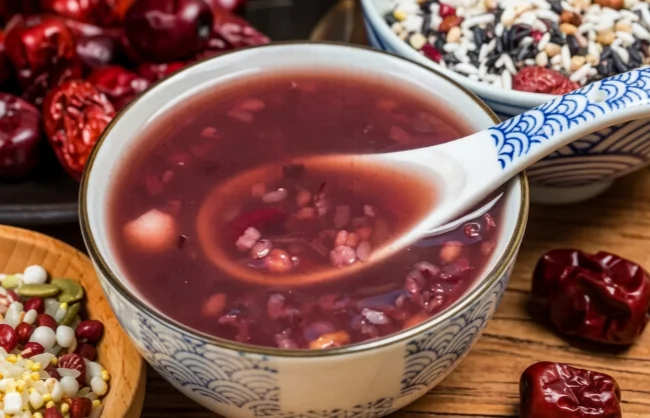
Laba Festival is on the eighth day of the 12th month of the Chinese lunar calendar. The next Laba Festival will fall on January 15th, 2026. As the prelude of the Spring Festival, Chinese people will worship ancestors, make and eat Laba porridge, and make Laba garlic and Laba vinegar.
Chinese Little Year on February 30 or 31, 2026
Chinese Little New Year (xiǎo nián, 小年) refers to an early kick-off for the coming Chinese New Year. It falls February 30 and 31 in 2026 respectively due to regional differences. The Chinese Little Year, also known the “Kitchen God Festival” or “Stove Worshiping Festival”, is the time to pray to the Kitchen God for blessings and bid farewell to the Kitchen God.
House Cleaning
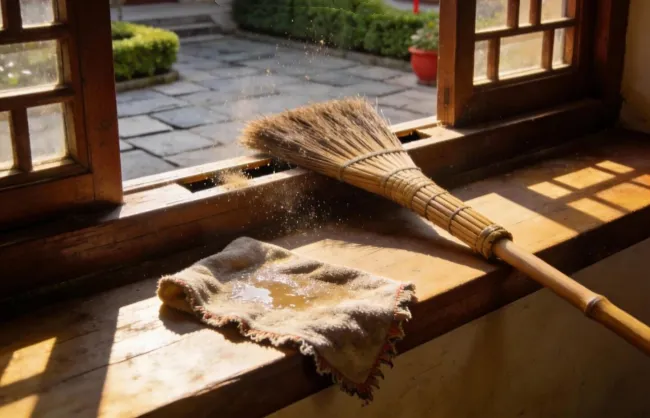
To welcome the Spring Festival, people will clean the house in advance. It traditionally is to get rid of the ill- fortune. Today, family members will work together to clean the house so as to release psychological pressure and enhance the sense of belonging.
New Year Shopping
Doing shopping is an indispensable step to celebrate the Spring Festival. People will purchase decorations, gifts, new clothes and so on. Besides, people will store up grain because the majority of shops will go out of business on the lunar New Year’s Day.
Haircuts
Haircut is considered as the sign of bidding farewell to the old and ushering in the new. People like to have a new hair before the Spring Festival so as to embrace a smooth fate.
Traditions and Activities on Chinese New Year’s Eve
The Chinese New Year’s Eve is a critical juncture throughout the year. The next New Year Eve falls on February 16, 2026. People will follow traditions and conduct activities, such as getting rid of devils, praying for blessings, and reuniting with family members.
Reunion Dinner
Dishes of reunion dinner on Chinese New Year Eve may vary from region to region due to regional traditions and customs. Today the reunion dinner is more than a substantial meal. It is the signal that all family members going out shall go home, follow family ethical order and enhance family ties.
Typical Dishes for Chinese Reunion Dinner and Their Meanings
- Fish (Yú)
In Chinese, fish sounds exactly like “abundance” (yú), which is an auspicious symbol, wishing for surplus and prosperity year after year. Traditionally, the fish will be served whole, and part of it shall be left uneaten to ensure leftover blessings.
- Glutinous Rice Cake (Niángāo)
The sticky rice cake sounds like “higher year” in Chinese, and people would have it as a way to wish for progress and promotion in career, studies, or life.
- Oranges
Orange has a golden color represents wealth and good luck, so it’s often displayed at home or gifted to family and friends during the festival.
- Dumplings (Jiǎozi)
A must-have in northern China. Dumplings are shaped like ancient gold ingots so that it represent wealth and good fortune. The point of having dumplings is not just eating it, the process of making with families is also a great bless and cheerful activity.

Offering Sacrifices to Ancestors
Offering sacrifices to ancestors is a vital ritual to express gratitude and pray for blessings from Heaven.
Firecrackers & Fireworks & Red Envelopes
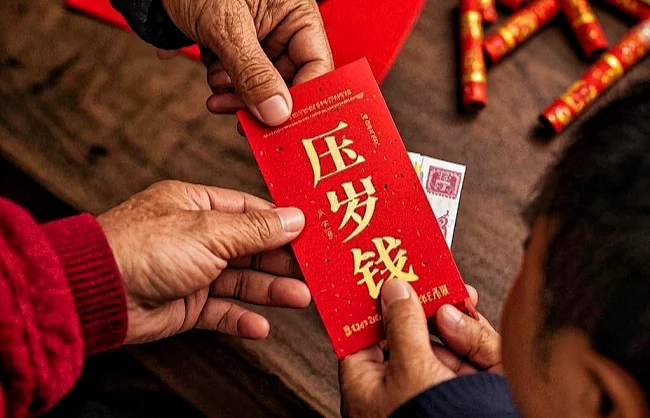
Setting off firecrackers and fireworks at midnight and distributing red envelopes to the younger generation by family seniors is also a long-standing tradition.
Staying Up Late
The tradition of driving out monsters on Chinese New Year’s Eve has been replaced by the chatting and laughing throughout the night.
Watching CCTV New Year’s Gala
CCTV New Year’s Gala was firstly conducted in 1983 and has been held for 43 years. Although it is not a time-honored tradition, it now has been a must-have item of every family in China.
Day 1: New Year’s Day
The New Year’s Day of 2026 is February 17.
Setting Off Firecrackers and Fireworks
People will set off firecrackers and fireworks at midnight so as to say goodbye to the old and welcome to the new.

Putting on New Clothes and Visiting Elders and Closest Family Members
People will take gifts to visit elders and family members to express Chinese New Year greetings.
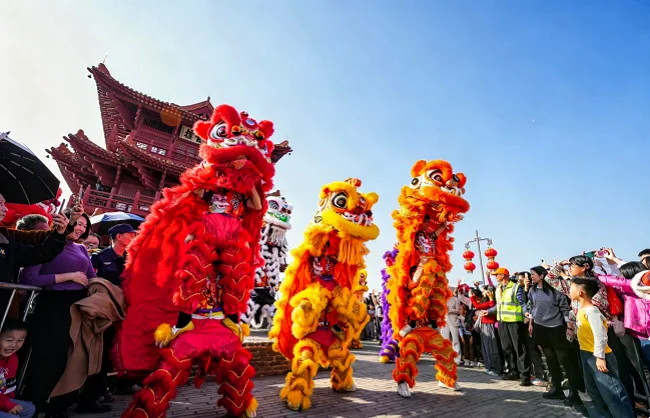
Watching Lion and Dragon Dances
Lion and dragon dances are popular programs among common people.
Celebrations at Temple Fairs
Temple fair is a long-standing tradition. People will go to temples and worship Gods so as to pray for good fortune and wealth in the future.
Day 2: Daughter’s Day (初二 – Chū’èr)
On the second day (February 18, 2026), the married daughter will go with her husband to visit her parent homes.
Day 3: Red Dog Day (初三 – Chūsān)
Red dog traditionally refers to the Angry God and something ominous. On this day (February 19, 2026), people will stay at home and won’t have any social activities.
Mid-festival from Day 4 – Day 7 (Continued Feasting & Gathering)
Day 4: Welcoming the Gods (初四 – Chūsì)
On the fourth day (February 20, 2026), people will welcome the Kitchen God and the God of Wealth.
Day 5: Welcoming God of Wealth’s Birthday (初五- Chǔwǔ)
On the fifth day (February 21, 2026), people will welcome the God of Wealth, and open after a cessation of business.
Day 6: Clearing Away Poverty (初六 – Chūliù)
On the sixth day (February 22, 2026), people send away the Ghost of Poverty so as to avoid bad luck.
Day 7: Human’s Birthday (初七 – Chūqī)
The seventh day (February 23, 2026) is human’s birthday. People will eat longevity noodles for long life, and won’t scold children.
Day 8: (初八 – Chūbā)
On the eighth day (February 24, 2026), people mostly go back to work because the holiday ends.
Day15: Lantern Festival (February 3, 2026)
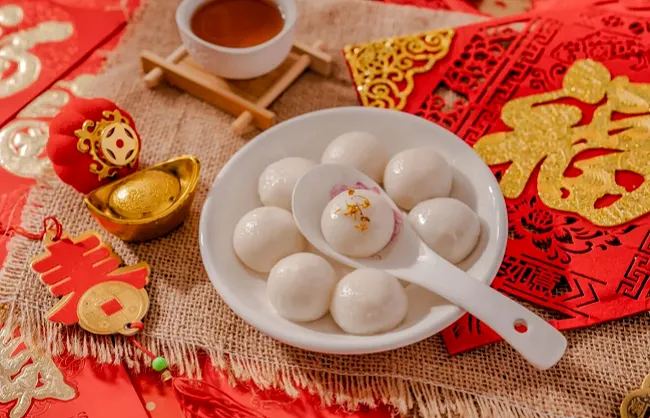
The Lantern Festival is the 15th day of the first month of the lunar year, which marks the ends of the Spring Festival. People will eat glutinous rice balls that symbolize reunion, admire lanterns, guess lantern riddles, and watch dragon and lion dances. Besides, there are regional features, like walking on stilts and land boat dance.
How to Celebrate Chinese New Year
Celebrating the Chinese New Year needs to follow specific customers.
At Home
Chinese people will decorate homes, do cleaning, prepare the reunion dinner, watch CCTV New Year’s gala, offer sacrifices to ancestors, pay New Year calls to family members, admire lanterns and so on.
In China: Best Places to Visit in the Chinese New Year
There are many good places to visit during the Chinese Lunar New Year.
In Xi’an, the city wall lantern show boasts the longest display extending 14 kilometers around the world. The Grand Tang Mall seems to bring you back to the Tang dynasty. Local snack Roujiamo (the marinated meat in baked bun, 肉夹馍) is a must-have specialty.
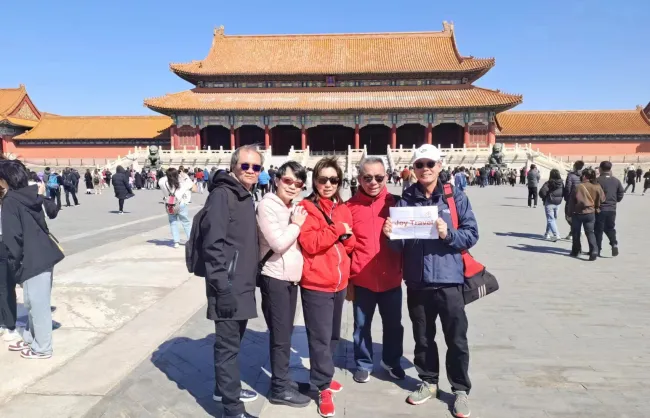
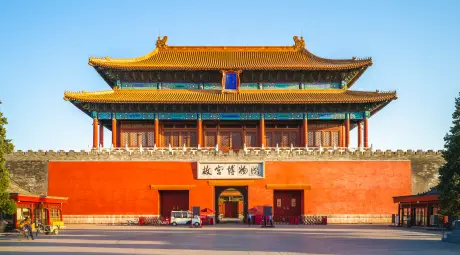
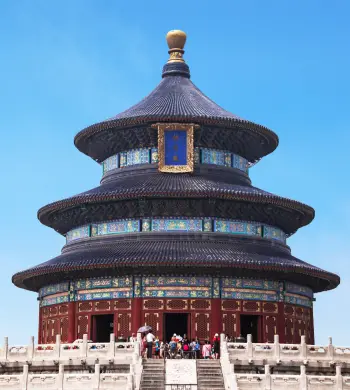
Beijing will put on temple fairs in the Altar of Earth and special exhibitions in The Forbidden City. Bingtanghulu (the candied haws on a stick, 冰糖葫芦) is a must-have local refreshment.
In Chaoshan, the feasts of intangible cultural heritage will glut your eyes. Yingge Dance (traditional warrior dance, 英歌舞) and Xingshi parade (lion dance parade, 醒狮巡游) are unique performance throughout the country.
In Zigong, the lantern world covers more than six square kilometers and displays lanterns of all themes, such as Chinese history, the Jurassic Period, national enterprises and future.
You are strongly advised to experience the festive spirit of Chinese Lunar New year in these attractions.
Globally: Chinatown events
When the Chinese Luna New Years comes around, global Chinatowns will hold all kinds of celebrations and activities. Large parade is an amazing attraction. Dragon dance and lion dance will run through blocks Festooned vehicles will cruise along main avenues. Theme lantern displays and temple fairs are also interesting. They have all kinds of Chinese foods to offer.
Chinatown events during the Chinese Luna New Year have been developed into a global festival. It not only shows traditional cultures but also enhance emotional connection.

Regional & Cultural Variations
Regional Food Variations
People in different regions of China would celebrate the New Year with distinct traditional dishes (typically differ between north and south). In the north, people often eat dumplings (饺子, jiǎozi) for good luck. However, in the south, people tend to choose more rice-based foods like glutinous rice balls (汤圆, tāngyuán), and this dish also symbolize family unity (shape and name. 圆 sometimes means full, united, completed).
Local Customs Differ by Area
And except for the food, there are also different ways to celebrate. Northern provinces frequently hold ice-and-snow lantern festivals and folk performances (they’ll see extremely cold weather during Spring festival), whereas in southern areas, temple fairs and dragon parades and lion dances are more common. Customs is also a good starting point to tell local agricultural history and climate.
Practical Travel Advice for Tourists
- Book transport and hotels early — trains and flights fill upreally really fast around Chinese New Year.
- Plan to arrive about a week before or after ChineseNew Year’s Day to avoid peak crowds (while also taste a bit of the festive vibe).
- Check closures — many small shops, museums, and guesthouses close on the festival days or have limited hours.
- Expect busy major sites — historic cities like Xi’an and Beijing are very crowded during the festival period due to China’s massive annual travel rush.
Cultural Etiquette & Do’s and Don’ts
Do:
- Wear bright colors like redand yellow, which symbolize good luck.
- Offer New Year greetings like 恭喜发财 (Gōngxǐ fācái) — “Wishing you prosperity.”
- Respect temple etiquette: speak quietly, follow signs, and join in lantern-festival activities respectfully.
Don’t:
- Avoid wearing black or white, especially on the festival day
- Don’t give clocks or sharp objects as gifts — these are considered bad luck.
FAQs about Chinese New Year Celebrations
Can Foreigners Join Chinese New Year Celebrations?
Foreigners can celebrate the Chinese New Year. Since the Spring Festival was listed as the world heritage in 2025, the number of overseas participants and celebrations surged.
Foreigners can participate in traditional rituals, such as putting up Spring Festival couplets, hanging lanterns, preparing family reunion dinner, setting off fireworks, receiving red envelopes, have paper-cut for window decoration, wearing Chinese Hanfu, making dumplings and glutinous rice balls and so on.
Do Japanese/Koreans/Vietnamese Celebrate the Chinese Lunar New Year?
Other countries also celebrate the Chinese Lunar New Year.
Vietnamese completely maintains Chinese traditions. They will make Bak Chang to pray for harvest, prepare fresh peach blossom and offer chicken and spring rolls to sacrifice ancestors.
Korean people follow the Confucian etiquettes to have celebrations. They will worship ancestors, make rice cake and fly a kite.
Japanese people will place pine, bamboo, and plum blossom on the doorstep to welcome gods, cook buckwheat noodles to pray for longevity and health, write greeting cards by hand, and pray for blessings in temple.
What Are the Most Important Days to Observe?
Even though the Chinese New Year basically lasts 15 days, you shall pay particular attention to the Chinese New Year’s Eve and the first day of the first lunar month. The former is the last day of a year, while the latter is the first day of a year. They respectively symbolize ending and starting.
By comparison, Chinese New Year’s Eve is the most important day because it integrates sacrifice, reunion and saying goodbye to the last year.
The first day of the first lunar month has a secondary role to play because it keeps the ceremonies on the New Year’s Eve alive.
Learn more interesting things to know about Chinese New Year.
Why Are Lion and Dragon Dances Performed During CNY?
Lion and dragon dances are essential New Year performances, combining entertainment with symbolic meaning:
- Lion Dance
In Chinese culture, the lion is an incarnation of strength and courage. And it’s believed to have the power in chasing away evil and attracting good fortune. As a result, in Chinese New Year, one of the most important festivals to Chinese people, the lion dance should definitely be played to pray for a good new year to everyone.
- Dragon Dance
Dragons are auspicious creatures in Chinese culture. Its image is closely linked to ideas like power, prosperity, and harvest since ancient time. Originally it was performed in agricultural rituals to pray for rain and good crops, now it is also perceived as a way to drive away evil and bless the community.
What stories and myths are told on Chinese New Year?
- The Legend of Nian
The most famous New Year myth is about Nian (in Chinese this word also means “year”). It appears at the end of each year to harm villagers. Later people finally discovered that Nian feared things like loud noises, fire, and the color red so that they formed the traditions of firecrackers, red decorations, and lanterns during new year period.
- Dragon Dance and Praying for Prosperity
In ancient agrarian China, dragon dances were originally performed as rituals to pray for rain and a good harvest. Over time, this practice evolved into a celebratory dance symbolizing warding off misfortune and wishing for a prosperous year
Experience Chinese New Year with China Xian Tour
Chinese New Year is one of the most vibrant times to explore China, and it’s also a good starting point to explore China’s profound cultural heritage. To make the most of your journey, we’d like to invite you to travel with China Xian Tour. We’ll provide private guide services and also customize itineraries just for you, and we would be there 24/7 to make sure you can explore this China smoothly. While we’ll arrange everything for you along the way, you can just relax and enjoy yourself while also make unforgettable memories in this flourishing land.