


China is one of the biggest countries in the world, and many of its large cities have long been discussed by tourists. But have you ever thought about how it feels to travel to China’s smallest city? And what exactly is the smallest city?
The answer isn’t as simple as it sounds, since China does not have a single officially defined “smallest city.” The result varies depending on how you measure it: by population, administrative size, or even population density.
This guide will introduce you to a selection of smaller cities by population and land area, as well as unique travel experiences in these cities. If you’re looking to see a different side of China, pick the small cities as your perfect destinations.
Content Preview
- Sansha — China’s Smallest (and Largest) City at the Same Time
- 10 Smallest Cities in China: By Land Area & Population
- Charming Small Cities to Visit in China
- Travel Tips for Visiting Smaller Cities in China
- FAQ About the Smallest Cities in China
- Travel through China’s Smallest Cities with China Xian Tour
Sansha — China’s Smallest (and Largest) City at the Same Time

Sansha is widely regarded as China’s smallest city by population and land area. It’s around 20 km² in size, with only around 2,000–2,500 residents. However, an interesting fact is that it can also become the largest city in China if it includes the vast surrounding waters it administers, covering over 2.6 million km².
Although it has a long history, Sansha was established as a prefecture-level city in 2012. One thing you really need to pay attention to is that, due to its strategic location in the South China Sea, it is NOT open to foreign visitors, and even Chinese nationals must obtain special permits to access the area.
10 Smallest Cities in China: By Land Area & Population
Smallest Cities by Land Area (Chinese Mainland)
City |
Province |
Land Area (km²) |
Sansha (三沙) |
Hainan |
~20 |
Zhoushan (舟山) |
Zhejiang |
~1,440 |
Ezhou (鄂州) |
Hubei |
~1,596 |
Xiamen (厦门) |
Fujian |
~1,699 |
Zhuhai (珠海) |
Guangdong |
~1,725 |
Wuhai (乌海) |
Inner Mongolia |
~1,754 |
Zhongshan (舟山) |
Guangdong |
~1,783 |
Sanya (三亚) |
Hainan |
~1,921 |
Shenzhen (深圳) |
Guangdong |
~1,997 |
Hebi (鹤壁) |
Henan |
~2,182 |
Smallest Cities by Population (2022-2024, Chinese Mainland)
City |
Province |
Population |
Sansha (三沙) |
Hainan |
~2,000+ |
Nyingchi (林芝) |
Tibet |
~238,000 |
Jiayuguan (嘉峪关) |
Gansu |
~312,000 |
Shannan (山南) |
Tibet |
~350,000 |
Jinchang (金昌) |
Gansu |
~450,000 |
Karamay (克拉玛依) |
Xinjiang |
~490,000 |
Nagqu (那曲) |
Tibet |
~500,000 |
Wuhai (乌海) |
Inner Mongolia |
~558,000 |
Hami (哈密) |
Xinjiang |
~670,000 |
Qitaihe (七台河) |
Heilongjiang |
~690,000 |
Charming Small Cities to Visit in China
Does any one of the cities listed above surprise you? Probably Shenzhen, which has always been known as a prosperous metropolis, while in fact, its land area is one of the smallest in China. This case can tell you that the smallest here is not necessarily the “least developed”.
And will you be more surprised if I tell you the third-smallest city on the list (land area), Ezhou, is about the same size as London? Indeed, a city considered small in Chinese standards could still feel relatively large compared to cities elsewhere.
And now, it’s time to look at some of the “smallest” but incredibly charming cities to visit in your journey.
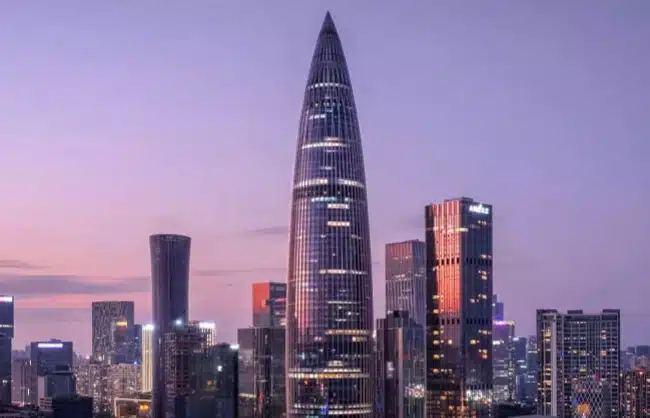
Shenzhen (17.6 million)
- Area: ~1,997 km²
With a relatively small land area, as we have just talked about, Shenzhen actually bears a population of around 17.6 million, standing as one of the most densely populated cities in China.
However, it is hard to call Shenzhen a “small city” in other respects. It’s one of the three major financial centers in China, supporting a massive economy. Originally a fishing village, Shenzhen transformed into a global tech powerhouse with astonishing speed.
Visitors are often drawn by its futuristic skyline and innovation-driven city landscape. But there’s more to explore. It’s a city full of parks with glorious blooms and relaxing coastal promenades.
How to visit:
- Best time to visit: October – December
- How long to stay: 1-2 days
- Where to stay: Futian District, Nanshan District
- Culinary experiences: Cantonese cuisine, seafood, street food
- Top things to do: 1) Explore OCT Loft creative park. 2) Walk along Shenzhen Bay. 3) “Travel around the world” in Shenzhen Window of the World. 4) Learn cultural heritage in China Folk Culture Village
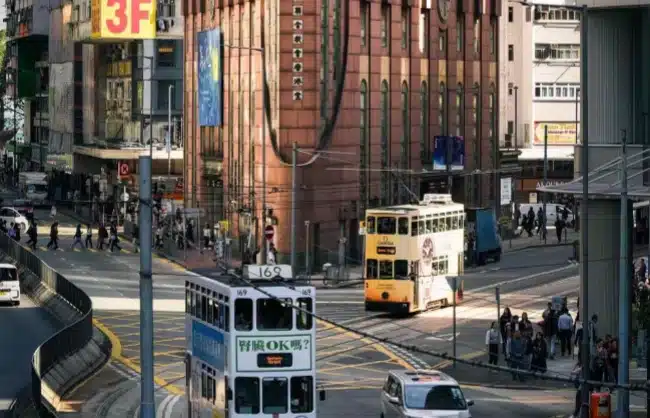
Hong Kong (7.5 million)
- Area: ~1,115 km²
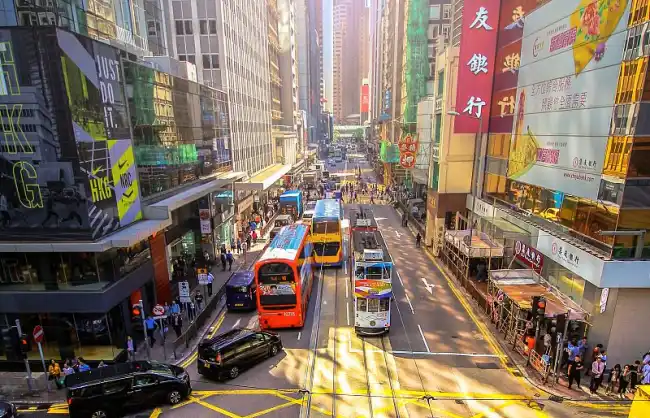
Hong Kong, also known for its prosperity like Shenzhen, is one of the most compact and densely built cities in the world. Its “smallness” is largely due to geography. Mountains and protected country parks take up a large portion of the land, forcing the city to grow vertically rather than outward.
Hong Kong is a popular travel destination, known as a shopping paradise with various tourist highlights, such as Victoria Harbour, Hong Kong Disneyland and historical sites. Film-lovers may also enjoy the city’s unique vibe that has been portrayed in many classics.
How to visit:
- Best time to visit: October – December
- How long to stay: 2 – 3 days
- Where to stay: Tsim Sha Tsui, Central, Causeway Bay
- Culinary experiences: dim sum, Hong Kong-style Cantonese cuisine, street snacks
- Top things to do: 1) Enjoy Victoria Harbour night views. 2) Take the Peak Tram. 3) Visit outlying islands. 4) Visit Lin Monastery and Tian Tan Buddha on Lantau Island
A 3-day family-friendly Hong Kong tour centered around the enchanting Disneyland park with additional city exploration and Victoria Harbour discoveries.
Macau (0.68 million)
- Area: ~3 km²
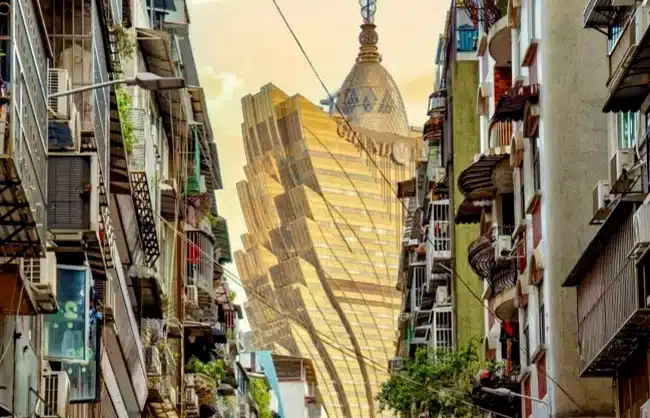
Macau’s original land area was about 12 km², and the land reclamation project extended its area to 33.3 km². It’s located near Hong Kong, and tourists often combine them in one trip.
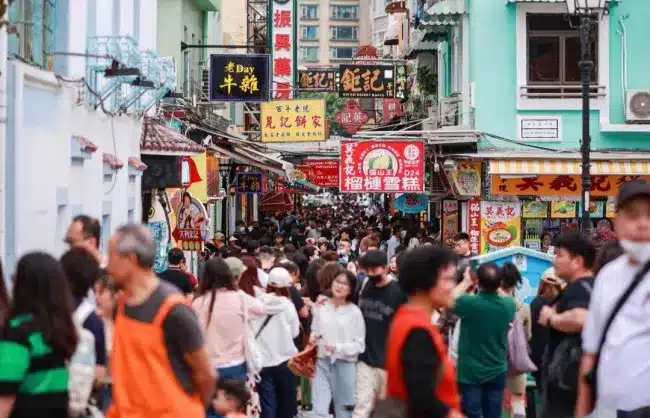
Its small size, however, makes it easier for you to explore. Almost all major attractions are within a short distance of each other. Macau is best known for its entertainment industry, but it also has a rich colonial history influenced by Portugal.
How to visit:
- Best time to visit: October – December
- How long to stay: 1 – 2 days
- Where to stay: Cotai Strip, Macau Peninsula
- Culinary experiences: Portuguese egg tarts, Macanese cuisine
- Top things to do: 1) Visit the Ruins of St. Paul’s. 2) Explore Senado Square. 3) Experience local resorts
Trace Hong Kong's transformation from fishing village to financial hub, explore Guangzhou's 2200-year history, and discover Macau's colonial charm.
Sanya (1.0 million)

- Area: ~1,921 km²
Sanya is located on the southern tip of Hainan Island. It’s one of the most popular coastal cities for tourism. It has a relatively low population compared to other major cities, but it can peak during peak tourist seasons (December-February).
Many people call it the “Hawaii of China,” since it’s a perfect place for you to spend a holiday, unwinding in the tropical climate, on the beautiful beaches, and resort lifestyle.
How to visit:
- Best time to visit: November – April
- How long to stay: 3 – 5 days
- Where to stay: Yalong Bay, Dadonghai
- Culinary experiences: seafood, tropical fruits, Hainan cuisine
- Top things to do: 1) Relax on Yalong Bay beach. 2) Visit Nanshan Temple. 3) Enjoy exciting water sports
Xiamen (5.3 million)
- Area: ~1,699 km²
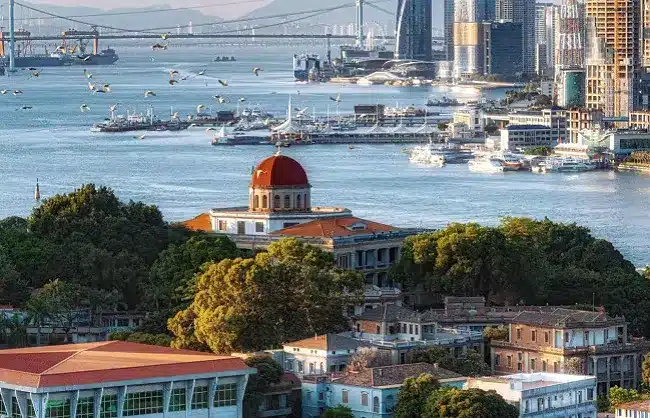
Xiamen is a romantic island city, beautiful and soothing, best known for its livability and clean environment. Its “small city” feel comes from its island geography, and the slower pace that you cannot easily find in other major cities.
In fact, Xiamen is often considered one of the most pleasant cities to live in China. People love its strong mix of culture, history, and coastal scenery. You can fully relax in Xiamen’s gentle sea breeze.
How to visit:
- Best time to visit: March – May, October – December
- How long to stay: 2 – 3 days
- Where to stay: Siming District
- Culinary experiences: seafood, Fujian cuisine, peanut soup
- Top things to do: 1) Visit Gulangyu Island. 2) Walk along the coast and colonial architecture. 3) Explore the marvel of Fujian Tulou.
Nyingchi (0.24 million)

- Area: ~116,000 km²
Nyingchi is located in southeastern Tibet, known as one of the most scenic regions in China. Its land area is extremely large, it is its population that makes it a “small city” spread across vast nature.
It is a place with rich natural resources, often being called the “Pearl of the Snowy Region” for its forests, astonishing snow mountains and rivers. Compared to other Tibetan cities, Nyingchi has a milder climate and more accessible environment, making it one of the easiest places in Tibet for first-time visitors.
How to visit:
- Best time to visit: March – May (peach blossoms), September – October
- How long to stay: 3 – 4 days
- Where to stay: Bayi Town (Main urban area)
- Culinary experiences: Tibetan hotpot, barley wine, stone-pot chicken
- Top things to do: 1) See the Yarlung Tsangpo Grand Canyon. 2) Visit Basum Tso Lake. 3) Enjoy peach blossom valleys in spring

An 11-day Tibet train tour from Chengdu through Nyingchi, Lhasa and Shigatse to Xining along the world's highest railway.
Zhoushan (1.17 million)

- Area: ~1,440 km²
Zhoushan is an island city in Zhejiang Province made up of hundreds of islands in the East China Sea. Its “small city” character is basically shaped by its fragmented geography and relatively compact urban landscape.
Its fishing industry, maritime culture, and coastal scenery together have made this city famous. But for tourists, one of its most important highlights is certainly Putuo Mountain, a sacred Buddhist pilgrimage site and one of the Four Great Buddhist Mountains in China.
How to visit:
- Best time to visit: March – May, September – November
- How long to stay: 2 – 3 days
- Where to stay: Zhoushan main island, Putuo District
- Culinary experiences: fresh seafood, Zhejiang coastal cuisine
- Top things to do: 1) Visit Putuo Mountain. 2) Explore Dongji Islands. 3) Go island hopping and enjoy coastal views.
Travel Tips for Visiting Smaller Cities in China
Except for the cities introduced above, there are still many small cities not that developed. They may be remote and less accessoble, but offer more primative or authentic local experience. If you want to see these hidden places, here are some tips for you to have a smooth trip.
- Transportation can be more limited in some places. Usually you’ll need to transfer via larger hub cities before reaching your final destination.
- Mobile payment is widely used everywhere in China, so having Alipay and WeChat Pay is essential. Foreign cards may not always be accepted. You can prepare some cash in case some sudden events happen.
- English support is limited in smaller cities, especially cities in remote areas. So translation apps and written Chinese addresses (hotel or your destinations) are very helpful for getting around.
- Smaller cities often have fewer international-standard services in shops or restaurants, but they offer a more local and authentic travel experience.
FAQ About the Smallest Cities in China
How to Define a “Small City” in China?
In China, a “small city” is not officially defined by a single standard. And that’s why you can see some “small” cities play a “big” role in other discourses. In most cases, the “smallness” is related to population size, administrative area, or even urban density.
Why “Small” in China Can Still Feel Big?
The scale of China’s area and population is already larger than that of many other places. On this basis, even so-called “small cities” in China can sometimes have populations and land area comparable to major international cities, just like Shenzhen’s dense population and Nyingchi’s vast land.
City vs County: Why Definitions Matter?
In China, a “city” (prefecture-level city) often includes surrounding rural areas and counties. This means what is called a “city” may actually cover much more than just an urban core.
What to Expect from the Small Cities in China?
Except for some special cases, most smaller cities feature a slower pace of living. There will be fewer crowds and a more local atmosphere. While infrastructure may be simpler, the point of traveling to these places is having an authentic glimpse of everyday life in China.
Travel through China’s Smallest Cities with China Xian Tour
There are a lot of places you can explore in China, no matter whether they are “large” or “small”, they all have their unique experience. If you want to travel through the smallest cities to see Chinese people’s daily life in a more intimate way, China Xian Tour will be your best travel partner.
We offer customized itineraries to make sure you can fully explore the destinations picked by yourself. And we provide private transportation to allow you to travel everywhere without difficulties. Contact us now to embark on your best China tours.