
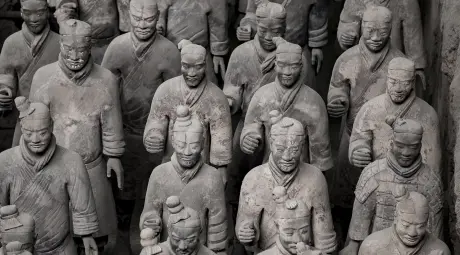

September in China marks the transition from summer’s intensive heat to autumn’s pleasant cool — making it one of the most rewarding months to travel across the country. While southern regions are still covered by some heat and humidity, most other areas in China will begin to cool down, allowing people to travel with clear skies, golden fields, and refreshing air especially in the north and highlands.
Whether you’re traveling for cultural festivals or natural beauty, September offers the perfect balance of comfortable weather, scenic charm, and vibrant local life. This guide will help you explore everything you may want to know which are important for a memorable China tour in early autumn.
Content Preview
- Is September a Good Time to Visit China?
- Weather in China in September
- 10 Best Places to Go
- Festivals and Events
- Crowds and Costs
- Travel with China Xian Tour
Is September a Good Time to Visit China?
Yes — September is one of the best times to visit China. As the intense summer heat now starts to fade, and much of the country are welcoming a period of mild, pleasant weather and clearer skies.
In northern and high-altitude regions, temperatures drop to comfortable levels, while southern areas also become less humid and more breathable than in July or August.
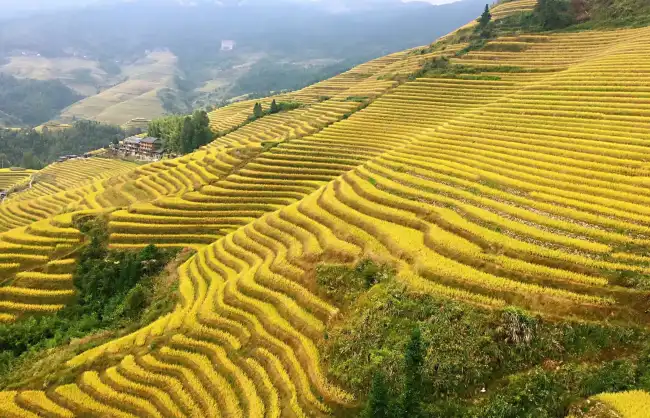
The landscapes also begin their seasonal transformation, with early autumn colors first appearing in places like Inner Mongolia and the Longji Rice Terraces.
September is also packed with various cultural highlights, such as the Mid-Autumn Festival, making it a month of traditions, food, and celebration.
With fewer crowds than the summer holidays and more pleasant weather than early autumn’s Golden Week, September is ideal for both nature lovers and cultural explorers.
What is the Weather Like in China in September?
The weather in September shifts noticeably from summer to early autumn, offering one of the most comfortable and diverse climatic conditions of the year.
From the crisp air and colorful foliage in the north to the gradually cooling cities in the south, September is when many destinations across China become ideal for travel.
North China and Northeast China fully embrace the arrival of autumn in September, with cooler temperatures, reduced rainfall and fresh air compared to the summer months. But the temperature difference between day and night increases significantly.
Northwest China features warm days and cool nights, especially in high-altitude areas and plateaus.The varied elevations also create noticeable climate differences between different areas.
Temperatures remain relatively high in lowland cities along the Yangtze River Delta and in South China, but the rainfall decreases with occasional typhoons. In Southwest China, the plateau cools down while the basin remains hot and humid.
Region |
Average Temperature (°C/°F) |
Weather Features |
Beijing |
17 – 27°C (63 – 81°F) |
Comfortable temperatures, reduced humidity, less rainfall, ideal for sightseeing |
Xi’an |
16 – 25°C (61 – 77°F) |
Pleasant and stable; lower humidity and great for cultural exploration |
Hulunbuir (Inner Mongolia) |
12 – 15°C (54 – 59°F) |
Cool days and chilly nights; golden grasslands offer stunning autumn scenery |
Urumqi & Kashgar (Xinjiang ) |
15 – 28°C (59 – 82°F) |
Warm days and cool nights; fading summer heat; ideal for night markets and stargazing |
Chengdu |
20 – 28°C (68 – 82°F) |
Slightly cooler; less rain; improved air quality |
Guilin |
21 – 29 °C (70–84°F) |
Lingering heat, frequent showers, reduced humidity, increased sunlight |
Lijiang (Yunnan) |
13 – 23°C (55 – 73°F) |
Crisp mornings, sunny afternoons |
Shangri-La (Yunnan) |
7 – 16°C (45 – 61°F) |
Cool and pleasant; highland chill |
Lhasa (Xizang) |
10 – 22°C (50 – 72°F) |
Cool, dry, ideal for sightseeing |
10 Best Places to Go in China in September
Beijing – Pleasant Early Autumn Weather
- What to wear: Long-sleeved T-shirt or thin shirt and long pants during the day, windbreaker or thin coat for the early mornings and evenings
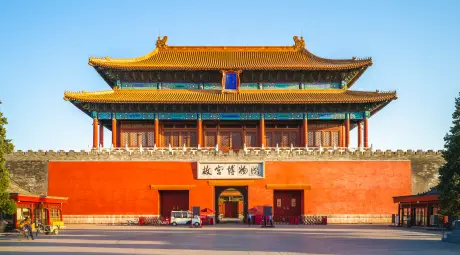
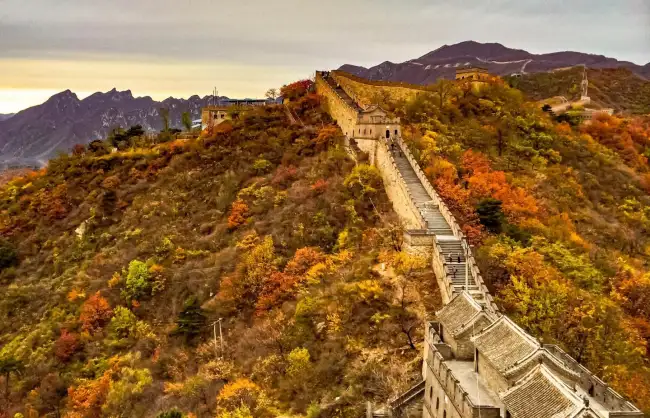
September brings relief from Beijing’s summer heat in July and August. With average temperatures between 17–27°C (63–81°F), air in this city turns cooler and less humid. This is one of the best times to visit the Forbidden City, the Great Wall, and the Summer Palace. Your travel will be accompanied by the blue skies, thinner crowds, and comfortable walking weather.
Occasional showers may happen, but don’t worry, they’re brief. Morning and evening strolls through hutongs and parks are especially pleasant during this season.
Recommended tour: 5 Days Beijing Classic Tour with Mutianyu, Forbidden City, Summer Palace…
Xi’an – Mild, Clear, and Perfect for Culture
- What to wear: lightweight shirts, thin T-shirts, or breathable dresses at daytime, add a jacket or windbreaker at night
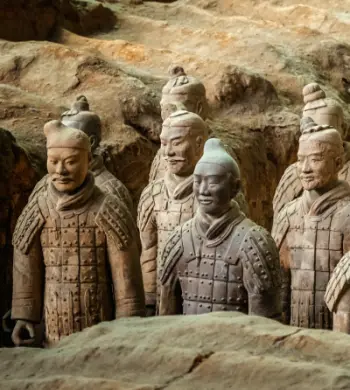
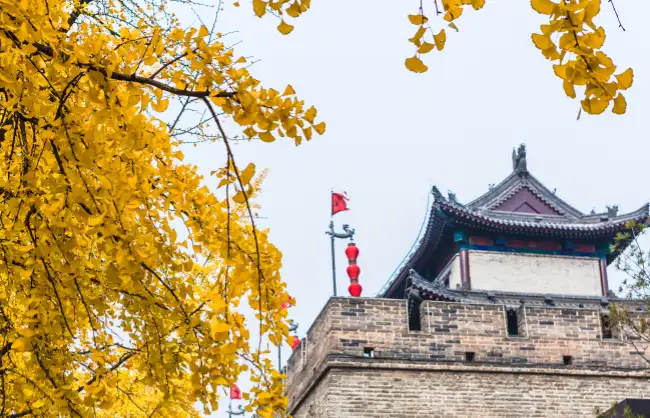
Xi’an’s September weather is stable and pleasant, with temperatures ranging from 16–25°C (61–77°F). Humidity drops and rainfall becomes much more rare, making it a top month within a year to explore cultural landmarks like the Terracotta Warriors and the Ancient City Wall.
The drier and better quality air also offers better views and cleaner skies for photography. Comfortable mornings and evenings make it ideal for walking in the city and enjoying the lively local food markets.
- Suggested tour: 4 Days Xian Classic Tour with Mt. Huashan
Guilin – Great Weather for River Cruises and Rice Terraces
- What to wear: lightweight and breathable clothes, such as shorts, skirts, short-sleeved shirts; wear a light coat at night
In September, Guilin also cools down a bit and offers more comfortable weather.
This allows travelers to pleasantly enjoy outdoor activities, such as Li River cruises, bamboo rafting in Yangshuo, or hiking the golden rippling wheat in Longji Rice Terraces, without worrying about intense heat or frequent storms.
The landscape is still lush thanks to the previous summer rains, and the air now feels much fresher. Early autumn in Guilin is scenic, less crowded, and ideal for all kinds of travelers, whether you are a nature lover or photographer.
Please note that Guilin may be affected by typhoons, which usually last for 2 – 3 days each time. Remember to check forecasts, avoid hiking and adjust your tour plan during storm alerts.
- Suggested tour: 5 Days Guilin Food and Sightseeing Tour
Yunnan – High-Altitude Sunshine and Cool Breezes
- What to wear: for Kunming, Dali and Lijiang: short-sleeved shirts during the day and a thin coat for night and rainy days; for Shangri-La and Jade Dragon Snow Mountain: wool sweater, windbreaker, thin down coat, fleece pants; for Xishuangbanna: summer clothes
Yunnan enters its golden travel season in September, the skies are clear and the air is dry. Daytime temperatures ranging between 13–23°C (55–73°F) in places like Lijiang. Highland destinations like Dali, Shangri-La, and Kunming offer perfect weather for outdoor exploring, mountain walks, and visiting minority villages.
The clean, crisp air is especially refreshing after the rainy season ends, and sunshine during the day makes it one of China’s most pleasant provinces to tour this month.
- Recommended tour: 10 Days Classic Yunnan Tour with Dongchuan Red Land

Tibet – Cool, Dry, and Breathtakingly Clear
- What to wear: long-sleeved T-shirt, light jacket and long pants for the day, thin down jacket or windbreaker for cold nights. If your tour includes higher altitudes, like Ali Region, thick down jacket and thermal underwear are must.
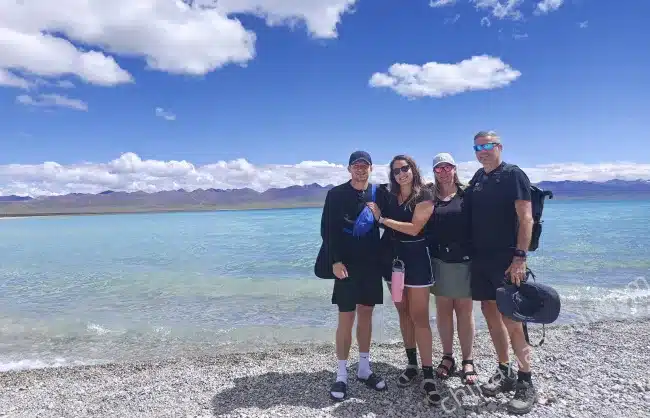
Tibet in September is captivating and comfortable. You’ll see sunny days with clear visibility across its high-altitude landscapes. As its average temperatures vary around 10–22°C (50–72°F), it would be a great time to visit landmarks like Potala Palace, Namtso Lake, and Everest Base Camp without heavy rain or extreme cold.
The skies are bright blue, the air is crisp, and the crowds are fewer than in peak summer. For spiritual travelers and nature seekers, Tibet is at its most peaceful and photogenic.
Because of the cool mornings and thin air, gradual acclimatization is always required to avoid high-altitude sickness when travelling to Xizang. Besides, other key points include: rest well, no alcohol, stay hydrated and descend to a lower-altitude area immediately if symptoms worsen.
- Suggested tour: 10 Days Chengdu and Tibet Everest Base Camp Tour
Chengdu – Milder Heat and Panda-Friendly Weather
- What to wear: lightweight clothes like thin T-shirts and thin long dresses at daytime, light coat or knitted cardigan for evenings and rainy days
Chengdu begins to cool in September, with daytime temperatures around 20–28°C (68–82°F). Rainfall decreases, and the air becomes less humid, creating great conditions to visit the Giant Panda Base, drink tea in people’s parks, or try spicy Sichuan food at night markets.
The city feels more breathable than in July or August, and nearby mountains like Mount Qingcheng or Leshan are also easier to explore under clearer skies and fewer downpours.
- Recommended tour: 4-Day Chengdu Panda Volunteer Tour

Huangshan – Mist, Pines, and Autumn Light
- What to wear: quick-drying underwear, lightweight hoodie, thin trench coat or windbreaker, quick-drying climbing trousers, comfortable and anti-slip hiking shoes
September transforms Huangshan into a cool, mist-wrapped paradise. With mountaintop temperatures go between 15–20°C (59–68°F), it can be an ideal time to explore Huangshan’s beauty through activities like hiking scenic trails, riding cable cars, and catching sunrise over cloud seas.
Early autumn colors begin to show on the pines and cliffs, and rain is less frequent than in summer. Comfortable air and moderate weather make hiking safer and more enjoyable, especially for those chasing peace and mountain beauty.
- Recommended tour: 4 Days Huangshan Tour with Hongcun & Xidi Villages

Inner Mongolia – Grasslands Turning Golden
- What to wear: long-sleeved shirt and light jacket in the daytime and fleece or thin down jacket and windproof coat at night, scarf
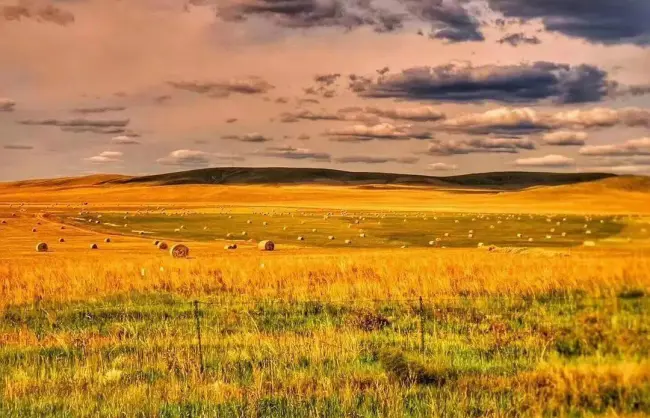
Inner Mongolia witnesses a dramatic seasonal change in September. Temperatures on the Hulunbuir Grassland would range from 12–24°C (54–75°F), at the same time, offering every traveler with crisp air, blue skies, and golden landscapes. The green grass begins to turn yellow, creating a spectacular autumn palette.
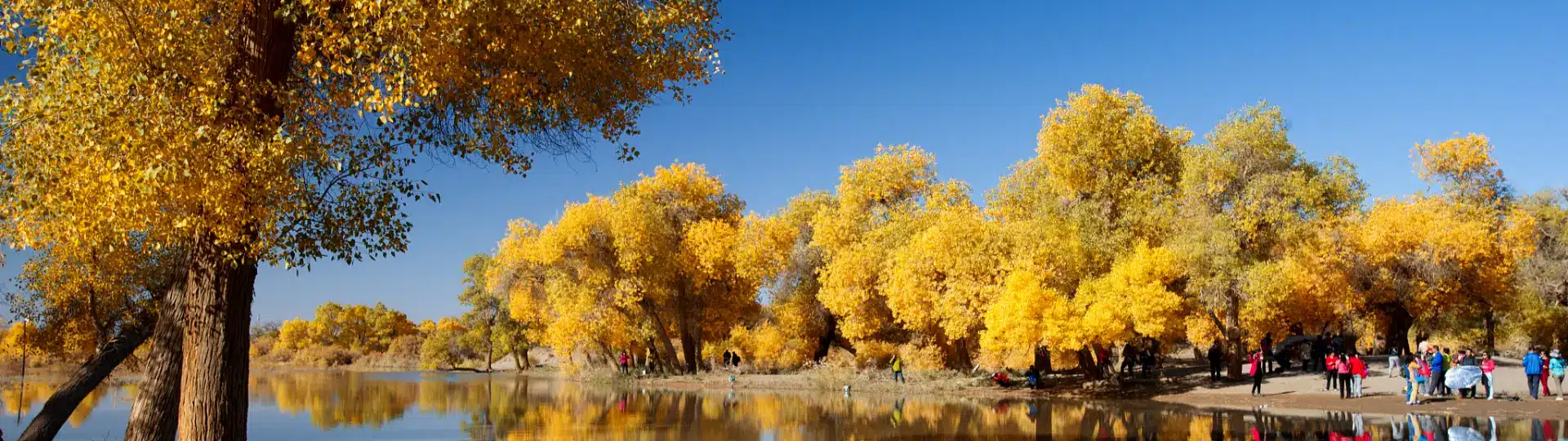
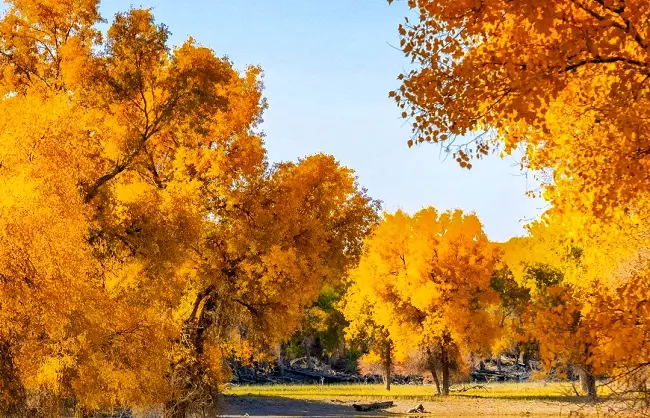
Meanwhile, the Euphrates poplar forests in western Inner Mongolia would also start to show everyone their beautiful golden foliage—an awe-inspiring autumn sight.
Yurt stays, horseback riding, and star-filled nights become even more enjoyable as humidity drops. It’s one of the best months for experiencing Mongolian culture and vast open spaces without summer crowds.
- Recommended Inner Mongolia Tour: 6 Days Inner Mongolia Essence Tour with Volcano Wonders
Xinjiang – Clear Skies and Vibrant Autumn Tones
- What to wear: for Northern Xinjiang: long-sleeved shirts, long pants, thin sweater, coat; for Southern Xinjiang: T-shirts, sun-protective clothing, thin coat.
Xinjiang’s September weather is typically dry and comfortable, especially if you’re going to highland and desert-edge areas. Average temperatures hover between 15–28°C (59–82°F), making it perfect for exploring Silk Road destinations like Kashgar or Urumqi. Poplar forests start turning golden, mostly in regions like Kanas or the Tarim Basin.
Daytime is warm enough but not too hot for sightseeing, while nights offer much cooler relief. Fewer tourists and post-summer calm would make this month a prime time for people to explore both local culture and scenery.
- Recommended Tour Packages: 14 Days Best Xinjiang Silk Road Tour of Ethnic Experience
Gannan – Autumn Landscapes and Tibetan Culture
- What to wear: early September: long-sleeved quick-drying T-shirts, thin fleece, windbreaker, long pants; late September: thermal underwear, thick down jacket, fleece pants, hat, gloves
In September, Gannan transits from summer to autumn. The grassland turns from green to golden colour gradually with herds of yaks grazing freely and forests take on colorful hues. By late September, the scenery is at its most spectacular.
What’s more, you can also marvel at the geological wonder – Zhagana stone peaks. An overnight stay is highly recommended to witness the spectacular scene of morning mist drifting over the Tibetan villages at dawn.
Another highlight is the Labrang Monastery where you can experience Tibetan culture.
- Recommended Tour Packages: 7 Days Gannan Tibetan Tour from Lanzhou
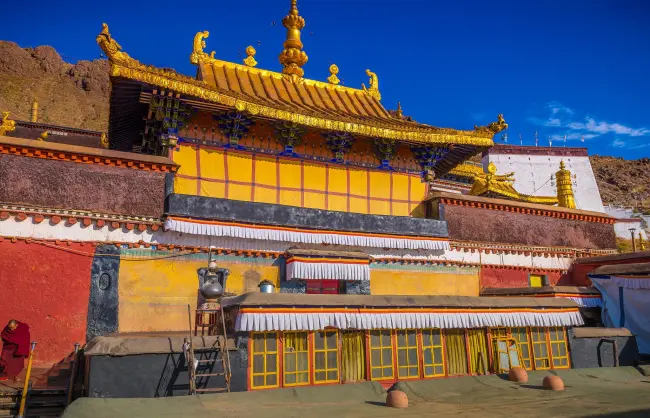
Top Festivals and Events in China in September
In China, September is a month brings not only cooler weather, but also a series of cultural festivals that derive from the country’s rich heritage. These events offer a wide range of immersive experiences for travelers who seeks more than just sightseeing. Below are three important Chinese festivals happen in September:
Mid-Autumn Festival (中秋节)
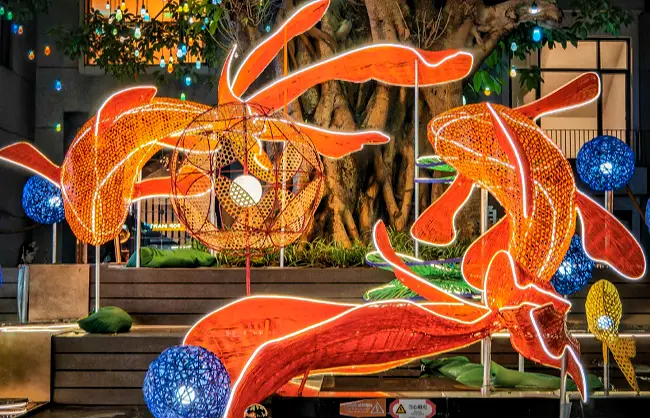
The Mid-Autumn Festival (Moon Festival) is one of China’s most important traditional holidays. It is celebrated on the 15th day of the 8th lunar month (often falls in September in Gregorian calendar). Families gather to admire the full moon, eat mooncakes, and express wishes for happiness and reunion.
Many cities hold lantern fairs, riverfront displays, and temple markets. Places like Hangzhou, Suzhou, and Guilin are particularly beautiful this time of year, offering a poetic backdrop to this heartwarming celebration of family and harmony.
Ghost Festival (盂兰节 / 中元节)
Falling on the 15th day of the 7th lunar month (which sometimes overlaps into early September), the Ghost Festival is a traditional Buddhist and Taoist occasion for honoring ancestors and comforting wandering spirits.
Locals would burn incense, joss paper, and float lanterns on rivers to guide spirits back to the afterlife. While not typically a touristy event, visiting during the festival time could offer you rare insight into China’s spiritual world.
Xi’an Ancient Culture and Art Festival (西安古文化艺术节)
Held annually in September, the Xi’an Ancient Culture and Art Festival is a grand celebration of Chinese history and heritage. As China’s ancient capital, Xi’an transforms into a stage for traditional music, folk opera, calligraphy, martial arts, and reenactments of Tang Dynasty court life.
Performances would take place in historic locations like the Big Wild Goose Pagoda and City Wall Square. For those interested in China’s golden past, this festival will offer you a vivid experience of seeing ancient culture being brought to life in a modern setting.
Crowds and Costs in September in China
Compared to July and August, September in China sees slightly reduced domestic tourism, but it’s still busy in major cities especially during national or regional festivals.
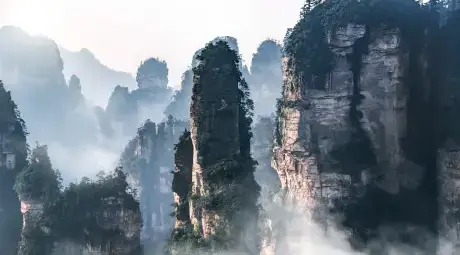
And some attractions like the Great Wall, Xi’an’s Terracotta Army, and Zhangjiajie are always popular among international and local tourists, so you may not get to face too small crowds in these places. Expect moderate crowds, especially around Mid-Autumn Festival (if it falls in September).
Accommodation prices start to drop slightly from summer peaks but remain higher than in off-season. For instance:
- Beijing: ¥500–800 per night (mid-range hotels)
- Xi’an: ¥400–600 per night
- Tibet, Xinjiang: Prices rise again around festivals or golden foliage season
Train and flight tickets to popular destinations such as Guilin, Lhasa, or Inner Mongolia still need early booking, especially near weekends and festival dates. Booking 2–4 weeks in advance is recommended for cost-saving and convenience.
Plan Your China Tour with China Xian Tour
Looking to immerse yourself in the vibrant beauty of China in September? China Xian Tour is here to craft a journey that just fits your preference. With deep travel knowledge, we are expecting to create personalized itineraries for you that highlight the best of September. Leave the planning to us, and enjoy a worry-free adventure filled with the charm and colors of early autumn.


