
China in July is a place of energy, color, and diverse cultural experiences. While some parts, typically southern parts of the country could experience intense heat and humidity, weather in July, indeed, varies dramatically across regions. From sweltering cities to cool highlands, July offers special experiences for everyone no matter which part of China you are traveling to. This guide will help you navigate the distinct weather pattern of China in July, plan your itinerary, and discover the best places to visit during this period with practical tips and local insights.
Content Preview
- Is July a Good Time to Visit China?
- What is the Weather Like in China in July?
- 10 Best Places to Go in China in July
- What to Do in July in China
- Top Festivals and Events in China in July
- What to Wear in China in July?
- Crowds and Costs in July in China
- China Travel Tips for July
- Plan Your China Tour with Us
Is July a Good Time to Visit China?
Yes, visiting China in July can be a rewarding experience if planned wisely. Despite the rather fierce hot and humid weather conditions in a lot of cities, you can still find numerous “places for cool escapes” in this season.
- Highland regions and mountain areas remain pleasantly cool (15–25°C), ideal for hiking, sightseeing and escaping the summer heat.
- Southern cities, while hot and humid, they’ll reach their most lively with festivals, waterfront activities, and vibrant night markets. It’s a good time to explore the soul of these cities.
- July is also celebrated as the peak season for exploring Tibetan landscapes, Qinghai Lake, and the grasslands of Inner Mongolia.
In short, is it recommended to have a China tour in July? Absolutely—if you pick the right destinations and prepare accordingly.
What is the Weather Like in China in July?
July is the peak summer time which brings some extreme weather across China. Southern and eastern regions experience monsoon rains, intense heat and high humidity, while northern and high-altitude areas offer drier, cooler more comfortable conditions. Understanding regional variations is crucial for your trip planning.
North China (Beijing, Inner Mongolia, Changbaishan, Hulunbuir…)
North China in July is defined by a stark contrast between weather in the scorching urban centers and the breezy grasslands or mountainous regions. Average temperatures range from 20–34°C (68–93°F), and cities would often see showers of rain or occasional thunderstorms.
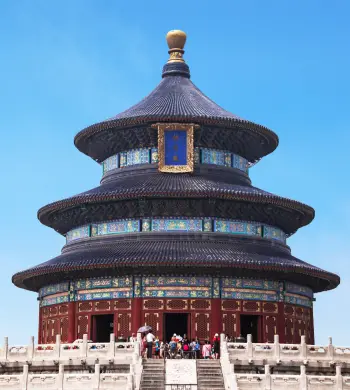
Beijing typically experiences hot and rather humid days, with temperatures reaching 24–35°C (75–95°F). Brief but intense thunderstorms are common in the late afternoon. In Inner Mongolia, including areas beyond Hulunbuir, summers are milder than other places, average temperature ranges from 18–25°C (64–77°F). with warm days and cool evenings, accompanied by refreshing breezes across vast grasslands. Further east, Changbaishan’s alpine climate provides crisp air, cooler nights, and pleasant daytime temperatures(15–27°C / 59–81°F), making it a great choice for hiking and escaping from the scorching summer.
Region |
Average Temperature |
Weather Features |
Beijing |
24–35°C (75–95°F) |
Hot and humid days with intense afternoon thunderstorms. |
Inner Mongolia (incl. areas beyond Hulunbuir) |
18–25°C (64–77°F) |
Warm days, cool evenings, and refreshing grassland breezes. |
Changbaishan |
15–27°C (59–81°F) |
Crisp mountain air, cool nights, and pleasant daytime warmth—ideal for hiking to escape the summer heat. |
Northwest China (Xinjiang, Xi’an, Qinghai, Gansu, Ningxia…)
Northwest China in July sees dramatic climate variations shaped by its vast geography. While people traveling to deserts need to prepare for dry air and fierce heat, visitors in high-altitude regions will enjoy much milder conditions at the same time. Average temperatures here range from 20–40°C (68–104°F), with large day-to-night swings.
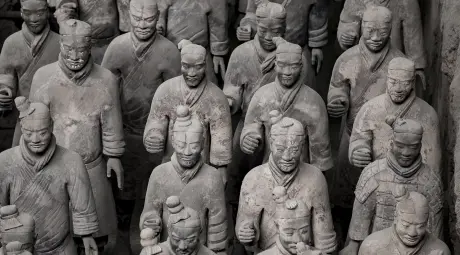
In Xinjiang, cities like Turpan can see averages of 29–42°C (84–108°F) during the day, but cooler nights around 24°C (75°F), providing a great relief from the day’s heat. Xi’an, lying on the Guanzhong Plain, is typically hot and rather humid during this time, with temperatures from 25–35°C (77–95°F). In contrast, Qinghai and parts of Gansu and Ningxia experience cooler, drier weather (20–32°C / 68–90°F), making these destinations ideal for escaping the heat while enjoying vast plateaus and desert scenery.
Region |
Average Temperature |
Key Weather Features |
Xinjiang |
20–40°C (68–104°F) |
Extreme day-night temperature swings; desert basins (e.g., Turpan) see 29–42°C (84–108°F) days and 24°C (75°F) nights. |
Xi’an (Guanzhong Plain) |
25–35°C (77–95°F) |
Hot and humid, typical of lowland plains in July. |
Qinghai & Parts of Gansu/Ningxia |
20–32°C (68–90°F) |
Cooler, drier conditions; ideal for escaping heat amid vast plateaus and deserts. |
South China (Shanghai, Suzhou, Hangzhou, Zhangjiajie…)
South China in July is dominated by subtropical heat, high humidity, and frequent rain brought by the East Asian monsoon. People would feel it’s rather hard to stand the days here during this month. Average temperatures range from 25–36°C (77–97°F), and heavy afternoon showers are common to see, especially in coastal and lowland areas.
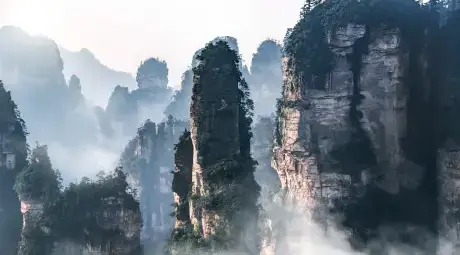
Shanghai, Suzhou, and Hangzhou share similar climate pattern in July, all experience muggy conditions, with unbearable highs often hitting 28–35°C (82–95°F). Although rainfall offers brief cooling, humidity still remains high throughout the days. In contrast, Zhangjiajie, thanks to its mountainous terrain, is slightly cooler (24–34°C / 75–93°F) than other southern regions. And visitors will see that the city is often wrapped in morning mist, becoming a popular choice for nature lovers and photographers.
Region |
Average Temperature |
Key Weather Features |
Shanghai, Suzhou, Hangzhou (Yangtze River Delta) |
28–36°C (82–97°F) |
Sweltering humidity (70–90%); frequent afternoon thunderstorms; coastal areas may face typhoon risks. |
Zhangjiajie |
24–34°C (75–93°F) |
Mild temperatures; misty mornings common; high elevation (mountainous terrain) provides natural cooling. |
Southwest China (Sichuan, Chongqing, Guilin, Yunnan, Guizhou, Tibet…)
Southwest China in July offers different types of weather conditions, travelers can experience from the sizzling heat of the Sichuan Basin to the refreshing cool of highland regions like Tibet and northern Yunnan. Average temperatures vary widely, while the average lows can reach 10°C (50°F) in the mountains, the average highs can even climb to 38°C (100°F) in urban basins.
Chongqing and the Sichuan Basin are among the hottest places in China during July, with high temperatures soaring to 35–38°C (95–100°F) under intense humidity (average in Chengdu: 24-36°C / 75–97°F average in Chongqing: 27-36°C / 81–97°F). In contrast, Guilin enjoys breathtaking scenic river landscapes and averages (27–34°C (81–93°F), with frequent but brief summer rains.
In comparison, Guizhou is cooler than its neighbors, with averages around 21–29°C (69–84°F), offering lush mountain scenery and a refreshing summer escape. Higher-altitude regions like Lijiang (16-24°C / 61–75°F), Shangri-La (10-18°C / 50–64°F) in Yunnan, and Tibet (12-24°C / 54–75°F) remain cool, with mild daytime temperatures and chilly nights.
Region |
Average Temperature |
Key Weather Features |
Chengdu |
24–36°C |
|
Chongqing |
27–36°C |
|
Guilin |
27–34°C |
Scenic river landscapes; milder than lowlands, with frequent but brief summer rains. |
Guizhou |
21–29°C |
Mountainous escape; cooler than lowlands, with frequent afternoon showers and lower humidity. |
Lijiang (Yunnan) |
16–24°C |
Alpine coolness; mild daytime temperatures, cool nights |
Shangri-La (Yunnan) |
10–18°C |
High-altitude chill; crisp air, alpine meadows, and large diurnal temperature swings. |
Tibet |
12–24°C |
Dry, high-altitude climate; strong sunshine, large day-night temperature differences, and chilly nights. |
10 Best Places to Go in China in July
Guilin
Average temperature: 27–34°C (81–93°F)
Despite the midsummer heat, Guilin keeps its reputation as one of China’s best travel destinations also in July. Don’t worry, the shady riverbanks, cool caves, and scenic karst peaks will help soften the high temperatures. A Li River cruise or bamboo raft ride offers breezy relief as you float past the amazing views.
Rain showers are frequent but brief, refreshing the air and deepening the greenery. For culture seekers, nearby Yangshuo will provide you with a glimpse into traditional Zhuang and Yao villages amid terraced rice fields.


Zhangjiajie
Average temperature: 25–30°C (77–86°F)
If you’re traveling to Zhangjiajie, it’s almost definitely that you’ll see the stone pillars rising above misty valleys, this is so beautiful that can make people temporarily forget about the summer heat. While the air is humid and hot, shaded trails and cable cars shall get you feel better and make your exploration more manageable. The early morning scene is especially rewarding, with cooler temperatures and fewer tourists.
Tibet
Average temperature: 12-24°C (54–75°F)
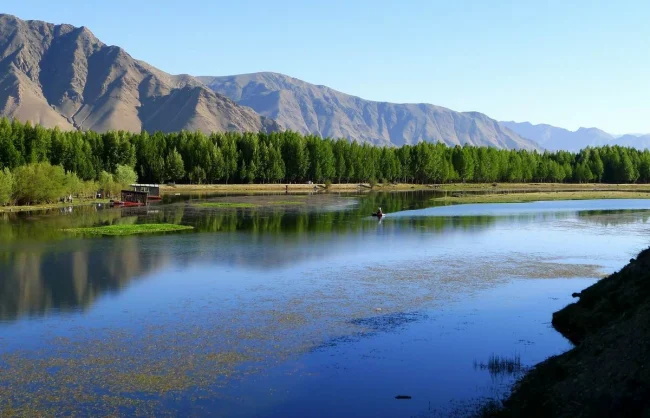
Tibet offers travelers with crisp air, clear skies, and cool weather in July. It’s the ideal time to visit places like Lhasa, Yamdrok Lake, and for those seeking excitement, consider approaching Mount Everest Base Camp. With several religious festivals taking place during this period, travelers can also immerse themselves in Tibetan Buddhist culture.
Inner Mongolia (Hulunbuir Grassland)
Average temperature: 21–23°C (64–77°F)
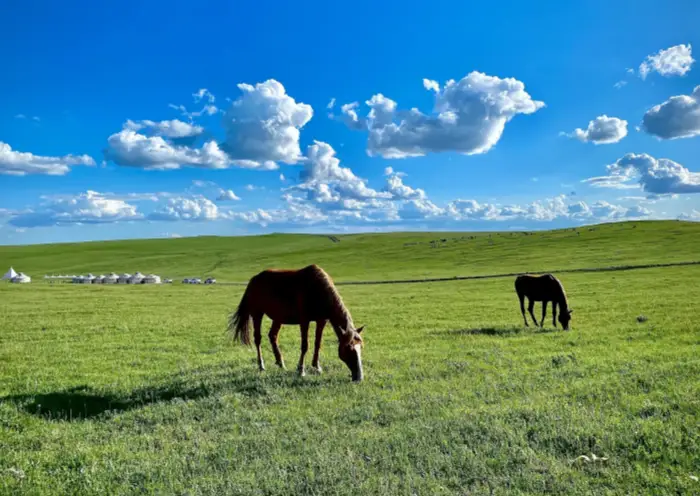
The Hulunbuir Grassland becomes a sea of green in July. The air will be cooled by constant breezes and you can spend some greatest moments under the expansive blue skies. July is the grazing season, with horses, sheep, and cattle dotting the meadows. Visitors can experience the local culture through Mongolian-yurt-stays, horseback riding, and traditional Nadam festivals. It’s a family-friendly destination and one of China’s best places to escape the summer heat.
Xinjiang
Average temperature: 21–31°C (84–108°F)
Xinjiang is known for its dry desert heat during the day and cool, comfortable nights. Cities like Turpan and Kashgar can be extremely sweltering by noon. As a result, remember to explore Silk Road ruins, bustling bazaars, and Uyghur architecture early in the day or during evening hours.

Yunnan (Shangri-La, Lijiang, Dali)
Average temperature: 15–25°C (59–77°F)
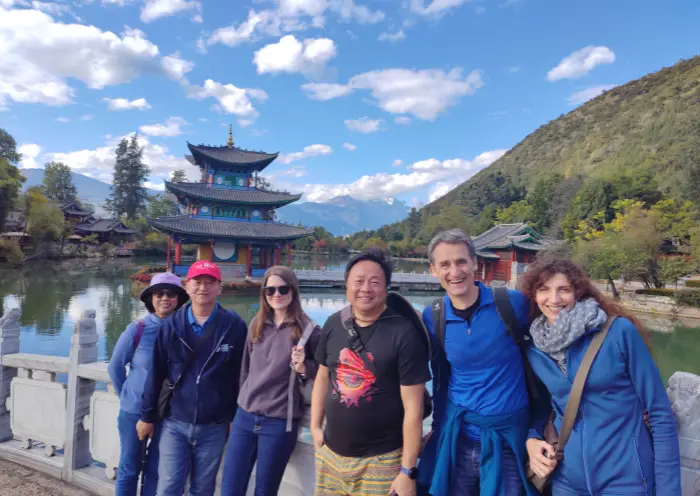
Yunnan remains a summer favorite for its diverse landscapes and mild mountain climate. July is especially comfortable in Shangri-La, where Tibetan villages, alpine lakes, and cool breezes together create an unique experience. Ancient towns like Lijiang and Dali offer paralleled cultural charm, while scenic sites like Meili Snow Mountain and Tiger Leaping Gorge cater to adventure seekers.
Jiuzhaigou
Average temperature: 15–22°C (59–72°F)
Jiuzhaigou National Park is praised as a refreshing oasis in summer. July brings full, vibrant waterfalls, turquoise lakes, and green forests. With cooler temperatures than that in other places, it’s a perfect time for peaceful walks, photography, and nature observation.
Ningxia
Average temperature: 20–32°C (68–90°F)
Ningxia’s dry summer is ideal for wine tourism and desert exploration. July sees hot but manageable weather, and attractions like the Helan Mountains, ancient rock carvings, and sections of the Great Wall are all accessible with wonderful views. The region’s cultural mix of Hui and Han traditions adds depth to every stop of your itinerary.
Western Sichuan (Daocheng Yading, Siguniang Mountain)
Average temperature: 10–28°C (50–82°F)
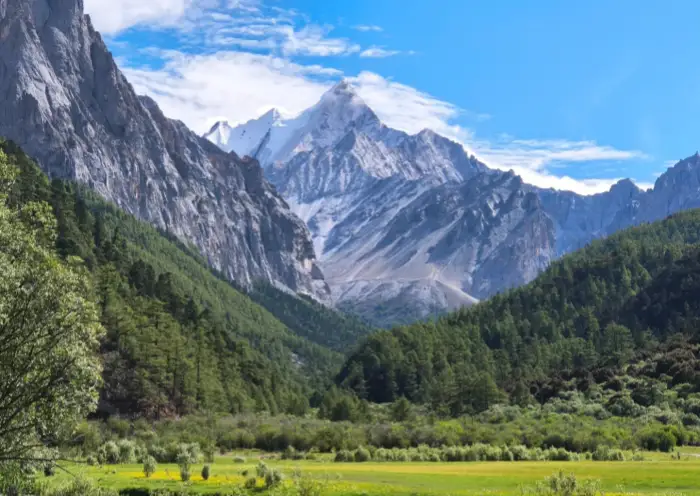
Western Sichuan is a paradise for hikers and nature lovers in July. During this time, Daocheng Yading’s snow-capped peaks and crystal lakes will all glisten under clear skies, while Siguniang Mountain also offers people with dramatic alpine vistas and well-maintained trails. The cool, thin air makes the region ideal for outdoor exploration without the crowds.

Huangshan
Average temperature: 20–25°C (68–77°F) in the mountain
Huangshan (Yellow Mountain) remains pleasantly cool compared to places in lower elevations. July sees misty peaks, stunning sunrises, and pine-fringed ridges wrapped in clouds. Though rainfall is frequent, it enhances the mountain’s mystical atmosphere. Like always, cable cars help a lot in reducing physical strain, making the experience accessible and time-saving, even in humid conditions.
Recommended Tour Packages:
6 Days Guilin – Zhangjiajie Classic Tour
8 Days Inner Mongolia Cultural Tour with Hiking & Camping
11 Days Tibet and Silk Road Tour by Train from Xian
8 Days Jiuzhaigou Huanglong Leshan and Mt. Emei Tour
What to Do in July in China
Explore the Highlands of Tibet
July is the best time to visit Tibet’s high-altitude landscapes, while pleasantly accompanied by clear skies, crisp air, and minimal rainfall. You can trek to Yamdrok Lake, explore the Potala Palace in Lhasa, or take a spiritual journey to Mount Kailash.
Experience the Lush Grasslands of Inner Mongolia
The Hulunbuir Grassland is at its greenest in July, with wildflowers blooming and herds grazing in the boundless green. For an immersive experience, you can stay in traditional yurts, attend the Naadam Festival, and enjoy horseback riding, archery, or Mongolian barbecues under the stars.
Take a Journey to Qinghai Lake
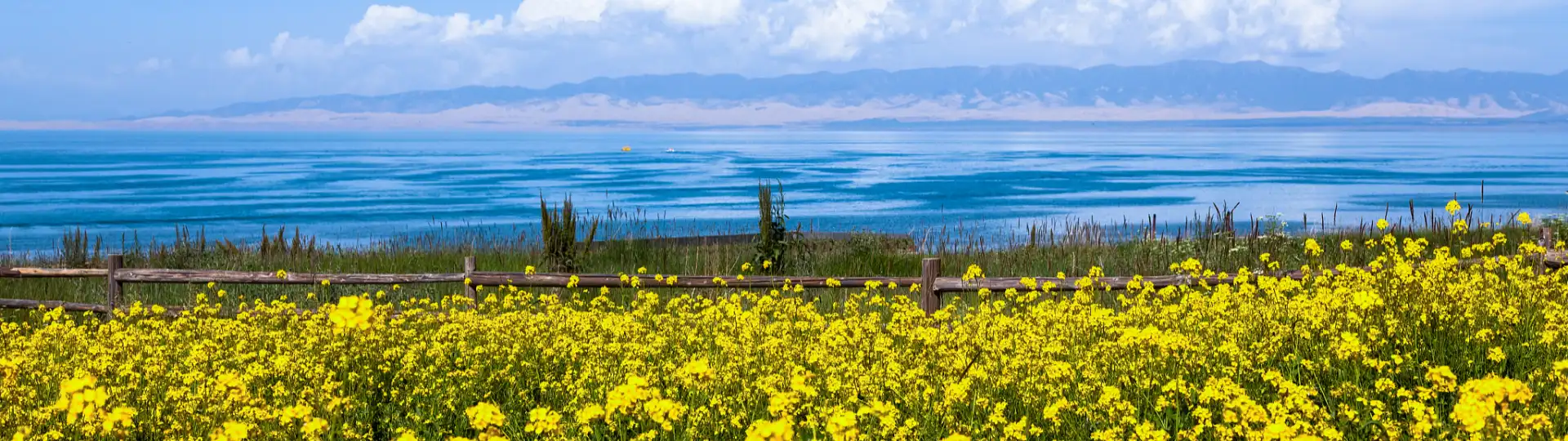
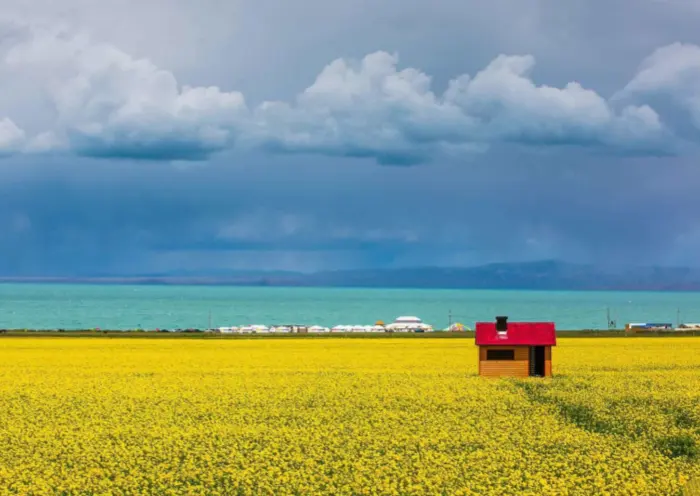
Qinghai Lake, China’s largest saltwater lake, shines in turquoise blue during July. It’s surrounded by fields of blooming rapeseed flowers and overlooked by snow-capped mountains. Visitors are always recommended to hike around the lake, visit Tibetan temples, or camp under the vast sky
Relax on a Scenic Yangtze River Cruise
Escape the summer crowds and heat by taking a relaxing cruise along the Yangtze River. Even though July’s weather makes the visit of the Three Gorges’ steep cliffs feeling the best in an air-conditioned cabin, you can still take optional excursions to temples and villages. These are the experiences you cannot miss if you want to understand the local life.


Experience Cultural Diversity and Scenic Beauty in Yunnan
Yunnan is rich in ethnic culture and it’s also famous for being one of the coolest summer escapes. Highlights of the tour include trekking the dramatic Tiger Leaping Gorge, explore Tibetan-influenced Shangri-La, or marvel at Meili Snow Mountain and Jade Dragon Snow Mountain. Ancient towns like Dali and Lijiang also provide rich cultural experiences for everyone.
Explore Minority Villages of Guizhou
Guizhou’s rural regions are home to Miao, Dong, and other ethnic communities. While being cool and lush in July, it is an ideal time for travelers to wander through traditional wooden villages, attend local festivals, and enjoy the region’s cool, misty mountains and waterfalls during their Guizhou tours.
Uncover the Diverse Beauty of Xinjiang
From the deserts of Turpan to the alpine pastures of the Tianshan Mountains, Xinjiang in July is a land of distinctive contrasts. Don’t forget to visit bustling Kashgar, hike around Sayram Lake, or experience night markets full of music, kebabs, and Uyghur dance.
Related reading: How to Plan a Summer Trip to China
Top Festivals and Events in China in July
July is a vibrant month for festivals in China, adding cultural traditions, seasonal celebrations, and outdoor fun in people’s life. Here are some top events to mark on your calendar:
The Qingdao International Beer Festival
Often dubbed “Asia’s Oktoberfest,” the Qingdao International Beer Festival makes the late July vibrant than ever. Held in the coastal city of Qingdao, this event draws millions of visitors to this beautiful city and it celebrates both modern fun and the city’s historic legacy. You can find all different global beer brands, live music, parades, and food stalls in the festival.
See more recommended things to do in Qingdao.
Naadam Festival
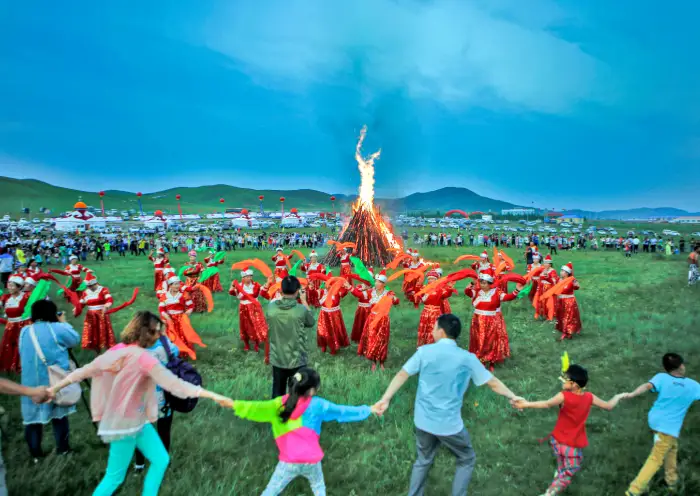
Celebrated primarily in Inner Mongolia, the Naadam Festival showcases the charm of traditional Mongolian sports like wrestling, horse racing, and archery. Held in mid-July, it coincides with the peak of grassland greenery. It offers a unique cultural experience amid Hulunbuir’s vast meadows.
Torch Festival
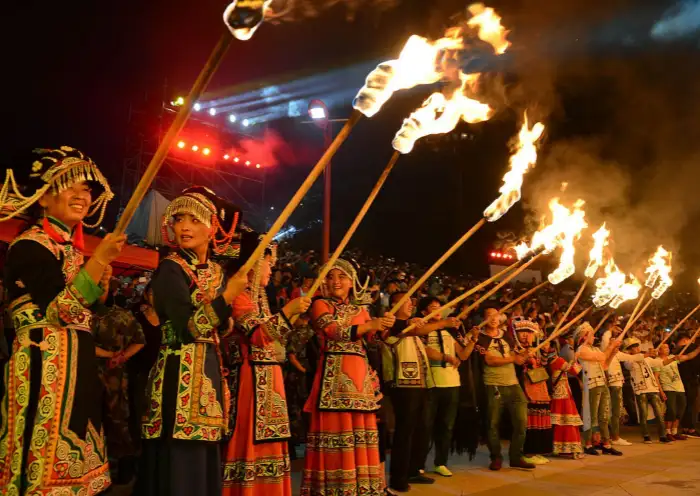
Celebrated by Yi, Bai, and other ethnic groups mainly in Yunnan, Guizhou, and Sichuan, the Torch Festival is an ancient celebration involving bonfires, traditional dancing, bullfighting, and torch parades. Usually held in late July or early August, it’s one of the most important ethnic festivals in Southwest China.
What to Wear in China in July?
July’s climate varies drastically across China, so packing clothes requires travelers to consider and balance heat, humidity, and regional temperature swings. If you’re going to South China (Guangdong, Fujian, Yunnan lowlands), where temperatures hover around 25–36°C (77–97°F) with high humidity, lightweight, breathable fabrics like cotton or linen are essential. A compact umbrella or rain jacket is also necessary for frequent rains.
If your destination is North and Central China (Beijing, Xi’an, Inner Mongolia), a light sweater or long-sleeved shirt for mornings and evenings, paired with comfortable walking shoes, is ideal.
For people traveling to highlands like Tibet or Yunnan’s Lijiang and Shangri-La, layered clothing is key—shorts or t-shirts for the day, and fleece or down jackets for cooler evenings. Sunscreen is a must due to the thin air and strong UV rays. But there could be some special requests for visiting Tibet temples, please see Tibetan Art and Culture.
Heading to deserts such as Xinjiang’s Turpan, it is necessary for you to prepare light, loose-fitting long-sleeved clothing (to protect from the sun), a wide-brimmed hat, and ample water are critical to staying cool and safe.
Crowds and Costs in July in China
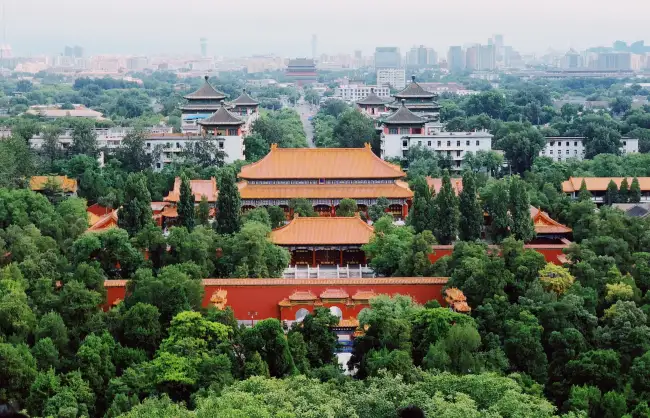
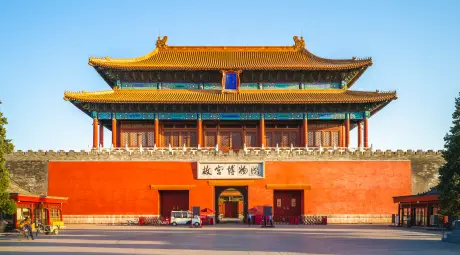
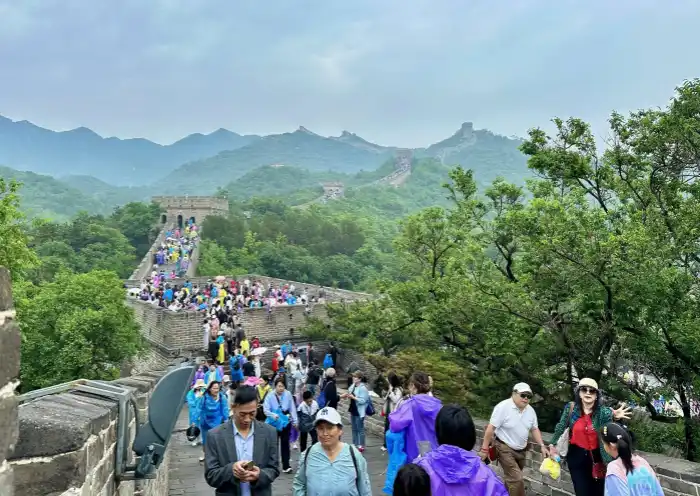
July is peak tourist season in China, driven by summer vacations and school breaks. Popular destinations like Beijing’s Forbidden City, Shanghai’s Bund, and Guilin’s Li River will be incredibly busy, so remember to arrive early which helps avoid long lines. Smaller towns such as Zhangjiajie or Shangri-La are less crowded than others but still lively.
Accommodation prices rise by 20–40% in hotspots: hotel rooms in Guilin, for example, average ¥500–800 per night in July, compared to ¥300–500 in shoulder seasons. Flights and train tickets to major cities book up quickly, so planning ahead is essential. To save money and time, consider visiting less chosen destinations like Ningxia or Western Sichuan, or opt for guided tours that include skip-the-line access.
China Travel Tips for July
July’s mixed weather of heat, rain, and also colorful cultural events calls for careful planning. In Southern China (Guangdong, Fujian), the monsoon season often brings heavy rains, so carry waterproof gear and avoid hiking in mountainous areas during storms.
For those traveling to high altitude areas like Tibet or Yunnan’s highlands, acclimatize slowly. Avoid alcohol and drink plenty of water, take good rest if mild symptoms like headaches or fatigue occur. Severe altitude sickness requires immediate descent, as a result, don’t ignore any sign of discomfort.
Food safety is another consideration, always stick to reputable restaurants, and avoid raw vegetables in street food. In Muslim regions such as Xinjiang or Ningxia, respect local dietary customs by avoiding pork.
Cultural respect is key in ethnic minority villages (Yi, Miao, Dong): In Tibet, avoid touching others’ heads or pointing feet at religious objects; in Muslim areas (Xinjiang, Ningxia), dress modestly.
Plan Your China Tour with Us
If you want to explore July’s vibrant scenery in China, you can consider a best tailored journey with Chinaxiantour. As a local travel expert, we are good at designing custom itineraries that blend July’s unique highlights according to your personal interests. While having us to handle all the preparation and planning, you can whole-heartedly focus on soaking yourself in July’s magic.