

1 Day Beijing Cultural Tour: Lama Temple, Hutong Rickshaw & Hands-on Activities
Tour Overview
Skip the crowds and spend a day living like a true Beijinger! The highlight of this trip isn’t just seeing, but truly experiencing: sitting in a rickshaw and weaving through the old hutongs to the gentle chime of morning bells, watching neighbors chat about their daily lives; learning Chinese calligraphy in the scent of ink; or rolling up your sleeves to make a batch of steaming dumplings amid a puff of flour.
Let the most vibrant stories of Beijing become part of your unforgettable journey!
Travel destinations: Beijing
Suitable for: Families, First-time Beijing visitors, Culture enthusiasts, Couples
Tour type: Private
Highlights of this tour
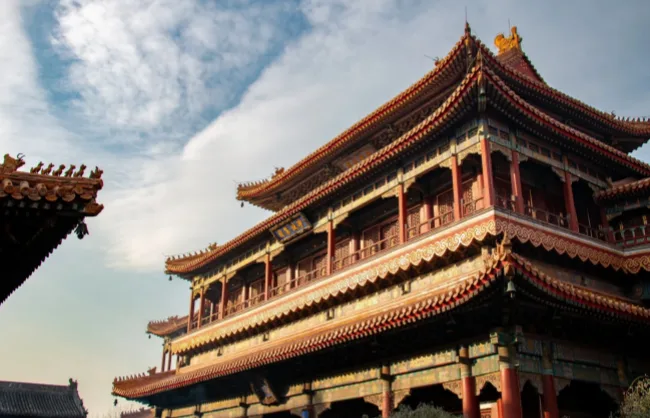
Step into the Lama Temple, one of the largest Tibetan Buddhist temples in the world. Watch the incense smoke wind around the Han-Tibetan cornices and dougong brackets, and feel the tranquility far from the hustle and bustle.

Touch the towering ancient cypresses planted during the Yuan Dynasty in the Confucian Temple, and feel the stone tablets recording the history of the Ming and Qing dynasties with your own hands.

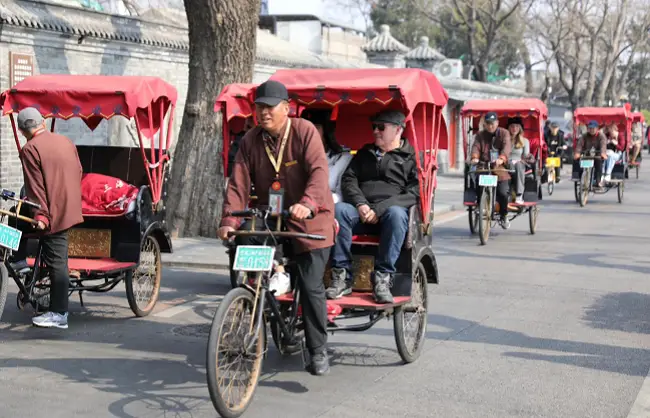
Hop into a rickshaw through the labyrinth of alleys beside Shichahai. You can see seniors playing chess under old locust trees and quilts drying outside courtyard gates.
Try your hand at Chinese calligraphy, or enjoy window paper-cuttings, or learn to make dumplings. Discover these traditional cultural experiences hidden within the courtyard homes.

Day-by-day Itinerary
- Day 1: A Profound Cultural Exploration of Beijing
A private car will pick you up at your hotel around 8:30 am. Your tour begins at the Lama Temple, the largest royal monastery of Tibetan Buddhism in Beijing. Originally the mansion of a Qing Dynasty prince, it was later converted into a temple that beautifully showcases a unique Han-Tibetan architectural style.
Inside the main hall, you can see a 26-meter-tall Maitreya Buddha, carved from a single piece of white sandalwood, which was listed in the Guinness World Records in 1990.

The Lama Temple, a signature royal monastery of the Gelugpa Sect Afterwards, head to the Confucian Temple, the second only to its birthplace in Qufu, Shandong Province, in historical significance. This ancient temple, which was built in 1309.
It is the supreme imperial shrine where emperors of the Yuan, Ming, and Qing dynasties offered sacrifices to Confucius. Situated adjacent to the Imperial College, it forms the traditional 'Temple on the Left, School on the Right' layout.
Walking through the forest of over 100 towering ancient cypresses and looking up at the 198 stone tablets recording the names of successful scholars, you will see the rich heritage of Chinese Confucian culture right in front of you.
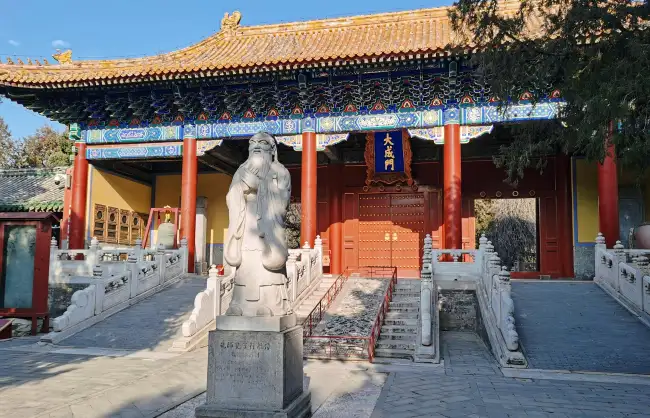
White marble statue of Confucius in front of the Confucian Temple After lunch, move to the Shichahai area behind Beihai Park. Here, you can transfer to a manpower rickshaw, accompanied by the crisp copper bells, and shuttle into the deep hutong maze in the east of the lake. You can visit real Hutong families, walk into courtyard houses, and experience the most authentic life in old Beijing.
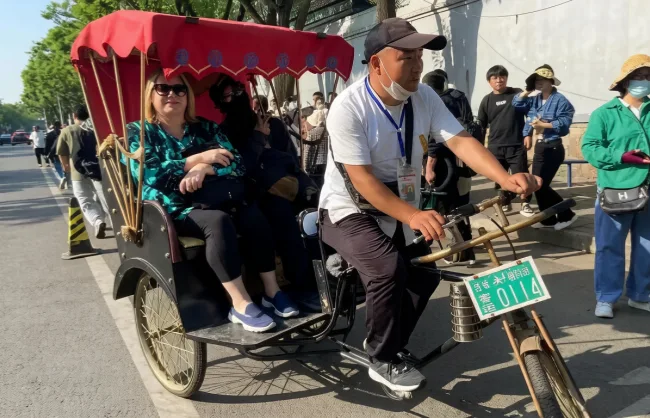
Take a rickshaw to tour Beijing's hutongs To make your Chinese cultural experiences more colorful, we are delighted to introduce the following 3 intangible cultural heritage experiences. You can choose one of them:
Option 1: Paper-Cutting
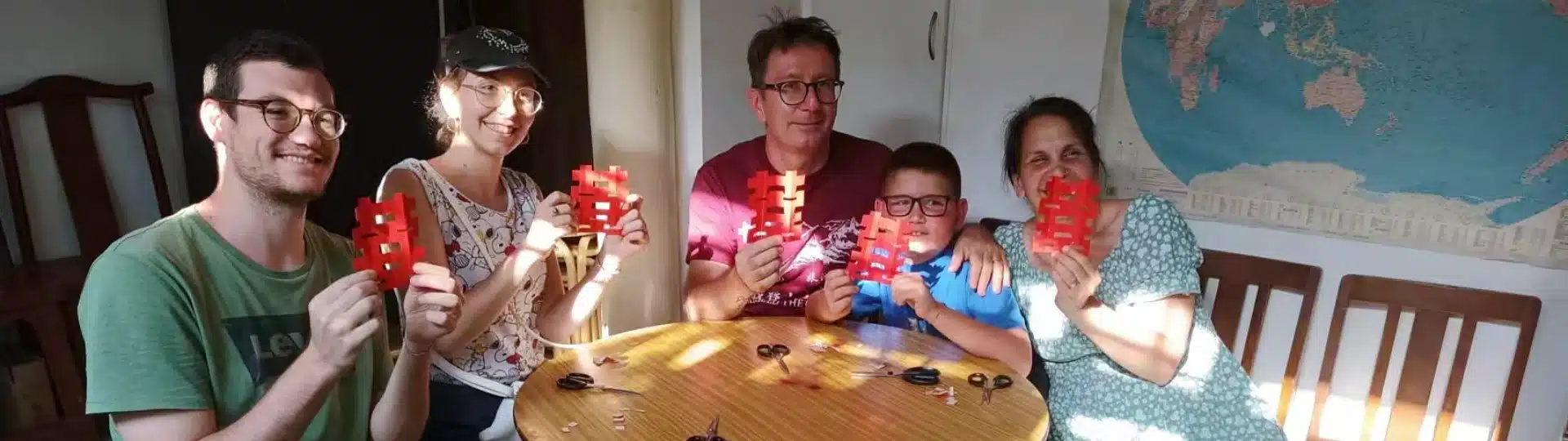
A pair of scissors and a piece of red paper can create endless wonders. Under the guidance of a master craftsman, you will hand-cut zodiac signs, auspicious flowers and birds, or blessing characters.
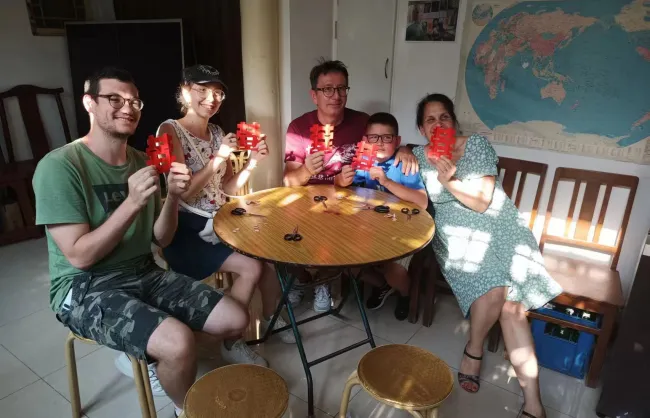
Family learning paper-cutting in a Beijing hutong Option 2: Chinese Calligraphy
We will have the traditional "Four Treasures of the Study" (brush, ink, paper, and inkstone) ready for you. Guided by a teacher, you can learn to write some simple Chinese characters — such as "大" (big), "人" (person), "爱" (love), and "福" (blessing).
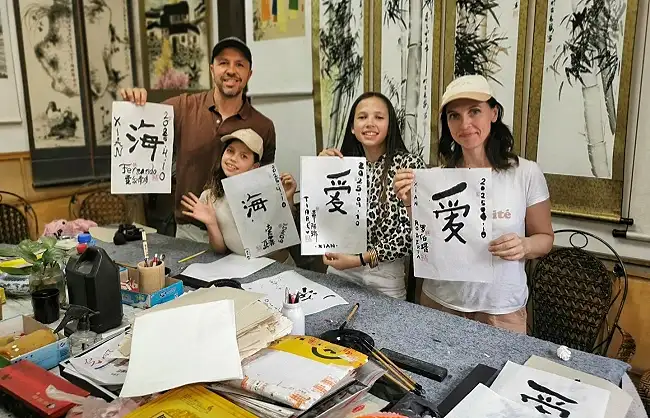
Our guests are learning Chinese calligraphy Option 3: Making Dumplings
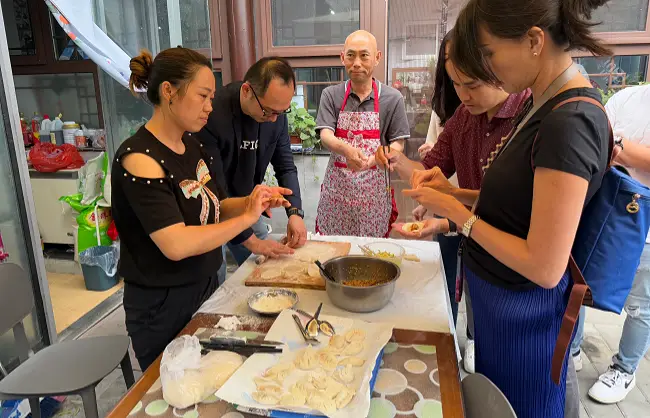
Dumplings are the most symbolic delicacy on the Chinese table, representing reunion and good luck. We will take you into the hutong family and experience making noodles, rolling skins, and stuffing with your own hands.
Learn to make dumplings in a courtyard residence (siheyuan) After the experience, take a stroll through Nanluoguxiang. On both sides of the main street are 8 narrow alleyways running east to west, such as Mao'er Hutong and Yu'er Hutong. If looking down from above, you can find the layout resembling a centipede or fish skeleton — a unique design that has been preserved since the Yuan Dynasty.
If you want to explore quieter alleys, you can go to Yu'er Hutong. There, you can visit the old residence of Qi Baishi (a very famous Chinese painter), and nearby, also see old Beijing men playing chess.
At the end of the tour, you are free to explore Nanluoguxiang alley. Or, if you feel tired, the private car can also take you back to your hotel.
Travel Tip: If you choose to explore the hutongs on your own, you need to return to the hotel by yourself.
Tour Price Per Person
The price varies depending on the activity, number of people, travel date, and selected hotel. Please contact us for a specific price.


