

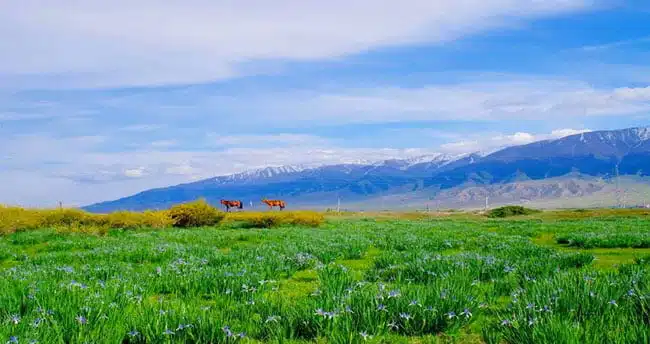
Although Hami is the eastern gate of Xinjiang and also a part of the Silk Road, it flies under the radar of ordinary travelers. Most travelers just rush to Urumqi or Turpan. And few Silk Road itineraries include Hami. But maybe they should. Do you know how important Hami was in history? Do you know its gorgeous scenery once attracted a famous nomadic tribe Yuezhi to settle down there? Let’s get to know this charming spot together. You may end up having one more spot on your bucket list.
Take a Walk Through the Fascinating History of Hami
Hami is an oasis wedged between the eastern Tianshan Mountains, the Dahaidao Route, and the Gashun Gobi. For thousands of years, it has been nourished by the snow water of the eastern Tianshan Mountains. It would have been engulfed by the Gashun Gobi without the eastern Tianshan Mountains.
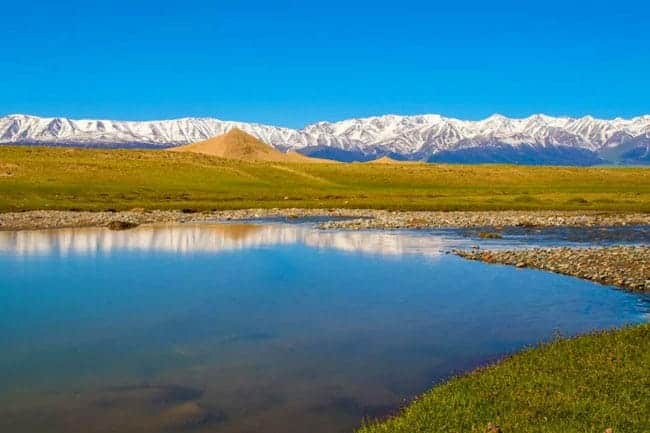
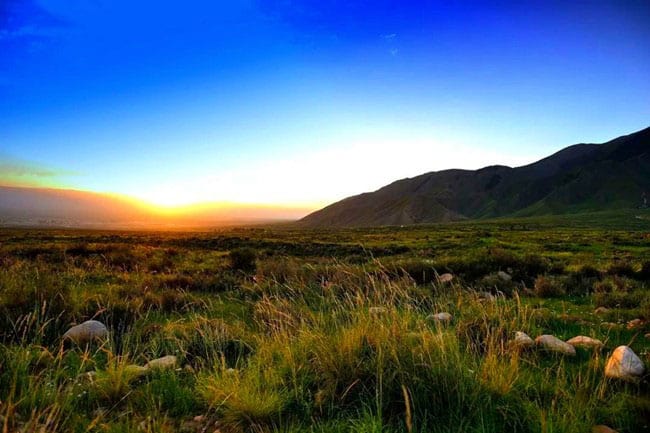
And the eastern Tianshan Mountains was the second hometown of the Yuezhi people who traveled from the far-off Eurasian Steppes to Xinjiang 4000 years ago. When they came to Barkol Grassland at the foot of the eastern Tianshan Mountains, they decided to stay there as this place had all they asked for, fertile pastures, stable water supply, and stunning landscape.
Then the Xiongnu people defeated the Yuezhi people around the Western Han Dynasty and occupied Hami oasis and Barkol Grassland. The Yuezhi people were forced to immigrate to the Yili River Valley. If you didn’t already know, the Silk Road began with the event that Emperor Wu of the Western Han Dynasty sent his envoy Zhang Qian to persuade the Yuezhi people to help fight against the Xiongnu people. However, the Han government didn’t know that the Yuezhi people had left the place at that time, and Zhang was captured by the Xiongnu people for 10 years. Although his original mission failed, he expanded the political influence of the Han government, learned more about the kingdoms scattered on the Silk Road, and promoted the economic and cultural exchanges.
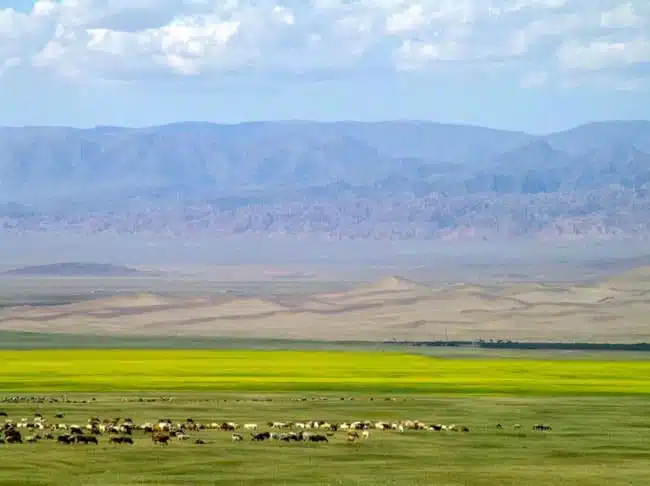
Eventually, the young general Huo Qubing drove the Xiongnu people to the northern Mongolian plateau, and Hami and Barkol Grassland came under the control of the Han government and officially joined the Silk Road, which made the Dahaidao Route and the later northern route of the Silk Road in Xinjiang possible.
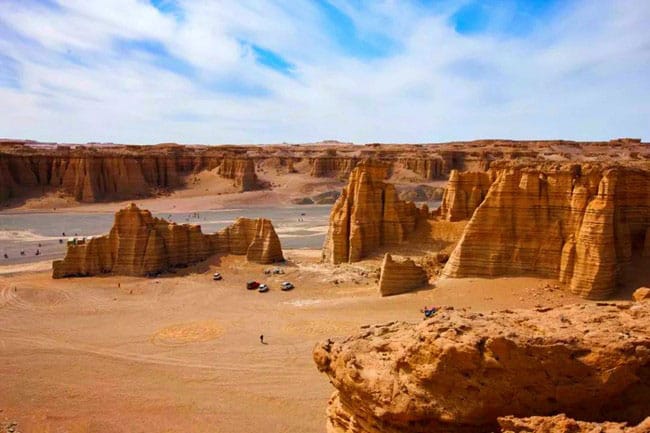
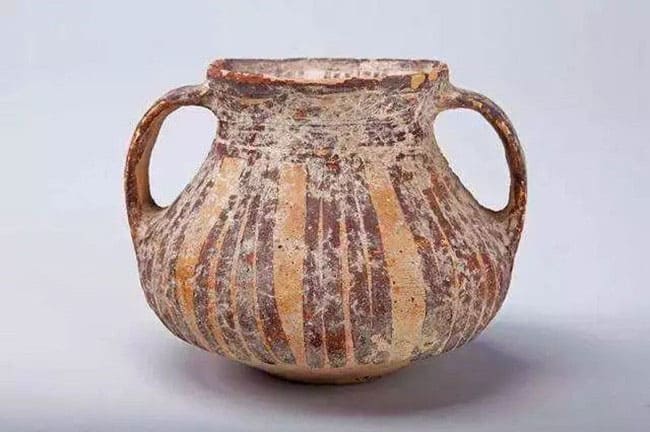
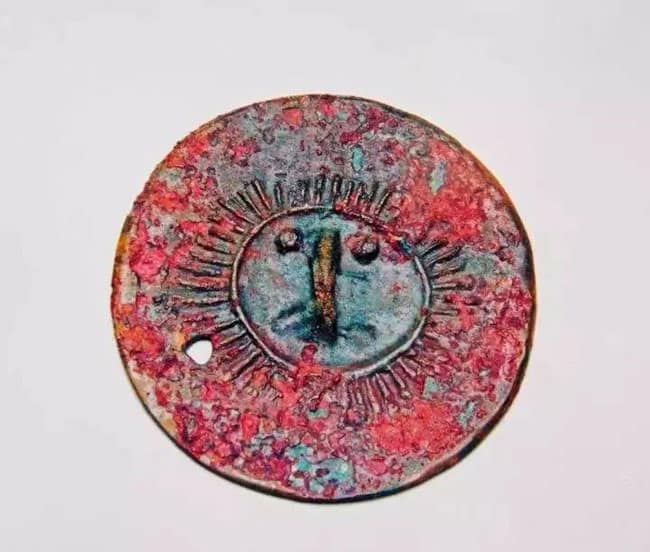
From the Painted Pottery Age and the Bronze Age to the Han Dynasty and the Tang Dynasty, several influential nomadic tribes chose Hami as their home base including Yuezhi, Xiongnu, Wusun, Tujue, and Huihu. In the late Tang Dynasty, Hami became the territory of the Gaochang Kingdom. Because the king of Gaochang Kingdom believed in Buddhism, Buddhist temples were built everywhere in Hami. People could hear the sound of bells floating from the temples in the morning and the sound of drums at dusk.
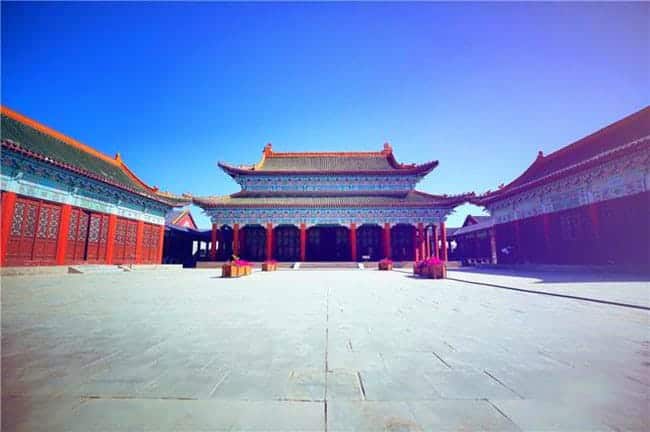
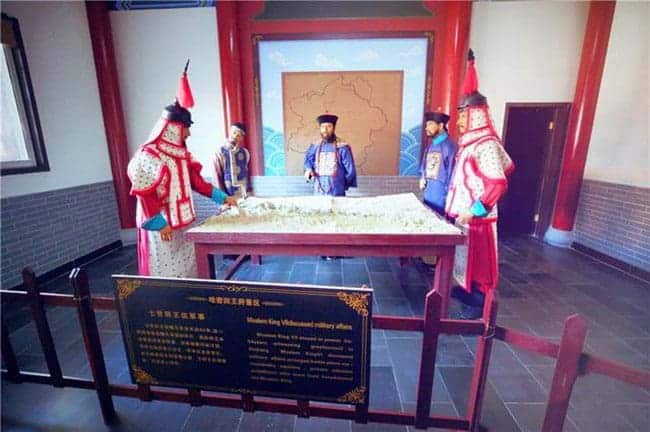
In the Qing Dynasty, the last feudal dynasty in Chinese history, Hami Uyghur King stepped onto the historical stage and ruled Hami for 233 years. If you see a unique garden complex at Huicheng Township, that is the Mansion of Hami Uyghur King. It is one of the largest and most distinctive palace buildings in Xinjiang combining the artistic style of Islamic architecture and traditional Chinese architecture.
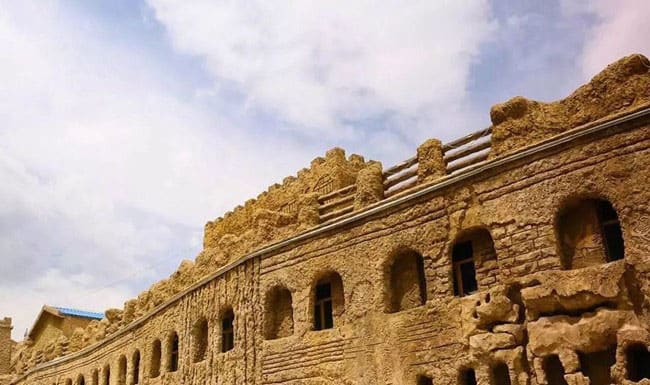
The first Hami Uyghur King, Erbeidula, helped Emperor Kangxi of the Qing Dynasty put down the rebellion of Geerdan, a mongol Khan in the northwest of China. He brought Han craftsmen from Beijing to design and build this splendid palace, which took 7 years to complete.
Experience Nomadic Way of Life on Barkol Grassland
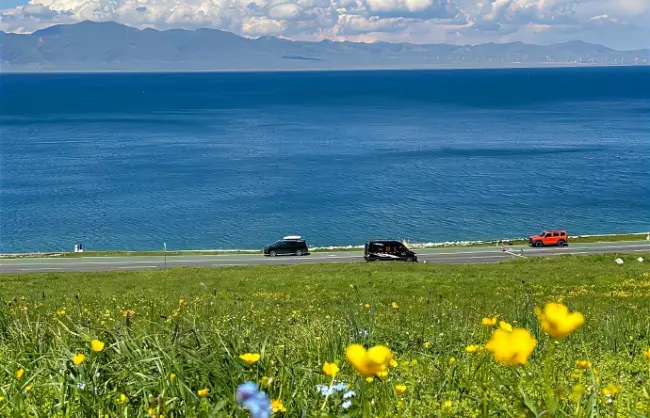
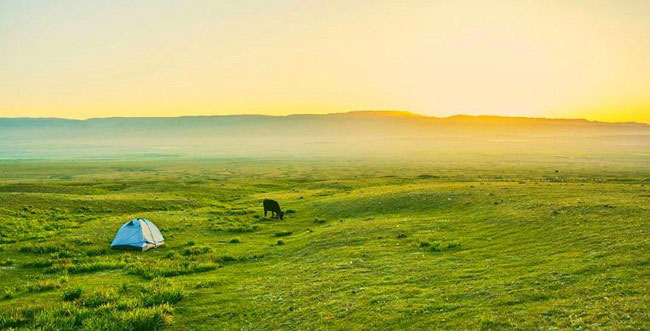
Barkol Grassland is 1,650 meters above sea level. There is a saying among local people, “the water on Barkol grassland is as high as the mountains”. That is true. There are many gurgling springs in the mountains. In summer, alpine meadows with plenty of water and lush grass are a perfect place for livestock to escape the heat.
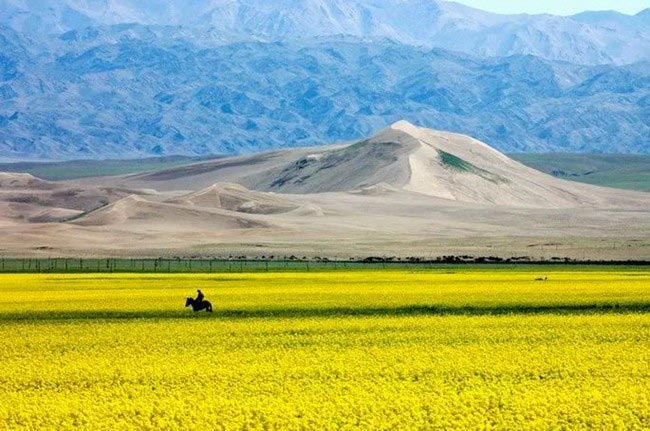
Every year, when soft green grass carpets the ground and beautiful wild flowers bloom everywhere, herdsmen come one after another. Sheep are like floating clouds. Smoke is curling upwards from yurts dotted on the grassland. The herdsmen here still retain the pure tradition of Kazakh. If you get invited to a Kazakh yurt, the hospitable host will surely pour a bowl of hot butter tea for you. You can have a glimpse of the life they have there, so simple and basic.
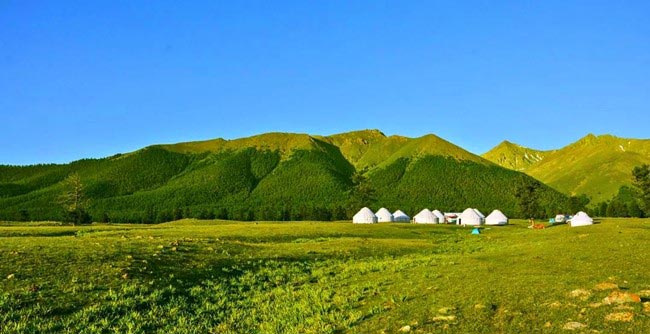
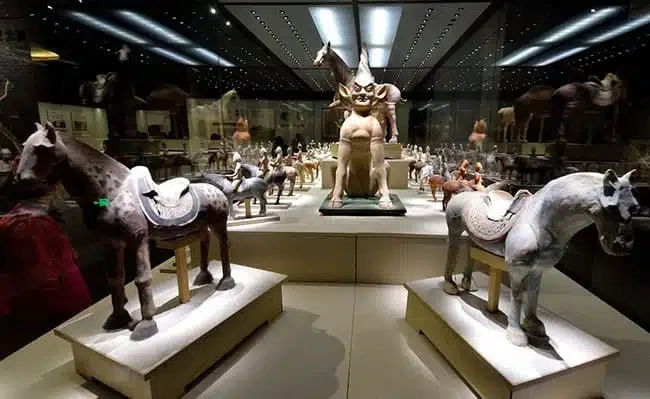
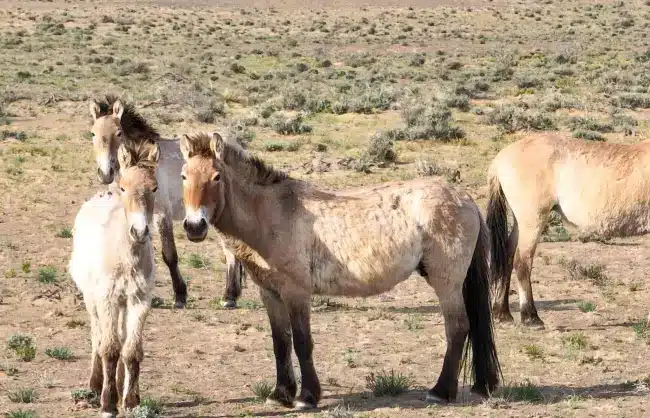
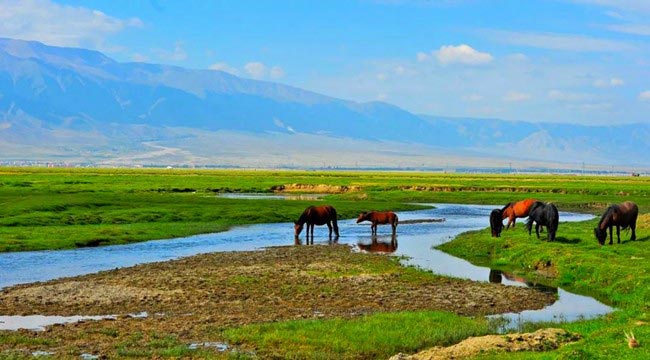
One more thing is that Barkol Grassland is famous for horse breeding. Hami area was once called “Yiwulu” in ancient times, which means “horse” in the Tocharian language. The Xiongnu people used horses from Barkol Grassland to compete with the Han government for the Western Regions (a Han Dynasty term for the area west of Yumenguan, including what is now Xinjiang and parts of Central Asia). If you like horse riding, you can go for a gallop.
Immerse Yourself in the Sweetness of Hami Melon
Xinjiang has the reputation of “Land of Fruits”. Turpan is well known for grapes, Korla has juicy and fragrant pears, and Hami abounds with sweet melons.
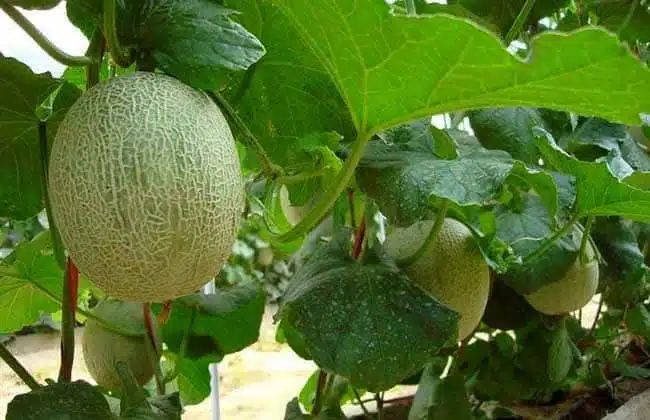
Hami has a long history of cultivating sweet melon, more than 2,000 years. The melon was named after Hami during the reign of Emperor Kangxi of the Qing Dynasty. It’s said that the emperor liked the sweet melon very much and asked its name, a eunuch only knew it was a gift from Hami Uyghur King and told the emperor that it was Hami melon. Since then, the sweet melon from Hami has been called Hami melon.

In the 1930s, Sven Hedin, a Swedish explorer, was commissioned by the Central Government in Nanjing to conduct a survey of the highway from Suiyuan to Xinjiang. Later, he wrote in his book The Flight of “Big Horse”: The Trail of War in Central Asia, “Hami oasis was famous for its fertile orchards and aromatic fruits as early as the days of Marco Polo”. So don’t miss this sweet melon.
Hami is truly a hidden gem. Wish more people could see the insanely beautiful scenery. It will be so relaxing to be there. If you ever plan to do a Silk Road tour, you probably shouldn’t let the chance for an amazing experience slip by. Come and leave your footprints in Hami. Even if you’ve been to many other great destinations, you will want to share Hami with the world.
If you are inspired by what you read here and would like to do a Silk Road tour, just leave us a message. We can help you plan your ultimate adventure to the Silk Road.