




🌤️ Dali Climate: Quick Travel Verdict
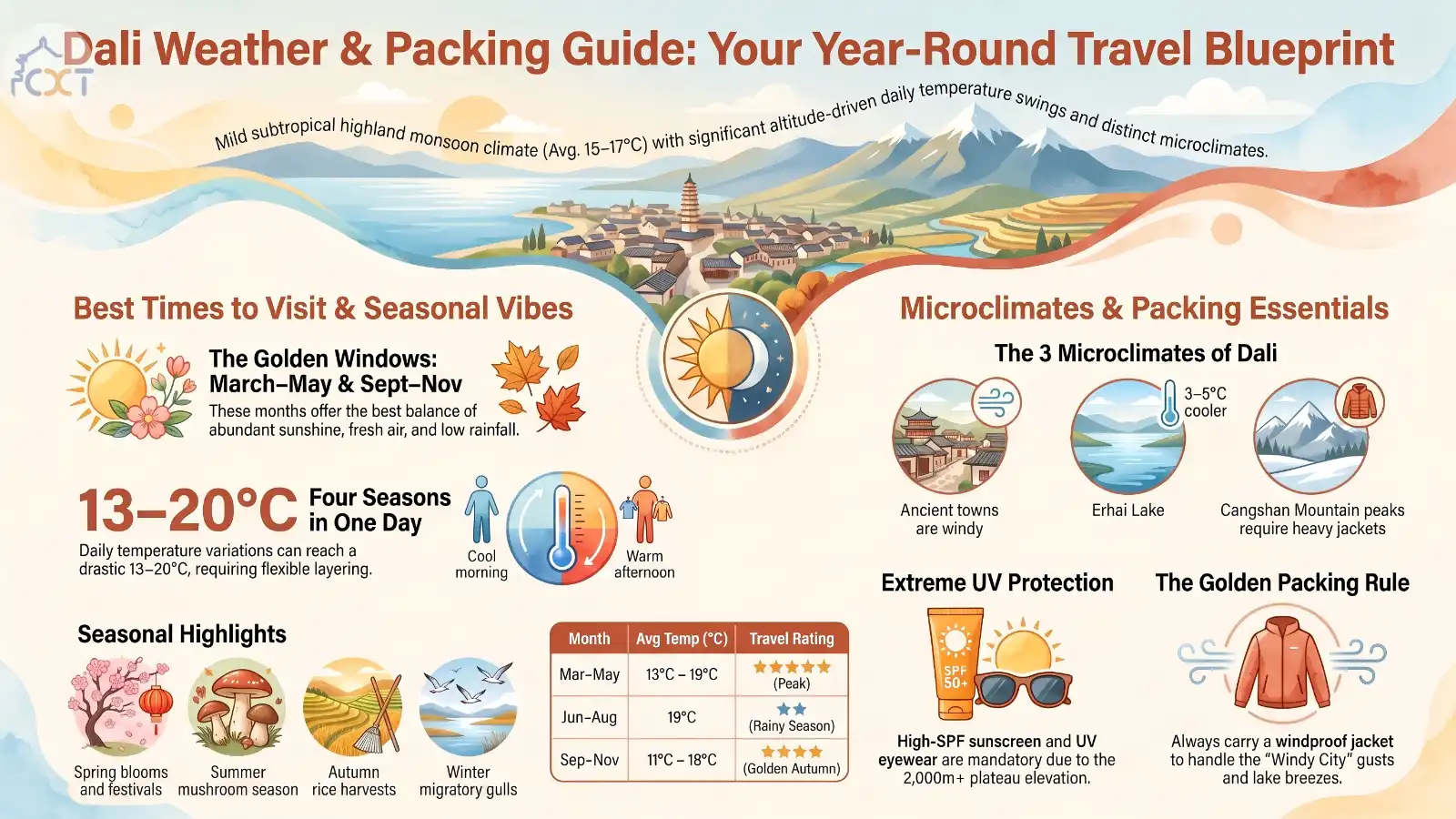
- 🌸 Best Overall Months: March to May (Spring blooms & Third Moon Fair) and September to November (Crisp, clear skies over Erhai Lake).
- 🧥 The #1 Golden Rule: Dali enjoys mild years, but the high altitude means “Four Seasons in One Day.” Daytime can be warm, but nights drop drastically. Always pack a windproof jacket.
- 🌧️ Rainy Season Reality: June to August brings frequent showers, but they are mostly short afternoon bursts. Travel is still highly enjoyable!
Dali features a subtropical highland monsoon climate, which means Dali weather is remarkably mild and pleasant all year round. The yearly average temperature shifts gently between 15°C and 17°C (59–63°F). While seasonal extremes like freezing winters or blistering summers are non-existent, Dali experiences very distinct dry and wet cycles alongside abundant sunshine year-round.
Considering local seasonal climates and general comfort, the absolute best window to plan your Dali travel is between March to May and September to November. Follow our detailed local guide below to break down month-by-month statistics and top travel choices.
📖 Content Preview
Dali Weather at a Glance
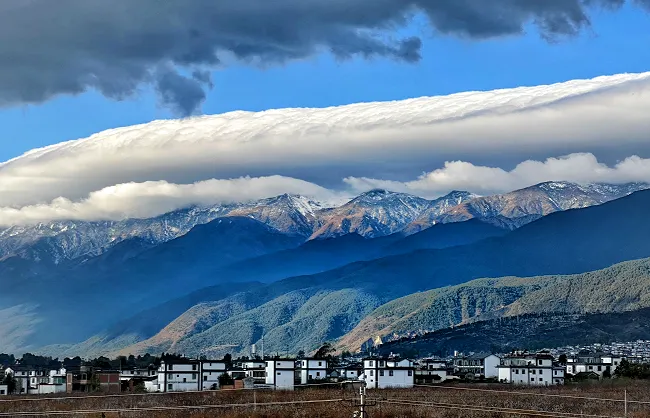
Large day-to-night temperature swing: The weather in Dali is changeable within a single day, with a daily temperature variation reaching up to 13–20°C. Furthermore, with Erhai Lake to the east and the Cangshan Mountains to the west creating a natural wind tunnel, Dali gets a great deal of wind year-round, earning it the local nickname the “Windy City”.
Recommended tour
Bike around Erhai Lake on scenic lakeside routes, visiting Jin Suo Island, Small Putuo Island, and Xizhou Town to experience Bai architecture, markets, and the Three-Course Tea ceremony.
Dali’s 3 Unique Microclimates
Due to its complex alpine topography and water systems, Dali’s climate changes based on where you stand. Keep these three zones in mind while packing:
🏘️ The Valley Basin (Ancient Town & Xizhou)
Stays highly balanced and comfortable, but acts as a wind highway. Expect brisk, sudden gusts clearing through the streets coming off the western mountains.
🌊 The Waterfront (Erhai Lake Line)
Feels roughly 3–5°C cooler than the inland areas due to damp, sweeping lake breezes. A light scarf or windbreaker is essential when cycling the S-bend or taking a cruise ferry.
🏔️ Alpine Peaks (Cangshan Mountain Ranges)
Temperatures fall rapidly by roughly 6°C for every 1,000 meters you ascend via cable car. Heavy jackets and windproofing are required up at the snow-capped observation decks.
Best Time to Visit Dali
Dali is ideal for exploring all year round, but the absolute best times for a comprehensive Dali tour are from March to May and September to November. During these months, the conditions are perfect for wandering through ancient ruins and handling outdoor sports due to abundant daily sun, fresh air, and low rainfall.
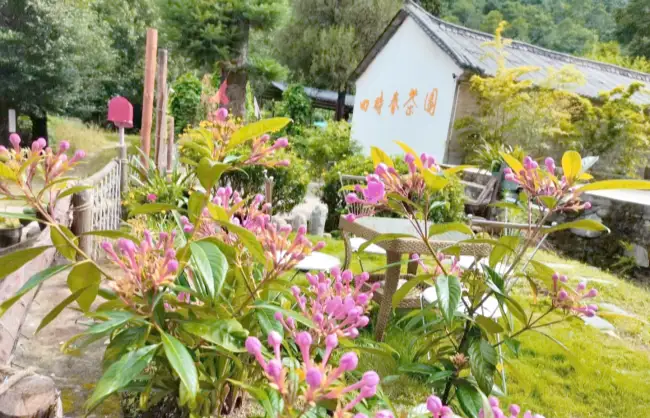
In spring (March–May), Dali erupts with varied botanical blooms bordering Erhai Lake and the Cangshan foothills. The entire destination turns vibrant and colorful. This period also hosts the grandest celebration of the indigenous Bai ethnic group—the San Yue Jie (Third Moon Fair)—falling in late April to early May.
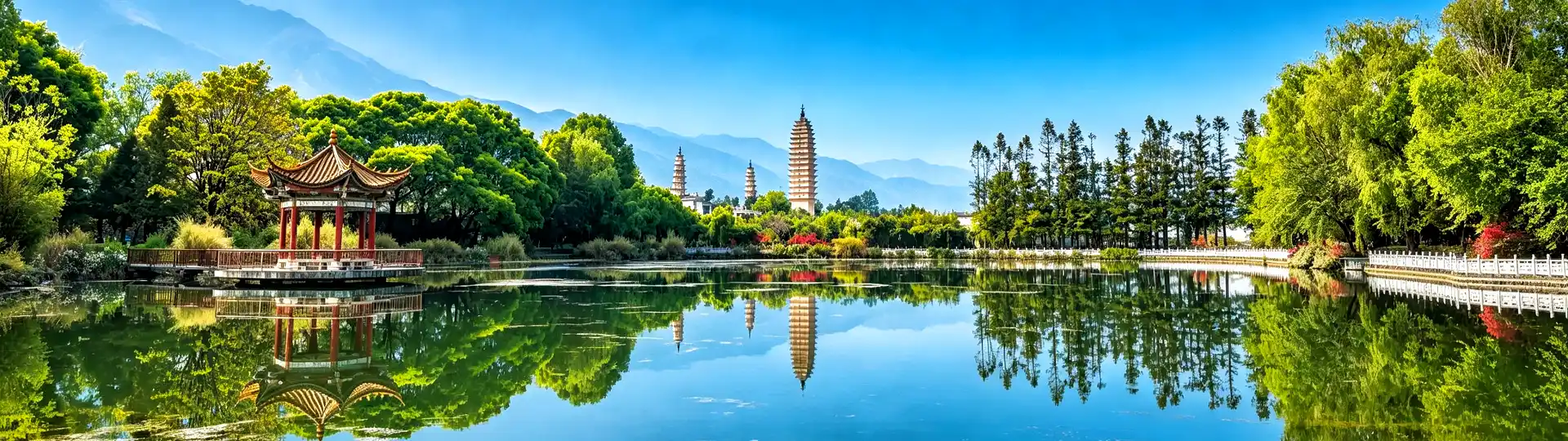
September to November marks the arrival of pristine alpine autumn foliage and golden, rolling rice harvests. Framed against sharp, dark blue skies, the old historic architectures offer breathtaking photography fields.
📸 Seasonal Photography Tip: Want to catch the golden rice fields of Xizhou Ancient Town or cruise Erhai Lake under bright blue skies? Autumn is our photographers’ favorite season.
Check out our signature, stress-free Dali & Yunnan Tour Packages to find a perfectly paced itinerary that aligns seamlessly with Dali’s local microclimates.

Dali Weather by Month
Month |
Recommended Rate |
Min Temp (°C) |
Max Temp (°C) |
Avg Temp (°C) |
Rainfall (mm) |
|---|---|---|---|---|---|
Jan. |
★★★★ |
3 |
13 |
8 |
29.3 |
Feb. |
★★★★ |
5 |
16 |
10.5 |
28.2 |
Mar. |
★★★★★ |
8 |
19 |
13.5 |
34.2 |
Apr. |
★★★★★ |
11 |
22 |
16.5 |
27.6 |
May. |
★★★★★ |
14 |
24 |
19 |
82.5 |
Jun. |
★★ |
16 |
23 |
19.5 |
131.3 |
Jul. |
★ |
16 |
22 |
19 |
199.7 |
Aug. |
★ |
16 |
22 |
19 |
220.4 |
Sep. |
★★★★ |
15 |
21 |
18 |
157.3 |
Oct. |
★★★★ |
12 |
19 |
15.5 |
91.8 |
Nov. |
★★★★ |
7 |
16 |
11.5 |
24.6 |
Dec. |
★★★★ |
4 |
13 |
8.5 |
11.1 |
* Table curated using climatic metrics collected across Dali throughout 2026.
Recommended tour

A 3-day Dali tour featuring cable car ascent of Cangshan Mountain, Erhai lakeside relaxation, ancient town exploration, and Bai minority traditional houses in Xizhou.
Different Seasons in Dali & Things to Do
🌸 Spring (March to May)
Characteristics of weather: Spring condition stays highly favorable with minimal volatility, bringing down the crispest atmospheric air quality and richest blue horizons. However, daytime-to-night variance remains wide (12–18°C difference). March and April are incredibly dry, while May signals the gradual approach of brief rain showers.
👕 Warm Afternoons
Light t-shirts, basic shirts, comfortable canvas sneakers, shades.
🧥 Chilly Nights & Winds
Thermal fleece layer, protective windbreaker, long denim or hiking pants.
Recommended activities:
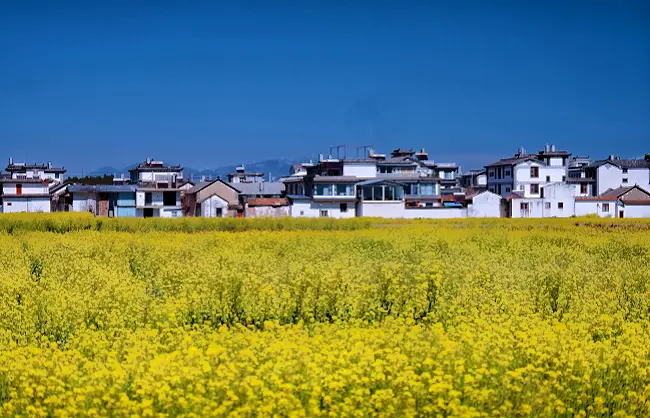
- Wander into the golden rapeseed and early wheat expanses framing Xizhou Ancient Town around late February and early March.
- Cycle or leisurely stroll the Erhai Lake Ecological Corridor paths to breathe in the refreshing atmosphere.
- Join the lively San Yue Jie Bazaar (held starting the 15th day of the 3rd Lunar Month) to witness festive horse races, dragon boats, and native ethnic dances.

- Observe clusters of emerging butterfly swarms gathering inside the Butterfly Spring park grounds around mid-April of the Lunar Calendar.
🌿 Summer (June to August)
Characteristics of weather: This functions as the core monsoon window. Expect sudden, quick afternoon showers rather than unending grey skies. Overall temperatures remain deeply refreshing compared to the rest of mainland China (daytime caps at 20–26°C; nights drop to 13–17°C).
👕 Daytime Apparel
Breathable shorts, dresses, linen garments, light sun-cover tops.
☔ Safety Essentials
Compact umbrella, lightweight raincoat, non-slip technical trail footwear.
🌧️ Beat the Summer Showers: Rainy Day Backup Plan
If afternoon rains sweep over Erhai Lake, protect your schedule by moving indoors with these highly interactive alternatives:
- Tie-Dye Masterclass in Zhoucheng: Hide from the rain in a historic courtyard and handcraft your own Bai indigo tapestries.
- Dali Municipal Museum: Spend an hour inspecting old scroll arts and relics of the ancient Dali Kingdom safely indoors.
- Café Hopping on Renmin Road: Dali is famous for artisan coffee culture. Find a cozy indie bookstore spot and watch the misty rain roll over the roofs.
Recommended activities:
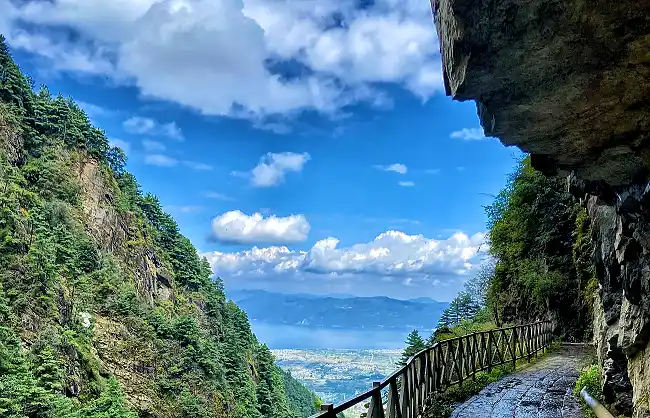
- Trek through shaded pine trails along the Jade Belt Path on Cangshan Mountain to enjoy a cool retreat.
- Participate in the dynamic bonfire dances marking the traditional Torch Festival (around the 24th or 25th day of the 6th Lunar Month).
- Safely try freshly harvested wild forest mushrooms prepared by certified master chefs at reputable local diners.
Recommended tour

Hike Cangshan Mountain's Jade Belt Road, cycle along Erhai Lake, learn Bai tie-dyeing, and make traditional Yunnan flower cakes in Dali.
🍁 Autumn (September to November)
Characteristics of weather: Things steadily dry up and cool down. While September keeps a scattering of remaining cloud showers, October and November face crisp, bright, rainless skies along with distinctive dry mountain gusts pushing from the north plateau.
👕 Autumn Attire
Long-sleeve knits, thin sweaters, classic trench coats, durable travel boots.
Recommended activities:
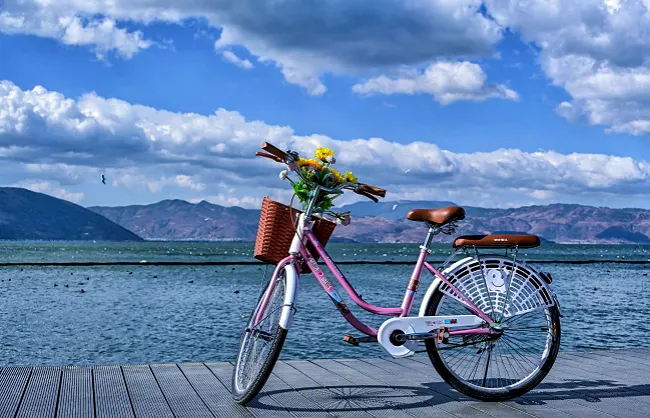
- Cycle the scenic paths framing Erhai Lake under highly balanced, crisp autumn temperatures.
- Take photos of the deep golden rice fields surrounding Xizhou before harvest season arrives.
- Capture fall colors and sunset backdrops casting over the lake waters at the famous Longkan Wharf.
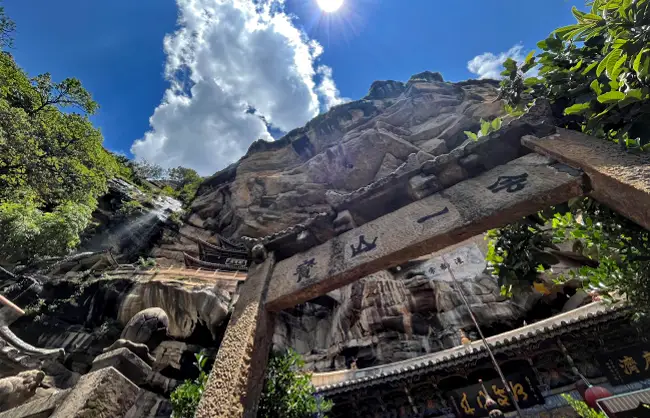
- Witness the crimson raw geological curves of the Danxia formations inside Shibao Mountain.
❄️ Winter (December to February)
Characteristics of weather: This functions as the absolute driest block of the calendar. Skies remain intensely sun-filled and clear through the afternoon, though early mornings and midnight hours drop very close to freezing. Strong wind currents are common along the lake walls.
🧥 Heavy Insulation
Thermal underwear, thick wool knits, windproof down jackets, insulated boots, gloves.
Recommended activities:
- Feed and observe thousands of migratory Siberian Red-billed Gulls wintering along the shores of Erhai Lake (Nov to Feb).
- Slow down your pace and enjoy hot tea inside the sunny courtyards of Dali Old Town.
- Photograph the striking view of the deep blue lake contrasted against the snow-frosted summits of Cangshan Mountain.
- Soak inside natural geothermal hot springs nearby to ward off the winter night chill.

Practical Travel Tips for a Dali Tour
- Sun Safety First: Due to high plateau elevation ($2,000text{m}$+), UV levels are extreme. High-SPF sunscreen, wide sunhats, and UV-filtering eyewear are absolute musts regardless of the season.
- Pack a Layer for Winds: Even if local apps show warm values, the wind chill factor near Erhai can drop your perceived comfort by 5°C. A quality windbreaker should live in your daypack.
- Altitude Preparedness: If taking cable cars up to the $3,900text{m}$ Ximatan terminal on Cangshan Mountain, move slowly to avoid altitude sickness and consult travel specialists regarding safety aids beforehand.
- Transit Ease: As Dali does not feature an underground metro network, calling digital taxis or arranging custom private chartered vehicles remains the smoothest transit option for overseas visitors.
- Corridor Biking Rules: Note that private e-scooters and motor vehicles are completely banned on the lakeside ecological paths. You must rent approved manual or assisted bicycles at official gates inside the zone.
Recommended tour
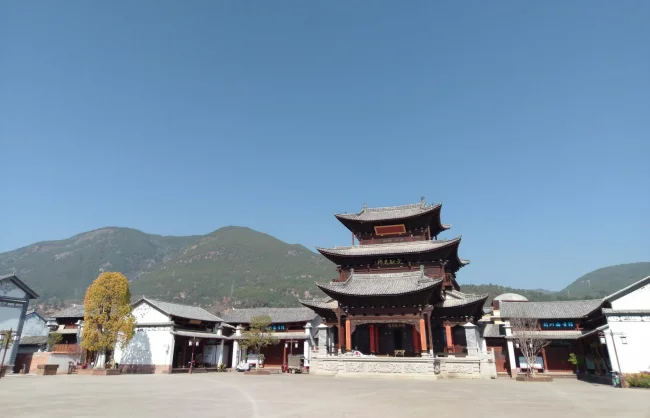
Follow the historic Tea Horse Road on this 4-day Dali tour visiting Shaxi and Nuodeng, two preserved ancient towns that once linked China with Tibet, India, and Southeast Asia.
Let China Xian Tour Craft Your Perfect Dali Trip
Dali’s spring-like weather makes it an amazing place to escape to all year round. Travel with China Xian Tour, and our experienced local guides will navigate you smoothly through the changing microclimates of the ancient towns, Cangshan Mountain, and Erhai Lake. Simply share your available timeline and favorite interests with our expert holiday coordinators, and we will formulate a seamless, perfectly paced private itinerary for you. Contact us today to start planning!
FAQs about Dali Weather
Can I see the snow on Cangshan Mountain when visiting Dali in winter? Do I need to wear a down jacket to keep warm in cold weather?
Yes, December and January are the prime months to see the snow‑capped peaks. If you plan to ride the high‑altitude Ximatan Cable Car up the mountain face, a winter down jacket and windproof gear are absolutely mandatory.
Is wind protection important even though the temperature forecast is not low at all?
Absolutely. Dali is known locally as the “Windy City”. The brisk wind passing over the lake makes the temperature feel significantly lower than what your phone’s app says. A light windbreaker is useful even during mid‑summer nights.
What is the elevation of Dali, and is there a risk of altitude sickness?
The valley basin sits comfortably around 2,000 meters above sea level, where the vast majority of international travelers feel zero discomfort. However, if you have sensitive health or are ascending the high mountain trails (3,900 m+), take it easy and avoid overexertion during your first 24 hours.