

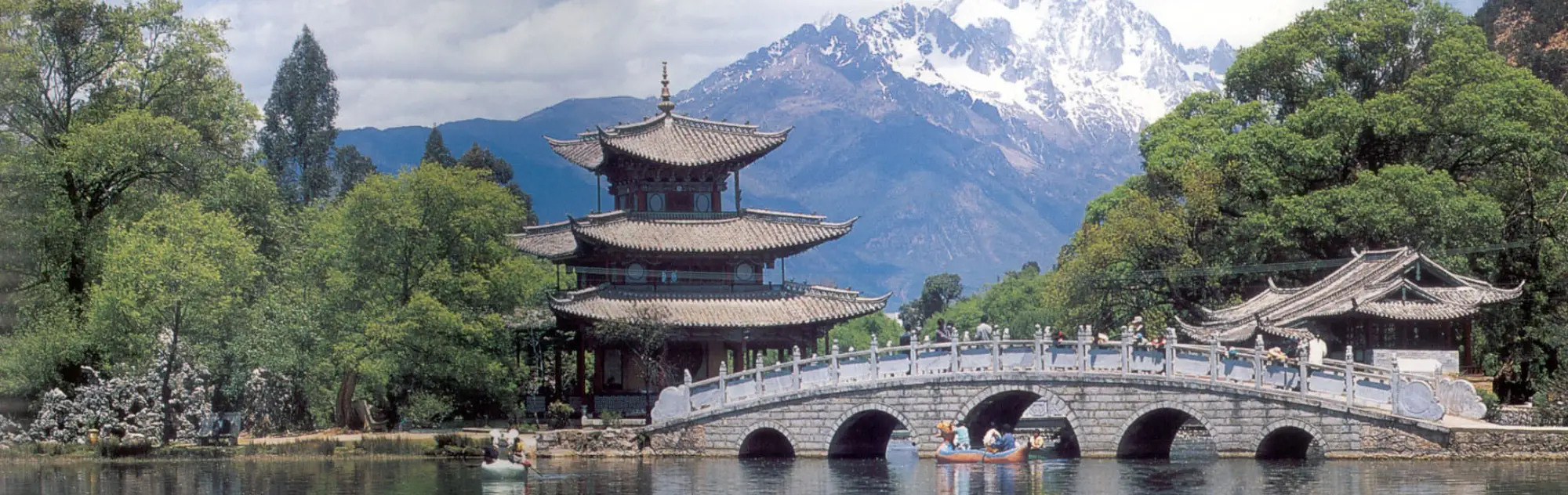
Yunnan is a province in southwestern China. It borders Vietnam, Laos, and Myanmar to the west and south. In recent years, it has become one of the most popular places for tourism among people from China and other Asian countries. This article will help you understand why that is by listing the top 6 reasons to visit Yunnan during your China tour, as well as what to do and see in Yunnan.
Yunnan has some of the most fabulous natural beauty in China, well-preserved ancient towns and villages, a rich ethnic minority culture, brilliant arts and crafts, tasty local foods, and nice weather all year round. The most popular destinations for traveling to Yunnan include Kunming, Lijiang, Dali, Shangri-La, and Xishuangbanna.
Content Preview
- 1. Fabulous Natural beauty
- 2. Ancient Towns and Villages
- 3. Rich Ethnic Minority Culture
- 4. Unique Yunnan Flavors
- 5. Arts and Crafts
- 6. Pleasant Climate
- 7. Thrilling Adventure and Outdoor Activities
- 8. Tea Culture – Birthplace of Tea Culture
- 9. Colorful Festivals – Indulge in Culture of Ethnic Minorities
- 10. Rich Wildlife and Biodiversity – Paradise for Eco-traveler
- FAQs about Yunnan Tours
- How China Xian Tour to Solve Your Yunann Travel Challenges: Language, Logistics, and Altitude
1. Fabulous Natural beauty
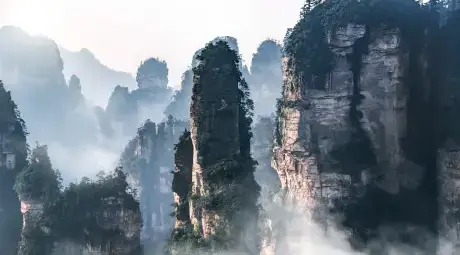
Yunnan is a paradise for hiking and photography tours because It is home to a variety of natural landforms such as deep gorges, towering karst formations, rainforest, rice terraces, beautiful lakes, and snow-capped mountains.
Mt. Cangshan and Erhai Lake
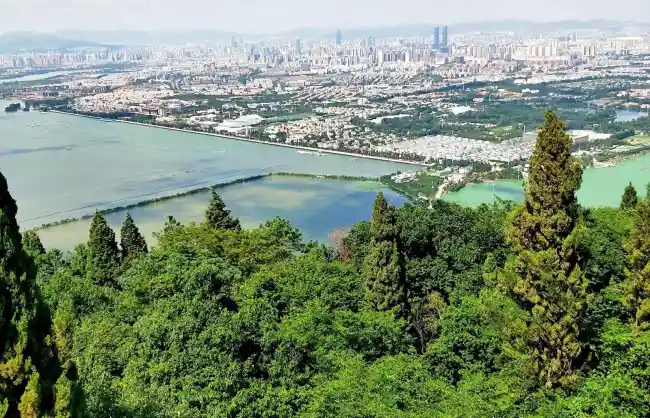
Mt. Cangshan and Erhai Lake are two most iconic places to visit in Dali, Yunnan. Cangshan Mountain is a magnificent mountain range with many peaks and streams. You can hike up there to see temples, waterfalls, wildflowers, forests, and many rare plants and animals.
Erhai Lake is the second largest lake in Yunnan with its shape resembling an ear (“er” in Chinese). Take a boat ride to see the islands and villages on the lake, or cycle around the lake at your own pace. Erhai Lake is also popular among birdwatchers visiting Yunnan, as it is a gathering place of black-headed gulls from Siberia, egrets, herons, cormorants, ducks, geese, and kingfishers.
Yuanyang Rice Terraces
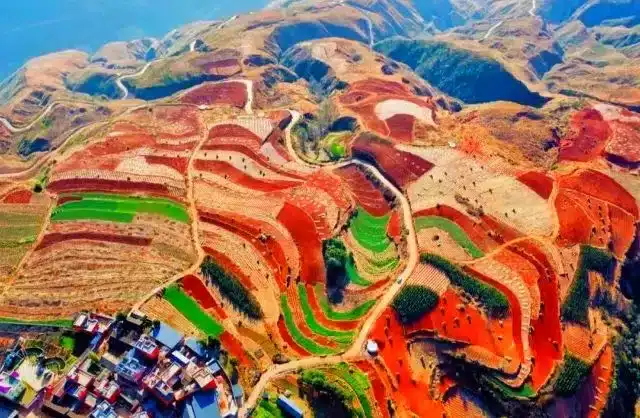
Yuanyang Rice Terraces is a part of the UNESCO-listed Honghe Hani Rice Terraces along the slopes of the Ailao Mountains. The area has been inhabited by Hani people for over 1,300 years. When the thousands of terraces are filled with water in winter and early spring, they look like mirrors reflecting the sunlight in different colors.
The Jade Dragon Snow Mountain
The Jade Dragon Snow Mountain in Lijiang is always covered in snow. It is a sacred mountain for the local Naxi people. Its 13 towering peaks look like a flying dragon from afar, hence its name. It is a popular destination for hikers visiting Yunnan to see stunning glaciers, meadows, and forests.
Tiger Leaping Gorge
Tiger Leaping Gorge is one of the most famous hiking routes and deepest gorges in China and even the world. The trail stretches about 14.3 miles (23 kilometers). You’ll see Jinsha River winding its way in the gorge, snow mountains, rice-terraced fields, and local Naxi ethnic villages.
Stone Forest
Stone Forest is about 75 kilometers away from Kunming City. It is famous for the extremely fine craftsmanship by the nature – the wonder of karst landform. The various shapes of stones have undergone geological evolution from 270 million years ago. Till now, they are still changing slowly. The core scenic spots are Greater and Lesser Stone Forests. Naigu Stone Forest is more primitive and desolate. In Long Lake, you can enjoy the serene scenery of the lake and mountains.
Lugu Lake
Lugu Lake is a big sapphire hidden in the intersection of Sichuan and Yunnan. Its water is crystal clear and even reaches the standard of drinking water. In different moments of the day, the lake changes from deep blue to emerald green with the changes of lights and sky. The best way to experience its charm is to take the unique pig-trough boat of Mosuo nationality and drift on the lake. And watching the poetic sunrise there has been listed as one of the top 10 unmissable scenery in China.
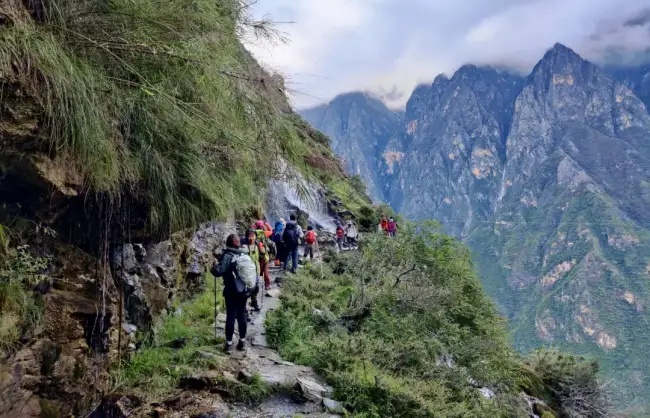
Tip for hikers and photographers:
Some of these Yunnan attractions can be difficult to navigate and some hiking trails are quite challenging. It is recommended that you book a Yunnan private tour or small group tour for safety and a better travel experience.
Recommended Tours:
- 3 Days Yunnan Tiger Leaping Gorge Hiking Tour
- 7 Days Shangri-La Hiking Tour: Abuji, Thousand Lakes Mountain
- 8 Days Yunnan Photography Tour to Luoping, Jianshui, Yuanyang
2. Ancient Towns and Villages
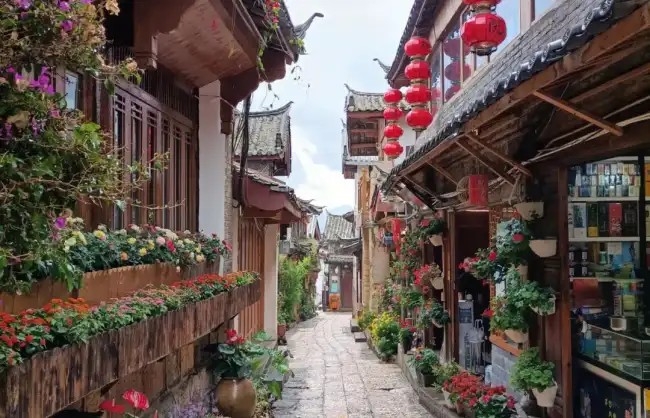
Due to Yunnan’s location among the mountains, it used to be a remote province in China with little public transportation and relatively slow economic growth. Luckily, that allowed the preservation of many ancient towns and villages in Yunnan with rich and unique local culture.
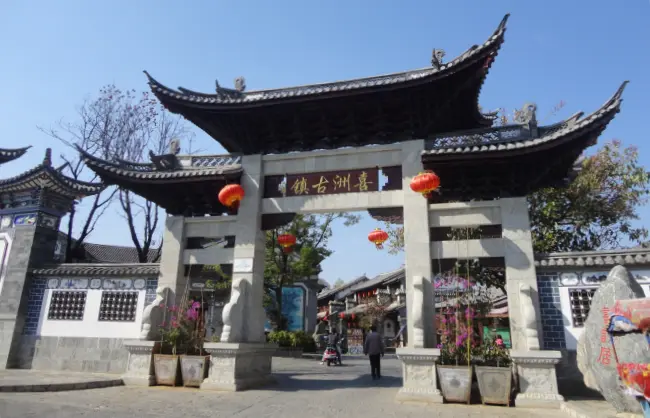
The Ancient Town of Lijiang is a UNESCO World Heritage Site dating back to the late Song Dynasty. The town is known for its distinctive architecture and the rich culture of many ethnic groups. It consists of Dayan Ancient Town, Baisha Ancient Town, and Shuhe Ancient Town.
Dali Ancient Town on the shores of Erhai Lake, embodies the culture of the Bai ethnic minority. The town was once the capital of the Nanzhao and Dali Kingdoms and can be dated back to over 1,300 years ago. You’ll see traditional Bai architecture with colorful paintings.
Recommended Tours:
- 5 Days Yunnan Tour of Lijiang and Shangri-La
- 7 Days Yunnan | Dali+Lijiang+Shangri-La Best Highlights Tour
3. Rich Ethnic Minority Culture
There are 25 different ethnic minorities in Yunnan, making another good reason to visit Yunnan. Most of them have their own languages and dialects, and some have their own written languages, such as the Naxi, Yi, and Zhuang people. You’ll notice their own culinary traditions at the weekly markets, where locals gather to sell and buy things or just to have a chat. Many of them have different even religions as well.
In different seasons, you might encounter different ceremonies and festival celebrations. The Yi minority celebrates the Torch Festival. The Bai has the March Fair. The Dai has the Water Splashing Festival. Take a Yunnan minority tour to learn about their cultures and lifestyles.
Apart from what’s been mentioned, the Naxi have their unique Dongba culture, recognized by UNESCO as a World Cultural Heritage. Many of them live in and around Lijiang. The Mosuo is known as the world’s last matriarchal society. They live around the Lugu Lake near Lijiang.
Recommended Tours:
- 6 days Yunnan In-depth Minority Tour in Kunming – Jianshui – Yuanyang – Kunming
- 8 Days Classic Yunnan Minority Tour of Kunming-Dali-Lijiang-Shangri-La
- 10 Days Ethnic Yunnan Tour to Kunming Chuxiong Dali Lijiang
Tips for Experiencing the Ethnic Minority Culture in Yunnan:
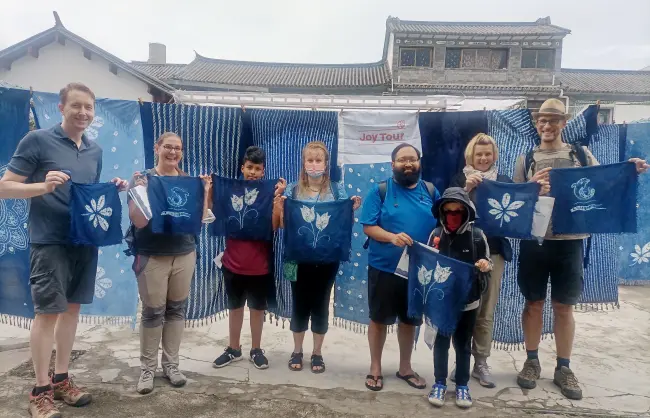
- Why not live as the local Bai/Naxi people do?Participate in their daily life, understand their customs, learn to do embroidery, make a piece of batik cloth, and enjoy tea.
- Please respect their customs and traditions.
- Visiting the Naxi people:It is prohibited to throw garbage, waste, spit, or feces, or cloth into the water source, the river. It is prohibited to damage, block the water source, or cut down trees near the water. One cannot speak dirty or offensive words in front of elders. In the house, one cannot sit on the threshold, cannot enter the room of a pregnant woman, and pregnant women cannot enter the new house. One cannot spit into the fire pit.
- In Yi culture, using words like “fat”, “heavy”, and “beautiful” to praise a baby is considered unlucky because it may cause the baby to fall ill or encounter misfortune. It is taboo to step on the pot dance stones. One cannot cross the fire pit of others. When entering a Yi family, one should sit on the guest seat above the fire pit and cannot sit in the wrong place. One cannot laugh, joke, or scold the “Bimo” (priest). Pregnant women cannot attend weddings. Eating horses, mules, dogs, cats, or monkey meat is prohibited.
- The Dai peopleavoid outsiders riding horses into the village.
- In a Jingpo village, the place where the cow skull is hung should not be touched.
- When seeing the people of Wa, one must step back when seeing the wooden pole in front of them.
- When entering the Tibetan room, one cannot step on the threshold, cannot spit in front of others, and must not harm livestock or birds in the Tibetan area at will.
4. Unique Yunnan Flavors
Yunnan cuisine is special for a number of reasons to visit Yunnan. First, because of its cultural diversity, Yunnan food combines styles of Han Chinese and Bai, Yi, Dai, Naxi, and Haxi ethnic groups.
Second, Yunnan’s location on the southwestern border of China allows a blending of flavors from other southeastern Asian countries, like Vietnam, Thailand, and Laos. Finally, due to Yunnan’s unique landforms, there are many natural delicacies and ingredients that can’t be found anywhere else.
In general, Yunnan food has a spicy and sour flavor. The sourness comes from lemons, quinces, and plums. Many dishes are prepared with fresh ingredients from the wild. Many flowers are used in cooking, such as taro, pumpkin, azalea, and banana blooms.
Some of the popular dishes to try during your Yunnan tour include steamed pot chicken, fried rice-flour cake, crossing-the-bridge rice noodles, Pu’er tea, and wild mushroom hot pot.
Recommended Tours:
10 Days Yunnan Food Tour with Minority Culture
8 Days Yunnan Dali Shaxi Lijiang Food Tour

Regional food specialties in Yunnan
Region |
Representative Dishes |
Description |
Flavor |
Dali |
Sour and Spicy Fish, Milk Fan, Xizhou Baba |
Mainly featuring fish from Erhai Lake, dairy products, and Bai ethnic snacks |
Sour and Spicy, Ethnic Charm |
Lijiang |
Naxi Grilled Fish, Lijiang Baba, Chickpea Cold Noodles, Smoked Pork Hotpot |
The cuisine is full of the local charm of the ancient town, offering both traditional Naxi snacks and hotpot dishes perfect for sharing. |
Ancient, Hearty and Warm |
Kunming |
Crossing-the-Bridge Rice Noodles, Mushroom Hotpot |
Kunming gathers the essence of Yunnan, offering popular dishes like the iconic Crossing-the-Bridge Rice Noodles and a great place to taste wild mushrooms. |
Inclusive and Diverse, Fresh and Rich |
Shangri-La |
Butter Tea, Tibetan Barley Flour, Yak Meat, Highland Barley Wine |
High-calorie foods designed to withstand the cold, offering a unique experience of Tibetan culinary culture. |
Highland Tibetan flavors |
Xishuangbanna |
Dai-style Grilled Wraps |
Tropical flavors, focusing on grilling and cold dishes, often flavored with lemongrass, lemon, and other herbs, resulting in a fresh and tangy taste. |
Tropical Freshness, Sour and Spicy |
5. Arts and Crafts
Another thing you mustn’t miss when you visit Yunnan is the arts and crafts made by local artisans of different minority groups. Dali has handmade wool mats, bamboo baskets, and cheese. In Lijiang, there are artists skilled in embroidery and copperware. And in Shangri-La is famous for its pottery. You’ll find markets where artisans sell their works and perform their magic in front of you.
6. Pleasant Climate
With no particularly cold winter or hot summer, Yunnan has comfortable weather all year round. Spring and autumn in Yunnan are usually peak tourist seasons. Winter is popular among hikers who wish to see glaciers and mountains covered in snow.
Spring from March to May is the best time to visit Yunnan mountains to catch wildflowers, such as the seas of yellow rape flowers in Luoping, and the cherry blossoms around Cangshan Mountain and Erhai Lake. It is also the time for the Water-Sprinkling Festival of the Dai people in Xishuangbanna, which usually takes place in April.
Autumn in Yunnan, from September to November, is the best season for outdoor activities. Visiting Yunnan in winter will also prove to be a wonderful experience with mountains and ancient villages covered in white along the hiking trails.
7. Thrilling Adventure and Outdoor Activities
As one of the provinces with most diverse geography in China, Yunnan province boasts snow mountains, gorges, rain forests, etc, making it a paradise for outdoor enthusiasts. And tourists can experience different activities in four seasons.
In spring and autumn, you can hike in Yubeng Village to explore primitive forests and in rain forests to trace wild animals. In summer, experience drifting in Hong River and Nanxi River to cross tropical canyon. Known as “No. 1 Drift in Yunnan”, Phoenix Valley features a 6.9-kilometer-long original ecological pebble river with both rapids and deep pools. You can’t miss it. And in winter, climb Haba Snow Mountain to appreciate the snow scenery closely.
Besides, there is also high-altitude gliding, bungee jumping, ziptreck, rock climbing, golfing, and cycling around Erhai Lake for you to choose.
Recommended Tours:
Dali Cycling Day Tour to Xizhou, Zhoucheng, Erhai Lake
12 Days Yunnan Golf Tour: Kunming to Shangri-La
8. Tea Culture – Birthplace of Tea Culture
Yunnan province is the core origin area of tea trees, with 97% ancient tea trees are discovered here. Its abundant resources of tea culture and unique travel experience of integration with tea attract both tourists at home and abroad. Jingmai Mountain is the world’s first cultural heritage in the theme of tea where Blang nationality has planted the tea trees under forests for 1,300 years.
Various cities have launched tea and tourism integration projects, including tea garden picking, tea making experiences, tea mountain study tours, tea-themed homestay and tea-themed cuisines. There are also integrated innovations between tea and other industries, such as the combination of tea and hot spring in Tengchong Tea Expo Garden and integration of tea and ethnic costume shows and creative markets in Mengsa Town.
Recommended Tour: 10 Days Yunnan Tour with Tengchong, Shangri-La & More
9. Colorful Festivals – Indulge in Culture of Ethnic Minorities
Yunnan is the province with the largest number ethnic minorities in China, where 26 ethnic groups live. Since each ethnic group has its own traditional festivals, the time for celebration span almost throughout the year, making it hailed as the Festival Museum. “Every day is a festival” has been a popular proverb in Yunnan province.
The most famous one should be the Water-Sprinkling Festival celebrated by Dai Nationality in Xishuangbanna Dai Autonomous Prefecture. During the festival, people will splash water to others to express blessings. Another unmissable festival is Torch Festival of Yi Nationality in Chuxiong City when people sing and dance together around campfire. Tourist can take part in the grand festivals in Yunnan to enjoy a joyous time.
Related reading: Muslim in Yunnan
10. Rich Wildlife and Biodiversity – Paradise for Eco-traveler
For eco-traveler, Yunnan province is the best place to visit, which is renowned as “Animal Kingdom”, “Plant Kingdom” and “World Garden”. You can find over 50% of China’s animal and plant species here. Besides, there are also some unique rare species, like Asian elephants, Yunnan snub-nosed monkeys, green peacocks and black-necked cranes.
Here are some ecotourism destinations recommended for you: Wild Elephant Valley in Xishuangbanna, Hornbill Valley in Dehong and Dashanbao Scenic Area in Zhaotong, where you can observe the wild animals under professional guide.
Related reading: Yunnan Itineraries – How to Plan 5-14 Days Yunnan Tours
Recommended Tour: 11 Days Yunnan Nature and Wildlife Tour
FAQs about Yunnan Tours
Which month to avoid Yunnan?
The rainy season from June to August should be avoided first. The frequent and concentrated rain results in slippery roads and even collapse or mudslide in the mountain area easily, so your tour may have to be delayed. In winter, it is not advised to visit the scenic areas at high altitude, like Shangri-La. But Xishuangbanna is highly recommended.
How many days is enough in Yunnan?
The classic northwest loop line of Kunming – Lijiang – Dali – Shangri-La usually takes about 10 – 12 days. If you want to experience all the main charm of the whole province in one tour, include Xishuangbanna. Then another 2 – 3 days will be required.
What is Yunnan most famous for among international travelers?
First, it is the stunning scenery. The province itself is a natural landscape corridor, covering both the glaciers in Yulong Snow Mountain and the tropical rainforest. Another highlight need to mention is its colorful national cultures. Believe or not, there are people from 51 nationalities living here, including 15 ethnic groups that are unique to Yunnan. Besides, a trip in Yunnan is also a feast for the taste. The wild mushroom hot pot and crossing-the-bridge rice noodles are famous all over China.
Which UNESCO World Heritage Sites are located in Yunnan?
There are 6 World Heritage Sites in Yunnan. Lijiang Ancient City and Stone Forest are the two most famous. The other four are the Three Parallel Rivers of Yunnan Protected Areas, Chengjiang Fossil Site, Honghe Hani Rice Terraces and Jingmai Mountain Ancient Tea Forest.
Is it possible to experience Tibetan culture in Yunnan?
Of course. The Dêqên Tibetan Autonomous Prefecture is the best place in Yunnan to experience the authentic Tibetan culture. Its capital is the famous Shangri-La. The old town of Dukezong and Ganden Sumtseling Monastery are both Tibetan buildings.
How China Xian Tour to Solve Your Yunann Travel Challenges: Language, Logistics, and Altitude
Yunnan province is famous for abundant tourism resources and undoubtedly worthy visiting. But the distance between each main destination is very long, especially the trip to Shangri-La. And the dialects of each ethnic group is different, which add more difficulties to your tour. So it is strongly recommended to travel with a reliable travel agency. And China Xian Tour is the answer.
We can arrange a local guide and a local driver for you, who will offer help in time when you have problems. And the guide will mention the important matters you should pay attention to in each scenic spot. The most important thing is that we can tailor a tour route according to your needs. So contact with us right now to plan your Yunnan travel.