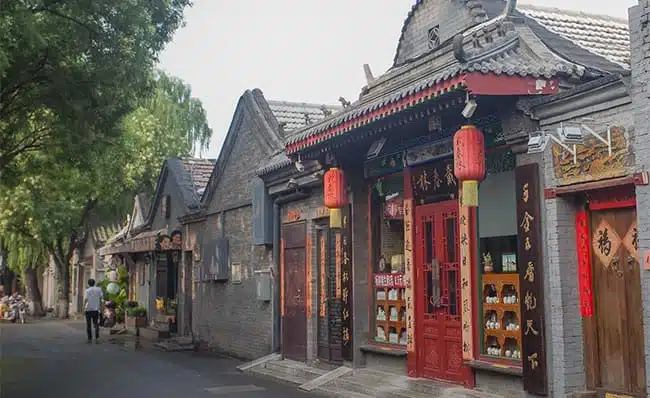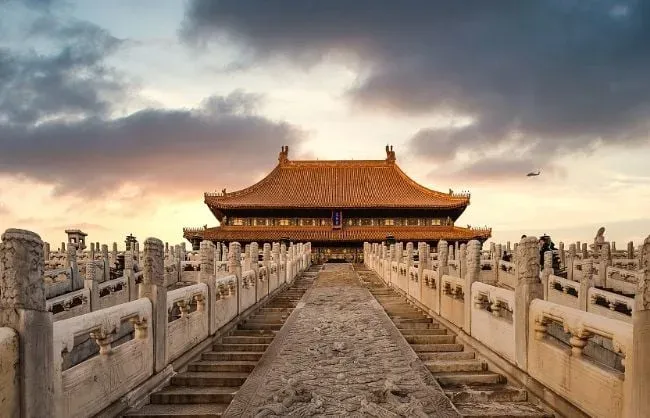
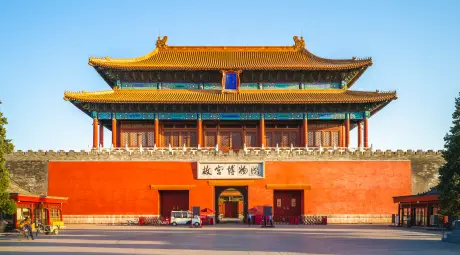

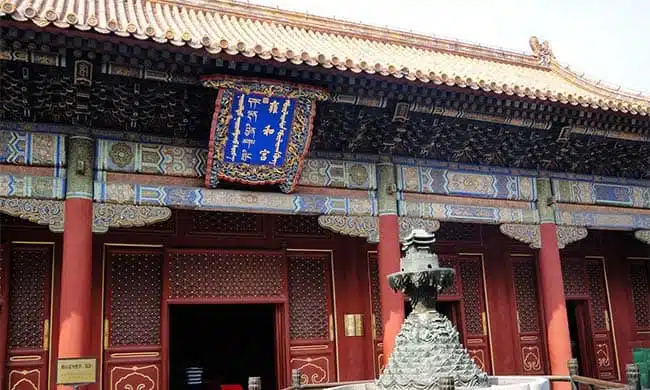
Beijing is the best place for travelers to explore memories of China’s past imperial days. Except for attractions like the Forbidden City, the charm still lingering in many other iconic sites, for example, The Lama Temple, which is also known as Yonghe Palace. It was built in 1694 (Qing dynasty) and here, the famous Emperor Yongzheng had spent his early prince years . Later in 1744, it was transformed into a lamasery and thus became the national center of Lama administration at that time. Today it stands as perhaps the largest and best-preserved Tibetan Buddhist lamasery in China proper, and people call it a unique one because it’s an imperial palace architecture which was also used for Buddhist religious function.
The Lama Temple offers a rich experience for everyone no matter you’re interested in history or culture or even the art of imperial architecture. Consider adding it in your Beijing tour itinerary, it will work well with other major sights of the city and show you a grander picture of Beijing in the past days.
Content Preview
- Essential Information for Visitors
- Why Visit Lama Temple
- Architecture and Main Halls of Lama Temple Beijing
- Must-See Treasures and Cultural Relics at Yonghegong Lama Temple
- Tips for Your Visit: Making the Most of Your Trip
- FAQs about Lama Temple
- Travel with China Xian Tour to Discover the Essence of Beijing
Essential Information for Visitors
- Location: 12 (or 28) Yonghegong Street, Dongcheng District, Beijing.
- Opening hours & ticket price:
April 1 to October 31: 09:00–17:00 (enter before ~16:30)
November 1 to March 31: 09:00–16:30 (enter before ~16:00)
Ticket price: CNY 25.
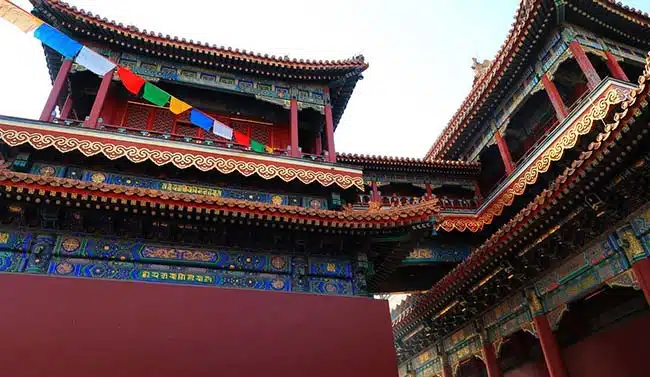
- Highlights: Five main halls aligned along the central axis; stunning blend of Han, Manchu, Mongolian and Tibetan architectural features; magnificent Buddhist statues including a giant sandalwood Buddha.
- Best time to go: Open all year round.Spring (March–May) and autumn (September–November) are the best with mild weather and fewer crowds.
- Recommended visit duration: 1.5–2 hours to truly appreciate the site.
Why Visit Lama Temple
- The Lama Temple is the largest and best-preserved lama temple of Tibetan Buddhism with influential status in Beijing.
- The Lama Temple is the cradle of two great emperors of Qing dynasty—Emperor Yongzheng who once lived there and Emperor Qianlong who was born there.
- It a visually and spiritually rich destination in terms of how it was designed, built and decorate. While visitors can seetreasures from carved Buddha statues to ornate halls and courtyards, you’ll get to experience the charming blend of imperial and monastic functions.
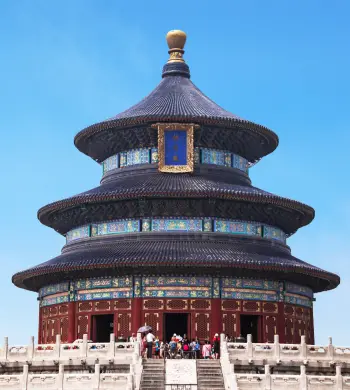
- Visiting this site can provide a more comprehensive picture of Beijing’s imperial grandeur. Pair it with otherimperial venues like the Forbidden City or the Temple of Heaven and they will offer a religious-cultural dimension to your visit.
Architecture and Main Halls of Lama Temple Beijing
Yonghe Gate (Hall of the Heavenly Kings) (Hall of the Heavenly Kings)
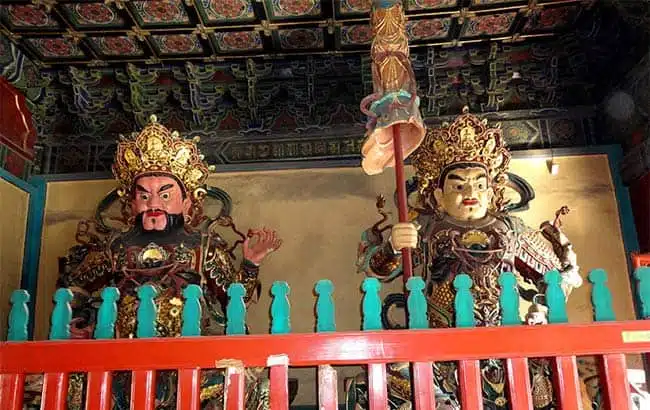
This is the southern-most main hall on the axis. And before entering, you’ll first see a pair of bronze lions guarding the entrance. And inside, there’s a smiling Maitreya Buddha (the future Buddha). And even more amazingly, it is flanked by the Four Heavenly Kings which are believed as protectors of the four directions.
Hall of Harmony and Peace (Yonghegong) – The Three Buddhas
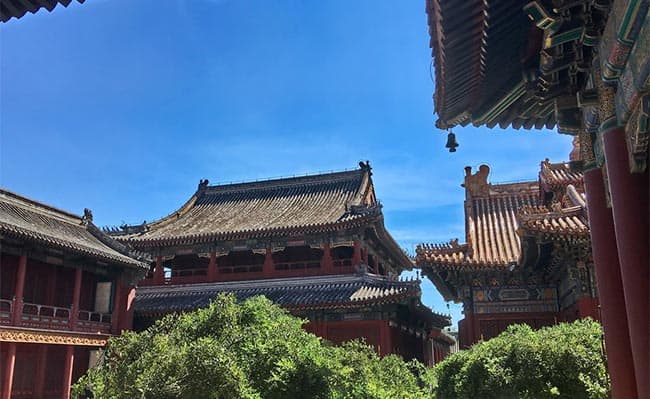
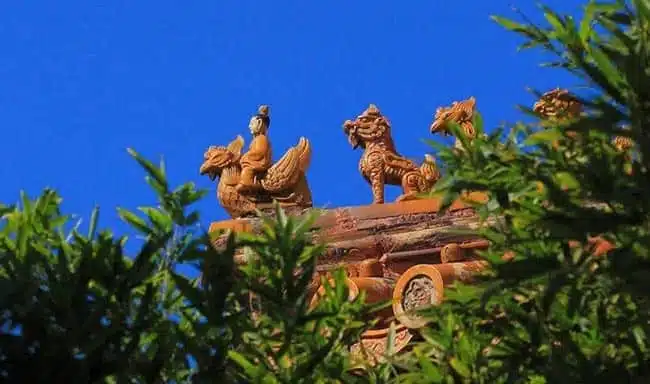
Also known simply as “Yonghegong”, this hall served as a significant space both for the imperial residence and later the monastery. Inside you’ll find three bronze Buddha statues which respectively represent the past (Dipamkara), present (Shakyamuni) and future (Maitreya). Visitors can still feel the imperial grandeur in the hall especially when you see the yellow roof tiles (a symbolic imperial colour) and the elevated status within the complex.
Hall of Everlasting Protection (Yongyoudian)
This hall was once the study and bedroom of Prince Yong (later Emperor Yongzheng) and later it had become part of the lamasery complex. It is slightly less known than some of the other halls, but still an integral part of the visitor route.
Hall of the Wheel of the Law (Falundian) – Scriptures and Art
This hall emphasizes the scholarly and doctrinal side of the monastery. It houses numerous scriptures, exhibits of Buddhist art and relics, and is an area where focus the most of the spiritual learning dimension. This place most directly tells people that it is not only a palace and temple but also a monastic centre.
Pavilion of Ten Thousand Happinesses (Wanfuge) – The Giant Sandalwood Buddha
One of the most outstanding treasures: a giant sandalwood Maitreya Buddha carved from a single tree, standing at approximately 18–26 meters. It is known as the largest of its kind globally. The hall is roughly at the north end of the main axis and marks a culminating point of the visitor’s journey through the temple.
Must-See Treasures and Cultural Relics at Yonghegong Lama Temple
18-Meter Sandalwood Maitreya Buddha – The World’s Largest Carving
This monumental sculpture lies inside the Pavilion of Ten Thousand Happinesses. According to many sources, the statue is approximately 26 m tall (including tree root portion) and stands in an impressive three-storey hall.
FiveHundred Arhat Mountain
This is another significant work inside the temple complex. There are many lifelike carvings or statues of enlightened disciples of the Buddha here, and amazingly, each presents unique expression and posture. This “Mountain” highlights the artistic depth as well as the religious dimension of the site.
Ancient Copper Vessel & Imperial Steles
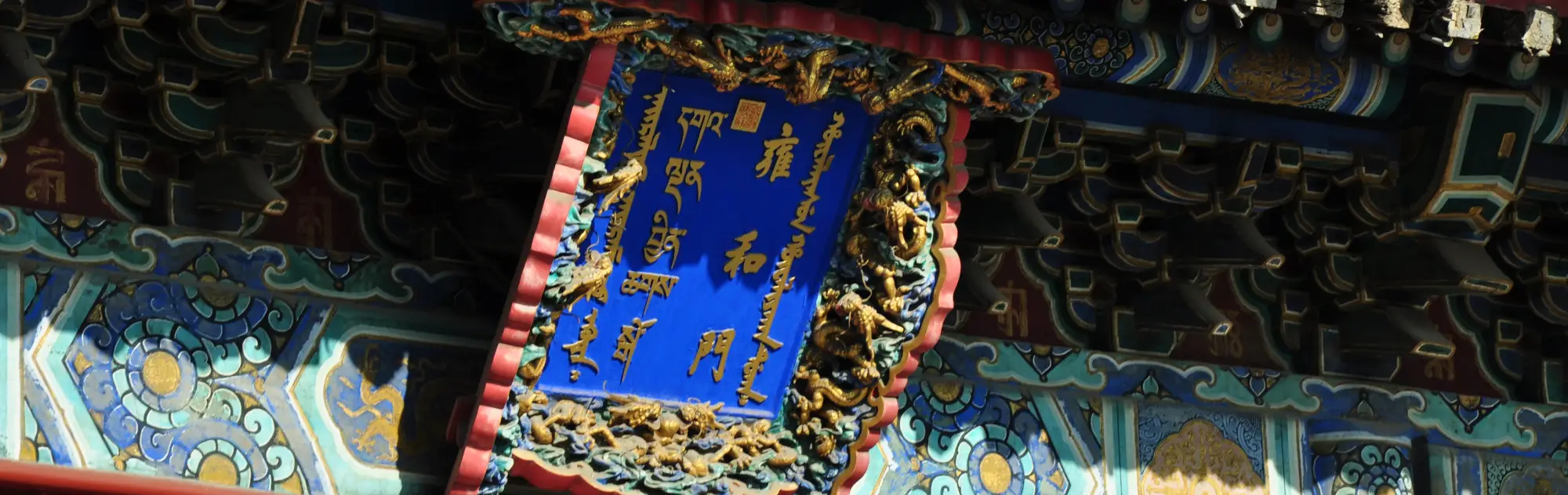
Here you can also see numerous relics of imperial and religious significance. There are steles inscribed in multiple languages (Manchu, Mongolian, Tibetan, Han), and this reflects the its national-level role in Qing dynasty religious administration.
Tips for Your Visit: Making the Most of Your Trip
Best Time to Go
As it is a must-visit spot to many people, expect a large crowd appearing during the day. Thus, for a relatively peaceful experience, arrive early in the morning (just after opening) would help you the most.
How to Get to the Temple
- Subway: Metro Line 2 or Line 5 to Yonghegong Lama Temple Station. UseExit C and head to the east entrance of the temple.
- Bus: Use bus lines (e.g., 2, 18, 44, 62, 606, 800, 858, 909) with stops at or near Yonghe Qiao East. Bus 116/117 to Yonghe Palace Stationare also ideal choices.
- Taxi/ride-share: Easy to reach, but you need to be prepared that Beijing has one of the heaviest traffic in the world,especially during rush hour So that plan your itinerary accordingly.
Recommended Route
- Enter from the southhere you can start a route that first pass through the main gate (Hall of Heavenly Kings).
- Proceed north along the central axis through the main halls (Hall of Harmony and Peace, Hall of Everlasting Protection,Hall of the Wheel of the Law).
- Finish at the Pavilion of Ten Thousand Happinesses.
- If time allows, don’t miss the side halls and the Arhat Mountain and other relics.
- Give yourself more time so that you can wander more freely.Many visitors would also go to light incense, do it if you wish. Immerse yourself in the atmosphere of worship and history.
Temple Etiquette
- Dress modestly: your clothes should better over your shoulders and knees.
- Keep voices low and respectfulsince many sections are still active places of worship.
- Photography is allowed in most areas but observe any “no-photo” signsbefore pressing the shutter.
- If you want to light incense sticks, follow local custom: light, bow, and place them in the incense burner(avoid obstructing pathways). Try to learn it from people next to you.
- Do not touch or climb on any statues, relics or ropes.
Nearby Attractions
- Just a short walk away: the Confucius Temple (Beijing) (孔庙) and Guozijian (Imperial College).
- You may wish to incorporate the Lama Temple as part of a broader “Beijing tour” of historic religious and imperial sites, making a half-day or full-day loop with the nearby hutongs and other cultural districts.
FAQs about Lama Temple
Is the Lama Temple worth visiting?
Absolutely. In fact, it is believed that anyone who wants to go deeper into Beijing’s history, religion or architecture should take a look of this site. It offers a unique combination of imperial palace and Buddhist monastery that you won’t find elsewhere easily.
What is the architectural style of the Yonghegong Temple?
Well, this complex features not only one style. You can see traces of primarily Chinese palace architecture (Han style), but also with strong influences from Manchu, Mongolian and Tibetan styles. So that visiting here would be quite fulfilling for those who are interested in studying architectural styles.
How did a former imperial residence become a Tibetan Buddhist monastery?
Originally it was built as a princely residence in 1694. However, after Prince Yong’s (later Emperor Yongzheng) ascension, the site was converted gradually. And finally by 1744, the palace was formally turned into a lamasery for the Gelug school of Tibetan Buddhism under imperial Patronage.
How much time should I allocate for a visit to the Yonghe Palace?
1.5 hours for a focused visit, 2–2.5 hours for full exploration.
Is it better to visit the Yonghe Temple in the morning or the afternoon?
Morning is generally better. The site is actually quite popular and early morning would see fewer crowds, cooler temperatures (especially in summer) and thus you’ll also get better chances for photography.
Are there any specific days or holidays when the temple is particularly crowded?
Yes. Major Chinese holidays (e.g., Chinese New Year, Labour Day, National Day) and Buddhist-festival days would attract extra crowds and making it even more congested. Weekends also tend to be busier than normal. So that visiting on a weekday morning is always the best choice.
Travel with China Xian Tour to Discover the Essence of Beijing
The essence of Beijing is profound and wide. To better explore this city’s enormous cultural and historical heritage, consider including the Lama Temple as a key stop in your itinerary as well as other incredible sites. At China Xian Tour we design customized Beijing tours that allows you to visit every destination that you may be expecting while also providing you with a comprehensive understanding of the stories lying behind. With our local guides taking care of all the details for you, you’ll get countless rewarding and unforgettable moments along the way.