


Dunhuang Attractions: Top Places to Visit
Dunhuang is famous for its exquisite grottoes and murals. This shining jewel on the Silk Road has been a cultural treasure for thousands of years. Dunhuang attractions are spread over two touring routes, the East and West. The main attractions on the eastern route are the Mogao Grottoes and the Mingsha Mountain & Crescent Lake, both of which are close to downtown Dunhuang. The western route is about 300km long and is characterized by a sense of desolation and sadness. The main attractions include the Western Thousand Buddha Caves, the Yumen Pass, the ruins of the Great Wall of China, the Yardang National Geopark and the Yangguan Pass.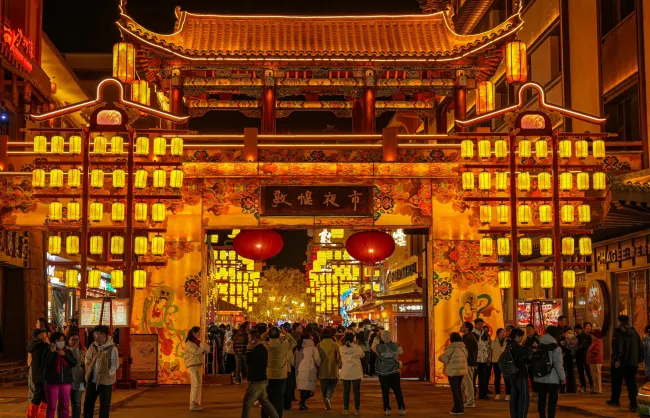
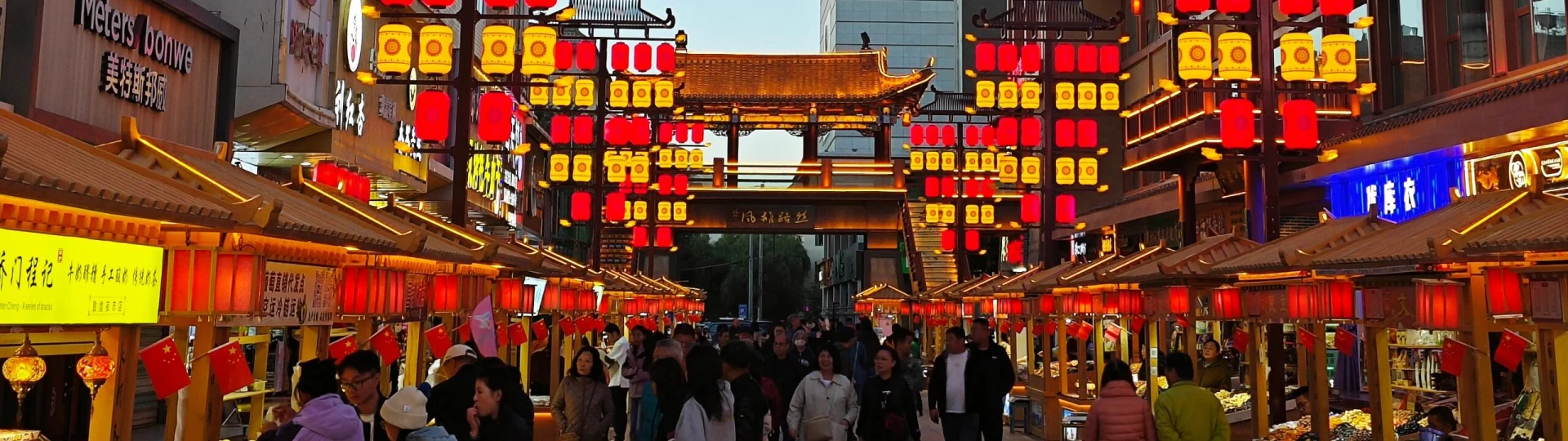
Shazhou Night Market Dunhuang Night Market, also known as the Dunhuang Night Market, is where Dunhuang’s night comes alive. As the largest night market in Dunhuang, it is divided into several themed zones, including the local flavor snack area (Shazhou Food Street), Silk Road intangible cultural heritage crafts street, agricultural specialty products zone, tea…

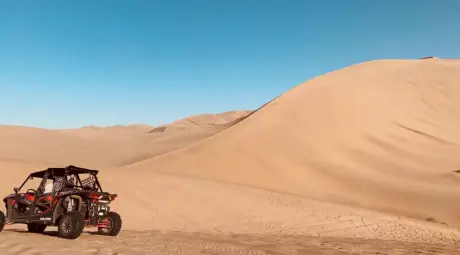
If you can only add one natural attraction to your Dunhuang tour, then make it Mingsha Mountain and Crescent Lake. The most magical scene is the two seemingly incompatible landscapes that have coexisted for thousands of years: the “singing” sand dunes and Crescent Lake, a pool living in the shifting…
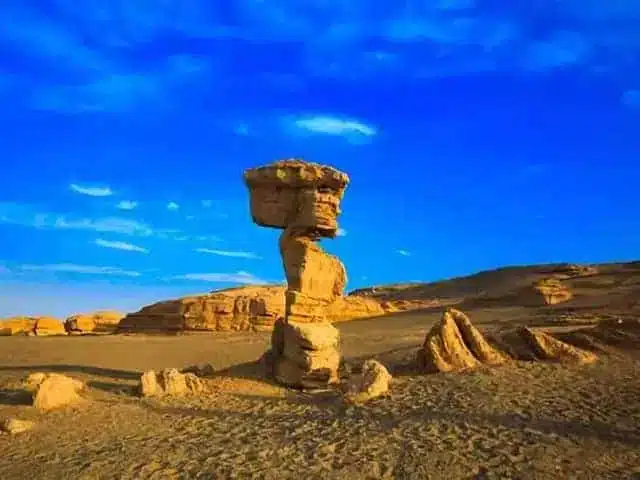
Dunhuang Yardang National Geopark is a large, remote desert area, listed as both a World Cultural Heritage Site and a Global Geopark by UNESCO for its unique Yardang landform and its importance in the history – Silk Road. Located about 185 kilometers (115 miles) northwest of Dunhuang City, it is…
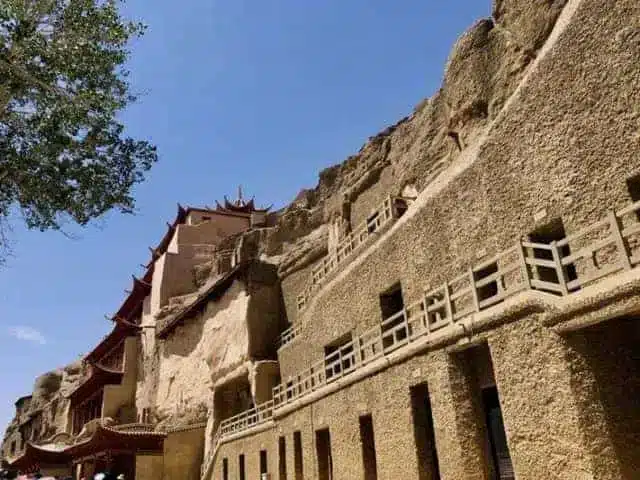
The Yulin Grottoes, aka Ten-Thousand-Buddha Gorge, is a branch of the Dunhuang Mogao Grottoes art complex, which is located 76 km (47 miles) south of Guazhou county, nearly 180 km (112 miles) east of Dunhuang City, Gansu Province. The caves were excavated on the East-West cliffs on both sides of Yulin…
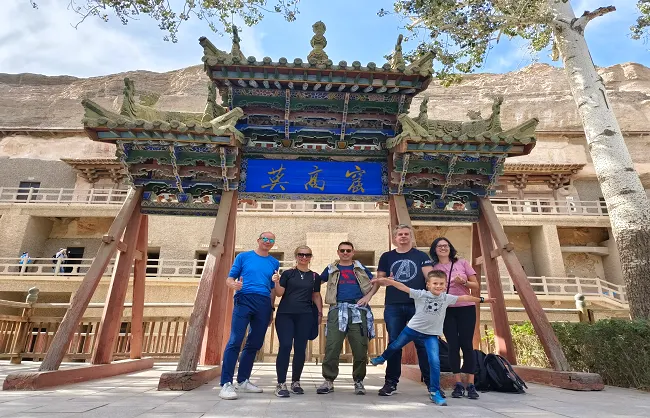
The Mogao Caves, one of the four great Buddhist grottoes in China, are a treasure trove of murals and painted sculptures built over 1,600 years ago. The splendor of the Mogao Caves lies in the cliffside grottoes, where you’ll find breathtaking depictions of flying apsaras with fluttering streamers, lively…


