
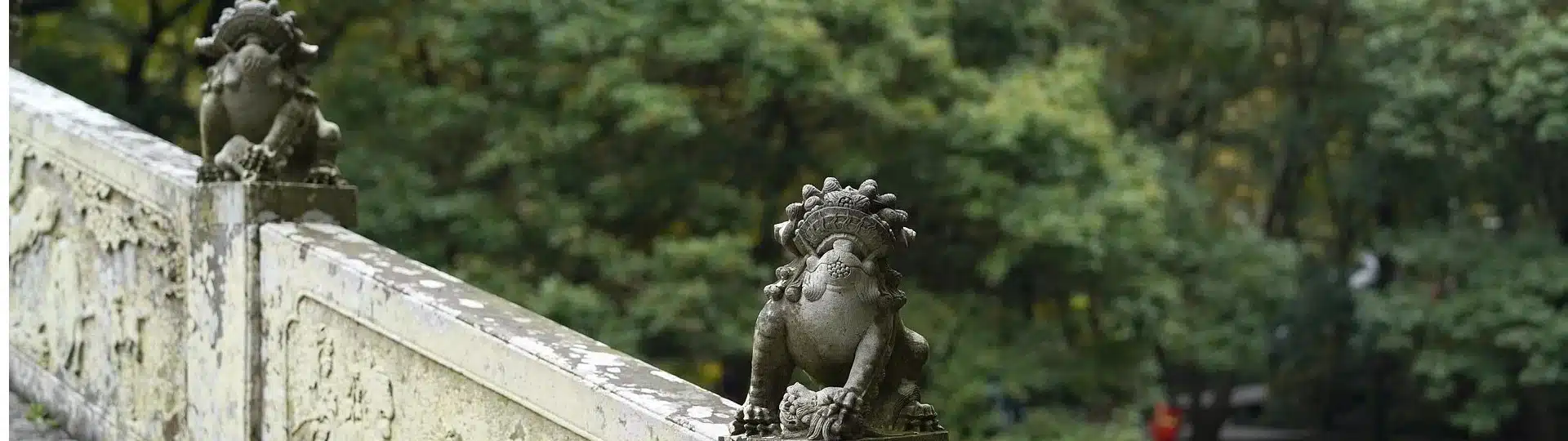
Nanjing is one of the Four Great Ancient Capitals in China, with profound historical and cultural heritage. Some visitors are drawn by Nanjing’s wide range of museums and historical sites, while many nature lovers also find that the city’s natural landscape is breathtaking at any time of the year.
This article will introduce you to the top 13 things to do in Nanjing, including exploring iconic attractions like Sun Yat-sen Mausoleum. There will also be tips of experience that you can enjoy beyond simply sightseeing.
Content Preview
- Top 13 Things to Do in Nanjing: Must-See Attractions & Experiences
- How to Make A Quick Decision
- Travel Tips for Foreign Visitors to Nanjing
- FAQ about Nanjing Tour
- Explore Nanjing With China Xian Tour
Top 13 Things to Do in Nanjing: Must-See Attractions & Experiences
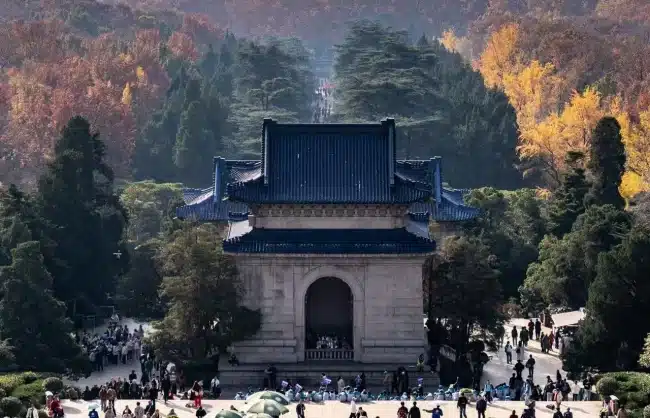
1. Sun Yat-sen Mausoleum (中山陵)
- Location: Purple Mountain Scenic Area, Xuanwu District, Nanjing
- Entrance Fee: Free (booking required)
- Opening Hours: 08:30–17:00 (last entry around 16:00), closed on Monday.
- Best For: First-time visitors, History lovers, scenic walks with light physical activity.
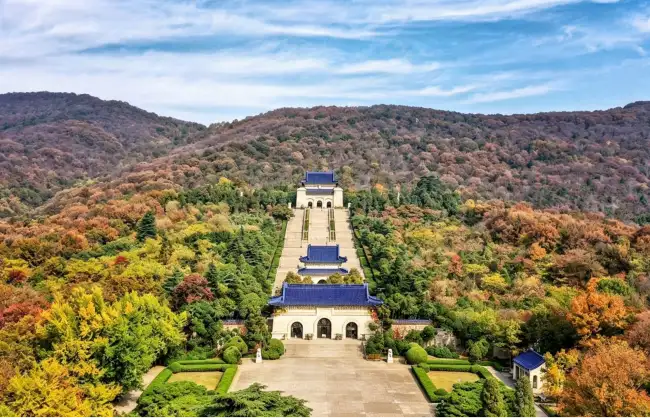
Sun Yat-sen Mausoleum is dedicated to Sun Yat-sen, the father of China’s democratic revolution. It is built on the backdrop of Purple Mountain with a grand symmetrical design. If looking down from a height, you’ll find the whole complex is in the shape of a bell. The designer want give this site another layer of meaning: awakening and remembrance.
The highlights include the 392 stairs, representing the 392 million Chinese people back then. As you climb higher, you’ll see the surrounding forest and city below gradually unfolding like a painting.
The mausoleum is quite large, it requires a lot of walk. Good news is that there’s shuttle bus services (cost an extra CNY 10/USD 1.4), feel free to use them to connect different sites.
2. Ming Xiaoling Mausoleum (明孝陵)
- Location: Purple Mountain Scenic Area, Xuanwu District, Nanjing
- Entrance Fee: CNY 70 (≈USD 10)
- Opening Hours: 06:30–18:30 (free to enter before 6:30am)
- Best For: History enthusiasts, photographers, walking exploration.
Ming Xiaoling sits close to Sun Yat-sen Mausoleum, only about 1.3 km away. They are both located in the Zhongshan Mountain National Park (Purple Mountain Scenic Area), easily connected by shuttle bus.
Ming Xiaoling is a joint mausoleum of the founding emperor of the Ming Dynasty, Zhu Yuanzhang, and Empress Ma. It is known as one of the largest imperial tombs in China.
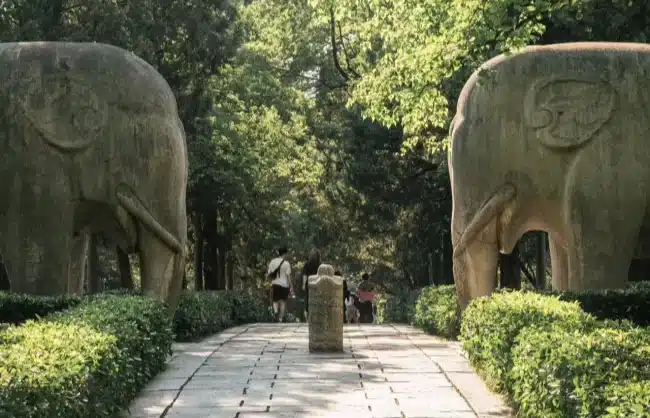
With an incredibly large area, it’ll be challenging for you to fully explore it in a few hours, so you may focus more on the highlights, such as the 600-meter-long Sacred Way. It is guarded by some impressive stone statues of animals like lions and camels on both sides. Let the path’s solemn and almost mystical vibe lead you to heart of the mausoleum.
3. Nanjing City Wall (南京明城墙)
East Section: Fuguishan to Lanqi Street
- Opening Hours: 08:30–17:00
- Ticket Price: CNY 5 (≈ USD 0.7)
- Note: Visitors can only access about a 700-meter stretch from the Fuguishan entrance. Please return via the same route.
Nanjing City Wall – South Section: Dongshuiguan to Jiqingmen
- Opening Hours: 08:30–17:00
- Ticket Price: CNY 50 (≈ USD 7)
Nanjing City Wall – North Section: Shence Gate to Taiping Gate (Most Popular Scenic Section)
- Opening Hours: 08:30–17:00
- Ticket Price: CNY 30 (≈ USD 4)
Nanjing City Wall is the largest ancient city wall in China and also in the world. It was built in the Ming Dynasty as a fortification, with a total length of 35.267km. Along the wall, 13 city gates have also been preserved.
This City Wall is known for its irregular shape. Its northern section is the most widely visited, for it offers perfect viewing spots of the city. You can overlook the Xuanwu Lake, Jiming Temple and Purple Mountain here, while the history unveiling under your feet bit by bit.

4. Confucius Temple and Qinhuai River Area (夫子庙与秦淮河街区)
- Location: Gongyuan Street, Qinhuai District, Nanjing City, Jiangsu Province.
- Entrance Fee: Mostly free, some attractions charge separately, e.g., Imperial Examination Museum (CNY 50/USD7.33).
- Opening Hours: All day
- Best For: History lovers, photographers, visitors interested in traditional culture and academic heritage, food lovers.
Visiting Confucius Temple is something that most visitors to Nanjing would write on their to-do list. Generally, when people say visiting the Confucius Temple, they’re actually referring not just to the Confucius Temple itself, but to the large area surrounding it. Below are the core highlights in this district.
Nanjing Confucius Temple (南京夫子庙) is one of the four major Confucian temples in China and an iconic landmark of Nanjing. Inside the Confucius Temple, one spot you cannot miss is Da Cheng Hall (大成殿), which was built as a place for worshipping and commemorating Confucius. The whole architecture feature a solemn and majestic style.
For those who are interested in China’s Confucian culture or imperial examination system, this site is a definite must-visit.
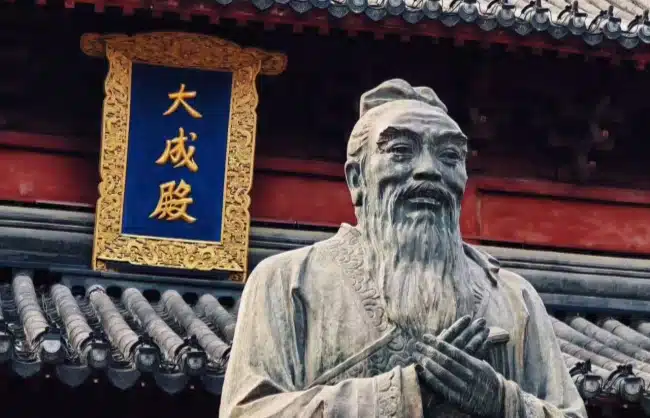
Jiangnan Imperial Examination Hall (Imperial Examination Museum 江南贡院) also attracts a lot of visitors. It was the largest and most influential imperial examination venue in Chinese history. The museum is built on the ruins of the original examination hall, so you’ll not only see relics here, but also the real exam environment in ancient times.
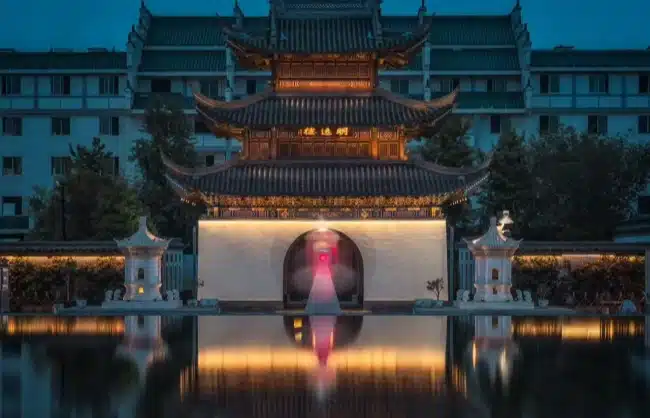
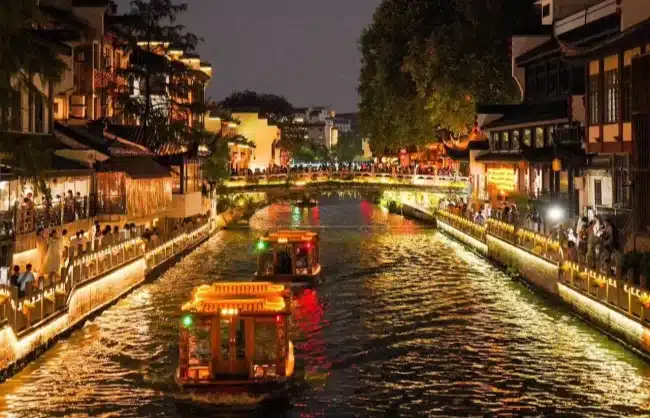
Qinhuai River (秦淮河) is where Nanjing’s spirit lies, and it’s one of the best night tour destinations. As Nanjing’s mother river, its water has bred the most prosperous areas of Jiangnan in ancient times. Every night, except for the warm lights emitted from lanterns, houses, boats, the river is also lit up by the poetic and gentle atmosphere.
You can take a leisurely stroll along the river bank after dinner, or consider having a night cruise. This is a romantic and truly Nanjing-style experience, while floating on the river, take pictures of the dream-like scenes gradually changing on both sides.
Tips:
- Imperial Examination Museum charges CNY 50 (USD 7.33) separately, opening from 9:00-22:00.
- Be cautious about fraud and overpriced items outside some attractions.
5. Xuanwu Lake Park
- Location: Xuanwu District, Nanjing City, Jiangsu Province.
- Entrance Fee: Free (activities charges separately)
- Opening Hours: All day
- Best For: Relaxed travelers, couples, families, cyclists, anyone looking for a break from sightseeing.
Xuanwu Lake is the largest imperial lake in China. It has a significant location, being bordered by Purple Mountain to the east, the Ming City Wall to the west, and Nanjing Railway Station to the north. It’s one of the most preferred places to have a stroll in Nanjing, and many visitors have commented that they didn’t expect the lake’s water to be that crystal blue until they actually see it.
The Lake has 5 separate islands, all of which have grown seasonal blossoms perfect for both appreciation and photography: cherry blossoms, lotus, tulips, China rose, and yulan. In addition to walking, don’t forget to take a boat ride in the Couple Garden.

6. Nanjing Presidential Palace (南京总统府)
- Location: 292 Changjiang Road, Xuanwu District, Nanjing
- Entrance Fee: CNY 35 (USD 5.13)
- Opening Hours: 8:30-18:00 (closed on Monday)
- Best For: history lovers, casual visitors, those who are specifically interested in Chinese modern history.
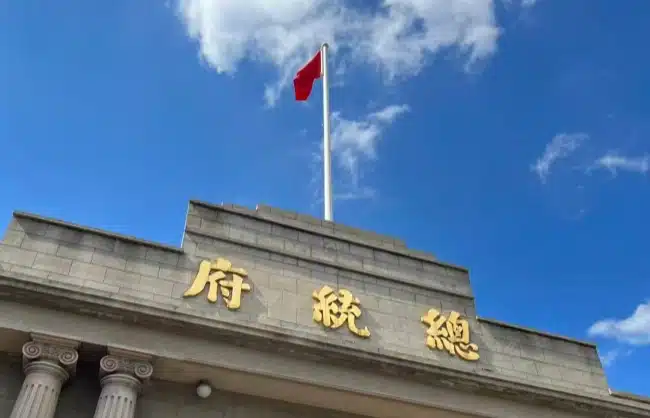
The Presidential Palace has a history of 600 years. Originally, it was the palace of a prince and later it served as the official residence for several leaders during the Opium War and the Liberation War from 1840 to 1949 (including Sun Yat-sen).
This site has preserved a lot of historical and cultural relics, which allow you to see the winding passage of modern China. The whole complex is divided into three areas (central, east and west), featuring a blend of Chinese and Western architectural styles. It would be quite relaxing to walk through the beautiful gardens and buildings at your own pace.
7. The Memorial Hall of the Victims in Nanjing Massacre (南京大屠杀遇难同胞纪念馆)
- Location: 418, Shuiximen Street, Jianye District, Nanjing City, Jiangsu Province
- Entrance Fee: Online reservation needed, 7 days in advance.
- Opening Hours: 8:30-17:30 (closed on Monday)
- Best For: History-focused travelers, educators, visitors seeking meaningful, reflective experiences.
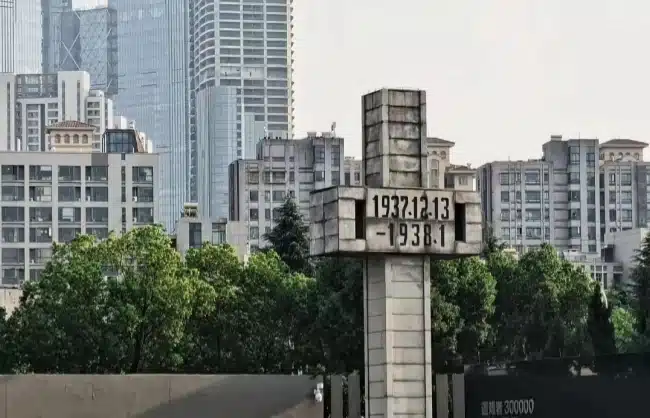
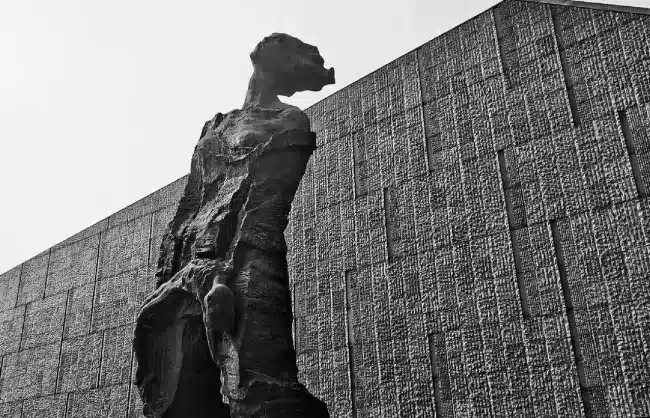
This memorial hall stands in remembrance of the victims of the 1937 Nanjing Massacre. It is known as one of the most significant historical sites in the city. People do not build it as a display for violence or hatred, but a resting place for 300,000 wronged souls lost in the man-made disaster, which should never be forgotten.
While walking through the solemn halls, you’ll see painful history, tear-jerking memories, and people’s everlasting cherishing of peace. For those who want to study more of World War II, this is a place you must not miss.
Visiting Tips:
- Please avoid slippers, overly exposed, or too colorful dresses.
- Please keep quiet during your visit to show respect to the deceased.
- If you are unable to visit on the scheduled day, please remember to cancel your reservation.
- Photography is not allowed in some areas, such as the historical exhibition hall. Mind the signs and notices around you.
8. Purple Mountain Scenic Area (紫金山)
- Location: Xuanwu District, Nanjing
- Entrance Fee: Free for the scenic area (individual attractions inside charges separately)
- Opening Hours: All day
- Transportation: Sightseeing shuttle buses and cable cars (charge extra)
- Best For: First-time visitors, nature lovers, history enthusiasts.
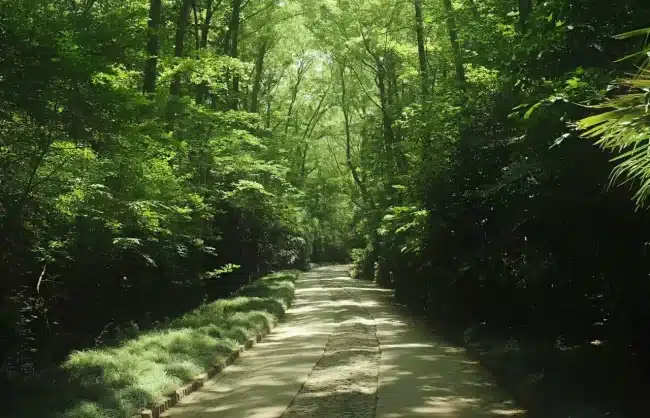
Purple Mountain is one of the four famous mountains in Jiangnan. As introduced above, there are a lot of iconic landmarks lying in this mountain. But don’t forget that the mountain itself is also a popular hiking destination. If you’re tired of city’s bustling pace, climb to the mountain top and enjoy the precious tranquility offered by nature. Here, you can embrace a panoramic view of Nanjing city, while surrounding attractions all being covered by a sea of green.
In addition to the Ming Xiaoling Mausoleum and the Sun Yat-sen Mausoleum, there are many other places worth exploring, for example, the three lakes: Yanque Lake, Front Lake, Pipa Lake and also the Observatory.
9. Jiming Temple (鸡鸣寺)
- Location: No. 1 Jimingsi Road, Xuanwu District, Nanjing
- Entrance Fee: CNY 10/USD 1.47
- Opening Hours: 7:30-17:00
- Best For: Cultural travelers, photographers, cherry blossom season visitors
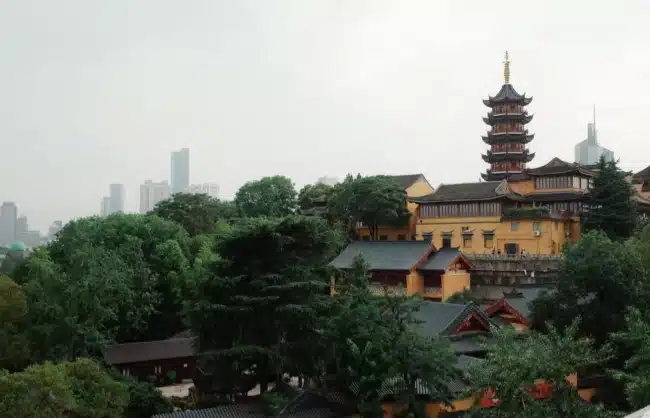
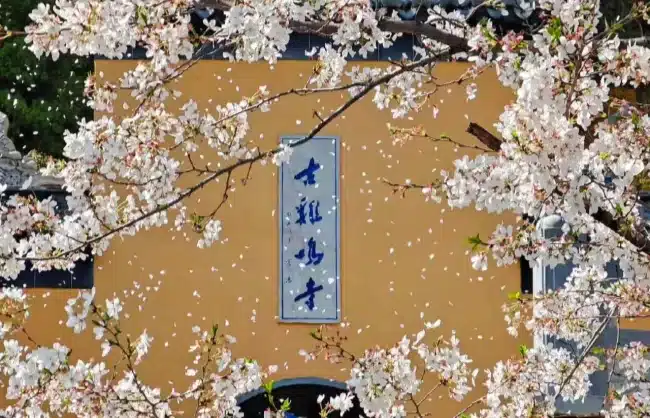
Jiming Temple has a history of over 1700 years. It is one of the oldest Buddhist temples and royal temples in Nanjing. It sits really close to Xuanwu Lake and it is a part of the city wall, so consider visiting three of them on the same day.
It’s a popular place to pray for career success, wealth, academic achievements, and marriage. If visiting in spring, you’ll get to take perfect pictures of the thousand-year-old temple hiding in the rain of cherry blossoms.
Visiting Tips:
- The temple only has a one-way street. You shall enter from the south gate and exit from the north gate.
- Clothing: Avoid short skirts and shorts. Slippers are not permitted.
- Etiquette: Do not step on the threshold of the halls. After lighting incense, do not blow it out, just gently shake it to extinguish it.
- Taboos: Do not take photos of Buddha statues inside the hall. And do not disturb the monks’ practice.
10. Nanjing Museum (南京博物院)
- Location: No. 321, Zhongshan East Road, Xuanwu District, Nanjing City, Jiangsu Province
- Entrance Fee: Free (reservation required)
- Opening Hours: 09:00–17:00 (closed on Mondays. Last entry around 16:00)
- Reservation: Required (advance booking needed)
- Best For: History and culture enthusiasts.
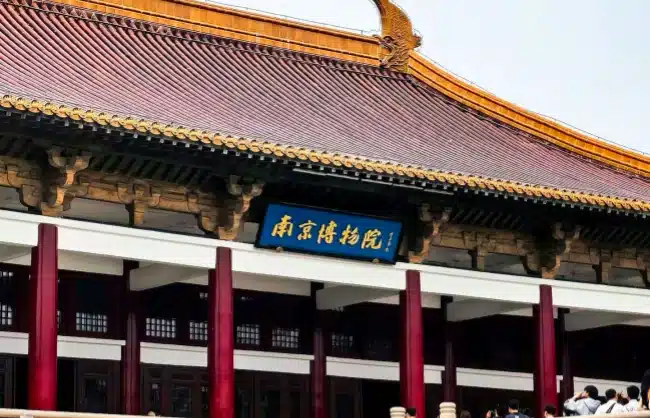
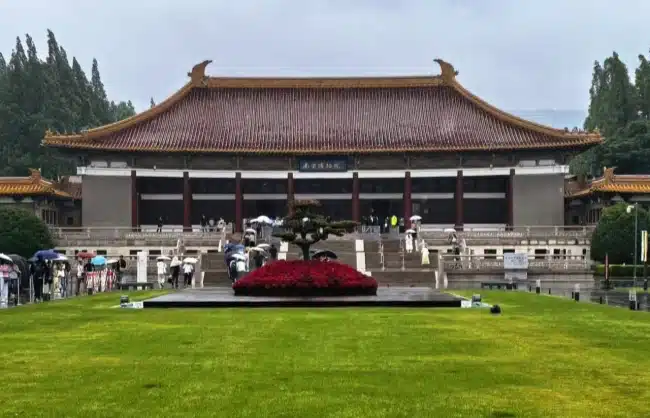
Nanjing Museum is one of China’s Three Major Museums. It has six halls, each with a different theme, collecting over 430,000 relics. Here you can explore China’s thousands of years of history and see some of the most valued treasures from dynasties like the Tang dynasty and Western Han Dynasty.
Among all, the Republic of China Gallery provides the best photo opportunities. It’s recommended to dress in a cheongsam and take pictures. If you don’t have one, a cheongsam rental service is also available inside the gallery.
11. Yuejiang Tower (阅江楼)
- Location: 202 Jianning Road, Gulou District, Nanjing City, Jiangsu Province
- Entrance Fee: CNY 40 (≈ USD 5–6)
- Opening Hours: 08:00–17:30 (seasonal variations possible)
- Best For: Photographers, couples, relaxed travelers.
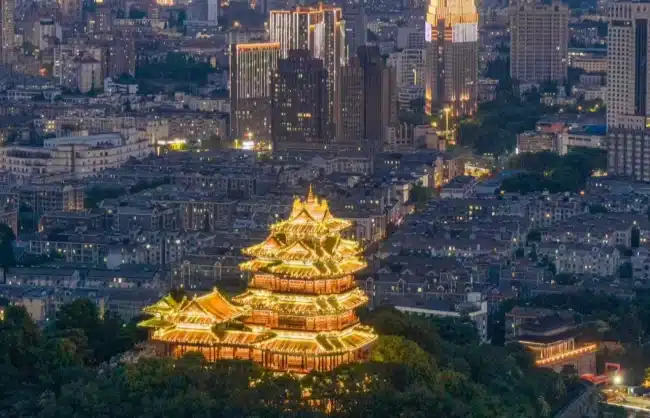
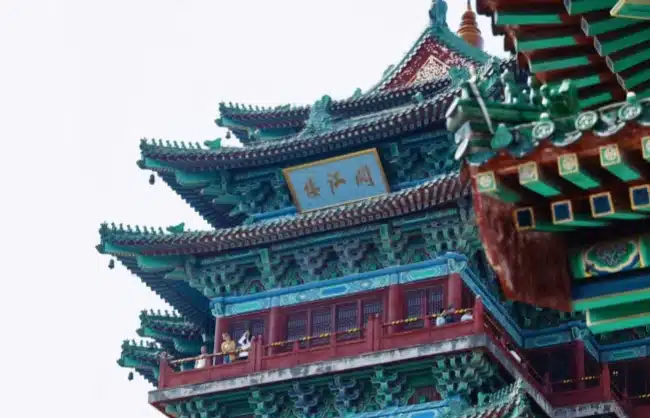
Yuejiang Tower is one of China’s top ten historical and cultural buildings. It has seven floors, and from the top, you can catch all the landmarks in Nanjing, watching them stretch forward and create an amazing skyline. Except for the scenery, the tower also houses China’s largest porcelain painting depicting Zheng He’s Voyages to the West.
12. Niushou Mountain Cultural Tourism Zone (牛首山)
- Location: Niushou Mountain Cultural Tourism Area, Jiangning District, Nanjing City, Jiangsu Province
- Entrance Fee: CNY 145-160/USD 21.27-23.47. Better book early in peak seasons.
- Opening Hours: 08:30–17:30 (last entry around 16:30)
- Best For: photographers, architecture lovers, travelers looking for unique, visually impressive experiences.
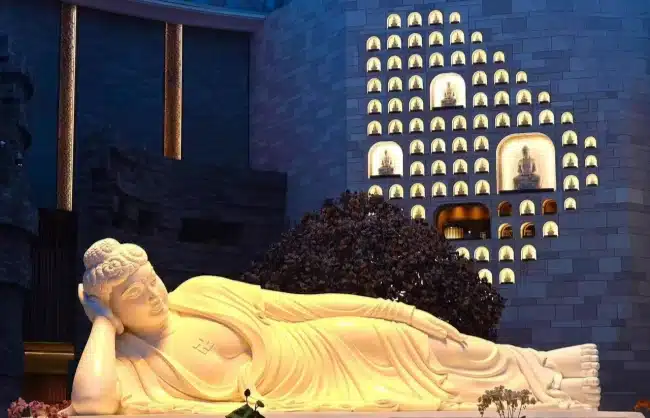
Niushou Mountain Cultural Tourism Area is the only remaining place in the world where the skull relic of Sakyamuni Buddha is enshrined. It got its name (Niushou means Ox Head) for the two peaks that look quite similar to ox horns.
The highlight is the underground complex of the Usnisa Palace. It’s a massive, multi-level structure, and its design include spiritual symbolism and dramatic contemporary styles. In fact, you may feel it’s more like a modern architectural wonder than a traditional temple site because of its shocking visual effect.
13. Dive into Nanjing’s Food Scene (南京美食)
Nanjing is also a paradise for foodies, known for cuisines based on duck. Some of the most famous dishes include Nanjing Salted Duck, Duck Blood Soup with Vermicelli, and the Nanjing Roasted Duck, which is the most famous. The flavor is delicate, subtly seasoned, crispy on the outside, while the inside stays tender and juicy.
Other iconic snacks like beef potstickers and soup dumplings are also worth trying. It’ll be a wonderful experience to take a break in the middle of your journey and enjoy some local street food.


How to Make Decisions Quickly
Still haven’t made up your mind about where to go? Here’s a quick guide for you.
First Timers or with Limited Time:
If it’s your first time in Nanjing and you only have limited time, focus on the city’s most iconic highlights and enjoy some local food treats.
- Sun Yat-sen Mausoleum
- Ming Xiaoling Mausoleum
- Confucius Temple (Nanjing) (especially at night)
- Try local dishes like Salted Duck
- Ancient City Wall
Traveling with Kids or Elderly:
If you’re traveling with kids or elderly visitors, you might be more interested in a slower and less physically demanding route.
- Xuanwu Lake (flat, spacious, easy to walk)
- Jiming Temple (close to the lake, less physically demanding)
- Qinhuai River Cruise
- Optional: short section of Nanjing City Wall
History and culture lovers:
Nanjing’s profound history and culture give it a wide range of specialized museums, so you can easily build a theme-based itinerary.
- The Memorial Hall of the Victims in the Nanjing Massacre
- Presidential Palace (Nanjing)
- Nanjing Museum
- China Imperial Examination Museum
- Jiangning Imperial Silk Manufacturing Museum
- Nanjing Folk Museum
Travel Tips for Foreign Visitors to Nanjing
- Nanjing has a convenient and comfortable metro system. It can take you to most attractions without much effort.
- As I have listed above, many popular attractions require advanced reservations, even if the entry is free. Some of them will need you to provide a valid personal identification to make a booking, such as your passport.
- Mobile payments (Alipay / WeChat Pay) are widely used, but you’ll need to set them up in advance.
- Most attractions have English signs, but you’ll need a translation app to make further communications with others.
- Spring and autumn are the most comfortable seasons, and there will be blossoms in many sites, for example, Purple Mountain and Xuanwu Lake.
- Wear comfortable shoes. Many attractions involve walking or climbing.

FAQ about Nanjing Tour
Is Nanjing more about history or modern experiences?
Both, but it leans more toward history. As an ancient capital of the Six Dynasties, the city’s historical atmosphere can literally be felt everywhere. So among those modern buildings, you’ll find a strong mix of cultural landmarks, memorial sites, and museums, balanced with natural highlights.
Can I visit Nanjing as a day trip?
It’s possible, especially if you’re traveling from nearby cities like Shanghai. One day allows you to visit one of two of the most iconic sites. However, the experience will not be so ideal. Nanjing’s charm is better explored through a slow-paced journey, all of its historical and cultural highlights deserve a careful exploration.
How many days are suitable for a relaxing Nanjing trip?
2-3 days will be perfect. Use the first day to explore sites in Purple Mountain, including Sun Yat-sen Mausoleum and Ming Xiaoling Mausoleum. In the afternoon, wander through the Nanjing Confucius Temple area, and have a night cruise.
The second day is for museums, and the third day can have a last stroll in the city before leaving.
Explore Nanjing With China Xian Tour
Nanjing is a city with an abundance of historical and cultural heritage. Each attraction is telling a unique story that has been floating in the city for hundreds or even thousands of years. Traveling to Nanjing is literally like stepping into history.
To make your journey smooth and fulfilling, let China Xian Tour help you take care of everything from the beginning to the end. We have professional guides customize itineraries for you, and our private transfers can make every moment on the road pleasant and comfortable. Stop hesitating and contact us right now, get ready for your best Nanjing tour!