

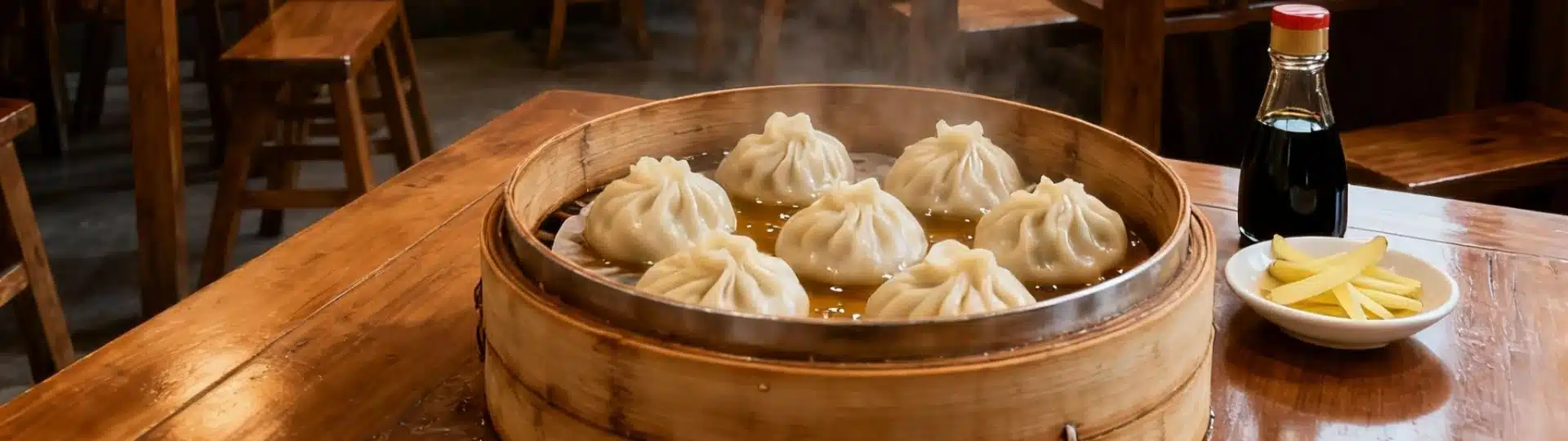
For many tourists, the various eclectic, refined and seasonal food is one of the most important reasons for them to travel to Shanghai. Among them, the authentic Shanghai soup dumplings (also referred to as soup dumplings) is one o f the most popular ones. As a landmark delicacy in Shanghai, it does have such an infinite charm to attract food lovers from all over the world. It has been a regular on people’s tables for more than a century.
At first, it was just a local specialty snack, however, after years of transformation, it has become a symbol of Shanghai’s food culture. This exquisite steamed dumplings is famous for its thin and tender crust, full meat stuffing and delicious and rich soup. It’s not easy to make such a delicate dish, yet whether in the old food shops or the modern restaurant, the traditional skills and flavor have never been lost. Later, the introduction of new flavors such as crab yolk and shrimp doubles the charm. Take a bite of it, you’ll feel like having started a journey to explore the history of Shanghai cuisine.
Content Preview
- What is a Soup Dumpling? The Magic of Xiao Long Bao
- Brief History of Soup Dumplings in Shanghai
- The Best Xiao Long Bao in Shanghai: Locals’ Recommended Restaurants List
- How to Eat Shanghai Soup Dumplings Properly?
- Xiao Long Bao vs Sheng Jian Bao: What’s the Difference?
- Plan a Shanghai Food Discovery Tour with China Xian Tour
What is a Soup Dumpling? The Magic of Xiao Long Bao
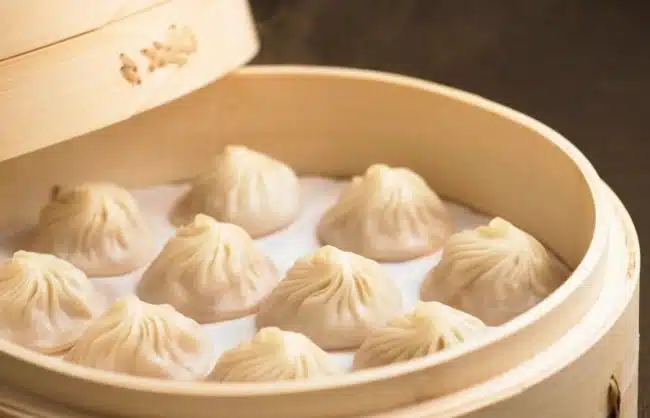
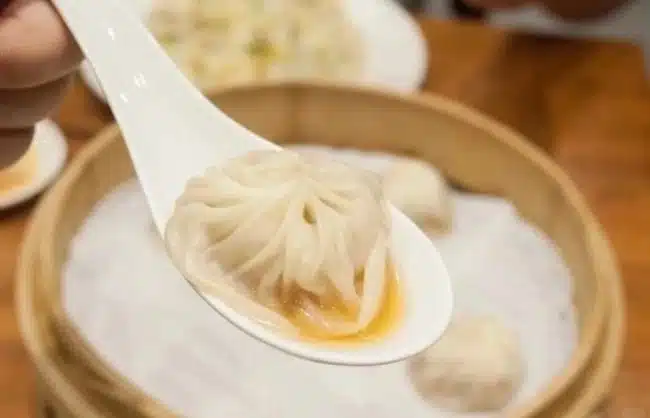
At its core, a soup dumpling is a steamed bun designed to hold both solid filling and liquid broth at the same time. And most importantly, the dough needs to be stretchy and thin as well. But these cannot fully explain why Xiao Long Bao is so widely beloved. The secret also relates to the technique behind the soup itself. The broth that makes every bite fulfilling and surprising is not poured into the dough. Instead, chefs mix chilled meat aspic (which is made from slow-simmered pork skin and bones) directly into the filling and when steamed, the aspic melts, eventually turning into hot, savory soup sealed inside the wrapper.
The structure of Xiao Long Bao is carefully balanced. One thing that stops many people from making Xiao Long Bao at home is that they cannot fully master the complicated wrapper-making technique. What makes a perfect Xiao Long Bao? The marking criteria always firstly land on to the wrapper, which must be thin enough to feel light on the tongue, yet strong enough to hold the soup without breaking.
To match with this fine wrapper, the filling shall also be carefully minced and evenly seasoned. Then, when take a bite of the steamed soup dumpling, the meat, fat, and broth will release flavor at the same moment. This is result of a perfect balance of timing, dough texture, and pleating technique.
While pork remains the classic filling, to satisfy people’s pursuit of rich and various flavors, now Shanghai-style soup dumplings also feature variations such as crab roe, shrimp, or seasonal vegetable fillings.
Brief History of Soup Dumplings in Shanghai
Shanghai soup dumplings’ history is just as rich as their flavor. The origin traces back to the Daoguang period of the Qing dynasty in Nanxiang, a small town near Shanghai. Some local pastry chefs there first found the possibility of making the traditional buns into something new. And gradually, they created a smaller, delicate dumpling with paper-thin skin, and flavorful fillings and savory soup inside. And that’s the precursor to the modern Xiao Long Bao.
As the technique made its way into Shanghai city, chefs adapted the dumplings to suit local tastes. They refined the dough to achieve a thin and strong status, and began coming up with new fillings. So beyond the classic pork, crab roe was later introduced. And this version is so popular and celebrated. It combines the richness of crab yolk with tender pork, and creates the iconic soupy burst when bitten into.
By the Republican era, Xiao Long Bao had become a staple in Shanghai’s teahouses and dim sum restaurants. The city’s economic expansion and the movement of people also gave this dish a chance to grow its fame and popularity. Later, it had eventually been spreading nationwide and abroad. Today, Shanghai soup dumplings are not just a beloved snack, they are a symbol of the city’s culinary heritage. It represents Shanghai people’s pursuit of a perfect blend of skill, tradition, and flavor.
The Best Xiao Long Bao in Shanghai: Locals’ Recommended Restaurants List
It is easy to find Xiaolongbao shops of different sizes and styles at every corner of Shanghai’s streets. Only local experts know that some of the most delicious options are still hidden in inconspicuous street shops. These shops may look modest, sometimes with just a narrow storefront, but when you take the first bite, you will understand why the locals are so fond of them.
You may wonder the cost of the Shanghai Xiaolongbao. As an everyday treat, the soup dumplings in Shanghai are normally affordable. Typically, a basket of classic pork Xiao Long Bao costs RMB 15–30. The price for premium options like crab roe dumplings can range from RMB 40–80, depending on season and quality.
Here, we’ve made a list of some of the top Xiao Long Bao shops. All these famous restaurants and time-honored brands are genuinely recommended by our Shanghainese.
Wanshouzhai
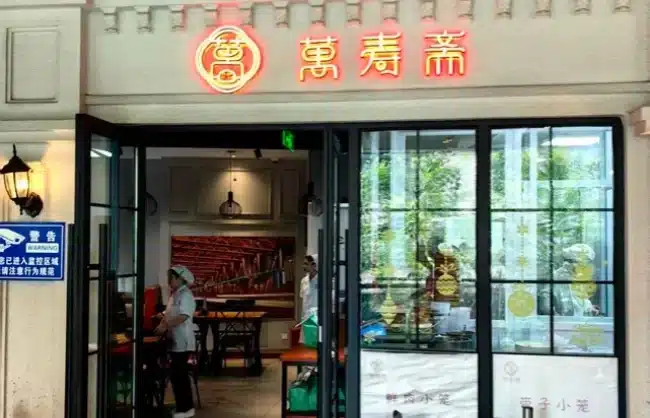
Wanshouzhai is a true neighborhood favorite in Hongkou District. For anyone who looks for an old-school Shanghai dumpling shop, then this is the answer. It opens early in the morning and serves customers steadily throughout the day. So people would come here in all different periods, and their memories of Wanshouzhai also do not just stay in breakfast.
What sets Wanshouzhai apart is its balanced, traditional flavor. Its chefs are true masters of the traditional techniques we mentioned above. There’s nothing flashy here. We truly suggest you come to this restaurant and have a taste of Xiao Long Bao and experience everyday Shanghai eating habits.
- Chinese Name: 万寿斋
- Address: No. 123 Shanyin Road, Sichuan North Road Subdistrict
- Opening Hours: 05:00–21:00
Nanxiang Steamed Bun Restaurant (Nanxiang Mantou Dian)
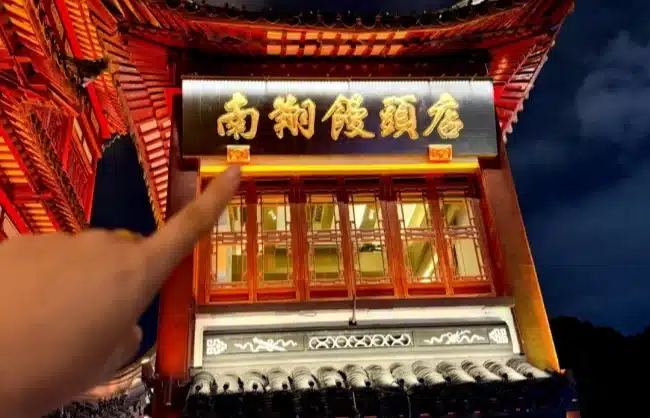
This one is a must-visit for visitors, and many locals would mention its name when making recommendations. Founded in the Guangxu period of the Qing Dynasty (1901), this historic restaurant has been synonymous with Shanghai Xiaolongbao for more than a century.
In 2014, the Nanxiang Xiao Long Bao had even gotten their making technique officially recognized as a National Intangible Cultural Heritage, highlighting its cultural and culinary significance. The restaurant is especially known for its classic pork dumplings.
- Chinese Name: 南翔馒头店
- Address: Chenghuangmiao area, Huangpu District
- Opening Hours: 07:30–20:00
Fuchun Xiaolong
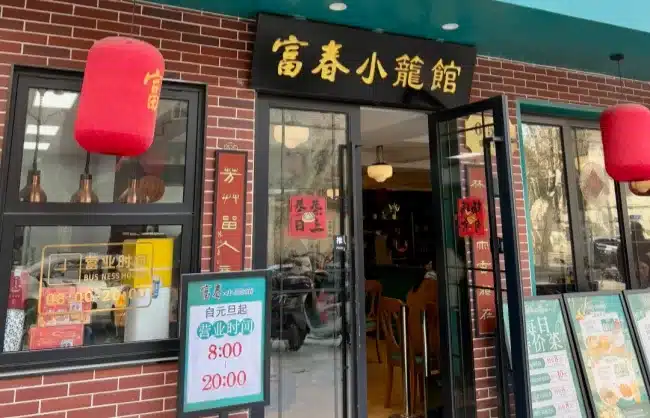
Fuchun Xiaolong has a good reputation among locals, and it is a hit with anyone who appreciate a slightly lighter and more refined flavor profile. Compared to those rich-soup versions, Fuchun’s taste emphasizes clean broth and well-seasoned pork. So you won’t get tired of it even after having multiple baskets for one meal. It’s a dependable choice if you want to experience a traditional Shanghai taste without overwhelming richness.
- Chinese Name: 富春小笼
- Address: 652 Jianguo West Road
- Opening Hours: 08:00–20:00
Din Tai Fung
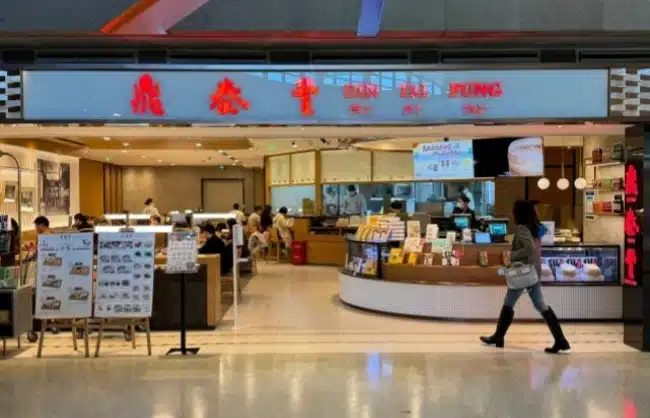
Some visitors may have once heard of Din Tai Fung’s name since it’s a popular international chain. However, as a chain store, it still has its reputation reserved for its consistency. Each dumpling is precisely folded, and evenly sized. And it never goes wrong as an accessible introduction for first-time visitors to Xiao Long Bao.
While the flavors are slightly more polished and less rustic than old local shops, the quality control and dining environment make it a reliable option, especially in central commercial areas.
- Chinese Name: 鼎泰丰
- Address: Multiple branches in central Shanghai
- Opening Hours: Typically 11:00–21:00
Jia Jia Tang Bao
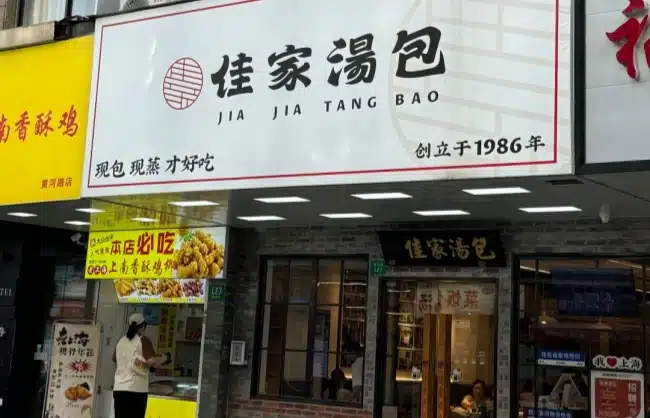
Jia Jia Tang Bao is one of the most well-known local chains. And visitors can easily find it around major sightseeing areas and the city center. It’s famous for extremely thin skins and generous soup, and this may require more careful handling when eating.
Many locals consider Jia Jia a good balance between affordability and quality. So it is a common recommendation for first-time visitors who want an authentic experience just near the tourist areas.
- Chinese Name: 佳家汤包
- Address: Huanghe Road, Huangpu District
- Opening Hours: Around 10:30–22:00
Lin Long Fang
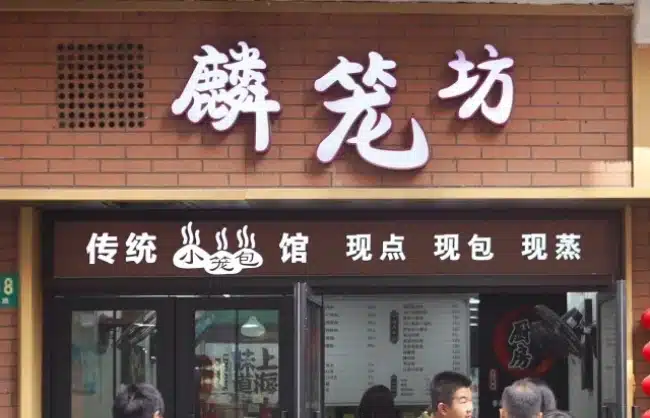
Lin Long Fang is famous for its best crab roe Xiao Long Bao. The crab roe filling is rich and extremely fragrant and it has a noticeably stronger seafood aroma compared to standard pork dumplings.
While it has expanded into multiple branches, the crab roe dumplings remain its signature. And if you have the chance to make a trip to Shanghai during peak crab season, you’ll get to taste the freshest crab roe bun in Lin Long Fang. This will be another rewarding experience besides the common pork version.
- Chinese Name: 麟笼坊
- Address: Multiple branches across Shanghai
- Opening Hours: Generally 7:00–21:30
More Notable Recommendations
Restaurant Name |
Highlights |
Opening Hours |
Address |
Lai Lai Xiao Long Bao (莱莱小笼) |
Very thin skin and abundant soup. Famous for its classic pork xiao long bao. And it’s one of the most-visited among locals. |
08:00–20:00/ 14:00-15:00 is closed |
No. 504 Tianjin Rd, Huangpu District, Shanghai |
Wu You Xian (屋有鲜汤包) |
Known for refined soup dumplings and crab roe xiao long bao. Michelin Guide–listed. More expensive than others. |
09:00–16:00 |
No. 7 South Maoming Rd, Huangpu District, Shanghai |
Shan Shan Xiao Long Guan (珊珊小笼馆) |
Hidden neighborhood shop. Juicy, traditional pork soup dumplings. |
07:00–19:00 |
No. 749 Kangding Rd, Jing’an District, Shanghai |
Nan Xiao Guan (南小馆) |
Soup dumplings/ classic local dishes. |
11:00–21:00 |
No. 99 Xianxia Rd, Changning District, Shanghai |
Changxing Lou (长兴楼) |
Historic Nanxiang-style xiaolongbao/ Traditional Shanghai dishes. |
07:00–20:00 |
75 Renmin Street, Nanxiang Town, Jiading, Shanghai |
Yi Xin Zhai (一心斋) |
Long history. Serving halal Xiao Long Bao and other dishes. |
07:00–21:00 |
1503 Pingliang Road, Yangpu, Shanghai |
Recommended Tour

Welcome to our Shanghai food tour. Meet your guide and driver at your hotel lobby at 8:00 a.m. or 2:00 p.m., then drive for approximately 1 hour first to the ancient Zhujiajiao Water Town.
How to Eat Shanghai Soup Dumplings Properly?
When eating Shanghai soup dumplings, you need to be quite careful, as the dumplings will arrive at the table when still steaming hot. The sign “careful—it’s hot” can be seen in most shops. The right way of enjoying them isn’t only about avoiding burns, it’s also about fully appreciating their delicate structure and layered flavors step by step. The common sequence can be generally summed up as lift, move, open, sip, bite, and chew.
Step-by-Step: The Classic Way to Eat Xiaolongbao
First comes “lift.” Gently pick up the dumpling with your chopsticks by the top knot (the thickest part). Be careful not to squeeze it, since too much pressure can tear the skin and waste the precious soup. If the dumpling sticks to the steamer base, loosen it lightly before lifting.
Next is “move.” Transfer the dumpling to your own plate, keeping it steady so the broth stays inside.
Then “open.” Use your chopsticks to gently pierce a small hole in the skin. The trapped steam and broth will come out a bit and get cooled down. Remember that a small opening is enough, don’t tear it wide open.
The heart of the experience is “sip.” Now you can prepare to sip the broth. Bring the dumpling plate close to you, and gently sip the broth through the opening. Go slowly and carefully since the soup is still very hot now. This fragrant liquid is the soul of a good Xiao Long Bao, and it’s also what makes Xiao Long Bao different from other dumplings and bums.
Once the broth is gone, it’s time to “bite and chew.” Take a bite and enjoy the contrast between the paper-thin yet resilient wrapper and the juicy filling inside.
Extra Tips for the Best Experience
- The most local way of having Xiao Long Bao ispairing it with a light dip of black vinegar and shredded ginger. The vinegar gives a balanced taste when the richness becomes too strong. The ginger adds warmth and freshness.
- And remember, soup dumplings are best eaten straight from the steamer. If you let them sit too long, the skin will absorb the broth, and eventually dull both texture and flavor.
- Mastering this method turnsyour simple meal into a small ritual. And this process perfectly captures Shanghai’s attention to detail and love of refined comfort food.
Recommended tour
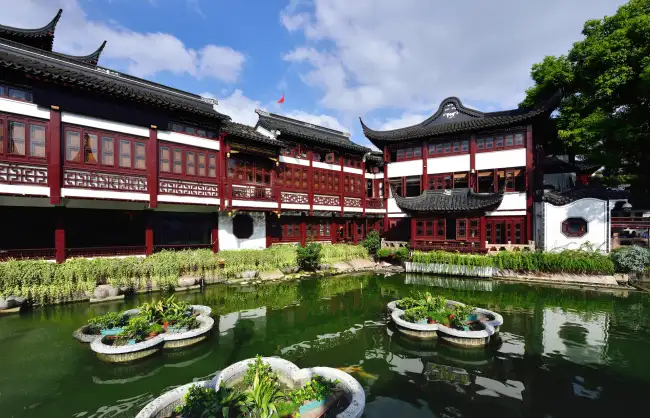
Savor Shanghai's crab roe Xiaolongbao, Suzhou's street snacks on Shantang Street, and Hangzhou's Dongpo Pork while exploring Yu Garden, classical Suzhou gardens, and West Lake.
Xiao Long Bao vs Sheng Jian Bao: What’s the Difference?
Both Xiao Long Bao (小笼包) and Sheng Jian Bao (生煎包) are classic Shanghai staples. Though both are dumplings, they are very different in taste and cooking process. Locals also eat them at different times and settings.
As we mentioned above, Xiao Long Bao are a kind of steamed dumpling, featuring thin wrappers, and savory soup. They are more delicate and refined and often eaten as a sit-down meal. People usually pair them with other local dishes.
Sheng Jian Bao, by contrast, are made with leavened dough, with thicker wrappers. Chefs usually pan-fry them first before steaming them for a little while. So it features a crispy and golden bottom and fluffy and soft top. The filling is also juicy but more strongly seasoned than soup dumplings. Shengjian are typically eaten as a quick breakfast or street snack.
Recommended Sheng Jian Bao in Shanghai:
- Xiaoyang’s Shengjian (小杨生煎)
- Dashunchun (大壶春)
- Dadong Shengjian (大东生煎)
- Fengyu Shengjian (丰裕生煎)
- Lao Shanghai Shengjian (老上海生煎)
Further readings: Top 10 Shanghai Dishes You Must Eat
Plan a Shanghai Food Discovery Tour with China Xian Tour
Shanghai is a world-famous city that is widely appreciated for its modern appearance. However, between those skyscrapers and old valleys, the city’s past-time stories carried on by time-honored tastes. People here share memories and feelings through the iconic Shanghai flavors, and that also gives visitors a window to actually step into the locals’ life. And China Xian Tour can be your best travel partner, who can tell you where to find the best restaurants and how to better enjoy the delicate Shanghai dishes. We’ll offer private guide services and help you create a customized itinerary, so contact us right now and start your best Shanghai tour from this moment!