







Understanding China’s time zone and the time difference between other countries helps you a lot when traveling to China.
Despite the large territory, the entire country only follows one official time zone, and that’s called China Standard Time (CST), also known as Beijing Time (UTC+8).
This article is written to help you manage the possible jet lag you may experience during China tours, online business meetings, or any other daily activities.
Content Preview
- What Time Zone Is China In?
- What Is China Standard Time (CST)?
- Does China Have Daylight Saving Time?
- Time Difference Between China and the US, Europe & Australia
- How to Deal with Jet Lag When Traveling to China?
- China Business Hours and Travel Schedule Tips
- Frequently Asked Questions About China Time Difference
- Travel to China with China Xian Tour
What Time Zone Is China In?
It may surprise you that although China stretches 5,200 km from east to west, which is a distance crossing around five natural time zones, it still uses only one official time zone.
China’s official time zone is China Standard Time (CST), which is based on UTC+8, and it’s more commonly called Beijing Time.
How Many Time Zones Are in China?
According to global longitude divisions, China extends from around 73°E in western Xinjiang to about 135°E in Heilongjiang, covering roughly 62 degrees of longitude. So, theoretically speaking, China has about five natural time zones in geography, although it officially uses only one nationwide.

Visit China's golden triangle of Beijing, Xi'an and Shanghai, covering imperial palaces, ancient terracotta warriors, and futuristic skylines in just eight unforgettable days.
Why Does China Use One Time Zone?
China uses one unified time zone because it brings many practical benefits for such a large country, including:
- Making railway, aviation, and other transportation schedules easier to arrange
- Making sure that nationwide broadcasts and events are synchronized
- Reducing confusion in cross-regional business communication
- Avoiding the need for frequent time adjustments when traveling between cities
For travelers, the most obvious benefit is that you don’t have to change your watch when moving between destinations, even if you’re traveling from Beijing to Urumqi, Shanghai to Kunming, or Guangzhou to Xi’an.
Just follow Beijing Time (UTC+8) throughout your journey.
Why Does Xinjiang Have a Different Local Time?
If you travel to Xinjiang, you may hear locals say “Xinjiang Time” or “Urumqi Time.” In this case, you need to understand how the two concepts (official time and local practice of time) work together in Xinjiang to plan a smoother trip.
- Official time: Beijing Time (UTC+8)
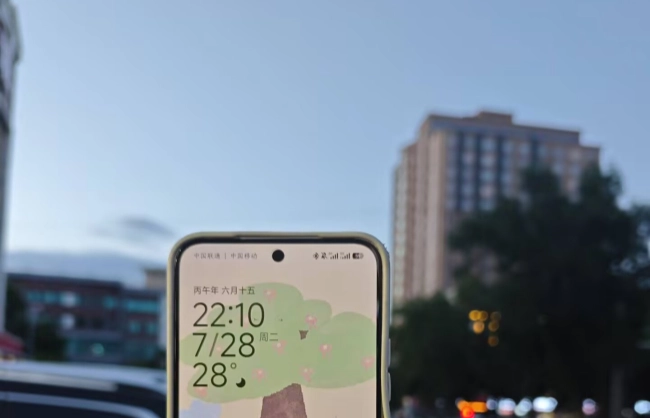
- Local Xinjiang time: Around two hours behind Beijing Time (approximately UTC+6). Some of the local people will plan their daily activities based on this time.
For example:
- Beijing Time: 8:00 AM
- Xinjiang local time: around 6:00 AM
However, visitors usually do not need to worry about time conversion. Flights, trains, hotels, scenic spots, tour guides, and official notices all use Beijing Time.
Just remember that many restaurants and shops would follow Xinjiang time.

Journey from Kashgar's 2000-year-old bazaar along the Karakoram Highway to Karakul Lake, then explore Turpan ruins and the ethereal Kanas Lake in Altay Mountains.
Is Shanghai in a Different Time Zone?
Many foreign visitors also search for Shanghai China Time Zone or Shanghai Time Difference before their first visit to see whether Shanghai has its own time zone.
In fact, although international systems often use Asia/Shanghai as the time zone identifier for China, this is only a technical naming convention. It does not mean Shanghai has a separate time zone.
Whether you are in Shanghai, Beijing, Chengdu, or Xi’an, the official time remains the same: China Standard Time (UTC+8).
What Is China Standard Time (CST)?
Many international travelers would see CST on flight tickets, hotel confirmations, or business meeting invitations. While CST as an abbreviation is used in many contexts, what does it mean here?
In fact, CST in this context refers to China Standard Time, which is the official time standard used in the Mainland of China, equal to Beijing Time and follows UTC+8 as mentioned above.
It is applied nationwide in the Mainland of China, so if you receive a meeting invitation saying “CST (China Standard Time) 09:00”, it means 9:00 AM Beijing Time (UTC+8).
Why Is CST Confusing?
The reason people get confused about CST is that in international communications, it is also understood as Central Standard Time, a concept used in the United States (UTC-6).
So let’s say you’re arranging an international meeting and you have participants in both China and the USA. Writing only “Meeting at 10:00 CST” could cause huge misunderstandings like this:
While one participant thinks the meeting will start at 10:00 AM in China, the other may naturally believe it’s set at 10:00 AM in the US Central Time Zone. But in fact, these two “10:00 AM” are actually 14-16 hours apart.
To avoid confusion, it is better to use:
- Beijing Time
- UTC+8
- China Standard Time (UTC+8)
This makes international travel arrangements and online meetings easier to coordinate.
Does China Have Daylight Saving Time?
We notice that many travelers from the United States, Europe, and Australia share the same question: Does China have daylight saving time? Do you need to adjust your clock when visiting China in summer?
The answer is no. Currently, China does not observe Daylight Saving Time. The entire country uses China Standard Time (UTC+8) throughout the year. No matter when you visit China, your clocks do not move forward or backward in different seasons.
An interesting fact is that China had briefly introduced daylight saving time from 1986 to 1991, but the practice was later discontinued on April 5, 1992.
For international visitors, the most important things you need to know include:
- The time in China remains the same in both summer and winter.
- You don’t need to adjust your watch or phone when traveling to China.
- The time difference between China and other countries is not always fixed because some regions still use daylight saving time.
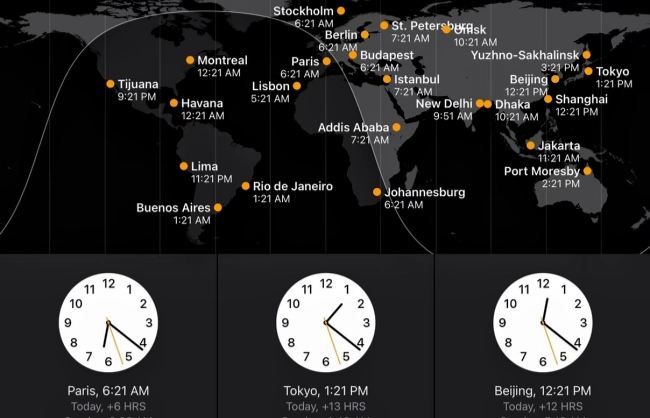
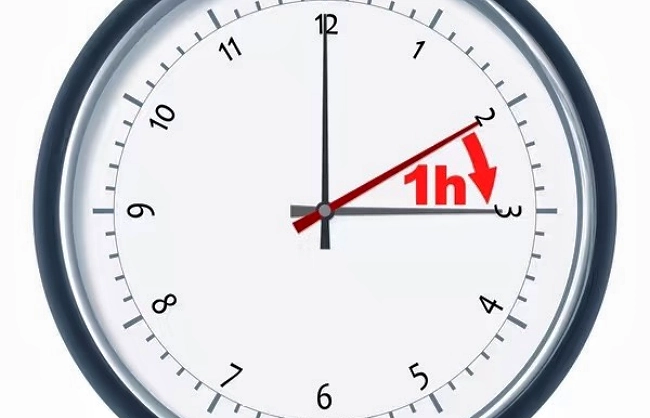
In terms of the third tip, here are some more detailed examples. New York is usually 12 hours behind China during daylight saving time and 13 hours behind during standard time. London is 7 hours behind China during daylight saving time and 8 hours behind during standard time.
As a result, please double-check the time lag when arranging international flights, online meetings, or business communications if you’re in a place that currently observes daylight saving time.
Time Difference Between China and the US, Europe & Australia
China uses a fixed UTC+8 time zone all year round, but that doesn’t mean its time difference from other countries is also fixed. The exact figure varies depending on your location and whether your country is currently observing daylight saving time.
Understanding how the difference works is the key to arranging a smooth international flight and any other related activities.
China Time Difference with the USA
Since the United States has multiple time zones, the time difference between China and the USA varies. In addition, most parts of the US observe daylight saving time, which can change the difference by one hour during the year. >> See things to know to travel to China from USA
US City |
During Daylight Saving Time |
During Standard Time |
New York / Washington D.C. |
China is 12 hours ahead |
China is 13 hours ahead |
Chicago |
China is 13 hours ahead |
China is 14 hours ahead |
Los Angeles |
China is 15 hours ahead |
China is 16 hours ahead |
Honolulu (Hawaii’s capital city) |
Does not observe daylight saving time.
|
China is 18 hours ahead |
For example:
Beijing: July 2, 9:00 AM
New York (summer): July 1, 9:00 PM
Los Angeles (summer): July 1, 6:00 PM
If you’re flying from the US, it usually means crossing a 12–16 hour time lag, so it may take 1-3 days to adjust to the new schedule after arrival.
Time Difference Between Europe and China
The time difference between Europe and China is usually smaller than that between China and the United States, which we just introduced.
However, even though many countries are in the same time zones, the difference changes depending on whether the country observes the daylight saving time system.
European City |
During Daylight Saving Time |
During Standard Time |
London |
China is 7 hours ahead |
China is 8 hours ahead |
Paris |
China is 6 hours ahead |
China is 7 hours ahead |
Berlin |
China is 6 hours ahead |
China is 7 hours ahead |
Rome |
China is 6 hours ahead |
China is 7 hours ahead |
Madrid |
China is 6 hours ahead |
China is 7 hours ahead |
Most European travelers find it easier to adjust to Chinese time after arrival compared with travelers from the United States, as the time lag is generally around 6–8 hours.
Australia and China Time Difference
The Australia and China time difference depends on the city because Australia has several time zones, and some regions observe daylight saving time while some don’t.
Australian City |
Time Difference with China |
Perth |
Same time as China (UTC+8) |
Brisbane |
China is 2 hours behind |
Sydney |
China is 2 hours behind in winter / 3 hours behind in summer |
Melbourne |
China is 2 hours behind in winter / 3 hours behind in summer |
Canberra |
China is 2 hours behind in winter / 3 hours behind in summer |
Australian travelers will face even less severe jet lag. Especially those from Perth, they do not need to adjust their body clock because Perth and China share the same UTC+8 time.
How to Deal with Jet Lag When Traveling to China?
Although China uses only one official time zone, travelers from Europe, the United States, and other distant regions may still experience jet lag when traveling to China.
However, don’t worry too much about it. If you prepare in advance, your body will be able to adapt to China Standard Time (UTC+8) smoothly in around 2 days.
Before Your Trip
Start adjusting your sleep schedule 2–3 days before departure. To achieve it little by little, you can try to go to bed 30-60 minutes earlier or later every day. This allows your body to gradually get used to China time, being able to sleep well after arrival.
If you are traveling to China for a business meeting or important appointment, you can also adjust part of your working schedule in advance according to Beijing Time.
During the Flight
Long-distance flights provide a good opportunity for travelers to adapt to the new time zone. To better achieve this, it is recommended to:
- Set your watch or phone to Beijing Time after departure
- Avoid excessive caffeine during the flight
- Sleep and rest according to Chinese time when possible
After Arriving in China
The first day after arrival is crucial for reducing jet lag. You can:
- Try to stay awake during the daytime. If you’re really sleepy, consider a short nap of 20–30 minutes, but don’t sleep for more than an hour
- Opt for more outdoor activities. Sunlight naturally helps reset your body clock
- Go to bed according to local China time on your first night
Generally speaking, travelers from the United States may need a few days to adapt, while visitors from Europe, Asia, and Australia usually adjust more quickly and easily.
China Business Hours and Travel Schedule Tips
When arranging business meetings, travel schedules, or transportation, understanding the time difference between China and your country should be the first step.
In addition to that, the local working hours and daily schedules also play an important role in perfect planning.
China Business Hours
Most companies in China usually operate during the following hours:
- Morning: 08:30–12:00
- Afternoon: 13:30–18:00
For international business communication, the most convenient meeting times are usually:
- 09:00–11:30 China Time
- 14:00–17:00 China Time
People also manage emails, online meetings, and business discussions most efficiently during these times.
Attraction Opening Hours
Most tourist attractions in China are open from around 08:00 to 17:00. In peak seasons or public holidays, some scenic areas extend opening hours to 18:00 or even later.
If you plan to visit popular attractions, try to make it in the morning to avoid crowds.
High-Speed Train and Airport Schedules
In China, all transportation schedules follow Beijing Time (UTC+8) nationwide.
Recommended arrival times:
- High-speed railway stations: arrive 30–60 minutes before departure
- Domestic flights: arrive about 2 hours before departure
- International flights: arrive about 3 hours before departure
Frequently Asked Questions About China Time Difference
What time is it in China just now?
China follows Beijing Time (UTC+8) nationwide. You can check the current China time through a world clock app or by adding China or Asia/Shanghai to your phone’s clock.
How many time zones does China officially use?
Geographically speaking, China spans across 5 time zones. However, the whole nation officially applies only one China Standard Time (UTC+8).
Do Shanghai and Beijing have the same time?
Yes. Shanghai and Beijing have the same time, so do all other cities in China.
How can I avoid time mistakes during international meetings?
You may first avoid only writing “CST”, which can cause confusion. Using clear time zone labels, such as Beijing Time or UTC+8, is better.
Calendar tools like Google Calendar and Microsoft Outlook are really helpful as they can also automatically convert meeting times between different time zones.
Travel to China with China Xian Tour
Getting used to the new time zone and planning a trip accordingly can be difficult. China Xian Tour has professional guides who arrange everything for you, and we’ll make sure your schedule is customized in a clear, smooth, and comfortable way.


