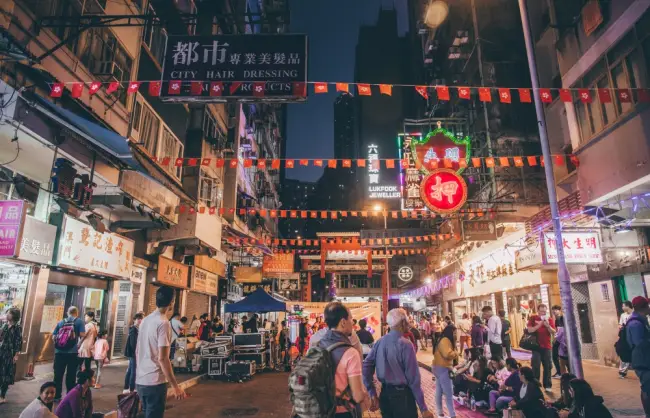




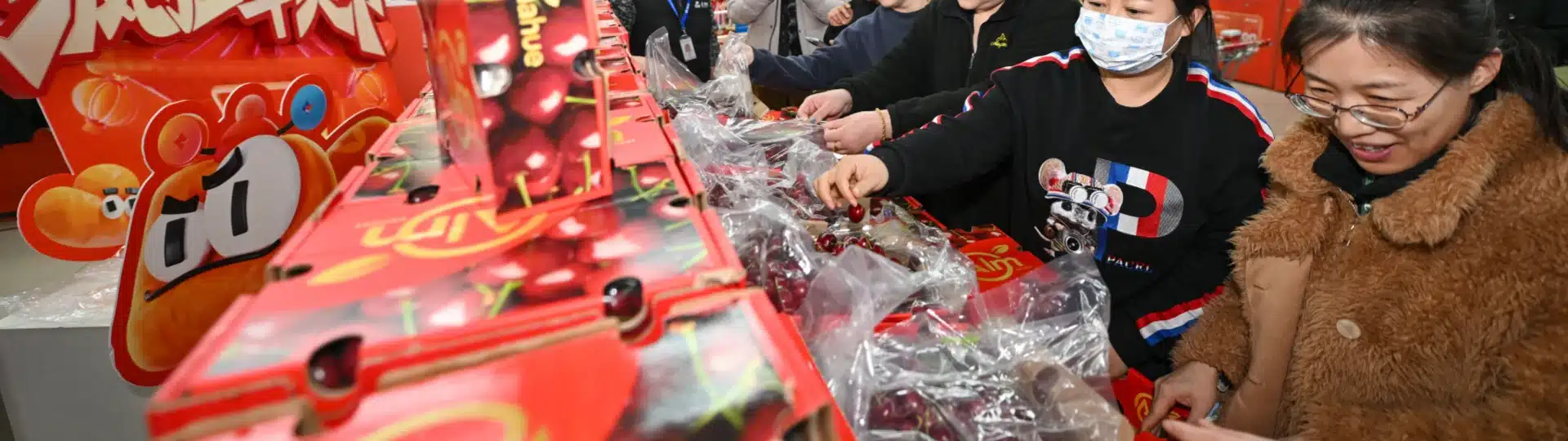
Since keeping local souvenirs is always a good way to save memories and some best moments, you must also be wondering what’s the best to buy for your China tour. In fact, China, as a country with countless large-scale markets and abundant goods, is undoubtedly a shopping paradise. And it might even be a sweet trouble for some people cause there are just too many products to choose. There are both luxury malls run by well-known brands and markets or private stores with affordable prices.
However, there are some shopping rules and etiquette you need to keep in mind. For example, in fixed-price markets, people usually don’t bargain, but the situation is the opposite in bargaining markets. Therefore, we’ve prepared you some special shopping skills which you can use in China. They are supposed to help you buy more affordable souvenirs and prevent being deceived.
Practical bargaining techniques, recommended shopping destinations, and common bargaining strategies will be showcased in the following content.
Content Preview
- Understanding Bargaining in China
- How to Bargain in China? – 6 Pro Tips for Tourists
- Useful Bargaining Phrases in Chinese
- Best Souvenirs to Buy in China
- Top Places to Shop in China – Markets in Major Cities
- How to Pay in China?
- Shopping Etiquette & Tips in China
- Have the Best Shopping Experience with China Xian Tour
Understanding Bargaining in China
Is Bargaining Expected in China?
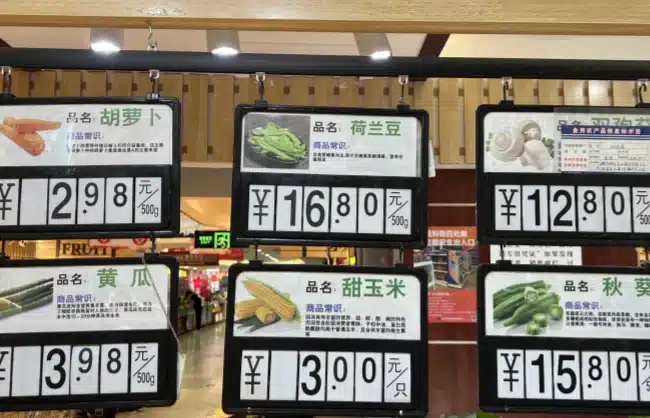
In some official retail outlets, where products have clearly marked prices or with high value, bargaining is generally not accepted. Their prices are just fixed, all transparent and reasonable. So staff members don’t have the authority to change it at will. Therefore, bargaining in such places may seem odd and could upset the staff.
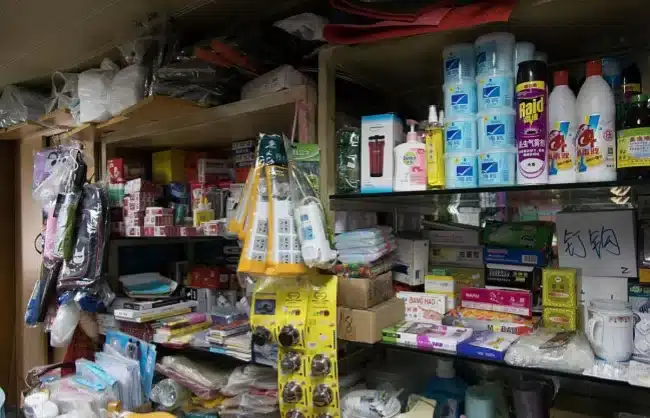
But in some small or individually-run shops or stalls, prices are normally set by the owners themselves. Therefore, you can bargain within the owner’s profit range to get a discount. This is a very common and normal practice when shopping everywhere in China.
Where Bargaining Is Common in China?
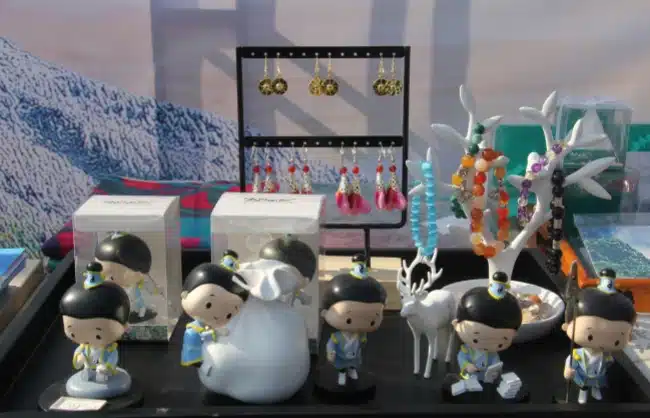
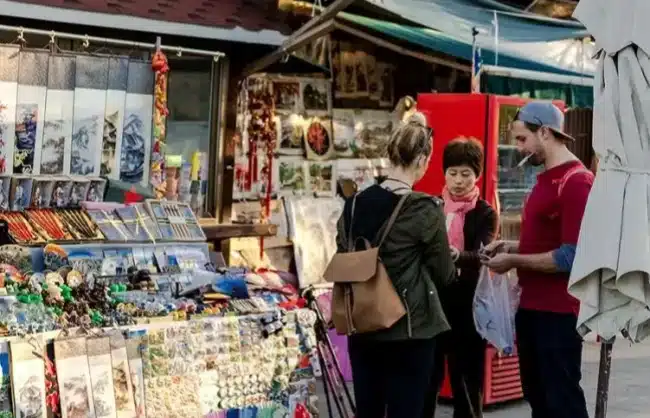
The most common places to bargain include street markets, souvenir streets, small local shops, antique markets. Most of these places are privately run and bargins can rather easily work out. Therefore, as long as you feel there are still some negotiating space, just give it a try. Bargaining is possible and acceptable in such places.
Cultural Meaning of Bargaining in China
One thing many people don’t know is that bargaining in China is not just simply about “lowering the price”; it reflects culture that rooted in traditional culture and social relationships.
Firstly, trading in China have seen thousands of years of history. Oringinally, “bartering” was what people did. In ancient China, there was no unified pricing standard. Therefore, the exchange price would vary according to the needs of both parties, the quality of the goods, and the coordination during the transaction. These rules still have their influence left on today’s trade practices.
Secondly, bargaining reflects people’s focus on the long-term development of social relationships. Society is built based on people’s connections, and making transactions is a common way of establishing connections with others. In China, shopping and barginning, especially in privately owned places, can sometimes mark an opening for interpersonal relationships. Both parties making proper concessions embodies the principle of “harmony brings wealth”. In this regard, haggling can help us build trust, bring people closer to each other, and is a manifestation of friendliness.
How to Bargain in China? – 6 Pro Tips for Tourists
How Much to Discount?
Start with a figure wnich is a bit lower than your expected price. For most goods, especially small souvenirs sold in scenic spots, the price is normally double the cost of the good itself. And a small tip is, even if the seller refuses, that does not mean you’ve reahced the floor price. So that don’t give up, go with a lower starting point, but don’t make it incredibly inacceptable to the merchants.
Don’t Show Too Much Interest
This is an important skill in bargaining! If you show your strong love for the goods, the seller may use this to reduce the discount or even improve the price. Because they believe you will definitely buy the things you really like.
Pretend to walk away
If the seller insist on not lowering the price all the time, you can pretend to walk away and go to the next shop. At this time, the seller may try to keep you with lower price. Compared to making less profit, they are more worried about missing any business.
Compare the goods before you propose the price you wish
Before you state your expected price, carefully compare the products in different shops. Try to act relaxed and casual. In this situation, the seller may soften attitude and agree to your offer.
Try to find and point out some defects in the product
You can point out some flaws or something you don’t like in the product. Through this way, the seller may try to make up for this drawback by lowering the price and persuade you to purchase it.
Pretend that you have bought the same product before.
You can mention that you have bought a similar good in other shops and compare the difference between them. Then naturally propose the price you wish.
Useful Bargaining Phrases in Chinese
To make you bragaining go smoother, try to learn some phrases which are suitable for most occasions. Here is the rough list for you:
Ask the price directly
- How much is this?
- 这(zhè)个(ɡe)多(duō)少(shǎo)钱(qián)?
- 这(zhè)个(ɡe)怎(zěn)么(me)卖(mài)?
Both of them are used to ask the price in the first place, which are typical opening phrases. This allows you to directly know the seller’s pricing, when you got the answer, you can then plan whether or how to go with subsequent bargaining.
Express the price is high
- This is too expensive.
这(zhè)太(tài)贵(ɡuì)了(le)。
- The price is too high. I don’t think it’s reasonable.
价(jià)格(ɡé)太(tài)高(ɡāo)了(le),我(wǒ)觉(jué)得(de)不(bù)合(hé)理(lǐ)。
The above are used to express the price is too high and unreasonable, and use them in a relatively friendly tone. Most sellers may retort you and exaggerate the quality of their products, but you should persist your point and just tell them “ 太(tài)贵(ɡuì)了(le)”。
Negotiate prices with the merchant
- I wonder if it can be cheaper?
我(wǒ)想(xiǎnɡ)知(zhī)道(dào)它(tā)能(nénɡ)否(fǒu)便(pián)宜(yí)一(yì)点(diǎn)呢(ne)?
- Can you give me a discount?
能(nénɡ)给(ɡěi)我(wǒ)打(dǎ)个(ɡè)折(zhé)吗(ma)?
- How much can this be discounted?
这(zhè)个(ɡe)能(nénɡ)便(pián)宜(yí)多(duō)少(shǎo)钱(qián)?
- What is the lowest price?
这(zhè)个(ɡe)最(zuì)低(dī)多(duō)少(shǎo)钱(qián)?
These phrase are mainly used to keep asking whether there’s chance for lower prices. These sentences can be used to inquire the room of price lowering. These are also the most basic phrases you can often use. If you want to buy the goods with more affordable prices, be brave to ask these questions.
Show your purchase intention
- I really like this good, but it’s too expensive. Can you give a lower price?
我(wǒ)诚(chénɡ)心(xīn)想(xiǎnɡ)要(yào),但(dàn)实(shí)在(zài)有(yǒu)点(diǎn)贵(ɡuì),能(nénɡ)给(ɡěi)我(wǒ)便(pián)宜(yí)点(diǎn)吗(ma)?
- This good is really good, but the price is high. If you can give me a discount, i will buy it now.
东(dōnɡ)西(xī)很(hěn)不(bú)错(cuò),就(jiù)是(shì)价(jià)太(tài)高(ɡāo)了(le)。如(rú)果(ɡuǒ)你(nǐ)能(nénɡ)便(pián)宜(yí)点(diǎn),我(wǒ)现(xiàn)在(zài)直(zhí)接(jiē)买(mǎi)。
These sentences can express your sincerity and purchase intention. The seller may be moved by you and feel your strong intention to buy, and finally give you a discount.
Compare different prices from different shops
- I have seen a similar good in another shop, but it has a lower price than yours.
我(wǒ)刚(ɡānɡ)才(cái)在(zài)另(lìnɡ)一(yì)家(jiā)店(diàn)看(kàn)见(jiàn)类(lèi)似(sì)商(shānɡ)品(pǐn),但(dàn)是(shì)价(jià)格(ɡé)比(bǐ)你(nǐ)的(de)低(dī)。
- There is another seller with price lower than you. Can you give the same price?
有(yǒu)个(ɡè)人(rén)的(de)价(jià)格(ɡé)比(bǐ)你(nǐ)低(dī),你(nǐ)可(kě)以(yǐ)给(ɡěi)我(wǒ)相(xiānɡ)同(tónɡ)的(de)价(jià)格(ɡé)吗(ma)?
By comparing similar good with lower prices in other shops, you can promote the seller to have a “sense of crisis”. In order to make you stay, they may make a concession and give a discount.
Pretend to leave
- Forget it, I’ll just browse around elsewhere.
那(nà)还(hái)是(shì)算(suàn)了(le),我(wǒ)再(zài)逛(ɡuànɡ)逛(ɡuànɡ)其(qí)他(tā)的(de)。
- If you cannot give a discount, I’ll hold off on buying it for now.
如(rú)果(ɡuǒ)不(bù)能(nénɡ)优(yōu)惠(huì)的(de)话(huà),那(nà)我(wǒ)就(jiù)先(xiān)不(bù)买(mǎi)了(le)。
- The price is still a little high, I’better buy it at another shop.
价(jià)格(ɡé)还(hái)是(shì)有(yǒu)点(diǎn)高(ɡāo),我(wǒ)还(hái)是(shì)去(qù)另(lìnɡ)一(yì)家(jiā)买(mǎi)吧(ba)。
Pretending to leave will make the seller a “sense of urgency” too. They would worry lose the deal. lose the customer. Therefore, they may lower their price to keep you.
Bulk Purchase Bargaining
- I bought so much. Can you give me a bigger discount?
我(wǒ)买(mǎi)了(le)这(zhè)么(me)多(duō),可(kě)以(yǐ)给(ɡěi)我(wǒ)多(duō)优(yōu)惠(huì)一(yì)点(diǎn)吗(ma)?
- If Ibuy several, can you give me a lower price?
如(rú)果(ɡuǒ)我(wǒ)多(duō)买(mǎi)几(jǐ)个(ɡè),能(nénɡ)更(ɡènɡ)便(pián)宜(yí)点(diǎn)吗(ma)?
- I’ve bought so many things; can you give me a small gift?
我(wǒ)买(mǎi)了(le)这(zhè)么(me)多(duō)东(dōnɡ)西(xī),你(nǐ)能(nénɡ)给(ɡěi)我(wǒ)送(sònɡ)个(ɡè)小(xiǎo)礼(lǐ)物(wù)吗(ma)?
Buying a lot at once can let the seller be more wiling to give you discounts. And your generosity can make it easier to bargain, and you may even receive a small gift after the purchase.
Best Souvenirs to Buy in China
China has various kinds of souvenirs, but the portable, cost-effective and commemorative ones are always the most favored. And it would be the best if it can even carry a strong sense of Chinse culture. Here is a must-buy list for you:
- Tea: Tea is a classic and traditional drinkin China, with distinctive aroma. It is easy to store and carry, and also allows you to experience Chinese tea culture after returning
- Silk product: Silk is a symbol ofancient weaving technique in China. The high-quality silk will have a smooth and cool texture, very comfortable to wear.
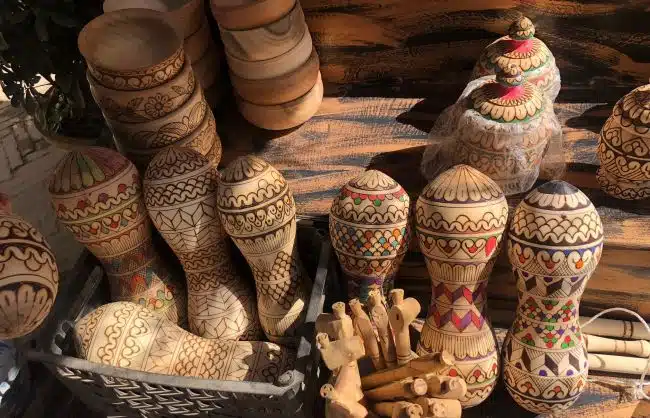
- Intangible Cultural Heritage Handicrafts: These handicrafts are made by artisans who inherit hundred- or even thousand-year-old skillsfrom their families. And such handicrafts mainly include paper cuttings, shadow puppets, Su embroidery hangings. These small items not only carry Chinese culture but are also very compact and easy to carry. Moreover, most of them are very affordable.
- Special snacks: Different places havedifferent special local snacks, such as Dried Persimmon in Xian, Su-style Mooncake in Suzhou, and pastries of Beijing Daoxiangcun. All of these have special flavors and are convenient to save.

Top Places to Shop in China – Markets in Major Cities
Top Markets in Beijing
- Xiushui Street
Xiushui Street is regarded as a shopping paradise for foreign visitors, because it has shops selling all kinds of items, all featuring Chinese-style specialties. From embroidery and handmade crafts to tea and pastries, you name it, they sell it. >> See more shopping markets in Beijing
Top Markets in Shanghai
- Yuyuan Bazaar & City God Temple Market
As one of Shanghai’s oldest commercial centers, it offers Shanghai-style souvenirs, including cultural and creative products, handmade items, Chinese jewelry, and silk goods. The buildings are constructed in the architectural style of the Ming and Qing dynasties, and the lights at night are dazzling, making it a highly scenic spot.
Top Markets in Chengdu
- Jinli Ancient Street
As a Three-Kingdoms culture-themed ancient street, it boasts a wide range of Three-Kingdoms-inspired cultural products. It also offers derivative souvenirs themed on iconic elements of Sichuan culture, including giant pandas, hot pot and the Sanxingdui Ruins. Its ancient architectural style enhances the appeal of sightseeing, adding more fun to the shopping experience.
Top Markets in Shenzhen
- Dongmen Old Street
Dongmen Old Street features locally distinctive products such as Cantonese-style lanterns and Cantonese opera face masks, along with Shenzhen’s local cultural and creative products and Lingnan-style specialty snacks. It regularly hosts special events like cultural festivals, making it an excellent choice for buying souvenirs and experiencing Chinese culture.
Top Markets in Xian
- Muslim Quarter
Muslim quarter is one of the most popular street in Xian, and it lies in the center of Xian. It has local snacks and souvenir shops and can be easily acccessed. Here you can buy special local culture products and taste the most authentic flavors of Xian.
Related reading: Top Shopping Cities in China


How to Pay in China?
Mobile payment is currently the most widely accepted payment method in China. Almost any place where you make a purchase allows you to pay with Alipay or WeChat Pay. These two apps have QR codes specifically designed for payments. Once you complete identity verification and link your bank card, you’ll be able to use it. When buying something, just show the QR code, the merchant will scan it and everything will be done.
And in some formal and large-scale places, you can also use credit card to pay. While in some small installs, you can use cashes. Both two methods are not very common, so it’s the most convenient for you to us Alipay and WeChat.
Shopping Etiquette & Tips in China
- Bargaining etiquette: When bargaining, maintain a calm tone and friendly attitude. If the seller clearly states they don’taccept bargaining, do not continue to insist and respect the
- Privacy protection: Be careful to protect your QR code and password from disclosure, and confirm with the seller before scanning the QR code.
- Purchase voucher: when you buy some valuables, you can ask the seller for invoice and refund receipt as a safeguard. Generally,some large brand stores or supermarkets support a 7-day no-questions-asked return policy (as long as the product is unopened and does not affect resale).
- Trial rules: Do not touch fragile goodscasually (especially glass and ceramic products). If you need to try out any product, you can contact the staff to prevent unnecessary misunderstandings.
- Holiday changes: During major holidays in China, such as the Spring Festival and National Day, some shops around tourist attractions may raise their prices. You’d betteravoid these special periods or plan and budget in advance.
Have the Best Shopping Experience with China Xian Tour
China has rich kinds of souvenirs to purchase and many interesting bargaining skills. Shopping in China is more like a challenging game, which will leave you an unforgettable memories in your China tour.
Traveling with China Xian Tour, you will get a deeper understanding of Chinese bargaining and shopping, as well as have the best shopping experience.
Looking forward to your consultation!