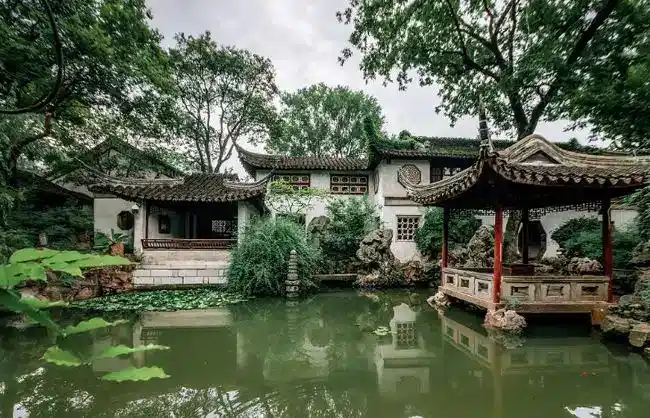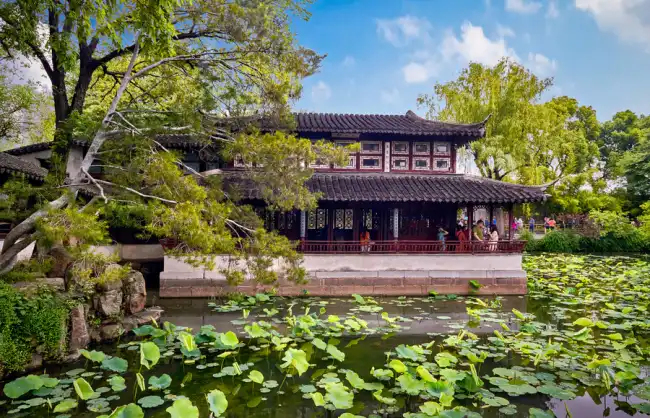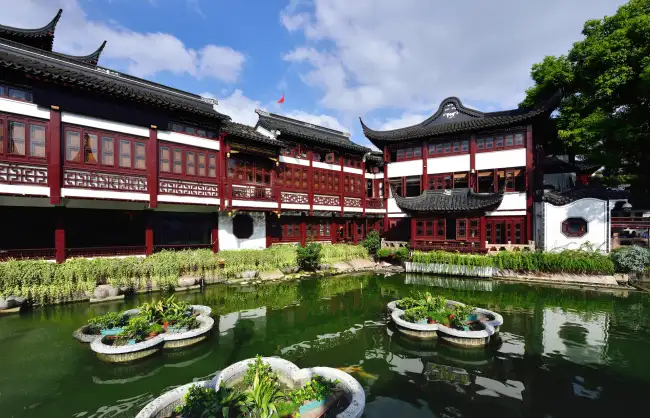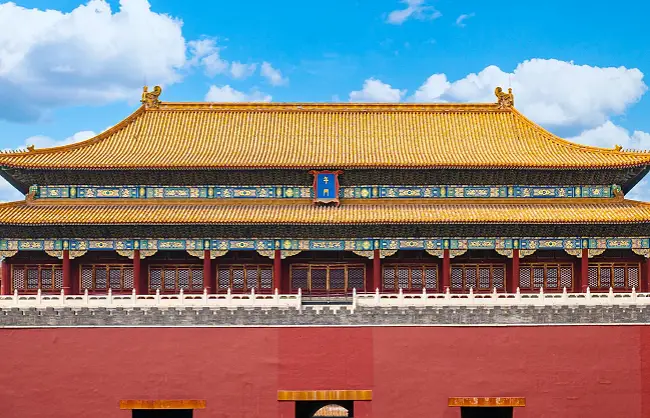


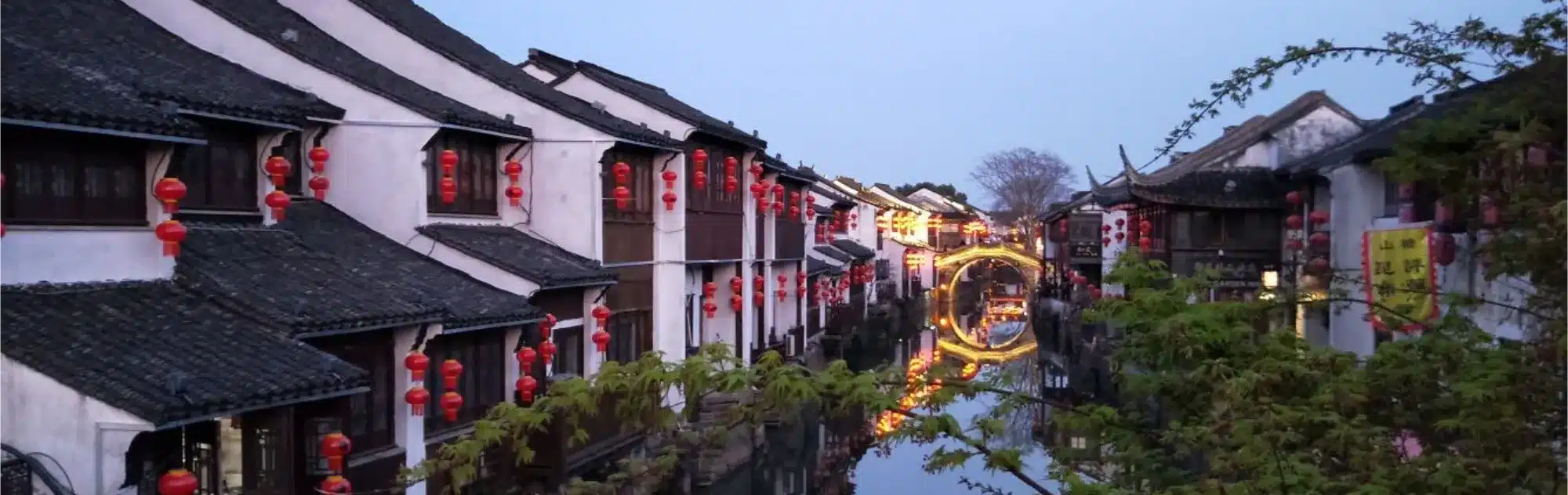
Shantang Street is an ancient street along the canal in Suzhou, China. Its history dates back to Tang Dynasty in 825 AD. Stretching for 2.4 miles (3.8 kilometers), it links Suzhou city center with the renowned Tiger Hill. Its length was originally measured in traditional Chinese unit li, so Shantang Street is also called the “Seven-mile Shantang.”
Shantang Street is often referred to as “the First Street in Suzhou” for three reasons. It has a history of nearly 1,200 years; it is representative of local architecture; it is associated with distinguished people and events. If you travel to Suzhou, make sure you pay a visit to Shantang Street.
Content Preview
- Fast Facts about Shantang Street
- What to See and Do on Shantang Street
- Best Time to Visit Shantang Street
- How to Get to Shantang Street
- Attractions nearby Shantang Street
Fast Facts about Shantang Street
- Location: northwestern Gusu District, Suzhou, Jiangsu, China
- Hours: all day
- Ticket price: free
- Recommended visit time: 2-3 hours
- Best time of the year: April to October, especially April to May in spring and September to October in autumn
- Suited to: History lovers, photographers, couples, families with kids
What to See and Do on Shantang Street
1. Explore Shantang Old Street
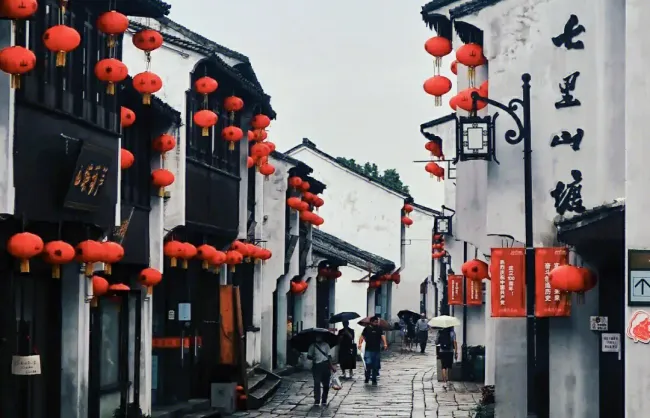
Shantang Street captures the essence of Suzhou so well, it is called the “miniature of old Suzhou” and the “window into Jiangsu culture.” There are plenty of shops, restaurants, tea houses, and cultural attractions to explore.
Shop for souvenirs at handicrafts stores owned by local artisans. You’ll find a variety of wood engravings, stones carvings, and embroideries. Try local food at restaurants like Caizhizhai, Wufangzhai, and Qianshengyuan. You won’t forget the taste of Jiangnan.
As you walk round the block, stop at Suzhou Chamber of Commerce Museum to learn about trade and social gatherings took place on Shantang Street. Jiangnan Ship Culture Exhibition Hall shows pictures, components, models of different kinds of ships and boats in ancient time Jiangnan.
Antai Fire Fighting Community exhibits the stories of local fire fighters. You can also see Yuhan Hall of Wu Yipeng, the biggest and best-preserved residence of Ming dynasty.
2. Embark on a canal boat cruise
See Shantang Street from a distance on a boat cruise down the canal. It’ll be like seeing a real-life movie with the ancient streets, houses, stone bridges, and the local life along the banks. You might also hear the boatman’s captivating tales and songs about old Suzhou. The boat ride will surely be the highlight of your Suzhou tour.
3. Visit Bai Juyi Temple
In 825, Bai Juyi, a renowned Tang Dynasty poet, was transferred to Suzhou to become its governor. He initiated the Shantang River canal project. Later, a road parallel to the river was constructed. Shantang block has since turned into a busy transport and commercial hub.
Pay homage to the great poet and governor behind the construction of Shantang Street. You’ll learn more about his life and admire statues, paintings, and calligraphy dedicated to him.
4. Enjoy the enchanting night view
After night falls, Shantang Street lights up with shimmering red lanterns reflecting upon the water. Take a leisurely stroll or a night cruise to immerse yourself in the atmosphere. Capture memorable photographs or find a cozy spot for a drink or delicious meal.

5. Admire the Street from Tonggui Bridge
Climb the Tonggui Bridge (通贵桥), a picturesque 15th-century stone arch bridge in Suzhou’s Shantang Street. Built during the Ming Dynasty (1488–1505), its elegant single-span design and intricate stone railings managed to offer people breathtaking vistas of the winding canal and traditional architecture.
Many locals would say they cherish this spot for here can capture the beautiful reflections of lotus ponds, weeping willows, and lanterns shimmering on the water, just like a timeless classical Chinese paintings. The bridge’s name, meaning “Noble Passage,” honors its history as a link between elite residences and bustling markets. Also take a look of its engineering, you’ll find that it’s a perfectly circular reflection forms when the arch meets the water, a testament to ancient craftsmanship.
6. Visit Other Featured Sites
Beyond the main attractions, Shantang Street is dotted with hidden gems that better present Suzhou’s history and culture:
- Suzhou Chamber of Commerce Museum
This museum, housed in a restored guildhall, records the rise of Suzhou’s merchant class through tangible artifacts like vintage scales, silk ledgers, and ceremonial robes. Read the instruction, documents and pictures in each hall, which greatly offer insight into the city’s role as a commercial hub during the important figures in Suzhou Chamber of Commerce.
- Jiangnan Ship Culture Exhibition Hall
Explore China’s Naval Legacy at the Jiangnan Shipyard Museum, which tells people 150 years of shipbuilding history. Here, you can see over 459 photos, 77 artifacts, and 21 ship models including milestones like China’s first submarine, 10,000-tonne water press, cross-sea ferry, and self-designed 10,000-tonne ship. Housed in the birthplace of modern Chinese industry (1865), this museum links Qing-era craftsmanship to cutting-edge naval tech.
- Wu Yipeng’s Yuhan Hall
Located in Suzhou’s Shantang Street, this Ming-era house (1460–1542) used to be the home of statesman Wu Yipeng. Its intricately carved wooden screen, tranquil lotus pond, and hidden passageway hint at its storied past.
After restored, the hall gets to blend classical elegance with modern design. Nobel laureate Li Zhengdao praised its renewal: “Cultural relics renew, virtues endure.” Highlights include Ming stone-drum pillars and phantom-imaging exhibits showcasing 1,700 years of Shantang history.
Related reading: What to Buy in Suzhou?
Best Time to Visit Shantang Street
The best time of year to visit Shantang Street is during April and October, particularly in April and May when flowers bloom and the golden autumn season in September and October. During these months, the weather is nice, the street comes alive with local life and visitors.
But it’s worth noting that Shantang Street sees large crowds during holidays and weekends. So plan your trip to Suzhou around China public holidays if you can.
Tips to Visit Shantang Street
- If possible, also enjoy some night time here. Lantern-lit scene and lively street spots in the evening are some of the views that you cannot miss.
- Must-Try Food: It is highly recommended for visitors to try some local specialties like Wanshan Pork Trotters (万三蹄) and also the street snacks.
- Remember to rent a shared bike for exploring, so that you can enjoy a hassle-free time in the historic district.
How to Get to Shantang Street
By metro: Take metro line 2 to Shantang Street Station near the entrance of the street.
By bus: Hop on one of the public buses such as No. 501, 7, 34, 44, 85, 50, 64, 161, 304, 315, 317, 318, 406, 415, 522, and more. Get off at Shantang Street Station, which is only a short walk away from the street.
By taxi: Hail a taxi from anywhere in Suzhou directly to Shantang Street. The fare varies based on distance and traffic conditions.
By bicycle or rickshaw: Rent a bicycle or a rickshaw for a delightful ride along the canal and the street. You’ll have the freedom to stop anywhere you wish.
Attractions nearby Shantang Street
Tiger Hill is a renowned scenic spot in Suzhou, featuring the iconic leaning Yunyan Pagoda, the Sword Pool, the Tomb of King He Lu, and other historical and cultural relics. It is about 2.4 miles (3.8 kilometers) to the west of Shantang Street.
Lingering Garden is one of Suzhou’s four most celebrated classical gardens. It is praised for its meticulous layout, elegant architecture, and artistic rock formations. It is around 2.8 miles (4.5 kilometers) to the south of Shantang Street.
Suzhou Museum is designed by the well-known Chinese American architect Mr. Ieoh Ming Pei (贝聿铭). Pei lived in Suzhou during his childhood, so you’ll find many typical elements of Suzhou gardens and Jiangnan architecture at the museum.
With an area of 12,797 square yards (10,700 square meters), Suzhou Museum is home to over 40,000 historical and cultural, including jade, ceramics, bronze, stone, ivory. It is about 1.9 miles (3 kilometers) to the east of Shantang Street.
Pingjiang Road is the most remarkable ancient block in Suzhou with quintessential features of a Jiangnan water town. You’ll see traditional houses with whitewalls and gray-tiled roofs, stone bridges, and winding alleyways. It is around 1.2 miles (2 kilometers) southeast of Shantang Street.