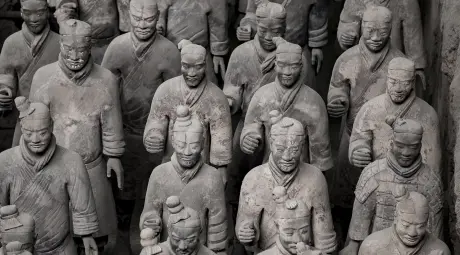


24 Solar Terms is an invaluable creation of ancient Chinese people, who relied on the terms to predict weather and adjust their agricultural activities.
And now, it has become one of the precious intangible cultural heritage, which is complemented as “China’s fifth great invention”. This guide will cover the 24 Solar Terms’ definitions, characteristics, impacts, as well as relevant events and travel tips.
Content Preview
- What Are the 24 Solar Terms
- Complete List of the 24 Solar Terms for 2026
- Why Are the 24 Solar Terms Important
- What to Eat During the 24 Solar Terms? A Seasonal Eating Guide
- Best Time to Visit China Based on Solar Terms
- What to Do during the 24 Solar Terms (Traditional Festivals)
- Experience 24 Solar Terms with China Tour
- FAQ about 24 Solar Terms
What Are the 24 Solar Terms
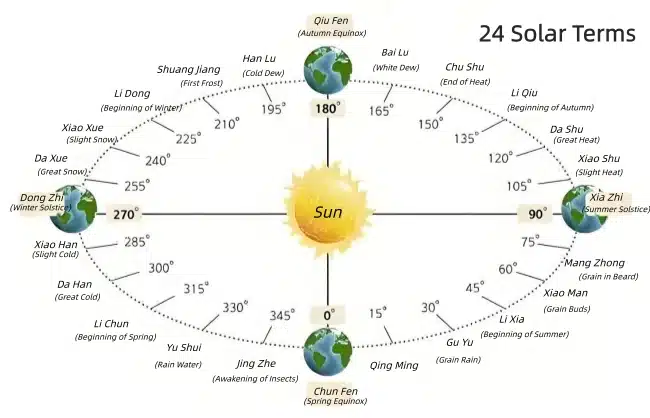
“24 Solar Terms” originated from ancient agricultural civilization along the Yellow River Basin. Through observation of the Sun’s annual cycle, ancient Chinese people coined this body of knowledge and social practice based on their understanding of seasonal changes, climate, and phenology throughout the year.
Below is a simple illustration that briefly showcases how the 24 Solar Terms divide the whole year.
Complete List of the 24 Solar Terms for 2026
Solar Term |
Chinese Name |
Season |
Date |
Meaning |
Li Chun (Beginning of Spring) |
立春 |
Spring |
Feb. 4th |
beginning of Spring, everything coming back to life, weather warming up |
Yu Shui (Rain Water) |
雨水 |
Spring |
Feb. 18th |
beginning of precipitation and thawing of ice and snow |
Jing Zhe (Awakening of Insects) |
惊蛰 |
Spring |
Mar. 5th |
time for first spring thunder; hibernating animals awakening |
Chun Fen (Spring Equinox) |
春分 |
Spring |
Mar. 20th |
balance of days and nights; weather warming up fast |
Qing Ming |
清明 |
Spring |
Apr. 5th |
the nature becoming clear |
Gu Yu (Grain Rain) |
谷雨 |
Spring |
Apr. 20th |
The crops and grains growing, precipitation volume increasing |
Li Xia (Beginning of Summer) |
立夏 |
Summer |
May 5th |
beginning of Summer, the nature becoming energetic |
Xiao Man (Grain Buds) |
小满 |
Summer |
May 21st |
summer crops filling out, yet not ripe |
Mang Zhong (Grain in Beard) |
芒种 |
Summer |
Jun. 5th |
crops such as wheat and other awned grains ripening |
Xia Zhi (Summer Solstice) |
夏至 |
Summer |
Jun. 21st |
summer heat approaching, longer daytime |
Xiao Shu (Slight Heat) |
小暑 |
Summer |
Jul. 7th |
weather becoming hotter |
Da Shu (Great Heat) |
大暑 |
Summer |
Jul. 23rd |
the hottest time in a year |
Li Qiu (Beginning of Autumn) |
立秋 |
Autumn |
Aug. 7th |
beginning of Autumn, plants bearing fruits, weather cooling off |
Chu Shu (End of Heat) |
处暑 |
Autumn |
Aug. 23rd |
summer heat reaching an end |
Bai Lu (White Dew) |
白露 |
Autumn |
Sep. 7th |
temperature dropping, dews condensing into white drops |
Qiu Fen (Autumn Equinox) |
秋分 |
Autumn |
Sep. 23rd |
balance of days and nights, autumn past halfway |
Han Lu (Cold Dew) |
寒露 |
Autumn |
Oct. 8th |
lower temperature, dews freezing and forming frost |
Shuang Jiang (First Frost) |
霜降 |
Autumn |
Oct. 23rd |
weather turning cold, frost becoming frequent |
Li Dong (Beginning of Winter) |
立冬 |
Winter |
Nov. 7th |
beginning of Winter, animals hoarding food and hiding |
Xiao Xue (Slight Snow) |
小雪 |
Winter |
Nov. 22nd |
temperature dropping, beginning of minor snow precipitation |
Da Xue (Great Snow) |
大雪 |
Winter |
Dec. 7th |
temperature dropping drastically, heavy precipitation and accumulated snow |
Dong Zhi (Winter Solstice) |
冬至 |
Winter |
Dec. 22nd |
winter cold approaching, shortest daytime in a year (northern hemisphere) |
Xiao Han (Slight Cold) |
小寒 |
Winter |
Jan. 5th |
weather turning cold |
Da Han (Great Cold) |
大寒 |
Winter |
Jan. 20th |
the coldest time in a year |
Why Are the 24 Solar Terms Important
The 24 Solar Terms combine knowledge of astronomy, meteorology, agriculture, and social life. They make “time” more predictable, tangible, and favorable in three different approaches:
First, they reflect key stages of crop growth, offering a comprehensive timeline for traditional agriculture, which relied mostly on natural conditions. Some of the terms literally indicate climate information.
For example, Yu Shui (Rain Water) predicts the increase of precipitation, and Shuang Jiang (First Frost) warns of the emergence of frost, which may impede the growth of crops. They serve as important alarms to cope with weather/temperature changes.
Second, they divide the four seasons into delicate climate phases, which help people understand and adapt to natural rhythms, especially before the summer heat period (Da Shu) and winter cold period with heavy snow precipitation (Da Han). People may adjust their dressing, diets, and schedules to better accommodate themselves to different weather and temperatures.
Third, the 24 Solar Terms have become a cultural imprint of Chinese traditions and customs in their evolution during millennia. Qing Ming, for instance, is not just a term, but also a traditional festival during which people sweep their late family members’ tombs, honor their ancestors, and go spring outing.

What to Eat During the 24 Solar Terms? A Seasonal Eating Guide
Li Chun |
Spring Rolls, Spring Bread, radishes |
Yu Shui |
Dragon’s Beard Cookies, Chinese ginseng, water chestnuts |
Jing Zhe |
Rolling Donkey (rice cakes made of soy beans); pear |
Chun Fen |
Sweet Dumplings, mustard greens |
Qing Ming |
Qingtuan (sweet green rice balls), Shepherd’s Purse, snails (luosi) |
Gu Yu |
Chinese toon, Gu Yu Tea |
Li Xia |
duck eggs, plums |
Xiao Man |
Sowthistles, rice beans, white gourds |
Mang Zhong |
plums, lotus seed porridge |
Xia Zhi |
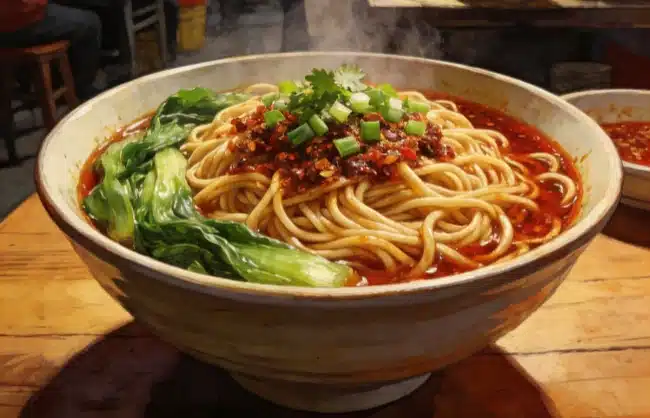
noodles, nourish cool (a dessert) |
Xiao Shu |
lotus roots |
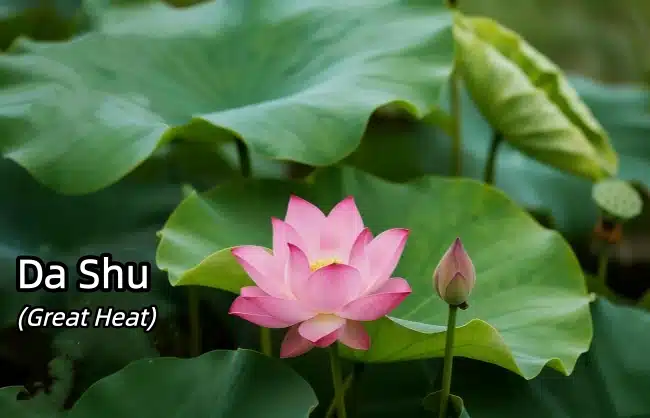
Da Shu |
Mesona, pineapples, Fu Tea |
Li Qiu |
watermelons, meats |
Chu Shu |
duck |
Bai Lu |
longans, Bai Lu Tea, sweet potatoes |
Qiu Fen |
autumn-ripe vegetables, Sweet Dumplings |
Han Lu |
flower pastries, sesames, pears |
Shuang Jiang |
persimmons, chestnuts |
Li Dong |
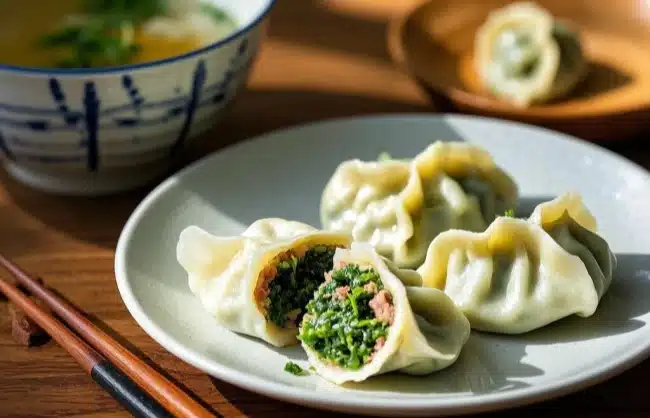
Dumplings, mutton hot pot |
Xiao Xue |
glutinous rice cakes, marinated meats, pickles |
Da Xue |
sweet potatoes, porridge, cistanche |
Dong Zhi |
Dumplings (north), Sweet Dumplings or Sticky Rice Steamed with Rice Beans (south) |
Xiao Han |
Laba Congee, sticky rice |
Da Han |
Eight-Treasure Rice, hot pot |
Best Time to Visit China Based on Solar Terms
Rain Water to Equinox: Catch the Peak Bloom in Luoping
Time: Late February to early April
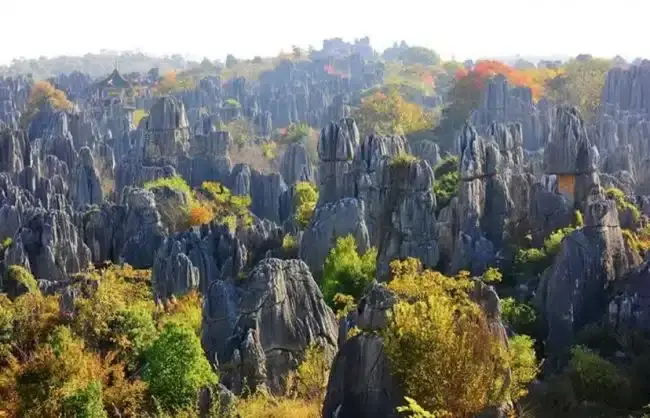
Highlights: A million acres of rapeseed flowers are in full bloom in Luoping from the Rain Water to Equinox period. The golden sea of flowers contrasts beautifully with the karst peaks. The scenes offer an immersive experience of the beginning of spring. Visitors can also experience the local Buyi ethnic group’s “Bite Spring” custom.
Recommended tour
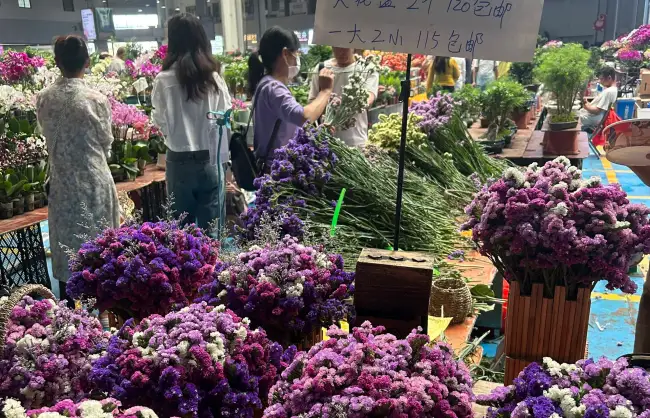
Chase spring blooms on this 5-day Yunnan photography tour capturing Luoping's golden canola fields, Wanfenglin's karst peak forests, and the colorful Dounan Flower Market in Kunming.
Qing Ming: Best Time for Spring Outing in Southern Yangtze River Area
Time: early April
Highlights: The southern Yangtze River area is in the midst of the spring tea-picking season when the Qing Ming festival arrives with steady drizzles. In Longjing Village, you can experience tea-picking and taste pre-Qing Ming tea, or simply take a stroll around West Lake. You might enjoy the traditional cultural atmosphere of Qing Ming outings and ancestral memorial events.
Recommended tour
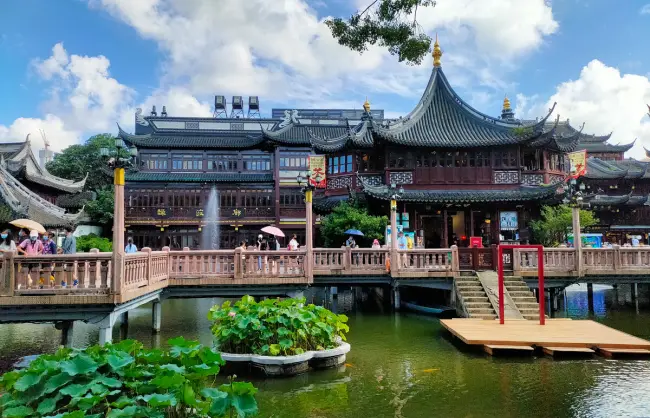
This six-day trip to Shanghai, Suzhou, and Hangzhou will allow you to experience the most beautiful scenery in eastern China. In the bustling metropolis of Shanghai, enjoy the towering city skyline...
Xia Zhi: Great Time to Mohe for Aurora and “Eternal Daylight”
Time: around June 21st
Highlights: In Mohe, as the “north pole of China”, visitors can experience a natural miracle resembling “Midnight Sun” and may get a chance to encounter the aurora. Local people would hold the Xia Zhi carnival, where the bonfire party and folk performances would win a widespread fame.
After Li Qiu: Perfect Time for Autumn Foliage & Rituals
Time: early August – October
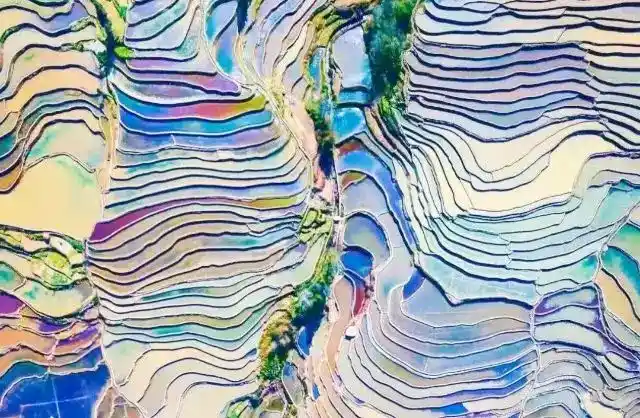
After Li Qiu, most areas in China will welcome visitors with golden yellow foliage. Some of the most recommended places to visit for Autumn scenery include, Ginkgo Village in Tengchong, Yuanyang Rice Terraces, Hulunbuir Grassland, Kanas Lake in Xinjiang, etc.
This period is also the harvest season in most regions, offering great opportunities to encounter time-honored folk rituals. The Shaiqiu in Huangling Village and surrounding areas is one of the most popular one.
Recommended tour
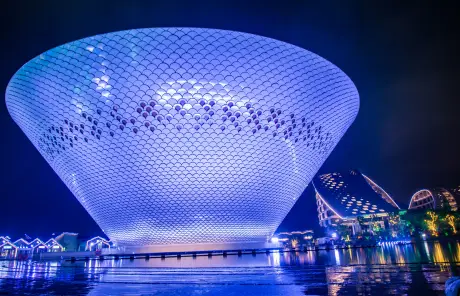
Capture Wuyuan's stunning autumn harvest scenes with drying crops on rooftops and explore Jingdezhen's ancient kilns and ceramic art heritage.
Dong Zhi: Immerse in Snow Activities in Harbin
Time: late December
Highlights: By the time of Dong Zhi, Harbin must have been covered in pure white. Visitors can experience the custom of eating dumplings for Dong Zhi and expect the Ice Snow Festival in January, where visitors can try many season-limited games like skiing and ice skating, while appreciating exquisite ice sculptures.
Recommended tour
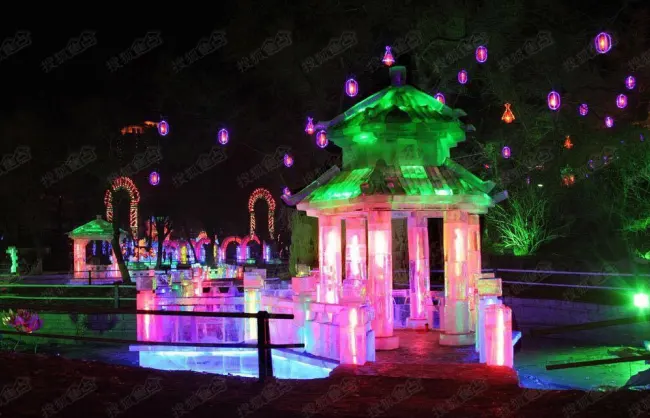
A 3-day Harbin winter package experiencing the dazzling Ice and Snow World, Sun Island ice sculptures, Zhaolin Park lanterns, St. Sophia Cathedral, and close-up Siberian tiger encounters.
What to Do during the 24 Solar Terms (Traditional Festivals)
- Qing Ming in Spring: Eating Qingtuan (sweet green rice balls), sweeping tombs, honoring ancestors, and going spring outing
- Duanwu (Dragon-Boat Festival) in Summer: Racing dragon boats, eating zongzi, burning mugwort leaves
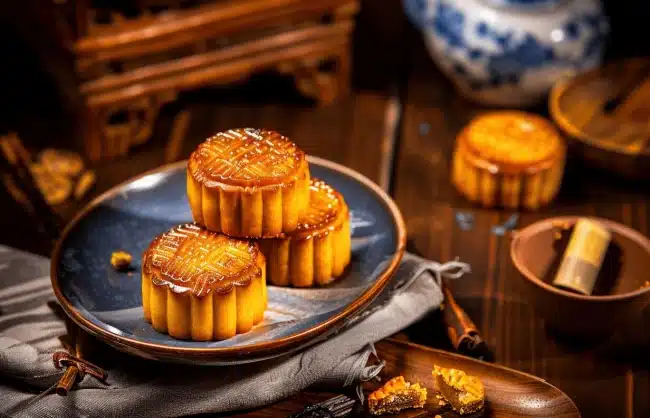
- Mid-Autumn Festival: Appreciating the moon, eating moon cakes
- Dong Zhi in Winter: Eating dumplings, family reunion

Experience 24 Solar Terms with China Tour
Wishing to experience the 24 Solar Terms fully across China, but worrying the complicated travel planning? Don’t worry! China Xian Tour is here to help you out. Our professional consultation and guide team will tailor a personalized tour route to suit your preferences for time, locations, and activities. Join us for a close encounter with the picturesque natural landscapes and rich culture during different solar term periods today!
FAQ about 24 Solar Terms
- Are the 24 Solar Terms still used today?
Yes! Despite highly advanced technology nowadays, most people, especially the elderly, still refer to the 24 Solar Terms for the purposes of agricultural planning, health and wellness, and cultural preservation. Just like machines with incredible precision, this system is also detailed and reliable.
- When were the 24 Solar Terms created?
The creation of 24 Solar Terms can be traced back to the Xia-Shang dynasty (2070-1046 BCE). According to China’s first agricultural book, Xia Xiao Zheng, ancient Chinese people resorted to the length of the Sun’s shadow to determine the two Solstices.
In 104 BCE, 24 Solar Terms were officially incorporated into the traditional calendar system, with their astronomical positions defined in the Taichu Calendar. Later, the book Huainanzi provided a comprehensive record of their names, corresponding weather characteristics, and phenological phenomena.
- What is the connection to the lunar calendar?
The 24 Solar Terms are based on the annual motion of the Sun, while the lunar calendar is developed from the waxing and waning of the moon. When they are combined in the traditional Chinese solar-lunar calendar, it determines whether an intercalary month is added and the sequence of months.