





If you’ve been researching everything trying to get ready for your trip to China, there’s one thing you may not have thought about yet: the toilets. Because yes, China is a wonderful country full of beautiful landscapes, delicious food, and fascinating culture, but the country comes with some challenges as well. You might be surprised to know that a lot of foreigners struggle with public toilets in China, but don’t worry! We’re here to tell you everything you need to know before you go.

Content Preview
- Key Facts about Public Toilets in China
- Types of Toilets in China – Sit or Squat?
- How to Use Squat Toilets in China
- Availability & Cleanliness of Public Toilets in China
- How to Find a Public Restroom in China?
- What About Toilets in Restaurants?
- What to Expect in Chinese Toilets
- Essential Items to Carry for Public Toilets in China
- Navigating Cultural Norms When Using Chinese Toilets
- Asking About Toilets: Handy Phrases
- Practical Tips for Foreigners Using Toilets in China
- FAQs about Using Public Toilets in China
- Plan Your Perfect China Tour with China Xian Tour
Key Facts about Public Toilets in China
- Toilet Type: the squat toilet is very common in public occasions, while hotels and some high-end places usually offer the sit down toilet.
- Toilet Paper and Soap: not all public toilets offer toilet paper and soap, it is better to carry them with you, just in case.
- Hygiene:usually, the hygiene condition of toilets inside the malls or metro stations is better.
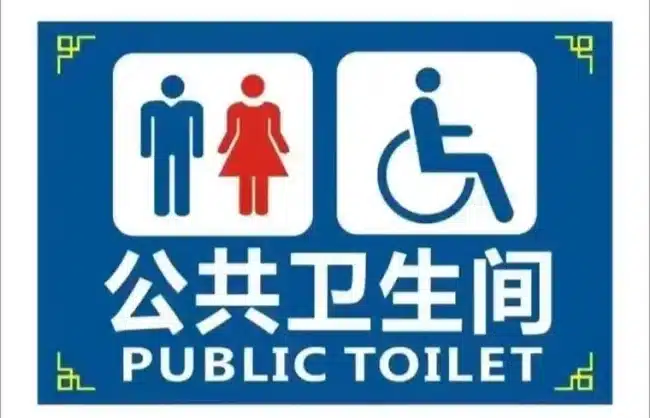
- Finding a Toilet:“洗手间”, “卫生间” and “公共厕所” all refer to the toilet in China, so it is feasible to look for all these signs.
- Privacy: most toilets in China are equipped with a door, offering a private space.
Types of Toilets in China – Sit or Squat?
Accessible Toilets
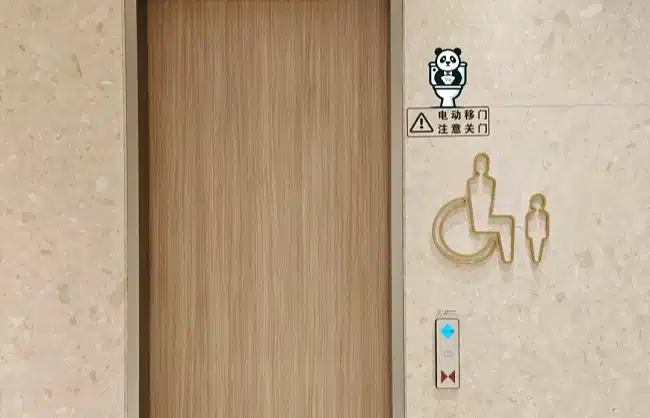
Before we begin, it’s important (if unfortunate) to note that it can be difficult to find accessible toilets in China. Airports will typically have them, and there has been a push to include accessible facilities in all bathrooms in major tourist areas, but even that isn’t a guarantee. If you or someone you’re travelling with will need to use accessible toilet facilities, it’s best to stick to popular tourist areas, and even then it might be worth checking for accessible bathrooms wherever you’re planning to visit beforehand.
“Western” Sitting Toilets
That being said, accessible stalls aren’t the only thing China’s public toilets are missing. You won’t realise how important it is that your bathroom feels like home until it doesn’t – which is why you’ll no doubt be relieved to know that while not all toilets in China are Western style, you’re likely to find them more often than not if you’re staying in big cities and areas popular among tourists. While it’s not a guarantee, it’s at least a safe bet for those looking for a familiar bathroom experience…
Squat Toilets (aka “Squatty Potties”)
… However, the day will no doubt come that you need to go, like, now, and the only option you find is a squat toilet. If you’re not familiar with the concept, these are toilets that are set in the floor rather than being a raised seat. You’re more likely to run into these in less-travelled neighbourhoods in big cities, and if you stray further afield into small towns and rural villages, they might even be the only kind of toilet you can find. Still, while Chinese squat toilets might seem intimidating at first, don’t worry too much! They’re easier to use than you might think.
Are squat toilets more common than Western-style toilets in China? Yes. Western-style sitting toilets are more commonly applied in big cities. Squat toilets are still the most used in many public places.
Dislike squat toilets? Well, compared to sitting toilets, they have many advantages (aren’t you a little more willing to use Chinese public toilets now? )
- In fact, squatting is better for relieving your bowels, thus preventing constipation.
- More importantly, squat toilets are more hygienic because there is less contact area – so they are the better choice for public toilets.
- Perhaps you don’t want to think about it now, but squatting while using the toilet can also help exercise the lower limbs and core strength (Yet, it’s not very friendly for the elderly).
Dry toilets, also known as “non-flushing toilets”
These still exist in rural areas of China. Even for Chinese people, it is undoubtedly a nightmare. It is a huge challenge and a “unique experience” for international tourists – if you encounter it.
You shouldn’t expect toilet paper, hand sanitizer, or even water. So where might they be? In the arid regions of the northwestern China (such as deserts) and remote villages in Tibet. So at this point, should you go to the toilet or not? This is a question.
How to Use Squat Toilets in China
Squat toilets are used more or less as the name says: by squatting. You’ll normally find grooves on either side of squat toilets, which help to provide a bit more grip and friction for your feet so you don’t slip. For those unused to squatty potties, those grooves are also a useful indication of where to place your feet and how to position yourself. Then, make sure any fabric is above or past your knees to keep them from getting splashed, and once you’re feeling relatively stable, just squat down and go about your business.
Tips for Using Squat Toilets
- Practice squatting (and getting back up again!) before you find yourself in an emergency situation – it can help your muscles get used to the position and movements needed.
- Leaning forward somewhat can help with your balance, as can hooking your arms over your legs such that the back of your arms or your armpits rest on your knees.
- If you can, avoid skirts and wide-legged pants, as the additional fabric can sometimes get in the way.
- If you’re worried about accidents… Well, let’s just say a spare change of clothes and an extra pair of shoes can never hurt. Hopefully you won’t need them, but know that if you do, you won’t be the first.
Availability & Cleanliness of Public Toilets in China
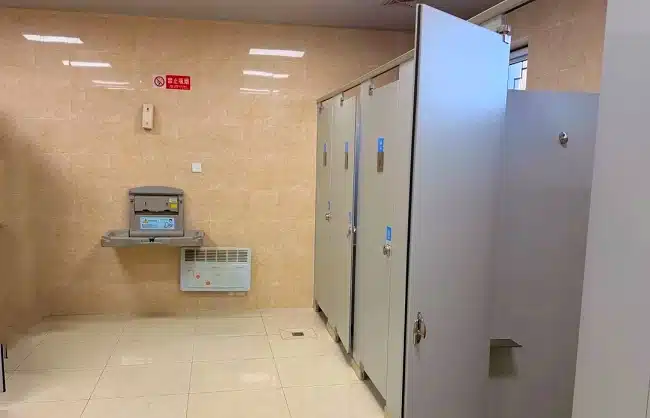
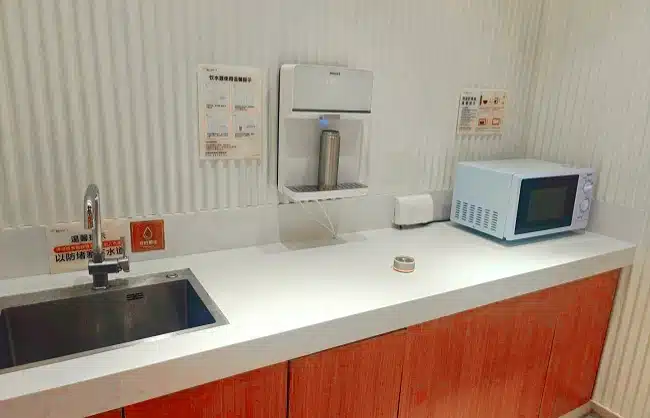
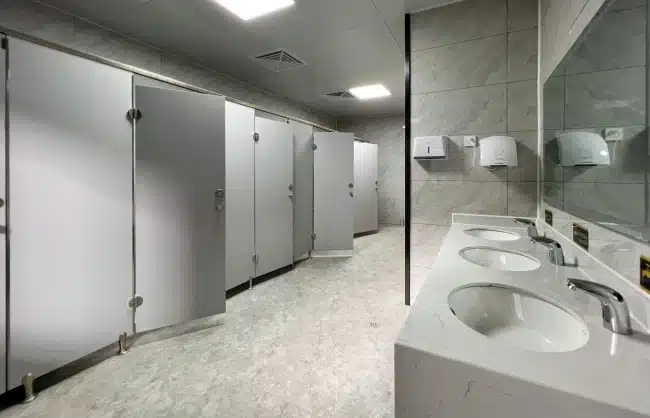
Public toilet are basically nice and clean, with all modern facilities in cities, especially large cities like Beijing. Usually, restrooms in malls, airports, train stations, and major attractions are with the best conditions. In contrast, if you’re traveling in smaller towns and rural areas, then the experience may be a little different. It’s better to expect the toilets to be more basic in these areas. And you might often come across squat toilets with limited ventilation.
One positive change is that nowadays the Chinese government has invested heavily in improving public restrooms, particularly in tourist-heavy destinations. So if you’re visiting well-known sites like the Great Wall, don’t worry, the facilities will be easily found and they could be pretty clean.
How to Find a Public Restroom in China?
If you’re out and about in China and need a restroom, you’re in luck! Public toilets typically aren’t too hard to find. Malls, train stations, and metro stops are some of the best places to look, but you can even find public toilets outside in areas such as parks and even on the side of the street. Be aware, however, that these aren’t always as well maintained as their indoor counterparts.
If you’re looking for toilets, there are the three main Chinese bathroom signs to look for: “洗手间”, which is more commonly used in indoor locations, and “公共厕所”, which is more commonly used in outdoor locations. The third option, “卫生间”, is relatively neutral and might be used in either situation. Another good option is to join a China tour accompanied by a local tour guide who can help you so you can focus on enjoying your trip without worrying about where your next rest stop will be.
The Chinese map apps, Amap and Baidu Map, can be used directly. Just input “toilet” in the search column, all the surrounding public toilets will be displayed. If you can not use the app, ask the clerk or security personnel at the service counters, hotels, convenience stores, etc, they are usually willing to show the way.
What About Toilets in Restaurants, Tourist Attractions, Railway Stations and Shopping Malls
Restaurants and cafes are always a great place to use the restroom… Right? Well, most of the time yes, though you’ll of course be expected to buy something before you use them. If this is the route you want to go, however, we recommend that you look for larger restaurants and cafes. In smaller ones, bathrooms can be located in odd places ( through the kitchen or even on the side of the building) and you’re more likely to run into poorly maintained facilities and squat toilets.
You should know that there are tens of thousands of tourist attractions in China, and public toilets vary greatly. In major cities, top attractions (the places you are most likely to visit), such as the Forbidden City in Beijing, the Terracotta Army in Xi’an, and the West Lake in Hangzhou (assuming there are no unexpected circumstances), will provide both squat toilets and “Western” sitting toilets in accessible restrooms, along with toilet paper and hand sanitizer. However, in some less well-known or smaller tourist areas, there might only be squat toilets. And in some deserts of China, you might have to use the most primitive dry toilets.
The public toilets in Chinese railway stations also vary. New or relatively new large high-speed railway stations have accessible toilets, but squat toilets are the main type, with sitting toilets as a secondary option. However, there are still many ordinary or old railway stations in China, where you are most likely to only find squat toilets. Moreover, the cleanliness levels may range from average to poor. What about the toilets on trains? All high-speed trains are equipped with sitting toilets. As might have been expected, ordinary trains only have squat toilets.
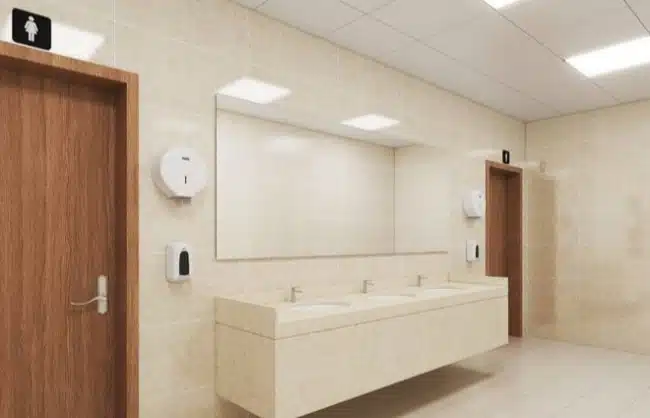
In large shopping malls of Chinese cities, public toilets are usually the safest option for international tourists. Feel free to go to Beijing SKP, Shanghai IFC, Chengdu Taigu Li… and use the toilets. Surprisingly, you might even encounter public toilets of five-star hotel standards. What about smaller malls? They are a bit worse, but still generally better than train stations.
What to Expect in Chinese Toilets
Identifying Men’s and Women’s Restrooms
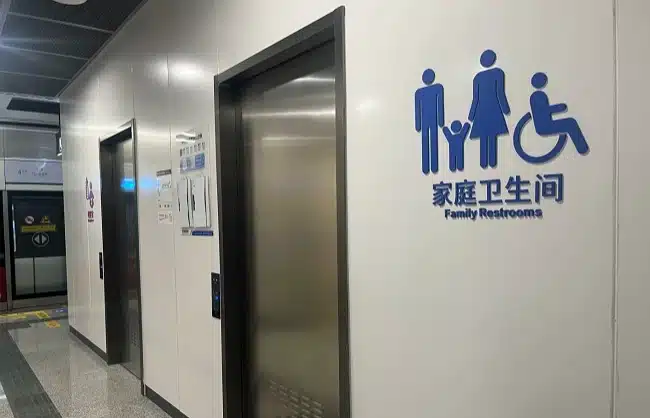
Don’t expect to find gender neutral or family options in many public bathrooms in China. Most of the time, you’ll only find two options: 男 for men and 女 for women. While there are sometimes pictographs of men and women as well, it doesn’t hurt to recognise those symbols to make extra-sure that you don’t end up in an awkward situation.
Toilet Paper – You’d Better Carry Tissues on You
Toilet paper in China is a complicated issue. Some bathrooms will have it, others will give you a fixed “allotment” to make sure you aren’t overusing, and still others won’t have it at all. As such, it’s always a good idea to carry tissues on you just in case. One thing you can be sure of, however, is that you should never flush toilet paper or tissues! The plumbing of most Chinese toilets isn’t built to handle it. Instead, you’ll find bins next to the toilet – just throw your used tissue or toilet paper there.
Soap
While almost all public toilets in China will have soap dispensers, whether or not they’re filled is another question entirely. As such, it’s always a good idea to keep some soap or hand sanitizer with you, just in case.
Bathroom Attendants and Fees
While you aren’t likely to run into bathroom attendants or pay-to-use restrooms, they do still exist, especially in smaller towns and rural areas. Carrying a few Chinese yuan in coins is a good way to make sure you’re not scrambling for change when you’re in a rush.
… No Doors???
Yes, it’s true, some Chinese toilets don’t have doors, and even those that do can feel like they’re offering less privacy than you’d like. Again, this is more common in small towns and rural areas. If you think you might find yourself in this kind of situation, the best way to deal with it is by mentally preparing yourself or looking for bathrooms that suit your preferences before you have to go.
Essential Items to Carry for Public Toilets in China
- Toilet paper or tissues
- Soap or hand sanitizer
- Wet wipes in case of unclean surfaces
- A few Chinese yuan in change
- For those sensitive to smells, essential oils or perfumes
Navigating Cultural Norms When Using Chinese Toilets
Beyond all the surprises we’ve already covered, there’s not too much more to worry about when it comes to cultural norms in Chinese toilets. Try not to make a mess, wait in line for your turn, and, of course, do your best to respect others’ privacy, even if some people might not respect yours.
Additionally, don’t go into too much detail about your bathroom visits with others, especially over a meal. In China, like in most places, you’ll be seen as having bad manners.
Asking About Toilets: Handy Phrases
- 我可以用你的洗手间吗?
- Pronunciation: Wǒ kěyǐ yòng nǐ de xǐshǒujiān ma?
- Meaning: Can I use your bathroom?
- 洗手间在哪里?
- Pronunciation: Xǐshǒujiān zài nǎlǐ?
- Meaning: Where is the bathroom?
- 有蹲厕还是坐厕?
- Pronunciation: Yǒu dūncè háishì zuòcè?
- Meaning: Are there squatting toilets or sitting toilets?
- If they respond “Dūncè”, it’s a squatting toilet.
- If they respond “Zuòcè”, it’s a sitting toilet.
- If they respond “Liǎnggè dōu yǒu”, there are both kinds.
- 有卫生纸吗?
- Pronunciation: Yǒu wèishēngzhǐ ma?
- Meaning: Is there toilet paper?
Related reading: Useful and Basic Mandarin Phrases Travelers to China Should Know
Practical Tips for Foreigners Using Toilets in China
- At a minimum, always bring tissues and hand sanitiser with you.
- Throw toilet paper and tissue in the bin, never in the toilet!
- Practice squatting and try to use a squat toilet for the first time when you aren’t in a rush.
- Mentally prepare yourself for any potential smells, poor maintenance, and lack of privacy, especially if you’re travelling to more remote locations.
- Learn the most important signs: 男 for “Men”, 女 for “Women”, and 公共厕所 / 洗手间 / 卫生间 for restrooms.
- Be polite and respectful of others, and keep an open mind!
- Before opening the door of the toilet, check the lock. Red indicates it is occupied. Even if it is green, knock on the door before entering.
- If you take the kid to the toilet, do remind the kid of straddling the toilet before squatting.
FAQs about Using Public Toilets in China
Are public toilets in China free to use?
Basically all the public toilets are free to use. However, there’s still a very low possibility for you to encounter a facility costing you 1-2 RMB in some small towns.
Do public toilets in China have English signs?
Public toilets in cities and scenic areas usually have “toilet” marked on them. However, sometimes you might see “WC” instead. Don’t hesitate, it’s definitely a toilet, too. But in towns and rural areas, there are generally no English signs.
Are there public toilets available in rural areas of China?
Yes, but expect them to be more basic and with limited ventilation, especially in rural villages. If your destinations include some rather remote and rural area then being mentally prepared helps make the experience less stressful.
Plan Your Perfect China Tour with China Xian Tour
Worried about navigating cultural differences and practical challenges like public toilets while traveling in China? That’s why we recommend you to travel with China Xian Tour, and we are here to solve every problem you may face during a China tour.
With the help of our local travel experts, you’ll get a perfect journey which is made completely based on your own preference, and we’ll also provide you with private transfers and professional guides. From start to finish, we’ll take care of all the preparation for you so that you can fully enjoy the best time in China.