







Mastering a few Chinese phrases can totally change your experience of traveling to China. You will no longer be a hurried tourist who can only rely on rowing or translation software, but experience China as an invited guest. Although international hotels, airports and some scenic spots can communicate in English, English is still not common in local markets, taxis, subway stations and small family restaurants – at this time, basic Chinese phrases are especially valuable.
Mastering common short sentences can help you calmly cope with daily situations during your China tour – ordering food, asking for the way, mobile payment, or politely greeting the locals. This guide selects practical short sentences, with Pinyin and clear annotations, which can be easily used by beginners. No matter what you need at the moment, whether it’s a short Chinese sentence or a basic Chinese expression, this article will help you travel more wisely and establish a deeper connection with Chinese people.
Content Preview
- Tips on Pronouncing Mandarin
- Essential Mandarin Greetings and Polite Expressions
- Mandarin Phrases for Transportation
- Mandarin Phrases for Restaurants & Dining
- Mandarin Phrases for Hotels
- Mandarin Phrases for Emergencies
- Useful Travel Slang Locals Actually Use in China
- Chinese Phrases for Small Talk
- Tips for Using Mandarin as a Traveler
- Travel with China Xian Tour for a Worry-free China Tour
Tips on Pronouncing Mandarin
- Learn Pinyin and tone first: Learning mandarin means you’ll have to learn bothPinyin (Roman alphabet) and four tones. The tone of voice basically determines the meaning of words, and it must be mastered early.
- Read the native speaker’s audio:listen to the native speaker’s pronunciation and follow the speaker’s voice (immediate retelling), and accurately imitate the tone mode.
- Use tone diagrams: By visualizing the pitch curve of each tone (high flat, rising tone, falling tone), the sense of melody in Chinese is internalized into an instinctive response.
- Self-recording comparison: record pronunciation and compare with the native speaker’s audio to capture subtle pronunciation differences.
- Step by step:First, slow down your speed of speech and try to pronounce clearly. Make sure that each syllable and tone are accurate before gradually speeding up.
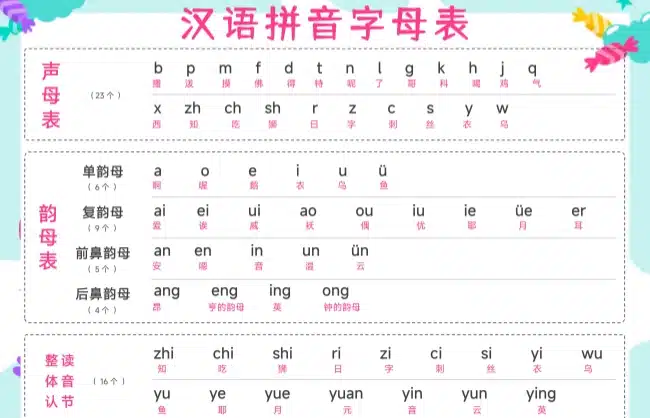
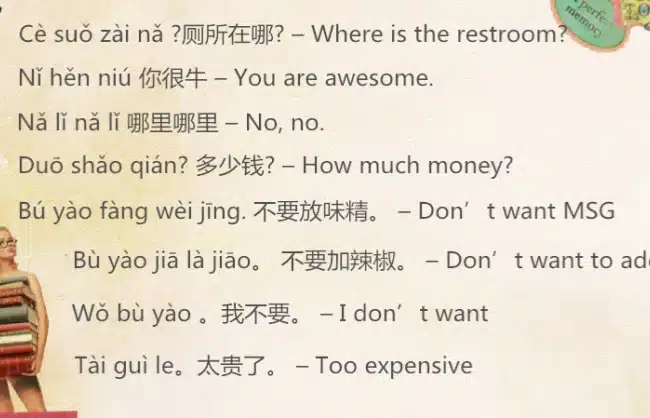
Essential Mandarin Greetings and Polite Expressions
Using polite greetings and basic expressions is always the beginning of a pleasant conversation. Even if you only master a small number of basic Chinese phrases, it is still very beneficial. The key is to know how to use them at the right time – this can not only express respect, but also often get a more friendly response. The following simple sentences will definitely be of great help to your daily life.
- 你好 (Nǐ hǎo)
=Hello
It is used when meeting for the first time or starting a conversation. Basically the same as how you use “Hello”
- 您好 (Nín hǎo)
=Hello (more polite than 你好)
A more respectful way of expression. It is used for elders or formal occasions.
- 谢谢 (Xiè xie)
=Thank you
Express gratitude.
- 非常感谢 (Fēi cháng gǎn xiè)
=Thank you very much.
Express special/extra politeness or gratitude.
- 不客气 (Bú kè qì)
=You’re welcome.
The standard response to other people’s “thank you (谢谢)”.
- 不好意思 (Bù hǎo yì si)
=Sorry / Excuse me
It is used to attract attention, cross the crowd or apologize slightly.
- 对不起 (Duì bu qǐ)
=I’m sorry
It is used to apologize or admit mistakes.
- 没关系 (Méi guān xi)
=It’s okay / No problem
It is used in response to the apology of others.
- 请 (Qǐng)
=Please
It is used to make requests or ask for help.
- 再见 (Zài jiàn)
= Goodbye
It is used when separated.
Related reading: Chinese New Year Greetings and Wishes
Mandarin Phrases for Transportation
Similarly, during your travel in China, you would also most commonly face the situation that you need to take transportation and ask for ways. Here are some phrases to help you with it, if you can master them, then you’re likely to have an easier and smoother journey.
Asking for Directions
- 请问……在哪?
Pronunciation: Qǐng wèn … zài nǎ
= Excuse me, where is …?
A polite way to ask for a location of some place
- 洗手间在哪里?
Pronunciation: Xǐ shǒu jiān zài nǎ lǐ
=Where is the restroom/bathroom
Especially in some outdoor places, it might be a little hard to find toilet.
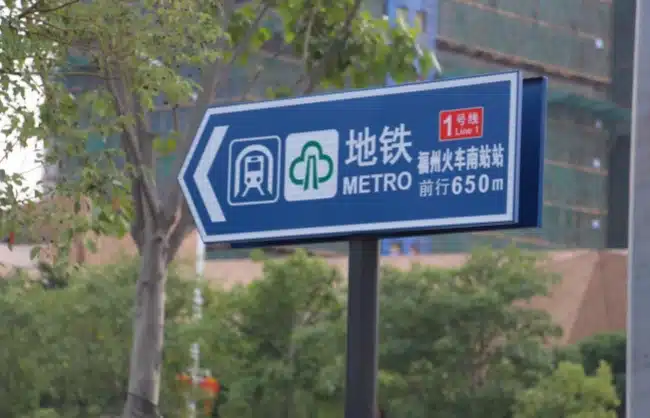
- 地铁站在哪?
Pronunciation: Dì tiě zhàn zài nǎ
=Where is the subway station?
Used when navigating cities.
- 这个地方怎么走?
Pronunciation: Zhè ge dì fang zěn me zǒu
=How do I get there?
A general way to ask for directions, just show the name or picture of the place to the person you ask
- 离这里远吗?
Pronunciation: Lí zhè lǐ yuǎn ma?
=Is it far from here?
This can help you decide whether to walk or take transport.
- 我迷路了。
Pronunciation: Wǒ mí lù le
=I’m lost.
Use it when you need help finding your way
Tips: If you want to be more polite, then use “请问” (see No.11) to start your conversation.
Taxi / Didi Phrases
- 去这里。
Pronunciation: Qù zhè lǐ
=Go here.
Used while showing the address on your phone
- 请打表。
Pronunciation: Qǐng dǎ biǎo
=Please use the meter
Useful when taking a taxi
- 在这里停。
Pronunciation: Zài zhè lǐ tíng
=Stop here.
Used when you arrive at your destination
- 走高速吗?
Pronunciation: Zǒu gāo sù ma
=Take the highway?
Helpful for longer rides.
- 太远了。
Pronunciation: Tài yuǎn le
=It’s too far.
Used when discussing distance or routes.
- 谢谢师傅。
Pronunciation: Xiè xie shī fu
=Thank you, driver.
A polite and friendly way to end the ride.

Public Transport
- 这条线到……吗?
Pronunciation: Zhè tiáo xiàn dào … ma
=Does this line go to …?
Used on subways or buses.
- 到这站下。
Pronunciation: Dào zhè zhàn xià
=I get off at this stop.
Helpful when confirming stops.
- 下一站是哪?
Pronunciation: Xià yī zhàn shì nǎ
=What’s the next stop?
Used when unsure during the ride.
- 怎么换乘?
Pronunciation: Zěn me huàn chéng
=How do I transfer?
Common in subway stations.
- 还有多远?
Pronunciation: Hái yǒu duō yuǎn
=How far is it?
Used to estimate remaining distance.
Mandarin Phrases for Restaurants & Dining
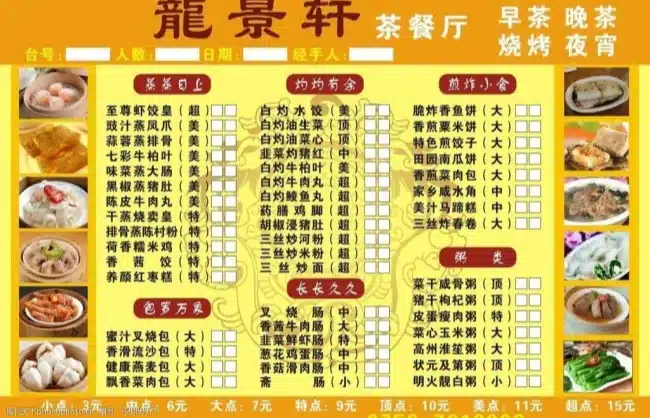
China is known for its rich culinary culture. Many people actually come here just for the rich and amazing flavors born in all different regions in this broad land. However, since many local restaurants (especially some rather small but authentic restaurants) do not offer English menus, it can help a lot to learn some basic ordering terms.
Ordering Food
The following basic Chinese phrases are suitable for ordering in restaurants and local small restaurants..
- 有菜单吗?
Pronunciation: Yǒu cài dān ma
=Do you have a menu?
Use this when you first sit down and the waiter/waitress is not giving you the menu.
- 有英文菜单吗?
Pronunciation: Yǒu yīng wén cài dān ma
Do you have an English menu?
Helpful for English speakers especially in tourist areas.
- 我要这个。
Pronunciation: Wǒ yào zhè ge
=I want this.
Say it while pointing at the menu.
- 这个是什么?
Pronunciation: Zhè ge shì shén me
=What is this?
Ask this when dishes are unfamiliar to you. Some dishes may not get its name based on its ingredient but cooking methods or appearance.
- 请推荐一下。
Pronunciation: Qǐng tuī jiàn yī xià.
=Please recommend something.
By saying this you might get the chance to taste the real for local specialties.
- 来一份这个。
Pronunciation: Lái yī fèn zhè ge
=One order of this, please.
Common and natural ordering phrase.
Related reading: How to Order a Meal Online in China
Dietary Preferences
If you have food preferences or restrictions on food, these essential Mandarin phrases help avoid misunderstandings.
- 不要辣。
Pronunciation: Bú yào là
=No spicy.
Very useful, since many Chinese food are more or less spicy, especially in Sichuan or Hunan cuisine.
- 少辣。
Pronunciation: Shǎo là
= Less spicy.
For mild heat.
- 我吃素。
Pronunciation: Wǒ chī sù
=I’m vegetarian
Used to avoid meals based on meat.
- 不吃猪肉。
Pronunciation: Bù chī zhū ròu
= I don’t eat pork.
Helpful for anyone who has dietary or religious reasons.
- 不放香菜。
Pronunciation: Bú fàng xiāng cài
= No cilantro.
A common customization request.
- 对……过敏
Pronunciation: Duì … guò mǐ
=I’m allergic to …
Quite important for food safety.
Suggested China food tour

Savor Beijing Roast Duck, Xi'an street food, Sichuan hotpot, Guilin rice dishes, and Hong Kong dim sum while exploring China's most iconic landmarks.
Paying the Bill (Including WeChat / Alipay)
- 买单。
Pronunciation: Mǎi dān.
=Check, please/Can I have the bill
The most common way to ask for the bill.
- 可以结账了吗?
Pronunciation: Kě yǐ jié zhàng le ma?
=Can we pay now?/Can I have the bill
Polite and clear.
- 可以用微信吗?
Pronunciation: Kě yǐ yòng Wēi Xìn ma?
=Can I pay with WeChat?
Choose it if you want to go for WeChat Pay.
- 可以用支付宝吗?
Pronunciation: Kě yǐ yòng Zhī Fù Bǎo ma?
=Can I pay with Alipay?
Choose it if you want to go for Alipay.
- 刷卡可以吗?
Pronunciation: Shuā kǎ kě yǐ ma?
=Can I use a card?
Usually, only larger restaurants or hotels will accept pay by card
- 谢谢,吃得很好。
Pronunciation: Xiè xie, chī de hěn hǎo.
=Thank you, the food was great.
A polite and friendly closing phrase.
Related reading: How to Pay in China As a Foreigner

Mandarin Phrases for Hotels
It’s basically be easy to book large hotel and complete the check-in process by yourself in China. However, you may encounter staff that cannot speak English in some hotels. As a result, learn some basic phrases will help in some situations
- 我有预订。
Pronunciation: Wǒ yǒu yù dìng
=I have a reservation.
A brief and direct open phrase.
- 我想办理入住。
Pronunciation: Wǒ xiǎng bàn lǐ rù zhù.
= I’d like to check in.
Also a polite way to start the check-in process.
- 几点退房?
Pronunciation: Jǐ diǎn tuì fáng
=What time is check-out?
Check this before hand to avoid late check-out issues.
- 可以晚点退房吗?
Pronunciation: Kě yǐ wǎn diǎn tuì fáng ma
=Can I check out later?
Use it when you want to request a late check-out.
- 有Wi-Fi吗?
Pronunciation: (Yǒu Wi-Fi ma?)
=Is there Wi-Fi?
Common question.
- 房间有问题。
Pronunciation: Fáng jiān yǒu wèn tí.
=There’s a problem with the room.
Use it when something isn’t working.
- 可以换一个房间吗?
Pronunciation: Kě yǐ huàn yī gè fáng jiān ma?
=Can I change rooms?
Helpful if the room is noisy or uncomfortable.
- 需要打扫房间。
Pronunciation: Xū yào dǎ sǎo fáng jiān.
=I need room cleaning.
Used when requesting housekeeping.
Mandarin Phrases for Emergencies
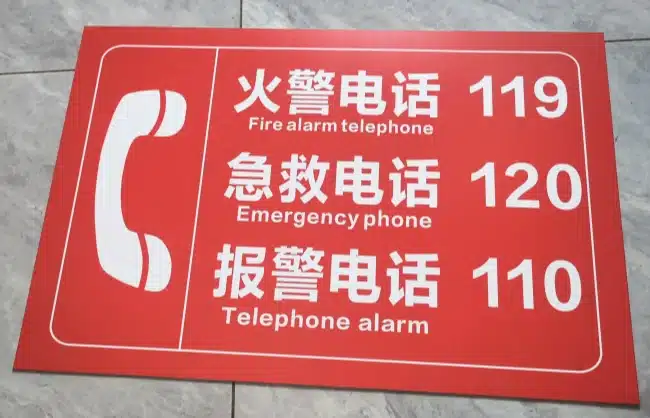
Emergencies are rare, but that doesn’t mean it never happens. These essential Mandarin phrases help you ask for help and seek solutions in explain urgent situations
- 帮帮我!
Pronunciation: Bāng bāng wǒ
=Help me!
The most direct way to search for help in urgent or dangerous situations.
- 我需要帮助。
Pronunciation: Wǒ xū yào bāng zhù.
=I need help.
A clear and direct way to ask for assistance.
- 我需要医生。
Pronunciation: Wǒ xū yào yī shēng.
=I need a doctor.
Useful in medical emergencies.
- 我受伤了。
Pronunciation: Wǒ shòu shāng le.
=I’m injured.
Explain physical injury.
- 请叫救护车。
Pronunciation: Qǐng jiào jiù hù chē.
=Please call an ambulance.
Tell this to others if in serious medical situations.
- 报警。
Pronunciation: Bào jǐng.
=Call the police.
There may be situations that you need help from the police
- 我丢了东西。
Pronunciation: Wǒ diū le dōng xi
=I lost something.
Helpful for lost items or theft.
- 这里不安全。
Pronunciation: Zhè lǐ bù ān quán.
= It’s not safe here.
Use it to warn others or seek help.
Related reading: Essential Phone Numbers in China

Useful Travel Slang Locals Actually Use in China
Beyond textbook expressions, you may also want to say in a more local way. Learning the following phrases helps you sound more natural and makes interactions smoother.
- 可以
Pronunciation: Kě yǐ
=Okay / Yes
An easy way to agree, confirm.
- 没问题
Pronunciation: Méi wèn tí
=No problem
Also to reassure someone or agree easily.
- 一点点
Pronunciation: (Yī diǎn diǎn)
=A little bit
This is used to describe small amounts or mild preferences.
- 不用了
Pronunciation: Bú yòng le
=No need / I’m good
Politely refuse offers or extra service.
- 行
Pronunciation: Xíng
= Okay / That works
Very common in casual spoken. It can be used in a lot of situations
- 算了
Pronunciation: Suàn le
=Forget it/Never mind
A way to say you want to drop a request or change your mind.
- 随便
Pronunciation: Suí biàn
=Anything is fine
Indicate that you have no strong preference.
- 等一下
Pronunciation: Děng yī xià
Wait a moment
Say it when you need a short pause.
Related reading: Famous Chinese Sayings and Proverbs: Timeless Wisdom
Chinese Phrases for Small Talk
During your travel, you may also want to start a conversation with the locals in an easier way. And these following phrase can really help break the ice and keep conversations friendly. Here are some phrases you can use to talk with visitors like you or you may often hear from others.
- 你来自哪里?
Pronunciation: Nǐ lái zì nǎ lǐ
=Where are you from
A very common opening question when meeting someone new.
- 你会说中文吗?
Pronunciation: Nǐ huì shuō Zhōng wén ma
=Do you speak Chinese?
You may hear this from other people and you can also ask other visitors out of curiosity.
- 你叫什么名字?
Pronunciation: Nǐ jiào shén me míng zi
= What’s your name?
A basic but essential phrase in any introduction.
- 你是第一次来中国吗?
Pronunciation: Nǐ shì dì yī cì lái Zhōng guó ma
=Is this your first time in China?
Commonly used with foreign visitors.
- 你喜欢中国吗?
Pronunciation: Nǐ xǐ huān Zhōng guó ma
=Do you like China?
A friendly question that often leads to positive exchanges.
- 你的工作是什么?
Pronunciation: Nǐ de gōng zuò shì shén me
=What do you do for work?
Common phrase in light social conversations.
- 你多大了?
Pronunciation: Nǐ duō dà le?
=How old are you
Best used in casual or friendly settings.
- 今天怎么样?
Pronunciation: Jīn tiān zěn me yàng
=How’s your day?
A relaxed and friendly way to start small talk.
- 最近忙吗?
Pronunciation: Zuì jìn máng ma
=Have you been busy lately?
A natural follow-up question.
- 天气很好,对吧?
Pronunciation: Tiān qì hěn hǎo, duì ba
=The weather is nice, isn’t it?
Weather is a universally safe and popular small talk topic.
- 你常来这边吗?
Pronunciation: Nǐ lái zhè biān cháng ma
Do you often come here?
Using a certain place/area to start a conversation is also recommended.
- 这附近很热闹。
Pronunciation: Zhè fù jìn hěn rè nao
=This area is lively.
A casual comment
Tips for Using Mandarin as a Traveler
You don’t need to speak perfectly to use Mandarin. With the right tools and habits, just basic Mandarin can already improve your travel experience to a great extent.
- Use reliable translation apps
Pleco, Google Translate (offline), and Baidu Translate. - Enable screenshot translation for menus
If you getmenus without pictures or English, then screenshot translation is your best solution - Download offline language packs
Internet access can sometimes be unstable(e.g. when traveling in some really remote areas), so offline Mandarin packs are essential. - Learn key phrases before you go
Basic greetings, numbers, and payment phrases can help in all different ways. - Use simple words, not long sentences
Try to make your phrase short and direct, that can make iteasier for locals to understand - Show your screen when needed
Typing or showing translated text often works better if you’re not confident in your - Learn numbers for prices and time
Numbers are crucial for shopping, transport, and schedules. - Don’t worry about tones too much
Most local people can understand from context, especially with simple words.Don’t worry if you cannot perform perfect tones - Use gestures together with Mandarin
Pointing, showing fingers, or maps helps clarify meaning.
Travel with China Xian Tour for a Worry-free China Tour
In recent years, China has become a more and more popular destination, and many visitors have been attracted by China’s unparalleled charm. Indeed, China’s vast land has bred countless historical, cultural and natural highlights, a well-organized China Tour can give you a lot of unexpected experience. However, since language barrier is, indeed, a major concern of foreign travelers, we strongly recommend you to travel with China Xian Tour. With over a decade of experience, we know of how to provide visitors with the best China tours. With our private-guide services and customized itineraries, we can fulfill all your expectations of this journey. And the most important thing is, all you need to do along the way will only be enjoy yourself and create some best memories, as we’ll take care of all the details and preparations. Thus, contact us now, and get ready for a wonderful trip to this profound land.