

Chinese sayings (谚语 yànyǔ) and proverbs (成语 chéngyǔ) are short but concise expressions which distill 5,000 years of philosophy into bite-sized wisdom. Rooted in Confucianism, Taoism, and folk traditions, they across the sea of time and offer people practical guidance for modern life. From handling adversity to nurturing relationships, there’s always one saying or proverb giving you guidancesuits that your situation. Unlike complex idioms, proverbs use everyday language to convey universal truths. This article is a curated collection explores 60+ essential Chinese proverbs with translations, meanings, and real-world applications.
Content Preview
- What Are Chinese Sayings and Proverbs?
- Different Themes of Chinese Proverbs and Sayings
- Chinese Proverbs About Dragons (10 Sayings)
- Popular Sayings About Chinese New Year
- Delve Deep into Chinese Culture with China Xian Tour
What Are Chinese Sayings and Proverbs?
Chinese sayings and proverbs are concise expressions which can tell people traditional wisdom in the most direct way. So that they can be passed down through generations. They mainly fall into two categories:
- 成语 (chéngyǔ): Fixed four-character idioms(sometime more character but not common). And they are often extracted from historical events, classical texts, or legends. And they usually have metaphorical meanings.
- 谚语 (yànyǔ): Folk proverbs come fromeveryday language. They reflect practical life experience, especially those from farming communities.
Different Themes of Chinese Proverbs and Sayings
Chinese Sayings about Wisdom in Life
1. 知己知彼,百战不殆 (Zhī jǐ zhī bǐ, bǎi zhàn bù dài)
— Know yourself and your enemy will let you win hundreds of battles without peril.
This saying emphasizes the importance of self-awareness and the understanding of others’ strength in a competition or conflict. Today, this concept can be applied to negotiations, competitions, and even personal relationships.
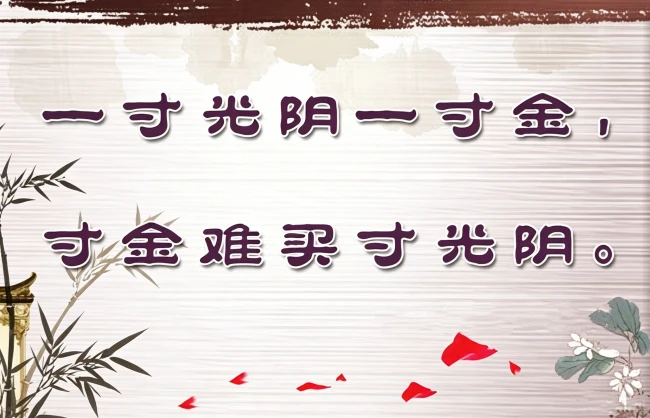
2. 一寸光阴一寸金,寸金难买寸光阴 (Yī cùn guāng yīn yī cùn jīn, cùn jīn nán mǎi cùn guāng yīn)
— An inch of time is worth an inch of gold, but gold cannot buy an inch of time.
This proverb is used to remind people of time’s irreplaceable value. As one’s time is finite and cannot be regained once lost.
3. 人无远虑,必有近忧 (Rén wú yuǎn lǜ, bì yǒu jìn yōu)
— Without long-term planning, one will face immediate troubles.
Rooted in Confucian philosophy, this proverb stresses one needs to have foresight.
4. 祸兮福所倚,福兮祸所伏 (Huò xī fú suǒ yǐ, fú xī huò suǒ fú)
— Misfortune hides blessings; blessings conceal misfortune.
From Laozi’s Tao Te Ching, this proverb reflects Taoist dialectics—opposites coexist and transform. It teaches people to accept life’s unpredictability and the need to stay grounded, no matter you’re celebrating success or navigating setbacks.
5. 前事不忘,后事之师 (Qián shì bù wàng, hòu shì zhī shī)
— Do not forget the past; it will guide the future.
This proverb, echoed in The Analects of Confucius, highlights your past experience can teach you how to do in the future.
Sayings about Education & Learning
6. 学如逆水行舟,不进则退 (Xué rú nì shuǐ xíng zhōu, bù jìn zé tuì)
— Learning is like rowing upstream; you have to keep making progress, otherwise you’ll fall backward.
This proverb illustrates that getting knowledge is a dynamic course, and one must keep working hard, keep making progress in to achieve better goal in study.
7. 活到老,学到老 (Huó dào lǎo, xué dào lǎo)
–Live until old age, learn until old age.
It advocates lifelong learning. In traditional Chinese culture, elders were respected for their wisdom, gained through a lifetime of study. Lifelong learning fosters one’s mental agility and personal growth.
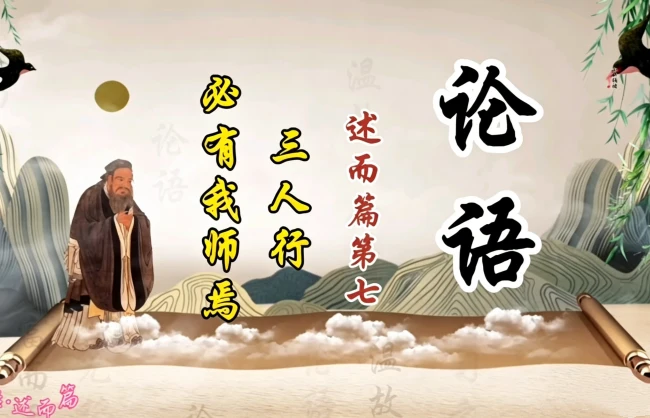
8. 三人行,必有我师 (Sān rén xíng, bì yǒu wǒ shī)
— Among three people walking together, one must be my teacher.
This proverb promotes people’s humility. It suggests that you can always learn things from everyone around you, regardless of their status and educational background. It’s a reminder to stay open to learning from others.
9. 温故而知新 (Wēn gù ér zhī xīn)
— Review the old to understand the new.
Confucius emphasized connecting past knowledge to new insights.
10. 授人以鱼,不如授人以渔 (Shòu rén yǐ yú, bù rú shòu rén yǐ yú)
— Give a man a fish, and you feed him for a day; teach him to fish, and you feed him for a lifetime
This proverb advocates empowering others with skills rather than temporary aid.
Chinese Proverbs and Sayings about Effort & Success
11. 磨杵成针 (Mó chǔ chéng zhēn)
— Grind an iron rod into a needle.
It comes from a Tang Dynasty story of a woman grinding an iron rod to make a needle, symbolizing perseverance and effort. It teaches people that even the toughest tasks can still be achieved if you are willing to pay relentless effort.
12. 失败是成功之母 (Shībài shì chénggōng zhī mǔ)
— Failure is the mother of success.
This proverb reframes failure as a teacher. It encourages one to live and work with resilience: instead of quitting after a setback, learn from your mistakes and try again will lead to final success.
13. 锲而不舍,金石可镂 (Qiè ér bù shě, jīn shí kě lòu)
— If you persevere, even metal and stone can be carved.
It emphasizes one’s unwavering determination.
14. 绳锯木断,水滴石穿 (Shéng jù mù duàn, shuǐ dī shí chuān)
— A rope saws through wood; water drops pierce stone.
This proverb uses natural metaphors to illustrate the power of small, consistent actions. A single drop of water can’t break a rock, but thousands over time will. It’s a reminder that “small steps lead to big results.”
15. 一分耕耘,一分收获 (Yī fēn gēng yún, yī fēn shōu huò)
–One part effort, one part reward.
This straightforward proverb links hard work to results. It discourages laziness and rewards diligence in all the respects, whether studying for exams or building a startup.
Chinese Sayings Related to Friendship & Relationships
16. 患难见真情(Huàn nàn jiàn zhēn qíng)
–True friendships can be seen in adversity.
This proverb suggests that difficult times can test the depth of relationships. A person who supports and doesn’t leave you during a crisis or illness is the one who really treat as a friend, instead of those who only come to you when you’re successful.
17. 远亲不如近邻 (Yuǎn qīn bù rú jìn lín)
–Distant relatives are not as helpful as close neighbors.
Rooted in agrarian societies where people relied much on their neighbors for labor and safety, this proverb highlights the value of local community.
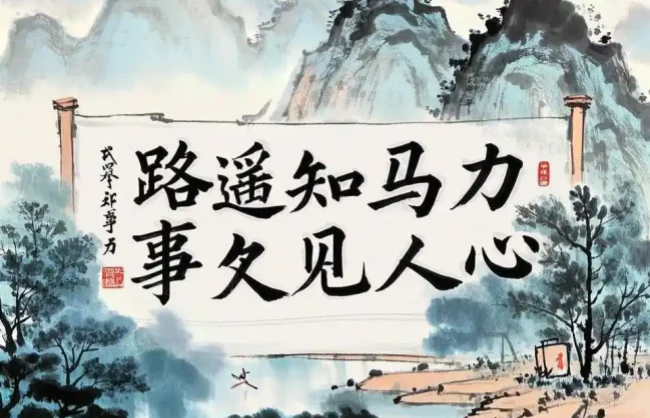
18. 路遥知马力,日久见人心 (Lù yáo zhī mǎ lì, rì jiǔ jiàn rén xīn)
–Distance tests a horse’s strength; time reveals a person’s heart.
This proverb comes from a Yuan Dynasty play, emphasizing the importance of patience and time in knowing one’s true character.
19. 海内存知己,天涯若比邻 (Hǎi nèi cún zhī jǐ, tiān yá ruò bǐ lín)
— You true friend is always close to your heart no matter where he/she is.
This proverb is from Wang Bo’s poem, celebrates friendship that transcends distance in ancient time. It reassures us that true bonds will not be limited by geography.
20. 多个朋友多条路 (Duō gè péng yǒu duō tiáo lù)
— More friends mean more paths in life.
It highlights the practical benefits of a broad social network. Friends can offer us different kinds of help like job opportunities, advice, or emotional support. Expanding your social circle increases life’s possibilities.
Harmony & Nature Sayings
21. 顺其自然 (Shùn qí zì rán)
— “Flow with nature.”
Coming from Taoist philosophy, it advocates people to accept what cannot be controlled by human force. It’s a call to reduce anxiety derives from one uncontrollable thing and embrace life’s unpredictability.
22. 天人合一 (Tiān rén hé yī)
–Humanity and heaven unite.
A core Taoist concept, this proverb tells people to live in harmony with nature, as human beings are always a part of nature. We are born to be connected with the universe.
23. 春种一粒粟,秋收万颗子 (Chūn zhòng yī lì sù, qiū shōu wàn kē zǐ)
–Plant one seed in spring, harvest ten thousand in autumn.
It illustrates the rewards of hard work and patience. Metaphorically, it also applies to education: studying hard now for future success, or business: investing time in for long-term growth.
24. 青山不老,绿水长流 (Qīng shān bù lǎo, lǜ shuǐ cháng liú)
–Green mountains never age; rivers flow forever.
This proverb celebrates nature’s resilience. Mountains and rivers endure through seasons and centuries, symbolizing permanence. Sometimes people use this saying to suggest that something will last forever, including people’s bonds.
25. 一花一世界,一叶一菩提 (Yī huā yī shì jiè, yī yè yī pú tí)
–Each flower holds a universe; each leaf reflects enlightenment.
Rooted in Buddhist philosophy, this proverb teaches that small things contain profound wisdom. It encourages mindfulness—finding peace in everyday moments.
Popular Sayings about Love & Marriage
26. 百年修得同船渡,千年修得共枕眠 (Bǎi nián xiū dé tóng chuán dù, qiān nián xiū dé gòng zhěn mián)
–“A hundred years of merit brings shared journeys; a thousand years earns shared sleep.”
This proverb, which is taken from folk tales, emphasizes the rarity and preciousness of long-term relationships. It suggests that meeting a life partner requires immense good fortune which is collected by your past life. So couples should cherish their bond and opportunity to find each other. It’s often used in wedding speeches to honor the couple’s journey together.
27. 夫妻同心,其利断金 (Fūqī tóngxīn, qí lì duàn jīn)
— When husband and wife are of one mind, their combined strength can eveb cut through metal.
This proverb highlights the power of unity and coordination in marriage. Today, it’s still a reminder that marital harmony and teamwork between couples, they should help and stay with each other to cross the barriers together.
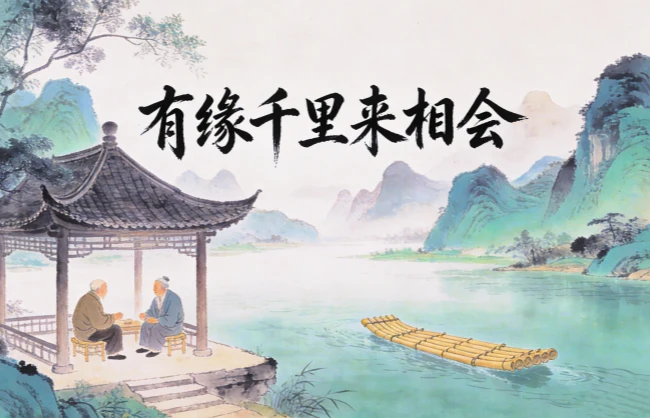
28. 有缘千里来相会 (Yǒu yuán qiān lǐ lái xiāng huì)
— Fate brings lovers across miles.
This one is popular in love stories, suggests that true love transcends distance. It’s a romantic reminder that connections are meaningful when they feel “meant to be.”
29. 在天愿作比翼鸟,在地愿为连理枝 (Zài tiān yuàn zuò bǐyì niǎo, zài dì yuàn wéi liánlǐ zhī)
— In heaven, we’ll soar as a pair of birds; on earth, we’ll grow as intertwined branches.
From Bai Juyi’s poem, this proverb symbolizes eternal love and partnership. It’s often used in wedding vows to express a lifelong commitment to each other.
30. 子不嫌母丑,狗不嫌家贫 (Zǐ bù xián mǔ chǒu, gǒu bù xián jiā pín)
— A child never scorns their mother’s plainness; a dog never disdains a poor home.
This proverb stresses loyalty and gratitude, just like a child’s love for their parent isn’t based on appearance or wealth. It’s a call to appreciate loved ones for who they are, not what they have.
Proverbs and Sayings on Cultural & Seasonal Proverbs
31. 瑞雪兆丰年 (Ruì xuě zhào fēng nián)
–A heavy snowfall foretells a bountiful year.
This one has its root in agrarian culture, it is tested that winter snow nourished soil moisture, protecting crops from drought. Today, it symbolizes hope and optimism, a snowy winter can give us a successful year ahead.
32. 今年麦盖三层被,来年枕着馒头睡 (Jīn nián mài gài sān céng bèi, lái nián zhěn zhe mántou shuì)
— This year, wheat lies under three layers of snow; next year, we’ll rest on steamed bread.
A classic agrarian proverb, it reflects farmers’ observation that heavy winter snow can bring a good harvest in the next year.
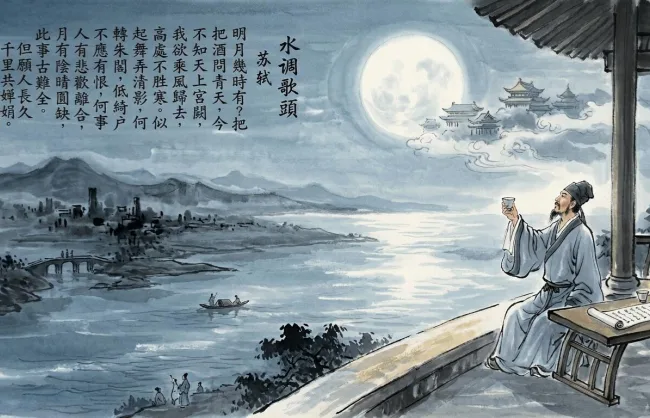
33. 月有阴晴圆缺,人有悲欢离合 (Yuè yǒu yīn qíng yuán quē, rén yǒu bēi huān lí hé)
— The moon waxes and wanes; people experience joy and sorrow.
From Su Shi’s Water Tune Song, this poem line acknowledges life’s impermanence. It is widely used to comfort those grieving for losing something or someone.
34. 清明时节雨纷纷 (Qīngmíng shíjié yǔ fēnfēn)
–Rain drizzles during Qingming season.
Qingming Festival (Tomb-Sweeping Day) combines ancestor worship and spring outings. The rain symbolizes renewal and reflection on mortality.
35. 爆竹声中一岁除 (Bàozhú shēng zhōng yī suì chú)
–Firecrackers announce the New Year’s arrival.
A Spring Festival tradition dating to the Song Dynasty, firecrackers symbolize driving away evil spirits. Today, it still represents letting go of the past and embracing new beginnings.
Business & Wealth Sayings
36. 和气生财 (Héqì shēng cái)
— Harmony generates wealth.
From Daoist philosophy, this proverb emphasizes harmony and collaboration over competition. In business, resolving conflicts calmly fosters trust and profitability.
37. 货真价实,童叟无欺 (Huò zhēn jià shí, tóng sǒu wú qī)
— Genuine goods, fair prices; no deception even for children.
It is a Ming Dynasty merchant code which advocates integrity in business. It’s said that ethical businesses, like honest restaurants using fresh ingredients or retailers avoiding false advertising, can build long-term customer loyalty.
38. 一本万利 (Yī běn wàn lì)
— One investment, ten thousand profits.
It’s a metaphor saying that strategic risk-taking will built a sucessful business that is beyond your mind. In ancient time , some merchants invested in rare spices or silk had gained higher returns that a lot of people. Today, it applies to entrepreneurship like startups scaling with minimal capital.
39. 人弃我取,人取我与 (Rén qì wǒ qǔ, rén qǔ wǒ yǔ)
— Others discard, I acquire; others seek, I provide.
Originally coming from The Art of War, this contrarian strategy also thrives in niche markets, it encourages innovation and adaptability.
40. 买卖不成仁义在 (Mǎimài bù chéng rényì zài)
— Even failed deals preserve goodwill.
A Confucian business ethic prioritizing relationships with your business partners over profits. Modern use includes networking—maintaining connections even after unsuccessful partnerships, as these people could provide you with a better chance in the future.
Humorous & Unexpected Wisdom
41. 说曹操,曹操到 (Shuō Cáo Cāo, Cáo Cāo dào)
–Speak of Cao Cao, and here he appears.
A historical anecdote where Cao Cao, a warlord, unexpectedly arrived during a conversation about him. Today, it’s used humorously—like a friend arriving just as you mention them. It highlight the humility (avoiding gossip) and spontaneity in an event.
42. 对牛弹琴 (Duì niú tán qín)
— Playing a lute to a cow.
A critique of wasted effort in having conversation with someone. It’s sometimes used in context like teaching coding to a skeptical manager.
43. 掩耳盗铃 (Yǎn ěr dào líng)
–Covering ears to steal a bell.
A fable about a thief who deafened himself to avoid hearing the bell he stole. It mocks self-deception—like ignoring financial problems while debt piles up. It encourages people to confront reality.
44. 画蛇添足 (Huà shé tiān zú)
— Drawing feet on a snake.
A Zhou Dynasty story where an artist ruined a snake drawing by adding unnecessary legs. It warns against overcomplicating solutions, and advocates simplicity and efficiency.
45. 此地无银三百两 (Cǐ dì wú yín sān bǎi liǎng)
— No three hundred taels of silver here!
A humorous tale of a man burying silver and leaving a note, “no silver here” to deny its existence, which ironically exposed it. Today, it mocks too obvious lies, teaches people subtlety in communication.
Animal-Inspired Proverbs in China
46. 马到成功 (Mǎ dào chénggōng)
— A horse arrives, success follows.
A Tang Dynasty metaphor for swift victory. Nowadays it is used as a motivational phrases to cheer for athletes or entrepreneurs (“Go for it!”).
47. 画龙点睛 (Huà lóng diǎn jīng)
— Dotting the dragon’s eyes.
A legend about a painter added eyes to a dragon statue and suddenly bring it to life. It symbolizes the final important touch that transforms a project into a certain success—like a CEO’s speech sealing a merger deal.
48. 鹤立鸡群 (Hè lì jī qún)
–A crane stands among chickens.
A Han Dynasty idiom which praises one’s exceptional talent. Used to identify a standout person in a group (e.g., a junior developer solving critical bugs) or to motivate excellence of someone.
49. 狼狈为奸 (Láng bèi wéi jiān)
— Wolves and badgers conspire.
A fable about two animals colluding to hunt in a cunning way. Today, it exposes unethical alliances—corporate price-fixing or political corruption. Serves as a cautionary tale against compromising morals for profit.
50. 狡兔三窟 (Jiǎo tù sān kū)
— A cunning rabbit has three burrows.
A strategy from The Art of War—preparing multiple escape routes to hide one’s trace. Nowadays it can be used to describe diversifying investments (e.g., stocks, real estate) or career paths (e.g., freelancing + side hustles). It advocates people’s risk management.
Sayings Showcasing Farmers’ Wisdom
51. 芒种不种,过后落空 (Mángzhòng bù zhòng, guòhòu luòkōng)
–If you don’t plant during Grain in Ear (Mángzhòng), you’ll miss the harvest.
A critical farming rule tied to the solar term Mángzhòng (芒种, mid-June), when temperatures rise and rainfall increases—prime time for planting summer crops like rice and corn. Farmers believe missing this window leads to stunted growth or failed harvests. Metaphorically, it teaches seizing opportunities: just as crops need timely planting, goals require action at the right moment.
52. 处暑不出头,割谷喂老牛 (Chǔshǔ bù chūtóu, gē gǔ wèi lǎoniú)
–If millet doesn’t sprout by End of Heat (Chǔshǔ), it’s fit only for feeding cows.
Chǔshǔ (处暑, late August) marks the end of summer heat. Farmers observe that if millet (a drought-resistant crop) hasn’t sprouted by this time, it’s unlikely to thrive in the rest of the year, as cooler autumn temperatures will stop them. The saying reflects deep respect for natural rhythms.
53. 春争日,夏争时 (Chūn zhēng rì, xià zhēng shí)
— In spring, compete for days; in summer, compete for hours.
Ancient Chinese farmers prioritized timely and wise planting and harvesting. Today, it applies to time-sensitive goals (e.g., tax filings, product launches).
54. 人勤地不懒 (Rén qín dì bù lǎn)
— A diligent person makes even barren land thrive.
A Daoist belief that effort can help achieving goal and transform limitations. Now it is a motivational quotes for underdogs (e.g., startups overcoming resource scarcity).
55. 种瓜得瓜,种豆得豆 (Zhòng guā dé guā, zhòng dòu dé dòu)
— Plant melons, reap melons; plant beans, reap beans.
It has the same meaning as “you get what you sow.” A Buddhist metaphor for karma—actions determine outcomes. If you gossip, expect rumors; if you help, receive support. Besides, it is also used in parenting (e.g., teaching children consequences) or ethics training.
Chinese Sayings about Family Values
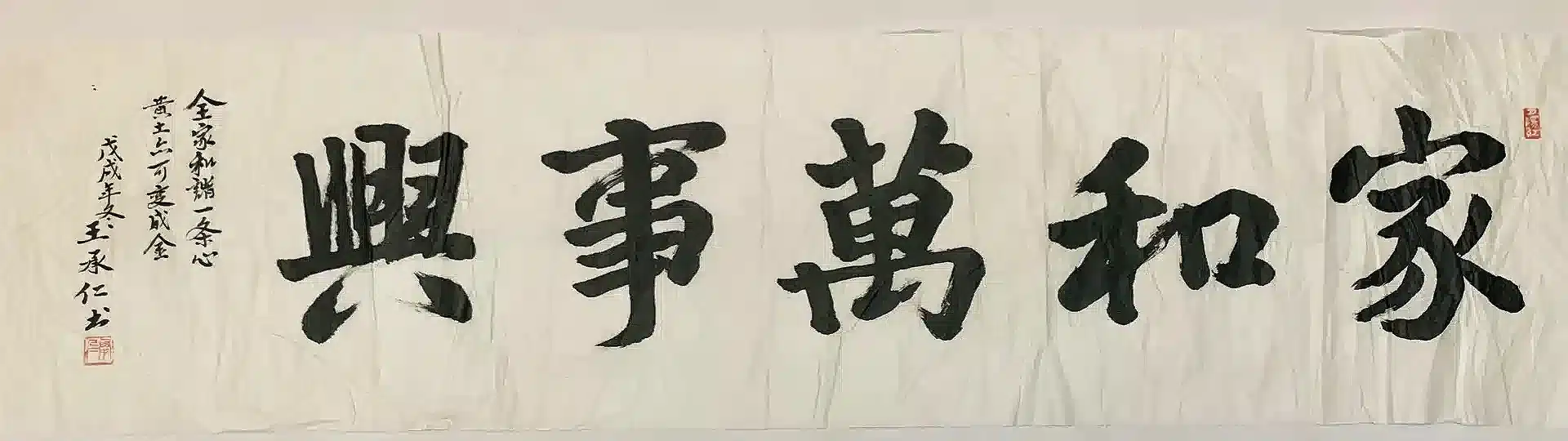
56. 家和万事兴 (Jiā hé wànshì xīng)
— Family harmony brings universal prosperity.
Confucianism’s cornerstone—unity of family ensures success in all parts, and everyone from the family will benefit from it.
57. 百善孝为先 (Bǎi shàn xiào wéi xiān)
— Among all virtues, filial piety comes first.
A Ming Dynasty moral code mandating respect and caring for parents. Today, it also includes financial support (e.g., children caring for elderly parents) or emotional attention (e.g., regular visits) for your parents.
58. 子不教,父之过 (Zǐ bù jiào, fù zhī guò)
— A child’s misbehavior reflects parental failure.
A strict Confucian view holding parents accountable for children’s false actions. It stresses the lack of parenting classes could lead to serious behavioral issues.
59. 床头吵架床尾和 (Chuáng tóu chǎo jià, chuáng wěi hé)
— Quarrel at the head of the bed, reconcile at its foot.
It suggests the unbreakable bonds between couples. While sometimes conflicts are unavoidable, coupled should and normally can solve them quickly. It teaches a conflict resolution, addressing issues but prioritizing love.
60. 树高千丈,叶落归根 (Shù gāo qiān zhàng, yè luò guī gēn)
— A tree grows a thousand feet, but leaves return to its roots.
A metaphor for ancestral pride and cultural identity. It reflects people’s wish to stay connected to their heritage despite one’s status or mobility.
Chinese Proverbs About Dragons (10 Sayings)
In Chinese culture, dragons are always powerful and wise characters which can bring people prosperity and imperial authority. In Western mythology, dragons are often depicted as fearsome and evil images However, Chinese dragons are benevolent creatures. They are associated with things that originally meant quite important to the farming communities: rain, harvests, and good fortune.
- 龙马精神 (Lóng mǎ jīng shén)
— The spirit of the dragon and horse.
It describes vitality, ambition, and high morale. It is commonly used to wish elders good health. Or you can apply it to praise someone full of energy and drive.
- 望子成龙 (Wàng zǐ chéng lóng)
— Hope one’s son becomes a dragon.
A classic expression of parental expectations. It simply delivers a hope for children to achieve success through education and their constant effort.
- 龙腾虎跃 (Lóng téng hǔ yuè)
— Dragons soar, tigers leap.
This proverb depicts a condition of dynamic energy and rapid progress. It is often used to describe thriving businesses.
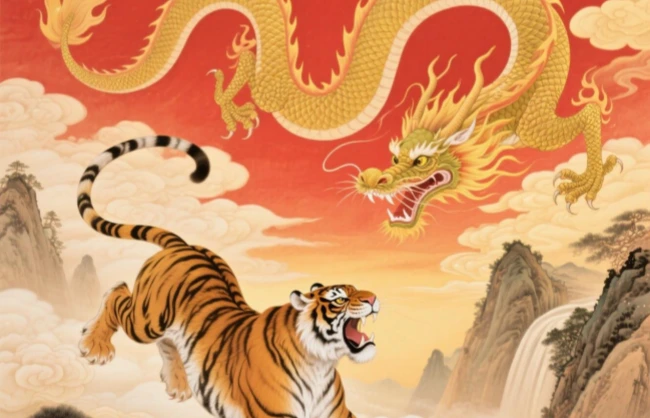
- 藏龙卧虎 (Cáng lóng wò hǔ)
— Hidden dragons and crouching tigers.
It refers to describe the undiscovered talents within a group or place.
- 龙凤呈祥 (Lóng fèng chéng xiáng)
— Dragon and phoenix bring auspiciousness.
In Chinese culture, dragons often represent males, and phoenixes represent females. So that this is seen a popular wedding phrase.
- 鱼跃龙门 (Yú yuè lóng mén)
— A carp leaps over the Dragon Gate.
From ancient legend, this proverb symbolizes success after perseverance, especially academic or career breakthroughs. It’s frequently used to say students passing major exams.
- 龙行天下 (Lóng xíng tiān xià)
— The dragon travels the world.
This saying conveys authority \ and far-reaching influence. You can often see it be used in branding, martial arts, or motivational contexts.
- 生龙活虎 (Shēng lóng huó hǔ)
— Lively as a dragon, vigorous as a tiger.
Describes someone full of life and strength. Use it to praise children or athletes etc.
- 龙头蛇尾 (Lóng tóu shé wěi)
— Dragon’s head, snake’s tail.
A warning to someone who often set strong starts but weak endings when doing something. It encourages consistency and responsibility until the end.
- 龙争虎斗 (Lóng zhēng hǔ dòu)
— A fierce struggle between dragon and tiger.
Used to describe intense competition between equally powerful rivals.
Popular Sayings About Chinese New Year
Chinese New Year are all designed to express good wishes and used as an auspicious way to call fortune, renewal, harmony, and longevity in the next year. You can commonly hear people say it, or see them written on couplets.
- 新年新气象 (Xīn nián xīn qì xiàng)
— New year, new atmosphere.
A way to express hope fpr fresh starts and positive change at the beginning of the new year.
- 万事如意 (Wàn shì rú yì)
— May everything go as you wish.
One of the most universal New Year greetings. Expressing good wishes for fortune to come in all aspects of life.
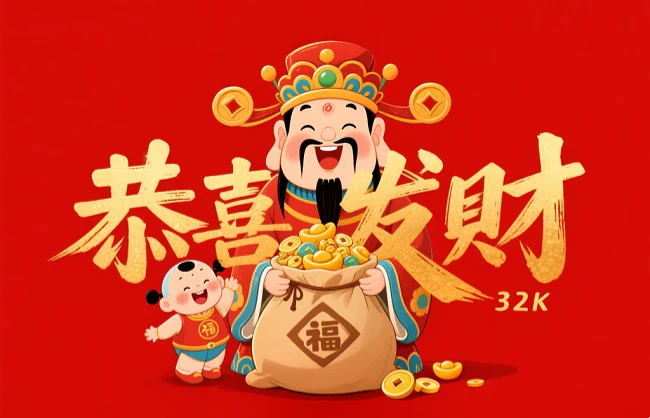
- 恭喜发财 (Gōng xǐ fā cái)
— Wishing wealth and prosperity come to you.
One of the most commonly used phrases during Chinese New Year. You can say it to anyone and it has the strength to make all people feel blessed.
- 辞旧迎新 (Cí jiù yíng xīn)
— Farewell to the past, welcome the new.
It suggests that new year should be a time to let go of past and embrace new opportunities.
- 合家欢乐 (Hé jiā huān lè)
— Happiness for the whole family.
A warm greeting that emphasizes family unity and shared joy with family members.
- 岁岁平安 (Suì suì píng ān)
— Peace and safety year after year.
Often written on decorations or spoken to elders. It’s used to express with for long-term stability and well-being
Delve Deep into Chinese Culture with China Xian Tour
Chinese proverbs and sayings are indeed quite rich in meanings beyond just words. And this also shows that Chinese culture is so deep and profound, and you can explore them in every detail and tiny little piece of life. To explore more of it, we recommend you to join a China tour with China Xian Tour, and we can craft a private journey for you. And except for the fulfilling itineraries, we’ll also be there for you 24/7 to take care of everything along the way. As a result, all you need to along the way are just making unforgettable memories and enjoy yourself.