





China, with its ancient history, vibrant culture, and breathtaking landscapes, has now become a popular destination for more and more travelers. But one common question arises: “Is it safe to travel to China?” The short answer is yes—China is very safe for tourists, with low violent crime rates and well-developed infrastructure in basically every city. However, like any other destination, staying informed and prepared is a crucial thing to do before traveling. This guide will provide practical tips to ensure you a smooth and secure China travel experience.
General Safety Overview
China ranks among the safest countries globally for tourism. Its strict laws and well-organized public security systems will assure a sense of safety. Petty crimes like pickpocketing sometimes exist in crowded areas, but violent crimes targeting foreigners hardly ever happen. Locals are friendly and willing to provide help to others, though language barriers could pose challenges in communication. For peace of mind, stick to common-sense precautions, such as don’t go to isolated areas at night and keeping your valuable belongs secure.
1. How Safe is Food in China?
Chinese cuisine is diverse and super delicious, however, food safety practices could vary. One of the most concerned types of food is the street food. In fact, street food is generally safe especially in busy tourist areas, where high turnover ensures ingredients freshness. Better to opt for stalls with long queues—locals know best!
Food Safety Tips When Traveling China
To secure a safe and delicious food journey in China, follow these guidelines:
- Eat at busy restaurants:Restaurants being busy means the high customer turnover would ensure freshness of their everyday ingredients.
- Drink bottled water:Tap water is chlorinated but not recommended to drink. Buy and drink sealed mineral water from convenience stores, 1-3RMB for each.
- Avoid undercooked meat:Ensure meat dishes are fully cooked, especially when you’re haunting for food in some rural areas.
- Pro Tip:Use apps like me or Meituan to order from verified eateries online.
- Food allergies: Learn basic Mandarin phrases like “I have a food allergy”(我有食物过敏).

2. Is the Public Transportation Safe in China?
China’s transportation system is a global model and even a miracle of efficiency and innovation. It connects hundreds of cities and regions despite China’s vast size and divers geography have make the project extremely hard. High-speed train (bullet train) is the backbone, with over 45,000 km of tracks linking major hubs like Beijing, Shanghai, Guangzhou and more. They are known for the advantages like punctual, safe, and comfortable, offering basically all sorts of modern amenities you may need on the road, like Wi-Fi, power outlets, and spacious seating. Also, there are multiple seat options, ranging from budget to luxury business class.
Security Measures on China’s High-Speed Rail
- Real-Time Monitoring: Trains are equipped with AI-powered systems that track speed, braking, and track conditions. Emergency braking systems activate automatically if obstacles or irregularities are detected.
- Security Personnel: Uniformed staff patrol trains and stationsall the time.
- Fire Safety:All HSR trains have fire-resistant materials, smoke detectors, and emergency exits. Fire drills are mandatory for crew members.
China’s Urban Metro System
Urban metro systems complement HSRs, with Shanghai’s 831-km network being the world’s longest. Stations feature bilingual English-Chinese signage, digital maps, and mobile payment integration (Alipay/WeChat). Fares start at ¥3 per ride (could vary in different cities), with discounts for multi-trip passes.
- Strict Security Checks: Stations in cities like Beijing and Shanghai use metal detectors and X-ray scanners for bags. Suspicious items trigger immediate alerts.
- Crowd Management:During peak hours, staff direct foot traffic to prevent stampedes. Platform screen doors block access to tracks until trains arrive.
- Emergency Protocols: Subway stations have emergency phones, first-aid kits, and evacuation routes marked in both Chinese and English.
Safety Tips for Public Transportation in China:
- Metro systems:Safe but extremely crowded during rush hours. Take care of your belongings in care there will be pickpockets in stations.
- Taxis: Use ride-hailing apps (Didi) for metered fares. You can also track your ride and see the real-time updated figure of the distance between you and your destination. Avoid unlicensed driversthat often show up in metro/train stations.
- Scams Alert:Fake taxis may overcharge customers. Confirm the app-based fare before boarding. Follow the signs in stations or airports which will lead to the real taxi waiting point.
3. Weather & Natural Hazards
China’s large size and diverse landform have shaped distinct weather patterns across regions. The most common “bad weather” exist in Northern areas would be harsh winters with heavy snowfall, while southern cities are more likely to have to deal with tropical storms and humidity in summers compared to other places.
Spring (March–May) sometimes brings sandstorms to northern China, particularly near the Gobi Desert, while summer (June – August) could see heavy rainfall and flooding in areas around the Yangtze River basin. Autumn (September – October) offers mild weather ideal for travel, but winter (November – February) is possible to bring freezing temperatures and strong winds to central plains. While it is unlikely for travelers to encounter natural disasters or other issues caused by weather, you should still be aware of some seasonal risks.
- Typhoons (June–October): Coastal regions like Guangdong may face flooding, major rainfalls or even Typhoons during summer. Check weather condition and accurate information before you start your journey.
- Winter snowstorms (Northern China): Cities in northern part of China like Harbinand Beijing may delay flights due to storm and snow weather in winter. Pack warm clothing to cope with freezing temperature.
- Heatwaves (July–August):Temperatures in Xinjiang exceed 40° Stay hydrated is crucial for your health.
- Air Pollution in Cities
Mostly Northern and central cities (Beijing, Xi’an, Chengdu) often experience smog in winter. However, this situation has been significantly improved in recent years.
Health Tips:
Check real-time air quality via apps like IQAir or AirVisual.
Wear N95 masks (sold at pharmacies) when AQI exceeds 150.
Related reading: China in May: Weather, Top Places, Festivals & Travel Tips
4. Crime & Scams
China has a low violent crime rate, making it one of the world’s safest destinations. However, petty theft and targeted scams still occasionally occur in crowded areas like metro stations, markets, or tourist hubs. Being vigilant and avoid unsolicited offers and secur your valuables all the time, this will help you navigate these minor risks smoothly.
The key is to stay alert to anything priced “free”. And also your awareness, and common sense will help a lot to avoid issues. Below, we detail common scenarios and practical strategies to ensure a worry-free journey.
Typical Scams That You Should Know
- “Tea House” Scams:Some “friendly” strangers would invite you to a “traditional tea ceremony” or other events like that, then present you a bill costing hundreds of dollars for trying their tea or joining the event.
- Counterfeit Money:Small shops or street vendors may give fake 50 or 100 RMB notes as change, though not commonly happen in recent years.
- “Art Student” Scams:Individuals claim to be art students offering “free” tours, then them will turn to pressure you to buy overpriced paintings.
Good to know: Emergency Numbers: Police: 110 Ambulance: 120
5. Payment Scrutiny in China
China leads the world in cashless transactions, with Alipay and WeChat Pay dominating daily life in cities while rural areas remain a balanced cash and cashless payment method. However, foreign travelers could face hurdles to use them. Below, we break down key challenges and solutions for seamless spending:
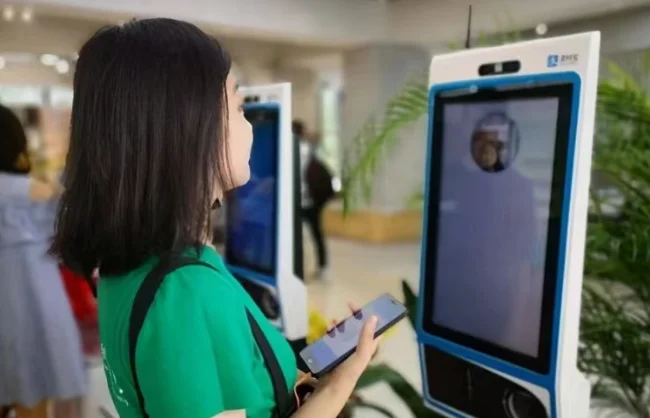
- Digital Wallets (Alipay/WeChat Pay):
Alipay and WeChat Pay are widely applied by Chinese people.These two apps are extremely safe and dominant in urban and most rural areas—even street vendors use QR codes. However, it could be a little hard for some visitors to link their foreign cards to these apps. However, if you can’t figure it out, you can purchase a “TourCard” via Alipay, which is specially designed for foreign visitor.
- International Cards (Visa/Mastercard):
International cards can be accepted at upscale hotels, airports, and large chain stores, but it cannot be used everywhere.
- ATM Withdrawals:
Use ICBC, Bank of China, or China Construction Bank ATMs to withdrawal money. But withdrawal fees may apply.
- Cash (RMB):
Cash is essential for some markets, temples, and rural homestays. Remember to carry but don’t carry too much with you.
- Tips:
Exchange currency only at banks or airport kiosks, avoid street dealers.
Carry small bills (1, 5, 10 RMB) for buses, tips, and street snacks.
6. Healthcare Access for Tourists in China
China’s healthcare system is rapidly modernizing, with top international-standard facilities in major cities and improving and competent services in rural areas. While medical emergencies are rare during travel, knowing how to access to healthcare ensures peace of mind. Here’s a guide which can answer your questions related to healthcare in China:
Types of Medical Facilities
- International Hospitals & Clinics
Not every city has international hospitals, they can be found in some major cities like Beijing, Shanghai, Guangzhou, Chengdu, and more. These facilities cater specifically to foreigners. So no need to worry about language barriers, medical staff there are fluent in English.
- Public Hospitals
Government-run hospitals are affordable but often crowded. But if you are bothered by urgent issues, they would flexibly help you with it. Language barriers and rather long waiting time could happen. But don’t worry, the staff will try their best to provide any help you may need.
- Pharmacies
Chains like Watsons and GuoDa Drugstore sell over-the-counter medications (e.g., pain relievers, cold medicine). Prescription drugs require a doctor’s note.
Key Steps for Seeking Medical Care
For Non-Emergencies:
- Visit an international clinic or a public hospital.
- Bring your passport, insurance card, and a translated list of allergies/medical history to the doctor.
- Normally, payment needs to be pre-paid. Hospitals can accept cash, credit card, or Alipay/WeChat Pay.
For Emergencies:
- Dial 120 for an ambulance (operators may not speak English; use a translator app).
- Head to the nearest international hospital or public hospital’s emergency room by car-hailing service or taxi.
- If needed, contact your embassy for assistance with language or insurance issues.
7. China Travel Safety Tips for Different Kinds of Travelers
Families with Kids
China is one of the family-friendly travel destination in this world, with a lot of children-preferred attractions like Shanghai Disneyland and Beijing Zoo. You can choose hotels with kid-friendly amenities (cribs, play areas) and remember to pack child-safe medications (available at international pharmacies in cities).

Solo Travelers
Solo travel in China is safe for everyone, especially in cities. You can also join group China tours to meet fellow travelers. But still, avoid walking alone in dimly lit alleys at night, especially if you’re traveling in rural areas.
Senior Travelers
The most suitable traveling way is to opt for guided China tours with minimal walking. Carry a translated medical note for allergies or any possible conditions. There would be medical staff speaking English in most of the major hospitals.
8. Other Essential Travel Safety Tips for China
- Always carry your passport or a copy—it’s required for hotel check-ins and sometimes train stations.
- Respect local customs and laws
- Buy travel insurance that covers medical emergencies and trip delays.
Travel with Us for a Safe China Tour
Hope this article has equipped you with a helpful overview of safety in China, along with practical tips for your travels.
Besides following these safety information and tips, booking your tour with a reliable local travel agency, like China Xian Tour, will greatly enhance your safe experience. On every one of our tours, we provide experienced local guides who are well-versed in safety procedures and local customs, handpick excellent hotels that meet high safety standards, and utilize only reliable, licensed drivers with well-maintained vehicles.
And should an unlikely emergency arise, rest assured that our expert team and local partners are always ready to offer immediate assistance.
Related reading: 5 Days in China: Best 5-Day Itinerary Options for First-Time Travelers


