

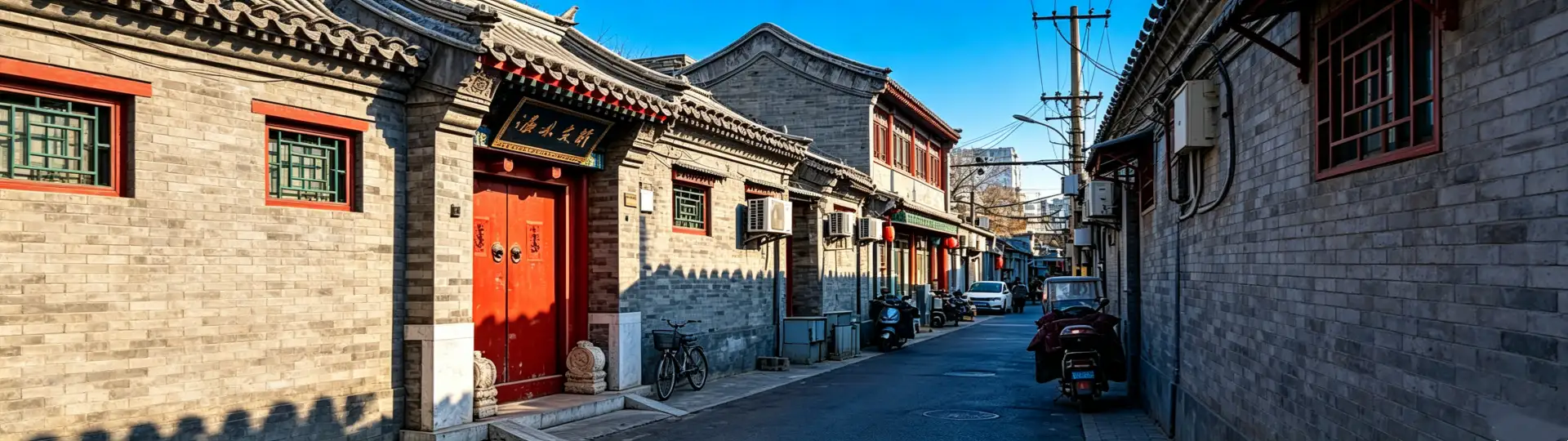
The hutongs are a must-visit destination hidden amid Beijing’s towering skyscrapers. They offer a hidden world of slow living, and many international visitors regard them as the “most authentically Chinese” corner of the city.
Instead of lifeless historical relics, the hutongs show local people’s lives which have endured for over 700 years. Actually, they offer a unique window to understanding the traditional lifestyle of old Beijing.
Content Preview
- What are Hutongs?
- Exploring Old Beijing’s Hutongs: Three Best Routes
- Must-Visit Hutongs in Beijing
- Must-Do Hutong Experiences
- Hutong Culture & Fun Facts
- Explore Beijing and Its Hutongs with China Xian Tour
- FAQs about Visting Beijing Hutongs
What are Hutongs?
Hutongs are the narrow and winding alleys, running through Beijing’s traditional courtyard residences (siheyuan). Like the city’s veins, these alleyways shape the unique character of old Beijing. Dating back over 700 years to the Yuan Dynasty, they were laid out as part of the city’s original urban design.
The name “hutong” comes from Mongolian, originally meaning “water well”. In ancient times, wells were dug along the streets. As time went by, its pronunciation gradually evolved, and the word “hutong” has become widely used now.
Exploring Old Beijing’s Hutongs: Three Best Routes
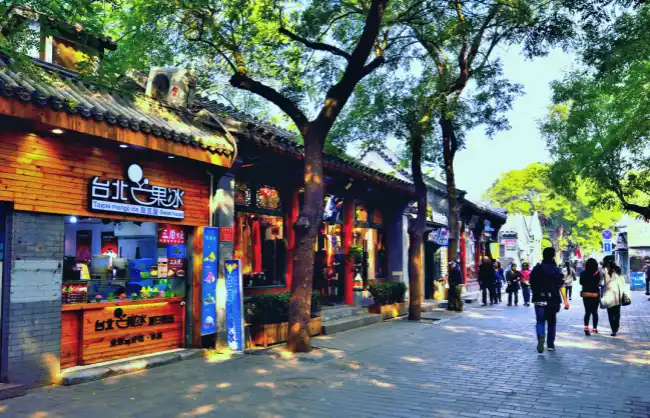
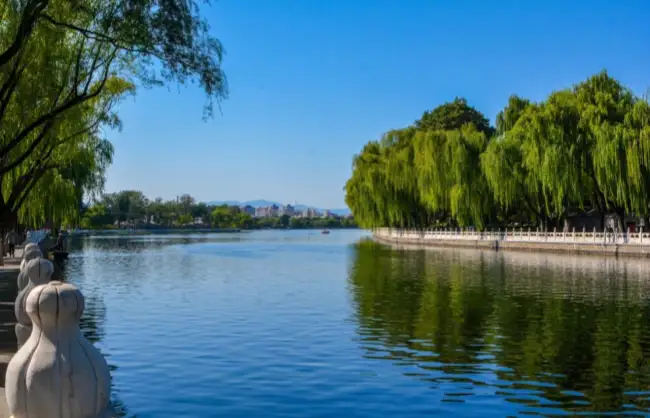
Route 1: Nanluoguxiang – Yandaixiejie – Shichahai
- Top attractions: Gulou Drum Tower, Yinding Bridge, Qianhai Lake, Lotus Market
This is an easy walk of about 2.5 hours. Along the way, you can browse charming boutiques, taste authentic street snacks, enjoy stunning sunsets, and watch night views along the lake. It is perfect for first-time visitors.
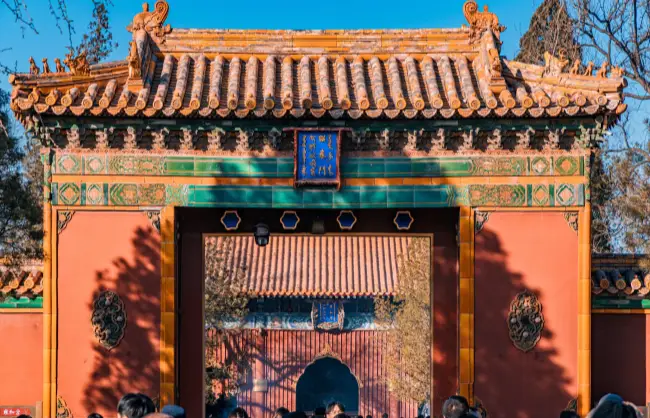
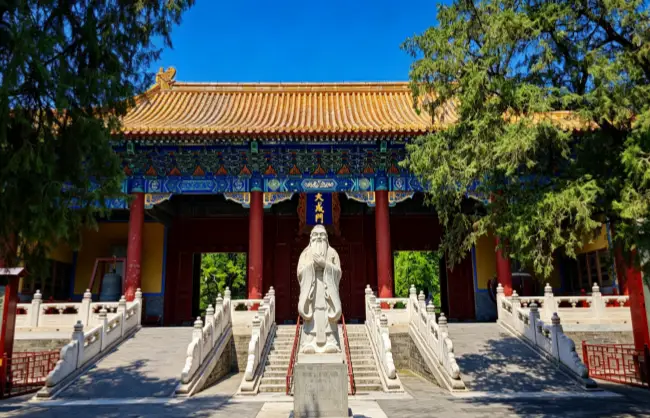
Route 2: Yonghegong Lama Temple – Wudaoying Hutong – Confucius Temple – Guozijian Street
This route takes you about 2 hours to discover the ancient temples and artistic alleys. Explore historic sites and appreciate Beijing’s profound cultural heritage. Later, refresh yourself with a cup of tea or coffee at a café with scenic views. Ideal for history and culture enthusiasts.
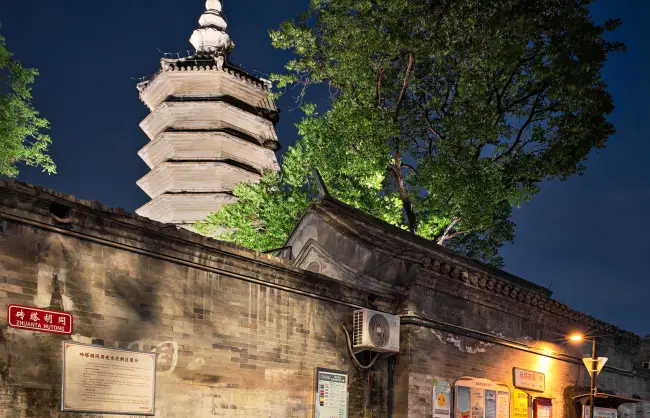
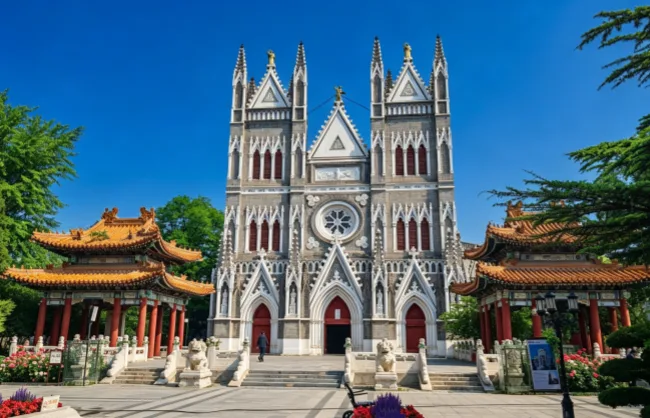
Route 3: Zhuanta Hutong – Zhengyang Bookstore – Xisi Hutong Cluster – Former Residences of Celebrities – Xishiku Cathedral
Allow about 2.5 hours for this route. The Yuan Dynasty neighborhood has preserved its original layout for over 700 years. The best time to visit is late autumn, when you can see a scene straight out of a painting: golden ginkgo trees against ancient pagodas and red walls.
Must-Visit Hutongs in Beijing
After exploring countless hutongs across Beijing, here are 5 highly-rated alleys with distinct styles worth visiting.
Nanluoguxiang (South Gong and Drum Lane)
- Location: South Street, Jiaodaokou Sub-district, Dongcheng District, Beijing
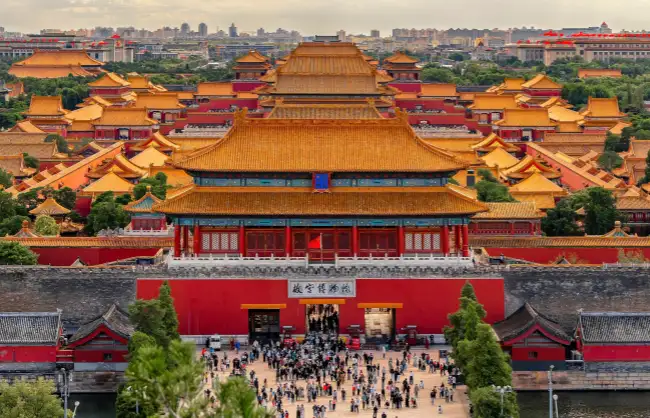
Nanluoguxiang must be a top choice for first-time visitors! Walking along the main street, you can enjoy authentic Beijing snacks, creative souvenirs and intangible cultural heritage crafts. While stepping into side alleys, you will experience tranquility. For most foreign travelers, this is the first taste of hutong life.
A thirteen-day private tour covering Beijing, Xian, Hangzhou, Huangshan, and Shanghai with iconic heritage sites and breathtaking natural scenery.
Yandaixiejie
- Location: 48, Di’anmen Outer Street, Xicheng District, Beijing
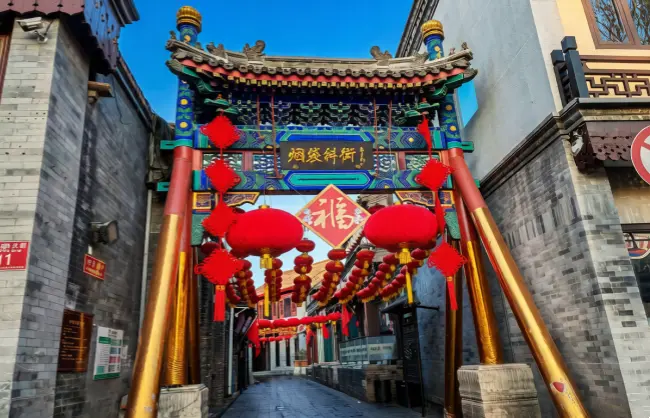
Take a glance at this street, you can find it preserved in the style of the Ming and Qing Dynasty. It’s just a short walk to Shichahai Lake. With its stunning traditional Chinese architecture, it’s a favorite spot for travel bloggers and photographers worldwide.
Zhuanta Hutong
- Location: Near Xisi Pailou, Xicheng District, Beijing. Stretches from Xisi South Street in the east to Taipingqiao Street in the west
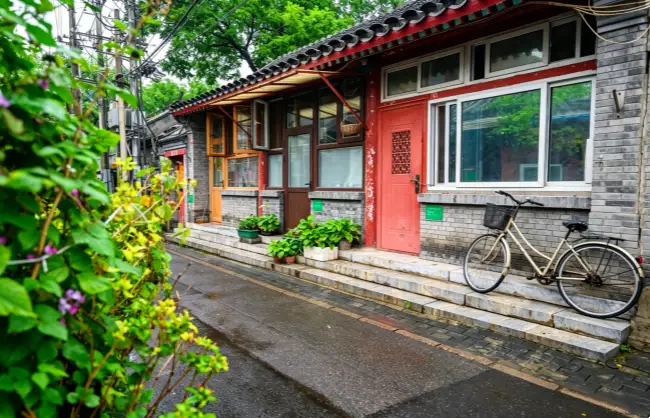
This is the oldest surviving hutong in Beijing. Remarkably, there is no commercial development here. It’s suitable for those seeking the authentic lifestyle of old Beijing, thanks to the local daily life away from the crowds.
Wudaoying Hutong
Location: East Side of Andingmen Overpass, Northern Dongcheng District, Beijing
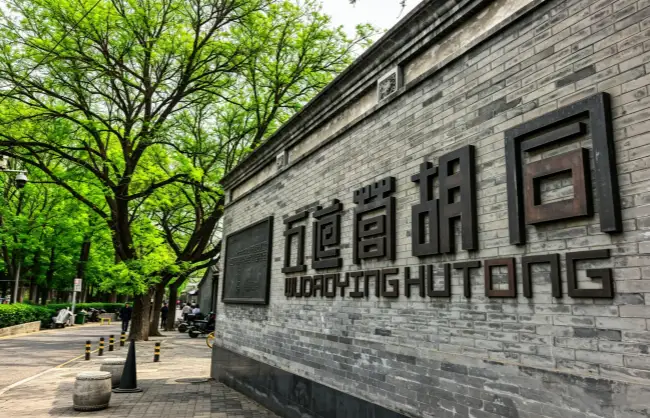
My personal secret hideaway—Wudaoying Hutong is a tranquil lane with cozy cafes and elegant Chinese craft shops. The slow, laid-back atmosphere is perfect for art and culture lovers.
Guozijian Street
- Location:near Yonghe Palace, Dongcheng District, Beijing
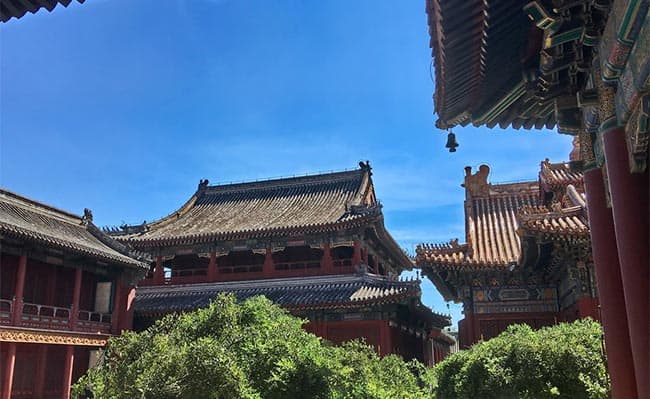
The ancient lane is lined with old trees and red walls, next to the Confucius Temple and Imperial Academy. For anyone interested in Eastern history and classical architecture, this street is worth paying a visit.
Design your perfect Beijing day from the Forbidden City and Temple of Heaven to giant pandas at Beijing Zoo, capped with a panoramic sunset view over the imperial palace from Jingshan Park.
Must-Do Hutong Experiences
Hutongs offer the perfect window into authentic Beijing life. For your good traveling experience, we recommend paying a half-day visit. Don’t worry about getting lost. You know, getting lost in the hutongs is a part of the adventure.
- Wander through the alleys: experience daily life or take a rest at a cozy café.
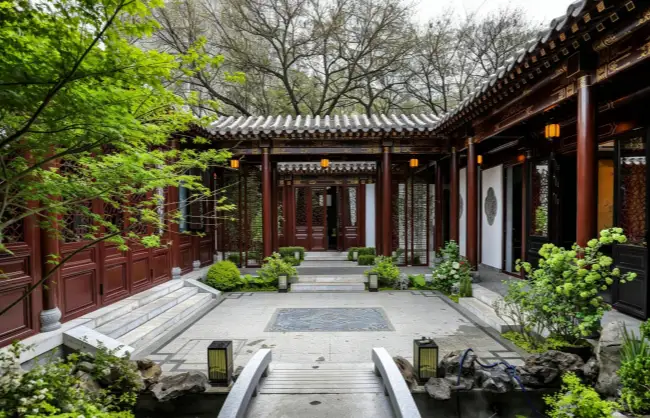
- Explore a siheyuan (courtyard homes): Appreciate traditional architecture and Chinese aesthetics, and experience the domestic living atmosphere.
- Taste Beijing snacks: Try tanghulu (candied hawthorns), lvdagun (glutinous rice rolls), zhajiangmian (noodles with fried sauce) and roast duck served in courtyard restaurants.
- Join folk activities: Experience calligraphy, Peking Opera mask painting, dumpling making and paper cutting when visiting local families.
- Cycle around: Ride through lanes to witness old courtyards, and experience the mix of historic and modern Beijing.
- Take a rickshaw ride: Lean back in a vintage rickshaw, and enjoy a leisurely, classic hutong tour in style.
Important Travel Tips:
- Local residents are friendly but most don’t speak English, so an expert guide can help you in case you need to communicate with local people, and give you deeper insights.
- DO NOT enter private courtyards without permission.
- Watch out for fast-moving electric scooters while walking.
- The early morning (07:00 – 09:00) is the golden time to explore the hutongs. During this time, the tourists are fewer and you can witness the real life scenes of locals buying vegetables, doing morning exercises and walking their birds.
Hutong Culture & Fun Facts
Lots of fun facts about famous figures and hutongs are told generation by generation.
In the 1970s, George H.W. Bush and his wife Barbara often cycled here and tried local snacks, earning the nickname “the cycling ambassadors”. Jensen Huang, NVIDIA CEO, once strolled through Nanluoguxiang, keeping a low profile while tasting local food. American expat Gao Tianrui has settled down in Shichahai for 22 years, volunteering in the community.
As the old Beijing saying goes: “There are 3,600 named hutongs, and countless more unnamed ones”. The core of hutongs is siheyuan, an intricate courtyard complex with thoughful layout and decoration. Every detail shows the traditional Chinese living aesthetics.
Explore Beijing and Its Hutongs with China Xian Tour
As a mark of the Beijing, hutongs have played a crucial role in documenting and carrying forward the city’s profound history and culture. To better understand the significance of hutongs, you can consider traveling with China Xian Tour.
As a top-tier travel agency, we have been helping people customize their own China tours for 20 years. Our local experts will provide you with the best services and fulfill all your expectations of Beijing city. With us taking care of the details, you can just fully immerse yourself in the timeless charm of its hutongs along this smooth and comfortable journey.
FAQs about Visting Beijing Hutongs
- Where is the nearest hutong to the Forbidden City? How to get there?
The nearest ones are Feilong Bridge and Duanku Hutong next to Nanchizi Street. It’s only a 5-minute walk from Donghua Gate of the Imperial Palace.
- How long do I need to visit the hutongs?
We recommend spending about half a day, which is a suitable length for leisurely travel.
- Is it allowed to enter siheyuans in the hutong?
Please don’t. Most siheyuans are private residences. You can’t enter without permission.
- Is a rickshaw ride worth experiencing?
Of course. We recommend booking in advance via an authorized travel agency.
- Are all shops in hutongs targeted at tourists?
Not exactly. Most shops in Nanluoguxiang and Wudaoying Hutong cater to tourists, while Zhuanta Hutong, Xizongbu Hutong and Yangmeizhu Xiejie still reflect everyday local life.
- Is walking or cycling better for exploring hutongs?
Why not combine both ways? We recommend cycling to the hutong area, then wandering on foot to explore the lanes in depth.
- Which hutong is the best to visit if I only have time for one?
We suggest visiting the area around Nanchizi Street. It boasts great scenery and rich folk experiences.
This is your complete guide to Beijing’s hutongs. Whether you love bustling sights, cultural exploration or slow leisure, you’ll find your perfect spot here. Wish you an unforgettable journey wandering these ancient lanes.


