

Beijing, as China’s dynamic capital, has blended thousands of years of imperial history with cutting-edge urban life. Every year, there would be millions of travelers coming here from all over the world, as they are all attracted by the city’s thousands years of history and splendor.
If you’re finding a guide to plan your first Beijing trip, or looking for some must-know facts about the city, this article is exactly what you need as it covers 18 key things about Beijing—from iconic UNESCO landmarks and ancient dynasties to modern transport and culinary delights. Let’s start to plan an unforgettable China tour to one of the world’s most fascinating destinations.
Content Preview
- 1. Eight UNESCO World Heritage Sites
- 2. Capital for Six Dynastiesy
- 3. Cultural Center of China
- 4. One of China’s Most Populated Cities
- 5. One of the World’s Largest Subway Systems
- 6. Boasting World’s Largest Public Square
- 7. Imperial Palace for Over 500 Years
- 8. Host of the 2008 Summer Olympics
- 9. Has an Impressive Number of Museums
- 10. Home to Famous Beijing Opera
- 11. World’s Largest Underground City
- 12. Numerous Historic Hutongs
- 13. Has a Thriving Food Scene
- 14. Proximity to the Best Great Wall Sections
- 15. Convenient High-Speed Rail Links
- 16. PEK Is One of the World’s Busiest Airport
- 17. Improved Air Quality
- 18. Enjoys the 240-Hour Visa-Free Transit Policy
- More Other Interesting Facts about Beijing
- Tour Beijing with Us
Beijing At-a-Glance
- Location: in the north of China, borders Tianjin City and Hebei Province
- Population: 21.832 million
- Area: about 16,410 sq km
- Language: Mandarin is commonly used, the local dialect is the Beijing dialect
- Climate: warm temperature zone, semi-humid and semi-arid monsoon climate with four distinctive seasons
- Significance: the capital of China, the political center, cultural center, international exchange center, science and technology innovation center, the world’s only dual Olympic city.
1. Beijing Is Home to Eight UNESCO World Heritage Sites
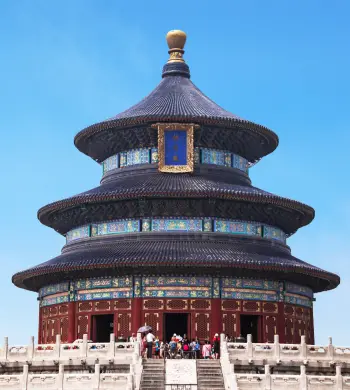
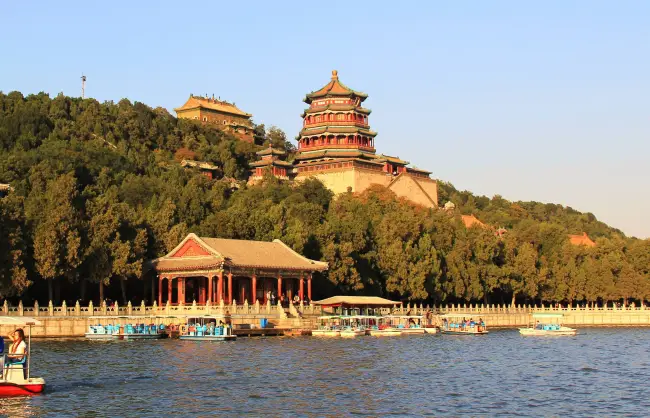
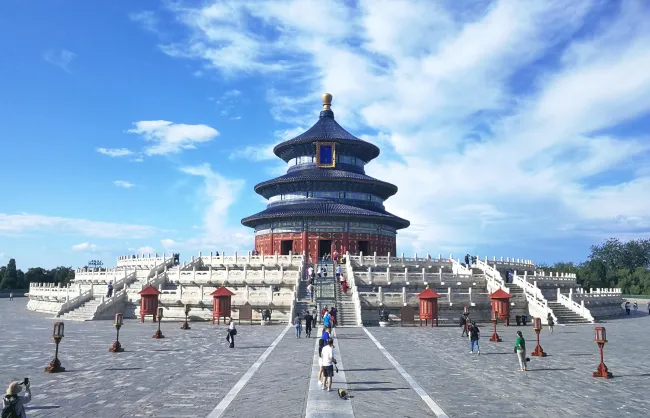
Beijing is the city with the most UNESCO World Cultural Heritage Sites in the world (eight in total). Such distinction has highlighted the unmatched historical and cultural depth that Beijing’s vast land is carrying. These Heritage Sites include the famous Great Wall, the Forbidden City, the Temple of Heaven, and the Summer Palace, along with the Ming Tombs, the Peking Man Site at Zhoukoudian, and the Beijing section of the Grand Canal.
And most recently, in 2024, the Beijing Central Axis, which spans 7.8 kilometers from Yongdingmen to the Bell and Drum Towers, had been added to the list. The 8 incredible spot, indeed, show the city’s unique urban planning legacy and imperial architectural grandeur.
2. Beijing Has Served as Capital for Six Dynasties, Boasting Rich History
Beijing has served as China’s capital for more than 850 years and it possesses a long history which can back over 3,000 years. It has been the political and cultural heart for six major dynasties (including Yuan, Ming, and Qing). The long reign has left the city a rich legacy, and that’s why Beijing is everywhere decorated by the imperial architecture, city gates, and hutong neighborhoods, which offer a deep and immersive experience for history lovers. And our suggestion is to explore the city’s beauty with a local guide, as this can bring all the layers of dynastic history more vividly to life.
3. Beijing Is the Cultural Center of China
Beijing is widely recognized as the cultural heart of the nation, every breath of the city tells you more about how centuries of tradition meet modern expression. From world-renowned landmarks like the Forbidden City and the Temple of Heaven to time-honored art forms such as Beijing Opera, the city offers a rich blend of imperial elegance and folk heritage. Its profound influence, which extends across literature, fine arts, performance, and more, has been recognize as an inseparable part of national identity and cultural trends throughout China.
4. Beijing Is One of China’s Most Populated Cities
Beijing is the third of China’s most populous cities (home to approximately 21.8 million people), just behind Shanghai and Chongqing. This immense population has given Beijing’s an unparalleled urban energy, diverse communities, and ever-expanding infrastructure. These fast growth and increasing needs of people also urges Beijing to constantly evolve to a modern metropolis.
5. Beijing’s Subway System Is One of the Largest in the World
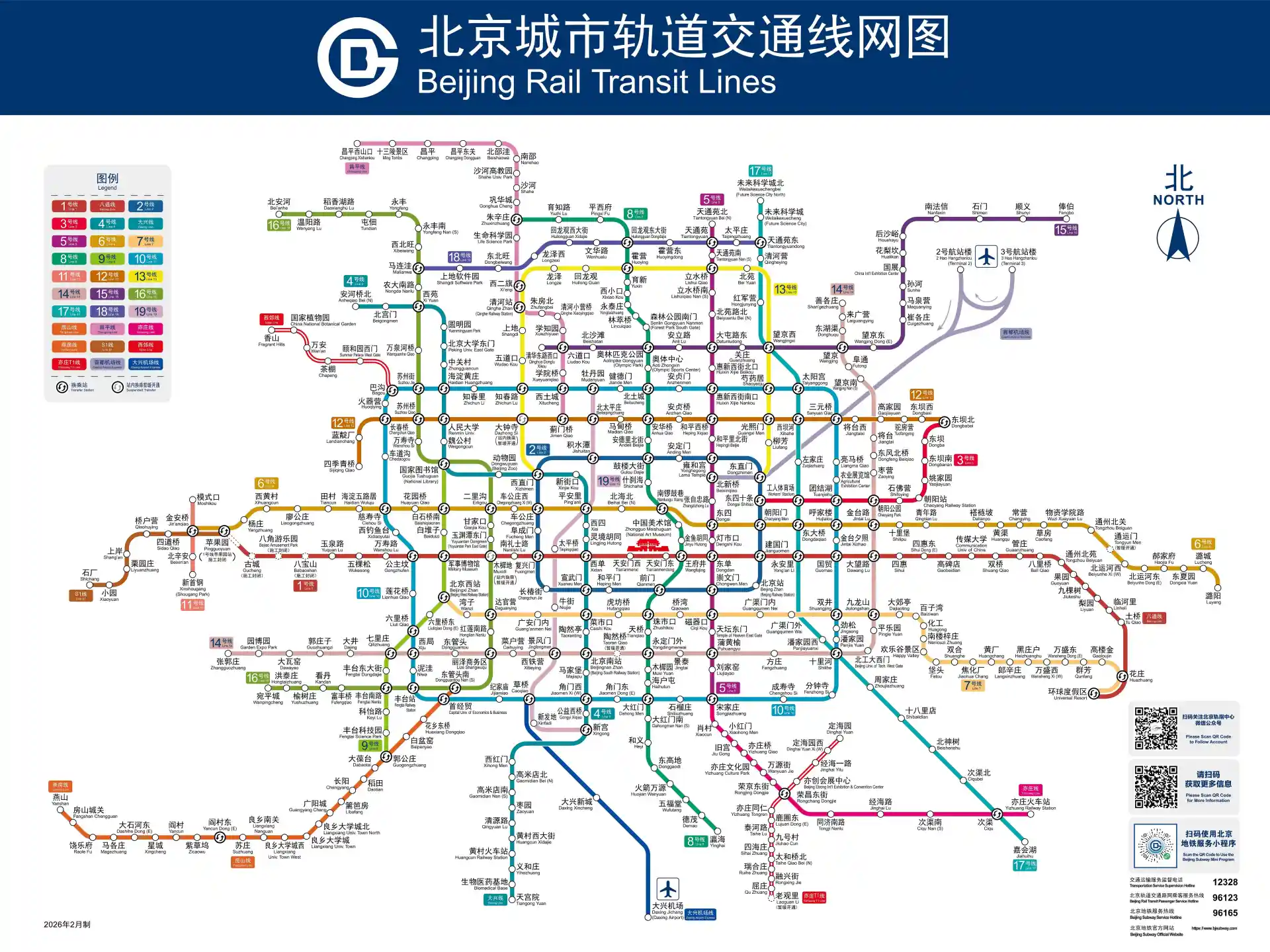
Beijing’s subway isn’t just vast, the most important thing is it serves as a lifeline for over 10 million daily commuters. It has 30 lines and nearly 900 km of track (as of late 2025), no wonder it would be as busy as metro systems in Tokyo and New York.
Designed to make everyone travel without trouble, you can always rely on the multilingual signage in stations, affordable fares, and extensive coverage. These features have made it a top choice for tourists and locals alike. Whether you’re heading to the Forbidden City or a hidden hutong, the metro always makes exploring the capital smooth and budget-friendly.
Beyond the subway, Beijing also offers other convenient public transportation like buses, Didi rideshares, and high-speed trains. This development ensures travelers multiple fast, affordable ways to explore the capital and its surrounding areas.
6. Beijing Is Home to the World’s Largest Public Square: Tiananmen Square
With an area of 440,000 square meters, this world’s largest square has long become a symbolic attraction in Beijing. In terms of answering why it can attract so many people from every corner of the country or even the entire world, one thing we can’t ignore is the monumental landmarks on the sides of the Tiananmen square, such as the Great Hall of the People, Mao Zedong Memorial Hall, and the National Museum of China.
For hundreds of years, the square has witnessed so many pivotal moments in Chinese history and it still remains a powerful gathering place. Many early mornings see crowds gathering for the flag-raising ceremony, which offers a stirring glimpse into China’s national spirit.

Tips:
To get there, you can take metro line 1 to Tian’anmen West or Tian’anmen East metro stations or take metro line 2 or 8 to Qianmen metro station.
The flag-raising ceremony is usually held from 4:45 to 5:30 during April – September and from 6:30 to 7:30 during October – March. All tourists need to make a reservation one day in advance and arrive there 1 – 1.5 hours earlier before sunrise.
7. The Forbidden City Once Served as the Home of Chinese Emperors for Over 500 Years
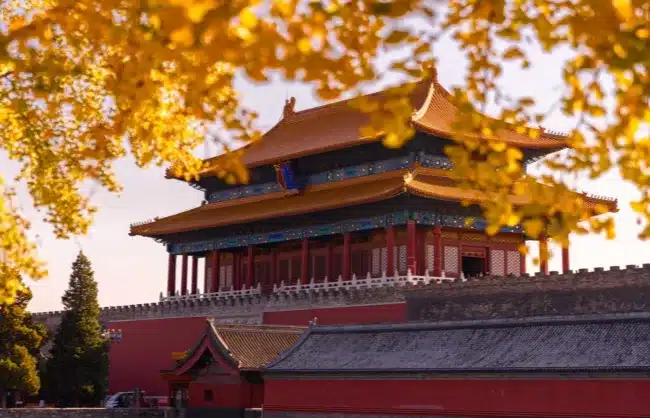
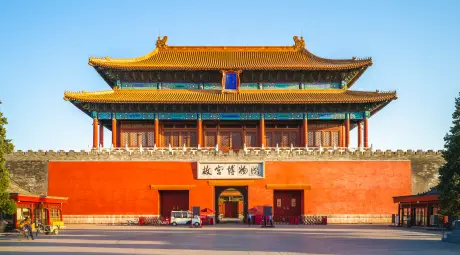
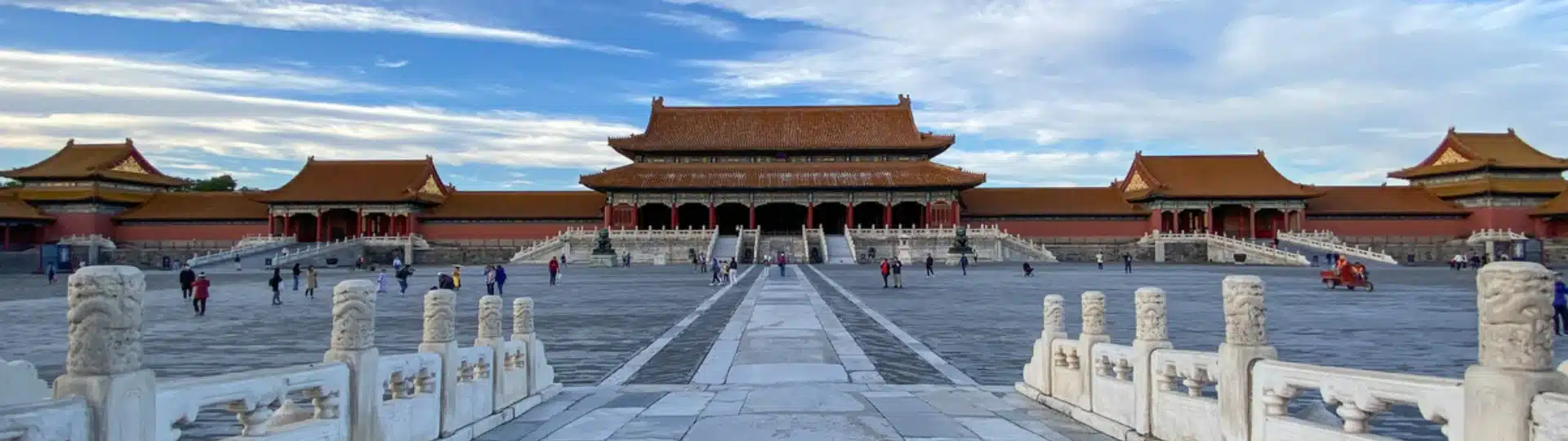
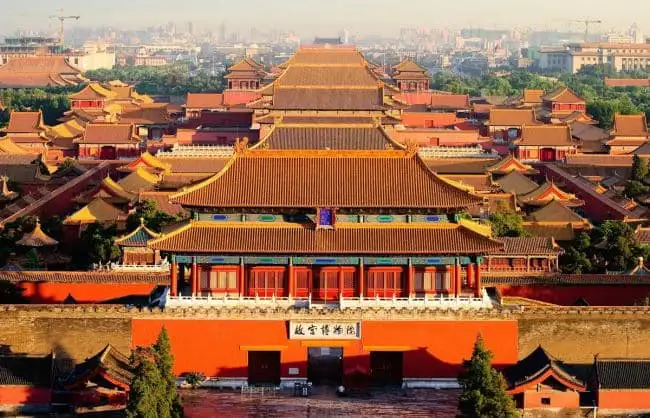
The Forbidden City was the ceremonial and political heart of imperial China for over 500 years (from 1420 to 1912). With over 8,000 rooms, golden roofs, and vast courtyards, it’s the grand symbol of the emperor’s absolute authority. Today, it has become the precious Palace Museum, which houses millions of cultural relics. If time allows, take a walk through its ancient halls and immerse yourself in centuries of imperial intrigue, ritual, artistry and the beauty of age that cannot be described.
8. Beijing Hosted the 2008 Summer Olympics
The 2008 Olympics was an unforgettable event for all Chinese people and a defining moment for modern Beijing. In hours, the city dazzled the world with its incredible opening ceremony and first introduced architectural icons like the Bird’s Nest stadium and Water Cube. Beyond sports, the Games also accelerated urban renewal—new subways, cleaner air, and upgraded infrastructure. Many Olympic venues remain open today, offering travelers a blend of modern design and Olympic legacy.
9. Beijing Has an Impressive Number of Museums
Beijing is a haven for culture lovers as it has over 200 museums, and the diverse types of them might surprise you. Beyond major institutions for historic relics, you’ll even find quirky and unexpected collections ranging from traditional crafts to tap water and even roast duck. For sure, there’s something satisfying for every curiosity.
Art lovers would flock to the 798 Art District, while history buffs dive into ancient treasures at the Capital Museum. Basically all museums offer English signage, making them accessible and enriching stops for international visitors.
Recommended Museums:
- National Museum of China: Through over 1.4 million collections, the museum tells us the history of China from prehistoric times to the Ming and Qing dynasties.
- Beijing Capital Museum: Offering a comprehensive insight into the city’s 3,000-year history and its 800-year history as the capital, it is the best teller of Beijing’s stories.
10. Beijing Opera Is One of the Most Famous Traditional Performing Arts in China
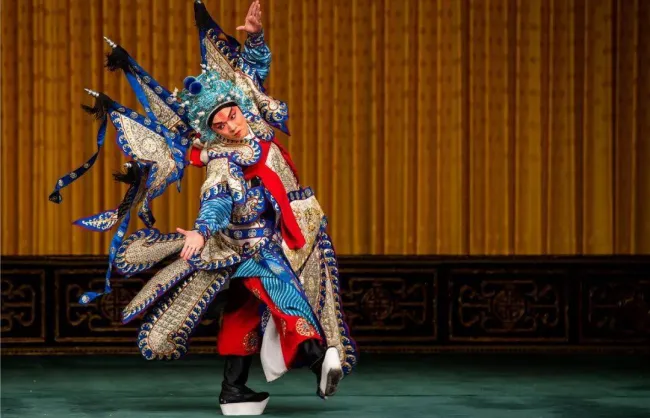
Beijing Opera is one of the most known Chinese arts to people around the world. It combines stylized gestures, martial arts, haunting vocals, and dazzling costumes into one unforgettable show. It originated in the Qing Dynasty and remains a living tradition today, stories that have been reproduced are often drawn from history and mythology. You can go to see one in theaters like the Chang’an Grand Theater, even if you don’t speak Chinese, subtitles and visual storytelling will still make it a captivating cultural experience.
11. Beijing Is Home to the Largest Underground City in the World
There one Beijing fact that few visitors would know: there a massive Cold War-era underground city lies beneath the bustling streets of Beijing, which covers more than 85 square kilometers. It was originally built in the 1970s, serving as a fallout shelter to protect people in any sudden case that could be as serious as a nuclear war.
This hidden world had once included all kinds of facilities in consideration of people’s different needs, such as schools, clinics, and even factories. While most of it remains sealed off, some sections have been preserved and are now open to the public through guided tours. Join this trip would offer you a rare and eerie glimpse into China’s history of civil defense.
12. Beijing Is Famous for Its Hutongs
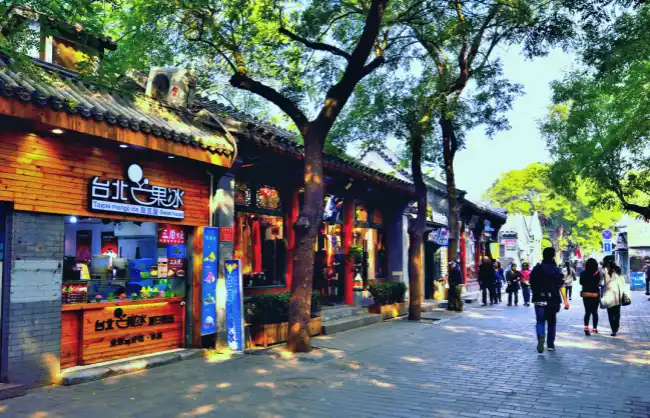
The city’s hutongs—labyrinthine alleys formed by rows of traditional courtyard homes—are more than just residential areas; they’re living museums of Beijing’s old way of life. Wandering through places like Nanluoguxiang, Yandai Xiejie, or the hutongs around Houhai Lake, you’ll gradually reveal a world of old teahouses, indie boutiques, and street vendors. These quiet lanes contrast sharply with Beijing’s skyscrapers and modern roads, maintain this city a nostalgic charm that continues to attract both locals and travelers.
Related reading: Beijing Local Lifestyle
13. Beijing Has a Thriving Food Scene
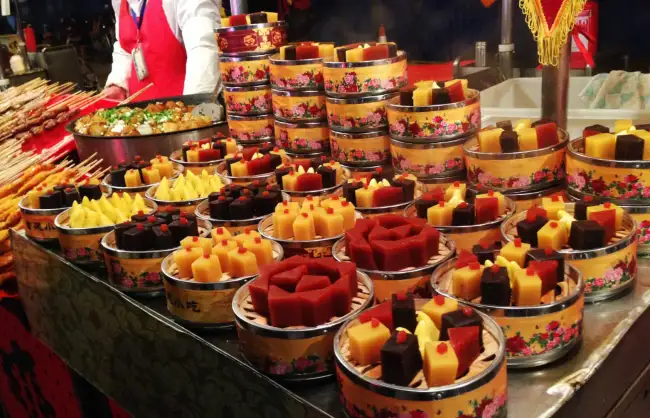
Another widely known fact about Beijing is that food is an essential part of the city’s identity, its long-lasting history has also formed the city a diverse food culture. It is recommended to try the world-famous Peking duck, comforting dumplings, hand-pulled noodles, and sizzling street snacks like jianbing, indeed, the city is a paradise for food lovers. But it’s not just about what’s on the plate—food in Beijing is more about a cultural experience, so that many traveler would spend more time to explore bustling night markets, join a local cooking class, or book a food tour to uncover flavors ranging from imperial cuisine to regional specialties from across China.

14. Some of the Best Great Wall Sections Are Around Beijing
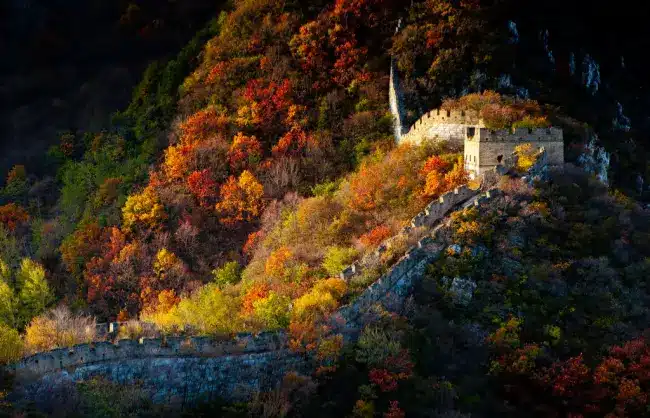
Walking along the Great Wall would be many travelers’ dream when traveling to China, and Beijing is the perfect starting point, or to say the most popular point, for that adventure. Areas like Mutianyu offer lush views and restored pathways which are ideal for families with kids and elders, and it’s less crowded and more scenic than the over-touristed Badaling section. Jinshanling and Simatai are favorites among hikers, thanks to their dramatic terrain and partially wild segments. Whether you want a relaxing stroll or a challenging climb, the best parts of the Great Wall are just a couple of hours from downtown.
15. Taking a High-Speed Train from Beijing to Xi’an or Shanghai Is Easy and Comfortable
Traveling between China’s top cities has been easier than ever because of the rapid development of the country’s world-class high-speed rail network. Trains from Beijing to Xi’an or Shanghai take about 5 to 6 hours, with departures throughout the day. Compared to the hassle and the lengthy process required when taking flights, security checks, transfers, and delays, riding with high-speed trains offer a smoother and more scenic experience. Comfortable seating, Wi-Fi, onboard meals, and easy access from city centers make it an increasingly popular choice for tourists exploring China’s golden triangle.
16. Beijing Capital International Airport Is One of the World’s Busiest
Beijing Capital Airport (PEK) is not just a main transportation hub in China, it also experiences one of the largest passenger flow on the planet. In 2025, this airport handled over 70 million passengers. In peak travel seasons, it would even serve over 200,000 passengers daily. While it’s no longer the world’s No.1 busiest due to the rise of other hubs, PEK still remains a global gateway with all sorts of modern amenities, efficient connections, and increasing routes across Asia, Europe, and the Americas.
17. Beijing’s Air Pollution Is No Longer a Big Issue
Beijing’s smoggy skies had once made headlines and aroused concerns around the world, but times changes and this condition can be already learned as a “past tense”. Thanks to aggressive policies on environmental protection such as coal reduction, renewable energy investments, and cleaner public transportation, the city has seen dramatic improvements in air quality. Blue skies are increasingly common in mainly all seasons, and the majority of days now meet healthy air standards. While masks are still useful during occasional dust storms, short-term visitors generally won’t find air pollution a serious problem anymore.
18. Beijing Enjoys the 240-Hour Visa-Free Transit Policy
Beijing has become even more popular and accessible for international travelers after the 240-hour visa-free transit policy being introduced. Since December 2025, citizens from 55 countries—including the US, UK, Australia, and most of Europe —can stay in the city for up to 10 days without a visa, as long as they’re heading to a third country (with clear proof, such as a settled flight ticket for the next journey). This policy adds more flexibility to travelers’ spontaneous visits or short tours, while also makes Beijing an attractive stopover destination on flights across Asia. (For more information, please check the official website or 240-Hour Visa-Free Transit).
More Other Interesting Facts about Beijing
- Beijing’s Layout is a Cosmic Diagram. The city center is planned in accordance with the cosmic principles of China. The Forbidden City, the three main halls of the Outer Court and the area near Beihai correspond to the three enclosures of the sky, forming the core layout of Beijing. Besides, the central location of the Forbidden City and the square shape of the old city are both the embodiment of the cosmology of ancient China.
- Beihai Park is one of the oldest imperial gardens in Beijing, whose history can be traced back to the Liao Dynasty. With the construction of the following Jin, Yuan, Ming and Qing Dynasties, it has become a classic imperial garden and gathered the essence of southern and northern gardens.
- The rooftops of Forbidden City have no guano. One reason is that glazed tiles can reflect light which restricts the birds from staying for a long time. Another important reason is the annual professional maintenance of the architecture.
- Beijing boasts the world’s longest central axis. It stretches through the Forbidden City and starts from Yongding Gate in the south and ends at Bell and Drum Tower in the north. Its total length is 7.8 km.
- The parks in Beijing are the gathering places for the folk martial arts experts. Every morning, in the Temple of Heaven Park, Altar of the Earth Park and other parks, numerous local people practice traditional projects such as Taichi, martial arts, diabolo, etc.
- The Beijing Time is not determined based on the location of Beijing, but is generated and broadcast by the National Time Service Center of the Chinese Academy of Sciences located in Lintong District, Xi ‘an City, Shaanxi Province.
- Beijing Zoo boasts over 500 kinds of animals with a total number of over 5,000, including the cute panda and rare animals like Guizhou golden monkey, Skywalker hoolock gibbon and red goral.
Tour Beijing with China Xian Tour
Our expert-led Beijing tours offer a deeper look into the city’s past and present. With flexible itineraries, knowledgeable local guides, and stress-free arrangements, you’ll discover what makes Beijing truly unique without any trouble in planning and organizing.
If you want to gather some travel info, or just curious about more facts about Beijing, Chinaxiantour is always here to help with personalized experiences that go beyond the typical tourist path—making your visit not just smooth, but truly unforgettable.