


Beijing is said to be one of the nearest places to the future. Though it never stopped a moment of running forward, it is still a carrier of countless people’s memories of the past. Here, history is not just something to be read on the pages, it’s concrete and tangible. It is hidden in the corners of skyscrapers and experienced by everyone living on this vast and ancient land day after day.
If you want to experience the authentic Beijing local lifestyle, we recommend you dive deeper than just visiting some famous landmarks. This guide is written to unveil what life truly looks like in Beijing, from morning routines to eating diets, all details will be included. And now, it’s time to embark on our exploration.
Content Preview
- A Day in Beijing: Local Life and Food
- Culture and Traditions in Beijing
- Social Life and Entertainment in Beijing
- Hutong Life and Community Spirit
- Shopping and Modern Lifestyle in Beijing
- Parks and Leisure in Everyday Life
- Practical Tips to Experience Beijing Like a Local
- FAQs about Beijing Local Life
- Explore the Essence of Beijing Culture with Us
A Day in Beijing: Local Life and Food
Every morning in Beijing brings a new rhythm. The street vendors may always be the first ones to wake the city. And later, elders will come to gather in parks for morning exercise, and commuters will also stream onto subways to start a busy day. Over the day, the pace shift, everywhere will be swamped with crowds and bustle till late at night.
Differences between modern lifestyle vs traditional hutong lifestyle
- Modern lifestyle: Life runs fast in this way. Online shopping or delivery apps will be taking care of most parts of people’s lives. Subway is the most common commuting option, and people will spend most of their days in the glass-and-steel office towers. Shopping malls or international cafés are popular for spending leisure time.
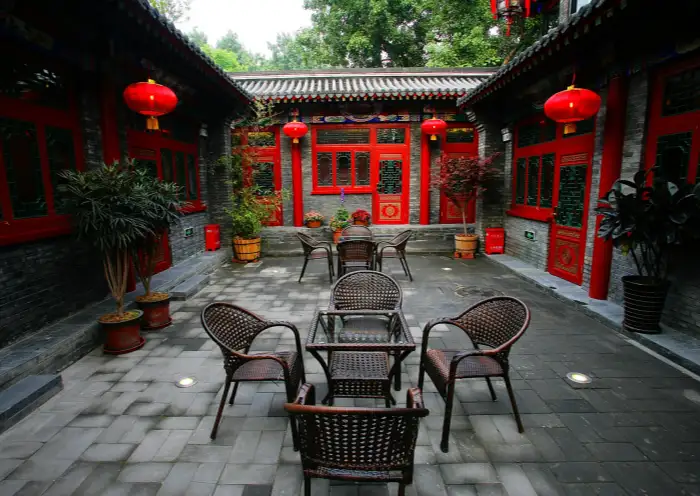
- Traditional hutong lifestyle: In the narrow alleys of historic neighborhoods, life moves more slowly. Siheyuans (courtyard houses) usually host generations of families. Daytime flies with the chats between neighbors. Shared courtyards might be the best place to trace life’s passage, as they hold everything: plant pots, laundry, chairs to sit in, or laughter in the shade.

Expat life in Beijing and integration into local culture
Many expats in Beijing can find a rich blend of comfort and discovery. Beijing has long developed an international vibe. And you may be surprised to see how many international schools and expat social networks you can find in the city. But to truly integrate, activities like local Beijing tours or language exchanges would be more useful.
Beijing cuisine: Peking Duck, noodles, dumplings
Beijing’s food has a legendary food culture, and many parts of it will remind people of the imperial history. However, the past stories have long merged into the modern tastes.
- Peking Duck (北京烤鸭)— One of the most iconic Beijing dishes. Crispy and rich. And nowadays, many high-end restaurants offer tableside carving and elaborate service.
- Noodles and dumplings— Fulfilling and best represent the local taste. Famous ones like zhajiangmian, hand-pulled noodles, and dumplings can be enjoyed both in eateries and at home.
Street food & Beijing local markets
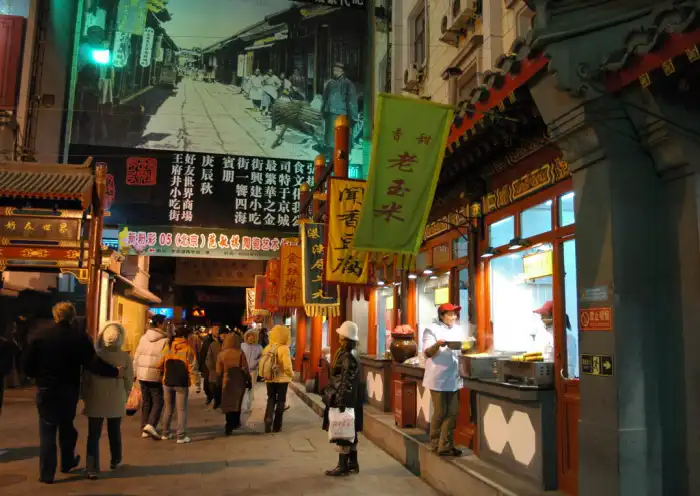
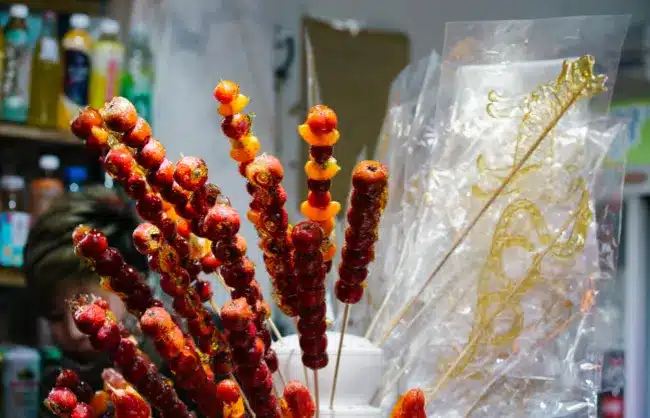
The lively street stalls and markets allow you to discover the true essence of Beijing local food. In the early morning, vendors sell classic Chinese breakfast items like steamed buns, jiaozi (dumplings), soy milk, and crispy jianbing.
By evening, you should also take a look in the Wangfujing Food Street. People can find basically all kinds of local snacks along the path. Neighborhood markets also offer a glimpse of everyday life in Beijing, and it is, indeed, more lively, as it’ll be filled with chatter and the aroma of fresh produce.
Beijing tea culture and café lifestyle
Tea is an essential element that has been woven into Beijing’s soul. Traditional teahouses like Lao She Teahouse offer not only chances to enjoy the fragrance of tea, but also a time to enjoy some iconic performances and storytelling. Green tea, jasmine, chrysanthemum, and longjing varieties are the most popular among the locals.
At the same time, Beijing café culture is also growing fast, places like Voyage Coffee, Metal Hands, and renovated courtyard cafés all invite locals and visitors to stop for a cup of coffee.
Eating habits of locals: family meals & dining out
- Family meals
For a typical Beijing family meal, a Chinese lunch or dinner table may include:
- Appetizer or cold dishes (cold cucumber salad, pickles)
- Main hot dishes — meat, vegetables, stir-fries
- Soup
- Staple staples: rice, noodles, or dumplings conclude the meal. Many Chinese eat staples last.
Respect and hierarchy matter: the eldest or host often starts to eat first, and conversation on the table should be light and communal.

- Dining out
Dining out is a social affair. Usually people would choose restaurants serving Peking duck hot-pot spots or regional cuisine eateries. And also the host often chooses menu items.
Recommended Beijing Food Tour: 4 Days Beijing Food Tour with Best Highlights
Culture and Traditions in Beijing
Beijing opera and traditional performing arts
Beijing Opera (Jingju) is one of the city’s proudest traditions, and it has beautifully blended so many forms arts. Under the colorful costumes and painted masks, experienced performers will telling stories that have been celebrated for hundreds of years. Classic venues like the Zhengyici Peking Opera Theatre are widely visited.
Beijing festivals and traditions
During festivals, Beijing will be at most lively status. For example, during the Spring Festival, a great number of people will gather in temple fairs like Ditan Park Fair and together celebrate this special time of the year. While in Mid-Autumn Festival, basically all the families would will focus on preparing their family reunion and they’ll also be appreciating the moon together after dinner.
Beijing local traditions: Families and elderly lifestyle
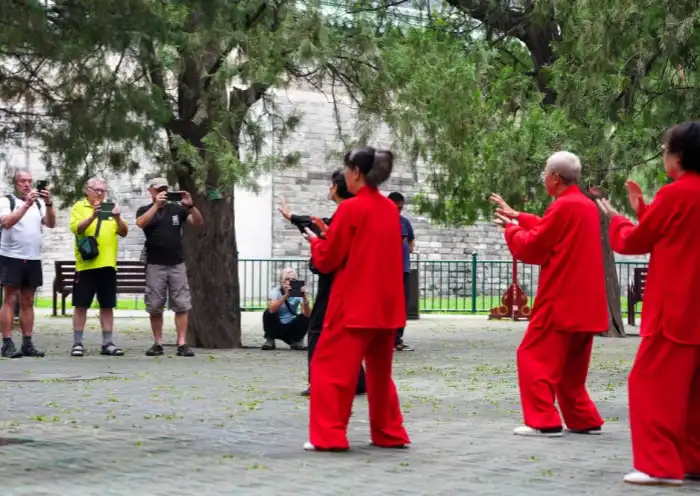
Many Chinese families are multi-generational, especially in Beijing, older members are supposed to guide family traditions and celebrations. And many of them have also developed their own unique routines. They would gather in parks all day to practice tai chi or write calligraphy with water brushes.
Social Life and Entertainment in Beijing
Beijing Nightlife
Beijing’s nightlife is also vibrant and colorful. If you prefer a more relaxed setting, then Houhai Bar Street is perfect for you. However, for more trendy bars and rooftop lounges, Sanlitun is where you should go. Young locals and expats all enjoy these vibes.
Beijing Social Activities
- Morning parks: Tai chi, dancing, and water calligraphy.
- Square dancing: Elders (especially elderly women) would often gather for group dances in the evening.
- KTV: One of the common activities to have with friends or coworkers.
- Weekends: Short trips, share meals, or explore nearby countryside spots.
Beijing Bar and Café Culture
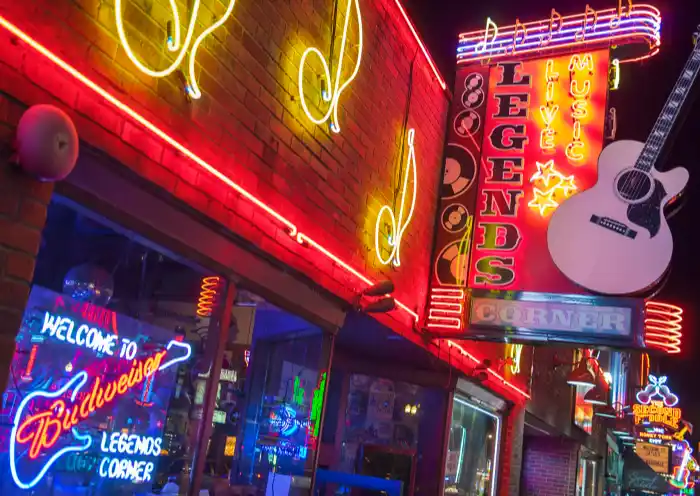
Bars and cafés have become an essential parts of the modern Beijing lifestyle. Houhai’s lakeside bars or hutong cafés in Wudaoying and Nanluoguxiang offer peaceful escapes with coffee, art, or live music. These spots sing a rhythm of Beijing’s relaxed yet creative charm.
Beijing Outdoor Lifestyle
Outdoor life is integral to daily routines. Many people would cycle through hutongs or around Beihai and Houhai Lakes after meals. And there are also some hiking groups, which would sometimes explore less-touristed Great Wall sections and nearby mountains. On weekends, you’ll see parks like Qingnianhu or Longtan Lake be full of locals coming to enjoy a moment in nature.
Hutong Life and Community Spirit
The charm of Beijing hutong lifestyle
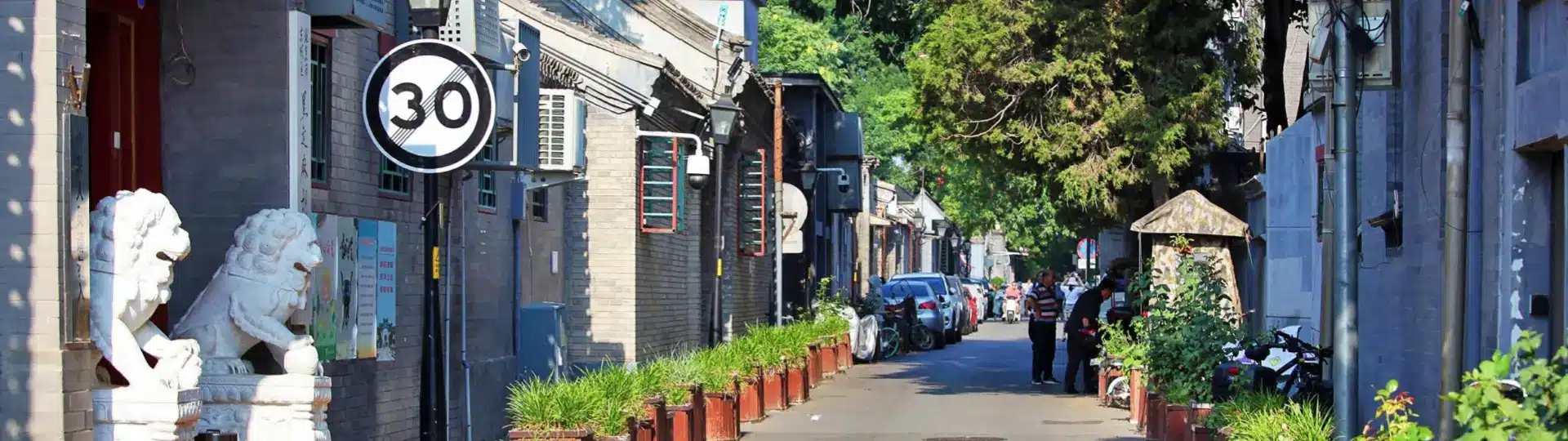
Many of Beijing’s hutongs were built in the Yuan, Ming, and Qing dynasties. Even time will slow its pace when entering these lanes. You’ll be able to touch the local life in a more intimate manner, as you see elders feeding birds and children running between walls.
Ongoing renovation efforts have been made to preserve the hutongs’ grey walls and old gates, while also improving sanitation and comfort for the sake of locals. Their heritage is kept alive amid modernization.
Courtyard houses (Siheyuan) and community living
Siheyuan is a unique type of courtyard home in Beijing. It has become a symbol of harmony and family unity in many Beijing people’s hearts. Traditionally, several generations will be living together around a shared courtyard, so the small families will all be closely connected to each other while also keeping their personal spaces.
Local neighborhood markets and shops
Hutong neighborhoods still remain lively with the support of local commerce. Morning markets usually sell fresh produce, and there are also many small family-run stores that handle daily needs. And some hutongs, like Nanluoguxiang, have even blended tradition and trend, so you can also enjoy cafés and boutiques in these hutongs.
Family and community bonds in traditional Beijing areas
- Neighbors support each other — sharing food, helping with chores, and celebrating together during festivals.
- Elderly residents gather for tai chi, tea, or quiet chats in courtyards and alleys.
- Folk crafts, dialects, and home-cooked recipes are still passed down through families. Every move helps with preserving the essence of Beijing’s traditional lifestyle.
Recommended Tour Package: 5 Days Beijing Tour Package with Panda Encounter
Shopping and Modern Lifestyle in Beijing
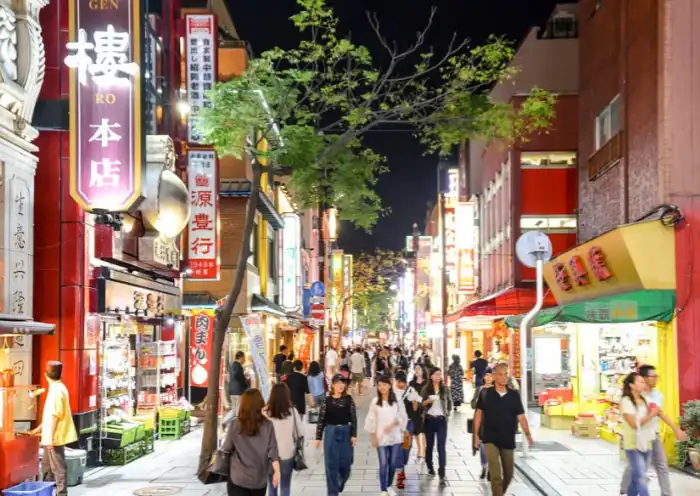
Beijing shopping lifestyle: boutique stores, malls, and local markets
- Boutique Stores & Local Designers:
Nanluoguxiang and Gulou are the best places to find creative shops selling local fashion and vintage items.

- Large Shopping Malls:
- Taikoo Li Sanlitun (Chaoyang): Trendy open-air mall. Everything will be here, including global brands, cafés, and pop-ups.
- Solana Shopping Park: A lakeside mall. Here, you can shop at leisure and also dine.
- Wangfujing Street: Classic shopping hub with malls like APM and WF Central. Good to go if you want to explore both modern and traditional stores.
- Local Markets:
For bargain seekers or collectors, Panjiayuan Market and small hutong craft shops are great choices. They offer antiques and handmade souvenirs.
A blend of traditional shops and modern shopping centers
- Historic Shopping Streets:
Qianmen and Dashilar preserve old Beijing charm with long-standing herbal shops and pickle vendors.
- Modern Malls with Traditional Touches:
Some complexes, like Taikoo Li South, have borrowed hutong and siheyuan design elements and let human creativity develop them into open, walkable courtyards for modern retail.
- Local Preferences:
For local people, traditional markets are places to buy daily groceries, while fashion items may come from designer stores and gifts from creative pop-ups. Younger shoppers enjoy modern brands but still greatly appreciate authenticity and craftsmanship.
Parks and Leisure in Everyday Life
Morning Exercises in Beijing Parks
At dawn, parks in all over the Beijing city will all be filled with locals coming for morning exercises. They normally practice tai chi or Baduanjin stretching. Some others like to walk and write calligraphy on the ground with water.
Popular parks include:
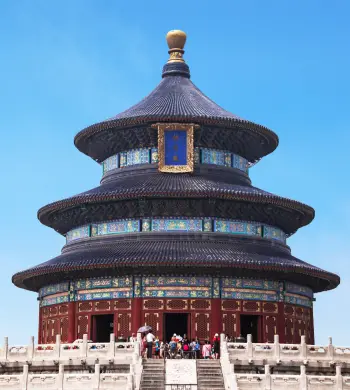
- Temple of Heaven Park: Famous for tai chi, fan dancing, and group exercises at sunrise.
- Beihai Park: A scenic lake park. Good for slow strolls and light exercise.
- Chaoyang Park: Modern and spacious, many joggers and group dancers would come.
Role of Green Spaces in Daily Life in Beijing
- Accessibility: There are over 1,000 parks in Beijing, which have covered nearly 45% of the city with green spaces. Most residents will easily find a park near where they live.
- Health & Social Benefits: Spending time in park is proved to be an effective way toreduce stress and maintain active mindset, especially among elders.
- Environmental Value: Green belts and forest parks play a crucial role in cleaning the air and cooling the temperature down in the city.
Practical Tips to Experience Beijing Like a Local
Best Neighborhoods to Explore for Authentic Experiences
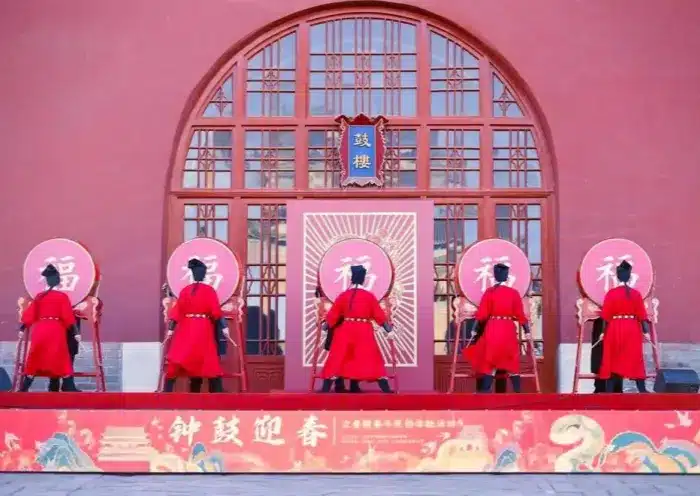
- Gulou (Drum & Bell Tower Area, Dongcheng): Enjoy both tradition and modern vibes.
- Nanluoguxiang & nearby hutongs: Busyon the main street but quieter in side alleys.
- Liulichang Cultural Street (Xicheng): Best for art lovers.
- Shichahai / Houhai Lakes: Scenic lakeside views which feature historic alleys. Perfect for evening strolls.
Tips for Blending In with Beijing Locals
- Learn a few Mandarin phrases like “你好” (hello) and “谢谢” (thank you).
- Travel with the subway or shared bikes in the city, as they allow you to go gently into the local l
- Eat local: Plan yourmeals in hutong snack stalls or family-run restaurants instead of chains.
- Carry small cash & written addresses: Many vendors don’t accept cards, especially foreign credit cards. If you don’t have WeChat Pay or Alipay, then you’ll have to fully rely on cash.
Safety, Etiquette, and Cultural Dos and Don’ts
Safety Tips
- Beijing is safe, but you still need to stay alert in crowded places and keep your bags zipped.
- Use official taxis or Didi. Avoid unmarked cars.
- Check air quality and wear a mask on heavy smog days.
- Keep emergency numbers handy: Police 110 / Ambulance 120 / Fire 119.
Etiquette & Cultural Dos & Don’ts
- Respect elders: Offer seatson the bus or subway and greet politely.
- Remove shoes if asked when entering homes.
- Avoid sensitive topics or political discussions.
- Ask before taking photos of people.
- No tipping in most places—unless at some upscale restaurants or with guides.
FAQs about Beijing Local Life
Is Beijing friendly to foreigners?
Yes. Beijing is always open and welcoming. You basically don’t need to worry about a language barrier here, as there will be English signs, helpful locals, and active expat areas everywhere.
What is Beijing’s culture like?
It’s a mix of old heritage and new treasures. Traditions are still kept as routines, while modern factors like cafés, fashion, and tech have also greatly shaped people’s lives.

What do Beijing locals do on weekends?
They would relax in parks, visit markets, meet friends, or simply enjoy food. Young people may prefer spending time in cafés or shopping malls.
How is hutong life different from modern communities?
Hutong life is friendly and close-knit within a large community, while modern apartments offer more privacy and comfort. Both reflect different parts of Beijing life.
What’s the cheapest way to get around Beijing?
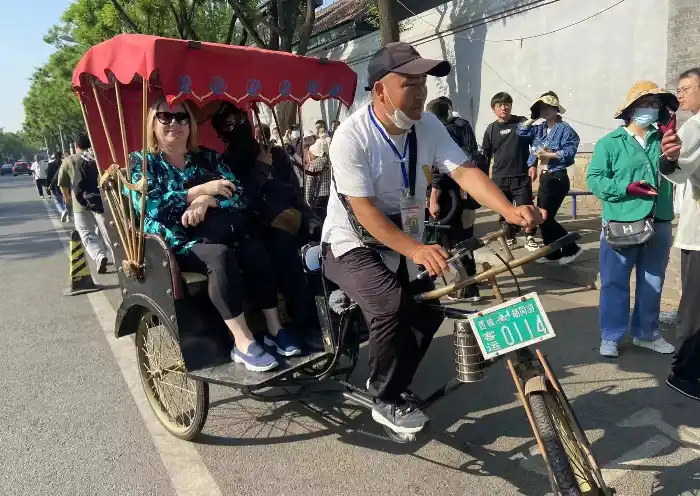
The best choice is definitely the subway, as it’s clean and cheap while also being able to take you to every corner of the city within a short time.
Explore the Essence of Beijing Culture with Us
Indeed, people can only see the real life in Beijing from the details that cannot be fully presented by words. A Beijing culture tour is what really allows you to go deeper into the city’s profound heritage. Visiting the city with China Xian Tour is the best way to ensure a smooth and rewarding journey. Our curated tours can take you to everywhere you want to go while also saving you from the laborious planning tasks. With our all-round service, your time in Beijing will only be pleasant and unforgettable.