
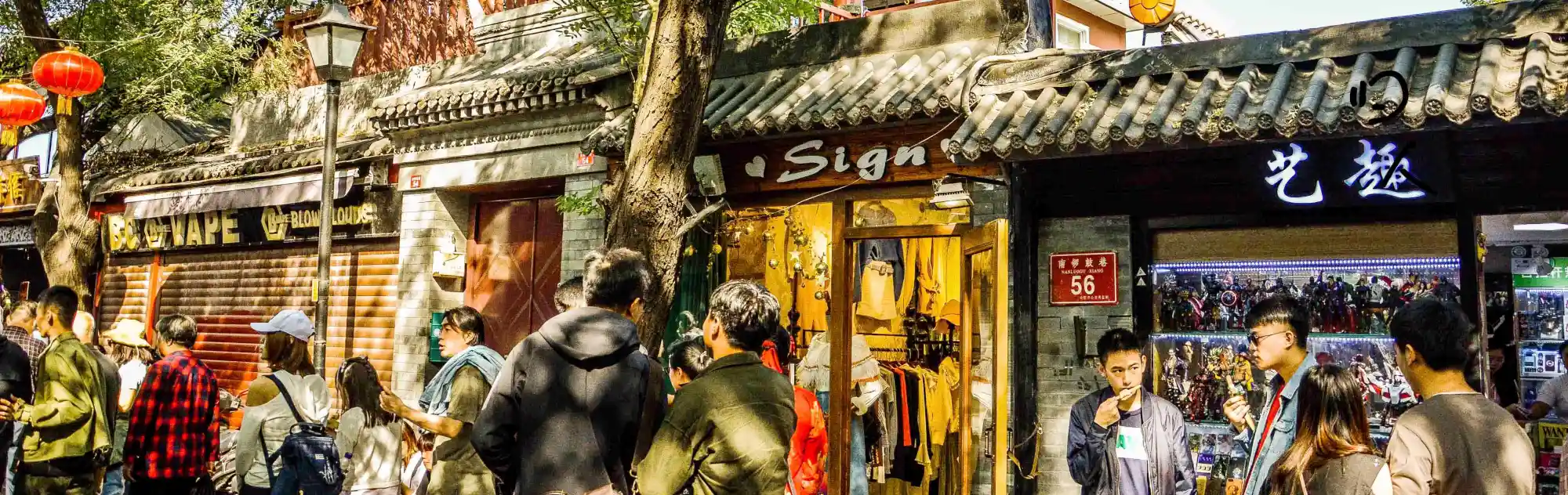
Beijing Nanluoguxiang, also known as South Gong and Drum Lane or Nanluogu Lane, is a well-known Beijing hutong situated on the east side of Beijing’s central axis. It runs from Drum Tower East Street (Gulou Dong Dajie) in the north to Ping’an Street in the south. It is one of Beijing’s oldest blocks, dating back to when the Yuan Dynasty’s capital was established.
Now, Nanluoguxiang street combines the petty bourgeoisie with traditional culture and characteristics of Beijing, making it one of famous landmarks of Beijing. When walking the Nanluoguxiang hutong, you can sample Beijing local foods and snacks, shop souvenirs, and enjoy wonderful night life. To experience the soul of the old Beijing, you are highly recommended to visit Nanluoguxiang on your Beijing tour.
Content Preview
- Fast Facts about Nanluoguxiang Hutong
- Beijing Nanluoguxiang Street History
- The Layout of Nanluoguxiang
- What to See and Do in Nanluoguxiang: Time-honored Architectures and Cultural Activities
- What to Eat at Nanluoguxiang Street & Recommended Restaurants
- Nanluoguxiang Hotels
- How to Get to Nanluoguxiang Hutong Alley?
- Best Time to Visit
- Attractions Near Nanluoguxiang
- Explore Nanluoguxiang with China Xian Tour
Fast Facts about Nanluoguxiang Hutong
- Chinese name: 南锣鼓巷
- Address: Nanluoguxiang Hutong, Dongcheng District, Beijing, China
- Length: 787 m
- WidthL 8m
- Opening hours: Full day and night
- Entrance fee:Free
- Best for: History and culture lovers, foodies
- Highlights: Historic Hutong vibe, well-preserved traditional courtyard architecture, diverse local Beijing specialties, and international-friendly bites, rickshaw rides and former celebrity residences.
Beijing Nanluoguxiang Street History
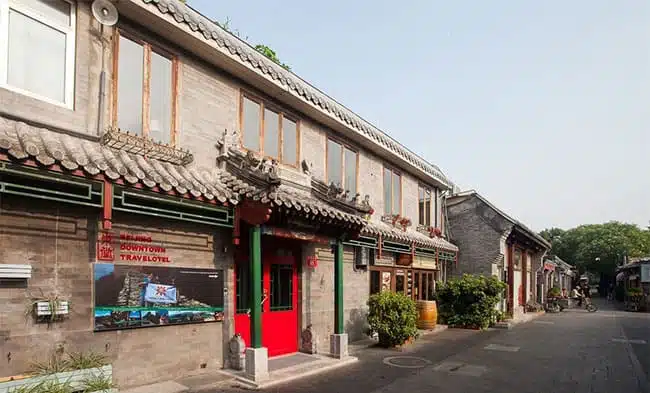
The formation of Nanluoguxiang can be traced back to the construction of the capital of the Yuan Dynasty. During the Qianlong period of the Qing Dynasty, it was the garrison of the Yellow Banner. From the end of the Guangxu period to the Xuantong period, Nanluoguxiang was assigned to the Third Inner Left District. During the Republic of China period, it became part of the five districts in Beijing.
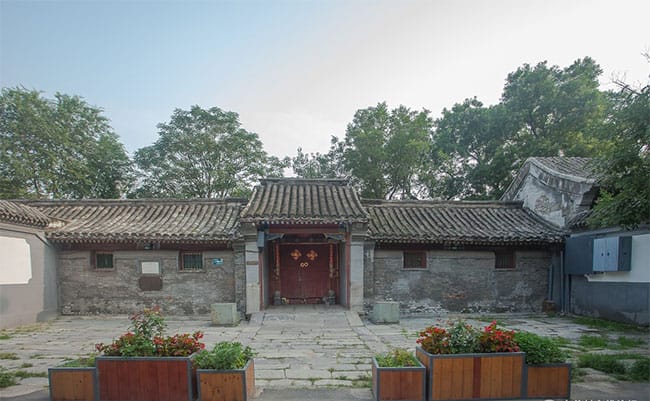
Nanluoguxiang was once home to numerous high-ranking officials and cultural celebrities. Today it still has the distinctive texture of Yuan Dynasty hutong courtyards. What’s more, this street has not only retained many historical hutongs and green-brick and gray-tiled courtyards, but also imprinted a rich humanistic and historical heritage thanks to the former mansions of celebrities. With a rich historical and cultural legacy, Nanluoguxiang is now one of Beijing’s oldest neighborhoods, and a must-visit site on a trip to Beijing.
The Layout of Nanluoguxiang
If you look at a Nanluoguxiang map, you’ll notice that the street runs north to south and has followed the “checkerboard” design from ancient times.
There are 8 hutongs orderly arranged from east to west, which looks like the shape of “fishbone”. This kind of architectural style is typical in Yuan dynasty.
The whole block is like a large centipede, so it is also called Centipede Street. It is said that there were two ancient wells in the northernmost part of the Nanluoguxiang, which happened to be the two eyes of this centipede.
What to See and Do in Nanluoguxiang: Time-honored Architectures and Cultural Activities
Former Site of Wanqing Pawnshop
The former Wanqing Pawnshop is a popular site near Nanluoguxiang. It’s located at No.1 Demoiselle Hutong. It was one of the five major pawnshops in Beijing in the past. The shop was closed before the founding of the People’s Republic of China and was renovated and reopened as a tourist attraction in 2006. Here you can glimpse chapters of Beijing’s history.
Level-Point Stone Monument
At the north corner of Xikou Road and Qianyuanensi Hutong stands the Level-Point Stone Monument. Made of alabaster, it is 1 meter high and 0.2 meters wide. One side is engraved with “Measurement of Beijing’s Level” and the other with “Metropolitan Municipal Office.” Built during the Republic of China, it marks the highest point of old Beijing’s inner city, 49 meters above sea level.
Stone Culture Exhibition Area
The Stone Culture Exhibition Area is located at the west entrance of Nanluoguxiang near Juer Hutong. It displays old stone steles, piers, and horse stones, reflecting traditional Beijing courtyard culture.
China Labrang Folk Culture Experience Museum
This museum presents Gannan Tibetan culture in Beijing. Through copies, spray painting, sculpture, and projection, it recreates Gannan’s landscapes and local folk customs for visitors to experience.
Former Residences of Celebrities
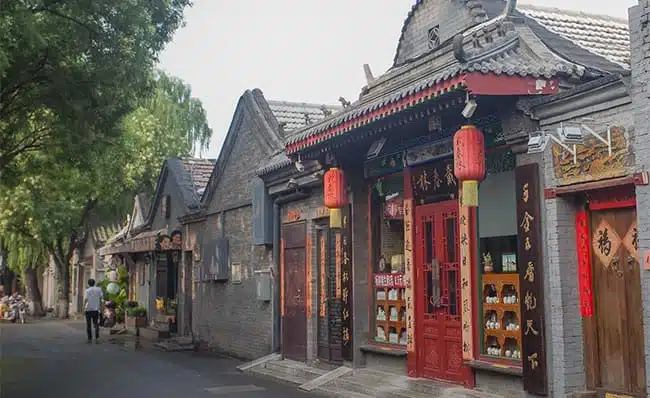
Nanluoguxiang hosts many historic homes, including the former residence of Empress Wanrong, a real historic figure which you may once saw in the famous film The Last Emperor. Keyuan Garden, Qi Baishi’s memorial hall (Yuer Hutong), and Mao Dun’s former residence (No.13, Houyuanensi Hutong) are all standing here. These sites preserve the cultural and historical legacy of old Beijing.
Rickshaw Tour in Nanluoguxiang
Except for taking a walk along the alleys, exploring the narrow alleys and hidden courtyards by rickshaw is also widely suggested. A short 30–60 minute ride lets you go deep into quiet hutongs and hear stories about local life. Visitors should check the price and route beforehand, and you may also try to make a bargain. Rickshaw tours can also connect to nearby streets like Yandai Xie Street or Shichahai, providing a nostalgic Beijing experience.
The cost for the rickshaw ride will vary depending on the actual itinerary and distance. Generally, it ranges from 60 to 180 RMB per person.
Recommended tour including rickshaw ride:
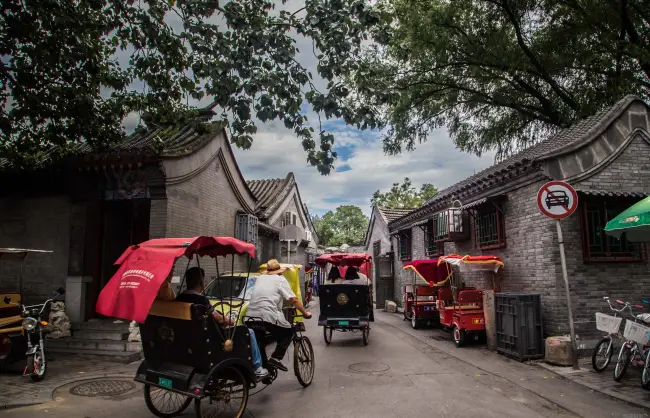
In the morning, your private guide and driver will pick you up from your hotel at the appointed time.
Night Market
Nanluoguxiang Night Market is one of the most artistic street markets in Beijing. Many artisans gather here to create unique art and crafts with their own hands. From exquisite embroidery to quaint pottery, from unique jewelry to creative household items, each piece is full of ingenuity and creativity. Enjoy unique Beijing shopping experience here.
Related reading: Top Historical Streets in Beijing
What to Eat at Nanluoguxiang Street & Recommended Restaurants
Nanluoguxiang is also known for snacks and local eats. Don’t miss the highlights below:
- 尹三豆汁冰淇淋 (Yin San Bean Juice Ice Cream)
Location: No.89, Nanluoguxiang
This is a kind of refreshing ice cream with local flavors that you may have never seen in your life. The most popular one is the flavor of bean juice and pea sweet.
- 菊儿人家 (Ju’er Renjia)
Location: Xiao Ju’er Hutong No.63
Highly rated humble Beijing-style braised pork rice. It’s savory, not greasy, and also filling.
- 姚记炒肝 (Yao Ji Fried Liver)
Location: Gulou East Street No.311
Fried Liver is a classic Beijing comfort food. Even though it’s called “fried liver”, it’s actually not fried but simmered. Here you can find some other local specialties like pork bun.
- 方砖厂69号炸酱面 (Fangzhuanchang No.69 Zhajiangmian)
Location: Nanluoguxiang No.1
Hearty, Michelin-recommended Beijing noodles (炸酱面) with rich toppings. Traditional flavor and fulfilling experience.
- 稻香村 (Daoxiangcun Bakery)
Location: Fuxiang Hutong No.1
It features traditional Beijing pastries, which are perfect souvenirs or snacks.
>> Further reading on 15 Most Popular Beijing Restaurants
Nanluoguxiang Hotels
Nanluoguxiang offers a wide range of accommodation options, from luxury boutique hotels to low-cost hutong hostels and guesthouses, including Chinese Culture Holiday Hotel Nanluoguxiang, Citigo Totel, Peking Youth Hostel, The Orchid Hotel, Han’s Royal Garden Hotel, and more.
How to Get to Nanluoguxiang Hutong Alley?
Nanluoguxiang is in central Beijing’s Dongcheng District, about ~5 km north of Tiananmen Square and ~4 km from the Forbidden City, roughly a 25–30 minute drive from the historic core.
- By Subway
Subway Line 6 or Line 8 → Nanluoguxiang Station (Exit E). This is the easiest way to reach the alley, and you’ll see the hutong just outside the station.
- By Bus
Several city buses stop within a short walk of the lane, but routes vary; check nearby stops like Gulou Xiang Station depending on your starting point.
- Walking from Nearby Landmarks
If you’re visiting nearby historic spots like the Drum & Bell Towers or Shichahai Lake, Nanluoguxiang can be part of a longer hutong walk route that includes all these highlights.
Best Time to Visit
The most comfortable seasons to explore Nanluoguxiang are spring (March–May) and autumn (September–November), which are also the ideal periods to visit Beijing. During this period, temperatures are mild, so that outdoor walking is pleasant. Summer can be hot and humid in Beijing, while winter is too cold for long-time outdoor activities, but indeed it’s a quieter and less crowded travel window if you don’t mind bundling up.
Attractions Near Nanluoguxiang
- Drum & Bell Towers – Historictimekeepers of the city. Visitors can also enjoy panoramic views of the city from the tower’s
- Yandaixiejie – A charming old street with unique shops, snacks, and cafés (about 10-15 min walk).
- Shichahai & Houhai Lake– Scenic lakeside area. It has lively bars, restaurants, boat rides and traditional residences.
- Prince Gong’s Mansion & Song Qingling Residence – Historic homes with gardens and heritage displays near Houhai.
Explore Nanluoguxiang with China Xian Tour
Beijing has long been known as a historic city that carries the grandeur of China’s imperial past. Unlike the magnificent and heavy history in sites like the Forbidden City, Nanluoguxiang is where you’ll truly see how normal people’s lives be like in ancient days and how time has changed this city bit by bit. To make the most of it, choose China Xian Tour as your best friend on a Beijing tour, which includes Nanluoguxiang as a highlight. While your private guide takes you through the beautiful alleys, their explanations can make your trip even more immersive and meaningful. So come and join us now, let’s together enjoy Beijing city’s unparalleled charm.