

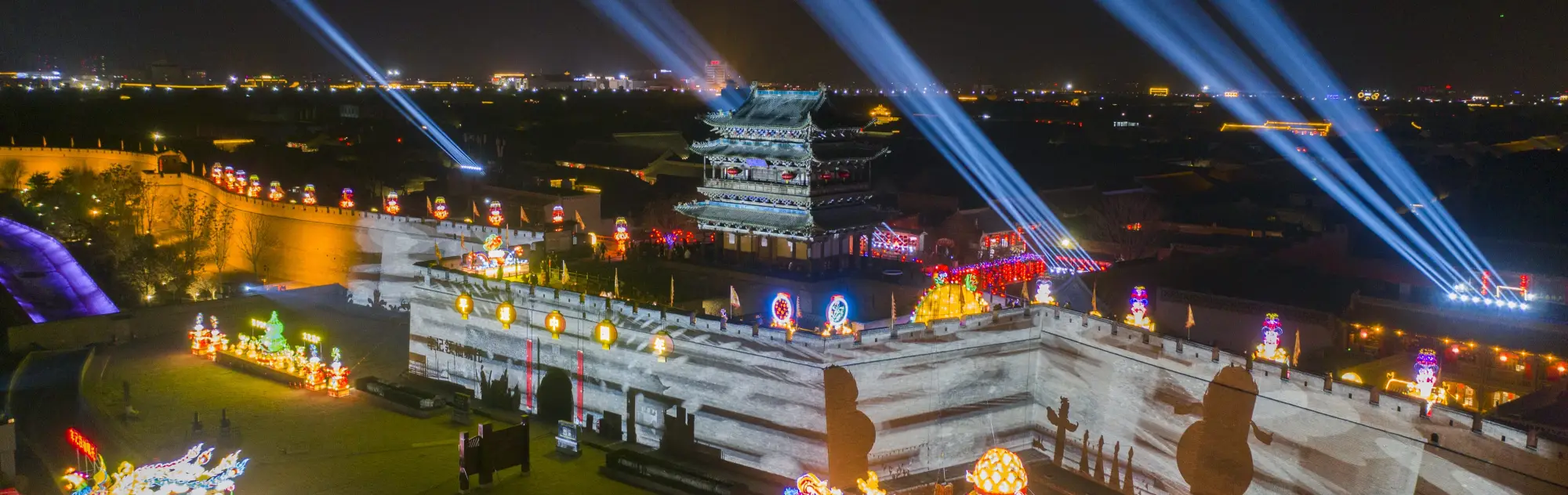
Nestled in China’s Shanxi province, the Ancient City of Pingyao is one of the most well-preserved ancient cities in China. It was initially built during the reign of King Xuan of the Western Zhou Dynasty (around 810 B.C.) and was expanded in the third year of Hongwu of the Ming Dynasty (1370). With over 2700 years of history, Pingyao is a time capsule of traditional Chinese culture and offer a lot things to do and see.
Pingyao was once a bustling financial center in Northern China, and is also a representative of the culture of Jin merchants. Today it is best known for its Ming and Qing Dynasty ancient city walls, streets, and architecture. If you’re planning a trip to Pingyao Old Town, here are the best things to do in Pingyao to gain insight into its history and culture.
Content Preview
- 1. Watch the 3D Light Show of the Ancient City Wall
- 2. Stroll through the Ancient Ming-Qing Street
- 3. Discover China’s Banking History at Rishengchang
- 4. Visit the Residence of a Wealthy Pingyao Family
- 5. Walk or Bike on Pingyao’s Ancient City Wall
- 6. Be Astonished by the Colorful Sculptures in Shuanglin Temple
- 7. Enjoy the Fantastic Show – Encore Pingyao
- 8. Shop for Pingyao’s Famous Lacquer Ware
- 9. Attend the Pingyao International Photography Festival
- 10. Savour Pingyao’s Tasty Snacks
- 11. Visit Zhenguo Temple — a thousand year old wooden Buddhist temple
- 12. Explore Tongxinggong Escort Agency Museum — historic “Bodyguard Office” in Pingyao
- FAQ about Pingyao Ancient Town
- Plan a Pingyao Tour with China Xian Tour
1. Watch the 3D Light Show of the Ancient City Wall
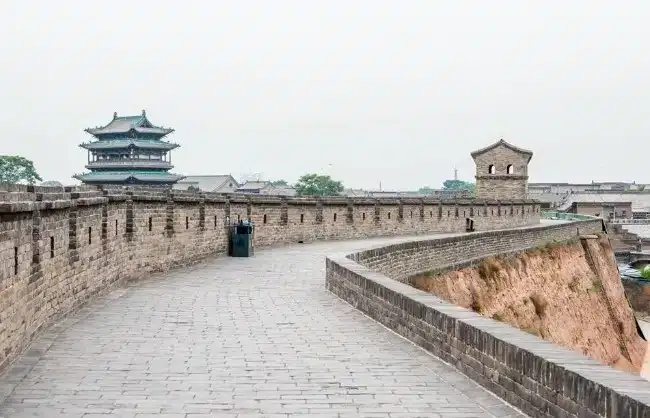
The massive city walls of Pingyao are 6142.63 meters long and were first built in 1370 during Ming Dynasty. At over 900 years old, they are considered some of the best-preserved ancient city walls in China, and one of the top things to do in Pingyao Old Town.
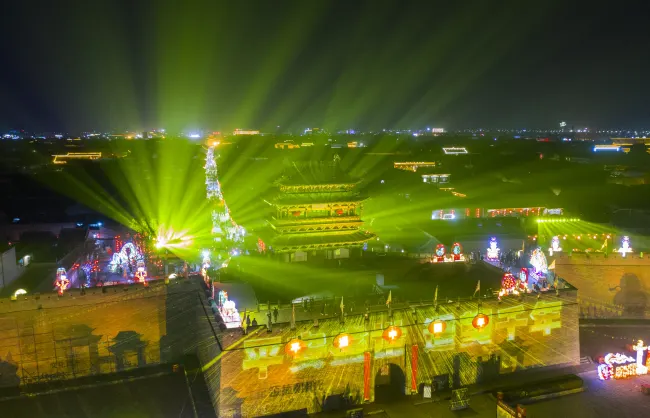
One of the best ways to experience the grandeur of the Pingyao city walls is to watch the nightly 3D light show. Thanks to the latest projection mapping technology, the show illuminates the timeless walls with various beautiful colors, animation effects, and videos, bringing the history of Pingyao to life.
2. Stroll through the Ancient Ming-Qing Street
Located in the center of the old city, the 750-meter-long Ming-Qing Street was the bustling heart of commerce during the Ming and Qing dynasties. Hence the name. The streets consisting of four main streets, eight side streets and 72 centipede alleys present the eight trigrams on the turtle armour.
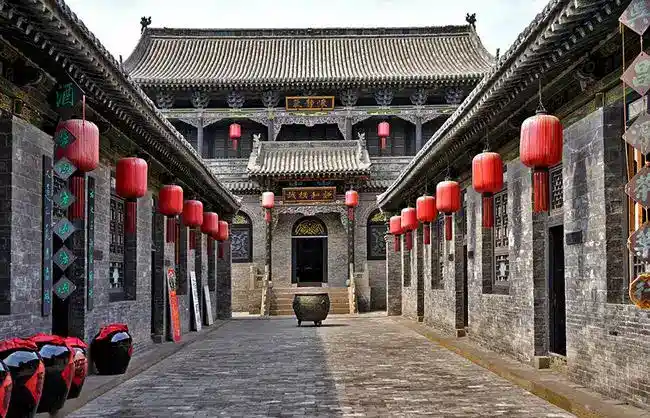
Today, Paingyao Ming-Qing Street is lined with traditional shops and residences, offering a glimpse into busy life centuries ago. You’ll find everything on this historical street from souvenirs to local snacks sold at bills of exchange, money changers, pawnbrokers, medicine Shops, butchers, tobacco Shops, grocery Shops, and satin Shops.
Walking down the street, with its grey brick walls and tiled rooftops, will make you feel as if you’ve traveled back in time.
3. Discover China’s Banking History at Rishengchang
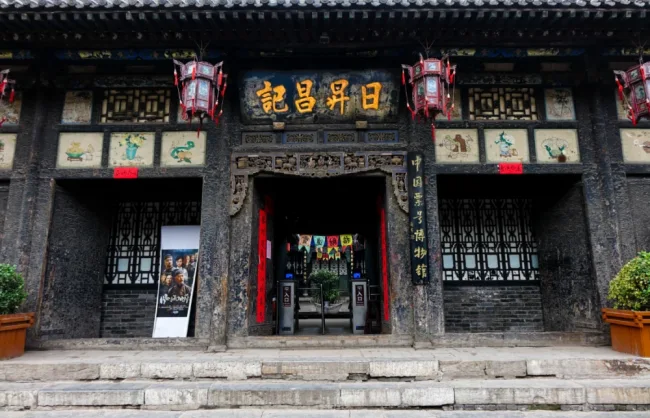
Considered the “father of modern Chinese banking,” Rishengchang was China’s first piaohao, or draft bank. Established in 1823, Rishengchang started China’s first modern banking system. The former site of the Rishengchang Ticket Office is located on the south side of West Street in Pingyao Ancient City. It now houses a museum displaying the bank’s history.
Learn about how Rishengchang’s pioneering innovation can gain insight into the history of China’s ticketing and financial development. It is also one of the top things in to in Pingyao Old Town that touch everyone from peasant farmers to the Emperors.
4. Visit the Residence of a Wealthy Pingyao Family
To discover the beauty and elegance of the ancient Chinese architecture in Pingyao, you should visit some local wealthy and influential families.
35km away from Pingyao Old Town, the Wang Family Compound was the private mansion of the owners of Rishengchang Bank. He was surnamed Wang, hence Wang Family Compound. Covering over 32,000 square feet, and taking more than 300 years to build, it is one of the largest residential compounds in northern China.
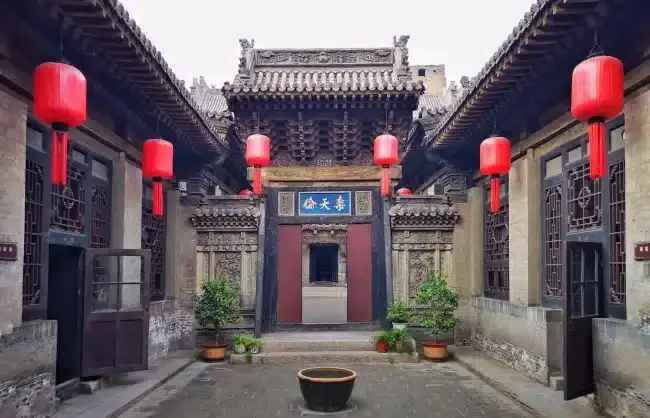
Unlike the austere exterior of the compound, the interior is richly decorated, with sculpted doorways, colorful frescoes, and intricate wood carvings adorning nearly every surface. Strolling through the compound to experience the life of affluence and luxury once enjoyed by Pingyao’s elite.
5. Walk or Bike on Pingyao’s Ancient City Wall
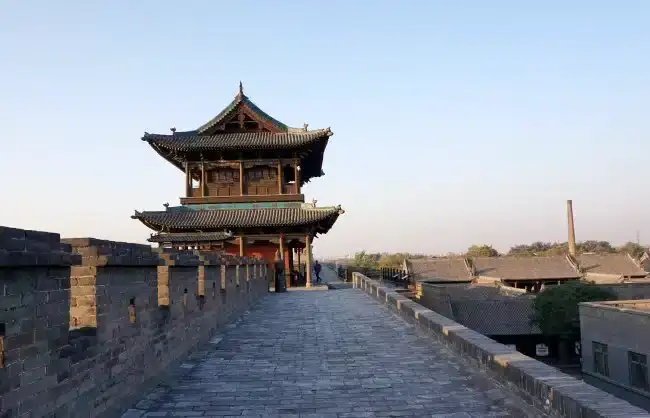
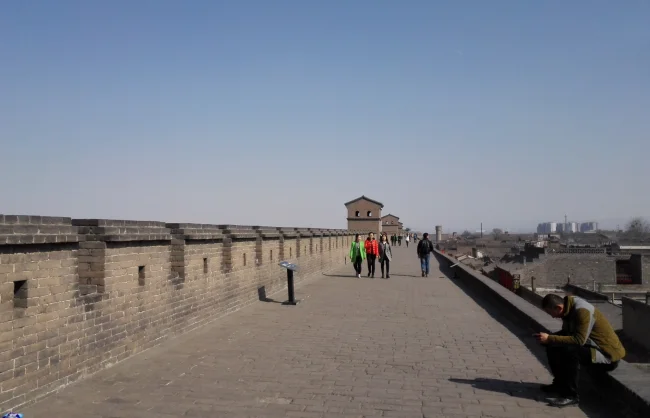
The ancient city wall combines defensive and cultural functions, reflecting the typical characteristics of northern Chinese cities in the Ming and Qing dynasties. For centuries, the city wall has been protecting Pingyao Old Town.
Today, the top of the wall has been converted into a park, perfect for cycling and walking. When ascending the walls, you can take in panoramic views of the city.
Whether you are traveling to Pingyao with family or friends, the city wall is one of top things to do. You can consider renting a bike to leisurely ride around the nearly 3-mile perimeter. Or simply walk along the top of the wall to admire the watchtowers and traditional tile-roofed houses below.
6. Be Astonished by the Colorful Sculptures in Shuanglin Temple
Built in 571 AD, Shuanglin Temple is one of the oldest Buddhist temples in Pingyao and one of the most famous temples in China.
The periphery of the temple is a ring of tall rammed earth clad brick walls. The temple is divided into two major parts, east and west. The west is the temple courtyard with ten halls and three courtyards: the Sakyamuni Hall, Lohan Hall, Wusheng Hall, Land Hall, Yanluo Hall and Heavenly King Hall make up the front courtyard. The Daxiongbao Hall and the two compartments of the Thousand Buddhas Hall and Bodhisattvas Hall make up the middle courtyard. And the Niangniang Hall and the Zhenyi Ancestral Shrine make up the back courtyard.
While Shuanglin Temple is famous for its ancient Chinese architecture, the real highlight of the temple is its Buddhist sculptures. There are more than 2,000 colorful sculptures—from 6 inches to 23 feet tall—that depict Buddhist figures and traditional Chinese stories. Masterpiece of ancient Chinese Buddhist art, these sculptures feature intricate details and fine skills. Some of them still retain their original lacquer and gilding.
7. Enjoy the Fantastic Show – Encore Pingyao
For those looking for things to do in Pingyao by night, go to see Encore Pingyao. This theatrical show combines traditional Chinese acrobatics, dance, and music with modern technology and lighting effects.
Set within the historic city wall, the show brings wonderful elements of Pingyao’s history, culture, and folklore together through artistic live performances and multimedia storytelling.
Encore Pingyao show is an eye-catching spectacle that preserves traditional Chinese performing arts, yet blends modern technology.
8. Shop for Pingyao’s Famous Lacquer Ware
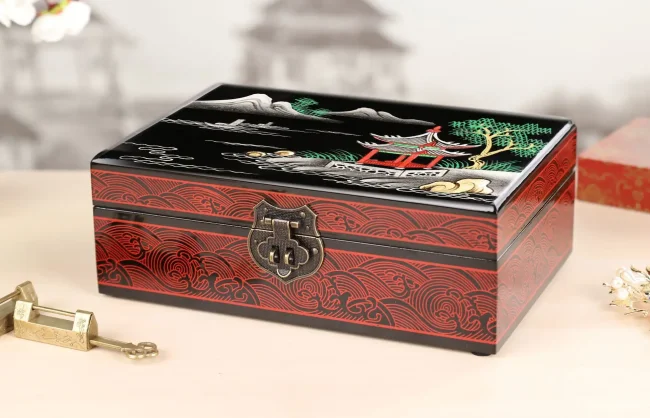
If you wish to go shopping while touring Pingyao, consider the lacquer ware. Pingyao is renowned for its lacquer ware, which are beautifully handcrafted wooden objects decorated with multiple layers of lacquer and paints.
The production process of lacquer ware is really painstaking. It requires up to 18 successive steps to complete. There is so much refinement and sophistication involved in the works.
Pingyao’s lacquerware comes in a variety of items, such as jewelry boxes, trays, chairs and tables. Head to one of the many lacquerware shops in the old city to find an exquisite piece of art to take home.
9. Attend the Pingyao International Photography Festival
Pingyao Old Town is also a popular destination in China for photography. Each September, photography enthusiasts from home and around the world come to Pingyao for the Pingyao International Photography Festival.
The festival features curated works of ancient architecture, local people and life, folklore arts, from acclaimed Chinese and international photographers. There are also fantastic nightly multimedia shows.
Whether you’re a professional photographer or simply appreciate stunning visuals, the Pingyao International Photography Festival is a cultural experience not to be missed.
10. Savour Pingyao’s Tasty Snacks
A gastronomic experience is also one of the top things to do in Pingyao. With a history spanning over 2,700 years, Pingyao cuisine offers a variety of iconic dishes, delicious snacks and street food.
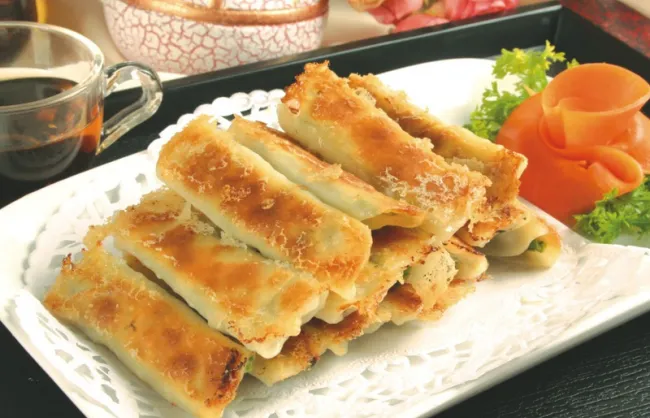
Some must-eat foods include pan-fried bun (水煎包), with mutton, pork or vegetables as the stuffings. Vanilla meat (香草肉), Chicken and beef are pinched into meatballs, wrapped in a thin layer of tofu skin, and vanilla; Long yam in honey sauce (蜜汁长山药), and Pingyao beef. For dessert, grab a bowl of Hong Mian Huhu (红面糊糊), a sweet rice porridge with red bean paste.
Pingyao’s culinary diversity reflects the city’s important role as a financial center in North China.
11. Visit Zhenguo Temple — a thousand year old wooden Buddhist temple
Zhenguo Temple is just about 10 km away from the Pingyao. And the oldest hall in this site, the “Ten-Thousand Buddha Hall” (Wanfo Hall), was built in 963 during the Northern Han dynasty. This long history makes it one of China’s oldest surviving wooden-structure Buddhist halls. And the hall’s roof is particularly worth studying as it is supported by massive wooden brackets and sweeping eaves, a celebrated example of traditional timber architecture. Take some time to explore inside the hall. Here, visitors can appreciate ancient Buddhist statues and art that have endured for over a millennium.
12. Explore Tongxinggong Escort Agency Museum — historic “Bodyguard Office” in Pingyao
Within the walls of Pingyao sits the Tongxinggong Escort Agency Museum — historically one of the most important “biaoju” (private escort offices) in North China, founded in 1855 during the The museum complex, covering about 1,000 m², comprises multiple courtyards: the business area with counting‑rooms and safes, the administrative office and mail‑house, and living quarters with a training ground where bodyguards once practiced martial arts. Visiting provides a vivid look at how commerce and transport of valuables were protected in the past — a seldom-seen chapter of China’s commercial history tucked within Pingyao’s ancient walls.
FAQ about Pingyao Ancient Town
How many days are recommended to see the major sights within the walled city and the temples outside the walls?
2–3 days is sufficient. Spend one day to cover the main old-town walls and another to visit temples like Zhenguo Temple and also some historic compounds such as the Bodyguard Office.
What is the best way to get around the ancient city, since cars are prohibited inside the walls?
Walking is basically how you explore the alleys and streets. Electric carts and small shuttles are also available if you’re with luggage or simply feel tired of walking.
What is the best time of year to visit Pingyao to avoid extreme weather or large crowds?
Spring (April–June) and autumn (September–November are the seasons you’d be looking for. Summer is basically hot and crowded and winter is quiet but definitely colder.
What are the most famous local dishes or food specialties that must be sampled in Pingyao?
Well, you can try smoked meat, lamb or pork buns, and local soups. Shanxi-style cuisine reflects the region’s history and flavors.
Qiao Family Compound vs. Wang Family Compound — which is more worth a visit?
Qiao Family Compound is quieter, and the whole site is well-preserved. Wang Family Compound is larger, grander, and more elaborate. If it’s possible, explore both of them for the best experience.
Plan a Pingyao Tour with China Xian Tour
Pingyao is a city full of history and all sorts of charm. And to explore the most of this town, just let China Xian Tour design a customized Pingyao tour for you. With private guides and tailored itineraries, all your expectations will be fulfilled and you can get an even deeper insight into Pingyao’s past and present. While all arrangements will be handled by your private guides, you can relax and prepare to make unforgettable memories in one of China’s best-preserved ancient towns.